
REVIEW · FRANCE STREET FOOD TOURS
Marseille: No-Diet Club Local Food Tasting and Walking Tour
Marseille puts its mixed heritage on the plate. This small-group food walk leads you through the city while you sample panisses, navettes, almond macaroons, Tunisian pastries, Provençal burgers, ice cream, seafood, and other local bites. It is less a formal meal than a moving feast with stories attached.
I like two things right away: the group size is limited to six, and the guide does more than point out restaurants. Guides such as Paul, Myriam, Nathalie, Joris, and Olivier have mixed food with neighborhood history, street art, local customs, and practical tips. The only real caution is the amount of food. Come hungry, but do not expect a light nibble tour, and allow extra time if your group stops to chat.
Key points to know before booking
- Eight or so tasting stops: You may eat enough at some stops to count as a small meal, not just a sample.
- Marseille on the plate: Panisses, navettes, Provençal burgers, Tunisian specialties, seafood, sweets, and local products reflect the city’s mixed population.
- A true small group: The maximum is six participants, which makes crowded shops and shared tastings easier to manage.
- Guides add city context: Paul, Myriam, Nathalie, Joris, and Olivier have all led tours that combine food with history and local advice.
- A comfortable walking pace: The tour lasts 210 minutes and includes a good amount of walking, but it is not described as strenuous.
- Plan around your appetite: Vegetarians are welcome, allergies and food preferences can be accommodated, and dishes change by season.
Marseille’s food culture in one walking route
Marseille can be hard to sum up with a single signature dish. Bouillabaisse gets much of the attention, but the city’s everyday food tells a broader story. It reflects Provence, North Africa, the Mediterranean, old port traditions, and newer food businesses sharing the same streets.
That is the useful idea behind this tour. Instead of spending half a day guessing which door to enter, you follow a route built around several food shops, restaurants, markets, and tasting counters. The guide explains what you are eating and why it belongs in Marseille’s food story.
You should not book this expecting a classic French tasting menu. The appeal is the mix. One stop may focus on an old Marseille specialty, another on Tunisian food, another on seafood or a sweet. That variety is what makes the tour a good introduction to the city.
The route may include around eight stops, although the exact lineup changes. Seasonal availability, shop schedules, and dietary needs can all affect the menu. Think of the published food list as a useful preview rather than a promise that every item will appear.
More Street Food Walking Tours in France
- Strasbourg: Traditional Food Walking Tour with Tastings
★ 4.8 · 219 reviews - Lyon: Food Walking Tour with a Local Guide
★ 4.8 · 198 reviews - Montmartre Private Food Walking Tour With Locals: The 10 Tastings
★ 4.5 · 142 reviews
The first bites: panisses, navettes, and local classics
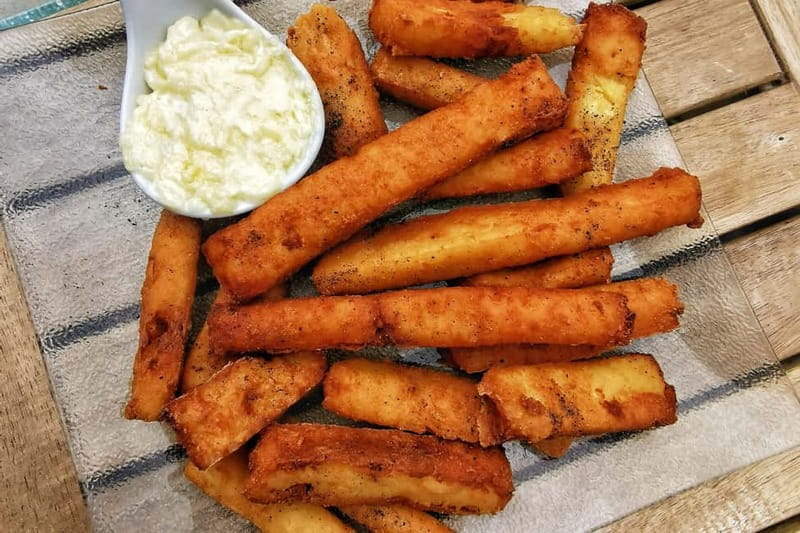
Panisses are one of the most important foods on the tour. These handmade chickpea fritters are strongly linked with Marseille and offer a simple introduction to the city’s working-class food traditions. They are filling, savory, and more substantial than the word tasting might suggest.
Navettes de Marseille provide a very different experience. These firm, boat-shaped biscuits are often flavored with orange blossom and are among the city’s best-known edible souvenirs. They are not soft pastries, so you can take your time with them and notice the fragrant flavor.
You may also try almond macaroons and other Provençal sweets. These stops are useful because they show that local food is not only about large meals or expensive seafood. Small bakeries and confectionery shops offer a more practical picture of what you can buy for a picnic, a gift, or a quick snack.
The guide’s role matters here. A good explanation can turn an unfamiliar biscuit or chickpea fritter into a memorable part of the city rather than an item you simply ate and forgot. Paul and Myriam are frequently praised for explaining both the food and the setting around it, while Nathalie is known for adding historical background as the group moves between stops.
The international side of Marseille
The tour’s strongest point is its willingness to treat Tunisian food as part of Marseille’s local identity. That is not a side trip from Provençal cuisine. Marseille has long been shaped by movement across the Mediterranean, and the food you find in its shops reflects that connection.
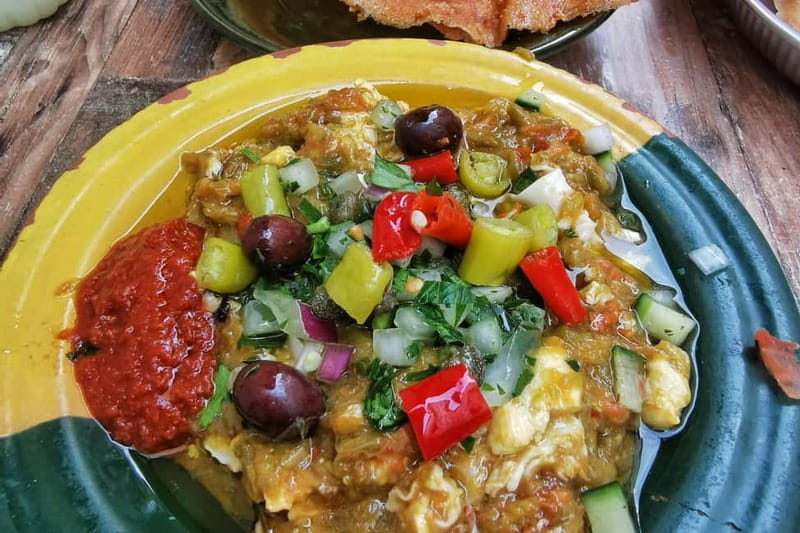
Expect the Tunisian offerings to vary. They may include pastries or other savory specialties, but the exact dishes depend on the day. The important thing is the contrast: a sweet French biscuit followed later by a North African pastry gives you a better sense of the city than a route limited to familiar French staples.
Several guides also use the food to explain Marseille’s neighborhoods and population. That gives the walk more substance than a list of restaurant recommendations. You are learning how local food developed through contact between cultures, ports, markets, and families.
If you are hoping only for traditional Provençal dishes, this may not be your ideal food tour. One previous participant wanted more classic Marseille food. I see that as a fair concern, especially if bouillabaisse is high on your wish list. This tour is better for understanding Marseille as a cosmopolitan port than for covering every famous dish in Provence.
Savory stops, market food, and the big appetite factor
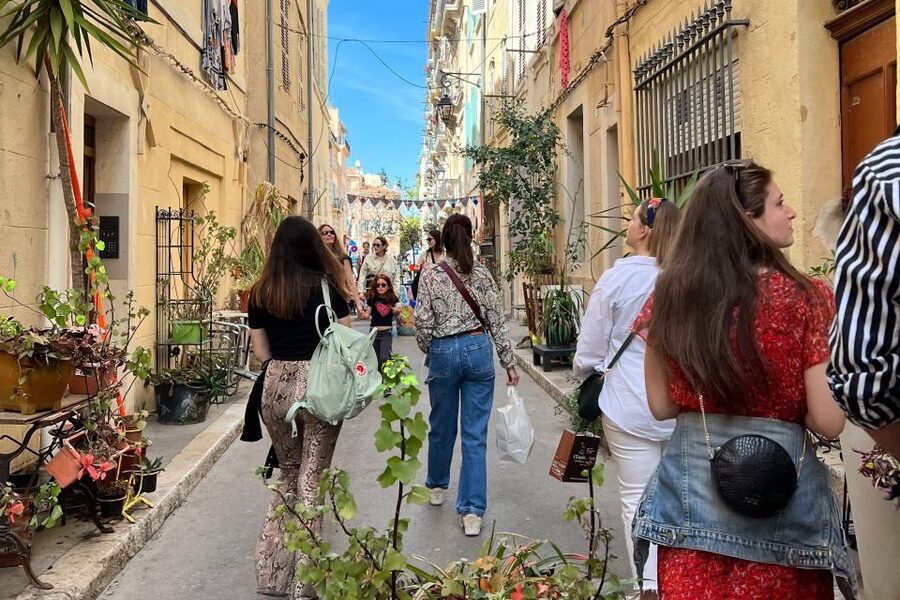
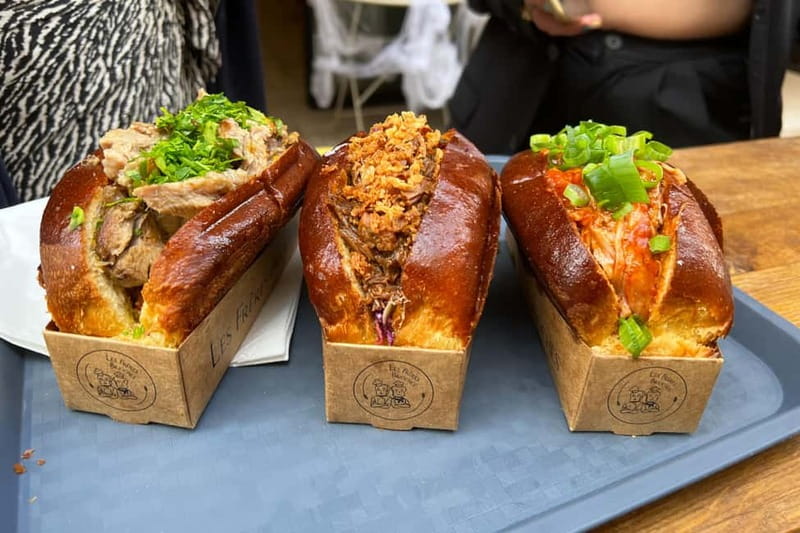
The middle of the tour appears to move toward more filling food. Depending on the route, you may try a homemade Provençal burger, seafood, sandwiches, pizza, fried bites, local drinks, or other dishes served in food halls and independent shops.
Les Grandes Halles can be a particularly useful stop because it gathers several kinds of food in one lively setting. One route included oysters, sandwiches, pizza, fried food, and local drinks there. That variety lets the guide build a shared tasting for the group instead of sending everyone off to make separate choices.
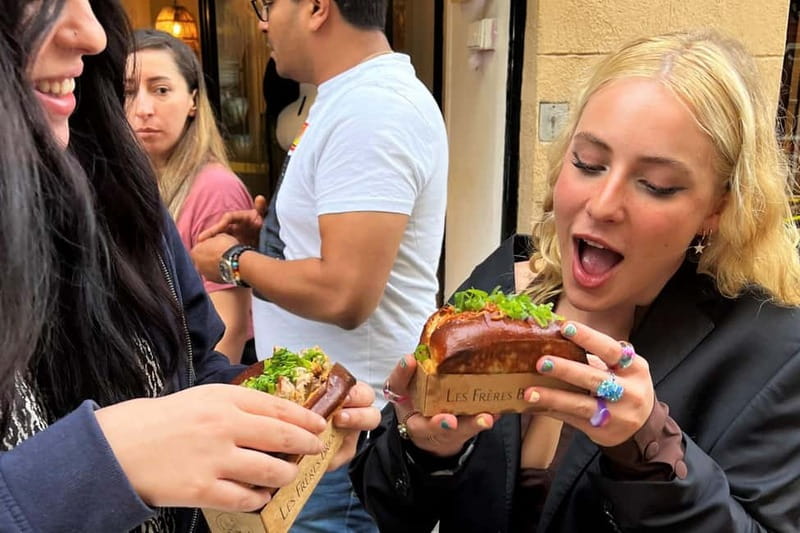
The portions are worth noting. Some stops are small tastes, but others are closer to a proper snack or light meal. One family could not finish everything served, and another group described the food as enough to produce a happy food coma. I would avoid eating a full lunch beforehand.
This format also works well for solo visitors. Shared plates give you an easy reason to talk with the other five people, and the small group keeps the conversation manageable. You might leave with restaurant ideas, but just as importantly, you have spent several hours comparing impressions with people you met that day.
There may be short waits at some shops. That is not necessarily a flaw. A pause gives you time to sit, digest, and look around instead of rushing from one bite to the next. Still, if you have only a narrow window in Marseille, keep a buffer. One group finished in close to five hours rather than the stated 210 minutes.
Same city, a different plate:
- NO DIET CLUB – Unique Local Food in Nice !
★ 5.0 · 1,267 reviews - No Diet Club – Unique Local Food in Nice with Tastings
★ 4.9 · 662 reviews - No Diet Club – Amazing local food in Biarritz !
★ 4.9 · 124 reviews - NO DIET CLUB – Unique local food tour in Aix en Provence
★ 4.8 · 114 reviews
Sweets arrive at the right time
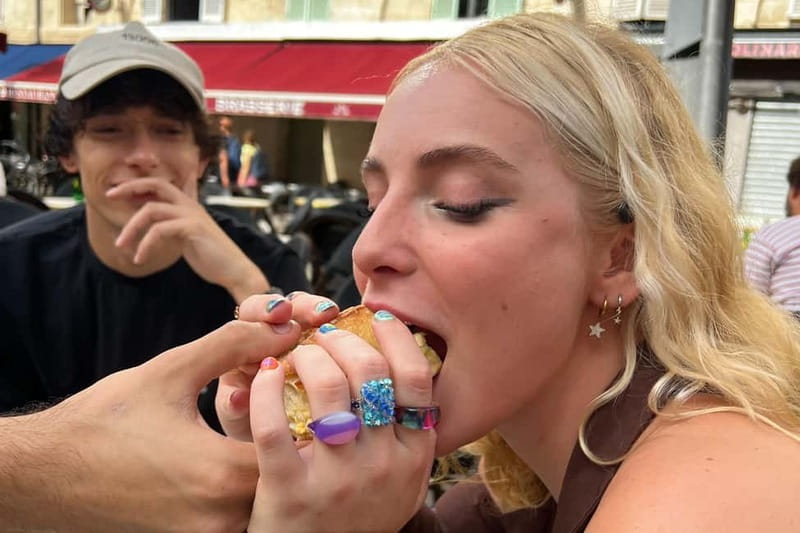
A well-planned food walk needs to control its rhythm. This one generally balances larger savory portions with smaller tastings and finishes with dessert. That keeps the eating from feeling like one long meal, even though you may consume a surprising amount.
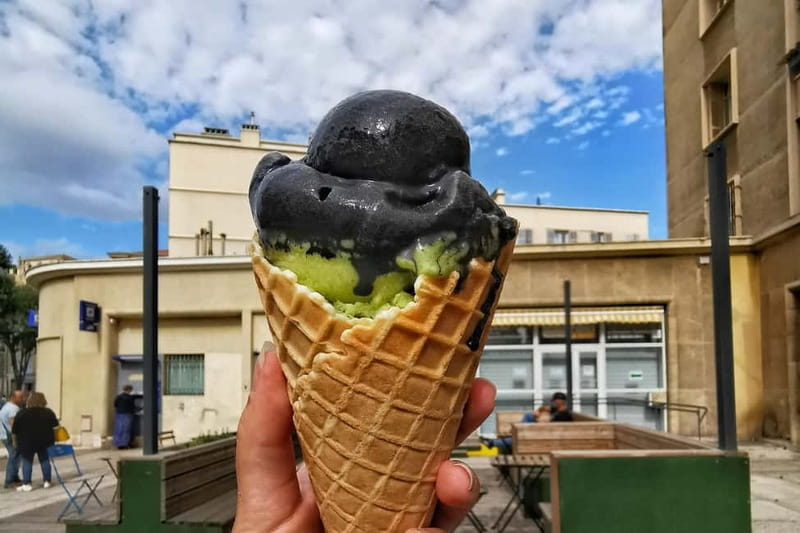
Artisanal ice cream is one possible sweet stop. You may also encounter choux desserts, almond macaroons, Tunisian pastries, or other seasonal treats. A dessert at the end gives you a clear finish and helps spread the food across the full walking time.
The exact dessert matters less than the structure. After a burger, panisse, seafood, or fried bite, a cold or sweet stop changes the pace. It also gives the guide a chance to recommend places you might return to later.
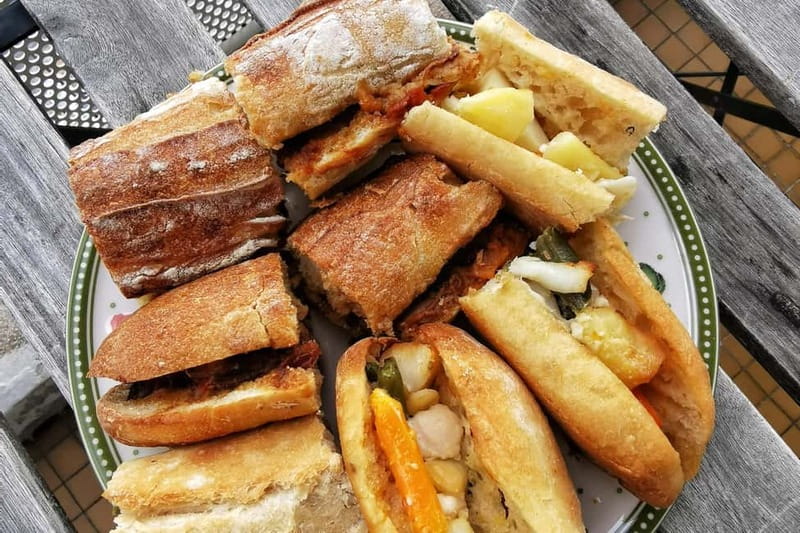
Do not assume the sandwich shown in promotional material will appear. A dish pictured on one route may be replaced by another on the day you visit. That is normal for a food tour built around small local businesses, but it is worth knowing if you are booking for one particular item.
Walking through Marseille between the tastings
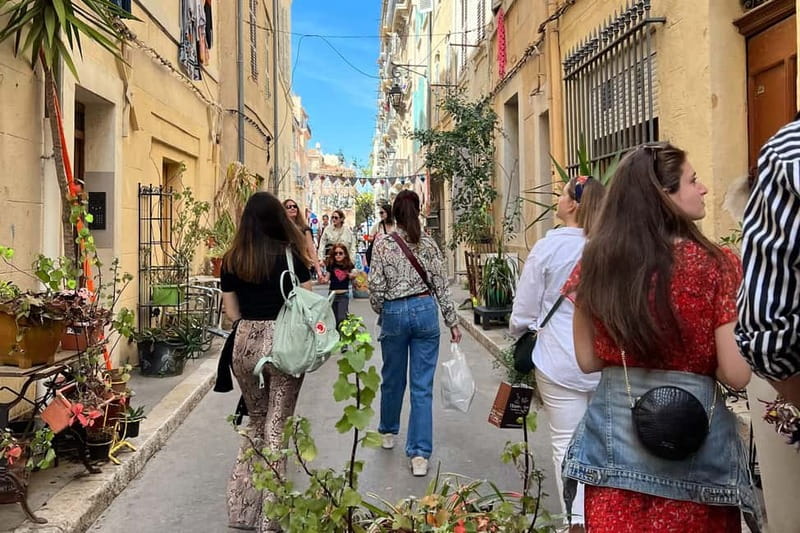
The food is the reason to book, but the walking route is a major part of the value. You explore the heart of Marseille on foot rather than traveling from restaurant to restaurant by vehicle. That lets you notice the changing character of the streets and neighborhoods between bites.
Guides have added street art, market areas, shops selling local products, and stories about how people live in the city. Olivier is especially well regarded for blending humor, history, and city orientation, while Myriam has been praised for offering practical suggestions for the rest of a visit.
The route is active, but it is not presented as a fitness challenge. Several people found the pace comfortable, and one guide adjusted the route to suit the group. You should still wear shoes you can walk in for several hours, particularly if you want to enjoy the stops rather than think about your feet.
This is also a good first-day activity. You get a basic map of Marseille through your stomach and your feet. By the end, you may know which neighborhood deserves another look, which shop sells something worth taking home, and where you might eat later.
What the guides add
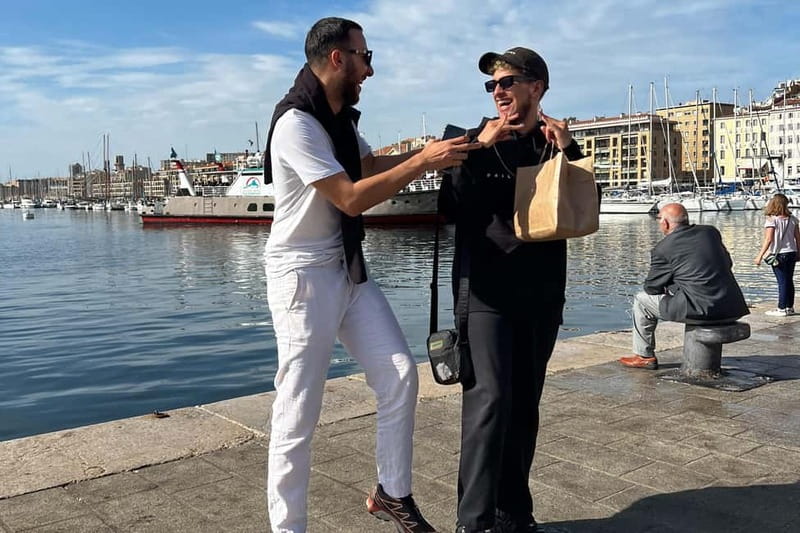
The guide can make or break a small food tour. Here, the strongest reports focus on warmth, humor, and local pride. Paul is often described as relaxed, friendly, and good at explaining both the city and its culinary traditions. He has also helped participants with later restaurant suggestions.
Myriam is a strong choice for anyone who wants food and city context in equal measure. She has been praised for explaining the origins of dishes, handling dietary needs, and sharing extra recommendations. Nathalie brings a similar mix of friendliness, history, and practical care.
Joris has led groups through different neighborhoods while explaining Marseille’s cultural mix. Olivier is known for using both French and English so everyone can follow along, a useful point for bilingual groups. Other guides, including Julie, Sarah, Mostafa, Aubrey, Jo, and Marian, have also led tours.
Your guide will not be identical every time, so do not book on the assumption that one named person is guaranteed. The consistent feature is the small group and the guide-led route, not a single permanent host.
Dietary needs and what to tell the operator
Vegetarians are welcome, and the food team has shown flexibility with allergies and dislikes. One guide found good alternatives for a participant who avoided seafood, which is helpful in a coastal city where seafood may appear on the route.
Tell the operator about restrictions before you arrive. Do not assume every substitution will be possible at every stop, since the food comes from separate shops and restaurants. Also, the tour is built around tasting many foods, so severe allergies require clear communication.
The menu is not a salad-based experience. The playful description is accurate in spirit: this is a day for indulgence. If you need a light meal or prefer a narrow focus on vegetables, you may find the route too heavy.
Is $77 a fair price?
At $77 per person, the tour costs more than simply buying a navette, ice cream, or panisse on your own. The value comes from the number of tastings, the route planning, the guide, and the access to places you might not find without local help.
Food tours are easy to undervalue because each individual bite may look inexpensive. Add several savory and sweet stops, possible drinks, and three and a half hours of guiding, and the price becomes easier to understand. The small group also matters. A maximum of six gives the experience a more personal feel than a large bus-style outing.
I would call it good value if you want a broad introduction to Marseille and expect to eat enough to replace a meal. It is less good value if you plan to skip half the tastings, want a formal sit-down dinner, or already know exactly where you want to eat.
The food quality has been consistently praised, but personal taste still matters. Tunisian specialties, seafood, fried foods, sweets, and local products may not all suit you. The variety is the strength, but it also means not every bite will be your favorite.
Timing, meeting point, and practical planning
The tour lasts 210 minutes and is offered in French and English. Meet the guide in front of the purple Calissons du Roy René shop. Look for the shop rather than relying only on a street address, and arrive ready to start walking.
The group is limited to six participants. That is helpful in small stores, where a large party can block the counter and make tasting awkward. It also makes it easier to ask questions or tell the guide about a food preference.
Cruise passengers should plan carefully. The tour has worked well for people visiting Marseille for a day from a ship, but some routes run long. If your ship departure or another timed activity is close, the stated three and a half hours should be treated as a minimum planning figure rather than a guarantee.
Free cancellation is available up to 24 hours before the start, and you can reserve now and pay later. Those terms are useful if your Marseille plans depend on a cruise schedule or changing travel arrangements.
Who should book this Marseille food walk?
I would choose this tour if you want to understand Marseille through food but do not want to research every shop yourself. It suits solo visitors, couples, families with older children, and anyone who likes meeting a small group while walking.
It is especially good for a first visit. You receive a basic orientation, try foods from several cultural traditions, and collect ideas for the rest of your stay. If you are a repeat visitor who has already eaten widely around Marseille, the appeal is the guide’s route and the chance to find places outside your usual list.
You should think twice if bouillabaisse is the main reason you are booking. It may not be included. You should also reconsider if you want wine pairings, a seated meal, or a very gentle stroll with minimal food.
Should you book it?
I would book this tour for the mix of local food and city character. The best part is not one particular pastry or burger. It is the way the route connects Marseille’s Provençal, Mediterranean, and Tunisian influences while giving you a practical look at several neighborhoods.
Bring an appetite, comfortable shoes, and an open mind. Tell the operator about dietary needs early, keep extra time in your schedule, and do not expect every pictured dish to appear. If that sounds like your kind of afternoon, $77 is a fair price for a well-planned introduction to Marseille.
FAQ
How long does the Marseille food tour last?
The stated duration is 210 minutes, or three and a half hours. Some groups have taken longer, so keep extra time available if you have another scheduled activity.
How many people are in the group?
The tour is limited to six participants. This keeps the group small enough for easier conversation and smoother visits to compact food shops.
What foods might I taste?
Possible tastings include panisses, navettes de Marseille, almond macaroons, artisanal ice cream, Provençal burgers, Tunisian delicacies, seafood, sandwiches, pizza, fried bites, local drinks, and seasonal specialties. The exact menu can change.
Is the tour suitable for vegetarians?
Yes. Vegetarians are welcome, and food alternatives can be arranged for some dietary preferences and allergies. Tell the operator about your needs in advance.
Where do I meet the guide?
Meet in front of the purple Calissons du Roy René shop in Marseille.
Can I cancel the booking?
You can cancel up to 24 hours before the tour for a full refund. You can also reserve now and pay later.
Just added around France
- NO DIET CLUB – Unique local food tour in Ajaccio (English/French)★ 4.5 · 30 reviews
- Cannes Ooh La La Food Tour★ 5.0 · 10 reviews
- #1 Bordeaux Food and Wine Tasting Tour w/ Local Foodie Guide★ 4.0 · 33 reviews
- Bordeaux Historic and Gourmet Food Walking Tour★ 4.5 · 82 reviews
- Lyon: Street Food Tour★ 4.4 · 15 reviews
- Paris: Food Market Tour in Bastille★ 4.6 · 12 reviews
- Paris: Vegan Food Tour (Street-food edition)★ 4.9 · 9 reviews
- Ajaccio: Local Food Tour with Tastings★ 4.8 · 83 reviews
France Street Food Tours, compared.
No Diet Club – Unique Local Food in Nice with Tastings
Read our review →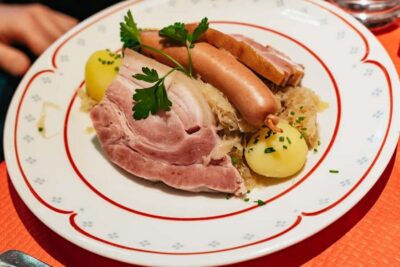
Strasbourg: Traditional Food Walking Tour with Tastings
Read our review →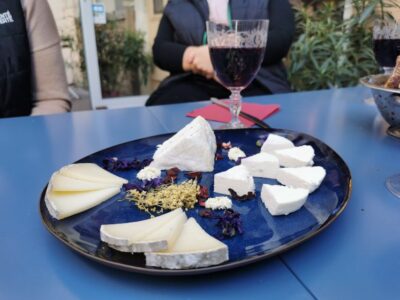

Montmartre Private Food Walking Tour With Locals: The 10 Tastings
Read our review →
No Diet Club – Amazing local food in Biarritz !
Read our review →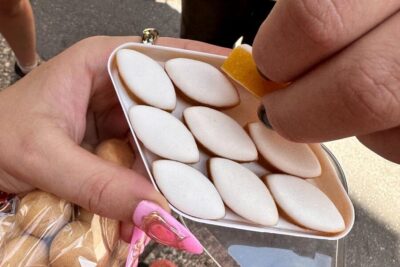
NO DIET CLUB – Unique local food tour in Aix en Provence
Read our review →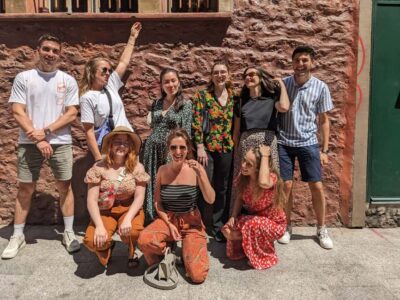
No Diet Club – Unique local Food in Paris! Canal st Martin
Read our review →Browse the lists this tour appears in