
REVIEW · VIETNAM STREET FOOD TOURS
Sapa: Bun Cha Cooking Class
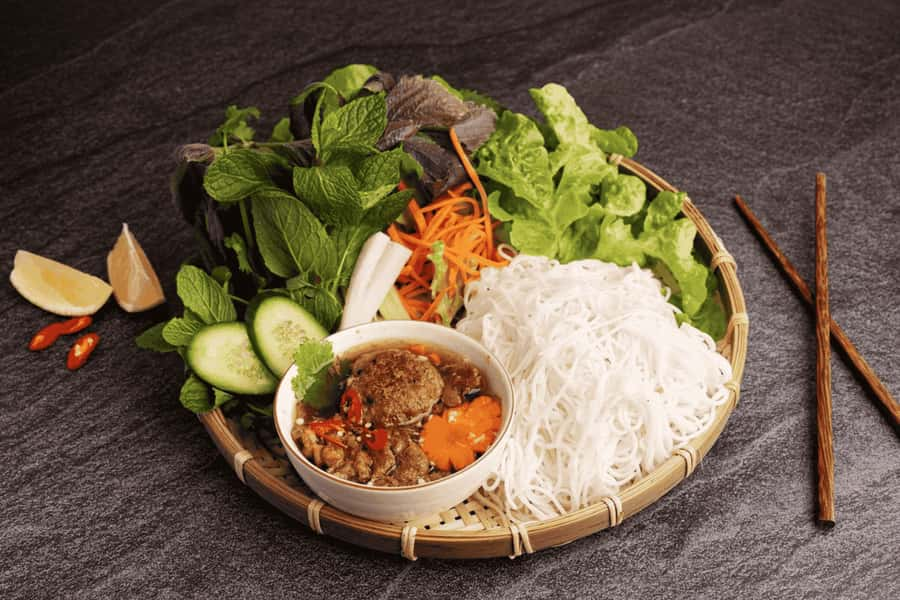
Bun cha is one of Vietnam’s most satisfying meals: smoky pork, cool herbs, rice noodles, and a sweet-sour sauce that ties everything together. This Sapa class lets you learn each part yourself, with charcoal grilling as the main event.
I like the small group limit of 10 and the fact that you receive the recipes, tools, and ingredients needed for the class. I also like the home-style meal afterward, when you sit down and eat what you prepared. The main drawback is clear: pork is central to the dish, so this class is not suitable for vegetarians or anyone avoiding pork.
Key points
- Grill pork over charcoal: Learn how heat and timing shape the smoky flavor of bun cha.
- Make the sauce yourself: Mix the traditional sweet-sour dipping sauce rather than treating it as an afterthought.
- Small group format: With no more than 10 participants, the chef can offer direct, step-by-step help.
- Eat what you cook: Your meal includes the bun cha you prepare during the class.
- Useful take-home material: Ingredients, tools, and recipes are included, so you can try the dish again.
- Simple Sapa meeting point: Meet at the office at 02 Nguyen Chi Thanh, with transportation arranged separately.
Why Bun Cha Makes a Good Sapa Cooking Class
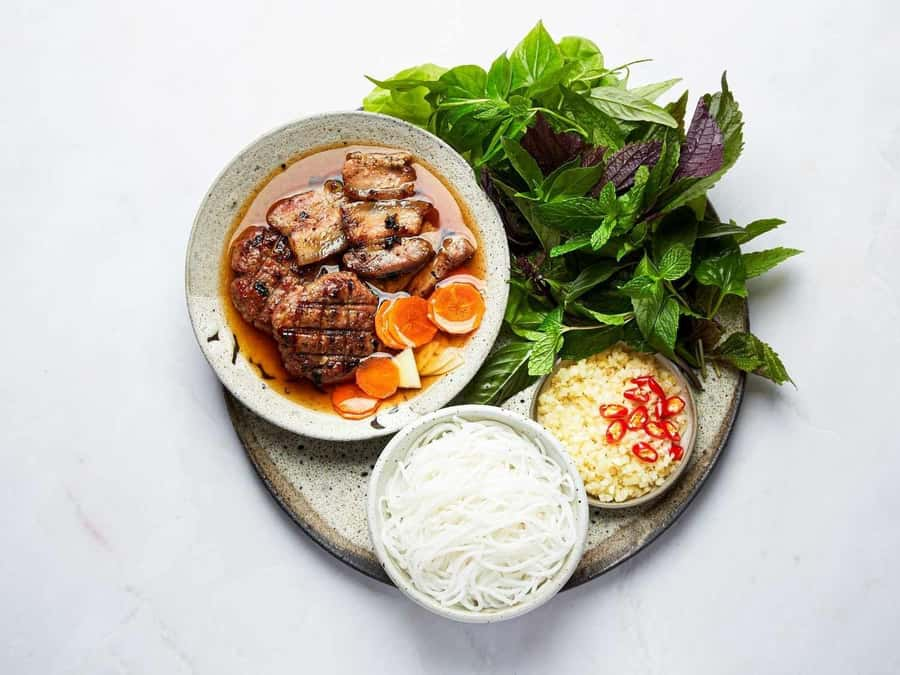
Bun cha is closely linked with Hanoi, but you do not need to be in the capital to learn its basic method. The dish is built from a handful of familiar parts: grilled pork, rice vermicelli, fresh herbs, and dipping sauce.
That simple list can be misleading. The pleasure comes from balance. The pork should have a savory marinade and a little char. The noodles and herbs keep the plate light. The dipping sauce brings sweetness, sourness, and seasoning into one spoonful.
I like this class because it teaches the dish as a complete meal rather than focusing on one recipe in isolation. You work through the meat, the sauce, and the way the components come together at the table.
The class lasts about two hours, which gives you enough time to cook without turning the activity into a full-day commitment. It also fits neatly into a Sapa schedule, especially if you want a food experience before or after sightseeing.
More Vietnamese Street Food Tours in Vietnam:
- Hanoi: Vietnamese Street Food Tour with Egg Coffee
★ 4.9 · 315 reviews - Hanoi Cooking Class: Pho/Bun Cha/Banh Xeo…+Free Egg/Salt Coffee
★ 5.0 · 267 reviews - Vietnamese Bread & Brew: Banh Mi Baking Class & Specialty Coffee
★ 5.0 · 76 reviews
Meeting the Chef at 02 Nguyen Chi Thanh
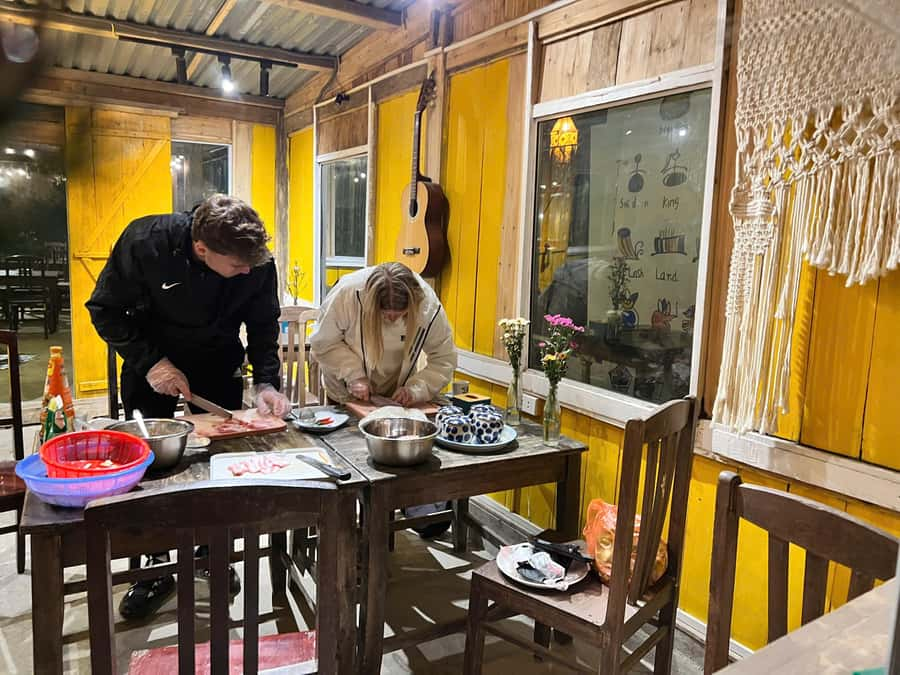
The meeting point is the provider’s office at 02 Nguyen Chi Thanh in Sapa. You can search for the address directly on Google Maps, but transportation to the venue is not included, so plan your own way there.
That detail matters in Sapa, where roads and distances can feel less obvious than they look on a map. Give yourself enough time to find the office, particularly if you are walking from another part of town.
The class is offered in English and Vietnamese. The chef gives step-by-step guidance, so you do not need prior cooking experience. This is useful if you are more comfortable learning by watching and copying than by reading a long recipe.
The group is limited to 10 people. That is not a private lesson, but it is small enough to keep the cooking hands-on. You should have a better chance of seeing the chef’s demonstrations and asking for help than you would in a large class.
The Opening: Vietnamese Ingredients and Bun Cha Basics
The experience begins with a welcome and a short introduction to Vietnamese cuisine and ingredients. This sets the scene for the cooking rather than sending you straight to the stove.
You will learn how bun cha is put together and what each part contributes. The dish is not simply grilled pork placed beside noodles. The sauce, herbs, and vermicelli are meant to be eaten together, with each element balancing the others.
This introduction is especially useful if you have tasted bun cha but never thought about its structure. It gives you a clearer sense of why the pork can be bold while the noodles and herbs remain mild.
The pace should suit first-time cooks. The chef gives clear guidance, and the class is designed for beginners. You can expect instructions as you move through each stage instead of being left to guess at measurements or technique.
Marinating the Pork, Where the Flavor Begins
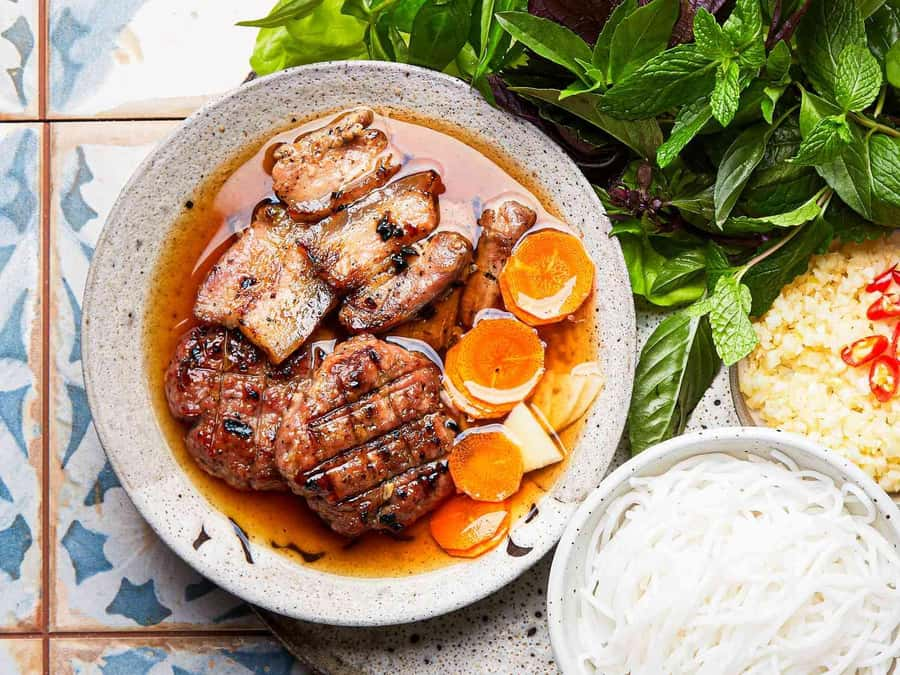
The first practical stage is preparing and marinating the pork. This is where you begin shaping the final flavor before the meat ever reaches the charcoal.
The exact ingredients and measurements are not specified, so you should expect the chef to explain the method during the class. Pay attention to the small tips here. A marinade is not only about adding flavor. It also affects how the pork cooks and how the surface colors over the fire.
This part of the workshop is valuable because it gives you a repeatable process. You are not just eating a plate of bun cha. You are learning how to prepare the meat for another meal at home.
If you are new to Vietnamese cooking, the chef’s step-by-step approach should make this stage manageable. You can ask questions in English or Vietnamese, and the small group size allows room for individual help.
More Cooking Classes in Vietnam:
- Da Nang: Traditional Cooking Class and Pho with Local Girl
★ 4.7 · 54 reviews - Hoi An: Bay Mau Cooking Class Only and Making Pho
★ 5.0 · 10 reviews - Hoi An Cooking Class – Traditional Chinese Dumpling
★ 5.0 · 9 reviews - Cooking Class and Tasting Pho in Da Nang with Local Chef
★ 5.0 · 8 reviews
Grilling Over Charcoal, the Hands-On Centerpiece
The most distinctive part of the class is grilling the pork over charcoal. This gives the cooking a direct, physical quality that you do not get from watching a demonstration or following a recipe online.
Charcoal brings heat, smoke, and timing into the process. You will need to pay attention as the pork cooks, since the aim is to develop a good grilled surface without losing the tenderness of the meat.
The chef guides you through this stage and shares practical tips for getting the dish right. One review specifically praised the useful tips and tricks shared by Sissy, so listen closely during the cooking rather than treating the grilling as a quick photo opportunity.
This is also the stage where the class may feel a little less predictable than cooking on a modern stovetop. Charcoal requires attention, and the result depends on how the meat responds to the heat. That is part of the value, but it may feel less controlled than a standard kitchen lesson.
For me, this is the strongest reason to choose the class. You are learning a cooking method tied to the character of the dish, not simply reheating prepared ingredients.
Mixing the Sweet-Sour Dipping Sauce
The sauce is a small part of the meal by volume, but it does a great deal of work. You will learn to make the traditional sweet-sour dipping sauce and understand how it connects the pork, noodles, and herbs.
This is a useful skill for home cooking because sauce balance can change the whole dish. Too much sweetness can make it heavy. Too much sourness can overpower the pork. The chef’s guidance helps you see how the flavors work together.
The sauce also gives the class a second kind of lesson. The charcoal teaches heat and timing. The sauce teaches adjustment and balance. Both are central to making the finished dish taste right.
Because the recipe is included, you can take this knowledge home. You will not need to rely only on memory after the class, although the chef’s tips may be just as useful as the written instructions.
Rice Vermicelli, Herbs, and Building the Plate
Bun cha is more than pork and sauce. The meal also includes rice vermicelli and fresh herbs, which keep the dish from becoming too rich.
The class teaches you how to prepare all the different parts of bun cha, not just the grilled meat. This matters because the final experience depends on the combination. The noodles provide a soft base, the herbs add freshness, and the sauce brings the components together.
The supplied information does not list every herb or garnish, so you should not expect a fixed ingredient list beyond the main elements described. The chef will guide you through the ingredients used for the class.
This stage is also where you begin to understand the difference between cooking a dish and assembling a meal. Each part may seem simple on its own, but the finished bowl or plate depends on how you combine them.
Sitting Down to Eat in a Home-Style Setting
After the cooking, you sit down and eat the bun cha you prepared. The meal takes place in a cozy, home-style setting rather than ending as soon as the last cooking task is finished.
I like this structure. A cooking class should give you time to enjoy the result, not just instructions and a rushed goodbye. Eating together also lets you judge how the flavors work as a whole.
You will have the chance to notice the smoky pork, the cool herbs, the soft noodles, and the sweet-sour sauce in one meal. If something tastes different from the bun cha you have eaten elsewhere, that is useful feedback. It helps you understand how preparation changes the dish.
The class includes the meal of your creations, but additional food and drinks are not included. You should budget separately if you want anything beyond the food prepared during the workshop.
What $25 Buys You
At $25 per person, the class offers a reasonable package for a two-hour food activity. You receive instruction from a local chef, ingredients, cooking tools, the class itself, and the meal you prepare.
The value is strongest if you want more than a restaurant meal. A plate of bun cha would usually take less time and effort, but it would not show you how the pork is marinated, how the charcoal is managed, or how the sauce is balanced.
You also receive recipes to take home. That gives the price value beyond the two-hour session, especially if you plan to cook Vietnamese food again.
The cost does not include transportation, extra food, or drinks. Those exclusions are easy to manage, but they should be part of your budget. The activity is best viewed as a focused cooking lesson with lunch or dinner included, not as an all-day food tour.
Who Should Book This Class
This workshop suits food lovers who want a practical introduction to Vietnamese cooking. It is also a good choice if you prefer doing something active instead of spending another afternoon looking around town.
You do not need cooking experience. The chef guides you through each stage, and the small group keeps the format approachable for beginners.
The class should also work well for couples, friends, and small family groups who want to prepare and eat the same meal. With a maximum of 10 participants, it has a more personal feel than a large group demonstration.
It is not the right class for vegetarians because pork is the main ingredient and cannot be replaced. If you do not eat pork, choose another workshop rather than hoping for a substitute.
You should also choose it because you enjoy the process, not only the meal. If you want a quick tasting with no cooking, a restaurant will be simpler. If you like learning through your hands, this class offers more.
Timing, Cancellation, and Booking Flexibility
The activity lasts about two hours, but starting times depend on availability. Check the schedule before booking so the class fits with your plans in Sapa.
You can reserve now and pay later, which helps if your schedule is still changing. Free cancellation is available up to 24 hours in advance for a full refund.
These policies are useful in a mountain destination where weather and transport can affect daily plans. Still, check the final booking terms and start time before you set out for the meeting point.
My Take on the Class
I would choose this class for the charcoal grilling and the chance to learn the full bun cha meal rather than just one recipe. The hands-on format gives you a better understanding of Vietnamese food than a standard restaurant order, and the meal afterward makes the two hours feel complete.
The strongest praise has focused on the clear instruction, the fun atmosphere, and the practical tips shared during cooking. Sissy is specifically praised for explaining the different parts of bun cha and offering useful advice for improving the final dish.
The limitations are straightforward. You must arrange your own transportation, extra drinks are not included, and the pork-based menu excludes vegetarians. The experience also centers on one dish, so it is not the choice for someone seeking a broad survey of northern Vietnamese cuisine.
Should You Book It?
Book this Sapa bun cha class if you want to grill pork over charcoal, learn a traditional sweet-sour sauce, and eat a meal you prepared yourself. At $25, it offers good value for a two-hour, small-group activity with ingredients, tools, instruction, recipes, and food included.
Skip it if you avoid pork, want a private class, or prefer a wider range of dishes. For everyone else, it is a practical and tasty way to connect a famous Vietnamese meal with the hands-on work behind it.
FAQ
Where does the Sapa Bun Cha cooking class meet?
The meeting point is the office at 02 Nguyen Chi Thanh, Sapa, Vietnam. You can search for the location directly on Google Maps.
How long does the cooking class last?
The class lasts approximately two hours. Starting times depend on availability.
Is transportation to the venue included?
No. Transportation to the venue is not included, so you need to arrange your own way to the meeting point.
Is the class suitable for beginners?
Yes. No previous cooking experience is required, and the chef provides step-by-step guidance.
Is the class suitable for vegetarians?
No. Pork is the main ingredient in bun cha and cannot be replaced in this workshop.
What languages are spoken during the class?
The class is offered in English and Vietnamese.
More Workshops in Vietnam
- Hanoi Egg Coffee & Coconut Coffee Making Class with Free Banh Mi
★ 5.0 · 41 reviews - Hanoi Egg Coffee Class and Street Food Walking Tour
★ 5.0 · 33 reviews - Discover Hanoi’s Street Food by Night & Mini Class Coffee
★ 4.8 · 28 reviews - Hoi An: Silk Process, Lantern Making Workshop & Local Food
★ 4.6 · 7 reviews
Just added around Vietnam
- Hue Street Food On Foot (Daily Tour – Group Tour | 12 pax max)★ 5.0 · 15 reviews
- Walking street food tour★ 4.5 · 7 reviews
- Hue Food Tour: Central Vietnam Culinary Heritage (Small Group)★ 5.0 · 42 reviews
- Hue City Tour and Local Food By Scooter★ 5.0 · 57 reviews
- Hue Night Walking And Street Food Tour★ 5.0 · 2 reviews
- Hue Night Tour: Cyclo, Street Food & Folk Music on Perfume River★ 4.5 · 2 reviews
- Hue Night Street Food Safari By Cyclo★ 5.0 · 11 reviews
- E biking Night Street Food Tour with Local Guide★ 5.0 · 4 reviews
Vietnam Street Food Tours, compared.
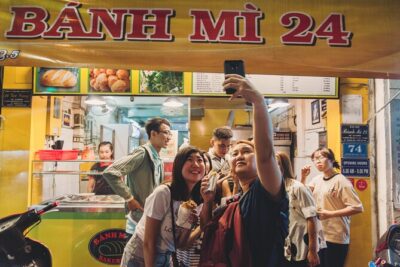
Ho Chi Minh City Street Food Tour & Sightseeing By Motorbike
Read our review →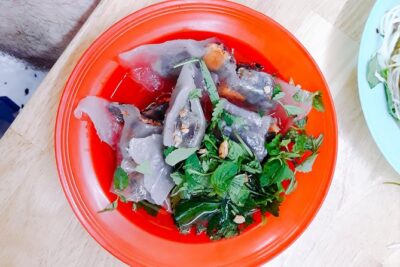
Small Group Hanoi Street Food Tour with a Real Foodie
Read our review →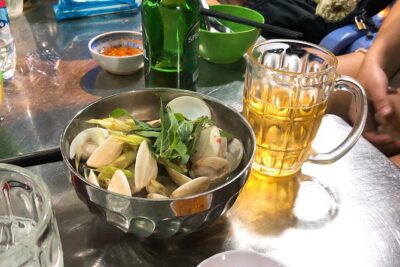
Saigon By Night and Street Food By Motorbike | Opt: Ao Dai Riders
Read our review →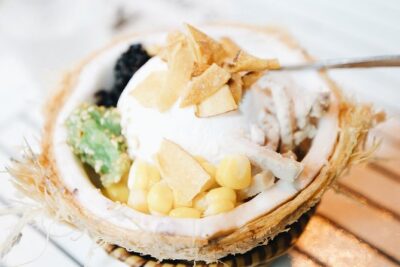
Private Street Food Tour by Motorbike/Car with Local Students
Read our review →
Saigon: Street Food Tasting & Sightseeing Tour by Motorbike
Read our review →
Private Street Food Evening Walking Tour in Ho Chi Minh City
Read our review →
Hanoi: Street Food Tour with Train Street & Hidden Alleyways
Read our review →
Top Notch Street Food Motorbike Tour In Ho Chi Minh City
Read our review →Browse the lists this tour appears in