
REVIEW · STREET FOOD WALKING TOURS
Stonetown: Food Markets and Street Food Walking Tour
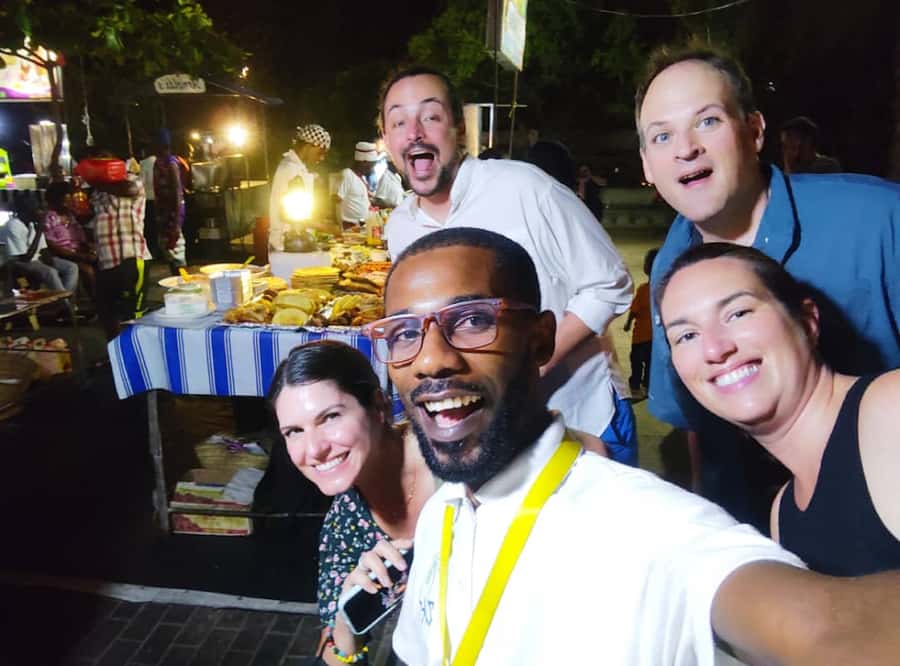
Forodhani Gardens is at its best after dark, when grills fire up and Zanzibar pizza hits the hot plate. This tour gives you a local guide to steer you through the food stalls, explain what you are eating, and help you order without guesswork. I like the sunset drink and the generous tasting menu, especially the urojo soup, Zanzibar pizza, shawarma, and sugarcane juice. The stroll through Stone Town adds useful context, too.
The main drawback is pace. A few people found the tour shorter than the advertised three hours or felt the walking portion was rushed. Pickup also needs confirming, since one guest expected hotel collection and instead had to meet the guide. Still, at $35, the included meal, drink, guide, and transport make this a strong first-night introduction to Stone Town food.
Key points to know before you book
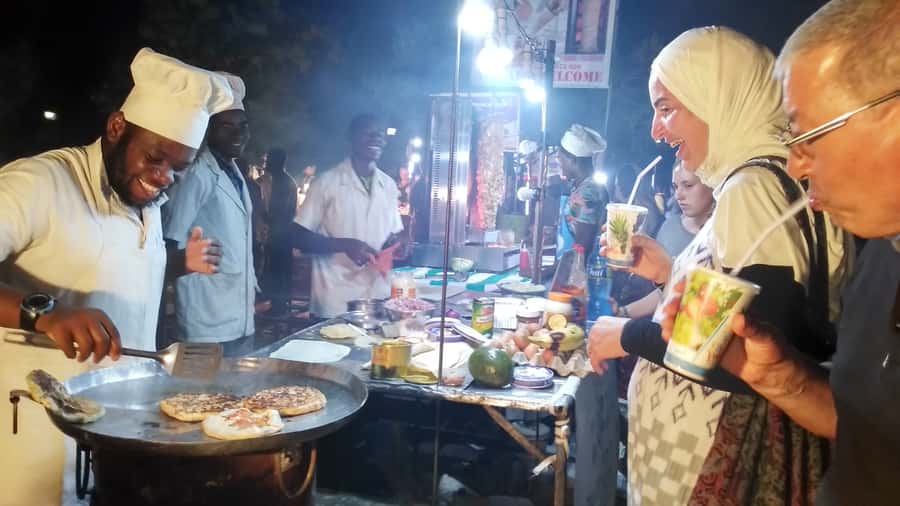
- The best food stop is Forodhani Gardens: Expect Zanzibar pizza, urojo, chicken shawarma, sugarcane juice, and other market fare.
- Sunset comes before dinner: You stop at a local restaurant or rooftop setting for one included beer, soft drink, or other drink.
- Darajani Market shows daily life: This is the produce market where residents shop for fruits and vegetables.
- Guides shape the experience: Zahran and Juma have been praised for food advice, local stories, and making solo visitors feel comfortable.
- The price covers a full tasting meal: Extra drinks at the sunset stop cost more, but the main food and one drink are included.
- Allow for traffic and timing issues: Hotel pickup is available, but confirm the meeting plan and allow extra time getting into Stone Town.
Why this food tour works best at night
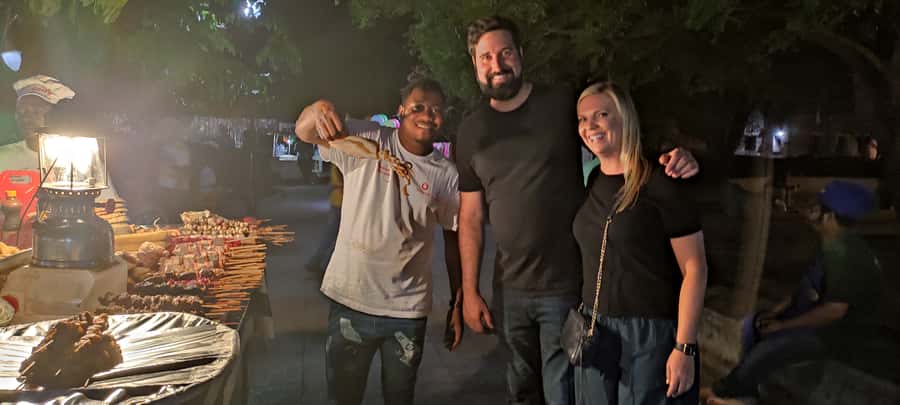
Stone Town can feel confusing on a first visit. Narrow lanes twist around old buildings, signs are not always obvious, and the food stalls at Forodhani Gardens can look like one long line of tempting choices. This tour gives you a plan without turning the evening into a lecture.
You begin around 6:00 PM, when Darajani Market is still part of the city’s working day. Later, you move toward the waterfront for a drink and sunset, then continue to Forodhani Gardens for dinner. That order matters. You see the market as a place where local people shop, then see the evening food scene as a place where people meet, eat, and spend time together.
I especially like the balance between eating and walking. You are not seated in one restaurant for three hours. Instead, you get a quick look at produce stalls, a drink with a view, a short Stone Town walk, and several foods at the night market. It feels more connected to the city than a standard restaurant meal.
The experience is guided in English or French. Guides have included Zahran and Juma, with Juma also working as a chef according to the tour details shared by past participants. That food background can be useful when you want to know how a dish is made, which flavors to expect, or which stall looks like the right choice.
More Market Food Tours in the world:
- Seoul Street Food Market Tour
★ 5.0 · 1,226 reviews - Venice Street Food Tour with Local Guide with Local Food Market Visit
★ 5.0 · 822 reviews - Cancun Street Food Tour with Food Stalls, Local Market and Murals
★ 5.0 · 723 reviews
Darajani Market: start with Stone Town’s everyday food
Darajani Market is not mainly a tourist show. It is where local shoppers go for fruits, vegetables, and other food supplies. You will encounter the sounds, movement, and close quarters of a working market before the evening meal begins.
This first stop gives you a better frame for the dishes later. Zanzibar food is shaped by its island setting and long trading connections, but you do not need a formal history lesson to appreciate that. Look at the produce, notice what is sold in quantity, and ask your guide how ingredients appear in local cooking.
The market visit is fairly brief, so do not expect a slow, detailed tour of every section. It works as an introduction rather than a full market study. If you want long stretches for photography or shopping, you may find the schedule a little tight.
I would use this part to ask practical questions. What is a common breakfast? Which spices appear in local dishes? What do people buy here for home cooking? Guides such as Juma and Zahran have been praised for talking about daily life as well as food, and that kind of conversation can turn a simple walk into a more useful introduction to Zanzibar.
Sunset drink with a view
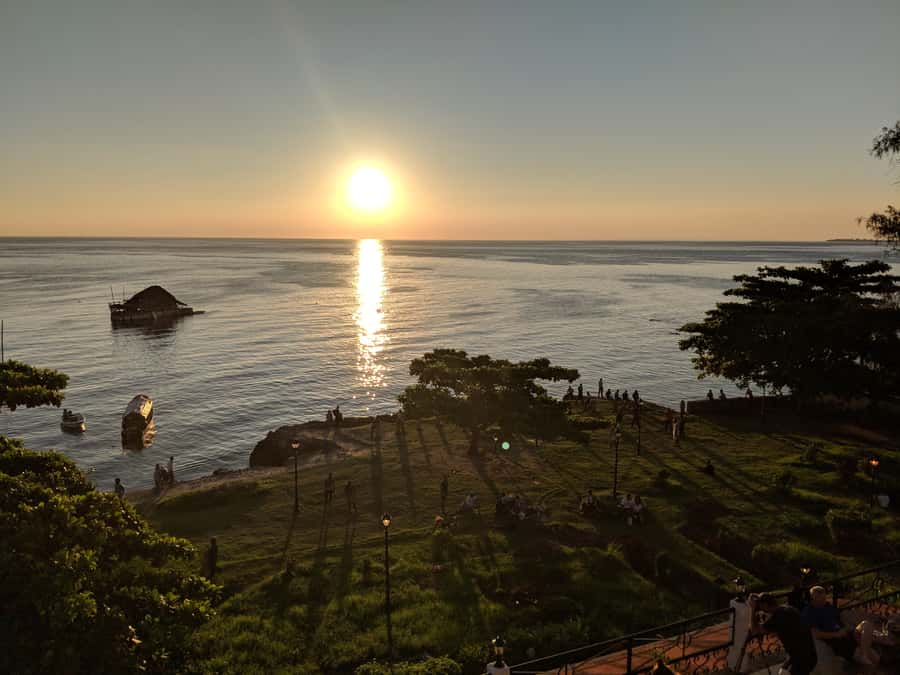
After Darajani Market, you stop at a local restaurant for one drink while the light fades. Several people described this as a rooftop setting with views toward the town or beach, though the exact venue can vary.
Your included drink may be a local Tanzanian beer, soft drink, cocktail, or another beverage available at the stop. The basic package covers one drink. If you want more, you can buy additional drinks at your own cost.
This pause is more than a break between food stops. Stone Town is easier to appreciate when you slow down for a few minutes. You can watch the sky change, talk with your guide, and get a sense of how the evening is unfolding before the market becomes the main event.
I like this part because it prevents the tour from feeling like a rapid march between stalls. On the other hand, if you are expecting a long rooftop dinner, adjust your expectations. The drink is a short sunset stop, not a separate bar experience.
Traffic can affect this section, especially when coming from a beach resort or another part of Zanzibar. One person arrived about 30 minutes late because of heavy traffic near school pickup time. If you are staying outside Stone Town, ask the operator for a clear pickup time and allow a generous buffer.
Walking through Stone Town after dark
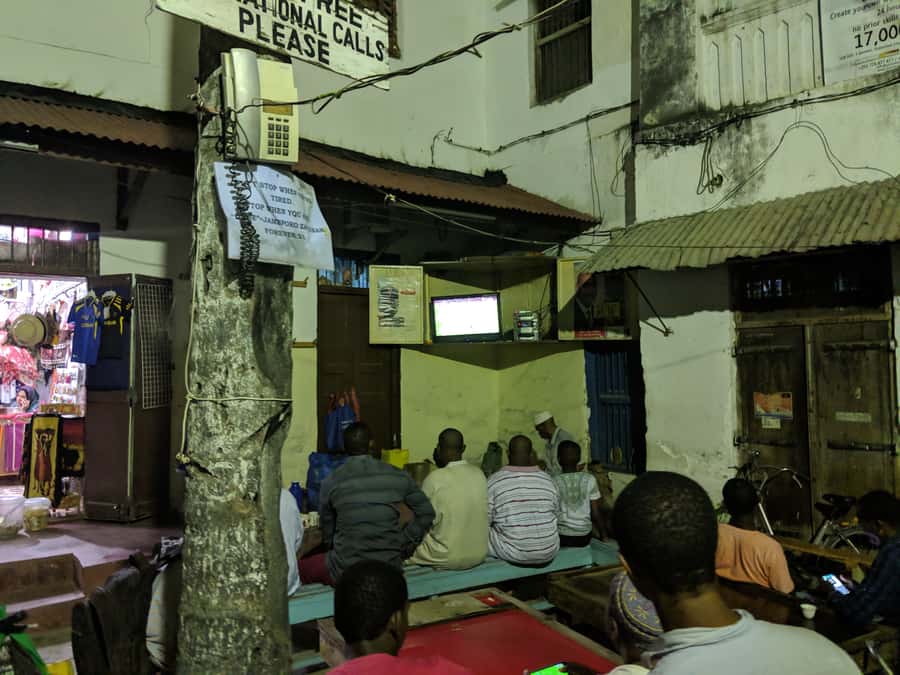
The walk between the drink stop and Forodhani Gardens takes you through Stone Town, a UNESCO World Heritage Site. The value here is not a checklist of grand monuments. It is the chance to see how the streets function after sunset.
Your guide may point out places where local people gather for celebrations, football, tea, or games. Those details help you see Stone Town as a lived-in city rather than a backdrop for old doors and carved buildings.
The walk also gives you a chance to digest before the next round of food. Some guides take a slower route and show less obvious corners of town. Others may keep things moving, especially if the evening is running late.
This is the part where guide quality matters most. A good guide explains what you are passing and answers questions about Zanzibar life. A quieter guide may simply lead you through the lanes, which can leave you feeling that you could have walked the route alone. If you want cultural context, say so early. Ask questions rather than waiting for a running commentary.
The walk is generally suitable for solo visitors, and several people felt comfortable being accompanied back to their hotel. Pickup and drop-off are offered for beach resorts and other accommodations in Zanzibar, though you should confirm the details in advance.
More Street Food Walking Tours in the world:
- Reykjavik Food Walk – Local Foodie Adventure in Iceland
★ 5.0 · 18,952 reviews - Naples: Street Food Walking Tour with Local Guide
★ 4.9 · 4,976 reviews - Private Street Food Evening Walking Tour in Ho Chi Minh City
★ 5.0 · 3,175 reviews - Rome: Trastevere & Campo de Fiori Street Food Walking Tour
★ 4.9 · 2,768 reviews
Forodhani Gardens and the main food tasting
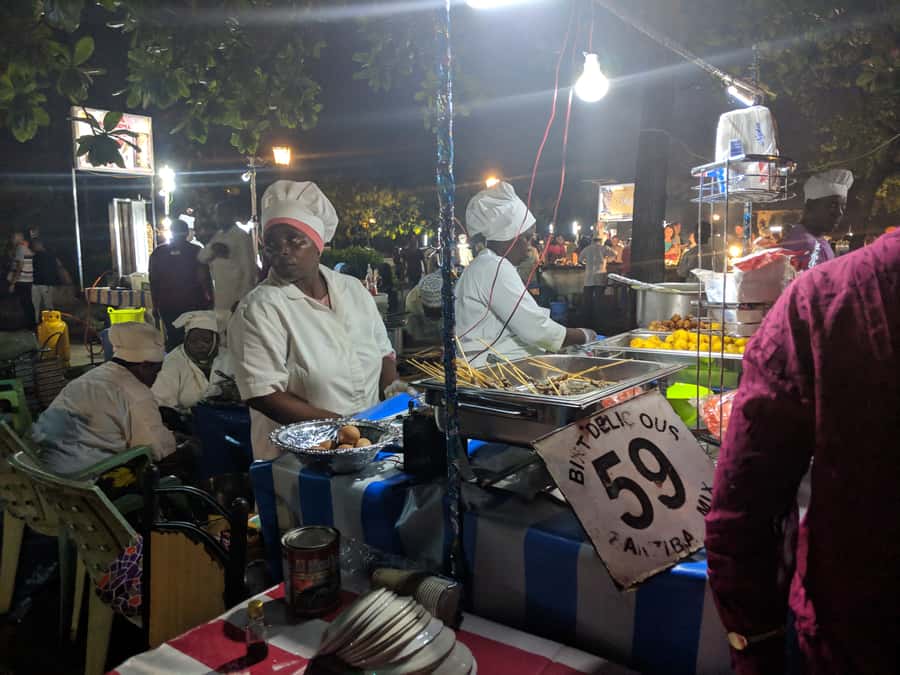
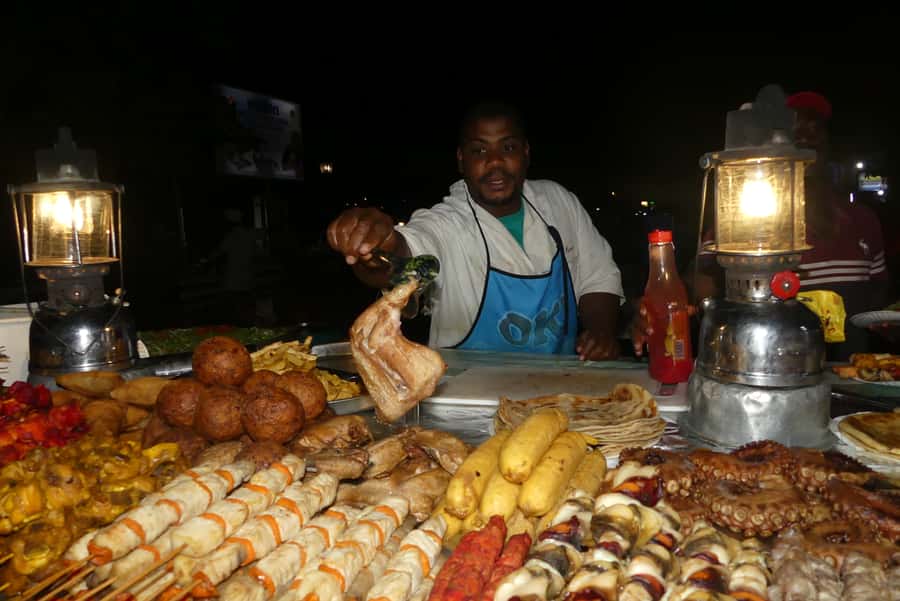
Forodhani Gardens is the payoff. At night, the waterfront becomes a popular street-food market, with vendors preparing dishes to order. The meal is included, and the guide chooses the foods and helps organize the tasting.
The usual spread includes:
- Zanzibar pizza
- Urojo soup
- Chicken shawarma
- Sugarcane juice
- Spice tea or coffee
- Other local foods available at the market
The portions can be surprisingly filling. Several people described leaving full after the soup, pizza, shawarma, and a large serving of sugarcane juice. This is not a few tiny samples followed by a separate dinner. For many people, it functions as the evening meal.
Zanzibar pizza
Zanzibar pizza is one of the dishes you will likely remember. Despite the name, it is not the Italian version. It is a thin, folded street-food parcel filled with ingredients such as meat, vegetables, or egg, then cooked on a hot surface.
The appeal is the contrast between the browned outside and the warm filling. It is easy to eat, familiar enough for cautious eaters, and still distinct from standard Western pizza.
Urojo soup
Urojo is often the surprise favorite. It is commonly described as a soup or sauce with a tangy, comforting character, and the tasting may include mango as part of the flavor. Some people enjoyed it so much that they returned for it on later evenings.
Ask your guide what is in the version being served, since recipes and toppings can vary. It is a good example of why the tour is useful: you can try a dish you might otherwise pass by because you do not recognize its name.
Chicken shawarma
The shawarma provides a more familiar anchor after the stronger flavors of the soup and other snacks. The version included here is chicken shawarma, and it helps make the meal substantial.
If you are cautious with new foods, start with the shawarma and Zanzibar pizza, then move to urojo. If you are eager to try local specialties, reverse that order and begin with the soup while your appetite is fresh.
Sugarcane juice
Fresh sugarcane juice is a fitting finish. It is sweet, refreshing, and served as part of the market experience rather than as a packaged drink. The portion can be large, so save room for it.
You may also try spice tea or coffee. These drinks are included as an alternative or addition to the listed foods, depending on how the tasting is arranged.
Food choices, hygiene, and seafood advice
Street food always calls for a little judgment. The guide’s role is valuable here because you are not choosing at random from every stall. Past participants specifically appreciated being taken to vendors considered reliable and being told which foods were sensible choices.
That is helpful, but it is not a guarantee against stomach trouble. Eat foods that are served hot, follow your guide’s advice, and be sensible with unfamiliar seafood. One person specifically advised avoiding seafood after finding it less fresh than the other dishes.
The strongest food choices for this tour appear to be urojo, Zanzibar pizza, chicken shawarma, sugarcane juice, and the hot drinks. Dietary preferences can sometimes be accommodated, but you should tell the operator before the tour. The provided information does not promise a specific vegetarian, vegan, allergy-safe, or halal menu.
The meal is eaten at the market, not in a polished dining room. You should expect a casual setting and a focus on tasting rather than table service. That is exactly the point, but it may not suit you if you want a quiet, formal dinner.
Guides: Zahran, Juma, and what to expect
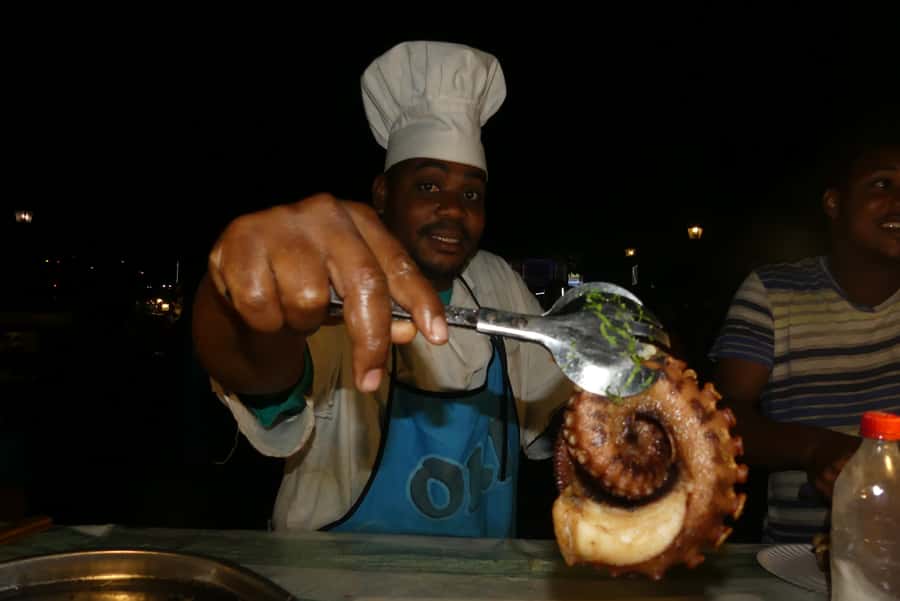
The guide can make this evening either personal or ordinary. Zahran has been praised for choosing food vendors, explaining local culture, and sharing useful addresses for later visits in Stone Town. He has also helped solo visitors feel at ease.
Juma has been described as friendly, calm, and well informed about food and local life. His experience as a chef adds practical value when he explains dishes and cooking methods. He has also been praised for discussing current affairs and everyday life, not just repeating sightseeing facts.
You may not receive either guide on your date, so treat these names as examples of the style of guiding available rather than a guarantee. The operator is Zanzibar Local Experience, and the advertised guiding languages are English and French.
If your guide is quiet, ask direct questions. Which stall would he choose for himself? What is the soup made from? How do people spend evenings in Stone Town? Those questions tend to produce a better conversation than simply following along.
Is $35 good value?
At $35 per person, this is good value if you want a guided introduction rather than just a plate of street food. The price includes hotel pickup and drop-off, a guide, one drink at the sunset stop, and the market meal with the named dishes.
The food alone is not the only thing you are paying for. You are also paying for help choosing vendors, translation and ordering support, a planned route, and the convenience of moving between several parts of Stone Town without working out the evening yourself.
The value drops if you already know Stone Town well or are comfortable selecting street food alone. One person felt the route was easy enough to do independently, and another found the total time closer to two hours than three. If you are treating the tour as a full-length historical walk, you may be disappointed.
For a first evening, though, the package is sensible. You get a sunset drink, a full meal, and a local orientation in one outing. Extra drinks at the restaurant are not included, so carry a way to pay for them if you want more than the first beverage.
Timing, pickup, and comfort

The scheduled tour runs from about 6:00 PM to 8:00 PM, with the advertised duration listed as three hours. Actual timing can vary because of traffic, pickup distances, and how long you spend eating.
The meeting point may be the front of the Old Fort or your hotel reception in Stone Town. Pickup is also offered from beach resorts and other accommodations around Zanzibar. Confirm this before the day of the tour, especially if you selected hotel pickup. One missed understanding about the meeting point caused unnecessary frustration.
Wear comfortable shoes for walking on Stone Town streets and bring enough patience for a busy market setting. The tour is listed as wheelchair accessible, but the details of individual streets, stalls, and transfers are not provided, so it is worth confirming what assistance is available for your route.
Free cancellation is available up to 24 hours before the tour for a full refund, and you can reserve now and pay later. Those terms help if your Zanzibar plans are still shifting.
Who should book this Stone Town food tour?
I would choose this tour for a first evening in Stone Town, especially if you want food, local conversation, and a gentle introduction rather than a long monument tour.
It suits solo visitors well, since the guide provides company and helps with ordering. It also works for couples and small groups who want to try several dishes without wasting a meal on a disappointing stall.
You may want to skip it if you have already explored Forodhani Gardens, prefer to eat at your own pace, or want a serious architectural tour. The walking portion is useful but not exhaustive, and the schedule can feel quick if you want time to browse every market stall.
Should you book it?
Book it if you want a reliable first taste of Zanzibar street food and would rather have a local guide choose the starting points. The combination of Darajani Market, sunset drink, Stone Town walk, and Forodhani dinner gives you a lot for $35.
Before paying, confirm hotel pickup, tell the operator about dietary needs, and ask whether the guide will be Zahran, Juma, or another member of the team. If those details are clear, this is a practical, filling, and sociable way to spend your first night in Stone Town.
FAQ
How long does the Stone Town food tour last?
The tour is advertised as three hours, beginning around 6:00 PM and ending around 8:00 PM. Actual timing can vary, and some people experienced a shorter outing.
What food is included?
The included tasting covers Zanzibar pizza, urojo soup, chicken shawarma, sugarcane juice, and spice tea or coffee, along with other foods available at Forodhani Gardens.
Is a drink included before the food market?
Yes. One drink at a local restaurant is included. This may be a local Tanzanian beer, soft drink, cocktail, or another available beverage. Additional drinks can be purchased separately.
Where does the tour meet?
The guide may meet you at the front of the Old Fort or at your hotel reception in Stone Town. Hotel pickup is offered from beach resorts and other accommodations in Zanzibar, so confirm the exact arrangement before the tour.
Which languages are available?
The live guide service is available in English and French.
Are hotel pickup and drop-off included?
Yes. Hotel pickup and drop-off are included, and pickup is offered from beach resorts or other accommodations in Zanzibar. Confirm the meeting time and location in advance.
Is the tour wheelchair accessible?
The activity is listed as wheelchair accessible. Since the route includes markets and Stone Town streets, ask the operator about the specific pickup and walking arrangements for your needs.
Can I cancel for a refund?
You can cancel up to 24 hours in advance for a full refund. The activity also offers a reserve-now, pay-later option.
Just added around the world
- 1 Istanbul Tour: Highlights, Street Food & Hidden Pearls★ 5.0 · 9 reviews
- Evening Hyderabad Street Food Walk with Hyderabad Biryani★ 4.5 · 24 reviews
- Hyderabad Street Food Crawl (2 Hours Guided Food Tasting Tour)★ 4.0 · 5 reviews
- Japanese Street Food Class in Beech Grove★ 5.0 · 9 reviews
- Small-group Street food tour in Ischia★ 3.5 · 2 reviews
- Hyderabad : Evening Street Food Tasting with Guided Old City Tour★ 5.0 · 10 reviews
- Hyderabad Street Food Experience with Local Expert★ 4.5 · 2 reviews
- Hue Street Food On Foot (Daily Tour – Group Tour | 12 pax max)★ 5.0 · 15 reviews
Street Food Walking Tours, compared.
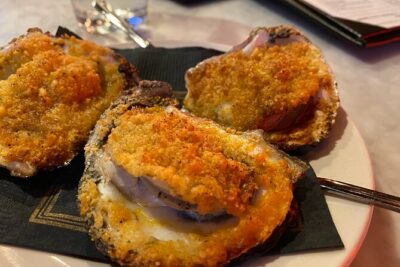
New Orleans Food Walking Tour of the French Quarter with Small-Group Option
Read our review →
Naples: Street Food Walking Tour with Local Guide
Read our review →
Tokyo Tsukiji Fish Market Food and Culture Walking Tour
Read our review →
Private Street Food Evening Walking Tour in Ho Chi Minh City
Read our review →
SoHo, Little Italy, and Chinatown Walking Tour in New York
Read our review →
Rome: Guided Food Walking Tour with Wine in Trastevere
Read our review →
Browse the lists this tour appears in