
REVIEW · INDONESIA STREET FOOD TOURS
Street Food Tasting by Walking
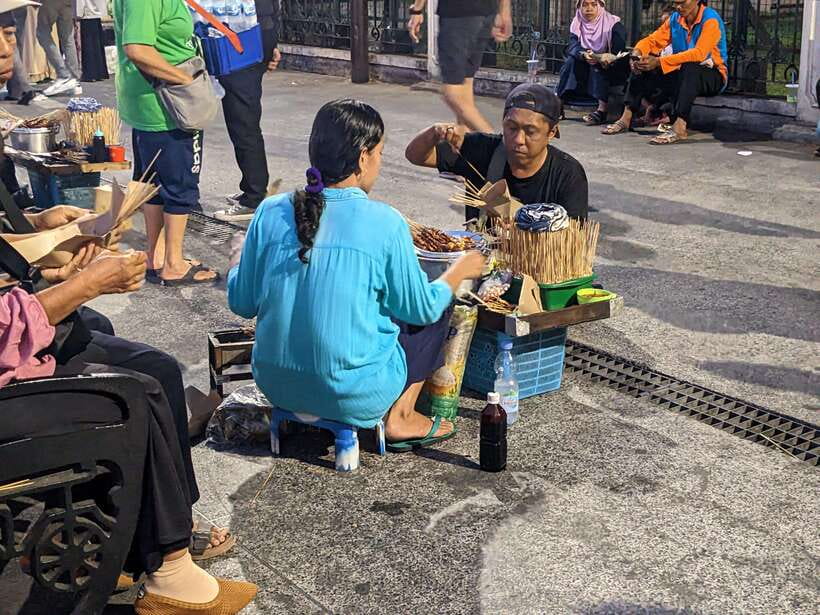
Yogyakarta’s best introduction may come on foot, one bite at a time. This evening tour moves from Malioboro Street through royal Yogyakarta, pairing street foods such as Kopi Joss, Gudeg, and Sego Kucing with landmark stops at the Kraton and the city squares. It ends with a neon-lit pedal-car ride and a traditional challenge at Alun-alun Kidul.
I like the way the tour links food with place, rather than treating dinner as a series of disconnected tastings. I also like the small-group format, limited to seven people, and the flexible approach described by guide Ibnu, who can explain dishes, answer questions, and adjust the evening to your interests.
The main consideration is that this is a walking tour, and it is not suitable for people with mobility impairments. The advertised length is 2.5 hours, but a flexible evening can run longer. One guest described finishing around 11 p.m., so keep your schedule open if the food and conversation are going well.
Key points at a glance
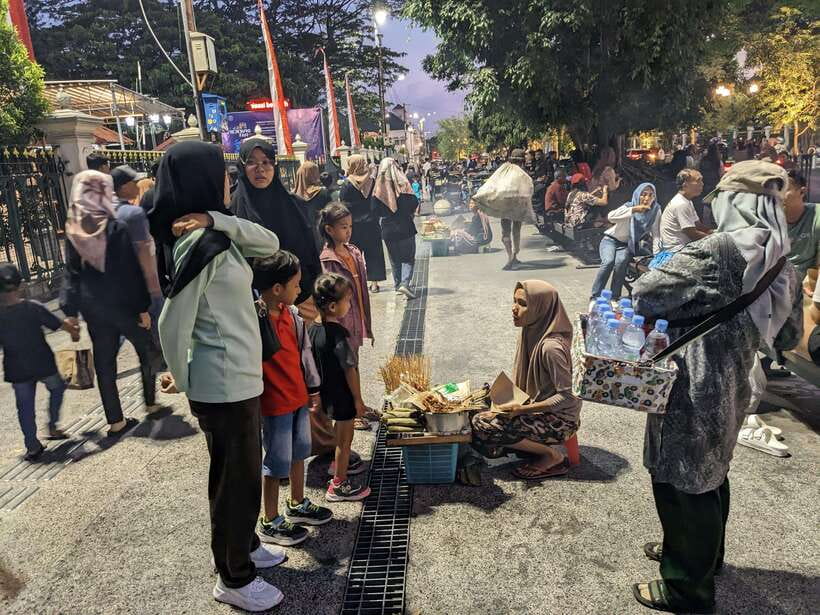
- Taste a wide range of Yogyakarta foods: Try Kopi Joss, Wedang Ronde, Jamu, Javanese noodles, Gudeg, Sego Kucing, Sate, Bakpia, Gorengan, and Lumpia.
- See royal Yogyakarta on foot: The route passes Benteng Vredeburg, Gedung Agung, Alun-alun Utara, the Kraton, and Alun-alun Kidul.
- Finish with a local evening ritual: Ride an Odong-odong pedal car and take part in a traditional game or challenge at the South Square.
- Travel with a small group: No more than seven participants join the English-language tour.
- Meet guide Ibnu at Malioboro: The meeting point is in front of Mutiara Hotel Malioboro, and the tour ends there.
- Budget $26 for more than food: The price covers tastings, drinks, landmark visits, and the Alun-alun Kidul activities, but not hotel transfers or personal expenses.
Why this food walk works in Yogyakarta
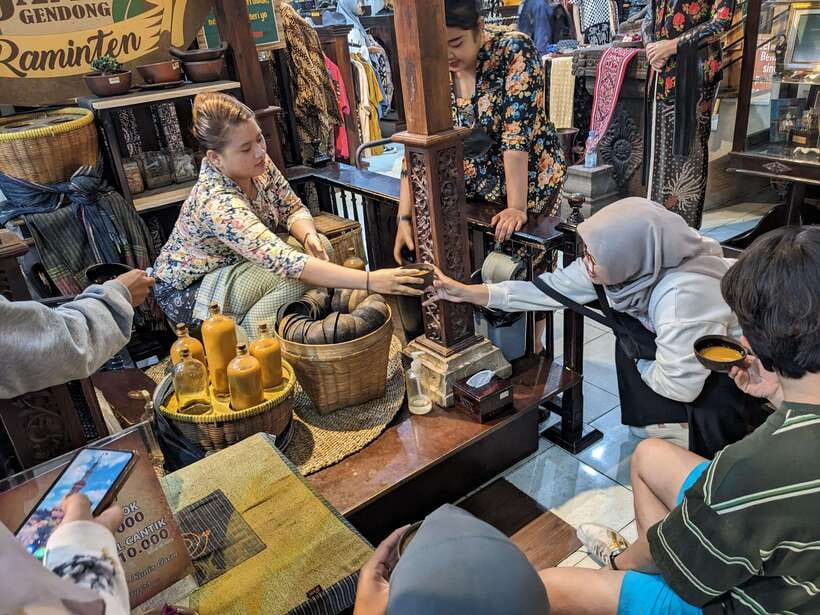
Yogyakarta is easy to admire from a temple day trip or a visit to the Kraton, but food gives you a quicker sense of daily life. Small portions and local drinks let you sample more than one dish without committing to a single large meal.
That variety is the strongest reason to book this experience. In one evening, you can move from sweet Gudeg to savory Sate, from a simple serving of Sego Kucing to the unusual presentation of Kopi Joss. You are not just being shown a menu. You are being introduced to the foods that shape an ordinary night out in the city.
The tour also gives the evening a clear shape. You meet on Malioboro Street, walk through the central sights, taste along the way, and finish at Alun-alun Kidul. That progression matters. You get food, history, streets, and a playful final activity instead of spending the entire time at one restaurant.
At $26 per person, the value depends on how much you want interpretation and variety. You could eat individual street foods for less, but you would need to find the stalls, decide what to order, and work out what each dish is. Here, an English-speaking guide handles that part and ties the food to the route.
More Street Food Walking Tours in Indonesia
- Bali Private Food Walking Tour With Locals: The 10 Tastings
★ 5.0 · 243 reviews - Denpasar: Night Street Food Walking Tour
★ 4.5 · 60 reviews - Night Walking Tour-Malioboro street food with guide at Yogyakarta
★ 5.0 · 53 reviews
Starting on Malioboro Street
Meet in front of Mutiara Hotel Malioboro. This is a practical starting point because Malioboro is one of Yogyakarta’s best-known central streets, and it is a natural place to begin an evening walk.
The activity does not include hotel pickup or drop-off, so you need to reach the meeting point yourself. Plan a little extra time to locate the hotel entrance and guide, especially if you are arriving during a busy period on Malioboro Street.
The group is limited to seven participants. That is small enough for questions to be heard and for the guide to keep the food stops manageable. It also makes the experience less formal than a large coach excursion.
Guide Ibnu received especially strong praise for his English and his willingness to explain whatever interested his guest. The useful point here is not simply that he knows the city. His style appears flexible rather than locked to a strict list of stops. If you want to ask about a dish, a landmark, or another place to eat later in your trip, this is the time to do it.
The food list is broad, not repetitive
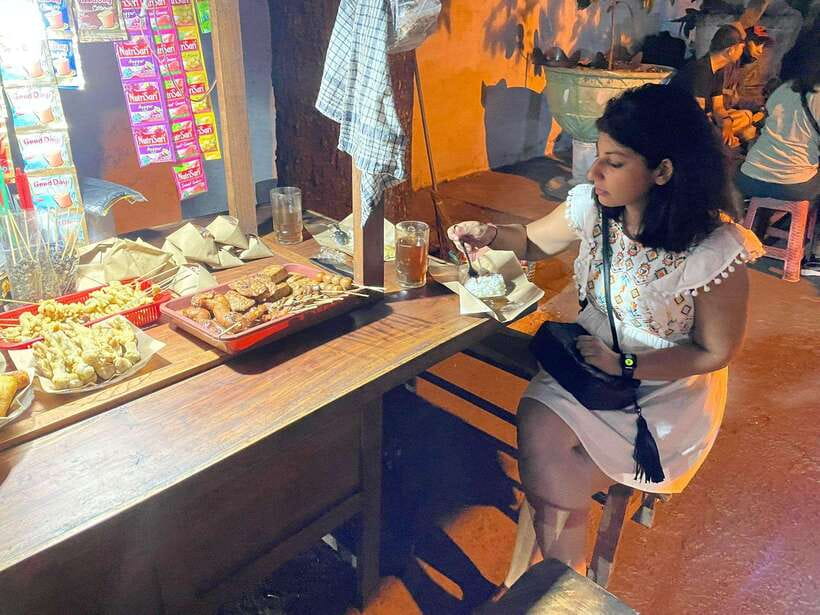
The tasting menu covers a lot of ground. You may try:
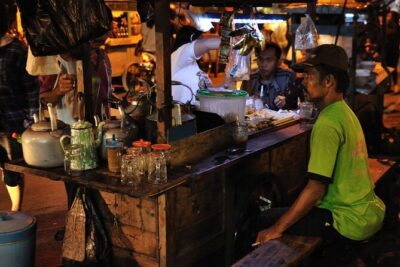
- Kopi Joss, coffee served with a hot piece of charcoal
- Wedang Ronde, a warm drink with sweet rice balls
- Jamu, a traditional herbal drink
- Javanese noodles
- Gudeg, a well-known Yogyakarta dish
- Sego Kucing, a small rice serving
- Sate
- Bakpia
- Gorengan
- Lumpia
The exact order and serving size are not specified, so you should think of this as a tasting route rather than a full sit-down dinner. You get the chance to sample many flavors, but you may still want another meal afterward if you have a large appetite.
Kopi Joss is likely to be one of the evening’s most memorable stops. The charcoal gives the coffee its name and its visual appeal, but you should follow the guide’s advice about how to drink it. The final Kopi Joss stop described by one guest came at Alun-alun Kidul, with the drink enjoyed beside the neon cars. That makes it both a food tasting and a fitting end to the night.
Gudeg is important because it is closely linked with Yogyakarta’s food identity. It is a dish you might otherwise order without knowing how it fits into local cooking. With a guide, you can ask about the flavors, ingredients, and ways people eat it.
The smaller items matter too. Sego Kucing is not designed to be a grand meal. Its small portion makes it useful on a tasting tour because you can continue to the next stop. Gorengan and Lumpia offer familiar fried textures, while Bakpia gives you a sweet finish among the food samples.
Jamu and Wedang Ronde widen the experience beyond food. One is a traditional herbal drink, while the other is warm and sweet. These drinks help you notice how an evening in Yogyakarta includes more than iced beverages or coffee.
Walking past Benteng Vredeburg and Gedung Agung

Between tastings, the route passes several important places in central Yogyakarta. Benteng Vredeburg and Gedung Agung help place the city’s modern streets within its wider political and royal story.
You should not expect a long museum visit or a detailed guided tour inside every landmark. The information provided describes a walking route past these sights, not a series of interior admissions. Their value here is visual and geographic: they help you see how the central district is arranged.
This part of the walk also breaks up the eating. A food tour can become tiring if it feels like one stall after another. The landmarks give you time to walk, look around, and ask questions before the next tasting.
Wear comfortable shoes. That advice is basic but important, since the experience combines several food stops with a longer walk through central streets. Bring a camera if you want to record the buildings, food, and evening activity.
Same city, a different plate:
- Jakarta: Volcano, Tea/Rice Fields, Hot Spring, Local Food
★ 4.9 · 515 reviews - Jakarta: Private Guided Sightseeing & Street Food Night Tour
★ 4.8 · 99 reviews - Bali: Authentic Culinary Street Food Experience Tour
★ 4.7 · 99 reviews - Ubud Traditional Night Market Food Tour-All Inclusive
★ 4.4 · 95 reviews
The royal heart of Yogyakarta
The walk continues toward Alun-alun Utara and the Kraton. The Kraton is central to Yogyakarta’s identity, and seeing the surrounding area helps explain why the city feels different from a standard urban stop.
The tour does not promise an extended palace visit, so check your expectations. You are coming for a street-level introduction, not a full palace tour. The advantage is that you can connect the royal district with the foods and public spaces around it in a single evening.
Alun-alun Utara and the Kraton also make the route feel more distinctly Yogyakarta. The tour is not limited to food stalls in a commercial zone. It carries you through the city’s ceremonial and public center before ending in the more playful atmosphere of Alun-alun Kidul.
This is where a local guide adds real value. A map can show you the Kraton, but it cannot easily tell you what to notice as you move between royal sights and ordinary food stops. The small group gives you room to ask those questions without holding up a large crowd.
Finishing at Alun-alun Kidul
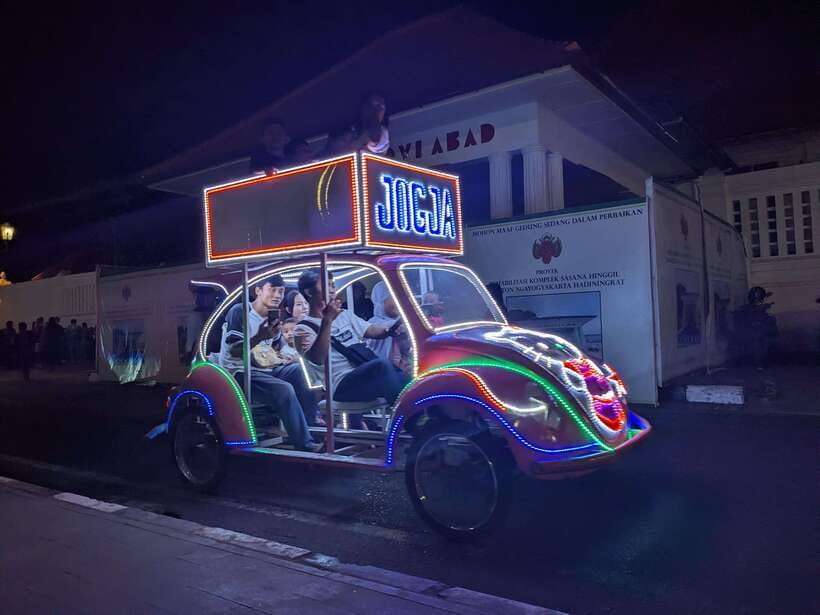
The final stage takes you to Alun-alun Kidul, also called the South Square. Here the tour shifts from sightseeing and tasting to a local evening activity.
You ride an Odong-odong, a pedal car that circles the square. The cars are known for bright or neon lighting, making the ride especially suited to the evening setting. It is a simple activity, but that is part of its appeal. You are not being sent to a formal performance. You are taking part in the public life of the square.
The tour also includes a traditional ritual or challenge. The exact challenge is not named in the information provided, so the guide will explain what you are doing on the night. Treat this as a playful cultural activity rather than a serious religious ceremony or structured lesson.
Ending here is smart. After the food tastings and landmark walk, the pedal car gives the evening a change of pace. One guest also described finishing with Kopi Joss near the neon cars, which ties the final drink to the square’s nighttime character.
Flexible guiding can change the timing
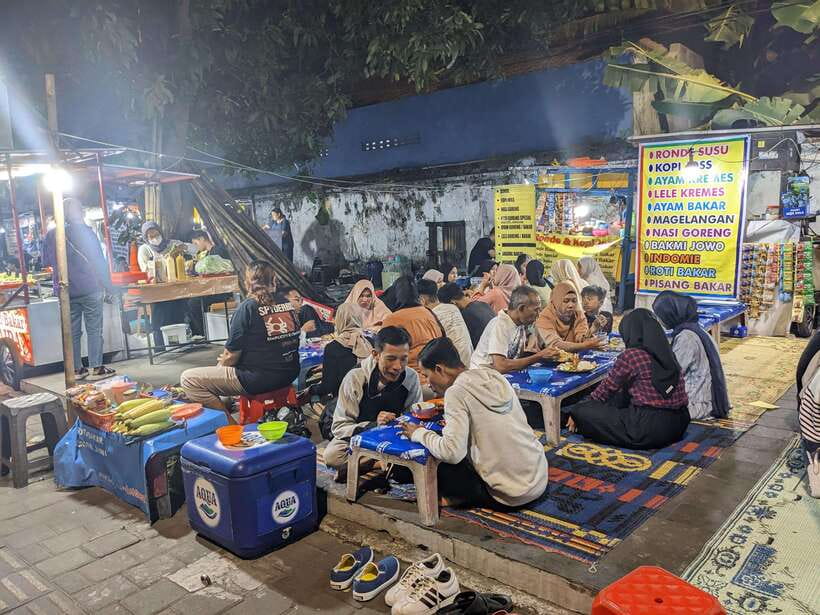
The stated duration is 2.5 hours, with starting times available when you check dates. But the experience may not feel tightly timed. Guide Ibnu is described as willing to answer questions, suggest foods, and spend extra time when the evening develops naturally.
That flexibility is a benefit if you want conversation and local advice. It is less useful if you have a fixed dinner reservation, a train to catch, or an early departure the next morning.
One evening reportedly began at 7 p.m. and continued until about 11 p.m., even though the planned length was shorter. That does not mean every tour will run that late. It does mean you should avoid booking this immediately before another fixed activity.
For many people, the extra time would be welcome. You can ask what to eat during the rest of your stay, learn which dishes are worth seeking out again, and get a better feel for the city. If you prefer a strict schedule, tell the guide at the start.
What the $26 price really covers
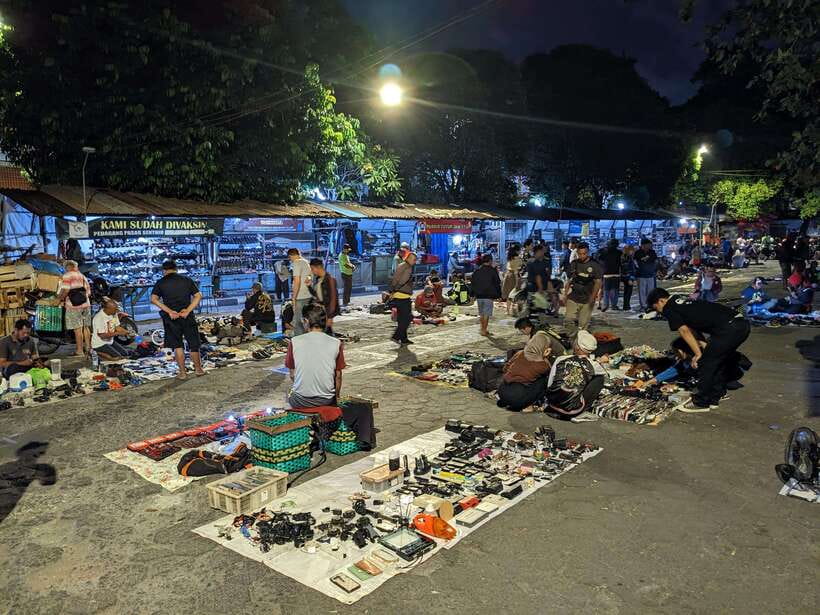
At $26, the tour is priced as a guided food and city experience rather than a cheap meal. Your fee includes local street food tastings, beverage tastings, visits to iconic places, the Odong-odong activity, and the traditional challenge.
It does not include hotel pickup, hotel drop-off, or personal expenses. You may also want extra money if you decide to buy food or souvenirs beyond the included tastings.
I see the value in the explanation and route planning. A self-guided food walk may cost less, but you might skip foods whose names or ingredients are unfamiliar. You would also need to find the landmarks and arrange the South Square activity yourself.
The value is strongest at the start of your Yogyakarta stay. After one evening, you will have a list of foods to look for again and a better sense of where the central sights fit together. The tour is less necessary if you already know the city well or prefer to choose every meal independently.
Who should book this evening walk
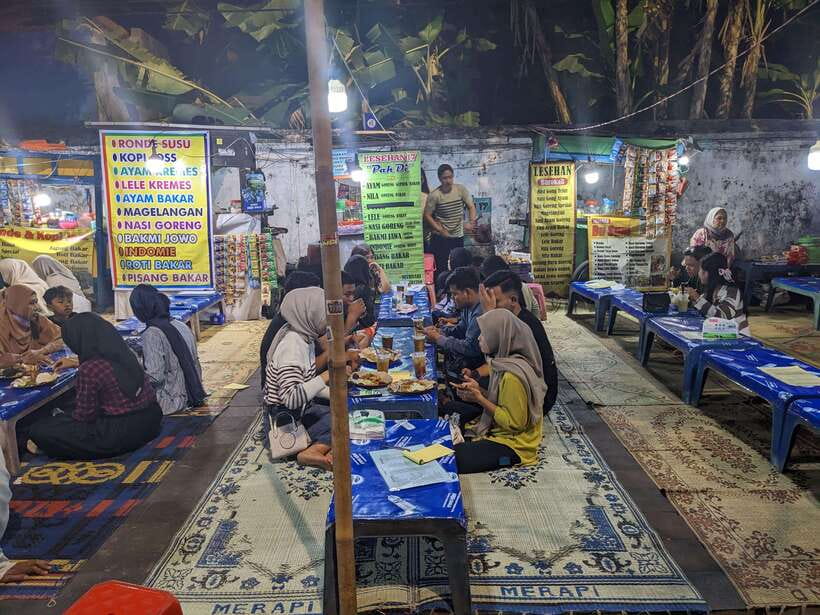
This tour suits first-time visitors who want a quick introduction to Yogyakarta without spending a full day in a museum or on a formal sightseeing circuit. It also works well for solo visitors, couples, and small groups who enjoy trying several foods instead of ordering one familiar dish.
It is a good match if you like asking questions. The strongest part of the experience appears to be the personal guidance, especially with Ibnu, who can explain the food and adapt the evening to your interests.
You should reconsider it if walking is difficult, if you need guaranteed accessibility, or if you want a precise end time. The activity is specifically not suitable for people with mobility impairments, and the walking route is an important part of the experience.
The food may also be challenging if you have strict dietary requirements. The supplied information does not identify vegetarian, vegan, allergy-friendly, or halal arrangements, so ask before booking if those details matter to you.
Free cancellation is available up to 24 hours before the activity, and you can reserve now and pay later. Those options make the booking less risky when your Java plans are still changing.
Should you book it?
Book this tour if you want local food, royal sights, and a playful South Square finale in one evening. At $26, it offers good value for first-time visitors who would rather have a guide choose the route and explain the dishes.
I would book it early in a Yogyakarta stay. You can return to the foods you like, use the guide’s suggestions for later meals, and explore the central sights with more confidence.
Skip it if you want a short, tightly scheduled meal or if you already have a strong food plan. For most visitors who enjoy walking, tasting unfamiliar dishes, and leaving room for conversation, this is a lively and useful introduction to Yogyakarta.
FAQ
Where does the street food tour start?
Meet your guide in front of Mutiara Hotel Malioboro on Malioboro Street.
Where does the tour end?
The activity ends back at the meeting point in front of Mutiara Hotel Malioboro.
How long does the experience last?
The stated duration is 2.5 hours. Starting times depend on availability.
What language does the guide speak?
The live tour guide speaks English.
How large is the group?
The tour is limited to seven participants.
What food and drinks are included?
The tastings can include Kopi Joss, Wedang Ronde, Jamu, Javanese noodles, Gudeg, Sego Kucing, Sate, Bakpia, Gorengan, and Lumpia.
Is hotel pickup included?
No. Hotel pickup and drop-off are not included.
Is the tour suitable for people with mobility impairments?
No. The activity is listed as unsuitable for people with mobility impairments, and comfortable walking shoes are recommended.
Just added around Indonesia
- Taman sari water castle, sultan palace & local food tasting★ 4.7 · 11 reviews
- Night Street Food and Cultural Walking Tour★ 4.3 · 3 reviews
- Jakarta: Street Food Tour with a Local Guide★ 4.4 · 14 reviews
- Bali – Ubud Night Market Food Tour★ 3.8 · 14 reviews
- Bali: Penglipuran Village, Waterfall, and Night Market Tour★ 4.2 · 4 reviews
- Bali: Denpasar Market Food Tour with 7 Tastings Must-Try★ 3.9 · 3 reviews
- Night Walking Tour-Malioboro street food with guide at Yogyakarta★ 5.0 · 53 reviews
- Yogyakarta: Night Walking and Street Food Tasting Tour★ 4.9 · 31 reviews
Indonesia Street Food Tours, compared.

Jakarta: Volcano, Tea/Rice Fields, Hot Spring, Local Food
Read our review →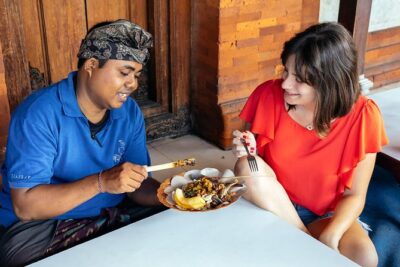
Bali Private Food Walking Tour With Locals: The 10 Tastings
Read our review →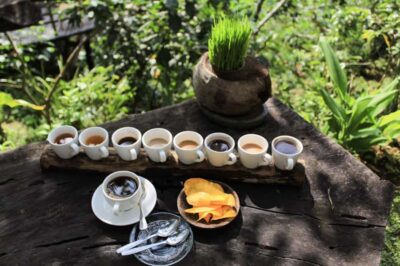
Bali: Authentic Culinary Street Food Experience Tour
Read our review →
Jakarta: Private Guided Sightseeing & Street Food Night Tour
Read our review →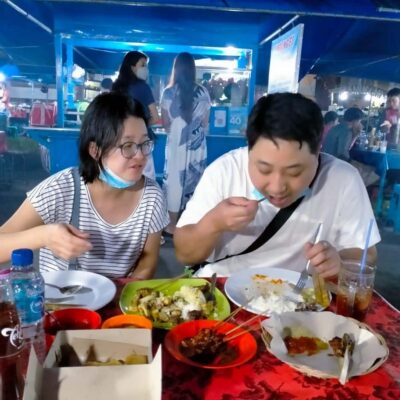
Ubud Traditional Night Market Food Tour-All Inclusive
Read our review →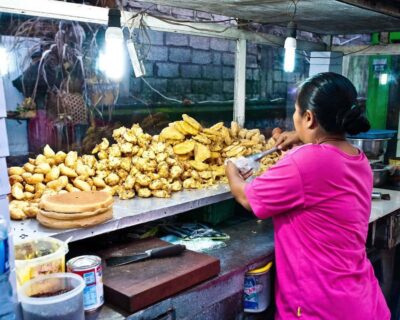
Night Walking Tour-Malioboro street food with guide at Yogyakarta
Read our review →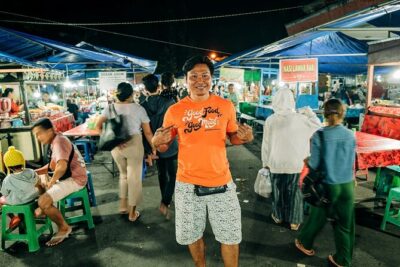
Bali Food Tour: Savor Street Food and Night Market Adventures
Read our review →Browse the lists this tour appears in