REVIEW · STREET FOOD MARKET TOURS
Tbilisi: Street Food & Sightseeing Tour with Local Markets
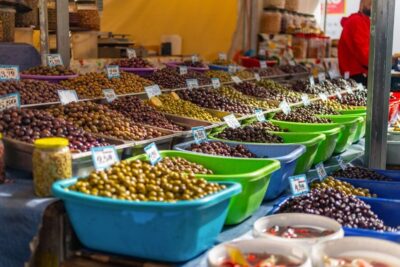
Tbilisi’s best food lesson may begin not at a polished restaurant, but among the stalls of Dezerter Bazaar, where spices, sauces, cheese, produce, and local specialties fill the senses. This 2 to 3 hour walk then moves through a local restaurant and a modern food hall, giving you a useful picture of both old and new Georgian eating.
I like the generous tasting range, especially the four kinds of khinkali and the chance to sample homemade wine, churchkhela, sweets, and sauces. I also like that guides such as Camilla, Giorgi, George, and Camila bring in city sights, street art, history, and local recommendations. The main drawback is the pace and food volume: you need comfortable shoes, an empty stomach, and enough mobility for a walking tour.
Key points to know before you book
- Dezerter Bazaar gives you a real local starting point, with produce, spices, sauces, cheese, and regional foods rather than a staged market display.
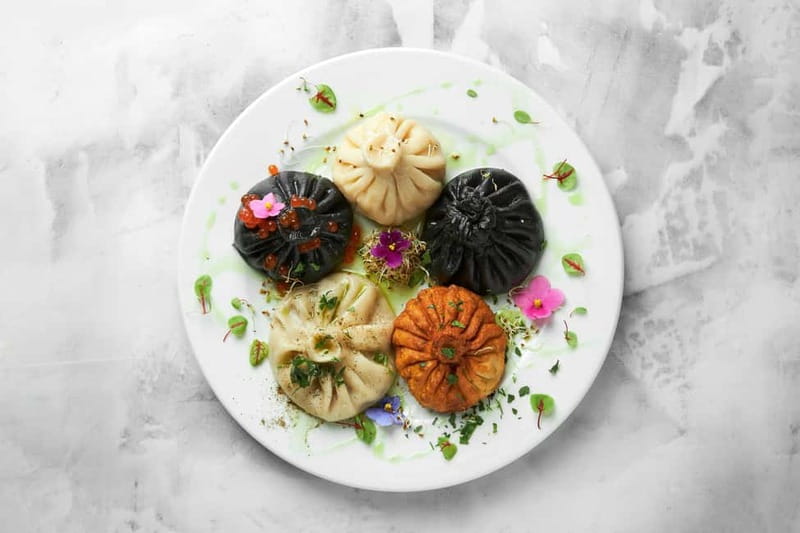
- Four khinkali varieties make the meal more than a quick sample, with fillings such as potato, cheese, mushroom, meat, herbs, and spices.
- The route includes more than food, adding urban sights, street art, vintage shops, hidden corners, and city stories.
- Hotel pickup and drop-off are included, which is useful when the route covers several parts of central Tbilisi.
- The meal can be substantial, so arrive hungry and tell the guide about food preferences before the walk.
- This suits independent-minded adults who can walk comfortably, but it is not designed for children under 12, wheelchair users, people with food allergies, or people over 75.
Why Dezerter Bazaar is the right first stop
The tour begins at Dezerter Bazaar, one of the most useful places in Tbilisi for seeing food as part of daily life. You can expect rows of local vendors offering fresh produce, spices, sauces, cheese, and regional specialties. This is not simply a place to snap pictures. Your guide helps explain what you are seeing and points out items that are easy to miss when you wander alone.
I like this opening because it gives context to the tastings later. Georgian food can seem simple on a menu, but the market shows the ingredients behind it. You may handle or sample spices, compare sauces, and learn which sweets or preserved foods are worth taking home.
The market is also a sensory start to the morning or afternoon. You will hear vendors and city traffic, pass colorful displays, and see the practical side of Tbilisi life. It can be crowded and energetic, so keep your belongings close and follow your guide through tighter spaces.
The market portion is one reason this tour feels different from a standard restaurant crawl. You are not only eating finished dishes. You are seeing the raw materials and local products that shape Georgian cooking.
More Market Food Tours in the world:
- Seoul Street Food Market Tour
★ 5.0 · 1,226 reviews - Venice Street Food Tour with Local Guide with Local Food Market Visit
★ 5.0 · 822 reviews - Cancun Street Food Tour with Food Stalls, Local Market and Murals
★ 5.0 · 723 reviews
Four kinds of khinkali, not just one
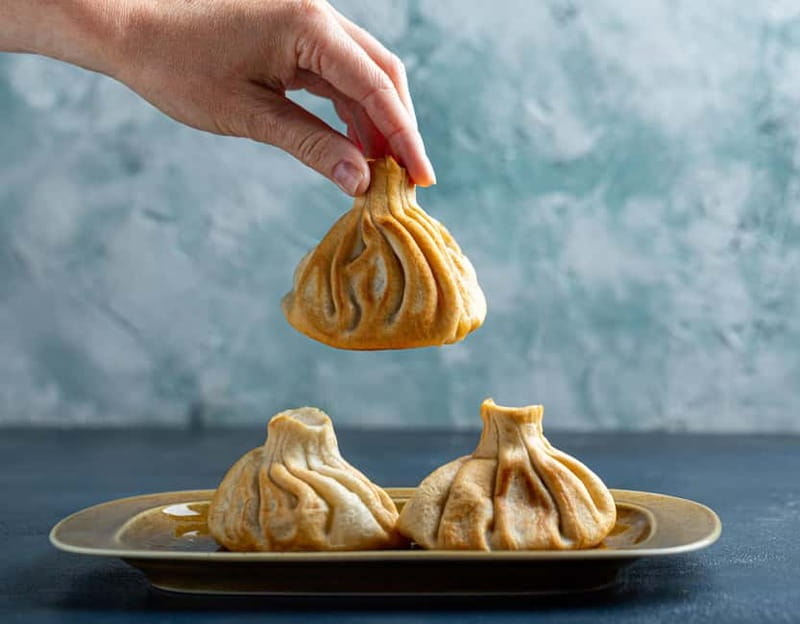
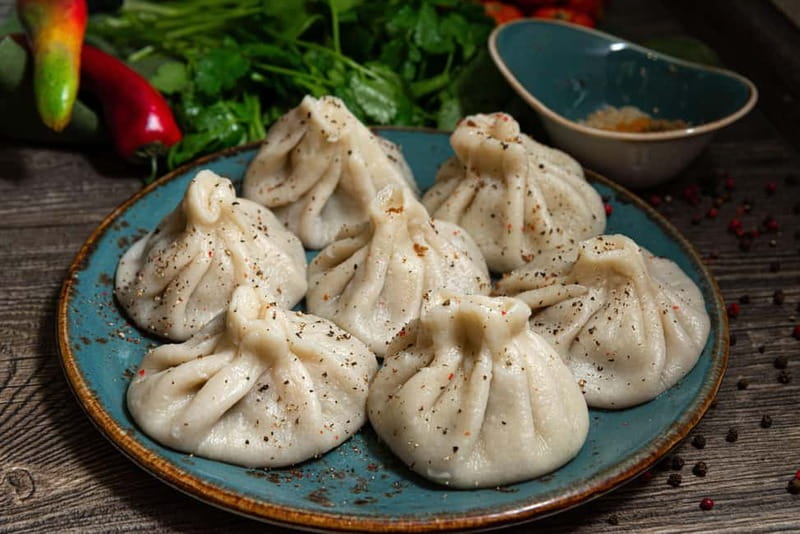
Khinkali is one of Georgia’s essential foods, and this tour treats it as a small lesson rather than a single checkbox. You sample four varieties, with fillings that can include potato, cheese, mushroom, spices, meat, and herbs.
That range matters. Many first-time visitors know khinkali as a meat dumpling, but the non-meat versions show how much the dish can change. Cheese brings richness, potato makes it softer and more filling, mushroom adds an earthy note, and herbs and spices can sharpen the flavor.
Your guide can help you understand how each type differs, though the exact serving order and filling selection may vary. Eat carefully, since khinkali traditionally contains hot juices inside. The food is hands-on and filling, so this is not a good tour for anyone hoping for only tiny bites.
The generous portions are worth noting. Maiia from Israel found there was so much food that her group could not finish half of the dishes. I would take that as practical advice: skip a heavy breakfast, and do not plan a large meal immediately afterward.
Khachapuri and the comfort food of Georgia
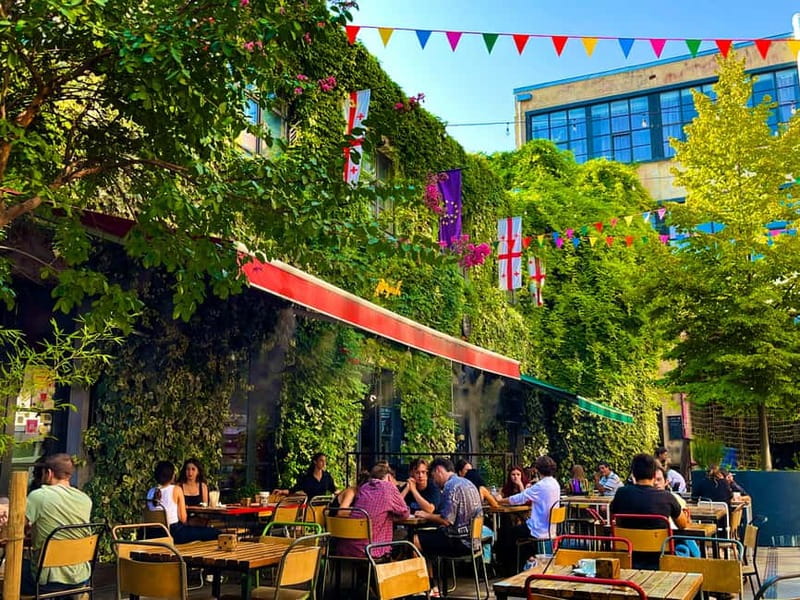
Khachapuri adds another Georgian classic to the meal. It is cheese-filled bread, simple in description but satisfying in practice. After the dumplings, it gives you a softer, bread-based contrast and helps explain why Georgian cuisine is so appealing to people who enjoy hearty food.
The tour is not built around one fixed restaurant meal. It combines tastings at the market, a local restaurant, and a modern food hall. That spread lets you compare settings as well as dishes. You get the everyday market, the traditional meal, and a newer food venue in one outing.
I like this mix because it avoids making Georgian food look frozen in the past. Tbilisi has old food customs, but it also has new places where local ingredients are presented in a more modern setting.
Still, anyone looking for a light lunch should plan carefully. Khinkali and khachapuri are substantial, and the tour adds sweets, sauces, wine, and other samples. The food is a major part of the value, but it can also be the tour’s biggest physical challenge.
Homemade wine, sweets, spices, and sauces
Georgian wine is part of the cultural picture, and the tour includes a tasting of homemade Georgian wine. This is a useful chance to try a local style in a casual setting rather than ordering a bottle without context.
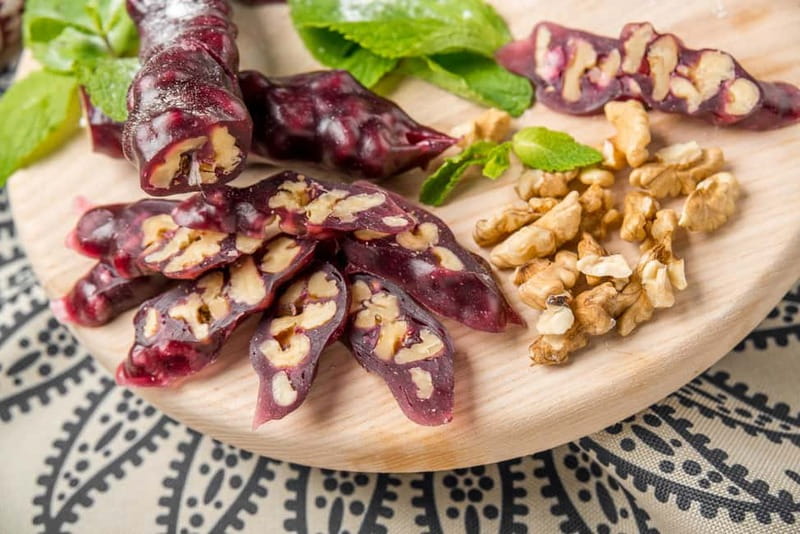
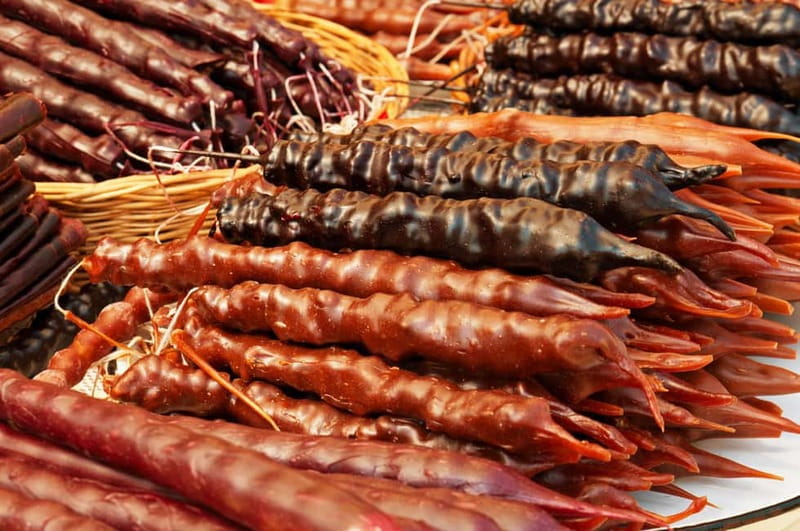
The tasting also moves beyond the famous dishes. You may sample pecans, traditional sweets, spices, sauces, cheese, churchkhela, desserts, and even wine ice cream. Some treats are suitable for taking home, which gives the food portion a practical souvenir angle.
Churchkhela is particularly worth trying if you have not encountered it before. It is a traditional Georgian sweet, and seeing it among market goods helps you understand its place in local food culture. The tour may also introduce you to sauces and spice mixes that change how you think about Georgian cooking.
Alcohol is included as part of the tasting, so you should tell the guide if you do not drink. The supplied information does not specify nonalcoholic substitutes, so ask ahead if that matters to you.
A few more street food tours around the world worth a look
- Reykjavik Food Walk – Local Foodie Adventure in Iceland
★ 5.0 · 18,952 reviews - Dubai: Old Town, Creek, Museums, Souks, & Street Food Tour
★ 4.8 · 10,816 reviews - Ho Chi Minh City Street Food Tour & Sightseeing By Motorbike
★ 5.0 · 9,413 reviews - Medellin: Comuna 13 Graffiti Tour, Cable Car & Street Food
★ 4.8 · 9,046 reviews
A modern food hall and Tbilisi’s newer food scene
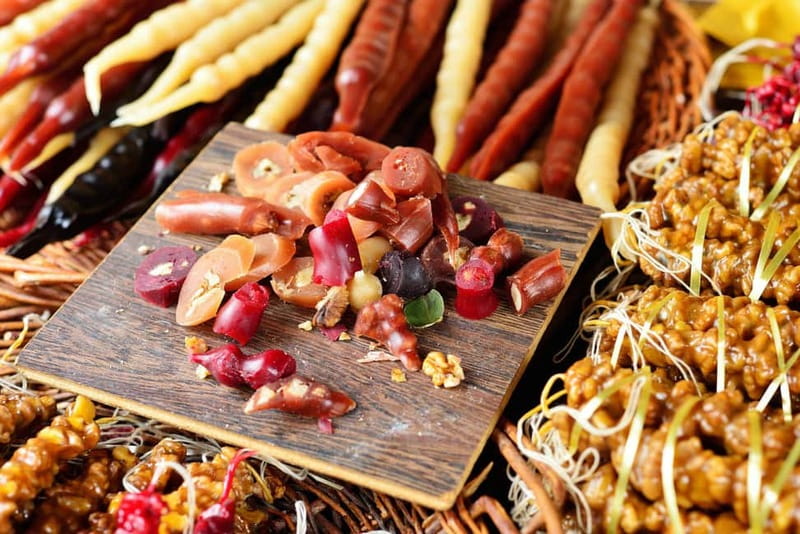
The modern food hall offers a change of mood after the market and restaurant. Here, you can expect more food exploration, including pecans, unusual spices, traditional sweets, sauces, and other local products.
This stop is useful because it shows that Tbilisi’s food culture is not limited to old recipes or family-run stalls. You see how Georgian flavors appear in a newer urban setting, which makes the tour feel more connected to present-day city life.
The food hall also gives you a break from the market’s tighter, more crowded feel. It should not be treated as a separate sightseeing attraction with a long visit. It is one part of a short walking route, and the focus remains on sampling and learning.
If you want to buy food gifts, this may be a good place to ask the guide for suggestions. Giorgi was praised for giving useful recommendations for further exploring, and other guides have tailored the walk around personal interests. The exact guide and route can vary, but asking questions is part of getting the most from the experience.
The city walk adds more than calories
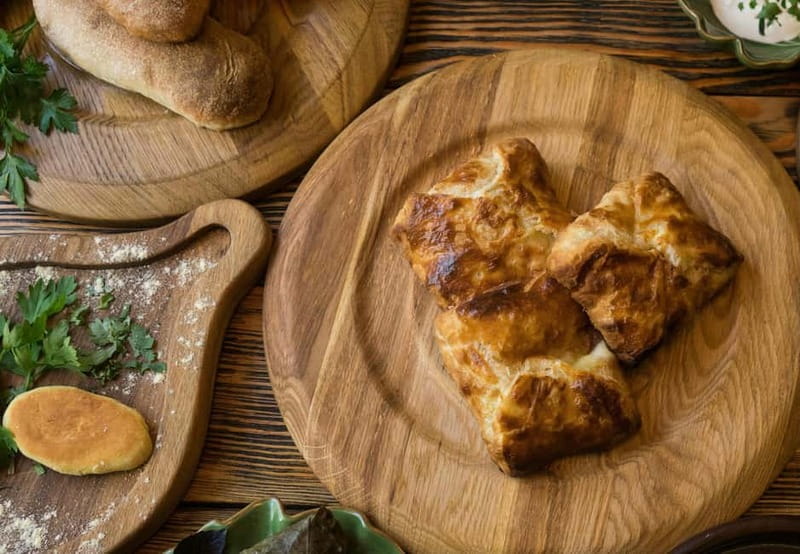
Food is the main reason to book, but the walking route adds real value. The experience includes the urban center, city sights, street art, local markets, vintage shops, and less obvious corners of Tbilisi.
The guide George has led visitors through the left bank while explaining city highlights and local stories. Giorgi has also included markets, street art, vintage shops, and lesser-known parts of the city. Camilla and Camila have been praised for combining food with history and broader city exploration.
These details matter because a food tour can otherwise become a sequence of stops with little sense of place. Here, you get some orientation to Tbilisi while you eat. You may leave with a better idea of where to return for more shopping, food, or independent walking.
The city portion is not a full sightseeing tour. In two to three hours, you cannot see every major landmark or spend long inside museums. Think of it as a moving introduction to central Tbilisi, with food giving the route a clear purpose.
What the guides add to the experience
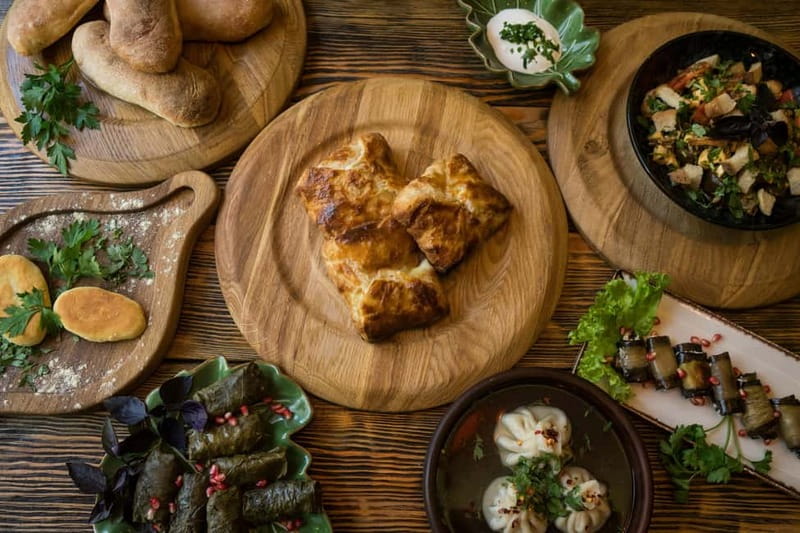
The guides are one of the strongest parts of this experience. Camilla has been described as friendly, punctual, and easy to talk with, while also sharing city stories beyond the food. Camila has been praised for considering food preferences and making the day feel personal.
Giorgi has offered detailed explanations, history, recommendations, and taxi rides between longer sections of the route. George has focused on the left bank and the city’s main sights. Since the guide may differ, your experience will depend partly on who leads your group that day.
Private and small-group formats are available. That matters here because markets and food tastings work better when you can ask questions without competing with a large crowd. A private outing may also make it easier to adjust the balance between food, history, and city sights.
One unusual possibility is having the guide to yourself if no one else books the same departure. Jessie from Ethiopia had that experience and found it gave her a more personal introduction to Tbilisi. It is not something you should count on, but the small-group design leaves room for a more relaxed exchange.
Price, pickup, and the practical value
At $40 per person, this tour offers solid value if you want a meal-sized tasting session plus city orientation. You are paying for guided access to several food settings, khinkali, khachapuri, wine, sweets, sauces, spices, and a walking route with hotel pickup and drop-off.
The price makes less sense if you only want a quick taste of one Georgian dish. You could spend less on an individual snack or restaurant meal. The value comes from the range, the explanations, and the convenience of moving between markets, restaurants, and a food hall without planning the route yourself.
Hotel pickup and drop-off are especially useful if you are still getting your bearings in Tbilisi. Longer distances may be handled by taxi as part of the experience, according to the details provided by the operator. Ask for the exact pickup arrangements when you book.
The tour lasts two to three hours, with starting times subject to availability. Wear comfortable walking shoes, bring water, and dress for the weather. A sun hat and camera are also sensible choices. Large bags and luggage are not allowed, so leave suitcases behind.
Free cancellation is available up to 24 hours in advance, and you can reserve now and pay later. Those terms help if your Tbilisi plans are still shifting.
Food restrictions and physical demands
You must tell the guide about allergies or dietary restrictions before the tour. The experience is specifically listed as unsuitable for people with food allergies, so this is not the place to assume that every dish can be changed safely.
Food preferences may be considered. Maiia’s group had its preferences taken into account, but that does not guarantee a safe option for a serious allergy. If your diet is strict, contact the operator before booking and ask exactly what can be provided.
The route requires walking through markets and city streets. It is not suitable for wheelchair users, children under 12, or people over 75 according to the activity information. The age guidance is broad, of course, but the food volume, walking, and market conditions should be taken seriously.
You should also be comfortable with an informal eating style. This is not a quiet, slow restaurant meal. You are moving between stops, tasting several foods, and listening while the city carries on around you.
Who should book this Tbilisi food walk
I would choose this tour if you are visiting Tbilisi for the first time and want food to help you understand the city. It is also a good fit if you like markets, local products, street art, short urban walks, and guides who can suggest what to do next.
You will get the most from it if you arrive hungry, ask questions, and treat the route as an introduction rather than a complete tour of Tbilisi. The combination of market produce, traditional dishes, wine, sweets, and newer food spaces gives you plenty of ideas for the rest of your stay.
I would hesitate if you have serious food allergies, dislike hearty meals, cannot walk comfortably, or want a highly structured sightseeing tour focused only on major landmarks. The experience has a food-first purpose, and the city sights support that purpose rather than replacing it.
Should you book it?
Book this Tbilisi street food tour if you want a generous tasting menu, local market access, and a human introduction to the city for $40. The strongest reasons are the four khinkali fillings, the mix of traditional and modern food stops, and the guides’ focus on history and personal recommendations.
Skip it if you need guaranteed allergy-safe food, wheelchair access, or a light meal. For most food-curious adults who can walk comfortably, this is a practical first look at Tbilisi, with enough variety to keep your stomach and your map busy.
FAQ
How long does the Tbilisi food tour last?
The tour lasts approximately 2 to 3 hours. Starting times depend on availability.
What food is included?
Included tastings feature four varieties of khinkali, khachapuri, homemade Georgian wine, sauces, spices, traditional sweets, pecans, cheese, churchkhela, desserts, and other local specialties.
Does the tour visit Dezerter Bazaar?
Yes. Dezerter Bazaar is an important stop, with stalls selling produce, spices, sauces, cheese, and regional foods.
Is hotel pickup and drop-off included?
Yes. Hotel pickup and drop-off are included in the experience.
What languages are available?
The tour is offered in English with a live guide.
Is this a private tour or a group tour?
Private and small-group options are available.
Can I cancel the tour?
You can cancel up to 24 hours in advance for a full refund. You can also reserve now and pay later.
Is the tour suitable for people with food allergies or wheelchair users?
No. The experience is listed as unsuitable for people with food allergies and wheelchair users. It is also not suitable for children under 12 or people over 75.
Just added around the world
- 1 Istanbul Tour: Highlights, Street Food & Hidden Pearls★ 5.0 · 9 reviews
- Evening Hyderabad Street Food Walk with Hyderabad Biryani★ 4.5 · 24 reviews
- Hyderabad Street Food Crawl (2 Hours Guided Food Tasting Tour)★ 4.0 · 5 reviews
- Japanese Street Food Class in Beech Grove★ 5.0 · 9 reviews
- Small-group Street food tour in Ischia★ 3.5 · 2 reviews
- Hyderabad Street Food Experience with Local Expert★ 4.5 · 2 reviews
- Hyderabad : Evening Street Food Tasting with Guided Old City Tour★ 5.0 · 10 reviews
- Hue Street Food On Foot (Daily Tour – Group Tour | 12 pax max)★ 5.0 · 15 reviews
Street Food Market Tours, compared.
Tokyo Tsukiji Fish Market Food and Culture Walking Tour
Read our review →
London Bridge & Borough Market Food Tour with 7 Authentic Dishes
Read our review →
Tokyo: Tsukiji Fish Market Food and Walking tour
Read our review →
Small Group Cooking Class & Market Food Tour in Florence
Read our review →
Tokyo: Tsukiji Fish Market Guided Walking Tour
Read our review →
Nishiki Market Brunch Walking Tour (7 Tastings + Brunch)
Read our review →