
REVIEW · BANGKOK STREET FOOD TOURS
Bangkok: Street Food Tasting Tour at Night
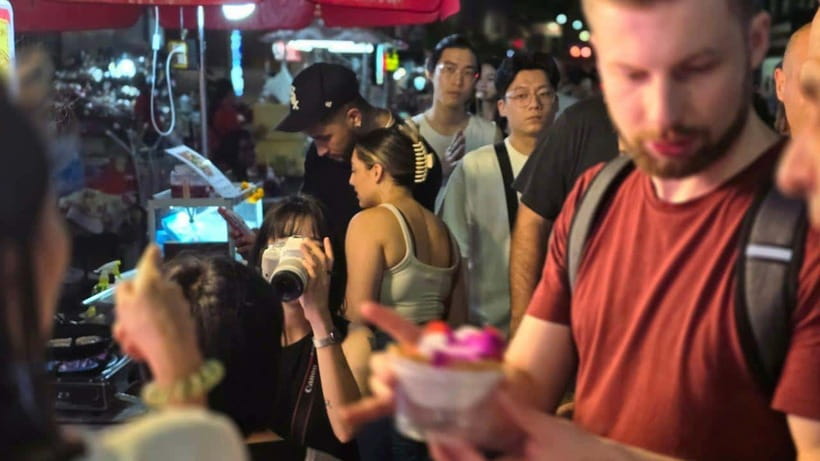
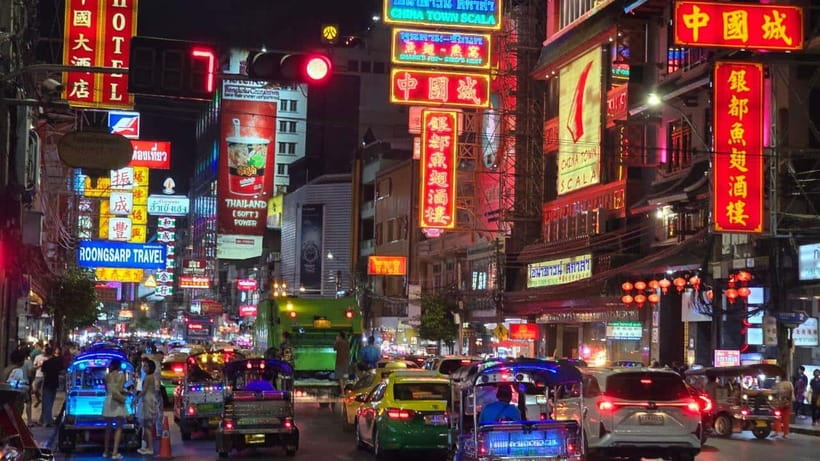
Bangkok Chinatown is at its best after dark, when Yaowarat Road and its side streets fill with food stalls, old shops, and the smell of frying garlic. This 150-minute walk takes you to six tasting stops, with a guide helping you make sense of dishes that can be hard to order on your own.
I like the mix of food and local background. You are not simply handed a plate and sent on your way. The guide explains the Thai-Chinese character of the neighborhood, points out popular local dishes, and includes a homemade menu with a secret ingredient. I also like the easy MRT meeting point at Wat Mangkon, since Chinatown traffic can make a taxi a poor choice.
The main caution is the food policy. This tour is not suitable for vegans, vegetarians, people with gluten intolerance, or anyone allergic to shrimp, peanuts, pork, or dairy. Some dishes may also change with the season or public holidays, and the published timing says both 150 minutes and three hours, so confirm the exact start time and expected finish when booking.
Key points to know before you book
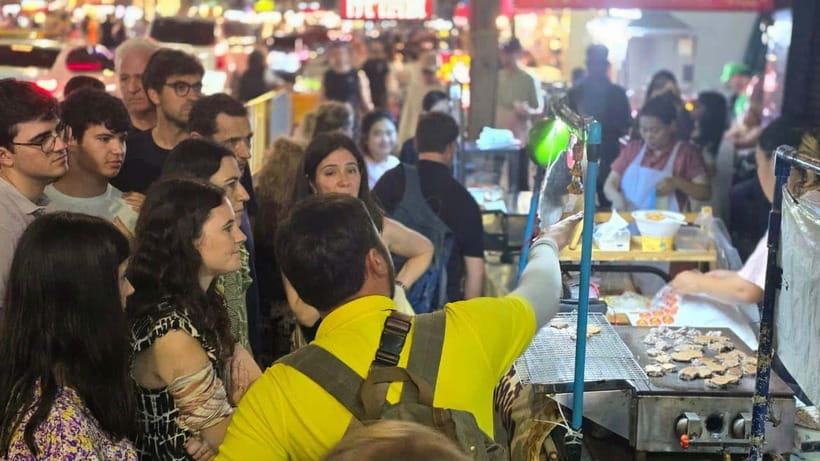
- Six food stops: You sample food at six different places rather than eating one large meal in a single restaurant.
- Thai-Chinese flavors: The route focuses on local best sellers and dishes shaped by Bangkok’s Chinese community.
- A guide named Sophie: Sophie has led several highly praised tours, combining food explanations with stories about Bangkok and Chinatown.
- Nighttime Yaowarat: The walk takes place among Chinatown’s busy evening food stalls and narrow streets.
- Strict dietary limits: Shrimp, peanuts, pork, dairy, gluten, and vegetarian or vegan needs can make this tour unsuitable.
- MRT access: Meet outside Wat Mangkon station at Exit 3, and avoid relying on a taxi in this traffic-heavy area.
Starting at Wat Mangkon, the smart way into Chinatown
Your meeting point is outside the MRT Wat Mangkon station at Exit 3, on or near 449 Charoen Krung Road. This is one of the most useful details about the experience. Chinatown traffic can be slow, especially at night, while the metro gives you a clear and practical route to the start.
Give yourself enough time to find Exit 3 and meet the guide without rushing. You should wear comfortable shoes, since the tour is a walking route through streets and alleys rather than a seated food event.
The exact group size is not given. Some departures may feel almost private. Sophie led one tour for only a couple, and other highly rated departures also describe a very personal experience. You should not assume every date will be that small, but the possibility is worth noting if you prefer conversation and direct guidance.
The route finishes at 491 to 493 Yaowarat Road in Samphanthawong. That puts you right in the Chinatown area rather than back at the starting station, which is useful if you plan to continue eating, shopping, or exploring after the tour.
More Evening Tours in Bangkok:
- Bangkok: Evening Tour with Wat Arun, Wat Pho & Tuk Tuk Ride
★ 4.6 · 701 reviews - Bangkok Tuk-Tuk Tour by Night with Chinatown Street Food Meal
★ 5.0 · 635 reviews - Bangkok: E-Scooter Night Tour with Local Street Food
★ 4.8 · 488 reviews
Six stops, six small lessons in Bangkok food
The heart of the tour is the set of six tasting locations. The stops are not described by name, so you should not book expecting a fixed list of famous restaurants or a particular signature dish. Instead, think of the route as a guided introduction to local Chinatown food, with the menu shaped by availability.
The tour promises local best sellers and Thai-Chinese style dishes. That combination matters. Bangkok Chinatown is not simply a Chinese neighborhood transplanted into Thailand. Its food reflects long contact between Chinese cooking traditions and Thai ingredients, habits, and street-food culture.
You may taste savory dumplings, sweet pastries, and other dishes selected by the guide. The supplied details also point to a highlighted homemade menu with a secret ingredient. That sounds less like a formal cooking demonstration and more like a special tasting included to give the route a personal touch.
The six-stop format gives you variety without requiring you to order full portions at every stall. That is good value for a visitor who wants to try several things but does not want to spend the evening committed to one dish. It also lets you compare savory and sweet flavors as the walk moves through the neighborhood.
You should expect tasting portions, not a restaurant-style dinner. The description does not state the size of each serving, and food tours vary. If you have a large appetite, plan to buy an extra snack after the walk. If you are sensitive to heat, ask the guide before tasting, since no spice level is provided.
What makes the Thai-Chinese menu useful for first-time visitors
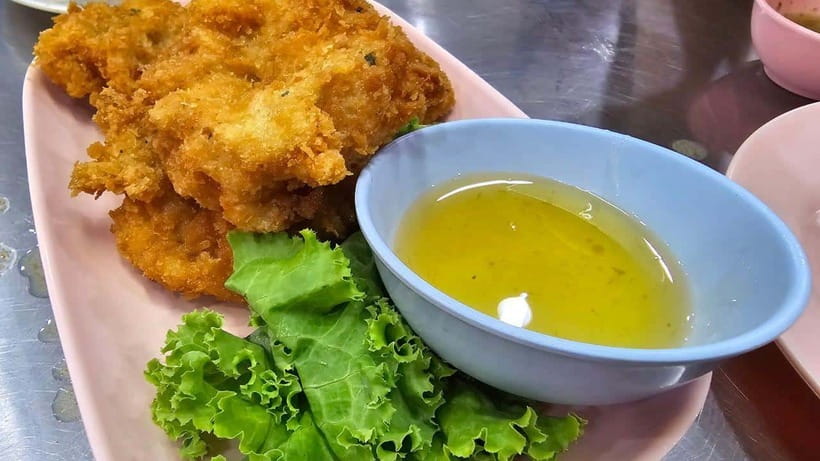
Ordering street food in Bangkok can be simple once you know what you want. Before that, a menu, a crowded stall, and a language gap can make even a basic choice feel uncertain. A guide gives you a way to try local food with context and without having to guess at every step.
The tour is especially useful if this is your first visit to Chinatown. You get explanations of the food and the area’s past while moving between stops. The history is not an optional lecture added at the end. It is part of the reason the dishes make sense.
The focus on top local dishes can also help you build a shortlist for later meals. Pay attention to what you enjoy, then return to Yaowarat or another Bangkok neighborhood and order more on your own. A food walk works best when it gives you confidence for the rest of your trip, not just a few free samples.
There is a small point of uncertainty here. Claims about a number-one local dish are promotional language, and no ranking system is explained. I would treat that promise as a sign that the guide will choose popular local food, not as proof that every item is Bangkok’s single best dish.
Walking through Yaowarat after dark
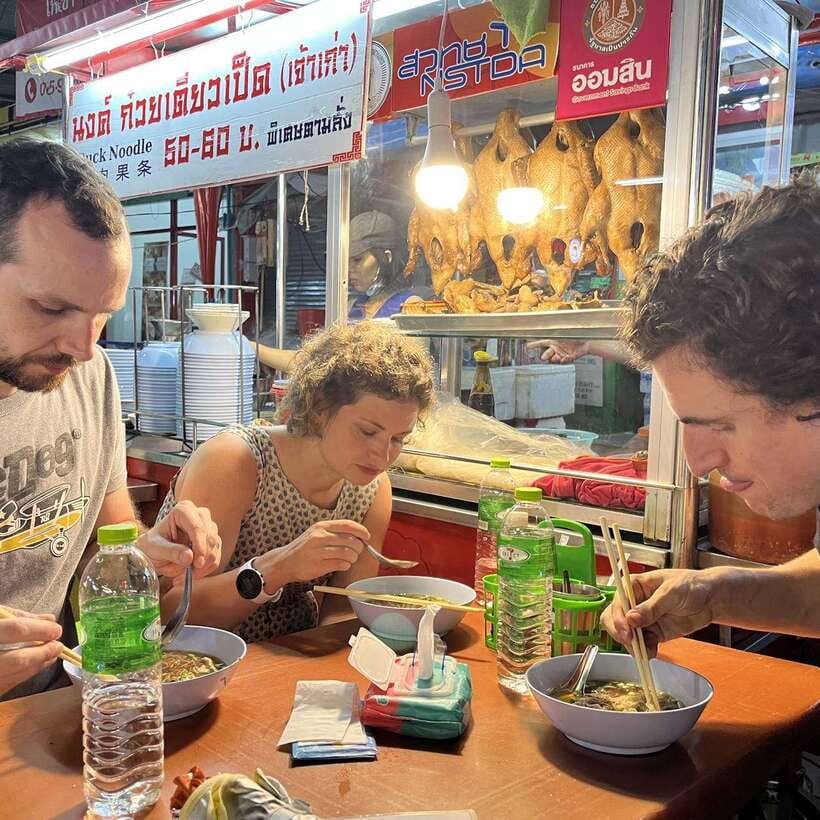
The Chinatown setting is a major part of the experience. The evening route passes through the main Yaowarat area and its narrower side streets, where food stalls, shops, and pedestrians create a constant flow of activity.
You will see Chinatown as a working neighborhood rather than a museum. The value lies in the combination of food, movement, and local stories. One moment you may be tasting a pastry, and the next you may be hearing how the area fits into Bangkok’s Chinese community.
The streets can be crowded and the alleys can feel confined. That is part of the atmosphere, but it is also why the tour is not recommended for people with claustrophobia, mobility impairments, or wheelchair users. You should be comfortable walking on busy streets and standing at food stops.
Electronic devices are listed among the prohibited items, which is unusual for a sightseeing walk. Because this restriction is not explained in the tour details, confirm it before arriving if you need to carry or use a phone, camera, or other device. Alcohol and drugs are not allowed, and bare feet are not permitted.
A few more street food tours around Bangkok worth a look
- Bangkok: Michelin Guide Street Food Tour by Tuk Tuk
★ 4.4 · 1,274 reviews - Bangkok Tuk-Tuk by Night with Chinatown Street Food Meal
★ 4.6 · 263 reviews - Bangkok: Chinatown Food Tour with Michelin Food Stalls
★ 4.8 · 226 reviews - Night Street Food Tour of Bangkok’s Chinatown
★ 5.0 · 173 reviews
Sophie and the value of having a guide
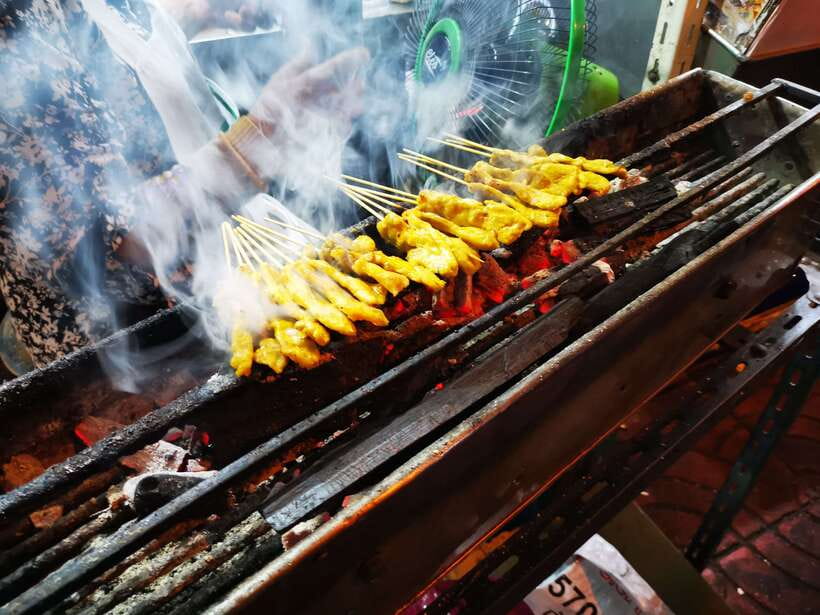
The strongest praise centers on the guides, particularly Sophie, also spelled Sofie in one account. She is described as explaining the food, Bangkok, Thailand, and Chinatown’s past while keeping the experience personal. That is important because the food itself is only half of the tour.
A good street-food guide helps with three practical tasks. First, the guide chooses what to taste. Second, the guide explains what is on the plate and why it matters. Third, the guide keeps the group moving through a complicated neighborhood without losing the thread of the evening.
The available comments also point to a guide who can make the experience feel like a private outing when the group is small. That will depend on the date and number of bookings, so I would view it as a possible bonus rather than a guarantee.
There is one hygiene concern to keep in mind. One person reported seeing a guide handle salad directly with bare hands while helping assemble a dish. That is a single negative account among many strong ratings, but food handling matters. If you are particular about hygiene, watch how dishes are prepared and raise any concern politely with the guide at the time.
Is $49 fair for 150 minutes?
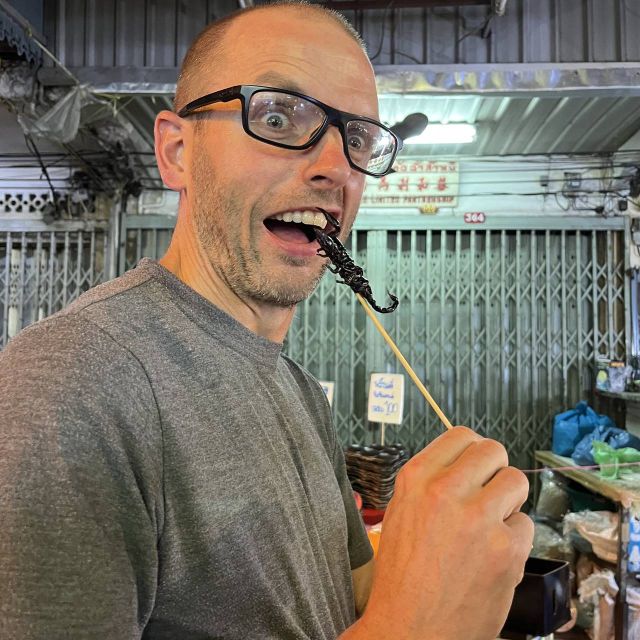
At $49 per person, the tour is not the cheapest way to eat in Chinatown. You could buy individual snacks on your own for less. The price pays for more than the food: it includes an English-speaking guide, six tasting locations, route planning, explanations, and help navigating a busy night market.
I think the price is reasonable if you value structure and context. A first-time visitor may spend an evening wandering between stalls, ordering too much of one dish, or missing the smaller side streets. This tour gives you a planned route and a chance to sample several categories of food in a short period.
The value is weaker if you already know Yaowarat well, speak Thai or Chinese, or prefer choosing every dish independently. Independent eating gives you more control over portion size, ingredients, and budget.
Pay attention to the timing. The activity is presented as 150 minutes, while the route information also describes the Chinatown portion as three hours. That may reflect an approximate itinerary rather than a firm difference, but it is worth checking before you arrange dinner, transport, or another evening booking.
Alcohol is not included, and hotel pickup and drop-off are not included. You meet at the MRT and make your own way home from Yaowarat, so include transport in your total budget.
Dietary restrictions are a serious concern
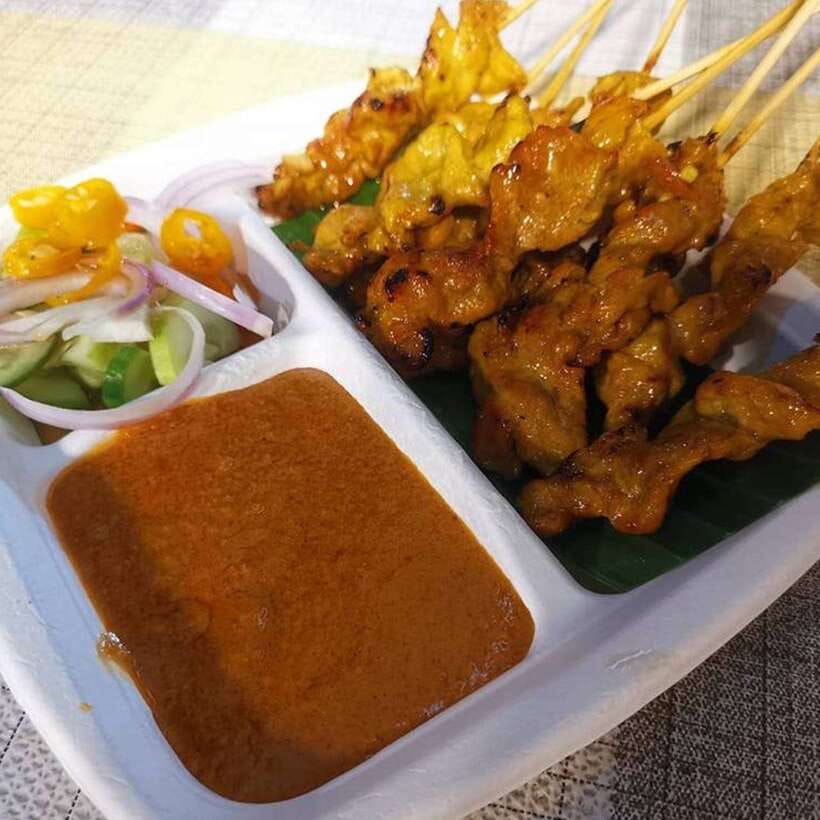
This is not a flexible food tour for special diets. The information specifically warns against booking if you are vegetarian, vegan, gluten-free, allergic to shrimp, peanuts, pork, or dairy, or affected by other food allergies.
That warning should be taken literally. Do not assume the guide can replace every dish. Thai street food often uses shared cooking areas and sauces, and the tour does not promise separate preparation or ingredient substitutions.
If you have a mild preference rather than a medical restriction, you can ask the provider before booking. If you have a serious allergy, the safest choice is to select an experience designed for allergy-aware dining instead.
The same practical caution applies to picky eaters. Six stops create variety, but they also mean you may encounter several ingredients you do not normally eat. The route is best for someone who wants to try local food and can eat shrimp, peanuts, pork, dairy, and gluten.
Who will enjoy this Chinatown food walk most?
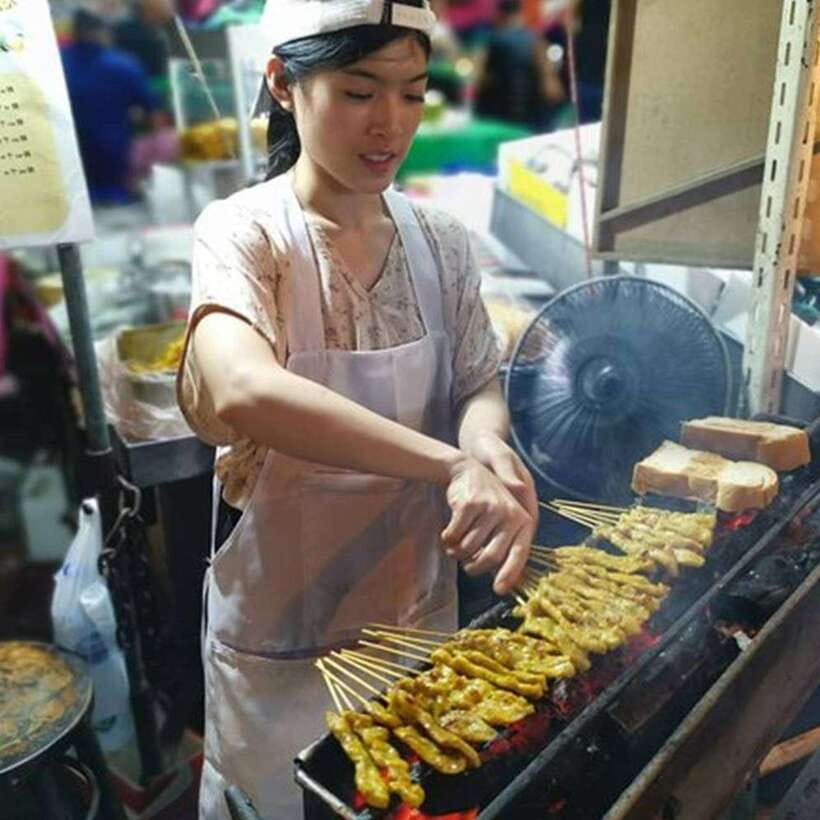
I would recommend it to first-time Bangkok visitors who want a guided introduction to Yaowarat at night. It also suits solo visitors who would rather have a planned route, couples looking for a food-focused evening, and anyone curious about the connection between Bangkok’s Chinese community and its street cooking.
It is a good fit if you want small tastings rather than one formal meal. You will get more range from the evening, and the guide can explain the dishes as you go.
I would be more cautious if you have only one free evening and want a full dinner with a known menu. The food choices can change, and the tour is built around tasting rather than ordering exactly what you want.
You should also skip it if walking through narrow, crowded streets is difficult for you. The activity is not suitable for wheelchair users or people with mobility impairments, and it is not recommended for people with claustrophobia or visual impairments.
Practical details for a smoother evening
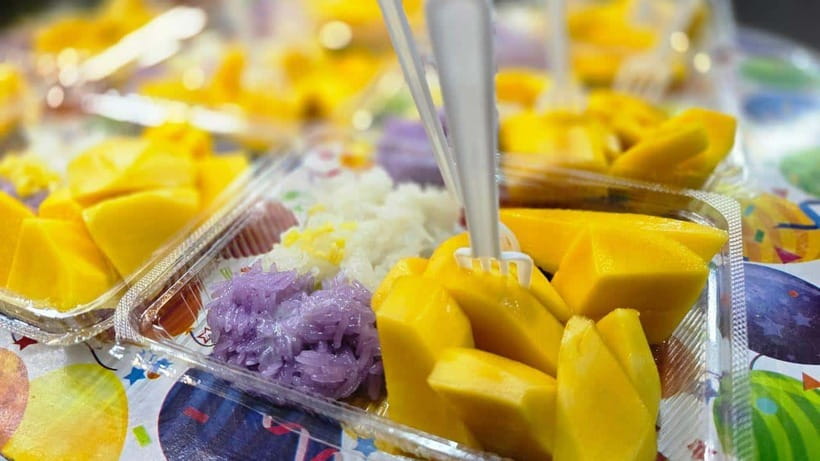
Meet outside Wat Mangkon MRT at Exit 3. The metro is the recommended way to arrive because taxis can be slowed by Chinatown traffic.
Wear comfortable shoes and arrive ready to walk and stand. You will be moving between stops rather than sitting for long periods.
The guide speaks English. The activity offers free cancellation up to 24 hours before the start, and you can reserve now and pay later. Check the available start times, especially because the food route operates at night and the exact duration may vary between the stated 150 minutes and the three-hour itinerary description.
Menus can change on public holidays or when a seasonal item is no longer available. That is normal for a street-food route, but it means you should focus on the type of experience rather than a guaranteed dish list.
Should you book this Bangkok Chinatown tour?
Book it if you want a guided first taste of Yaowarat, enjoy trying several local dishes, and appreciate history woven into a walking route. The strongest reasons are the six-stop format, the Thai-Chinese focus, the easy MRT meeting point, and the personal style associated with Sophie.
Skip it if you need vegetarian, vegan, gluten-free, or allergy-safe food, or if you dislike crowded streets and uncertain menus. At $49, the tour earns its price through guidance and variety, not through a large meal or luxury transport.
For the right eater, this is a smart way to get oriented in Chinatown on your first Bangkok visit. Arrive hungry but not ravenous, wear good shoes, and leave room for one more snack after the final stop.
FAQ
Where does the Bangkok Chinatown food tour meet?
The meeting point is outside Wat Mangkon MRT station at Exit 3, near 449 Charoen Krung Road.
How long does the tour last?
The activity is listed as 150 minutes. The route information also describes the Chinatown portion as three hours, so confirm the expected timing when checking availability.
How many food stops are included?
The tour includes tastings at six different places. The exact dishes can change because of seasons and public holidays.
What language does the guide speak?
The live tour guide speaks English.
Is hotel pickup included?
No. Hotel pickup and drop-off are not included. You should make your own way to Wat Mangkon MRT and leave from the Yaowarat finish point.
Is the tour suitable for vegetarians or vegans?
No. The activity is specifically listed as unsuitable for vegetarians and vegans.
Can people with food allergies or gluten intolerance join?
No. The tour is not suitable for people with food allergies, gluten intolerance, or allergies to shrimp, peanuts, pork, or dairy products.
Just added around Bangkok
- 4-Hour Hidden Bangkok TukTuk Street Food Guided Tour★ 5.0 · 23 reviews
- 3-Hour Bangkok Walking Tour: Wat Pho and Wat Arun★ 5.0 · 102 reviews
- Bangkok 3-in-1 Tour: Longtail Boat,TukTuk & Street Food Adventure★ 5.0 · 73 reviews
- Famous Thai Street Food Tasting Experience!★ 5.0 · 4 reviews
- Thai Costume Photography at Wat Arun/Pho Temple: Bangkok★ 5.0 · 3 reviews
- Visit Wat Pho and Wat Arun with Local Expert★ 4.0 · 14 reviews
- Tuk Tuk Bangkok Private Tour: WW2 Pad Thai, 360-Viewpoint, Chinatown (Pickup)★ 5.0 · 9 reviews
- LR-01 TaLad NangLerng, ride along the old town and try local street foods★ 4.5 · 13 reviews
Bangkok Street Food Tours, compared.
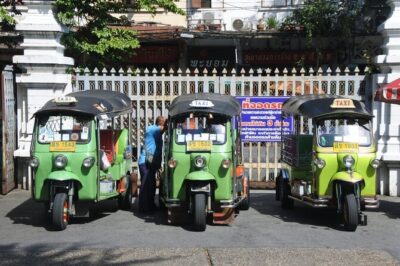
Bangkok: Michelin Guide Street Food Tour by Tuk Tuk
Read our review →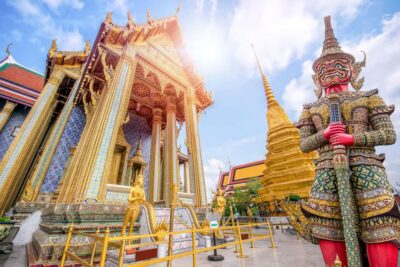
Bangkok: Grand Palace, Wat Pho, and Wat Arun Private Tour
Read our review →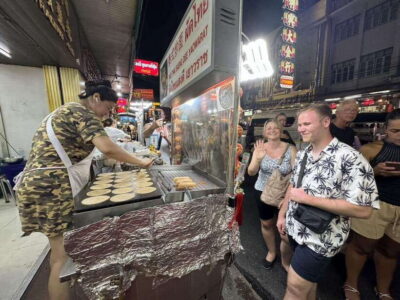
Bangkok Authentic Tasting Thai-Chinatown Walking Food Tour
Read our review →
Bangkok: Evening Tour with Wat Arun, Wat Pho & Tuk Tuk Ride
Read our review →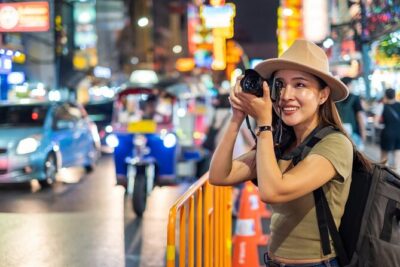
Bangkok Tuk-Tuk Tour by Night with Chinatown Street Food Meal
Read our review →
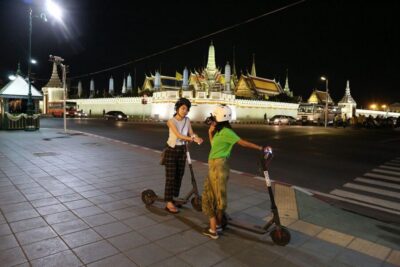
Bangkok: E-Scooter Night Tour with Local Street Food
Read our review →
Private Tour of Bangkok’s Temples Including Reclining Buddha (Wat Pho)
Read our review →Browse the lists this tour appears in