
REVIEW · FRANCE STREET FOOD TOURS
Bayonne: Guided Food Walking Tour (with Food and Drinks)
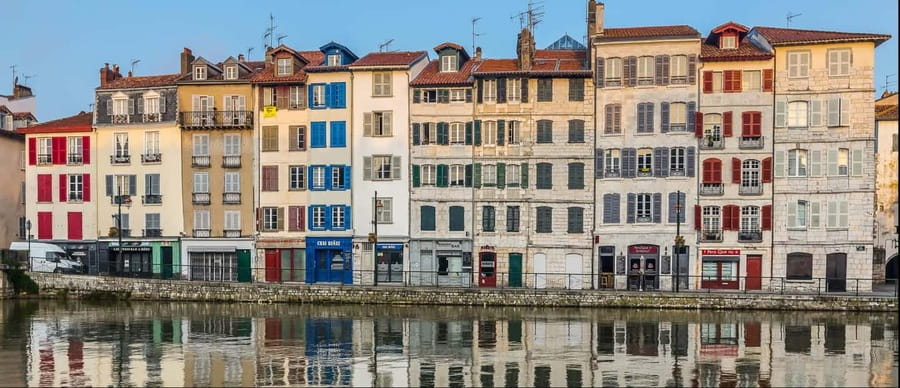
Bayonne’s best introduction may be edible: 1854 chocolate, fresh seafood at Les Halles, cider poured straight from a barrel, and a final espresso with Basque cake. This three-and-a-half-hour walk also takes you through the cathedral, cloister, and an old pelota trinquet.
I like the mix of food and place. You are not just moving from restaurant to restaurant. You see how Bayonne’s market, cider traditions, chocolate makers, and Basque sports culture fit together. I also like the small group, capped at 12, and the chance to hear local stories from guides such as Karim.
The main drawback is that this is not a good fit for vegans or people with mobility impairments. The walk also depends on open venues and decent weather, so evening departures use different stops and heavy rain can cancel the tour.
Key points to know before booking
- Chocolate begins the story: Taste chocolate from one of Bayonne’s oldest shops, founded in 1854.
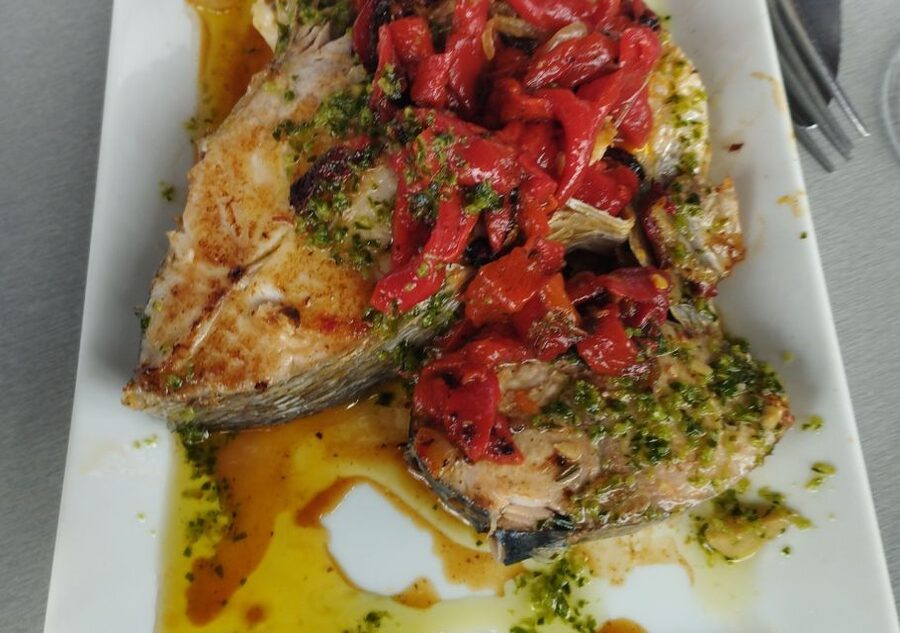
- Seafood comes with a local wine: Les Halles provides the first major food stop, with fresh fish and seafood tapas.
- A historic trinquet adds local character: Sample tapas and cured meats while a traditional Basque pelota court provides the setting.
- Sagarnoa is part of the fun: Pour Basque cider yourself from the barrel and pair it with sheep’s milk cheese.
- The final pairing is simple and good: Finish with freshly roasted espresso and Basque cake from a respected pastry shop.
- The price covers a full meal in small-group form: At $116 per person, the value depends on how much you appreciate guided context, drinks, and several tasting stops.
Bayonne food tour review: what the experience is really about
This is a walking meal with a city tour built around it. Over 210 minutes, you move through central Bayonne, stopping for small portions of regional food and drinks rather than sitting down for one long meal.
That format suits Bayonne. The city’s food identity is spread across markets, specialist shops, old sporting spaces, cider houses, and cafés. You get a better sense of the place by linking those settings together.
The group limit matters. With no more than 12 people, the guide can keep the pace personal and explain what you are eating without shouting across a crowded table. The small size also makes it easier to ask about Bayonne, Basque food, or what to order later in your trip.
Karim is one of the guides associated with the experience. The strongest praise centers on his friendly manner, local knowledge, and ability to take the group to places that are easy to miss on your own. You should expect the exact guide to depend on the date and language selected, but tours are offered in English and French.
More Street Food Walking Tours in France
- Marseille: No-Diet Club Local Food Tasting and Walking Tour
★ 4.8 · 275 reviews - Strasbourg: Traditional Food Walking Tour with Tastings
★ 4.8 · 219 reviews - Lyon: Food Walking Tour with a Local Guide
★ 4.8 · 198 reviews
Starting at Place de la Liberté
Meet in front of Sushi Shop at 6 Place de la Liberté. The guide wears a straw hat, which should make the meeting point easier to spot.
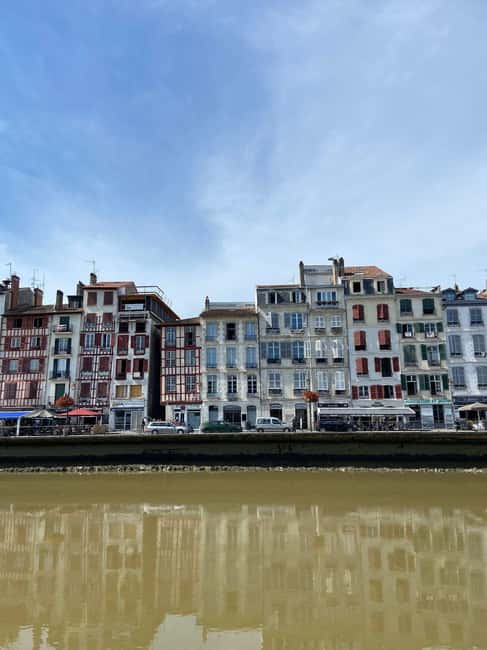
The opening section includes about 30 minutes of guided sightseeing. You pass through Bayonne’s streets and see the cathedral and cloister before the food stops take over. This is useful if you have just arrived and want to get your bearings, though it is not a full historical tour of every major sight.
The cathedral and cloister give the walk a sense of place before you start eating. Bayonne can feel like a meeting point of French and Basque influences, and the guide’s stories help connect the old center to the food culture you are about to taste.
Wear comfortable shoes. The experience is on foot, and the organizers specifically say it is not suitable for people with mobility impairments. You should also leave large luggage behind, since bags are not allowed on the tour.
Chocolate from a Bayonne shop dating to 1854
Chocolate is the first taste, and it is a smart choice. Bayonne has a long chocolate-making tradition, and beginning with a specialist shop gives you an immediate sense that local food here is not limited to ham and cider.
You taste chocolate from one of the city’s oldest shops, dating to 1854. That date gives the stop more weight than a quick sample from an ordinary confectionery. It also makes the tasting useful for anyone deciding which local products to take home.
The portion is part of the wider tasting menu, not a dedicated chocolate workshop. You should expect to taste and learn, not make chocolate or spend an hour comparing varieties.
This stop also works well early in the walk because it is light enough to leave room for the seafood and tapas ahead. If you have a serious sweet tooth, ask the guide for recommendations on other chocolate shops in Bayonne. One benefit of the tour is the list of local suggestions you receive at the end.
Les Halles and fresh seafood with local wine
Les Halles de Bayonne is the first substantial food stop. The market setting is important. Instead of tasting seafood in an anonymous restaurant, you see the kind of place where local food shopping happens, with the sounds and smells of the market around you.
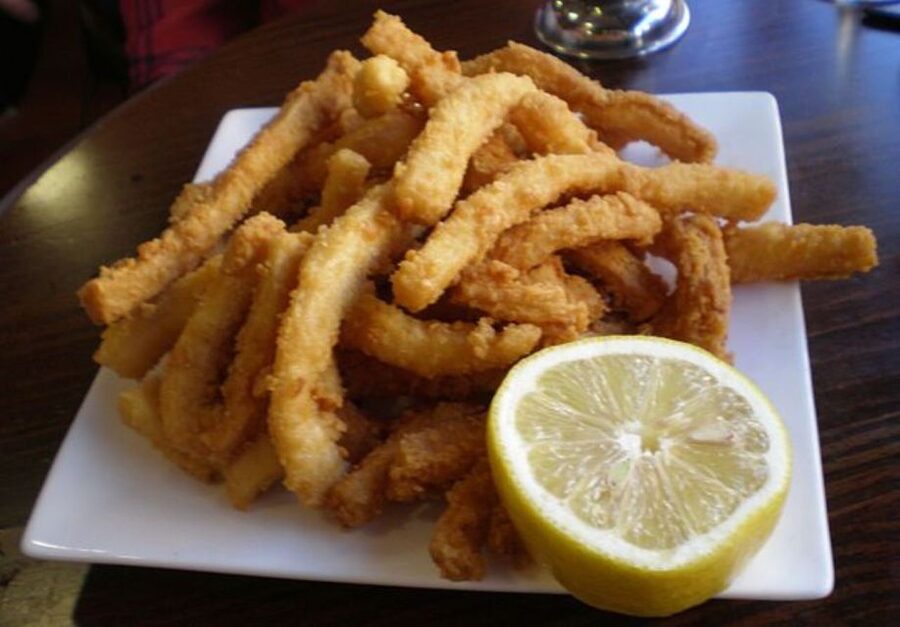
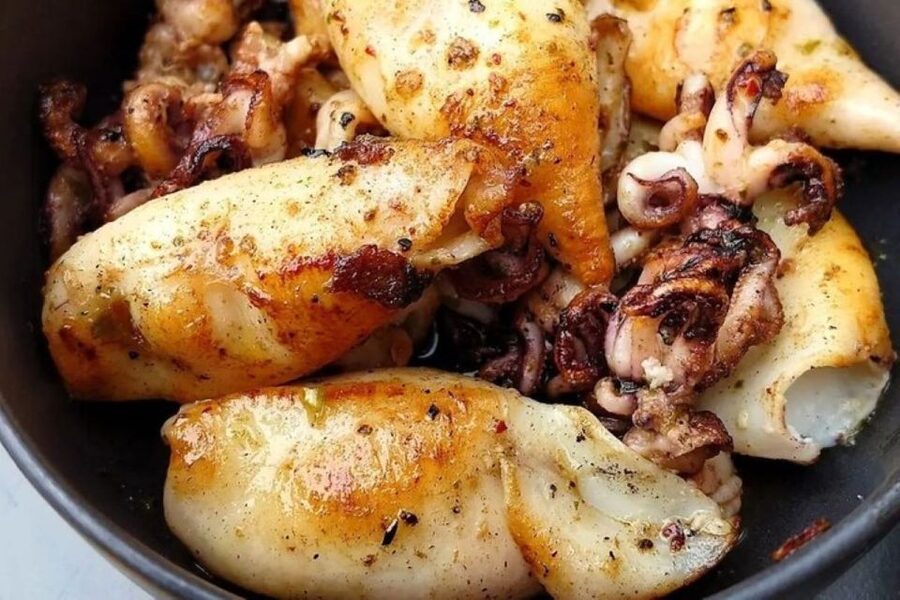
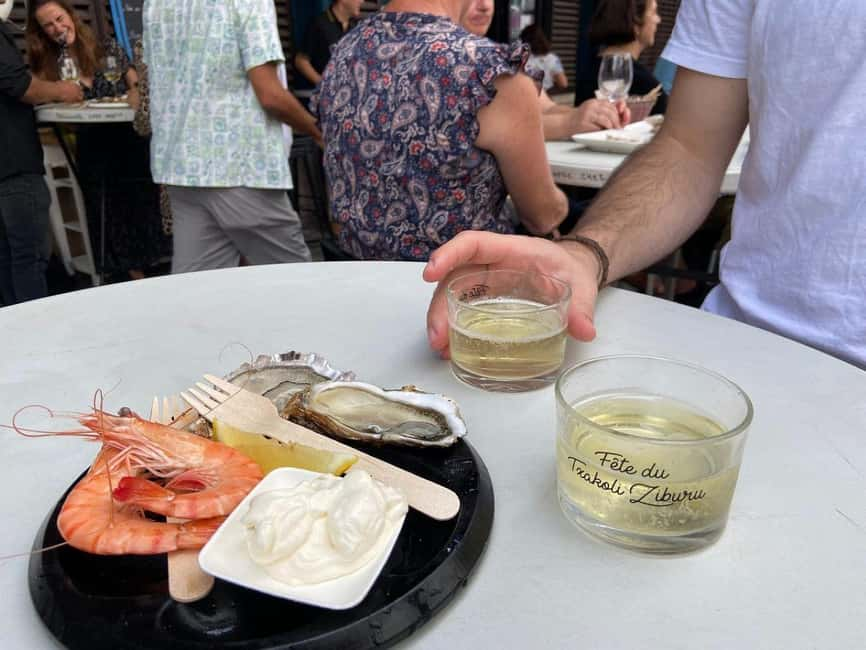
Here you share fresh fish and seafood tapas, paired with a glass of local wine. The exact seafood depends on what is available, so you should not book this expecting one fixed dish. That flexibility is part of the market experience, though it can be less predictable than a set restaurant menu.
I like this stop because it gives the tour a clear local-food foundation. Seafood is not presented as an isolated luxury. It appears in a working market, alongside the everyday activity of Bayonne.
The wine pairing adds value. You are not paying only for a few bites of fish. You are also getting an introduction to how the guide matches regional food with local drinks. If you do not drink alcohol, the supplied details do not specify a nonalcoholic alternative, so ask before booking.
The market is also one reason timing matters. Evening tours cannot use Les Halles when it is closed. The operator says alternative stops are arranged, so the experience continues, but the market atmosphere is a special part of the daytime version.
More Street Food and Wine Tastings in France:
- Bordeaux Old Town & Market Local Food with Wine Tastings Tour
★ 4.0 · 56 reviews - #1 Bordeaux Food and Wine Tasting Tour w/ Local Foodie Guide
★ 4.0 · 33 reviews - Rome: Guided Food Walking Tour with Wine in Trastevere
★ 4.9 · 3,105 reviews - Florence: Street Food Tour with Wine & Local Guide
★ 4.9 · 1,443 reviews
An old trinquet, Basque pelota, and generous tapas
The next stop takes you to one of France’s oldest trinquets. A trinquet is an indoor court used for pelota, the traditional Basque ball game. This is one of the most unusual parts of the experience because the setting is tied to local sport, not simply food service.
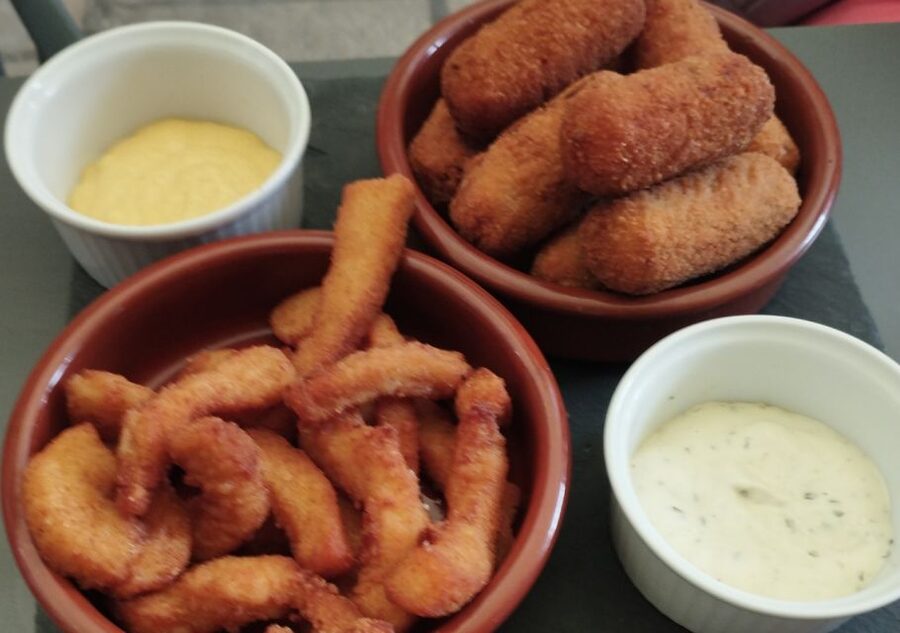
You eat at the restaurant inside the trinquet, sharing local tapas and cured meats. Cheese may also be included among the shared tastings. A glass of wine accompanies the food.
The background sounds of the game give the meal a distinctly Basque feel. You are not only sampling ham, cured meats, and small plates. You are seeing a place connected to a living regional tradition.
This stop may appeal most to people who enjoy food with cultural context. If you want a quiet, formal meal, the active trinquet setting may feel less polished. That is not a flaw, but it is worth understanding. The point is atmosphere and local connection rather than white-tablecloth dining.
The shared format also means you should be comfortable trying several things from one table. It is a good arrangement for meeting people in a group of up to 12, and past groups have sometimes been much smaller. One recorded visit had only four people, which made the walk especially relaxed and personal. Group size can change, but the 12-person maximum keeps it from becoming unwieldy.
Sagarnoa from the barrel with sheep’s milk cheese
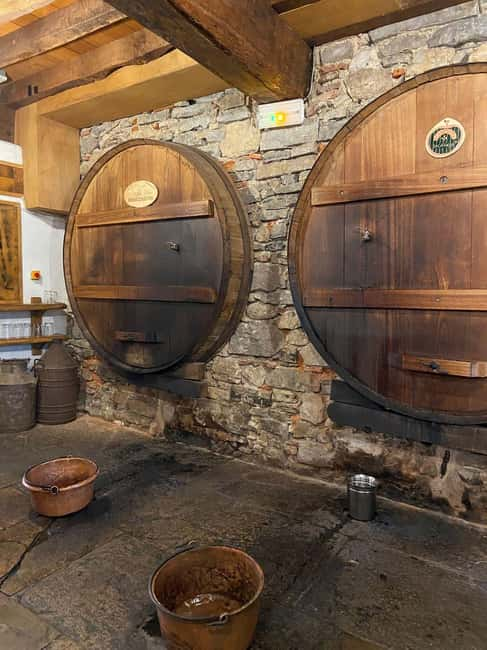
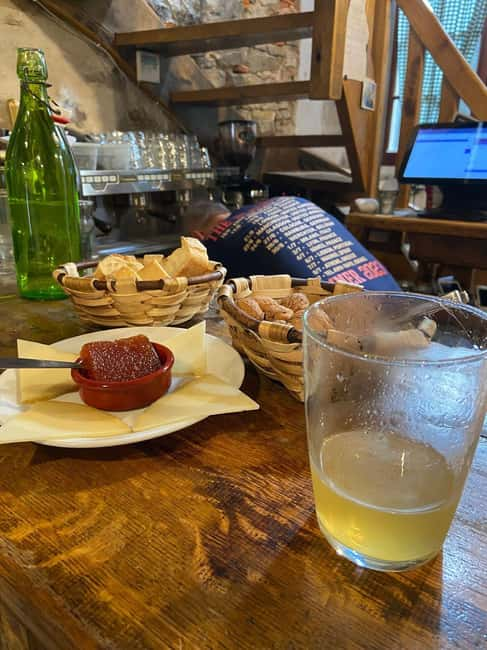
The cider house provides the most hands-on moment. You taste Basque sheep’s milk cheese and pour sagarnoa, Basque cider, directly from the barrel.
Sagarnoa is not simply a drink served in a glass. The traditional ritual involves catching the cider as it flows from the barrel. That small act gives you something to do and helps explain why a cider house is part of Basque food culture.
The rustic setting and friendly service add to the experience, though the supplied details do not name the cider house. You should expect an informal stop rather than a technical cider seminar.
The cheese pairing is well judged. Sheep’s milk cheese brings a salty, savory contrast to the dry, lively cider. The stop also breaks up the wine tastings, giving the drinks portion of the tour more range.
If you do not drink alcohol, check what alternatives are possible before booking. The advertised drinks are local wines, sagarnoa, and espresso, and no specific alcohol-free substitute is listed.
Basque cake and espresso to finish
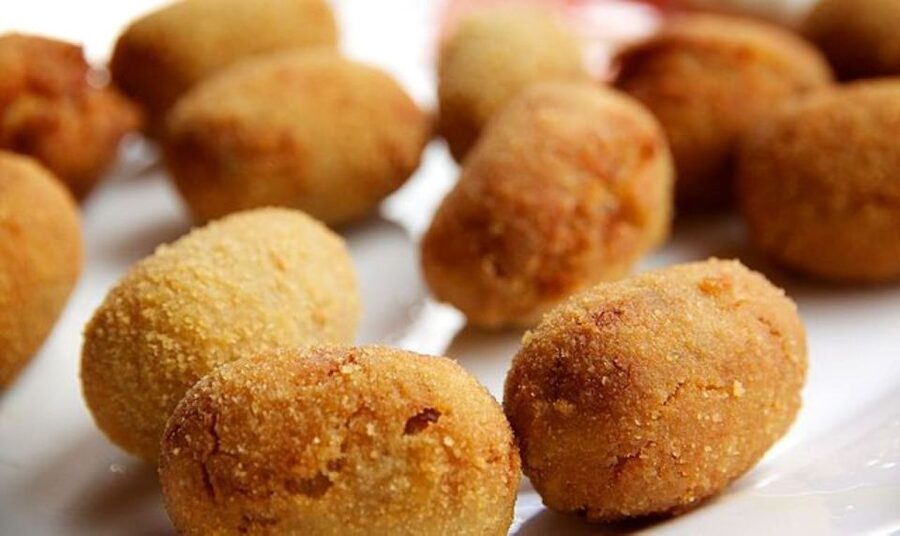
Before the last stop, the group visits one of Bayonne’s best pastry shops to pick up a Basque cake. The cake is then served at an historic Bayonne coffee roaster.
This ending has a pleasing rhythm. The cake brings sweetness after seafood, cured meats, and cheese, while the espresso gives the tour a proper café finish. The coffee is freshly roasted, and the pastry comes from a neighboring shop, so the final pairing connects two local specialists.
The coffee roaster is another daytime consideration. It is closed on evening tours, but an alternative is arranged. That means a night departure may not reproduce the exact same ending, even though the operator promises a comparable food experience.
Do not expect a long coffee tasting lesson. The value is in the fresh espresso, the Basque cake, and the chance to finish somewhere with a local food identity. For me, it is a more satisfying ending than simply stopping for dessert at a generic café.
What $116 includes, and where the value lies
At $116 per person, this is not a cheap snack walk. It costs more than buying a pastry, a market plate, and a drink on your own. The question is what you value.
The fee includes a 210-minute guided experience, several food stops, local wines, sagarnoa, espresso, chocolate, seafood, tapas, cured meats, cheese, and Basque cake. It also includes the guide’s time and the work of arranging access to several different types of venue.
I see the price as reasonable if you want a full introduction to Bayonne’s food culture in one morning or afternoon. The tastings add up to something closer to a light meal or substantial grazing session than a single sample at each stop.
The tour is less appealing if you prefer to choose every dish yourself or already know Bayonne well. You can likely spend less by visiting the market and cafés independently. You would miss the connections between the food, the trinquet, cider ritual, and local history, though.
The small-group cap improves the value. With only 12 places, you are more likely to hear the guide and ask questions. The included recommendations list may also help you plan later meals, especially if Bayonne is part of a longer Basque Country trip.
Timing, weather, and practical limits
The tour lasts three and a half hours. That is long enough for a proper introduction, but short enough to fit around other sightseeing in Bayonne. I would schedule it early in your stay because the recommendations can guide your remaining meals.
The exact start time depends on availability. Daytime tours offer the full sequence described here, including Les Halles and the coffee roaster. Evening tours use alternatives because those places close.
Heavy rain can cancel the experience. The tour may also be canceled if too few people book. Free cancellation is available up to 24 hours before departure, and you can reserve now and pay later, which gives you some flexibility when weather and plans are uncertain.
Large bags are not allowed. Bring only what you need for a walking food tour. Hotel pickup and drop-off are not included, so you must reach Place de la Liberté on your own.
The tour is not suitable for vegans. The advertised food centers on seafood, cured meats, cheese, chocolate, and Basque cake. Anyone with allergies or strict dietary needs should confirm options before paying, since the available information does not promise substitutions.
Who will enjoy this Bayonne experience most
I would recommend this tour to first-time visitors who want Bayonne explained through food rather than through a long museum visit. It is also a good match for solo visitors and couples who like sharing dishes and meeting people from different countries.
Food-focused visitors will appreciate the range. In one outing, you try chocolate, seafood, wine, tapas, cured meats, cheese, cider, coffee, and cake. That variety helps you identify the flavors and products you want to seek out later.
It also suits people curious about Basque culture. The trinquet and barrel-poured sagarnoa make the experience more than a sequence of tastings.
I would hesitate to recommend it to vegans, anyone with serious mobility limits, or people who dislike shared food. It may also disappoint visitors expecting a formal meal, a detailed culinary class, or a fixed menu with guaranteed dishes.
Should you book the Bayonne food walk?
Book it if you want a friendly, small-group introduction to Bayonne with real places built into the route. The strongest reasons are the old chocolate shop, Les Halles seafood, the trinquet setting, the cider ritual, and the final coffee and cake.
The guide makes a difference here. Karim has been praised for his local stories and easy manner, and the small group gives the walk a personal feel. Just confirm the meeting point, leave large luggage behind, and choose a daytime departure if the market and coffee roaster are priorities.
Skip it if you need a vegan menu, have difficulty walking, or want complete control over what you eat. For everyone else, $116 is a fair price for a guided half-day that combines a light meal, local drinks, and a useful first look at Bayonne’s food traditions.
FAQ
Where does the Bayonne food tour meet?
Meet in front of Sushi Shop at 6 Place de la Liberté. The guide wears a straw hat.
How long does the tour last?
The experience lasts 210 minutes, or three and a half hours.
What languages are available?
The tour is offered in English and French.
How large is the group?
The group is limited to a maximum of 12 people.
What food and drinks are included?
You taste Bayonne chocolate, fresh fish or seafood tapas, local wine, tapas, cured meats, cheeses, Basque sheep’s milk cheese, sagarnoa cider, espresso, and Basque cake.
Are evening tours the same as daytime tours?
Evening tours use alternative stops because Les Halles and the coffee roaster are closed. The operator says the alternatives are chosen to keep the experience memorable and food-focused.
Is the tour suitable for vegans or people with mobility impairments?
No. The experience is listed as unsuitable for vegans and people with mobility impairments. Large bags and luggage are also not allowed.
Just added around France
- NO DIET CLUB – Unique local food tour in Ajaccio (English/French)★ 4.5 · 30 reviews
- Cannes Ooh La La Food Tour★ 5.0 · 10 reviews
- #1 Bordeaux Food and Wine Tasting Tour w/ Local Foodie Guide★ 4.0 · 33 reviews
- Bordeaux Historic and Gourmet Food Walking Tour★ 4.5 · 82 reviews
- Lyon: Street Food Tour★ 4.4 · 15 reviews
- Paris: Food Market Tour in Bastille★ 4.6 · 12 reviews
- Paris: Vegan Food Tour (Street-food edition)★ 4.9 · 9 reviews
- Ajaccio: Local Food Tour with Tastings★ 4.8 · 83 reviews
France Street Food Tours, compared.
No Diet Club – Unique Local Food in Nice with Tastings
Read our review →
Marseille: No-Diet Club Local Food Tasting and Walking Tour
Read our review →
Strasbourg: Traditional Food Walking Tour with Tastings
Read our review →
Montmartre Private Food Walking Tour With Locals: The 10 Tastings
Read our review →
No Diet Club – Amazing local food in Biarritz !
Read our review →
NO DIET CLUB – Unique local food tour in Aix en Provence
Read our review →Browse the lists this tour appears in