
REVIEW · HANOI STREET FOOD TOURS
Authentic Bun Cha Hanoi making – with skyline view of Westlake
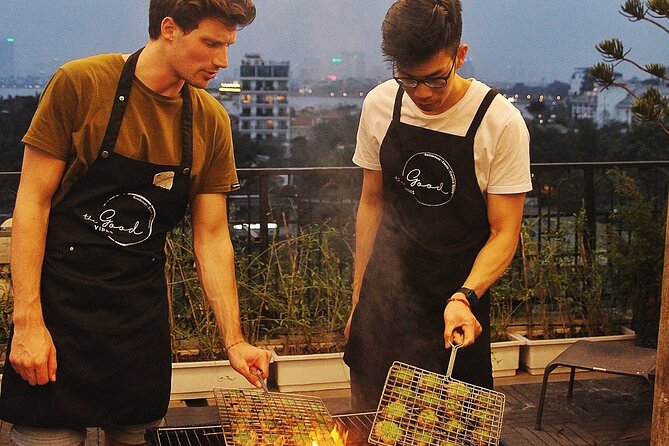
Bun cha is best understood at the grill, not just at the table. This four-hour Hanoi experience takes you from a local wet market to a rooftop kitchen facing West Lake, where you prepare the dish with fresh ingredients and learn the eating customs behind it. The setting gives the class a pleasant sense of place.
I like the market visit, which shows you how Hanoi households shop for herbs and produce. I also like the small group limit of 10, since cooking instruction works better when you can ask questions and get hands-on help. The main consideration is the unusual listed meeting point in Quốc Oai, so confirm pickup details before you go.
Key points to know before booking
- Bun cha is the main event: Prepare Hanoi’s grilled pork, noodles, herbs, and dipping sauce as part of a four-course meal.
- The day starts at a wet market: You help select fresh ingredients and see how locals shop for a home meal.
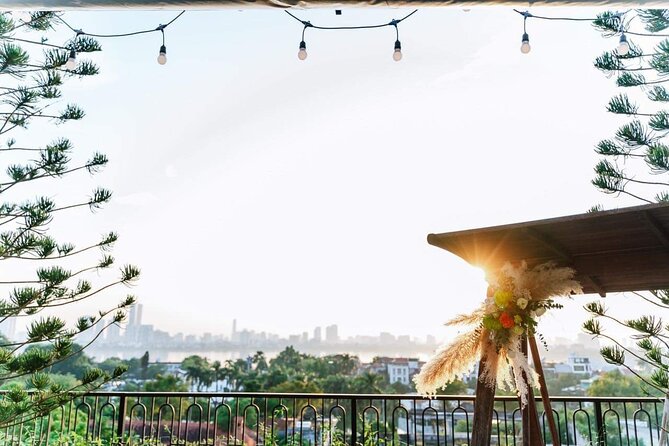
- The rooftop faces West Lake: Expect skyline views, open-air cooking, and a particularly attractive setting for an evening class.
- The group is capped at 10 people: This allows more personal instruction than a large demonstration class.
- Drinks and dessert are included: You receive one beer or soft drink, a local wine tasting, and a homemade dessert served in a traditional Hanoian manner.
- Pickup and drop-off are offered: The advertised meeting point is Chùa Thầychân núi in Quốc Oai, so clarify the exact arrangement if you are staying in Hanoi’s Old Quarter.
Why bun cha makes a good Hanoi cooking class
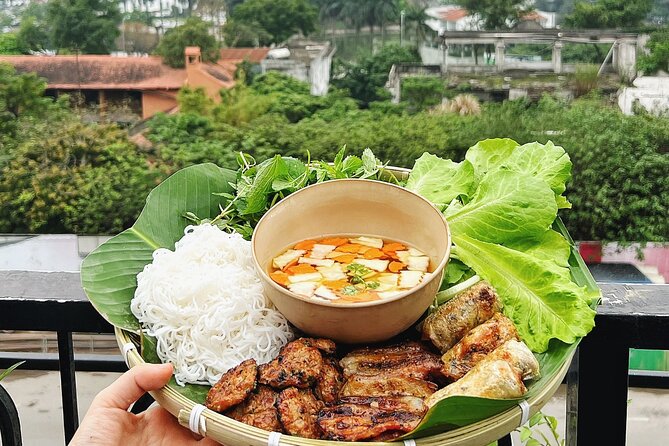
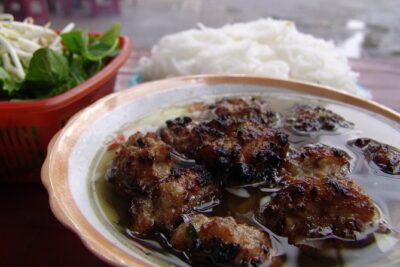
Bun cha is one of Hanoi’s signature meals, and it rewards a hands-on lesson. It is not a single bowl assembled in the kitchen while you watch. The meal depends on several parts working together: grilled pork, rice noodles, a sweet and savory dipping broth, fresh herbs, and crisp accompaniments.
That makes it a useful dish to learn. You see how Vietnamese cooking balances smoky, salty, sweet, sour, fresh, and crunchy elements in one meal. You also learn that the herbs are not decoration. They change the flavor of every bite.
The class also puts bun cha in its proper Hanoian setting. You are not simply shown a generic Vietnamese recipe. The host explains the background of the dishes, local eating etiquette, and the customs connected with meals in Hanoi.
The cooking team has included hosts named Thinh, My, Dinh, and Dean. The exact host may vary, but the experience is designed around direct instruction rather than a distant chef demonstration. You should expect help with each stage of preparation and plenty of conversation as you work.
More Vietnamese Street Food Tours in Hanoi
- Hanoi: Vietnamese Street Food Tour with Egg Coffee
★ 4.9 · 315 reviews - Hanoi Cooking Class: Pho/Bun Cha/Banh Xeo…+Free Egg/Salt Coffee
★ 5.0 · 267 reviews - Vietnamese Bread & Brew: Banh Mi Baking Class & Specialty Coffee
★ 5.0 · 76 reviews
Starting at the market and organic garden
The experience begins with pickup from the agreed meeting point, followed by a visit to a local wet market. This is an important part of the day, since it gives you a look at Vietnamese food before it reaches the cooking table.
You help purchase the fresh ingredients used later in the class. The host explains the produce and Vietnamese herbs, and you get a practical lesson in the way local shopping works. This is more useful than simply walking past market stalls with a guide. You have a reason to look closely, compare ingredients, and connect what you see with the meal ahead.
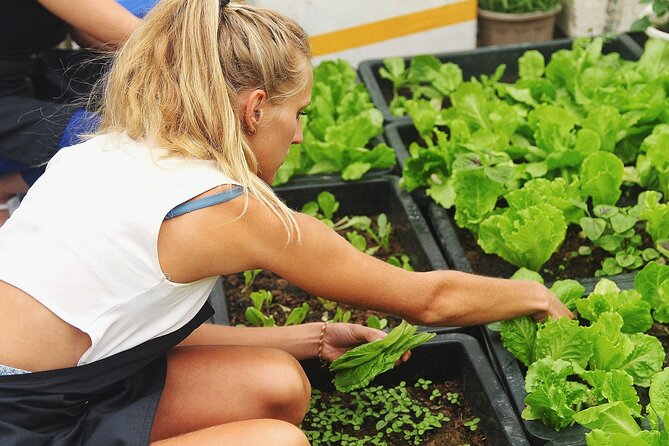
Fresh herbs are especially important here. Vietnamese dishes often rely on leafy herbs and raw vegetables to provide fragrance and contrast. The experience also includes vegetables and herbs from an organic garden, giving you another point of comparison between market produce and garden-grown ingredients.
The market is likely to be the more active and less polished part of the outing. That is part of its value, but you should be ready for a working food market rather than a staged attraction. If you prefer a quiet, highly organized cooking school from the first minute, this may feel more informal.
Reaching the West Lake rooftop kitchen
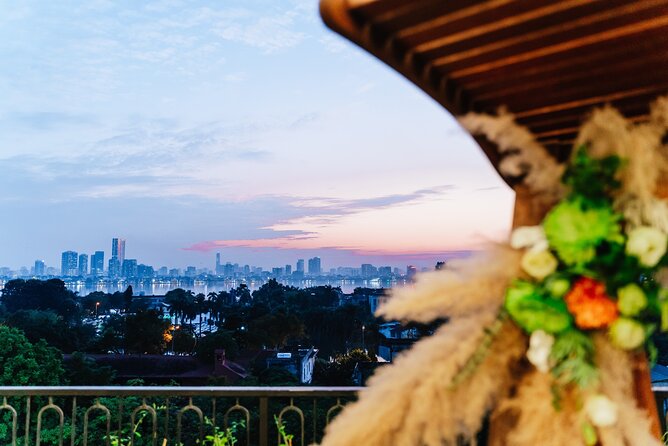
After the market, you continue to the rooftop venue facing West Lake. The view is one of the experience’s strongest features. You cook with Hanoi’s skyline and the lake in sight, then sit down to eat in the same setting.
The rooftop setting gives the class a relaxed rhythm. You spend part of the time preparing food and part of the time talking, eating, and taking in the view. Evening sessions may include a sunset over the city, according to the activity details, which makes the terrace especially appealing later in the day.
The open-air location also means conditions can affect the experience. The activity requires good weather, and poor weather may lead to a different date or a full refund. If you are planning this for a particular evening, keep that weather condition in mind.
The venue is described as cozy and clean, with fans available. Still, a rooftop kitchen is not the same as an enclosed restaurant. Hanoi can be warm, and you should dress for comfort rather than formality.
Cooking four courses, with bun cha at the center
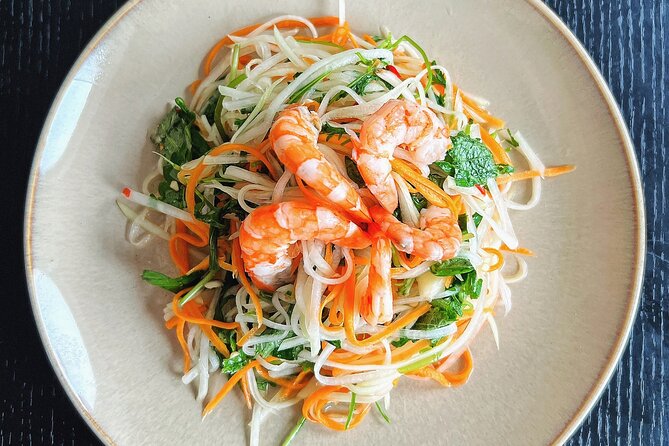
The class includes a four-course menu built around bun cha and other traditional Vietnamese dishes. The exact supporting dishes can include papaya salad and spring rolls, giving you a useful range of techniques rather than one recipe repeated in different forms.
You prepare the food under the host’s direction. The purpose is not simply to copy steps. You learn how the dishes fit into Vietnamese food culture and why certain ingredients are used together.
Bun cha requires several preparations, so the class gives you a good look at the structure of a Vietnamese meal. You work with the meat, noodles, dipping sauce, herbs, and accompaniments. The smoky grilled elements are balanced by the freshness of the herbs and vegetables.
The spring rolls add a different lesson in texture and assembly. Papaya salad brings another balance of crispness, acidity, and seasoning. Together, these dishes make the class more useful for home cooking than a narrow lesson devoted only to one bowl.
Small groups matter here. With a maximum of 10 people, you have a better chance of handling the ingredients yourself and asking about substitutions or technique. The host also asks about allergies and dietary restrictions in advance, so share those details before the class rather than waiting until you arrive.
Children are welcome, but you should tell the host in advance if you are bringing anyone under 10. Suitable equipment can then be arranged.
Same city, a different plate:
- Small Group Hanoi Street Food Tour with a Real Foodie
★ 5.0 · 4,682 reviews - Hanoi: Street Food Tour with Train Street & Hidden Alleyways
★ 5.0 · 2,831 reviews - Hanoi: Guided Street Food Tour with Train Street Experience
★ 4.9 · 2,479 reviews - [HOT] Hanoi Old Quarter Walking Street Food – Small Group Tour
★ 5.0 · 2,163 reviews
Eating the meal with a city view
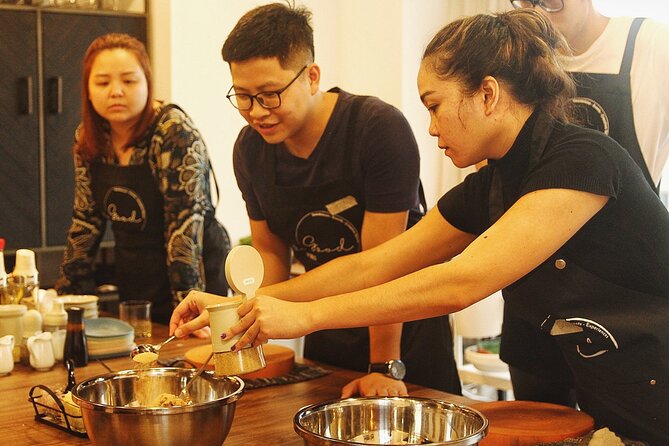
Once the cooking is finished, you sit down and eat what you prepared. This is where the class pays off. You can compare each dish with the versions you have tasted in Hanoi restaurants, while still having the satisfaction of knowing how it was made.
One beer or a soft drink is included, along with a tasting of local wine. Alcohol is served only to those of legal drinking age, and nonalcoholic options are available. The drink is a modest inclusion, but it suits the social side of the meal and gives you a chance to linger over the food.
The host also explains Vietnamese eating etiquette and local dining habits. This can help you understand why meals are often shared, how herbs and dipping sauces are used, and how the table functions as a social space rather than simply a place to receive an individual plate.
The meal may be generous. The included menu has four courses, so avoid arriving after a large lunch if you want to try everything. The rooftop view adds to the meal, but the food remains the main reason to book.
The traditional dessert and local stories
The final course is a secret homemade dessert prepared by the host team. Its exact ingredients are not stated in advance, but it is served in a traditional Hanoian way.
That surprise element is part of the appeal. The experience is not built like a formal restaurant tasting with every detail listed ahead of time. Instead, the dessert gives the host one last opportunity to explain a local custom and share a story connected with Vietnamese food.
The meal also includes local stories that may not appear in a standard recipe class. The hosts are described as friendly and conversational, and the experience has a social tone. You are encouraged to ask questions and talk through the dishes rather than simply follow instructions in silence.
What the $40 price really covers
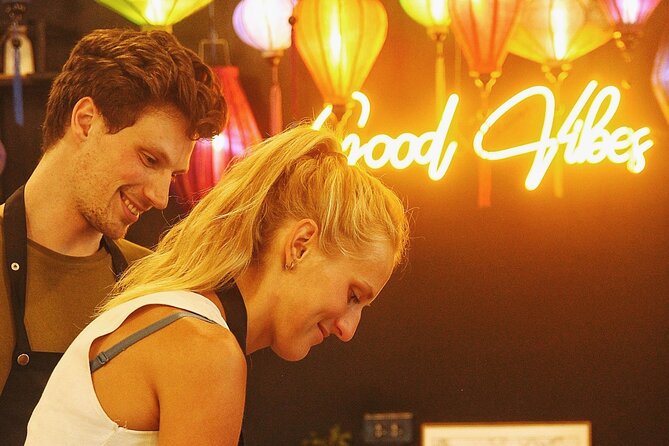
At $40 per person, the price covers more than the cooking lesson itself. You receive pickup and drop-off to and from the venue, a market tour, instruction from an English-speaking host, the ingredients, a four-course meal, one beer or soft drink, local wine tasting, and dessert.
That is a solid package if all the transport arrangements work smoothly. A cooking class with ingredients and a meal can already account for much of the price, while the market visit and rooftop setting add experiences you would not get from a basic kitchen lesson.
The value is strongest for you if you want a full half-day food experience rather than a quick recipe demonstration. You are paying for the sequence: shopping, preparation, cooking, conversation, dining, and the West Lake setting.
Tips are not included. The cancellation terms are also worth noting. You can cancel for a full refund up to 24 hours before the start time, but changes or cancellations inside that period are not accepted for a refund. Since the activity depends on good weather and a minimum number of participants, the provider may offer another date or a full refund if it cannot run.
Pickup, meeting points, and timing
Pickup is offered, but the stated start point is Chùa Thầychân núi in Quốc Oai, Hanoi, and the activity ends back at the meeting point. This detail deserves attention because it may not be the same place as your hotel.
If you are staying in the Old Quarter or another central area, contact the host before the day of the class and confirm the pickup location, time, and drop-off plan. Direct communication has been a strong part of the booking experience, and it is the simplest way to avoid confusion.
The class lasts about four hours. Allow enough time for the market visit, transport, cooking, the meal, and the final dessert. This is not a short activity to squeeze between two tightly scheduled sightseeing stops.
A mobile ticket is accepted, and confirmation is provided at booking. The venue is near public transportation, though pickup may still be the easiest option, especially if you are unfamiliar with Hanoi’s outer districts.
Who will enjoy this experience most
I would choose this class if you want to understand how Hanoi food is made, not just sample it. It suits first-time visitors who want a friendly introduction to Vietnamese ingredients, as well as food lovers who already know bun cha and want to learn the dish properly.
It is also a good choice for couples, families, and small groups who enjoy eating together. Children can attend, with advance notice for anyone under 10. The group cap of 10 keeps the class personal without making it a private lesson.
You may want to skip it if your schedule is very tight, if you dislike outdoor cooking, or if the listed meeting point creates a difficult transfer. It is also not the right fit if you want a professional culinary-school format with advanced knife work and restaurant-level technique. This is a cultural cooking experience first.
Should you book the West Lake bun cha class?
Book it if you want three things in one outing: a local market visit, hands-on Hanoi cooking, and a rooftop meal overlooking West Lake. The strongest parts are the direct instruction, the small group size, the fresh herbs and market shopping, and the chance to learn bun cha in the city where it belongs.
Before paying, confirm the pickup details and tell the host about allergies, dietary restrictions, or children under 10. If the weather looks uncertain, keep your schedule flexible.
For $40, this is a good-value choice for anyone who wants a meal with context and a practical recipe to take home. You also receive an electronic cookbook with the dishes prepared, making it easier to recreate the experience after your trip.
FAQ
How long does the cooking class last?
The experience lasts approximately four hours, including pickup, the market visit, cooking, dining, and the dessert.
What dish is the class focused on?
The main dish is authentic Hanoi bun cha, with additional traditional Vietnamese dishes such as papaya salad and spring rolls.
How many people can join the class?
The maximum group size is 10 participants.
Is hotel pickup available?
Pickup and drop-off are offered to and from the experience venue. The listed meeting point is Chùa Thầychân núi in Quốc Oai, Hanoi, so confirm the exact pickup details before the class.
Is the market visit included?
Yes. You visit a local wet market, learn about Vietnamese produce, and help purchase fresh ingredients for the class.
Are ingredients included?
Yes. The experience includes fresh ingredients, vegetables, and Vietnamese herbs, including produce from an organic garden.
What drinks are included?
You receive one beer or a soft drink, plus a local wine tasting. Alcohol is available only to people of legal drinking age.
Is dessert included?
Yes. The meal ends with a homemade secret dessert served in a traditional Hanoian manner.
Can children attend?
Children of all ages are welcome, but you should inform the host in advance if you bring a child under 10 so suitable equipment can be arranged.
Can I cancel for a refund?
You can cancel at least 24 hours before the start time for a full refund. Cancellations or changes made less than 24 hours before the experience are not refunded. If poor weather or an insufficient number of participants causes the provider to cancel, you will be offered another date or a full refund.
Just added around Hanoi
- Street Food by Walking Tour for 3 hours in Hanoi, Vietnam★ 5.0 · 26 reviews
- Female Riders Vespa Night Street Food + Train Street food 4 Hours★ 5.0 · 35 reviews
- Walking Street Food Tour and Hidden Music★ 4.5 · 19 reviews
- Hanoi Vespa After Dark Street food + Train Street+ Live Music★ 5.0 · 18 reviews
- TASTE OF HANOI – walking street food adventure★ 5.0 · 94 reviews
- Street food on foot with a local-Asian Promise★ 5.0 · 19 reviews
- Hanoi Street Food Tour and MORE★ 5.0 · 18 reviews
- Street Food Tour with Hanoian Snacks★ 4.0 · 2 reviews
Hanoi Street Food Tours, compared.
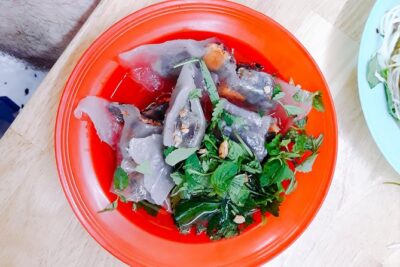
Small Group Hanoi Street Food Tour with a Real Foodie
Read our review →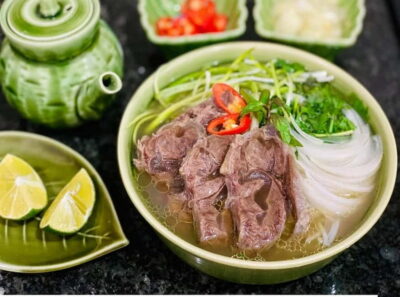
Hanoi: Street Food Tour with Train Street & Hidden Alleyways
Read our review →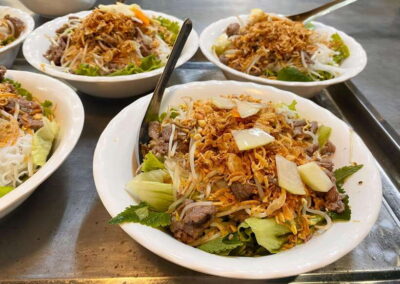
Hanoi: Guided Street Food Tour with Train Street Experience
Read our review →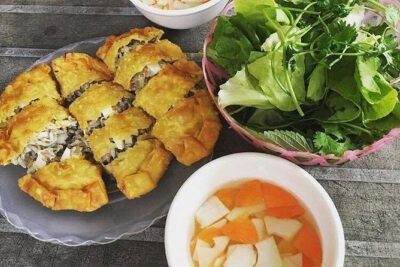
[HOT] Hanoi Old Quarter Walking Street Food – Small Group Tour
Read our review →
Private Hanoi Street Food Walking Tour With Real Foodie
Read our review →
Hanoi: Eat Like a Local Small Group Street Food Tour
Read our review →Browse the lists this tour appears in