
REVIEW · HANOI STREET FOOD TOURS
2-Day SAPA Trekking – Villages-Homestay-Ethnic-Local Food-Market
Sapa’s best moments happen after you leave town. This two-day trek follows rice terraces, streams, village paths, and bamboo forest to communities of Hmong, Giay, Dzao, and Tay people. You sleep in a local cottage in Ta Van and eat meals prepared by the host family.
I like the direct route into village life and the chance to see how different ethnic communities share the Muong Hoa valley. I also like the useful package: transport, guide, entrance fees, homestay, and meals are included. The drawback is the first day’s long schedule. You leave Hanoi around 6:00 am, reach Sapa after lunch, then begin a serious afternoon walk.
Key details before you book
- Four ethnic communities in two days: See Black Hmong life in Lao Chai, Giay and Dao communities in Ta Van, and Red Dzao culture near Giang Ta Chai.
- A real walking trip: The first afternoon includes rice terraces and the Muong Hoa Stream. Day two adds a four-kilometer trek lasting about two hours.
- A family homestay: Sleep in a local house or cottage in Ta Van, with a private room or shared bathroom depending on the arrangement.
- Meals are part of the price: You receive two lunches, dinner, and breakfast, with mineral water included.
- Small enough to manage: The group can have up to 22 people, so this is not a private walk but should remain fairly workable on village paths.
- Budget-friendly from Hanoi: The listed price is $85 per person, with a separate $15 round-trip transfer charge and a $20 solo private-room supplement.
Why this Sapa route works
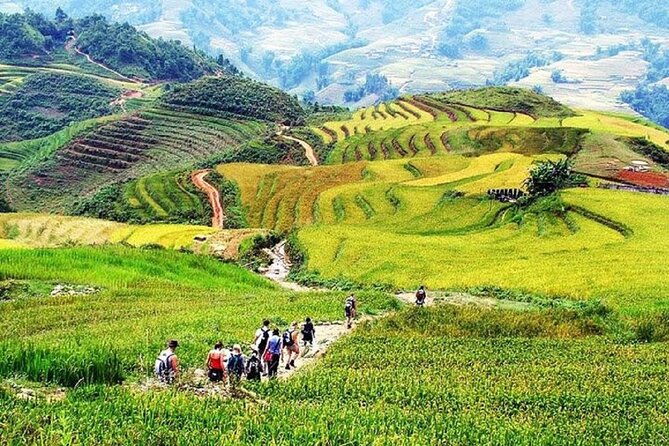
Sapa is easy to picture as a mountain resort, but the more rewarding side of the area lies below town. The villages around the Muong Hoa valley offer a slower experience, where farmland, footpaths, homes, and community life sit close together.
This tour gives you that change of pace quickly. After the bus reaches Sapa, you have lunch in town and then walk out toward Y Linh Ho, Lao Chai, and Ta Van. You are not spending the whole trip in a vehicle or stopping only at viewpoints.
I especially like the mix of scenery and human contact. The terraces are beautiful, but the point is not simply to take photographs. Your guide leads you through places where Hmong, Giay, and Dao families live and work. The homestay then gives you a chance to spend the evening in the same valley rather than returning to a hotel in Sapa.
The experience also requires honest expectations. This is a low-cost group trip with a long bus ride from Hanoi and a full walking program. The guide is expected to speak English, but the available feedback suggests that the nature side of the guiding could be stronger, particularly information about local plants and animals. If you want detailed botany or a highly specialized cultural guide, you may find the commentary fairly basic.
More Street Food Market Tours in Vietnam
- Weekend Hanoi Night Market & Street Food Tour
★ 4.5 · 47 reviews - Hanoi Night Market and Street Food Tour
★ 5.0 · 42 reviews - Hanoi Cooking Class: Local Market, Local Food & Local Restaurant.
★ 4.5 · 2 reviews
The long ride from Hanoi to Sapa
Pickup begins around 6:00 to 6:30 am from hotels in Hanoi’s Old Quarter. The bus follows the highway toward Lao Cai, with a rest stop around 9:30 and another stop in Lao Cai at about 11:00.
You arrive in Sapa around 1:30 pm. That is roughly seven and a half hours from pickup to Sapa, so the transport is a major part of the first day. I would treat the morning as a travel block, not as sightseeing time.
The schedule does have a practical advantage. You do not need to arrange a separate train, bus, or connection to Sapa. Pickup is offered, and a guide meets you in town for lunch before the walk begins. The bus or car transfer back toward the station is also included in the planned program.
The $85 price looks strong once you count the guide, transport within the trip, entrance fees, homestay, mineral water, and four listed meals. Read the extra charge carefully, though. A separate $15 per-person fee applies for the two-way transfer, and a solo visitor paying for a private room adds $20.
Y Linh Ho and the first rice terraces
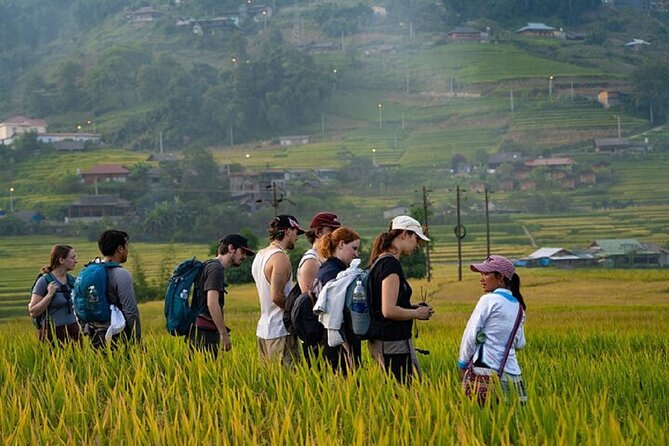
After lunch in Sapa, the walking begins at about 2:30 pm. The route passes through Y Linh Ho, then continues across rice terraces and along the Muong Hoa Stream toward Lao Chai.
Y Linh Ho has a local origin story tied to Ly Linh Ho, described as the first man to build the village. Dao people once lived here under his leadership, later moving away while the name remained. Hmong families then settled in the area.
That detail matters because the village is more than a scenic label on a route map. It reflects the movement of communities through the valley and the way names can remain after the original residents have gone.
The walk itself is the first real test of the trip. You follow paths through fields and along the water, with mountain views opening around you. The trail can feel wonderfully rural, but it is also a long afternoon after an early start in Hanoi. Wear shoes suited to uneven paths, and do not treat this as a gentle town stroll.
Lao Chai among the terraces
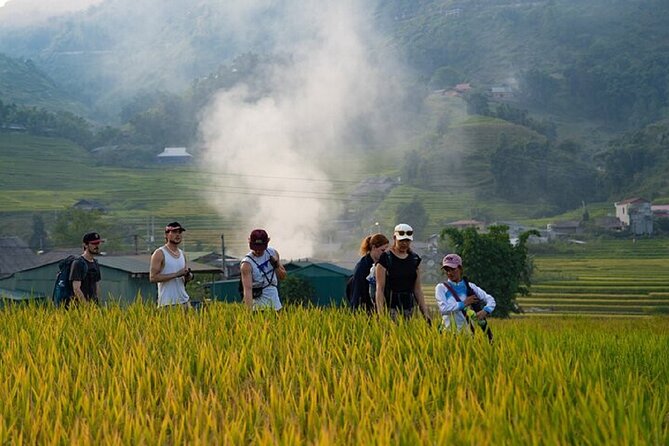
Lao Chai lies among rice and corn fields, with narrow paths crossing the terraces. From the main road, you can look back across the village, the high mountains, and the river below.
The rice terraces change with the seasons. September through April is described as the best period for the village, when the fields are especially attractive. That does not mean every month looks the same. The exact appearance depends on the stage of cultivation, but the route gives you a close view rather than a distant roadside photograph.
I like this part because walking lets you understand the scale of the valley. From above, the terraces may look like a pattern. On foot, you notice the paths, slopes, water, and work involved in farming them.
The tour does not promise a private trail or a silent wilderness walk. Lao Chai is a known stop in the Sapa area, and the group size may reach 22 people. Still, the route provides a useful balance of views and village contact at a price below many private trekking packages.
More Market Food Tours in Hanoi:
- Tokyo Tsukiji Fish Market Food and Culture Walking Tour
★ 5.0 · 3,184 reviews - Phuket: Full Day City Tour with Night Market
★ 4.5 · 2,888 reviews - London Bridge & Borough Market Food Tour with 7 Authentic Dishes
★ 5.0 · 1,972 reviews - Tokyo: Tsukiji Fish Market Food and Walking tour
★ 5.0 · 1,724 reviews
Evening in Ta Van Village
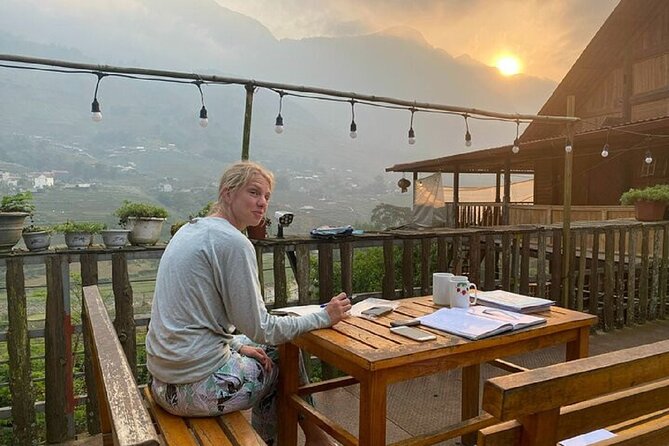
The first day finishes in Ta Van, where you stay in a local house or cottage. The accommodation may be a private room with a shared bathroom, and a solo visitor can pay extra for a private room.
Ta Van is home to Giay and Dao communities, along with Black Hmong families. After crossing the wooden bridge over the Muong Hoa waterway, you reach the Giay community. Dao homes sit farther up the hill.
The village’s position gives the evening a different feel from Sapa town. You are staying close to farmland and village paths, not in a standard city hotel. The host family prepares dinner, and that shared meal is one of the most valuable parts of the trip. It gives you a direct way to learn about local food and daily life, even if the accommodation itself is simple.
The homestay is not the right choice if you need hotel-style facilities. The available information specifies a local house, private room, and shared bathroom, but not hotel amenities. Bring a flexible attitude and think of the stay as cultural accommodation rather than a luxury night.
If you visit around mid-November or December, you might find Giay wedding customs taking place in the area. This is a seasonal possibility, not a guaranteed part of the tour, but it shows why timing can affect what you see.
Breakfast, bamboo forest, and Giang Ta Chai
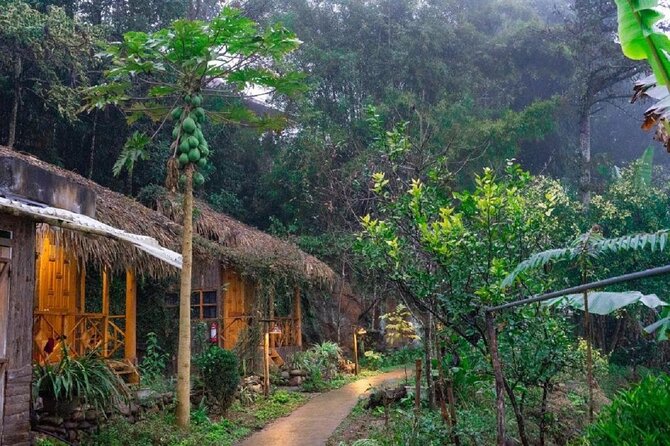
Day two begins with breakfast prepared by the host family at about 8:00 am. The morning walk starts around 8:45 and covers rice paddies, a bamboo forest, and a viewpoint toward Giang Ta Chai.
The walk to Giang Ta Chai is about four kilometers and takes roughly two hours. You cross the Giang Ta Chai Bridge before reaching the main road. This makes day two shorter than the first afternoon, but it is still active and includes uneven village paths.
Giang Ta Chai is associated with the Red Dzao people. The route gives you another cultural setting rather than repeating the same village experience. The bamboo forest also changes the feel of the walk, shifting the focus from open terraces to shaded paths and views across the valley.
I would save energy for this morning instead of staying up late. The first day begins early, and you have another walk before lunch. The schedule allows you to return to the bungalow around 12:00 for a shower and preparation for lunch, which is a welcome practical break.
Meals and what the package really covers
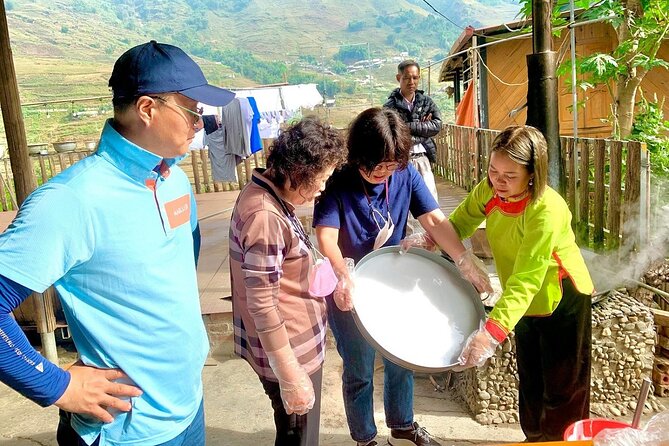
The food plan includes lunch on day one, dinner at the homestay, breakfast on day two, and lunch before departure. Mineral water is also included.
That coverage adds real value because food in Sapa can be more expensive and less convenient when you are moving between villages. You do not need to organize every meal while hiking, and eating at the homestay supports the local family hosting you.
The details of the dishes are not specified, so you should not book this expecting a particular menu. The experience is built around local food, but the available information does not list vegetarian choices, allergies, or special diets. If you have dietary needs, ask the provider before booking.
Extra drinks and personal services are not included. Keep some Vietnamese cash available for anything outside the package.
Guide quality and group size
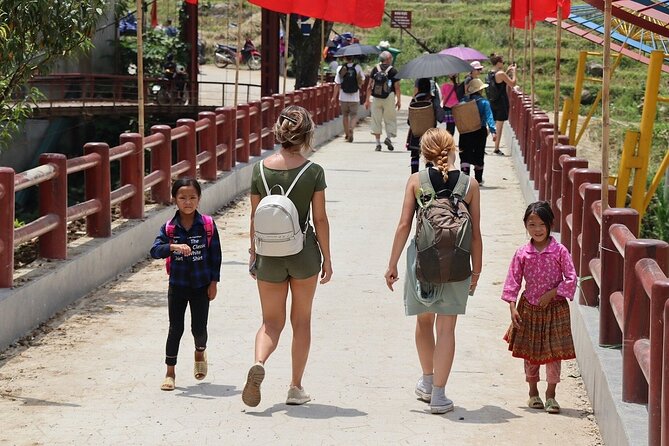
An English-speaking guide accompanies the group and leads the village walks. The guide’s job is especially important here because the value of the trek comes from understanding what you are seeing, not only reaching a viewpoint.
The available feedback is warm about the guide’s general service and the host family, while also pointing out a need for stronger knowledge of local plants and animals. I would interpret that fairly: you can expect help with the route and cultural introductions, but perhaps not a specialist nature lecture.
The maximum group size is 22 people. That is large enough to affect the pace, especially on narrow paths or at photo stops. On the other hand, it keeps the price low and gives solo visitors a built-in group.
If you prefer to stop often for photography, tell the guide early. The schedule is fairly tight on day one, and the group needs to stay together before reaching Ta Van.
Who should book this trek
I would recommend this trip to you if you want to see Sapa beyond the town center, enjoy regular walking, and value a simple homestay over polished accommodation. It suits people who want a short introduction to Hmong, Giay, and Dao communities without committing to a longer mountain trek.
It is also a good fit for budget-conscious visitors starting in Hanoi. The included transport, meals, guide, entrance fees, and accommodation reduce the amount of planning you need to do.
I would be more cautious if you dislike long bus rides, need a private bathroom, or want a relaxed schedule. The first day combines an early Hanoi pickup, two rest stops, a lunchtime arrival, and a long afternoon trek. You will get plenty of exercise, exactly as the route promises.
Should you book the 2-Day Sapa Trek?
Book it if your priority is village walking and a family homestay, not luxury or a deep specialist study of nature. The route covers several communities, includes strong scenery around the Muong Hoa valley, and offers good value at $85 before the additional transfer fee.
The best practical choice is to arrive ready for a demanding first day. Wear reliable walking shoes, pack lightly for the homestay, and confirm the transfer charge and room arrangement before paying. If you can accept a shared bathroom and group pace, this is an efficient way to experience Sapa’s villages in only two days.
FAQ
How long is the tour?
The experience lasts approximately two days. Day one runs from the early Hanoi pickup through the trek from Y Linh Ho and Lao Chai to Ta Van. Day two includes the morning walk near Giang Ta Chai and the return transfer toward the bus station.
Where does pickup take place?
Pickup is offered from hotels in Hanoi’s Old Quarter. The scheduled start time is between 6:00 and 6:30 am.
What communities can I visit?
The route includes villages connected with Black Hmong, Giay, Dao, and Red Dzao communities. The villages named in the route are Y Linh Ho, Lao Chai, Ta Van, and Giang Ta Chai.
What meals are included?
The package includes two lunches, dinner, and breakfast. Mineral water is also included. Drinks and personal extra services are not included.
What kind of accommodation is provided?
You stay in a local house, homestay, or cottage in Ta Van. The arrangement may include a private room and shared bathroom. A solo visitor can pay a $20 supplement for a private room.
How large can the group be?
The maximum group size is 22 people. The walking portion is a group trek led by an English-speaking guide.
Can I cancel for a full refund?
You can cancel at least 24 hours before the scheduled start time for a full refund. Changes or cancellations made less than 24 hours before the start are not accepted for a refund. If poor weather causes the tour to be canceled, you are offered another date or a full refund.
More 2-Day Experiences in Hanoi
- Son Kul Lake Two Day Nomad Tour with Yurt Stay and Local Food
★ 5.0 · 2 reviews
More Hiking & Trekking in Hanoi
- Cruz del Carmen: Hiking in Anaga with Local Food Products
★ 4.8 · 198 reviews - Tenerife: Panoramic Laurel Forest Guided Hike and local food
★ 4.8 · 6 reviews - Private – Gastro Hike with Levada Walk and Local Food
★ 5.0 · 5 reviews
Just added around Hanoi
- Street Food by Walking Tour for 3 hours in Hanoi, Vietnam★ 5.0 · 26 reviews
- Female Riders Vespa Night Street Food + Train Street food 4 Hours★ 5.0 · 35 reviews
- Walking Street Food Tour and Hidden Music★ 4.5 · 19 reviews
- Hanoi Vespa After Dark Street food + Train Street+ Live Music★ 5.0 · 18 reviews
- TASTE OF HANOI – walking street food adventure★ 5.0 · 94 reviews
- Street food on foot with a local-Asian Promise★ 5.0 · 19 reviews
- Hanoi Street Food Tour and MORE★ 5.0 · 18 reviews
- Street Food Tour with Hanoian Snacks★ 4.0 · 2 reviews
Hanoi Street Food Tours, compared.
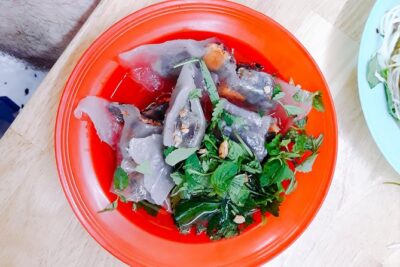
Small Group Hanoi Street Food Tour with a Real Foodie
Read our review →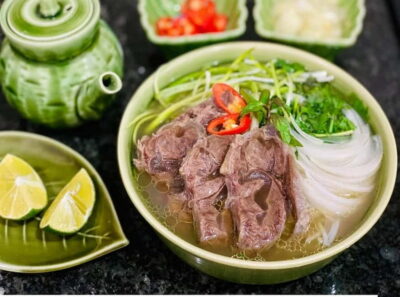
Hanoi: Street Food Tour with Train Street & Hidden Alleyways
Read our review →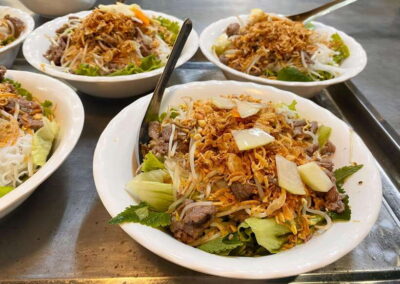
Hanoi: Guided Street Food Tour with Train Street Experience
Read our review →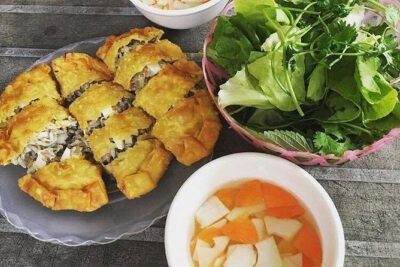
[HOT] Hanoi Old Quarter Walking Street Food – Small Group Tour
Read our review →
Private Hanoi Street Food Walking Tour With Real Foodie
Read our review →
Hanoi: Eat Like a Local Small Group Street Food Tour
Read our review →Browse the lists this tour appears in