
REVIEW · STREET FOOD MARKET TOURS
Kathmandu Food Crawl & Market Tour
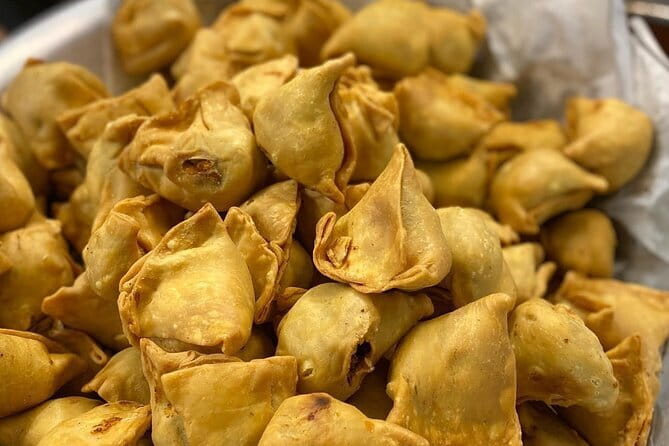
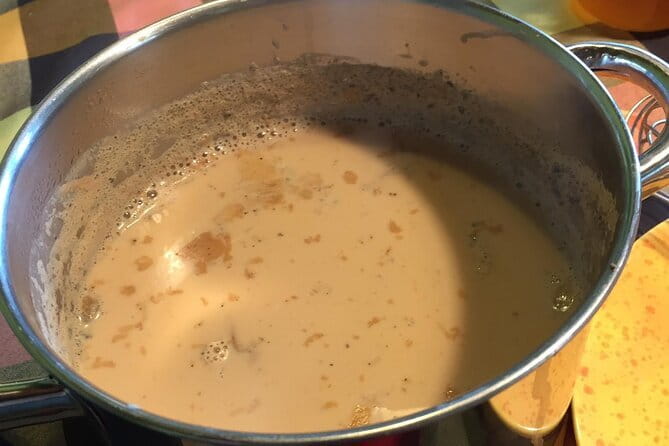
Kathmandu’s best food lessons happen down side streets, not behind a hotel buffet. This two-hour walk starts at Chhaya Devi Complex in Thamel and heads toward Ason Bazar, with at least five local foods and drinks along the way. You may try momo, chatamari, panipuri, laphing, Indian snacks, and sweets such as lalmohan.
I like the mix of food and everyday Kathmandu. You are not only eating, you are watching shopkeepers work, passing temples and stupas, and learning how Nepali, Tibetan, and Indian tastes meet in one city. I also like the $25 price, since the food and drinks are included and the guide can lead you to small places you might miss alone.
The main limitation is the short length. Two hours gives you a useful first taste, not a full study of Newari cooking or Kathmandu’s markets. The group can reach 20 people, so ask for a smaller setting if that matters to you.
Key points at a glance
- Ason Bazar on foot: Walk from Thamel toward one of central Kathmandu’s oldest local market areas.
- At least five tastings: Food and drinks are included, not added as a surprise bill at each stop.
- Local guides with personality: Santosh, Manoj, and Namaste have led versions of this experience.
- More than a meal: Hear about local culture, politics, history, and daily life while moving through the city.
- Good first-day choice: The food walk can help you get comfortable with Kathmandu’s flavors and streets early in your visit.
- Simple booking terms: The price is $25 per person, with free cancellation up to 24 hours before the start time.
Starting in Thamel at Chhaya Devi Complex
The meeting point is Chhaya Devi Complex on Amrit Marg, in Thamel. This is a practical place to begin because Thamel is a familiar base for many people staying in Kathmandu, and the complex is described as a tour hub for Nepal.
From there, the guide sets off on foot. There is no sightseeing vehicle and no separate transfer between food stops. That matters because the walk itself is part of the experience. You move through central Kathmandu rather than viewing it through a window.
I would arrive ready to walk at an easy city pace. The route passes narrow streets, shops, temples, stupas, and local businesses. The exact food stops can vary, which is useful in a food tour. It lets the guide choose places that are open and suitable on the day instead of forcing every group into a fixed restaurant menu.
Guides named in the available feedback include Santosh, Manoj, and Namaste. Santosh is described as someone who talks about food alongside local history, politics, and culture. Manoj has taken people to side-street food spots for dishes such as chatamari, papadi chaat, panipuri, lalmohan, and laphing. Namaste has also guided a small version of the walk.
That range is worth noting. Your experience will depend partly on which guide leads your group, but the common thread is a local-led walk rather than a standard restaurant meal.
More Market Food Tours in the world:
- Seoul Street Food Market Tour
★ 5.0 · 1,226 reviews - Venice Street Food Tour with Local Guide with Local Food Market Visit
★ 5.0 · 822 reviews - Cancun Street Food Tour with Food Stalls, Local Market and Murals
★ 5.0 · 723 reviews
Walking toward Ason Bazar
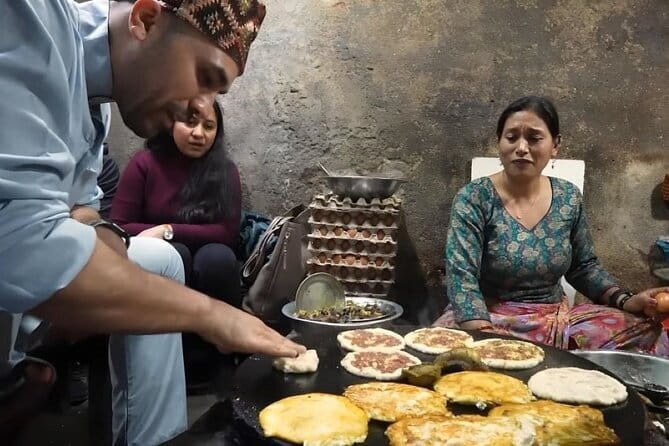
The route’s main destination is Ason Bazar, one of Kathmandu’s oldest local market areas. It is a useful place to see how food fits into ordinary city life. Shops, stalls, religious sites, and people going about their errands share the same tight streets.
This is not a market visit where you simply stop for photographs. The guide helps connect what you see with what you eat. A spice shop, a snack stand, or a small sweets counter becomes easier to understand when someone explains how the food is served and who eats it.
The market can be crowded and noisy, which is part of its character but also the main practical challenge. Stay close to the guide, especially if your group is large. A maximum of 20 people is allowed, and a group that size can feel less nimble in narrow lanes.
The walking route also makes this a good orientation activity. You get a sense of the distance between Thamel and Ason, see parts of central Kathmandu beyond the tourist center, and learn which foods may be worth seeking out later. I like food walks early in a trip for this reason. They give you a working map of the city, not just a list of dishes.
What you may eat during the two hours
The tour promises a minimum of five food items with drinks. That is the firmest part of the food program, while the exact menu is not fixed in the supplied details. You should think of the dishes below as likely examples, not a guaranteed tasting list.
Momo
Momo are dumplings and one of Nepal’s best-known foods. The tour description specifically points to spicy momo and their many variations. They are a natural introduction because they show the connection between Nepali and Tibetan food traditions while still fitting easily into a street-food walk.
Your guide can explain how the filling, seasoning, and dipping sauce differ from one stall to another. Since the tour is built around local food stops, the momo may be served in a simple setting rather than a polished dining room.
A few more street food tours around the world worth a look
- Reykjavik Food Walk – Local Foodie Adventure in Iceland
★ 5.0 · 18,952 reviews - Dubai: Old Town, Creek, Museums, Souks, & Street Food Tour
★ 4.8 · 10,816 reviews - Ho Chi Minh City Street Food Tour & Sightseeing By Motorbike
★ 5.0 · 9,413 reviews - Medellin: Comuna 13 Graffiti Tour, Cable Car & Street Food
★ 4.8 · 9,046 reviews
Chatamari
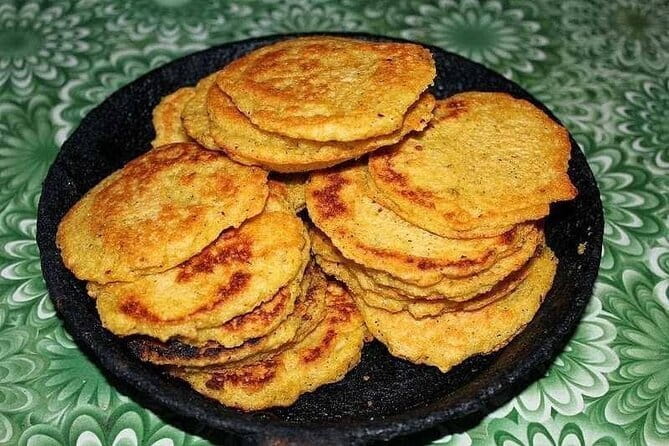
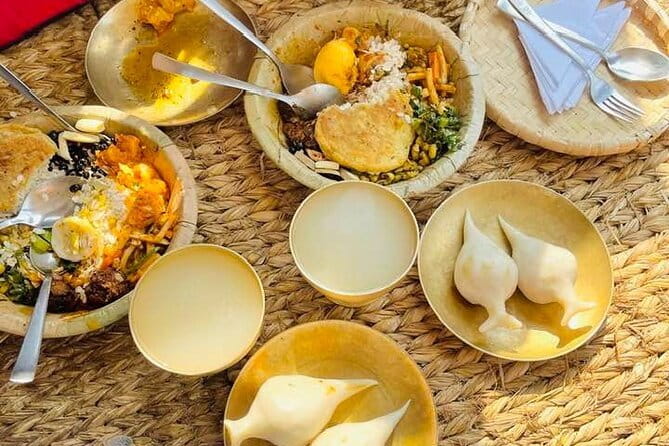
Chatamari is often called Newari pizza, though that comparison only goes so far. It is a savory rice-flour base associated with Newar food culture, and it gives you a better sense of Kathmandu’s own culinary traditions.
I would pay special attention here. Many visitors know momo before arriving in Nepal, but chatamari can be a more distinctive taste of the Kathmandu Valley. One guide-led food walk specifically included it among the tastings.
Panipuri and papadi chaat
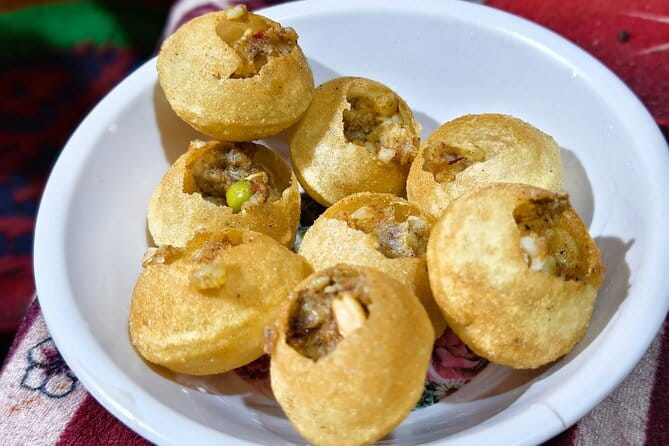
Panipuri and papadi chaat bring a strong Indian influence into the meal. Panipuri is a small, crisp shell filled with seasoned ingredients and flavored liquid. Papadi chaat combines crunchy pieces with savory and sweet toppings.
These are lively street snacks with several textures and sharp flavors. If you are cautious with spice, ask the guide what you are about to eat before taking a full bite. The point is not to prove your toughness. It is to understand the dish and enjoy it.
Laphing
Laphing is a spicy cold noodle snack associated with Tibetan food culture. It can be a useful counterpoint to chatamari and sweets because the flavors and texture are quite different.
The presence of laphing also shows why this tour can be more useful than simply ordering the most famous Nepali dishes. Kathmandu’s food culture is shaped by several communities and neighboring regions. A good guide can help you see those connections without turning the walk into a lecture.
Lalmohan and other sweets
Lalmohan is a syrupy sweet, often known elsewhere by related names such as gulab jamun. It gives the tasting route a sweet finish or a change of pace between savory stops.
The walk may also include other Indian snacks, drinks, and local treats. One account describes a mix of savory and sweet food rather than five versions of the same dish. That variety matters at this price and over only two hours.
The guide makes the difference
The food is important, but the guide determines how much you take away. Santosh has been singled out for making the tour about more than eating. His approach includes conversation about Nepal’s culture, politics, and past, alongside explanations of the food.
That broader conversation is valuable because a dish rarely tells its full story by itself. A snack may reflect trade, religion, migration, family habits, or a neighborhood’s history. You do not need a formal cooking class to learn those links. A few clear explanations while standing outside a food stall can be enough.
Manoj is associated with local spots down side alleys, including stops for chatamari, papadi chaat, panipuri, lalmohan, and laphing. That suggests a focus on places you may not spot while walking the main road. Namaste has also led a walk that visited about six food places for a single participant.
The guide names are useful, but do not treat them as a promise that one person will lead every departure. Ask at booking or at the meeting point if you have a strong preference. Whoever leads, the useful qualities are clear communication, comfort with local food, and the ability to explain what you are seeing.
Why the hidden side streets matter
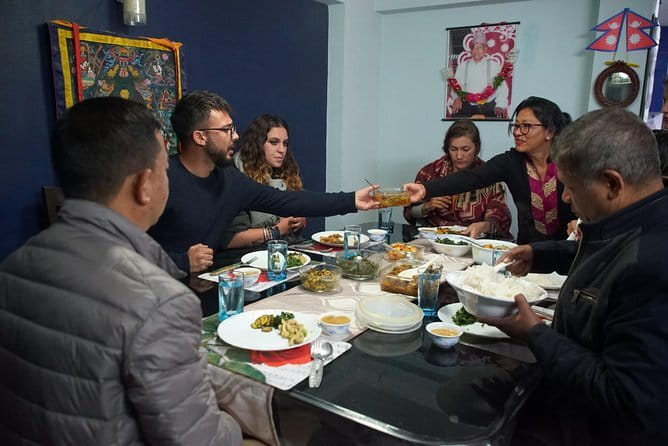
Kathmandu’s main tourist streets are easy to find. Small food counters tucked into side lanes are not. That is where a local guide earns the fee.
You may not find every stop attractive by the standards of a Western restaurant. Some places will be compact, busy, or plain. That is not necessarily a flaw. The value comes from eating where local life is happening and from having someone show you how to order and what to try.
I also like that the walk does not separate food from place. You see temples, stupas, shops, and market activity between tastings. The result is a short cultural walk with food built into it, rather than a series of isolated samples.
There is a tradeoff. You will have less control over the menu than you would at a restaurant. If you have strict dietary limits, allergies, or a strong dislike of spice, tell the provider before the tour and confirm what can be accommodated. The supplied information does not promise a special menu.
Is $25 a good value?
At $25 per person, the tour is priced as an affordable introduction rather than a long culinary expedition. At least five foods and drinks are included, along with an English-speaking guide and official taxes and expenses. Tips and personal spending are extra.
The value is strongest if you would otherwise spend your first day guessing where to eat. A few dollars at a time can add up when you order unfamiliar food without knowing what it is or where locals buy it. Here, your fee covers guidance, interpretation, and the tastings themselves.
The cost is less compelling if you already know Kathmandu’s food scene or want a formal cooking lesson. This is a short orientation walk. You are paying for access and context, not a large meal or an all-day market tour.
Group size also affects value. With up to 20 people, the $25 price stays accessible, but the guide may have less time for one-on-one questions. A smaller group can feel more personal, while a larger one may suit you if you mainly want a quick introduction at a low cost.
The best time to take this food walk
The experience lasts about two hours and ends back at the starting point. That makes it easy to fit around other Kathmandu plans. You could use it near the beginning of your stay, when you want a first look at local food and central streets.
I would choose it early rather than late if you are new to Nepal. The guide can help you recognize dishes, understand market customs, and decide what to order later. You also get a practical look at central Kathmandu before setting off on longer day trips.
Keep your schedule flexible after the walk. The tour returns to the meeting point, but food stops and street movement can affect the pace. The supplied information does not give a precise start time beyond the booking details, so check your confirmation carefully.
The activity is open to most people, according to the participation information. Still, it is a walking tour through local market streets, so comfortable footwear and an appetite will make it easier.
What is included and what is not
The package includes:
- An English-speaking guide
- At least five foods and drinks
- Government taxes and official expenses
- A return to the Chhaya Devi Complex meeting point
You should budget separately for a tip if the guide gives you a good introduction to the city. Personal purchases, extra food, and anything outside the included tastings are also your responsibility.
A mobile ticket is available, and confirmation is provided at booking. Group discounts are listed as a feature, so larger parties may want to check the current terms before paying.
Who should book it?
I would recommend this walk to a first-time visitor who wants a quick, friendly introduction to Kathmandu’s food and market life. It also suits anyone who feels unsure about ordering street food alone.
It is especially useful for people who enjoy small tastings, local conversation, and walking through ordinary neighborhoods. Families and mixed-interest groups may like it because the activity combines food with sights and cultural explanation.
I would be more cautious if you need a guaranteed menu, a quiet sit-down meal, or detailed culinary instruction. The route is local and flexible, and the maximum group size is 20. That brings energy and keeps the price down, but it may not provide the calm or personal attention you want.
Should you book the Kathmandu Food Crawl?
Yes, if you want an affordable first taste of Kathmandu and value a local guide more than a formal dining experience. The combination of Ason Bazar, side-street food stalls, five included tastings, and cultural conversation gives you a useful start for $25.
Book it early in your stay if possible. You will leave with a better sense of what momo, chatamari, panipuri, laphing, and local sweets are all about, plus a clearer idea of where central Kathmandu’s food culture lives.
Skip it if you already know the city well or require a fixed menu and private service. For most first-time visitors, though, this is a sensible way to get your bearings, eat well, and let someone else handle the first round of food decisions.
FAQ
Where does the Kathmandu Food Crawl begin?
It begins at Chhaya Devi Complex, also called Chhaya Center, on Amrit Marg in Kathmandu.
Where does the tour end?
The activity ends back at the Chhaya Devi Complex meeting point.
How long does the tour last?
The tour lasts approximately two hours.
How much does the tour cost?
The listed price is $25 per person.
How many food items are included?
At least five food items and drinks are included.
Are drinks included?
Yes. The included package covers foods and beverages, with a minimum of five items in total.
Which foods might I try?
Possible tastings include momo, chatamari, papadi chaat, panipuri, lalmohan, laphing, Indian snacks, and local drinks. The exact selection is not fixed in the provided details.
Is an English-speaking guide included?
Yes. An experienced, helpful, and friendly English-speaking guide is included.
How large can the group be?
The activity can have a maximum of 20 participants.
Can I cancel for a full refund?
Yes, if you cancel at least 24 hours before the experience start time. Cancellations within 24 hours are not refunded, and changes within that period are not accepted.
Just added around the world
- 1 Istanbul Tour: Highlights, Street Food & Hidden Pearls★ 5.0 · 9 reviews
- Evening Hyderabad Street Food Walk with Hyderabad Biryani★ 4.5 · 24 reviews
- Hyderabad Street Food Crawl (2 Hours Guided Food Tasting Tour)★ 4.0 · 5 reviews
- Japanese Street Food Class in Beech Grove★ 5.0 · 9 reviews
- Small-group Street food tour in Ischia★ 3.5 · 2 reviews
- Hyderabad : Evening Street Food Tasting with Guided Old City Tour★ 5.0 · 10 reviews
- Hyderabad Street Food Experience with Local Expert★ 4.5 · 2 reviews
- Hue Street Food On Foot (Daily Tour – Group Tour | 12 pax max)★ 5.0 · 15 reviews
Street Food Market Tours, compared.
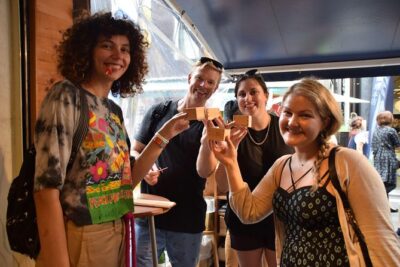
Tokyo Tsukiji Fish Market Food and Culture Walking Tour
Read our review →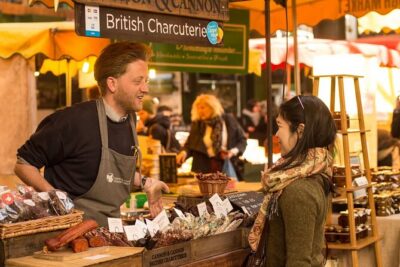
London Bridge & Borough Market Food Tour with 7 Authentic Dishes
Read our review →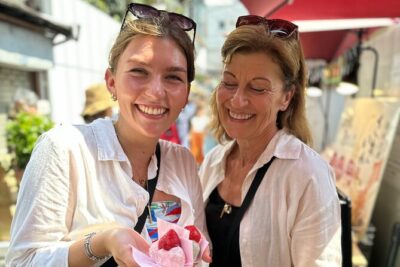
Tokyo: Tsukiji Fish Market Food and Walking tour
Read our review →
Small Group Cooking Class & Market Food Tour in Florence
Read our review →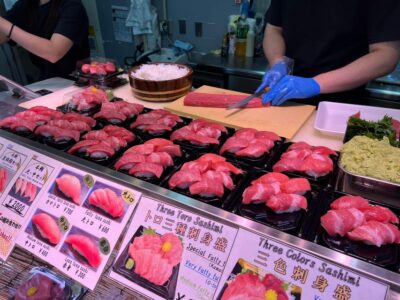
Tokyo: Tsukiji Fish Market Guided Walking Tour
Read our review →
Nishiki Market Brunch Walking Tour (7 Tastings + Brunch)
Read our review →
Food Market Visit and Cooking Class with Wine
Read our review →Browse the lists this tour appears in