
REVIEW · ROME STREET FOOD TOURS
Roman Food Tour with Visit to the Trionfale Food Market
Rome’s best food lesson may be the one you can eat. This four-hour tour moves from a morning coffee to Bonci pizza, aged balsamic, truffles, market tastings, Roman pasta, wine, and gelato. You get a broad taste of the city without spending the day reading a menu and hoping for the best.
I like the small-group format, capped at 15, and the mix of polished food shops with ordinary market life. I also like that guides such as Irene, Stefania, Martina, Celeste, and Giada add personal food advice and local stories. The one caution is simple: this is a lot of food. Arrive hungry, pace yourself, and do not plan a big dinner.
Key points at a glance
- Up to 25 tastes in four hours: Coffee, pizza, cheese, cured meats, sauces, wine, pasta, and gelato all make an appearance.
- Bonci Pizzarium is a highlight: You sample Roman pizza by the slice, often with unusual toppings and excellent ingredients.
- Trionfale Market adds local character: You see where Romans shop and sample products from several market stalls.
- The final meal is real lunch: Choose a Roman pasta dish at Il Segreto, with wine and dessert included.
- Come with an empty stomach: The portions can add up quickly, especially at the pizza and gourmet tasting stops.
- Good value for serious eaters: At $107.63, the price covers food, wine, coffee, a guide, and a full meal.
Why this Rome food tour works
Many food tours give you a few bites and call it lunch. This one builds toward lunch while feeding you at nearly every stop. That makes the experience useful on your first day in Rome, when you want help with Roman specialties and a sense of where to eat later.
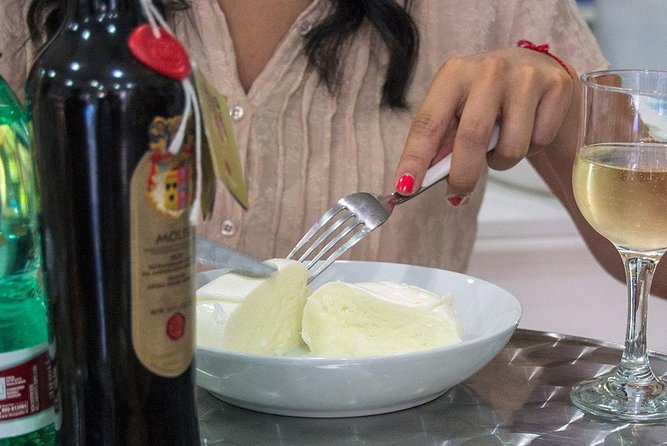
You will taste familiar items such as pizza, cheese, cured meats, and gelato. You will also meet more specific Roman and Italian flavors: truffle, aged balsamic vinegar, pesto, buffalo mozzarella, pecorino, eggplant parmigiana, carbonara, and cacio e pepe.
The food is only half the point. Your English-speaking guide explains how ingredients fit into Italian cooking and gives you a way to read the city through its shops and markets. Several guides receive especially warm praise for their energy and personal attention, including Irene, Stefania, Martina, Celeste, Giada, Lucy, and Marina.
The tour runs from 10:45 a.m. for about four hours. That timing is useful. You start with coffee and finish at lunch, leaving the rest of the afternoon open for sightseeing. Just do not schedule a major meal afterward. One participant found the quantity so generous that lunch the next day was barely necessary.
More Street Food Market Tours in Italy
- Trevi Fountain, Pantheon, and Campo Dei Fiori Market Food and Wine Tour
★ 5.0 · 320 reviews - Devour Rome Testaccio Market Food Tour
★ 5.0 · 180 reviews - Rome E-Bike Tour: Ultimate Street Food and Market Feast
★ 5.0 · 60 reviews
Starting with coffee at La Nicchia Café
You meet your guide and group at La Nicchia Café on Via Cipro. The first tasting is an Italian coffee, such as a cappuccino, espresso, or macchiato. It is a small but fitting start, since coffee is part of the daily rhythm in Rome rather than a formal event.
This first stop also gives your guide time to explain the plan and get a sense of the group. A few reviews describe guides keeping the pace organized while still making time for questions and personal food advice. That matters in a tour with many stops. You want enough explanation to understand what you are eating, but not so much that the food gets cold.
The café stop lasts about 30 minutes. A small consideration: if you do not normally drink coffee, you can still enjoy the social start, but the early caffeine may be more than you want before several hours of tasting. Dietary needs should be shared when booking.
Bonci Pizzarium and Roman pizza by the slice
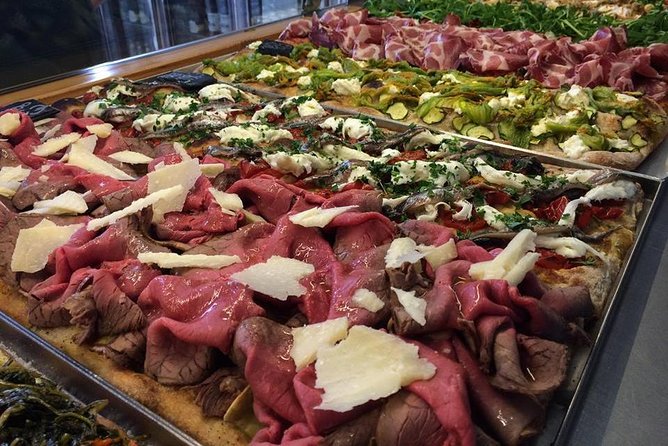
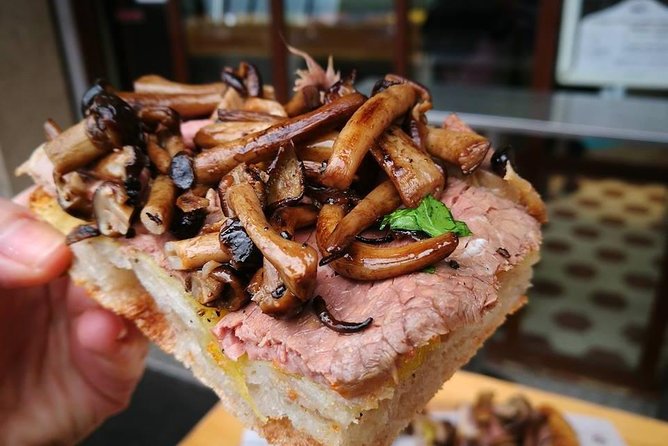
Next comes Bonci Pizzarium, one of the most talked-about food stops on the route. Pizza here is served as street food, but the toppings and ingredients are treated with care. Instead of ordering one large round pizza, you sample several small pieces with different toppings.
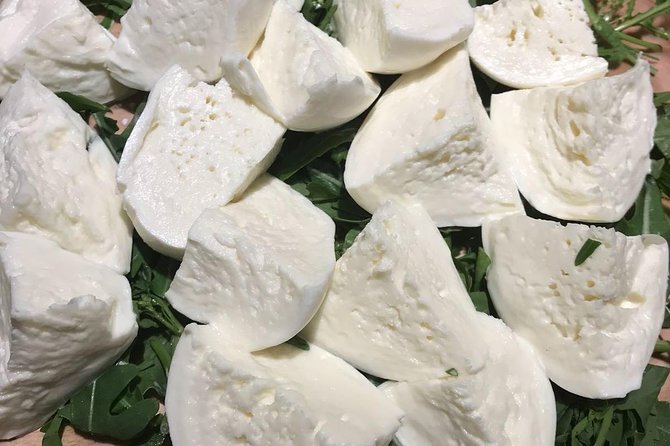
The sample menu includes buffalo mozzarella with tomatoes, eggplant parmigiana, prosciutto di Parma, mortadella, and pecorino. The exact selection can vary, but the idea is the same: Roman pizza al taglio, cut from a large rectangular tray and sold by weight or portion.
This is an excellent stop for comparing flavors. One bite may be creamy and fresh, another salty and meaty, another built around vegetables and cheese. The pizza is casual to eat, yet the toppings show how much Italian cooking depends on good basic products.
The catch is portion control. The tasting may include several pieces, enough to feel like a meal on its own. I would try everything, but I would not rush to finish every piece if you want to enjoy the later market samples and pasta.
Gourmet products at La Nicchia Café
The group returns to La Nicchia for a more focused tasting of specialty products. This part moves away from street food and toward ingredients you might buy for your own kitchen or bring home.
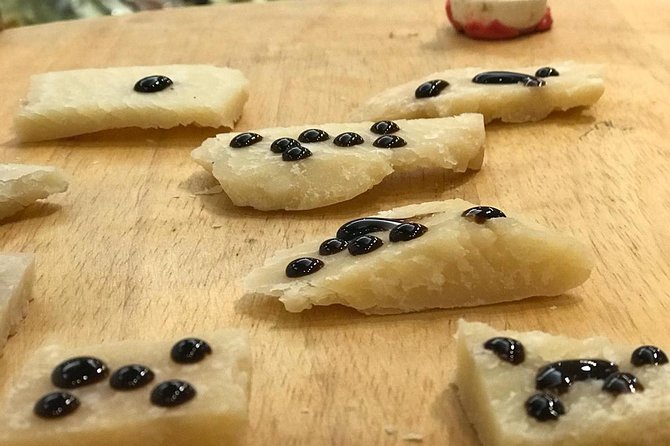
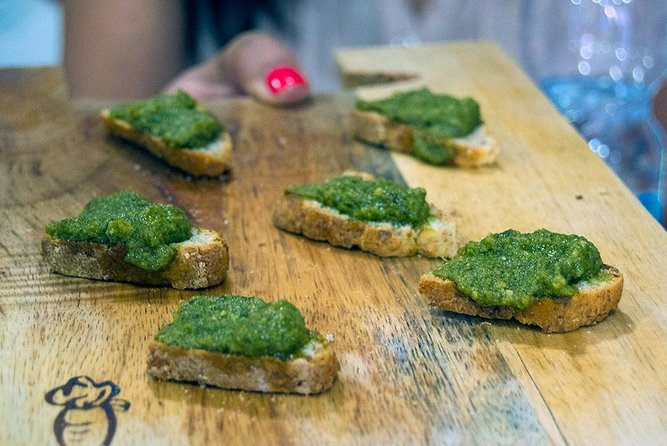
You may taste 30-year-old traditional balsamic vinegar, olive oil, pesto, truffle products, and several cheeses. The sample menu includes Parmigiano Reggiano with aged balsamic, bruschetta with classic and red pesto, and crostini with Parmigiano cream, white truffle, or truffle butter.
The most memorable item for many food lovers is the balsamic. Very old balsamic is not the same as the inexpensive vinegar commonly used for salad dressing. A tiny amount can be thick, sweet, and intense. One tasting included balsamic priced at about 180 euros per liter, which gives you a clear idea of why it is treated as a special product.
You may also try Asiago with porcini mushroom cream and truffles, or provolone with white truffle honey. These combinations are rich, so take small bites and let the guide explain the ingredients. This is a stop where questions pay off. Ask how you might use a product at home, how it differs from supermarket versions, and which items are actually worth buying.
More Street Food Market Tours in Rome
- Rome E-Bike Tour: Ultimate Street Food and Market Feast
★ 4.9 · 50 reviews - Rome: Vatican Street Food and Wine Tour with Farmers Market
★ 5.0 · 37 reviews - Rome: Testaccio Market Food Tour with Street Food & Wine
★ 5.0 · 8 reviews - Testaccio Experience: Street Food, Market and Traditions
★ 5.0 · 4 reviews
Trionfale Market and everyday Roman shopping
Mercato Trionfale is the tour’s most useful change of pace. It is described as Rome’s largest market, with food stalls, color, smells, and locals doing their weekly shopping. You are not just looking at a market from the edge. You sample products from several stands.
Possible tastes include cured meats, cheeses, porchetta, prosciutto, eggplant parmigiana, and wine. You may also encounter products that connect the market to the earlier tastings, giving you a chance to compare fresh food with the more polished samples at La Nicchia.
This hour helps put Roman food into daily context. A market tells you more about ordinary shopping habits than a restaurant menu alone. You can see the kinds of produce, meats, cheeses, and prepared foods that fit into home cooking.
The market stop can also be the hardest part of the tour if you have already eaten heavily. Pace yourself from the beginning. If the group is offered several samples, you do not have to accept every one. Save room for the pasta at Il Segreto, which is not an afterthought.
Roman pasta, wine, and gelato at Il Segreto
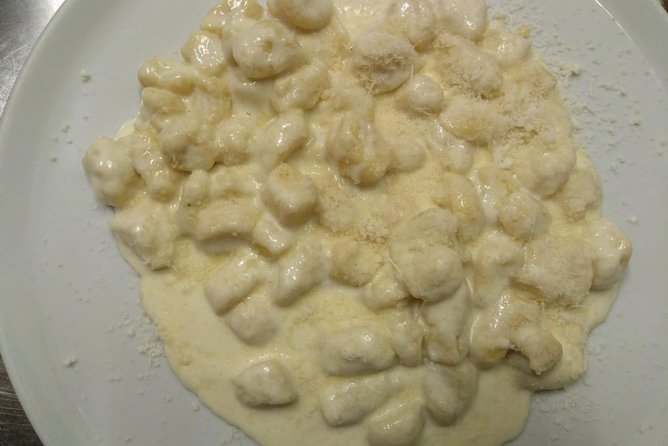
The final stop is Il Segreto on Via Candia, a local restaurant where you sit down for the most substantial course. You choose one of three Roman pasta dishes. The choices may include cacio e pepe, carbonara, or another traditional Roman sauce.
Cacio e pepe is built around pecorino and black pepper, while carbonara combines pasta with a rich egg and cheese sauce, traditionally with cured pork. These dishes look simple, but their texture depends on careful preparation. This is where you can ask your guide or the restaurant staff about the difference between Roman pasta styles.
Wine is served with the meal. The listed examples include Cesanese and Barolo among the reds, Vermentino among the whites, along with prosecco and non-alcoholic beverages. You do not need to be a wine expert. The point is to see how a drink changes the taste of a salty cheese, cured meat, or creamy pasta.
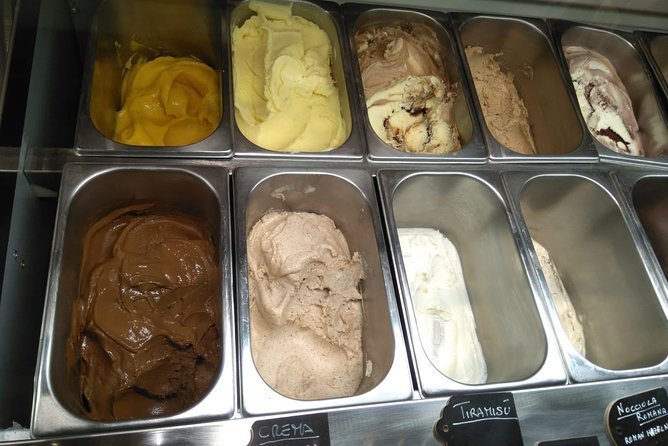
Dessert is gelato. Some food-focused tours end with a small sweet bite, but this one gives you a proper finish after the pasta and wine. Tiramisu also appears in some tasting experiences, though the formal sample menu names gelato, so do not count on both every time.
Il Segreto is in a useful location for the rest of your day. The tour ends there, and Ottaviano underground station is a few minutes away. If you need one, the guide can call a taxi.
How much food do you really get?
The phrase come hungry is not advertising fluff here. The listed menu includes coffee, bruschetta, Parmigiano, crostini, Asiago, provolone, multiple pizza toppings, homemade pasta, wine, and gelato. Add the market samples and you have a substantial half-day.
The best strategy is to eat a light breakfast or none at all. One person began with only a croissant before the tour and still found the food difficult to manage after the pizza and charcuterie. That is a useful warning, especially if you are someone who dislikes feeling overly full.
You can enjoy the tour more by treating it as a long tasting rather than a series of meals. Take a bite, notice the flavor, listen to the explanation, and stop when you have had enough. The guides appear used to managing different appetites, and dietary requirements can be reported at booking.
Guide quality and group size
The guide can shape this experience as much as the food. The most praised guides are described as warm, energetic, organized, and proud of Roman cooking. Irene is repeatedly singled out for humor and enthusiasm. Stefania is praised for food knowledge, personal recommendations, and making the group feel like friends walking through Rome. Martina, Celeste, Giada, Lucy, Marina, and others are also described as attentive and engaging.
You cannot guarantee a particular guide unless the operator confirms it. Still, the repeated pattern is encouraging: guides explain ingredients, share food history, manage the timing, and help people feel included.
The maximum group size is 15, though some departures may be much smaller. One group had only four people, while another had six. Smaller groups make it easier to ask questions, hear explanations, and receive help with dietary needs. If your group reaches the maximum, expect a little less personal attention at crowded food stops.
Price, pace, and practical value
At $107.63 per person, this is not a cheap snack walk. It is a four-hour food experience with a guide, coffee, wine, many tastings, a market visit, a sit-down pasta course, and dessert. If you paid separately for a substantial lunch, several drinks, and specialty tastings, the price becomes easier to justify.
The value is strongest if you want variety. You are not paying only for pasta or pizza. You are paying for a guided route through several kinds of food businesses, plus enough samples to understand the range of Roman cooking.
The pace is active but not punishing. You move between cafés, the pizza shop, market, and restaurant, with time to eat at each stop. Wear comfortable shoes and keep your morning open. The tour is near public transportation, and it ends close to Ottaviano station.
Hotel pickup and drop-off are not included. You need to reach La Nicchia Café on Via Cipro by the 10:45 a.m. start. Confirmation is provided at booking, and free cancellation is available up to 24 hours before the start time. Changes or cancellations inside that window are not refundable.
Who should book this food tour?
I would choose this tour if you are visiting Rome for the first time and want a fast introduction to local food. It also suits repeat visitors who want to spend time in the Prati area and Trionfale Market rather than staying near the major ancient sights.
It is particularly good for curious eaters who enjoy trying many small portions and asking questions. Families with older children or teenagers may like the mix of pizza, pasta, sweets, and market browsing. One 17-year-old found it among the best parts of a Rome visit.
This is less suitable if you want a slow, quiet meal, have a very small appetite, or prefer to choose every dish yourself. The food is generous, and the route has a set rhythm. You can usually pace yourself, but you cannot turn the experience into a relaxed two-hour lunch.
Should you book it?
Book this Roman food tour if you want a full morning of eating, local shopping, and practical food guidance. The strongest reasons are the variety, the Bonci pizza stop, the Trionfale Market, and the proper pasta lunch at the end.
Skip it if you are looking for a light tasting or a tour centered only on restaurants. For everyone else, arrive early, eat very little beforehand, bring an appetite, and plan a quiet afternoon afterward. At this price, the tour offers solid value for a food lover who wants more than one famous dish.
FAQ
How long does the Roman food tour last?
The tour lasts about four hours and starts at 10:45 a.m.
Where does the tour begin?
You meet at La Nicchia Café, Via Cipro 4L, 00136 Rome.
Where does the tour end?
The tour ends at Il Segreto, Via Candia 71, 00192 Rome. Ottaviano underground station is a few minutes away, and the guide can call a taxi if needed.
What food is included?
The tastings can include coffee, bruschetta, Parmigiano Reggiano, aged balsamic vinegar, pesto, truffle products, cheeses, cured meats, Roman pizza, market samples, homemade pasta, wine, and gelato.
Is wine included?
Yes. Wine tasting is included, along with coffee, prosecco, red wine, white wine, and non-alcoholic beverages during the food experience.
How large is the group?
The tour has a maximum of 15 participants. Specific departures may be smaller.
Can dietary requirements be accommodated?
You should advise the operator of any specific dietary requirements when booking.
More Market Food Tours in Rome
- Rome: Guided Testaccio Market Food Tour with Tastings
★ 5.0 · 3 reviews - Tokyo Tsukiji Fish Market Food and Culture Walking Tour
★ 5.0 · 3,184 reviews - Phuket: Full Day City Tour with Night Market
★ 4.5 · 2,888 reviews - London Bridge & Borough Market Food Tour with 7 Authentic Dishes
★ 5.0 · 1,972 reviews
Just added around Rome
- Testaccio Experience: Street Food, Market and Traditions★ 5.0 · 4 reviews
- Taste of Rome: Food Walking Tour & Sightseeing with expert★ 5.0 · 2 reviews
- Rome: Vegan Street Food Tour with Local Guide★ 5.0 · 37 reviews
- Eat & Walk : Street Food in the Center & Trastevere★ 4.9 · 6 reviews
- Rome: Vatican Street Food and Wine Tour with Farmers Market★ 5.0 · 37 reviews
- Rome: Trastevere & Tiber Island Street Food Tour at Sunset★ 4.9 · 71 reviews
- Rome: Trastevere Quarter Street Food Tour with Sightseeing★ 4.9 · 21 reviews
- Rome: Trastevere Food Walking Tour with Beer and Wine★ 4.9 · 71 reviews
Rome Street Food Tours, compared.
Rome: Guided Food Walking Tour with Wine in Trastevere
Read our review →
Rome: Trastevere & Campo de Fiori Street Food Walking Tour
Read our review →
Rome: Trastevere Street Food Walking Tour with Local Expert
Read our review →
Trevi Fountain, Pantheon, and Campo Dei Fiori Market Food and Wine Tour
Read our review →
Trastevere Like a Local Food Tour with 7+ Food Tastings & Wines
Read our review →
Trastevere & Campo de’ Fiori Street Food Tour, Eat Like a Local
Read our review →Browse the lists this tour appears in