
REVIEW · STREET FOOD TOURS BY MOTORBIKE & TUK-TUK
Dar es Salaam: Tuk-Tuk Tour, Street Food & Local Lifestyle
Dar es Salaam makes the most sense from street level, and this tour puts you there in a tuk-tuk, with stops for Kariakoo Market, Swahili snacks, woodcarving, and traditional homes from around Tanzania. You get a quick look at several sides of the city without spending the day inside a vehicle.
I like the combination of street food and local shopping, since chapati, mishkaki, roasted maize, and fresh juice tell you something about daily life. I also like the chance to meet artisans at Mwenge and see the Village Museum, which gives the city outing some cultural context. The main concern is timing: the advertised length is four hours, but the listed stop times add up to five, so confirm the schedule and pickup before you pay.
Key points at a glance
- Kariakoo comes first: Spend about 90 minutes among spices, fruit, clothing, and household goods in Dar es Salaam’s busiest market.
- Street food is included: Taste snacks such as chapati and mishkaki, with fresh juice and bottled water provided.
- Mwenge is for craft fans: Watch artisans carve wooden masks, furniture, and souvenirs, then shop if something catches your eye.
- The Village Museum adds context: Traditional homes from different Tanzanian communities help explain rural life and heritage.
- Tuk-tuk travel keeps you close to the action: The open-sided ride gives you a direct view of neighborhoods and traffic.
- Check the pickup carefully: One recent booking reported a missed pickup and no reply, while another gave particular praise to a guide named Glory.
Dar es Salaam from the back of a tuk-tuk
A tuk-tuk is a useful match for this kind of city tour. You sit close to the road, see more than you would through a closed car window, and can move between market streets and cultural sites without arranging separate taxis. The ride itself is part of the experience, not just a way to fill the gaps between stops.
You meet the driver-guide at your hotel or agreed meeting point in central Dar es Salaam. The tour begins with a short briefing about the route, then heads into the city. Hotel pickup is not included outside central Dar es Salaam, so this detail matters if you are staying far from the center or arriving from the airport.
The tour costs $65 for a group of up to one person. That wording suggests the listed price is for a single participant rather than a larger private group, so check the final booking total if you are traveling with companions. The value is strongest if you want transport, guiding, food samples, and the Village Museum entrance bundled together in one short outing.
The tour runs daily, with morning or afternoon departures. Four hours is a sensible length for a first look at the city, but the published stop times deserve attention. Kariakoo is listed at 1.5 hours, Mwenge at another 1.5 hours, and the traditional village at 2 hours. That totals five hours before driving time. Ask the operator which stops are shortened in practice.
More Street Food Rides in the world:
- Ho Chi Minh City Street Food Tour & Sightseeing By Motorbike
★ 5.0 · 9,413 reviews - Saigon By Night and Street Food By Motorbike | Opt: Ao Dai Riders
★ 5.0 · 4,066 reviews - Private Street Food Tour by Motorbike/Car with Local Students
★ 5.0 · 3,950 reviews
Kariakoo Market: the city’s daily engine
Kariakoo is the tour’s most direct look at everyday Dar es Salaam. This is where you see people buying food, clothing, spices, and ordinary household supplies rather than items arranged for sightseeing. The point is not a tidy display. It is the movement, noise, color, and constant exchange of a working market.
Your guide leads you through the market for about 90 minutes. You can expect tropical fruit, spices, and stalls selling the things local families need from day to day. Keep your camera ready, but use it with care and ask before photographing people or individual stalls.
I would save shopping decisions for the end of the visit. Markets like this can pull you in with one interesting stall after another, and the tour still has several stops ahead. Cash is important for personal purchases and food not covered by the tasting.
Kariakoo may feel crowded and intense, especially during a busy shopping period. That is part of its character, but it can be tiring if you prefer quiet museums and slow walks. Wear comfortable shoes, carry only what you need, and keep your belongings secure in the close-packed streets.
Chapati, mishkaki, and a quick taste of Swahili food
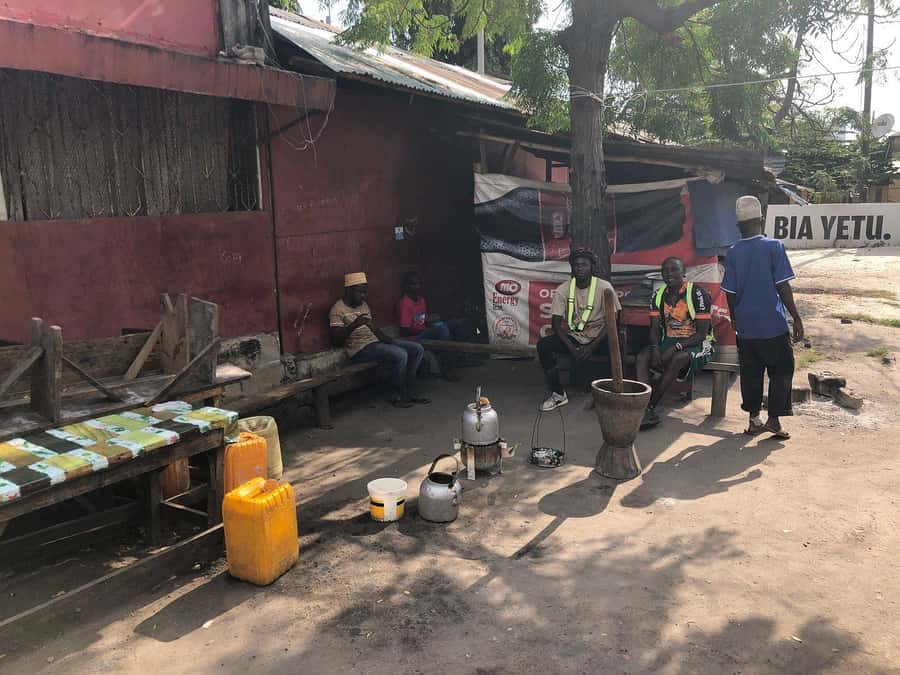
The food stop gives the tour a practical connection to Dar es Salaam. Instead of merely looking at ingredients in the market, you get to try familiar local snacks. The included tasting may feature chapati, mishkaki, roasted maize, or fresh juice, depending on what is available.
Chapati is a flatbread with a soft, layered texture. Mishkaki is meat cooked on skewers, often treated as a quick street meal. Roasted maize and fresh juice offer simpler options. The tour includes snacks and fresh juice, but it does not include additional meals, so do not treat the tasting as a full lunch.
A stop at a Swahili café comes near the end of the experience. You can have chai ya tangawizi, a spiced ginger tea, or fresh coconut water. This is a pleasant way to slow the pace after the market and craft stops, though alcoholic drinks are not included and alcohol and drugs are not allowed.
Food preferences are worth discussing with the guide at the start. The provided details do not promise vegetarian, vegan, halal, allergy-safe, or gluten-free choices. If those needs affect your booking, ask what will be available before you set out.
Mwenge Woodcarvers’ Market and the value of buying local crafts
Mwenge Woodcarvers’ Market shifts the focus from food and commerce to Tanzanian craft. You can watch artisans carve wooden masks, furniture, and souvenirs, while your guide explains some of the traditions behind the work.
The visit is listed at about 90 minutes. That gives you enough time to watch the carving, compare pieces, and browse without turning the whole afternoon into a shopping trip. You may find a useful souvenir here, but remember that personal shopping is not included in the price.
This is a good place to practice patient bargaining and careful inspection. The tour information does not set out a formal buying policy or shipping service, so ask the seller about price, packing, and transport before purchasing anything large. Small carvings are easier to carry, but furniture and larger pieces may require arrangements beyond the tour.
The market also gives you a chance to see craft as work, not just as a finished product on a shelf. Watching the making process can help you judge whether a piece has genuine appeal for you. If you are not interested in shopping, the artisans at work are still the main reason to visit.
More Tuk-Tuk Tours in the world:
- Bangkok: Michelin Guide Street Food Tour by Tuk Tuk
★ 4.4 · 1,274 reviews - Bangkok Tuk-Tuk Tour by Night with Chinatown Street Food Meal
★ 5.0 · 635 reviews - Siem Reap: Street Food Experience by Tuk-Tuk
★ 4.9 · 310 reviews - Bangkok Tuk-Tuk by Night with Chinatown Street Food Meal
★ 4.6 · 263 reviews
The Village Museum and Tanzania’s many traditions
The Village Museum is the tour’s most educational stop. It presents traditional huts from different Tanzanian communities and offers a look at rural homes, domestic life, and heritage. The setting helps place Dar es Salaam within the wider culture of Tanzania, a country with many local traditions rather than one single national style.
The museum visit is listed at two hours, which would make it the longest stop. That is useful if you enjoy open-air cultural displays and want time to listen to the guide. It may feel long if you mainly want city streets, food, and shopping, especially since the complete published schedule already runs beyond the stated four-hour duration.
Entrance is included, so you do not need to budget a separate museum ticket. The guide’s role matters here. A good explanation can turn a group of huts into a clearer picture of building methods, rural routines, and community life. The tour promises guided interpretation, but it does not list the individual names of all guides.
The museum is also the least spontaneous part of the outing. Kariakoo and Mwenge show current life and working commerce. The Village Museum presents selected examples of traditional life in a more organized setting. I like having both perspectives in one tour, but you should know that they offer different kinds of authenticity.
What the tuk-tuk route adds to the day
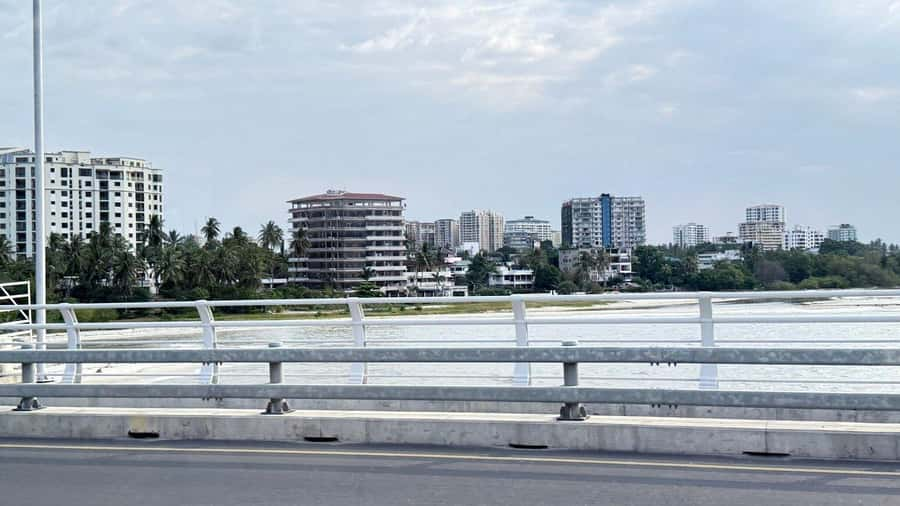
Between stops, you ride through local neighborhoods and busy city streets. This is where you get a broad impression of Dar es Salaam rather than a single attraction. The ride can show you how the market, residential areas, shops, and cultural sites fit into the same city.
The vehicle is more intimate than a large sightseeing bus, and the open sides make it easier to watch daily activity. They also mean more sun, road dust, and exposure to traffic. Bring sunglasses, sunscreen, a hat, and light, comfortable clothing.
The activity is advertised as wheelchair accessible. If you use a wheelchair, confirm the exact tuk-tuk setup and boarding arrangements before booking, since the available information does not describe ramps, vehicle dimensions, or transfer procedures.
The guide can also make the difference between a simple ride and a useful city introduction. One recent booking gave strong praise to Glory, noting that she adjusted to personal wishes and needs and made the day more interesting than expected. That is a good sign for the guiding style associated with the experience, but it does not guarantee that Glory will lead every departure.
Timing, pickup, and the one serious caution
The tour advertises a four-hour duration, daily operation, and morning or afternoon starts. The listed visit lengths add up to five hours, not four, before allowing for tuk-tuk travel. This may be a simple scheduling error, or it may mean that some stops are shorter than the stated figures.
I would confirm three things before departure:
- The exact pickup time and meeting place
- The actual length of each stop
- Whether the tour returns you to your hotel or to a central meeting point
The experience includes return transport to Dar es Salaam, but hotel transfers outside central Dar es Salaam are excluded. The pickup instructions say to meet the driver-guide at your hotel, so central location remains important.
There is also a practical reliability concern. One booking recorded that the passenger was not collected and received no answer about whether pickup would happen. Another booking praised the tour highly and singled out Glory for responding well to personal needs. With a current rating of 3.3 from three reviews, the picture is mixed rather than uniformly strong.
That does not automatically make the tour a poor choice. It does mean you should keep the operator’s contact details, reconfirm pickup the day before, and avoid scheduling an important flight or ferry immediately after the tour. Free cancellation is available up to 24 hours before departure, and the reserve-now, pay-later option gives you some flexibility.
Who will get the most from this outing
I would choose this tour if you want a first look at Dar es Salaam and prefer several short experiences over one long museum visit. The mix works well for couples, solo visitors, and families with children aged six or older who can handle heat, traffic, walking, and market crowds.
Food fans will appreciate the chapati, mishkaki, roasted maize, juice, ginger tea, and coconut water. Craft shoppers will get the most from Mwenge. Anyone curious about Tanzanian culture will find the Village Museum more useful than a quick drive past city landmarks.
I would think twice if your main goal is a slow, quiet cultural tour. Kariakoo can be demanding, tuk-tuk travel is exposed to the weather, and the schedule may feel compressed if all stops are attempted within four hours. The tour also is not suitable for children under six.
Bring comfortable shoes, sunglasses, a sun hat, sunscreen, a camera, and cash. Bottled water is included. You should also dress comfortably, since the day includes walking, outdoor travel, and time in public markets.
Should you book this Dar es Salaam tuk-tuk tour?
Book it if you want a compact, street-level introduction that combines food, shopping, local transport, and cultural displays. Kariakoo and the tuk-tuk ride are the strongest parts for getting a feel for the city, while Mwenge and the Village Museum add useful variety.
I would book only after confirming the pickup and the real duration. The missed-pickup report is the tour’s biggest warning, and the five hours of listed stop time do not match the advertised four-hour schedule. If the operator answers clearly and you have room in your plans, $65 can be fair for transport, a local guide, food samples, and museum entry.
The best fit is a curious first-time visitor who wants to see how Dar es Salaam works at street level, not someone seeking a polished sightseeing circuit. Keep your expectations practical, your schedule flexible, and your cash handy.
FAQ
How long does the tuk-tuk tour last?
The advertised duration is four hours. The listed stop times add up to five hours, so confirm the exact schedule before departure.
What locations does the tour visit?
It visits Kariakoo Market, Mwenge Woodcarvers’ Market, the Village Museum, a street-food stop, and a Swahili café.
Is tuk-tuk transportation included?
Yes. Tuk-tuk transport is included for the four-hour activity, along with return travel to Dar es Salaam.
Is hotel pickup included?
You meet the driver-guide at your hotel or meeting point in central Dar es Salaam. Hotel transfers outside central Dar es Salaam are not included.
What food is included?
The tour includes snacks and fresh juice. Possible tastings include chapati, mishkaki, roasted maize, and fresh juice.
Is a full meal included?
No. Additional meals are not included.
Is the Village Museum entrance included?
Yes. The entrance fee for the Village Museum is included.
Which languages are available?
Live guiding is advertised in English and French. The information also notes German for the tour, so confirm the language when booking if German is important to you.
Can children join the tour?
Children aged six and older can join. The activity is not suitable for children under six.
What should I bring?
Bring comfortable shoes, sunglasses, a sun hat, a camera, sunscreen, comfortable clothing, and cash. Bottled water is provided.
Is the tour wheelchair accessible?
The activity is advertised as wheelchair accessible. Confirm the tuk-tuk boarding arrangements and vehicle details before booking.
Can I cancel the booking?
You can cancel up to 24 hours in advance for a full refund. The reserve-now, pay-later option lets you book without paying immediately.
Just added around the world
- 1 Istanbul Tour: Highlights, Street Food & Hidden Pearls★ 5.0 · 9 reviews
- Evening Hyderabad Street Food Walk with Hyderabad Biryani★ 4.5 · 24 reviews
- Hyderabad Street Food Crawl (2 Hours Guided Food Tasting Tour)★ 4.0 · 5 reviews
- Japanese Street Food Class in Beech Grove★ 5.0 · 9 reviews
- Small-group Street food tour in Ischia★ 3.5 · 2 reviews
- Hyderabad : Evening Street Food Tasting with Guided Old City Tour★ 5.0 · 10 reviews
- Hyderabad Street Food Experience with Local Expert★ 4.5 · 2 reviews
- Hue Street Food On Foot (Daily Tour – Group Tour | 12 pax max)★ 5.0 · 15 reviews
Street Food Tours by Motorbike & Tuk-Tuk, compared.
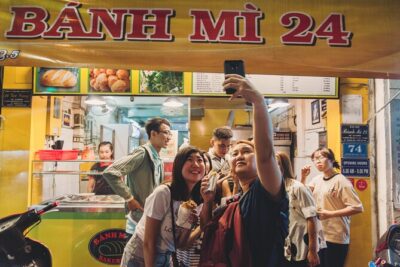
Ho Chi Minh City Street Food Tour & Sightseeing By Motorbike
Read our review →
Saigon By Night and Street Food By Motorbike | Opt: Ao Dai Riders
Read our review →
Private Street Food Tour by Motorbike/Car with Local Students
Read our review →
Saigon: Street Food Tasting & Sightseeing Tour by Motorbike
Read our review →
Top Notch Street Food Motorbike Tour In Ho Chi Minh City
Read our review →
Private Street Food Motorbike Tour in Ho Chi Minh City
Read our review →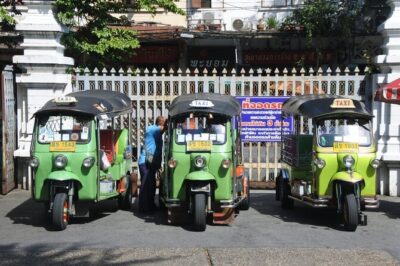
Bangkok: Michelin Guide Street Food Tour by Tuk Tuk
Read our review →
Saigon Night Sights & Local Food by Motorbike| Opt: Ao Dai Riders
Read our review →Browse the lists this tour appears in