
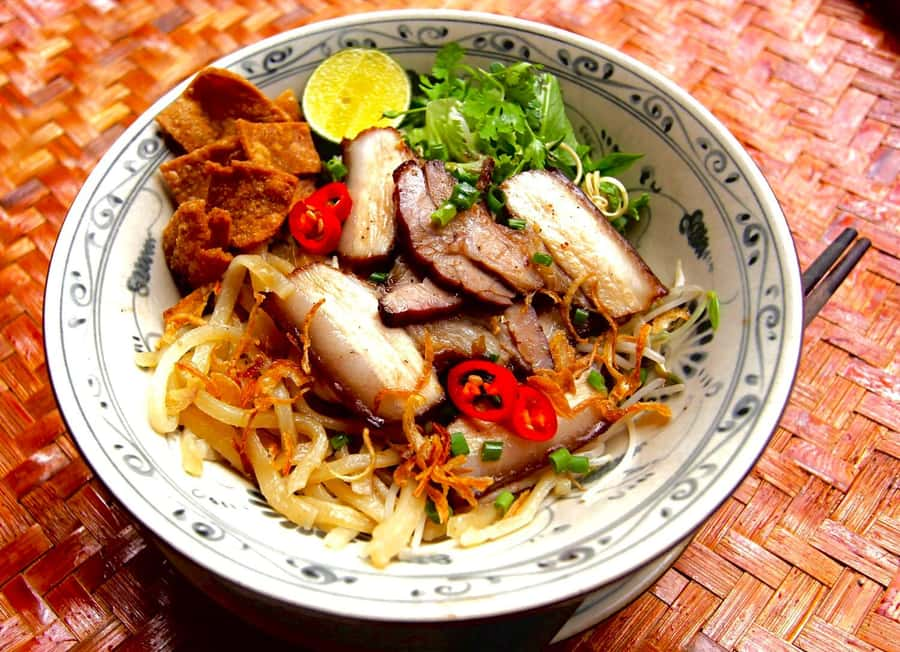
REVIEW · HOI AN STREET FOOD TOURS
Hoi An Street Food Tour with Locals
Hoi An’s best food often comes in small portions from places you could easily walk past. This evening tour puts you with a local guide such as Billy, Hoa, Emily, Nick, or Tam, then leads you through the Ancient Town for five to seven regional specialties, from banh mi and crispy banh xeo to white rose dumplings and sesame-coated sweets.
I like the small group limit of eight, which makes it easier to ask questions and keep the food flowing. I also like the local angle: family-run food stops, market walking, and dishes chosen around what is available and what you enjoy. The main drawback is that the exact route and menu can change, especially during Tet or other holidays, and the description gives both a three-hour duration and a shorter evening estimate.
Key points
- Start at BeBe Tailor: The meeting point leads into a walking route through Hoi An Ancient Town.
- Five to seven local specialties: Expect a broad tasting rather than one large meal, with dishes such as banh mi, banh xeo, wontons, white rose dumplings, coffee, and sweets.
- Guides add the context: Billy, Hoa, Emily, Nick, Tam, and Hoa, also called Flower, have led tours covering food, customs, local life, and Hoi An’s past.
- Family-run food stops: The route can include long-established local businesses that are easy to miss on your own.
- Small group format: A maximum of eight people gives the walk a personal feel and helps the guide manage different tastes.
- Good early-trip choice: The tour can help you learn what to order and where to eat during the rest of your stay.
Walking into Hoi An’s evening food scene
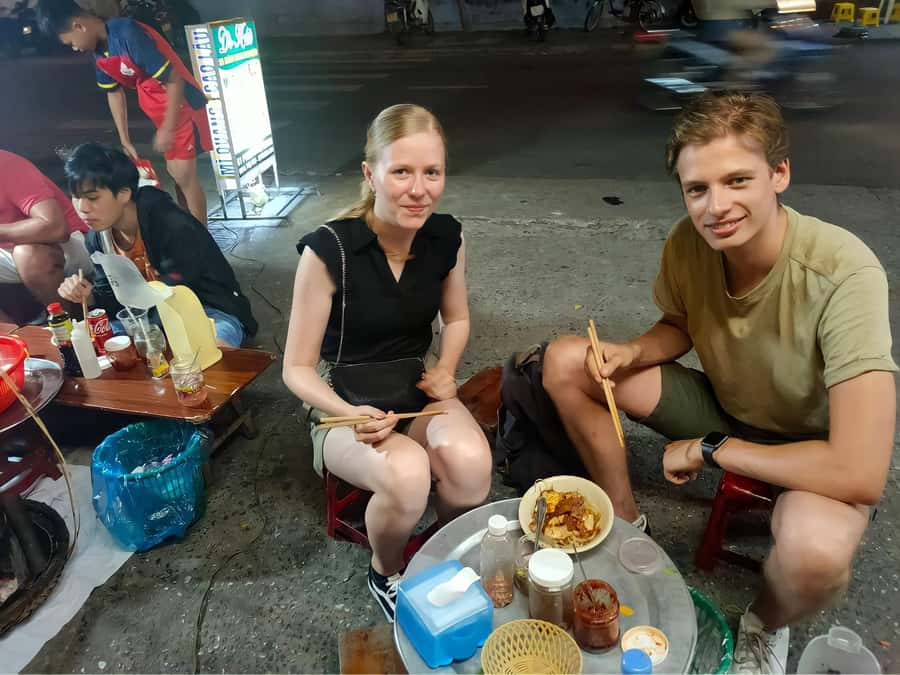
This is a walking food tour based in Hoi An Ancient Town, with BeBe Tailor listed as the starting point. The streets give the experience its setting, but the real focus is the food: small local specialties served in several places rather than one formal restaurant.
The tour lasts three hours according to the activity details. The evening plan also describes about two and a half hours, with the outing ending around 7:00 p.m. That difference is worth noting when you arrange dinner or another booking. Check the available start time when you reserve, since the exact schedule can vary.
The pace should suit you if you like to stop often, taste a little, and keep walking. It is not designed as a sit-down restaurant crawl with long courses. Instead, you move through the town, visit food spots and a market, and use each stop to learn how Hoi An people eat.
The tour is led in English, and the group is limited to eight. That matters here. Street food tours work best when the guide can explain an unfamiliar dish, answer a quick question, and notice if someone needs a change. The small group also avoids the feel of a large procession moving from stall to stall.
A few more street food tours around Hoi An worth a look
- Hoi An at Sunset: Authentic Local Street Food Tour
★ 4.5 · 329 reviews - Hoi An Street Food Walking Tour with Tastings
★ 5.0 · 317 reviews - Hoi An street food tour with Billy
★ 5.0 · 273 reviews
Banh mi, the first taste of Vietnamese comfort food
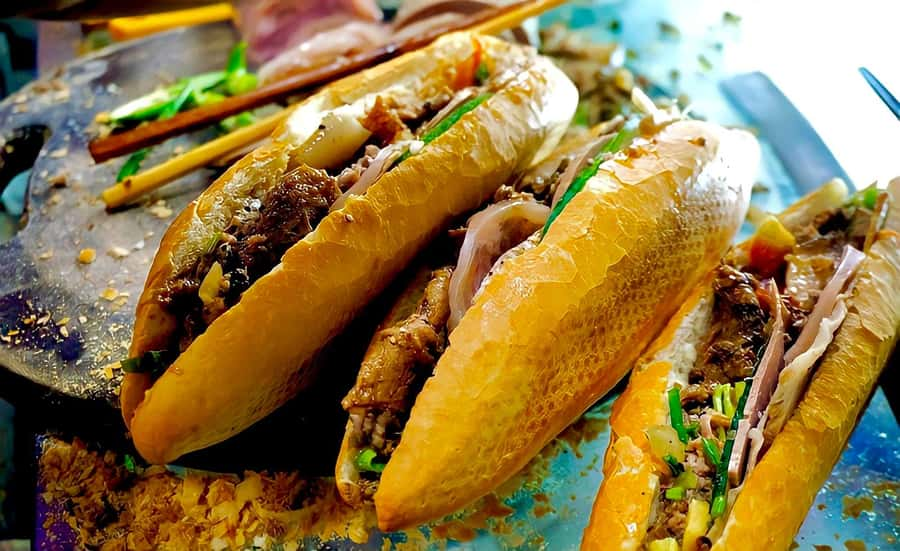
Banh mi is one of the most familiar Vietnamese dishes outside the country, but eating it in Vietnam gives you a better sense of its everyday role. You get Vietnamese bread filled with ingredients such as minced meat, liver pate, and fresh vegetables.
The useful thing about tasting banh mi on a guided walk is the chance to ask about the balance of the sandwich. The bread, savory filling, pate, and fresh vegetables all matter. A guide can also help if you are unsure how much chili, sauce, or filling to add.
This is a practical early stop because it gives you a dish you can return to during the rest of your trip. If you are new to Vietnamese food, banh mi is an easy starting point. If you already know it, the local stop may show you a different combination from the version you normally order at home.
The tour does not promise one fixed shop for every departure. Food availability and personal preferences can affect the route. That flexibility is useful, but it means you should not book expecting a precise list of named restaurants.
Banh xeo brings the crunch
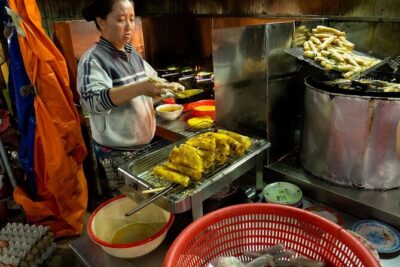
Next comes banh xeo, a Vietnamese crispy pancake made with shrimp and meat. The version described for this experience has a yellow exterior, a crisp outside, and a softer center.
This dish gives the menu a different texture from banh mi. You move from bread to a hot, crisp pancake, with seafood and meat adding more substance. It is also the sort of food that benefits from being eaten soon after it is prepared, rather than sitting on a buffet table.
I would pay attention to how the pancake is handled and served. The activity description does not spell out every sauce or side item, so I would not promise a specific presentation. You can expect the guide to explain the dish, but the exact form may depend on the stop and the day.
If you prefer lighter food, five to seven tastings can become filling. Tell the guide early if you want smaller portions or need to avoid a particular ingredient. The route is described as adaptable to what you like, which is one of its practical strengths.
White rose dumplings and wontons
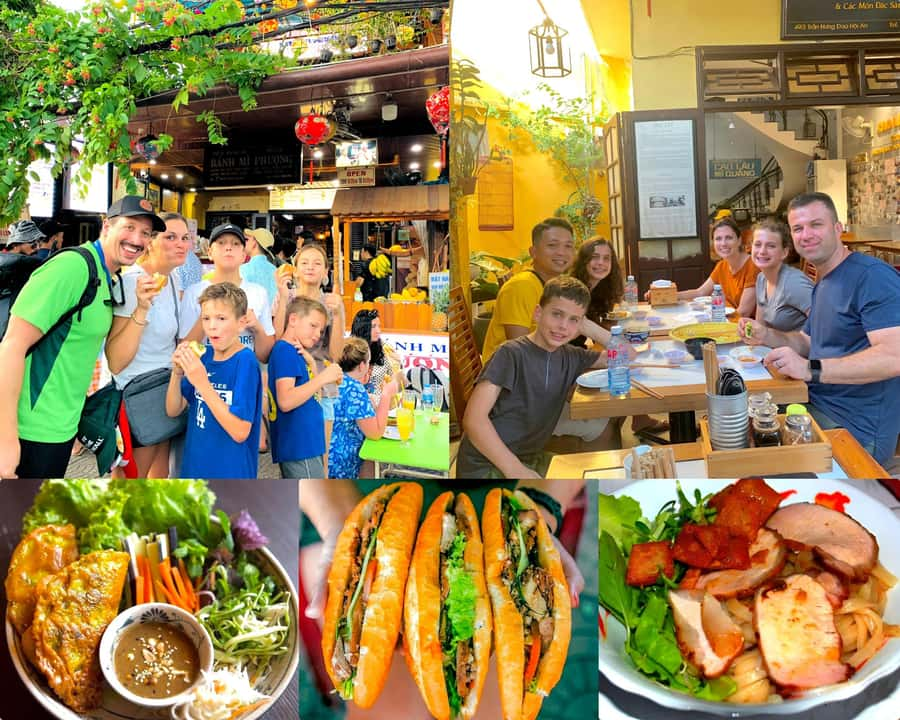
Hoi An is closely associated with delicate rice-flour dumplings often called white rose cakes. Here they are described as being made from simple rice flour and fresh shrimp. Wontons are included as well, giving you another bite with a different shape and texture.
This is one of the most useful parts of the tour for anyone who wants to understand local specialties rather than only eat familiar Vietnamese dishes. White rose dumplings are not as immediately recognizable as banh mi, and a guide can explain what makes them different from other dumplings.
The food may look delicate, but the experience is not formal. You are still walking through the old town and stopping at local food businesses. That combination is the appeal: a dish with a strong connection to Hoi An, eaten as part of an ordinary evening route.
The menu includes deep-fried shrimp wontons in the broader description, while the included food list names wontons and white rose cakes. Since the route changes with availability, treat the exact preparation as flexible. You will get a chance to try these categories of food, but not necessarily the same version every time.
Same city, a different plate:
- Hoi An Night Market – Ancient Town street food tours by Night
★ 5.0 · 165 reviews - Hoi An Ancient Town – Night Market Street Food Tours By Night
★ 4.5 · 161 reviews - Ba Na Hills avoid crowd , Da Nang, Dragon Bridge, Marble Mountain
★ 5.0 · 107 reviews - Hoi An Street Food Tour – Eat like a local – PRIVATE TOUR
★ 5.0 · 92 reviews
Coffee, sweets, and a lighter finish
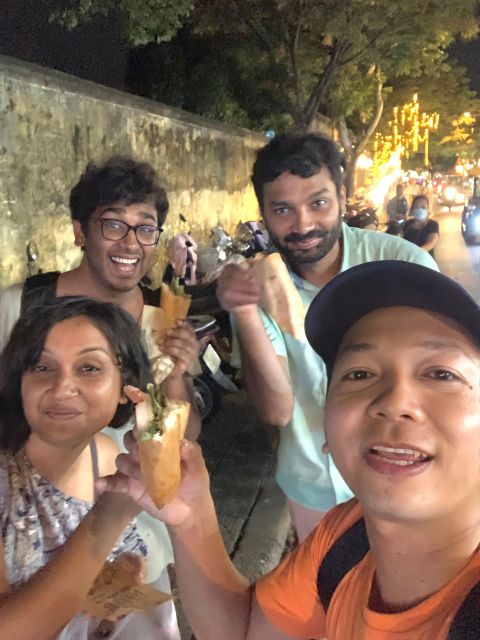
The evening can include traditional Vietnamese coffee, a useful pause after several savory dishes. Vietnamese coffee is often stronger and more concentrated than what many people drink at home, so this is a good moment to ask the guide how locals take it and how much sweetness to expect.
The sweet options listed include banh xoai, banh cam, and banh it. Banh cam is described as a deep-fried glutinous rice ball filled with mung bean paste and coated with sesame seeds. That gives you a crisp, chewy, nutty finish after the softer dumplings and crunchy pancake.
The description also mentions a possible final street treat. The word possible matters. It suggests the closing bite depends on what is available and what suits the group, rather than guaranteeing one particular dessert.
If you are sensitive to caffeine, remember that coffee may arrive late in the evening. The activity does not provide a separate caffeine-free option, so ask the guide what is available. The same applies to allergies, meat, seafood, and sweetness. The route is flexible, but you should state your needs clearly before the food is served.
What the local guides add
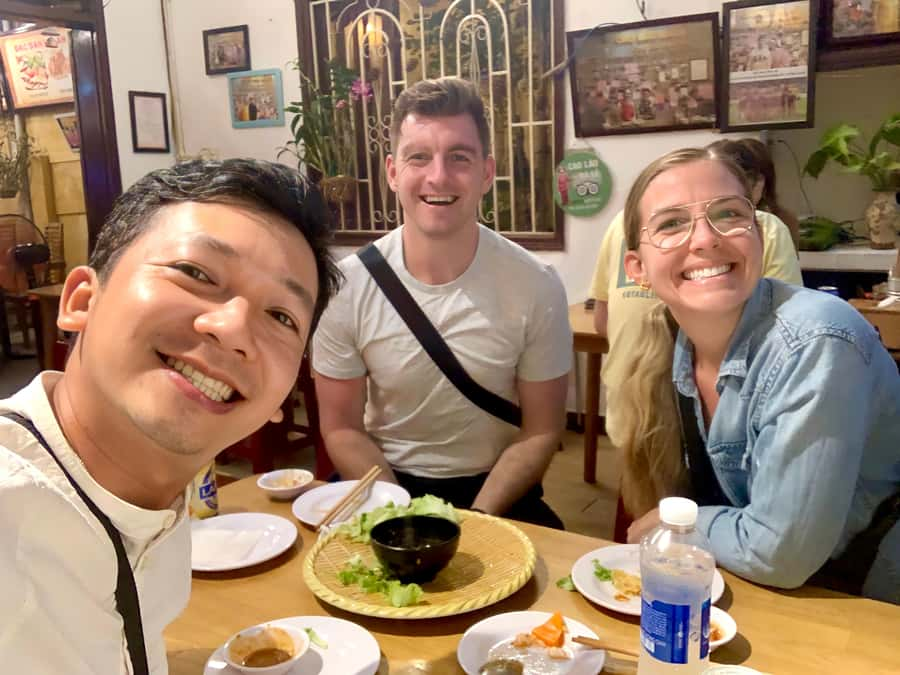
The guides are a major part of the experience. Billy is described as attentive and eager to talk about food, culture, and local life. Hoa, also called Flower, has led a route with eight dishes across six places. Emily has guided visits to several food spots while explaining local customs and Hoi An.
Nick is noted for taking people to places they might not try alone, and Tam is described as friendly and well informed about local life, culture, and food. These details point to a tour that depends heavily on the person leading it, as most small food walks do.
You may not get the same guide on every departure. That is not necessarily a problem, but it does mean the tone and exact route can vary. The important promise is an English-speaking local guide who can connect dishes with the town around you.
The Gordon Ramsay reference in the tour title adds a humorous angle to the promotion, but you should not read it as a promise of meeting him or hearing a particular performance. The useful part is the food and local explanation, not the celebrity reference.
Family-run places and the value of the route
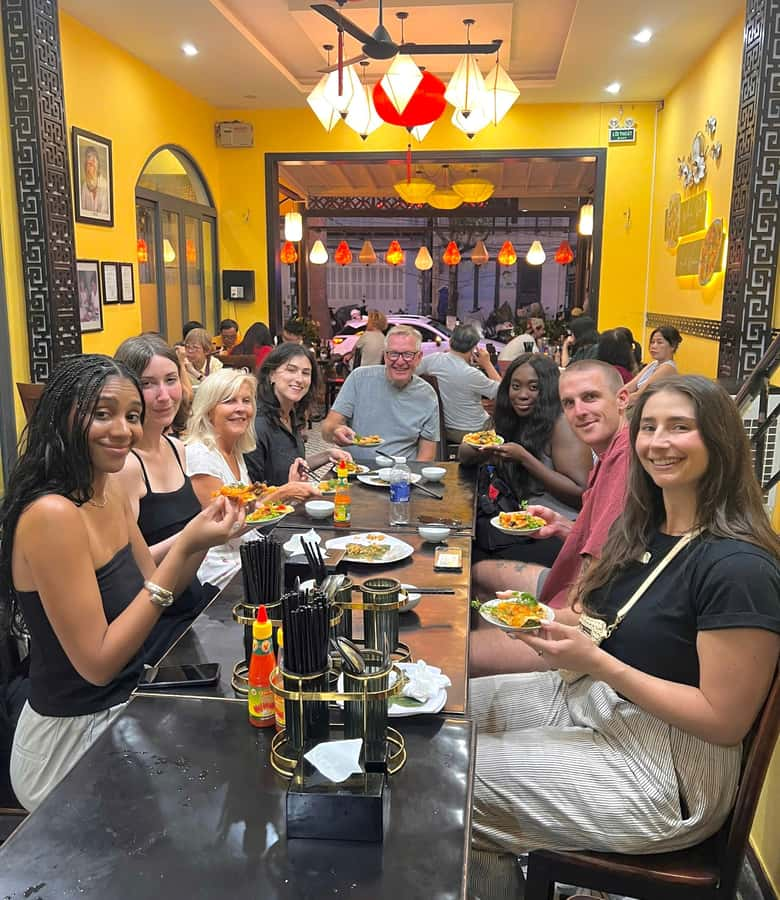
The strongest reason to book this walk is access to food stops you may not choose on your own. Some stops are described as family-run businesses with long local histories. Others are places that look unremarkable from the street until someone points out what to order.
That is where the $27 price becomes easier to judge. You are paying for several tastings, an English-speaking guide, a planned route, and help navigating unfamiliar food. You also save the trial and error of ordering several dishes separately, especially if you have only a short stay in Hoi An.
The value is less clear if you already know the town well or prefer to eat one full meal at your own pace. A food tour uses much of the evening, and five to seven dishes can feel like more food than expected. You are also paying for guidance and company, not just ingredients.
The route includes a food market visit and walking through the Ancient Town. That gives the evening some local texture without turning it into a separate sightseeing tour. You should book it for food first, with the town serving as the setting.
Why booking early in your stay makes sense
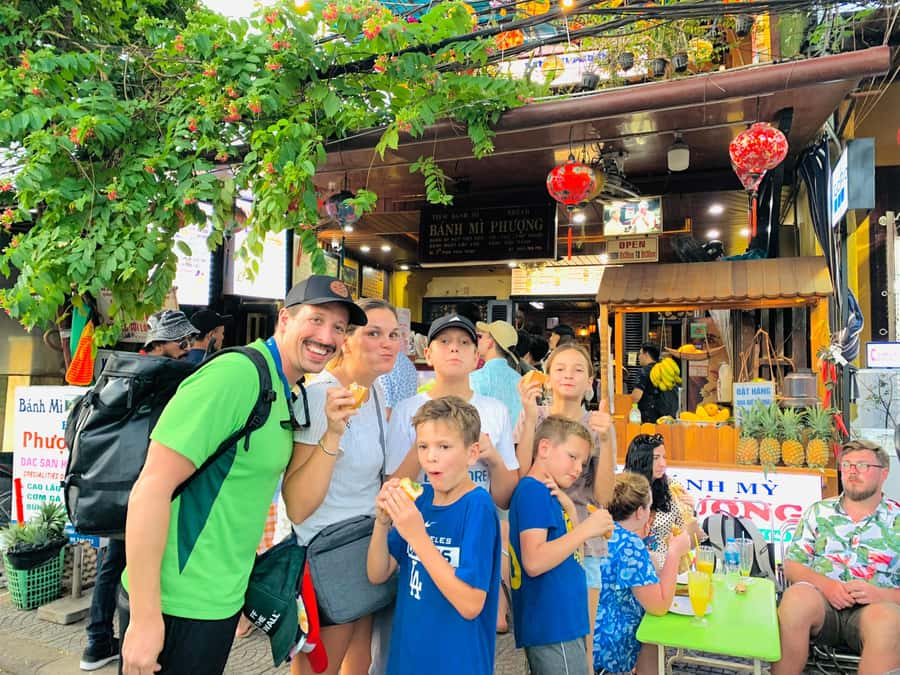
I would schedule this tour near the beginning of your time in Hoi An. The tastings introduce you to several dishes at once, and the guide can point you toward foods and places to try later.
That advice is especially useful if you feel cautious about street food. You can watch how each stop works, learn the names of dishes, and gain confidence ordering on your own. One person who took the route early in a Vietnam trip found it helpful for trying different foods later, and that is exactly the practical benefit of this kind of outing.
It can also help you avoid wasting a night on a disappointing meal. You still need to make your own choices afterward, but you leave with a short list of foods you already know you like.
Tet can change the plan. One route had to use a different path during the holiday, though the food remained the focus. If you visit during a major holiday, accept that some shops may be closed and that the guide may need to adjust the order of stops.
How much food should you expect?
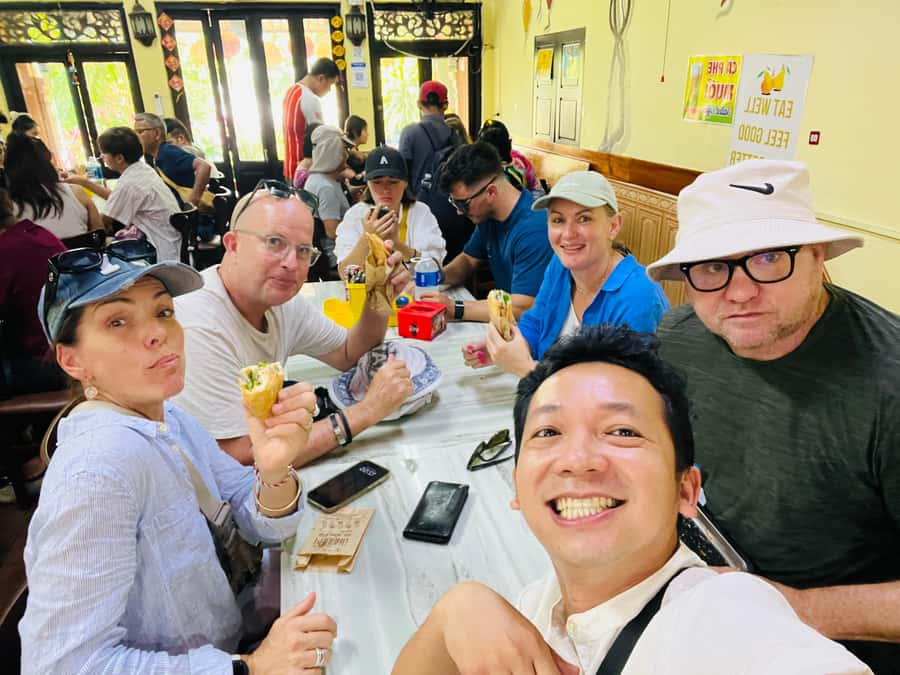
The description says five to seven local specialties, but one reported route included eight dishes across six places. That gives you a sensible range: expect plenty of tasting, not a single snack followed by a long walk.
The included foods cover bread, pancakes, dumplings, wontons, coffee, and sweets. You may also find spring rolls, barbecue pork skewers, or another street treat, since the wider evening plan lists those as possible choices.
Because the tour adapts to availability and preferences, you should not expect the same number of bites at every departure. Some servings may be small, while others may be substantial. Eat lightly before you arrive, but do not arrive desperately hungry if you are unsure how much food you can manage.
Tell the guide about dietary limits at the start. The provided information does not confirm vegetarian, vegan, halal, allergy-specific, or gluten-free arrangements. The route may be flexible, but no special menu is promised.
Who will enjoy this three-hour walk?
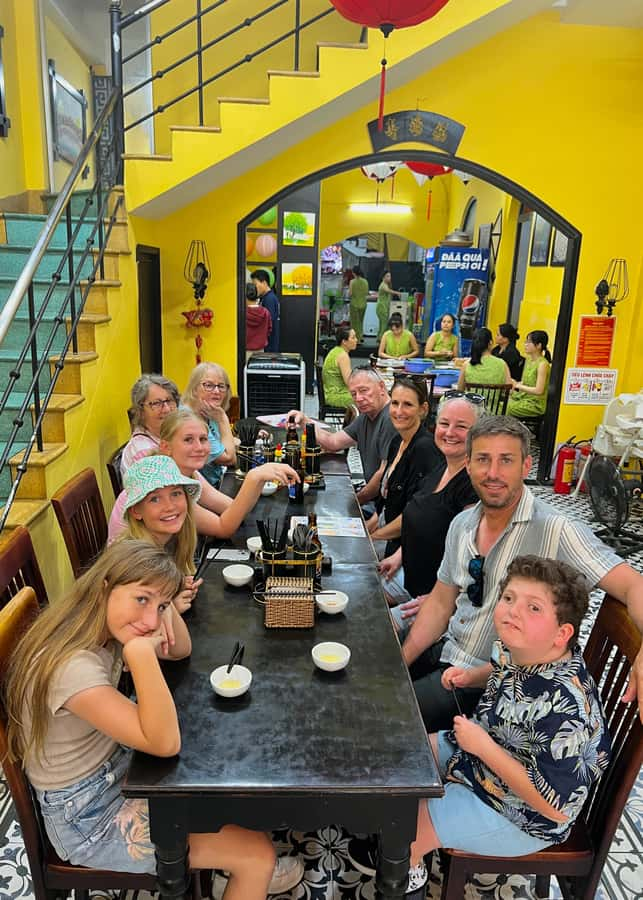
I would recommend it to first-time visitors who want a friendly introduction to Hoi An food without having to research every stop. It also suits people who enjoy conversation, walking, and trying several small dishes in one evening.
It is a good match for curious eaters who want more than banh mi and coffee. White rose dumplings, banh xeo, wontons, and regional sweets give you a broader taste of central Vietnam.
Families and mixed groups may also find the small format useful, especially when people have different levels of confidence with unfamiliar food. The guide can help explain choices, though the supplied information does not state a minimum age or describe a child-specific menu.
The tour is listed as wheelchair accessible. Still, because the experience involves walking through the Ancient Town, visiting food spots, and entering a market, it is sensible to confirm the route details if you have specific mobility needs. Accessibility is provided as a feature, but the exact surfaces and seating arrangements are not described.
Who may want a different evening?
You may prefer another plan if you need a guaranteed restaurant, fixed menu, or exact timetable. The route can shift with food availability, preferences, and holiday closures.
It may also be a poor fit if you dislike group eating or want a quiet, private dinner. A group of up to eight is small, but it is still a group. The social side is part of the value.
Finally, people with serious food allergies should ask detailed questions before booking. The activity lists shrimp, meat, liver pate, seafood, glutinous rice, sesame, and coffee among the possible foods. No allergy protocol is described, so do not rely on guesswork.
Booking details that matter
The cost is $27 per person. That includes the guided food experience and the listed tastings, but the supplied details do not clearly state whether hotel transport, extra drinks, or additional purchases are included. The evening plan says you may be returned safely to your hotel or given ideas for the rest of the night, so confirm the exact arrangement for your departure.
You can cancel up to 24 hours before the activity for a full refund. A reserve-now, pay-later option is also available, which helps if your Hoi An plans are still shifting.
The activity is offered in English and is limited to eight people. That combination makes the price fair for you if you value local guidance and several tastings. It is less compelling if you only want a cheap meal, since you are paying for the route, explanations, and access to places you might otherwise miss.
Should you book the Hoi An Street Food Tour?
Book it if you want a compact introduction to Hoi An’s food, especially early in your stay. The strongest parts are the small group, the mix of familiar and local dishes, and the chance to eat at family-run places with help from guides such as Billy, Hoa, Emily, Nick, or Tam.
Skip it if you need a fixed menu, private dining, or strict control over every ingredient. For most curious eaters, $27 buys more than food: it gives you a practical map of what to try next, plus the confidence to order on your own during the rest of your time in Hoi An.
FAQ
How long does the Hoi An Street Food Tour last?
The activity is listed as three hours. The evening description also refers to a two-and-a-half-hour trip ending around 7:00 p.m., so check the available start time and exact schedule when booking.
Where does the tour begin?
The listed starting point is BeBe Tailor.
Where does the tour take place?
The route goes through Hoi An Ancient Town and includes walking, food stops, and a market visit.
How many people can join the tour?
The tour is a small group experience limited to eight participants.
What language is the tour offered in?
The live tour guide speaks English.
What foods are included?
The included foods are banh mi, Vietnamese crispy pancake with shrimp and meat, wontons, white rose cakes, banh xoai, banh cam, and banh it. The wider evening plan may also include coffee, spring rolls, barbecue pork skewers, and another street treat.
Are the food stops fixed?
No. The route and dishes can depend on availability and what you like. The route may also change during holidays such as Tet.
Is the tour wheelchair accessible?
Yes, the activity is listed as wheelchair accessible. Since the tour includes walking through the Ancient Town and visiting a market, confirm any specific access needs before booking.
How much does the tour cost?
The price is $27 per person.
Can I cancel for a refund?
Yes. You can cancel up to 24 hours in advance for a full refund. You can also reserve now and pay later.
Just added around Hoi An
- Night Life Street Food Tours Hoi An★ 5.0 · 11 reviews
- HOI AN Sunset Food Tour – Night Market – Lantern Streets★ 5.0 · 15 reviews
- Morning Street Food Walking Tour Group Tour★ 5.0 · 4 reviews
- Hoi An Street Food Tour – Eat like a local – PRIVATE TOUR★ 5.0 · 92 reviews
- My Son Sunset Trip with Banh Mi and Cruise from Hoi An/ Da Nang★ 4.5 · 13 reviews
- The 10 Tastings of Hoi An: Private Street Food Tour★ 5.0 · 9 reviews
- Hoi An Boat Ride and Release Lantern, Night Market Private Tour★ 5.0 · 10 reviews
- Hidden Gem of Hoi An Old Town-Local Food-Lantern Making-Tailoring★ 5.0 · 4 reviews
Hoi An Street Food Tours, compared.
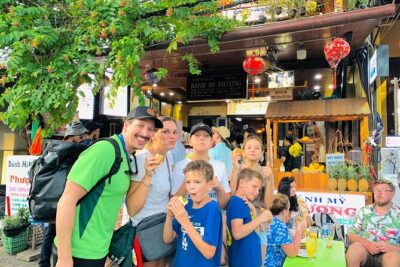
Hoi An at Sunset: Authentic Local Street Food Tour
Read our review →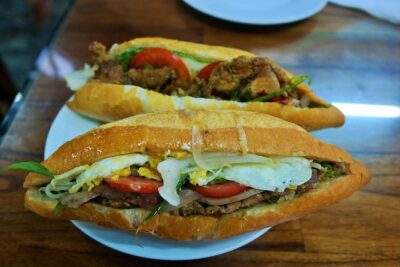
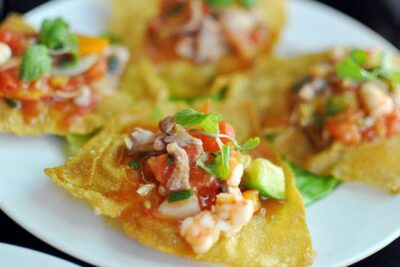
Hoi An Night Market – Ancient Town street food tours by Night
Read our review →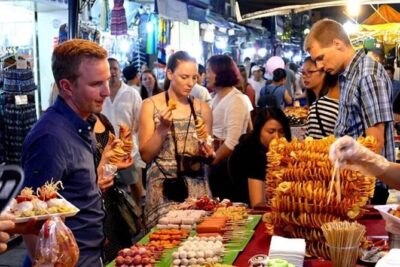
Hoi An Ancient Town – Night Market Street Food Tours By Night
Read our review →
Ba Na Hills avoid crowd , Da Nang, Dragon Bridge, Marble Mountain
Read our review →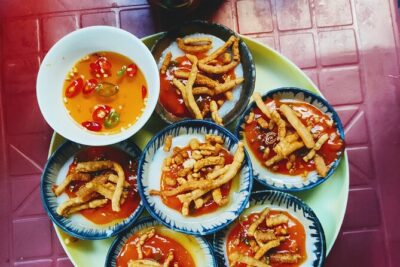
Hoi An Street Food Tour – Eat like a local – PRIVATE TOUR
Read our review →Browse the lists this tour appears in