
REVIEW · VIETNAM STREET FOOD TOURS
Hue Street Food Walking Tour with Local Dishes
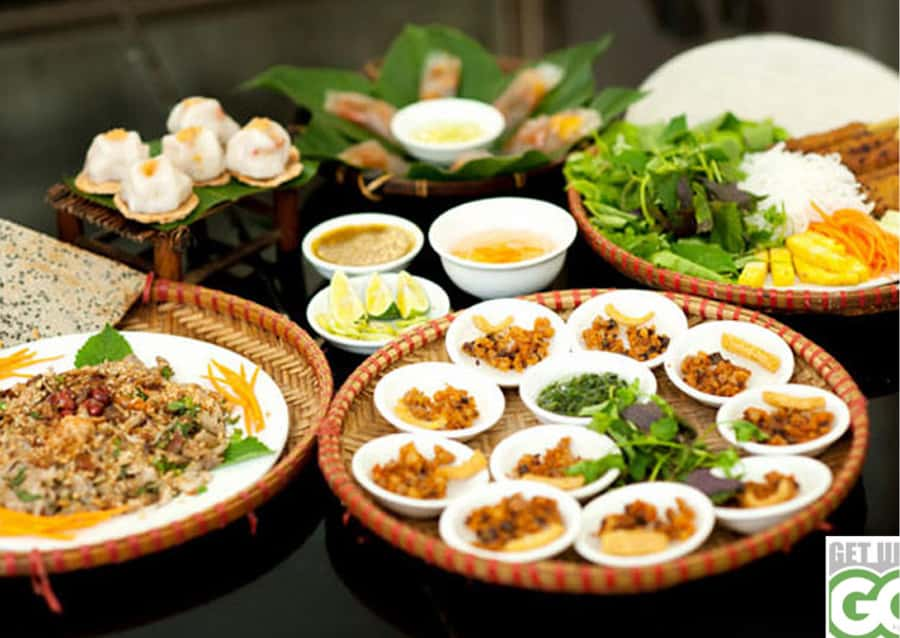
Hue’s best food lesson comes one small plate at a time. This three-hour walking tour takes you from Hàng Me’s delicate rice cakes to spicy bún bò Huế, crispy bánh khoái, and sweet bowls of chè. You eat in modest local spots rather than sitting down for one long restaurant meal.
I like the wide range of dishes, especially the chance to try four types of Hue cake in one stop. I also like that guides such as Ruby and Rosa explain customs and ingredients in English, adding useful context without turning dinner into a lecture. The main consideration is the amount of food and walking packed into three hours, plus limited choices for vegan and vegetarian diners.
Key points at a glance
- Four Hue cakes at Hàng Me: Try bánh bèo, bánh nậm, bánh lọc, and bánh ram ít in one traditional stop.
- Classic bún bò Huế: Taste the city’s famous spicy beef noodle soup at Quán Cẩm.
- Small local food stops: The tour moves between several eateries instead of keeping you in one restaurant.
- Dessert is part of the meal: Chè Huế and chè cung đình huế give the tour a sweet finish.
- English-speaking local guide: Ruby and Rosa are named guides associated with the tour, with a focus on food, customs, and Hue culture.
- Walking is essential: You need to walk between stops, and the tour ends at the final food venue rather than returning to the starting point.
Why Hue food deserves its own walking tour
Hue was once Vietnam’s imperial capital, and its food has a reputation for careful preparation, strong seasoning, and small, refined portions. You can see that style in the city’s steamed rice cakes, where a few simple ingredients are arranged with care and served with a sharp, savory sauce.
This tour gives you a useful introduction because it does not focus on only one famous dish. You move through snacks, noodles, pancakes, and desserts. That variety helps you understand the difference between everyday Hue food and dishes linked with royal traditions.
I also like the way the route uses ordinary food businesses. Hàng Me, Quán Cẩm, and Lạc Thiện Restaurant are not presented as a single polished dining room. You get a series of short stops, each built around one local specialty. That format feels closer to how many people eat in Hue: a dish here, a snack there, and something sweet later.
The experience costs $34 per person. That is more than you would pay if you ordered one bowl of noodles on your own, but the price includes all the dishes listed and an English-speaking guide. You are paying for the route, the explanations, and the chance to sample several specialties without having to identify each place yourself.
More Street Food Walking Tours in Vietnam
- Private Street Food Evening Walking Tour in Ho Chi Minh City
★ 5.0 · 3,175 reviews - [HOT] Hanoi Old Quarter Walking Street Food – Small Group Tour
★ 5.0 · 2,163 reviews - Super Niche Walking Street Food Tour in Ho Chi Minh City
★ 5.0 · 1,636 reviews
Starting at Vua Da and Hàng Me
The meeting point is Vua Da, and the food route begins at Hàng Me. Your guide meets you there and sets the pace for the walk. Starting with four Hue cakes is a smart choice because these dishes show off the city’s rice-flour cooking better than a generic appetizer would.
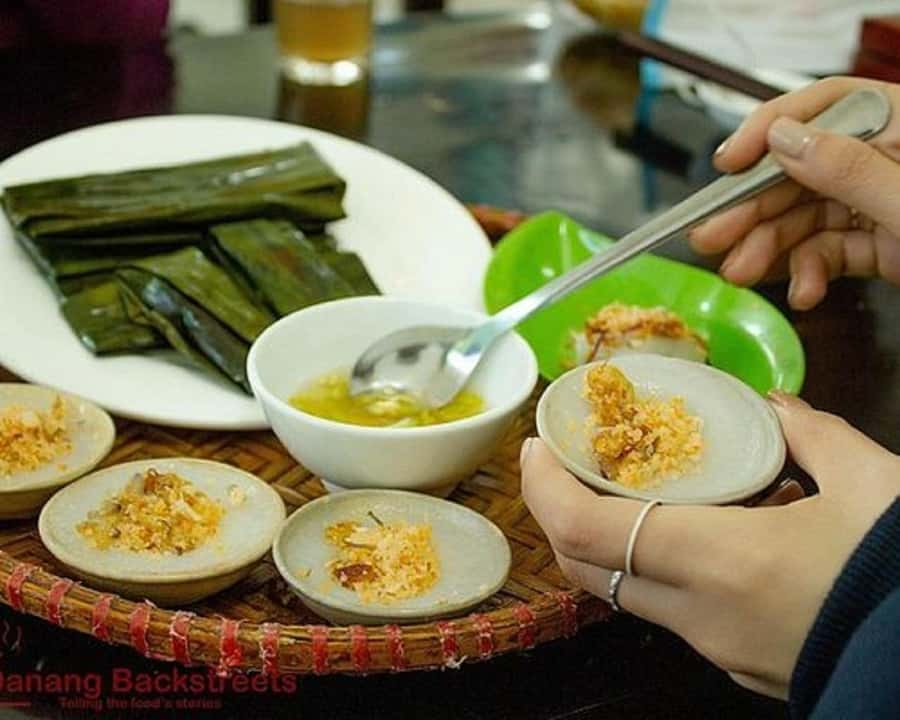
Bánh bèo
Bánh bèo are small water fern cakes made from rice flour. They arrive topped with dried shrimp, crisp pork skin, scallion oil, and a savory dipping sauce.
The texture is soft and slightly springy, while the toppings add salt, crunch, and a little richness. You will probably notice that the sauce matters as much as the cake itself. Take a small bite with the toppings and sauce together rather than eating the plain rice cake first.
Bánh nậm
Bánh nậm is a flat rice dumpling steamed in a banana leaf. The filling combines shrimp and pork, giving the mild rice dough more flavor.
It is a quieter dish than bánh bèo, with a soft texture and a gentle savory taste. The banana leaf adds fragrance, though it is used for steaming and presentation rather than eaten.
Same city, a different plate:
- Ho Chi Minh City Street Food Tour & Sightseeing By Motorbike
★ 5.0 · 9,413 reviews - Small Group Hanoi Street Food Tour with a Real Foodie
★ 5.0 · 4,682 reviews - Saigon By Night and Street Food By Motorbike | Opt: Ao Dai Riders
★ 5.0 · 4,066 reviews - Private Street Food Tour by Motorbike/Car with Local Students
★ 5.0 · 3,950 reviews
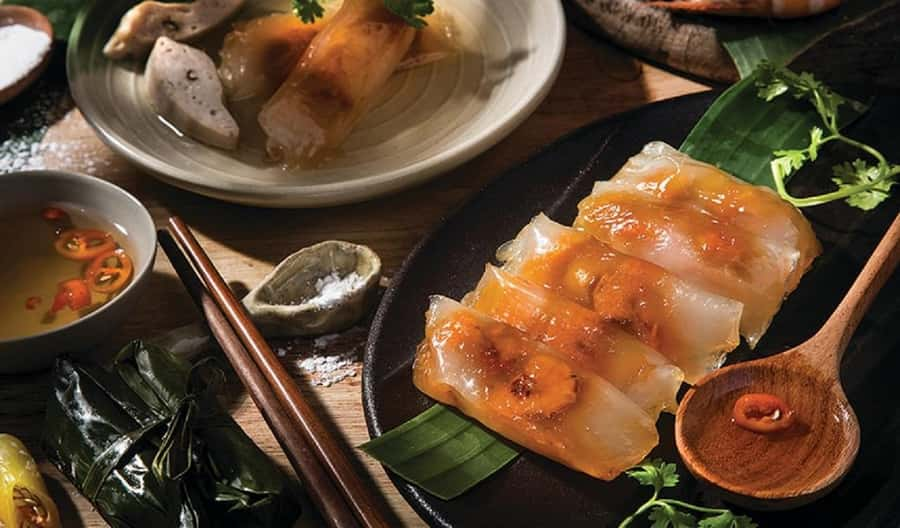
Bánh lọc
Bánh lọc uses tapioca dough instead of rice dough. Shrimp and pork sit inside the translucent dumpling, which is wrapped in a banana leaf and served with fish sauce.
This is the chewier member of the group. The slightly saltier sauce works well with the mild wrapper. If you have never tried tapioca dumplings, this stop gives you a clear example of how Hue uses texture as part of the meal.
Bánh ram ít
Bánh ram ít combines a sticky rice cake with a crispy fried base. Dried shrimp adds savory flavor, while the fried layer gives the dish a contrast missing from the softer cakes.
By the end of Hàng Me, you have tasted four different versions of a very Hue style of cooking. Portions are likely to be modest, but the group of dishes adds up quickly. Pace yourself, especially if you want to enjoy every stop that follows.
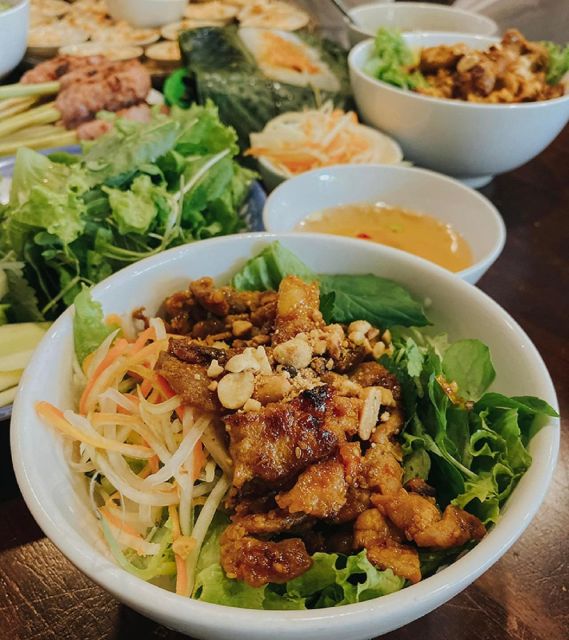
Bún hến, a bowl with plenty going on
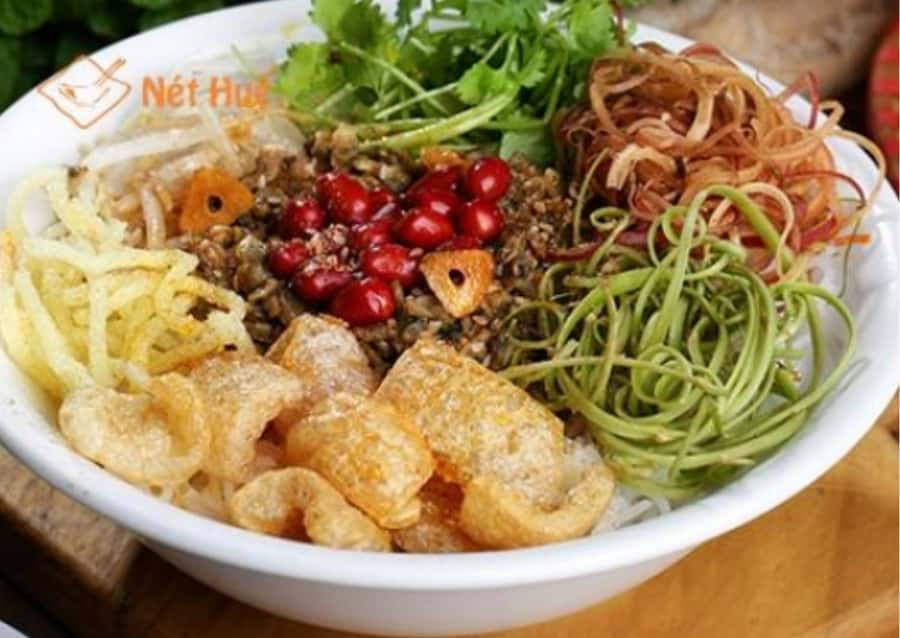
The next savory stop is bún hến, a Hue specialty made with baby mussels, noodles, fresh herbs, vegetables, peanuts, and fish sauce. It is a good change from the soft rice cakes because the bowl brings together several textures at once.
The mussels provide the main savory note, while herbs and vegetables keep the dish from feeling too heavy. Peanuts add crunch, and fish sauce ties the ingredients together. You might find the flavor more intense than a simple noodle bowl because the toppings are meant to be mixed and eaten together.
This is also the point where the tour begins to feel like a proper progression rather than a list of samples. You start with delicate steamed cakes, move to a noodle dish, then continue toward Hue’s better-known main courses.
Chè Huế and the sweet side of the city
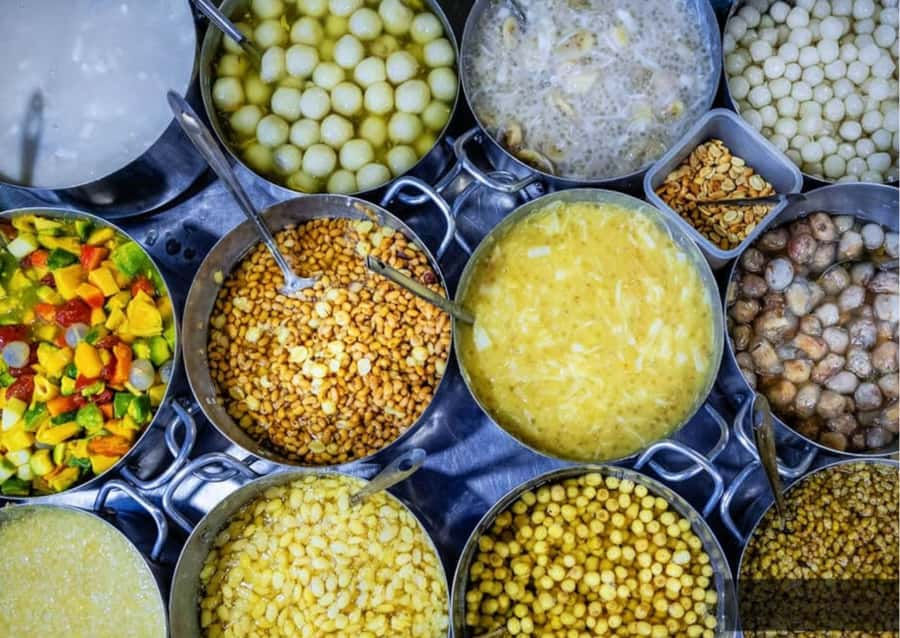
A dessert shop introduces you to chè Huế, a broad family of Vietnamese sweet soups. The version included here may contain beans, taro, sweet potatoes, coconut milk, and tapioca pearls.
Do not expect one fixed texture. Beans and sweet potatoes give the bowl body, while tapioca pearls add chewiness. Coconut milk makes it creamy and rounds out the sweetness. For many diners, this is a new category of dessert, closer to a collection of ingredients in a sweet broth than to Western pudding or cake.
This stop is useful because Hue’s food culture is not only about spice and fish sauce. Chè offers a softer, cooler pause before the next savory dish. Since the tour includes another sweet soup at the end, you will have two chances to compare different styles of chè.
Bún bò Huế at Quán Cẩm
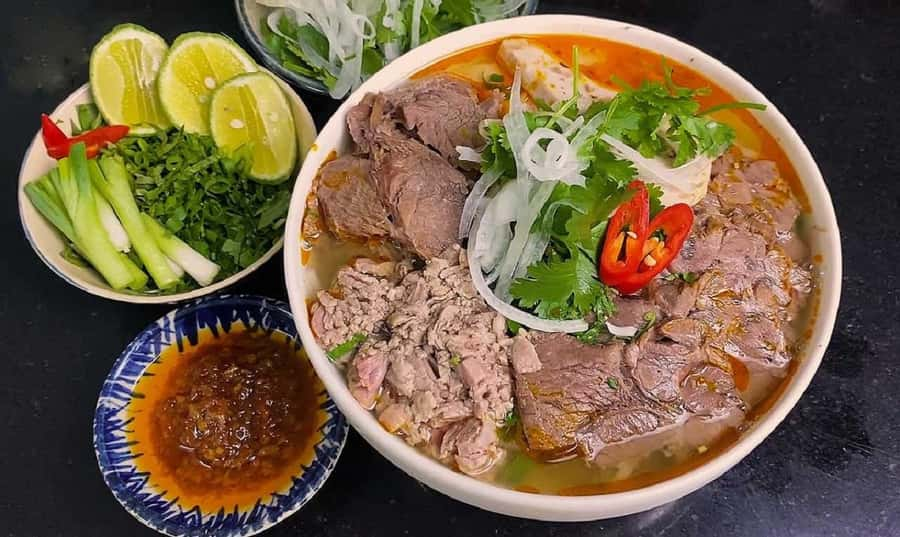
At Quán Cẩm, the tour turns to bún bò Huế, the city’s most famous dish. This spicy beef noodle soup is built around a strong broth and may include pork or crab meat as part of the serving.
The soup has more force than bún hến. You can expect noodles, broth, meat, and seasoning to carry the dish, with the spice level giving it a distinctly Hue character. If you are sensitive to chili, tell your guide before the bowl arrives. The available information does not promise a particular spice adjustment, so it is sensible to ask early.
Bún bò Huế is often the dish people already know by name, but eating it in Hue gives the tour a clear centerpiece. You have sampled the city’s small cakes and sweet soups, and now you get its best-known noodle specialty in a local setting.
A practical point: this is not a full restaurant dinner with long breaks between courses. It is one stop in a moving food route. If you eat slowly or have a small appetite, focus on tasting rather than finishing every serving.
Crispy bánh khoái at Lạc Thiện Restaurant
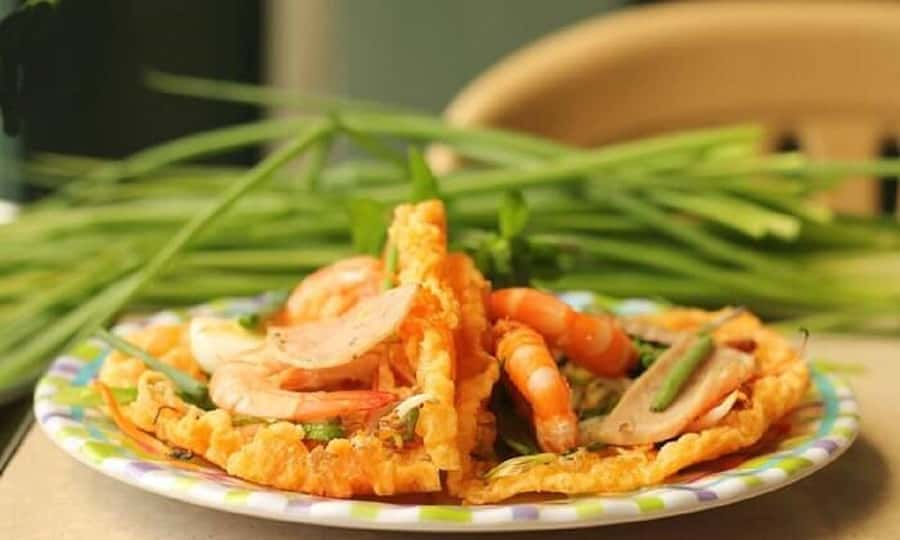
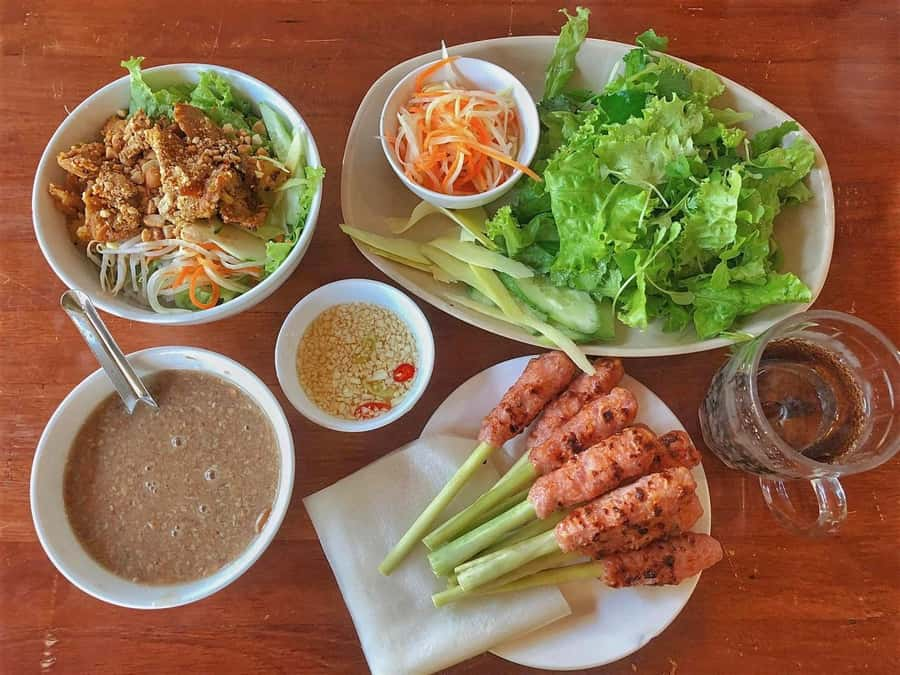
The stop at Lạc Thiện Restaurant brings bánh khoái, a crispy rice pancake filled with shrimp and pork. It is served with fresh herbs and a sesame-peanut sauce.
The pancake is the tour’s crispest savory dish. The herbs cut through the fried exterior, while the sesame-peanut sauce adds sweetness, nuttiness, and extra richness. The best way to approach it is to combine a piece of pancake with herbs and sauce, so no single flavor takes over.
Bánh khoái can look familiar if you have eaten Vietnamese savory pancakes elsewhere, but the accompaniments are part of what makes the Hue version worth trying. This stop also gives you a different cooking method after the steamed cakes and noodle soups.
By this stage, the full route can feel substantial. One person who ate at five locations said the portions were almost too much to finish. That is useful advice: arrive hungry, but do not skip breakfast or lunch simply to force down every bite. The tour is designed for tasting, not a contest.
Finishing with chè cung đình Huế
The final dish is chè cung đình Huế, described as a royal-style sweet soup with beans, sticky rice, banana, and tapioca balls. It gives the meal a different feel from the earlier chè Huế, even though both belong to the same dessert family.
The combination is soft, chewy, and sweet, with banana adding a familiar fruit flavor. Sticky rice gives the bowl more weight, while tapioca balls keep the texture lively. After spicy soup and fried pancake, a cool dessert is a sensible finish.
The royal connection is part of the appeal, but the value is not just the label. This stop lets you see how Hue food can move between humble street dishes and preparations associated with court dining. The contrast helps explain why the city’s cuisine has such a distinct identity.
The tour ends at this last food stop. You are not taken back to Vua Da, so plan your next move from the final venue.
The guide makes the difference
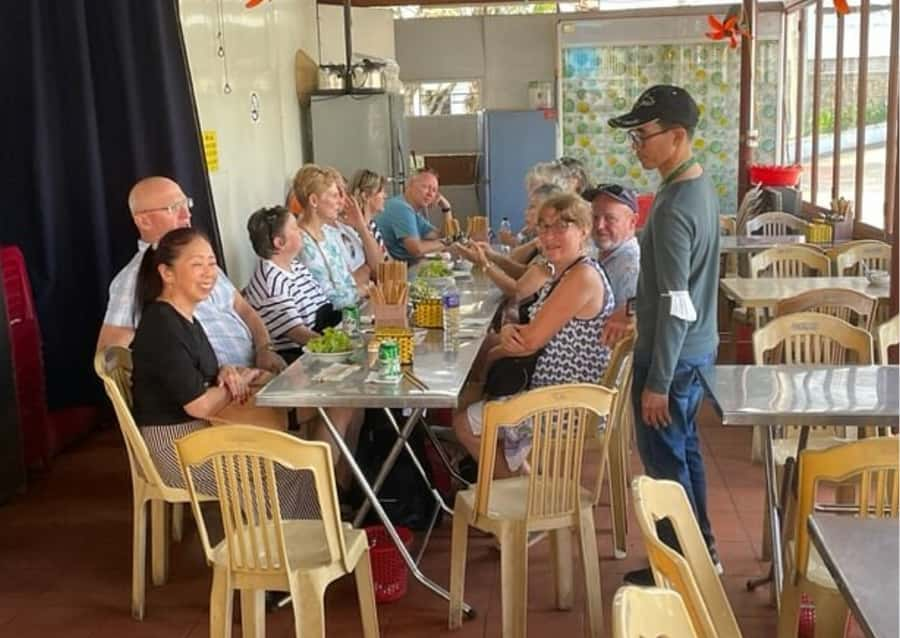
The food is the main reason to book, but the guide affects how much you get from it. The tour is offered with an English-speaking Vietnamese food enthusiast, and Ruby and Rosa are the named guides connected with the experience.
Ruby receives especially strong praise for creating a friendly atmosphere, explaining food and customs, and giving people space to enjoy the dishes. That balance matters. A guide who talks through every bite can make a meal tiring, while a guide who says too little leaves you wondering what you are eating.
You can also ask questions as you go. The tour is suited to people who want more than a list of restaurant names. You will learn what is in the dishes, how the foods fit into Hue’s local culture, and which ingredients create the different textures.
The exact guide is not guaranteed, so book this for the food route and guide format rather than for a promise of Ruby or Rosa specifically. Both names are associated with strong English communication and an easygoing approach, but the assigned guide may differ.
Is $34 a fair price?
At $34, this is not the cheapest way to eat in Hue. If you already know the city and are comfortable ordering Vietnamese food without help, you can spend less by visiting individual stalls.
For a first visit, I think the price can make sense. The fee covers all listed dishes, a three-hour route, and an English-speaking guide. You also get several food categories in one outing: steamed cakes, noodles, pancakes, and desserts.
The value is strongest if you would otherwise hesitate at unfamiliar stalls. Bánh bèo, bánh nậm, bánh lọc, bún hến, and chè may not be obvious choices from a menu. The guide removes that uncertainty and keeps the evening moving.
The value is weaker if you want a slow, seated dinner or have strict dietary needs. You will be walking between stops, eating multiple portions, and working with the food choices on the route. Vegan and vegetarian options may be limited, so ask before booking if that is important to you.
Walking, timing, and practical limits
The tour lasts three hours and requires walking between food stops. Wear comfortable shoes and leave room in your schedule for the pace of the group. The food is served at several locations, so you will not spend the whole time in one air-conditioned restaurant.
The starting location is Vua Da, while the first food stop is Hàng Me. The tour ends at the last stop. Since the route includes several dishes, tell the guide about food allergies or dietary restrictions before the tour begins.
Pets are not allowed. Personal fees are not included, although the listed dishes are included. The activity is offered in English, and starting times depend on availability.
One caution comes from a change made during a booking. A participant switched from walking to a cyclo ride at the last minute because of a knee injury and ended up visiting only two of the planned food stops, along with other sightseeing. That is not the normal walking format, but it shows why you should treat the advertised food route as the priority and mention mobility concerns before the tour starts.
Who should book this Hue food tour?
I would choose this tour if you are new to Hue food, want an English-speaking guide, or prefer tasting many small portions instead of ordering one unfamiliar meal at a time. It is also a good opening-night activity because it gives you a list of dishes to seek out later.
Food-focused couples, small groups, and curious solo diners should find the format easy to enjoy. The guide-led route takes away much of the guesswork, while the mix of stops keeps the three hours from feeling repetitive.
I would be more cautious if you dislike spicy food, avoid seafood, need vegan meals, or have trouble walking. You can notify the guide about allergies and restrictions, but the tour does not promise broad substitutions.
Should you book it?
Book this Hue street food walking tour if you want a generous introduction to local dishes and do not mind eating on the move. The strongest reasons are the four-cake opening at Hàng Me, the chance to compare bún hến with bún bò Huế, and the two different chè desserts.
Skip it if you already know Hue’s food scene well or prefer to choose every dish yourself. At $34, you are paying for access, guidance, and variety rather than simply for calories. For most first-time visitors who want a friendly, organized taste of Hue, that is a reasonable trade.
FAQ
How long does the Hue street food walking tour last?
The tour lasts three hours.
What language is the tour conducted in?
The tour is conducted in English by a live English-speaking guide.
Where does the tour start?
The listed starting location is Vua Da in Hue.
Where does the tour finish?
The tour ends at the final food stop, rather than returning to the starting point.
Is walking required?
Yes. You walk between the food stops.
What food is included?
The listed food includes four Hue cakes at Hàng Me, bún hến, chè Huế, bún bò Huế, bánh khoái, and chè cung đình Huế.
Are the dishes included in the price?
Yes. The dishes listed in the route are included.
Are vegan or vegetarian options available?
Options may be limited, so you should provide your dietary requirements before the tour starts.
Can I request an allergy accommodation?
You should inform the tour provider about food allergies or dietary restrictions before the tour begins.
What is the cancellation policy?
You can cancel up to 24 hours in advance for a full refund. A reserve-now, pay-later option is also available.
Just added around Vietnam
- Hue Street Food On Foot (Daily Tour – Group Tour | 12 pax max)★ 5.0 · 15 reviews
- Walking street food tour★ 4.5 · 7 reviews
- Hue Food Tour: Central Vietnam Culinary Heritage (Small Group)★ 5.0 · 42 reviews
- Hue City Tour and Local Food By Scooter★ 5.0 · 57 reviews
- Hue Night Walking And Street Food Tour★ 5.0 · 2 reviews
- Hue Night Street Food Safari By Cyclo★ 5.0 · 11 reviews
- Hue Night Tour: Cyclo, Street Food & Folk Music on Perfume River★ 4.5 · 2 reviews
- E biking Night Street Food Tour with Local Guide★ 5.0 · 4 reviews
Vietnam Street Food Tours, compared.
Ho Chi Minh City Street Food Tour & Sightseeing By Motorbike
Read our review →
Small Group Hanoi Street Food Tour with a Real Foodie
Read our review →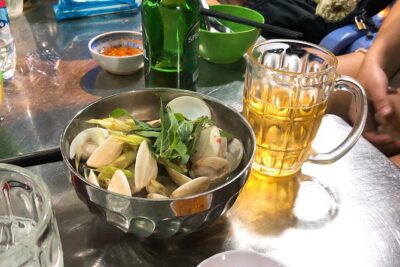
Saigon By Night and Street Food By Motorbike | Opt: Ao Dai Riders
Read our review →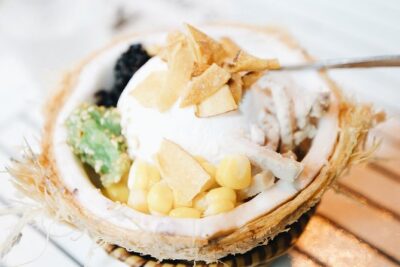
Private Street Food Tour by Motorbike/Car with Local Students
Read our review →
Saigon: Street Food Tasting & Sightseeing Tour by Motorbike
Read our review →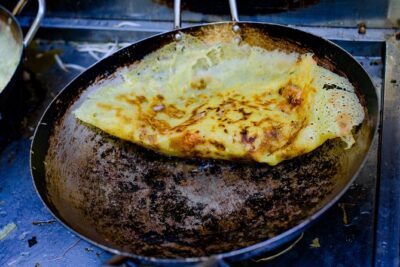
Private Street Food Evening Walking Tour in Ho Chi Minh City
Read our review →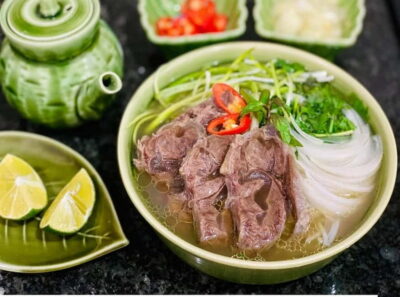
Hanoi: Street Food Tour with Train Street & Hidden Alleyways
Read our review →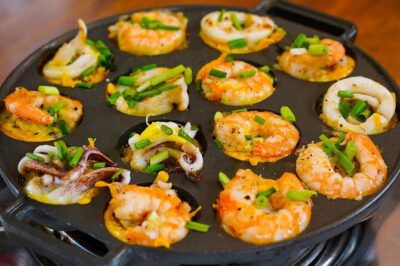
Top Notch Street Food Motorbike Tour In Ho Chi Minh City
Read our review →Browse the lists this tour appears in