
REVIEW · ATHENS STREET FOOD TOURS
Athens Authentic Greek Food Walking Tour (Small Group)
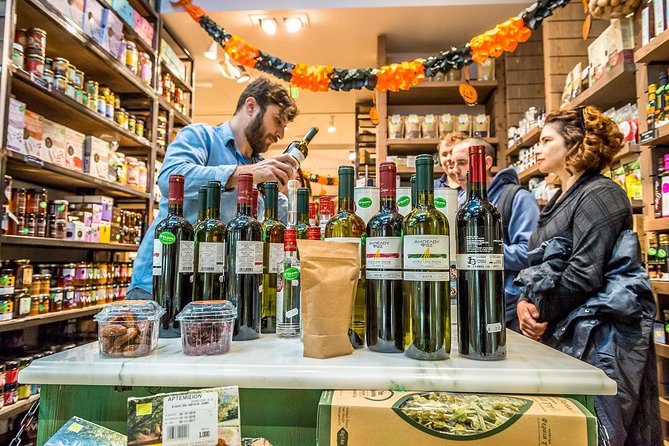
Athens tastes best away from the big sights. This small-group food walk takes you from Syntagma Square through Plaka, Monastiraki, Psiri, and Varvakios Market, with stops for olive oil, cheese, cured meat, souvlaki, Greek coffee, baklava, and more. You eat your way through local shops and tavernas while learning how everyday Greek food fits into the city’s story.
I like the maximum group size of 12, which gives you room to ask questions and makes it easier to hear your guide in crowded streets. I also like the sheer value: about 15 tastings add up to lunch, and guides such as Andreas, Elizabeth, Joseph, Elena, and Elissavet have been praised for mixing food knowledge with useful Athens advice.
The main consideration is the food volume. You should eat only a light breakfast, and this may be too much if you have severe allergies or very strict dietary limits. The walk also uses city streets and market lanes, so comfortable shoes and sun protection matter.
Key points at a glance
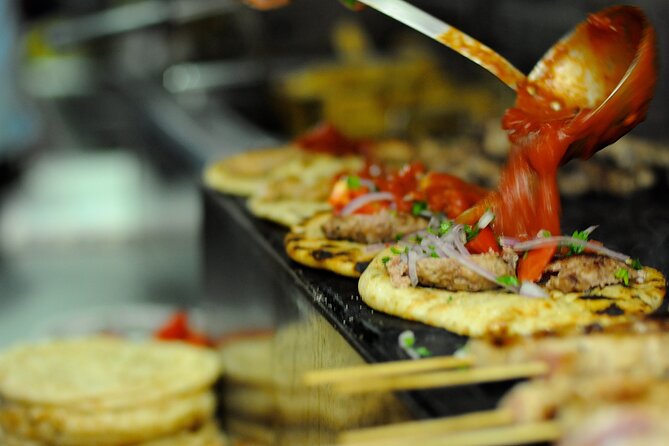
- Fifteen tastings replace lunch: Expect Greek cheese, cured meat, olive oil, tapenade, souvlaki, small plates, pastries, coffee, and more.
- Four central neighborhoods: The route links Syntagma, Plaka, Monastiraki, and Psiri before finishing at Varvakios Market.
- A true small-group format: The group is capped at 12 people, allowing direct conversation with the guide.
- Food and city culture together: You learn about Greek ingredients, cooking customs, coffee, markets, and the history of Athens as you walk.
- Useful for the rest of your stay: Guides offer tips on what to order and where to eat after the tour.
- Plan for a full stomach: This is a substantial meal, not a few token samples.
Why this Athens food walk works so well

A good food tour should do more than hand you a snack and name it. This one uses eating as a way to read Athens. You see where residents shop, how old neighborhoods have changed, and which ingredients keep appearing in Greek cooking.
The route moves through several parts of the central city, but you are not left to puzzle over a map. Your guide handles the navigation while explaining what you are seeing. That is useful in Monastiraki and Psiri, where narrow lanes, shops, cafés, and side streets can make a simple walk feel confusing.
The small group helps here. With no more than 12 people, you can ask why one olive oil tastes peppery, how Greek coffee is prepared, or what to order at a taverna later. Guides including Andreas, Joseph, Mary-Kate, Elizabeth, and Maria Katerina have been singled out for clear explanations and practical advice.
This is also a good first activity in Athens. It gives you a working list of foods to try, places to return to, and neighborhoods to explore on your own. One guide helped identify gluten-free choices and brought gluten-free cookies, but you should still discuss dietary needs before booking.
More Street Food Walking Tours in Athens
- Greek Food Walking Tour in Athens
★ 5.0 · 4,740 reviews - Athens: Guided Greek Food Walking Tour with Tastings
★ 4.9 · 2,859 reviews - Athens: Ultimate Food Walking Tour with 15 Tastings
★ 4.9 · 567 reviews
Starting at Syntagma Square
The meeting point is at Syntagma Square, Athens’ central crossroads, near Parliament. It is a sensible place to begin because it connects easily with public transportation and puts you close to the old city center.
The first part of the route gives you a quick sense of modern Athens. Syntagma is not a quiet historic square. People cross it constantly, buses and taxis pass nearby, and the Parliament building anchors the scene. Your guide may use this opening to explain the city’s layout and set the stage for the walk ahead.
The square is also practical for meeting a guide because it is easy to identify. Arrive ready to walk rather than expecting a formal check-in desk. The experience ends in Monastiraki, so you finish near shops, restaurants, the flea market area, and transport links.
Plaka: pretty streets with a local-food angle
From Syntagma, the walk heads toward Plaka, the oldest part of Athens. Plaka is famous for narrow lanes, souvenir shops, ancient remains, and its position beneath the Acropolis.
This is the most tourist-focused part of the route, but the food stops help you see beyond the souvenir displays. Your guide can explain how Greek dishes connect with home cooking, island traditions, regional products, and the long exchange of influences around the eastern Mediterranean.
Do not expect the entire tour to stay in quiet residential lanes. Plaka can be busy, especially around popular streets. That is part of the point: the walk shows you both the postcard version of central Athens and the everyday food culture that continues behind it.
Monastiraki and the food of old Athens
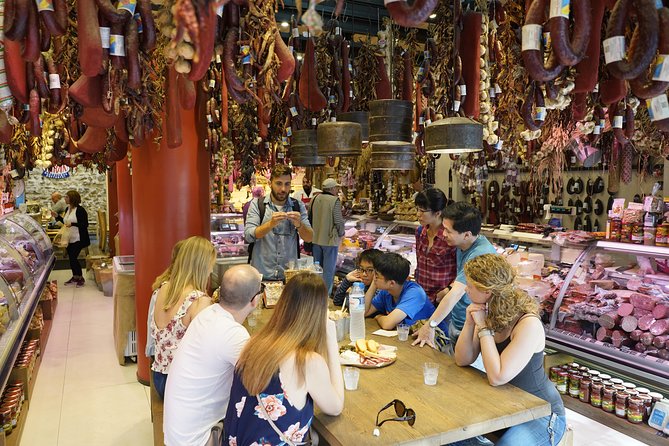
Monastiraki brings a different mood. This area mixes ancient remains, market stalls, street food, old religious buildings, and busy pedestrian lanes. Hadrian’s Library is nearby, and an underground river is associated with the metro station area.
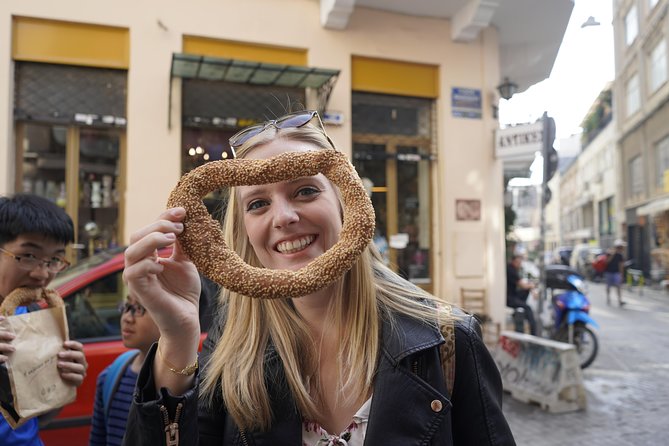
The food stops here help connect the city’s past with its present. You may taste a street snack such as koulouri, a ring-shaped bread that is chewy inside and crisp outside. It is simple, portable, and closely tied to daily life in Greece.
This is also where menu help becomes useful. Greek menus can include unfamiliar cuts of meat, regional cheeses, small plates, and dishes that do not translate neatly. Having a guide explain what you are ordering saves guesswork and gives you a better chance of finding dishes you will want to order again.
More Street Food Walking Tours in Greece
- Athens: Authentic Greek Food Walking Tour
★ 4.9 · 549 reviews - Athens: Evening Food Walking Tour
★ 4.9 · 422 reviews - Athens Street Food Walk
★ 5.0 · 385 reviews - Eat Your Way Through Athens: A Local Food Walk
★ 4.9 · 97 reviews
Psiri: small shops, street art, and a full Greek meal
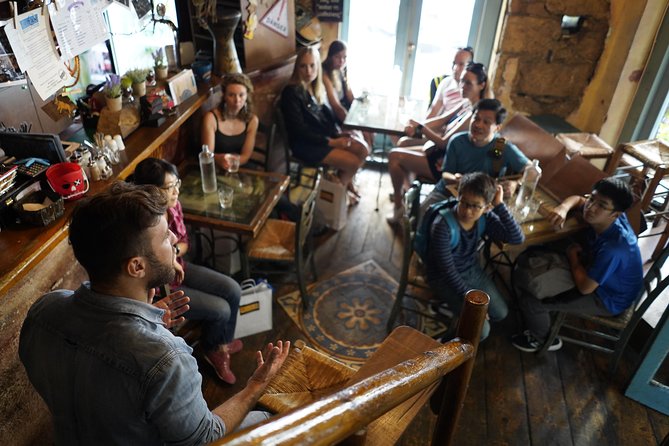
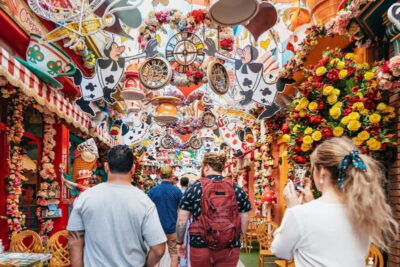
Psiri was once associated with craftsmen and small workshops. Today, it is one of central Athens’ main areas for food and evening drinks, with plenty of street art along the way.
This neighborhood is where the tasting menu often feels most like lunch. A family-style assortment of small plates lets you sample several dishes rather than committing to one large entrée. That format is especially useful if you want to understand the Greek habit of sharing food.
Expect classic flavors such as olive oil, herbs, garlic, cheese, cured meat, and grilled meat. The menu may include graviera, a firm Greek cheese with a sweet, nutty flavor, along with apaki, a Cretan cured meat. Olive tapenade adds a salty, herbal spread made with olives, capers, olive oil, and seasonings.
The tour may also include tsipouro, a clear grape-pomace spirit commonly served as an aperitif or with small plates. It is strong, so take a small taste and let your guide explain how it is normally enjoyed. Anyone avoiding alcohol should raise that point before the tasting begins.
Varvakios Market, Athens’ working food center
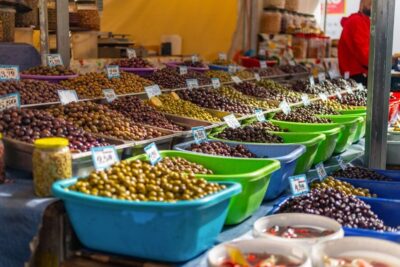
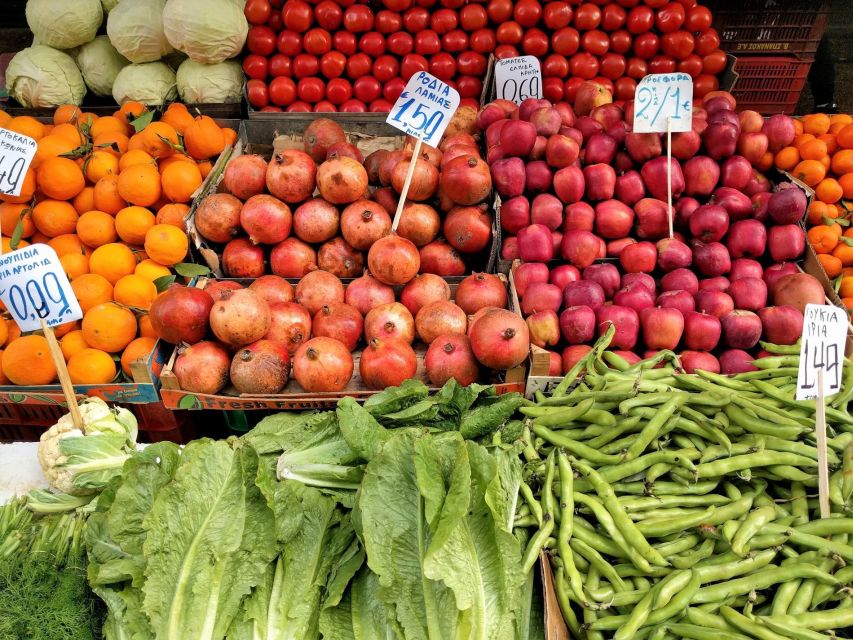
The route includes Varvakios Central Municipal Market, often called the belly of Athens. This is the city’s main food market, where people shop for meat, fish, and produce.
The market is not a polished attraction designed only for sightseeing. It is a working place, and that makes it one of the most useful stops. You see the ingredients that support Greek home cooking and restaurant kitchens, rather than only finished dishes prepared for visitors.
The market visit is relatively short, about 15 minutes, so it is more of a focused look than a long market tour. Expect activity, strong smells, narrow aisles, and displays of fresh food. If you prefer quiet, tidy spaces, this may be the least comfortable section of the walk. If you want to see how Athens shops for food, it is one of the best parts.
The tasting list: what you may actually eat
The experience includes around 15 tastings at about 10 food stops, and the selection is meant to equal lunch. Exact stops can vary, but the planned range gives you a clear idea of the day.
You may begin with koulouri, then move into Greek olive oils. The oil tasting is more useful than a quick drizzle over bread because you can compare different oils and learn about flavor, processing, health claims, and storage. One particularly good stop focuses on Greek specialty products and explains how to keep olive oil in good condition at home.
Cheese and cured meat bring more texture to the tasting. Graviera offers a firm bite and mild sweetness, while apaki gives you a smoky, savory taste from Crete. These are the sorts of ingredients that can seem ordinary on a menu but become memorable once you know what you are tasting.
The meal may continue with tapenade, tsipouro, grilled meat, pita, tzatziki, and an assortment of small plates. Souvlaki is the familiar centerpiece: grilled meat served in warm pita with vegetables and often tzatziki. You may also encounter gyros or similar street-food preparations, depending on the day’s food stops.
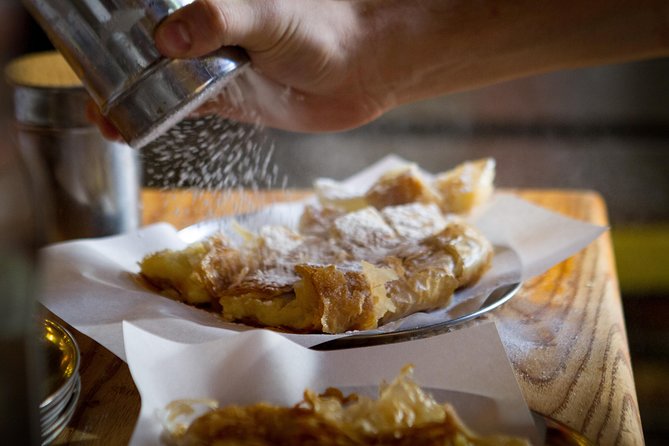
Dessert is generous. Baklava brings layers of phyllo, honey, butter, and nuts. Loukoumades are Greek-style doughnuts, often served with honey. Bougatsa uses thin phyllo around a sweet, creamy filling and can be eaten for breakfast or dessert.
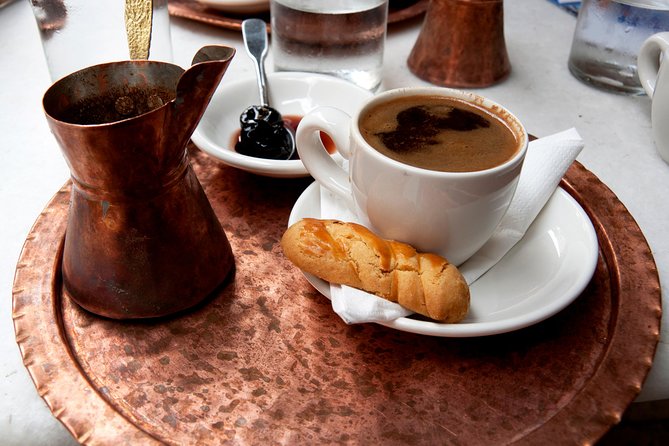
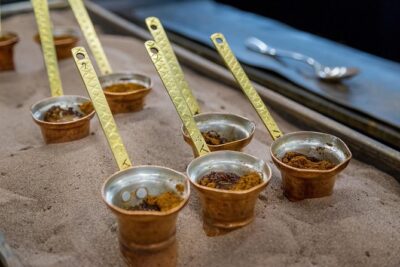
Greek coffee usually appears later in the route. It is finely ground, boiled with water and sometimes sugar, and served thick and strong. It is not the same as filtered coffee, and the fine grounds remain in the cup. Take your time with it rather than treating it as a quick caffeine stop.
One practical point: the order of sweet and savory foods may not follow a formal meal sequence. One person found the desserts mixed into the savory portion rather than saved for the end. That is not a serious problem, but it is worth knowing if you prefer a traditional starter, main course, and dessert structure.
The guides make the difference
Food stops matter, but the guide determines how much you take from them. The strongest guiding style on this route combines food facts with stories about Athens and its neighborhoods.
Andreas has been praised for explaining where dishes came from without turning the walk into a lecture. Joseph has helped with gluten-free choices and has been described as especially warm and attentive. Elizabeth and Elissavet have also been praised for their food explanations, storytelling, and practical advice.
Elena has been noted for keeping the walk organized and showing how to choose restaurants in Athens. Maria Katerina has been appreciated for her cultural insight, while Mary-Kate has offered recipes, food tips, and advice about what to eat and drink after the tour.
Your assigned guide may be someone else, so do not book on the assumption that one particular person will lead your group. The useful pattern is clear, though: you can expect a local food expert who speaks English and is there to answer questions rather than simply move you from one stop to the next.
Is the $83.44 price good value?
At $83.44 per person, this is not the cheapest way to grab lunch in Athens. You could buy a souvlaki, pastry, coffee, and several snacks for much less if you already know where to go.
The value comes from the range and the guidance. You get roughly 15 tastings, a full meal, access to selected food shops and eating places, navigation through four neighborhoods, and a guide who explains what you are eating. If you tried to recreate the same range on your own, you would need to find the places, order enough food to share, and pay for items you might not enjoy.
The tour is also a practical investment early in a trip. You can return to the shops that impressed you, use the menu advice at later meals, and avoid spending the rest of your visit ordering at random.
I would consider the price fair for someone who values food education and local orientation. It is less appealing if you want a cheap meal, dislike group activities, or prefer to explore independently.
Who should book it?
You should consider this walk if you:
- Want a substantial introduction to Greek food
- Prefer small groups to large coach tours
- Like combining food with neighborhood history
- Need help ordering from Greek menus
- Want suggestions for the rest of your Athens stay
- Enjoy tasting many small portions rather than choosing one dish
It suits first-time visitors especially well, but returning visitors can also benefit from the market and specialty-shop stops. The pace is described as manageable, though you should still expect several hours on foot.
Vegetarians can be accommodated, and special dietary needs should be requested in advance. The experience is not recommended for severe food allergies or very restrictive diets. Service animals are allowed, and most people can take part, but tell the provider about your needs before the day of the tour.
Wear comfortable shoes. Bring water, and use sunscreen, particularly since parts of the route are outdoors. A light breakfast is wise, but do not arrive starving if you become uncomfortable with frequent tastings.
Should you book this Athens food tour?
I would book it for the first or second day of an Athens visit if I wanted a useful food introduction rather than a simple restaurant meal. The combination of small-group access, 15 tastings, central neighborhoods, and market time gives you a lot for the price.
Skip it if severe allergies make shared food stops risky, if you want a quiet sit-down lunch, or if you already have a tightly planned food itinerary. For most people who enjoy Greek cooking and want help finding their way around central Athens, this is a strong, practical choice.
Free cancellation is available up to 24 hours before the start time. The tour requires a minimum number of participants, so a cancellation by the provider may result in another date or a full refund.
FAQ
How long does the Athens food tour last?
The tour lasts approximately 3 hours and 30 minutes.
Where does the tour start?
It starts at Syntagma Square, at Public Syntagma, Karagiorgi Servias 1, Athens 105 63, Greece.
Where does the tour end?
The tour ends in Monastiraki, Athens.
How many people can join the group?
The group has a maximum of 12 participants.
How many tastings are included?
About 15 tastings are included, and together they are intended to equal lunch.
What foods are included?
Possible tastings include koulouri, extra-virgin olive oils, graviera cheese, apaki cured meat, olive tapenade, tsipouro, souvlaki with pita, Greek small plates, Greek coffee, baklava, loukoumades, and bougatsa.
Is the tour suitable for vegetarians?
Yes. The tour is suitable for vegetarians, and special dietary requirements can be requested.
What happens if I need to cancel?
You can cancel for a full refund if you cancel at least 24 hours before the start time. Cancellations or changes made less than 24 hours before the start time are not accepted for a refund.
Just added around Athens
- Athens Sights Highlights on eBike Tour with Local Food & Drinks★ 5.0 · 13 reviews
- Classic Athens Food Tour with Local Drink & Market Visit★ 5.0 · 34 reviews
- Piraeus Street Food Walking Tour★ 5.0 · 20 reviews
- Fun Athens Street Food Tour with Local Guide Marina★ 5.0 · 2 reviews
- Street Food Tour – Sample the Food the Locals Love★ 4.0 · 13 reviews
- Piraeus Food Walking Tour★ 5.0 · 14 reviews
- Athens Street Food Markets and Hidden Gems Experience★ 5.0 · 18 reviews
- Private Tour: Acropolis Mythology & Food Walk Tour★ 5.0 · 5 reviews
Athens Street Food Tours, compared.

Food Market Visit and Cooking Class with Wine
Read our review →

Browse the lists this tour appears in