
REVIEW · UK STREET FOOD TOURS
Beginner Foraging Walk: Wild food walking tour & tasters
The best part of this Isle of Wight walk is that it turns an ordinary country path into a food lesson. With forager and filmmaker Joseph Thurbin, you learn to look closely at plants and fungi, work out what they are, and think about how they might be used in your kitchen.
I like the small, practical focus: this is a beginner session, not a test of specialist botany. I also like the chance to taste wild ingredients as you go, including the nettles that one especially enthusiastic participant was inspired to cook with afterward.
The main catch is the route. A two-mile walk over countryside calls for sturdy shoes and a reasonable level of fitness, and the activity is not suitable for wheelchair users, people with mobility impairments, children under 18, or anyone with food allergies. British weather can also make waterproof clothing essential.
Key points for your foraging walk
- A two-mile beginner route: The walk takes about 1.5 hours and starts and finishes near The Buddle Inn in Niton.
- Joseph Thurbin leads the session: His background as a lifelong forager and filmmaker adds both plant knowledge and useful advice on taking identification photos.
- You taste wild ingredients: Snacks made with wild food are included, so you connect the plants to real cooking rather than simply naming them.
- A scenic corner of the island: The route passes through secluded Isle of Wight countryside near Niton.
- Good for first-time foragers: You learn basic identification methods and how to continue checking plants at home.
- Plan for outdoor conditions: Bring waterproof shoes, a raincoat, water, a charged phone, and comfortable clothes.
Starting beside The Buddle Inn in Niton

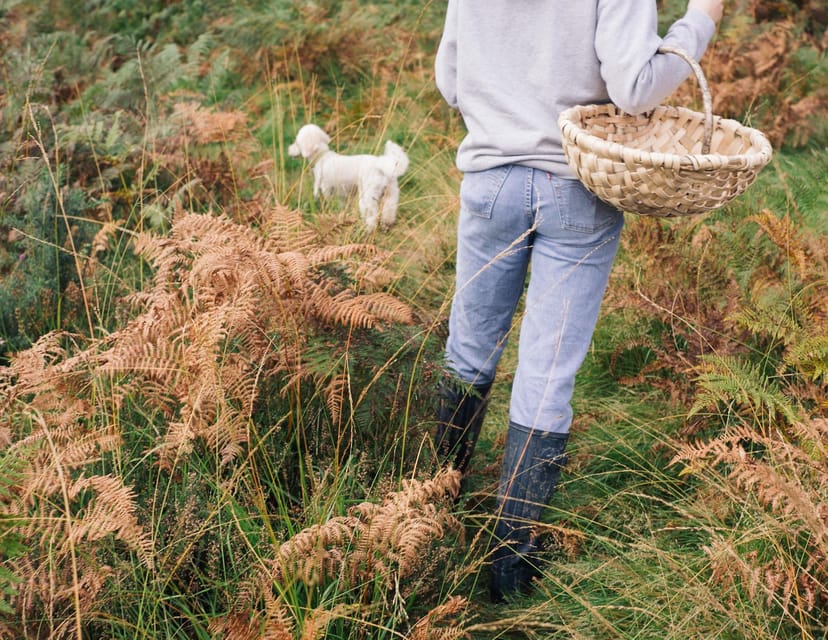
Your walk begins at the large car park opposite The Buddle Inn in Niton. Look for Joseph carrying a foraging basket. That simple marker matters, since it gives you an easy way to spot the guide before the group sets off.
The location is practical for visitors staying in or touring the southern part of the Isle of Wight. You can reach Niton using Southern Vectis Route 6, and the activity ends back at the same meeting point. If you drive, check whether a parking fee applies.
This is not a long outing with a complicated transfer. You arrive, meet the guide, and get straight onto the route. That makes the walk easy to fit into a day exploring the island, though you should allow extra time before or afterward if you want lunch at The Buddle Inn or plan to visit more of the surrounding area.
The meeting point also sets the tone. You are not being taken to a staged demonstration area. You begin in the countryside, where plants grow in their natural setting and the identification lesson starts with what is actually around you.
More Street Food Walking Tours in the UK
- London Food Walking Tour: Taste Your Way Through Soho & Chinatown
★ 5.0 · 187 reviews - London’s Best Bites: Soho & Chinatown Food Walking Tour
★ 4.8 · 172 reviews - Ultimate Soho and Chinatown Food Walking Tour in London
★ 5.0 · 65 reviews
What a 1.5-hour route can teach you
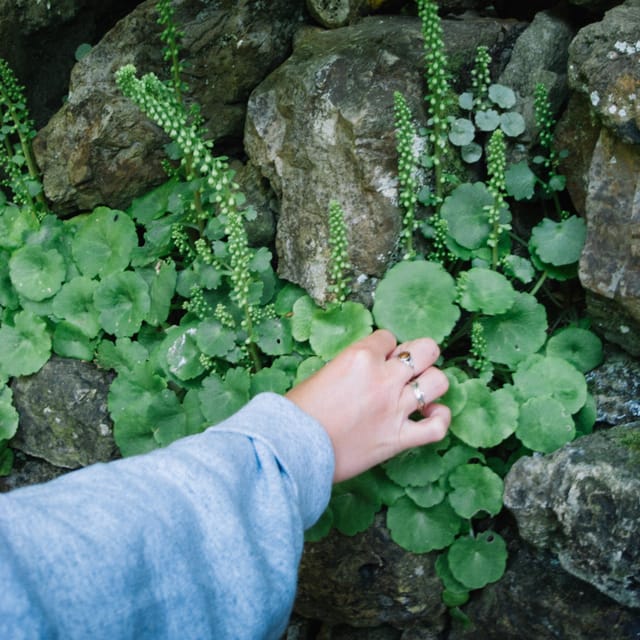
The walk covers about two miles and takes roughly 90 minutes. That is enough time for a useful introduction without turning the outing into a tiring full-day course.
You can expect Joseph to point out plants and fungi that are suitable for beginners to study. The goal is not to memorize every species in the countryside. It is to build a safer, more careful way of looking: notice the shape, setting, and features of a plant, then check its identity before treating it as food.
That distinction is important. Foraging is not simply a matter of spotting something green and putting it in a bag. You need to know what you are looking at, understand which details separate one plant from another, and avoid eating anything you cannot identify with confidence.
The route also lets you learn in several ways at once. Joseph explains the basics, you see plants growing outdoors, and you can make notes or take photographs for later reference. The group stays on foot, so expect a moving lesson rather than a formal classroom talk.
The 90-minute length suits beginners who are curious but not ready to commit to a longer course. It also means the amount of material will depend on the season, the route conditions, and the plants available on the day. In January, for example, edible plants can still be found, which makes this a year-round introduction rather than an activity limited to spring and summer.
Learning to identify plants and fungi safely
The strongest part of the experience is its focus on identification. You are not just told a plant’s name. You are shown how to begin checking what you see in the wild and how to continue that process after the walk.
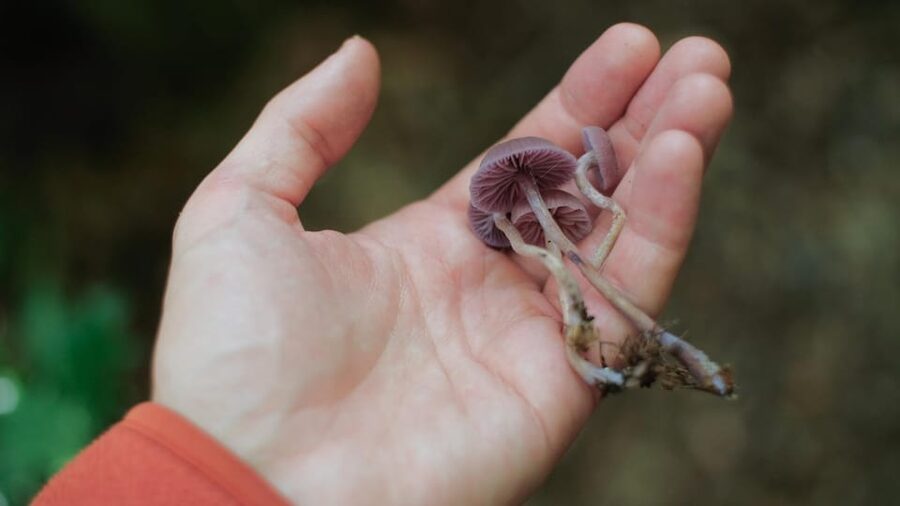
Joseph also explains how to photograph plants and fungi for identification at home. This is especially useful for a beginner. A quick phone photo can help you remember a plant, compare it with a guide, or ask for further advice later. A charged smartphone is therefore part of your kit, not just a way to take scenic pictures.
Bring a notebook if you like writing things down. You may want to record the plant name, where it was growing, what it looked like, and how it might be used in cooking. The supplied information does not promise a written field guide, so your own notes can make the session more useful after you return home.
Fungi require extra care. The walk introduces plant and fungi identification, but you should treat any mushroom or fungus you cannot positively identify as something to observe, not eat. The tasting element is controlled by the guide, and your own foraging afterward should follow the same cautious approach.
This practical lesson is one reason the activity works well for a first attempt. You leave with a method rather than a list of names. That is more useful when you are back in a park, garden, or countryside path and spot something unfamiliar.
Tasting nettles and other wild ingredients
The walk includes tasty snacks made with wild ingredients. This turns the subject from theory into something you can understand with your senses. A plant may look unremarkable until you learn what it tastes like and how it can be used in a meal.
Nettles are one memorable example. One participant left keen to eat more of them and to continue cooking with plants that had previously been ignored. That reaction captures the point of the tasting: it can change the way you see common wild plants.
You should still treat the tasting as part of the guided experience, not permission to eat anything you find along the route. The activity specifically excludes people with food allergies, and that is a serious consideration. Even a small sample can cause trouble if you have a known allergy or are unsure about ingredients.
If you have dietary concerns, the available information does not promise substitutions or a special menu. I would not book this activity unless you are comfortable with the included tasting arrangement.
For everyone else, the food element adds value. You are paying for more than a walk and a talk. You get examples of how wild ingredients can move from countryside to kitchen, which helps answer the practical question most beginners have: what would I actually do with this plant?
Same city, a different plate:
- London Bridge & Borough Market Food Tour with 7 Authentic Dishes
★ 5.0 · 1,972 reviews - London: Borough Market Food Tour with 6+ Authentic Tastings
★ 4.8 · 533 reviews - Camden Market Food Tour of 7 Tastings, Gin, Street Food & More
★ 5.0 · 215 reviews - London: Christmas Lights & Bites Tour
★ 4.1 · 183 reviews
A scenic walk, not a flat indoor lesson

Niton sits in one of the more secluded and picturesque parts of the Isle of Wight. The route gives you a chance to enjoy the countryside while learning, rather than spending the full session looking at prepared samples.
That setting is a real advantage. Plants are easier to remember when you see where they grow. The outdoor route also makes the lesson feel connected to the island itself, not like a generic food workshop that could happen anywhere.
It does mean conditions can affect your comfort. The British weather is part of the plan, so bring a raincoat and sturdy waterproof shoes. Comfortable clothes and water are also listed as essentials. High heels are plainly unsuitable, and even ordinary casual shoes may be a poor choice if the ground is wet.
The route is not suitable for people with mobility impairments or wheelchair users. The activity also calls for a low-to-moderate level of fitness, so you should be happy walking two miles through countryside in about 90 minutes. The description does not give details about slopes, mud, steps, or ground surfaces, so anyone with concerns should check before booking.
Why Joseph’s teaching style matters
Joseph is described as a lifelong forager and filmmaker. Those two roles are useful here for different reasons. His foraging background supports the plant and food lessons, while his filmmaking experience connects naturally to the advice on photographing specimens.
The strongest praise of his guiding is personal rather than formal. He is described as friendly, easy to get along with, and full of interesting facts. One participant said the walk inspired new cooking ideas, while another found it fun and informative enough to continue learning afterward.
That tells you what kind of guide you are likely to get: someone who can make a new subject approachable rather than turning it into a lecture. For beginners, that matters. You need to feel comfortable asking basic questions, especially when plant identification seems confusing.
The language of the activity is English, and Joseph is the live guide. If you need another language, this experience may not suit you.
Is $33.67 good value for 90 minutes?
At about $33.67 per person, the cost is reasonable if you want a guided introduction rather than a simple countryside walk. The price covers the live instruction, the plant and fungi identification lesson, guidance on photographing specimens, and wild-food tastings.
The value depends on what you want from the day. If you are looking for a long hike, a large meal, or a full botanical course, 1.5 hours may feel brief. If you want a focused first step into foraging, the shorter format keeps the commitment manageable.
I especially like that the lesson continues after the walk. Advice on taking photographs and identifying plants at home gives you something to practice later. That makes the experience more than a one-off nature outing.
Parking is not included if a fee applies, so add that to your budget. The reserve-now, pay-later option can also help if your island plans are still shifting. Free cancellation is available up to 24 hours before the start time, with a full refund under those terms.
Who should book this walk?
This experience suits adults who are curious about wild food, enjoy walking outdoors, and want a friendly introduction to plant identification. It is a good match for you if you like hands-on learning and would rather taste a wild ingredient than spend the whole session looking at diagrams.
It also works well for visitors who want a quieter Isle of Wight activity away from the main attractions. The route is short enough to combine with other plans, and the walk starts and ends at the same place.
You should think twice if you have limited mobility, a low level of fitness, or a food allergy. The activity is also restricted to people aged 18 and over. Bad weather will not necessarily cancel the experience, so pack for rain rather than hoping for a dry forecast.
Should you book the Isle of Wight foraging walk?
Book it if you want a practical introduction to wild food, a scenic two-mile walk, and a chance to learn from Joseph Thurbin in the countryside around Niton. The tasting and phone-photography advice give the short session useful follow-through, while the reported 4.3 out of 5 score from six ratings supports its appeal.
Skip it if you want a long hike, a fully accessible route, or a guaranteed option for food allergies. For the right adult beginner, though, $33.67 buys a compact lesson with a clear purpose: look more closely, identify carefully, and take a few wild ingredients seriously as food.
FAQ
Where does the foraging walk start?
It starts at the large car park opposite The Buddle Inn in Niton on the Isle of Wight.
Where does the activity finish?
The walk ends back at the same meeting point near The Buddle Inn.
How long is the foraging experience?
The activity lasts about 1.5 hours.
How far do you walk?
The route covers approximately two miles.
Who leads the walk?
The guide is Joseph Thurbin, a lifelong forager and filmmaker.
What will I learn?
You will learn basic plant identification, how to identify wild edible plants, and how to photograph plants and fungi for identification at home.
Is food included?
Yes. The activity includes snacks made with wild ingredients, which you may taste during the walk.
Is the walk suitable for children?
No. It is not suitable for children under 18.
What should I bring?
Bring comfortable clothes, comfortable or sturdy waterproof shoes, water, a charged smartphone, and a raincoat suitable for British weather. A notebook can also be useful for taking notes.
Can wheelchair users join the activity?
No. The activity is not suitable for wheelchair users or people with mobility impairments.
Just added around the UK
- The Original Glasgow Food Tour: Locally run & hidden gems★ 5.0 · 10 reviews
- Private Edinburgh Street Food Walking Tour★ 4.5 · 7 reviews
- Edinburgh Food Tour with a Local Foodie Custom & Private★ 3.5 · 19 reviews
- Food Walking Tour in Chester City★ 5.0 · 2 reviews
- Perth: Guided Food Walking Tour★ 5.0 · 8 reviews
- Newcastle: Grainger Town & Quayside Street Food Tour★ 4.0 · 4 reviews
- London: Soho, Chinatown, & Covent Garden Food Walking Tour★ 5.0 · 2 reviews
- London: London Food Walking Tour★ 5.0 · 22 reviews
UK Street Food Tours, compared.
London Bridge & Borough Market Food Tour with 7 Authentic Dishes
Read our review →
London: Borough Market Food Tour with 6+ Authentic Tastings
Read our review →
Camden Market Food Tour of 7 Tastings, Gin, Street Food & More
Read our review →
London Food Walking Tour: Taste Your Way Through Soho & Chinatown
Read our review →

London’s Best Bites: Soho & Chinatown Food Walking Tour
Read our review →
Ultimate Soho and Chinatown Food Walking Tour in London
Read our review →
3 Hours Borough Market Morning Food Tour with London Bites Tours
Read our review →Browse the lists this tour appears in