
REVIEW · STREET FOOD & WINE TASTINGS
Belgrade: Street Food and Drinks Tour with 20+Tastings
Belgrade’s food story is easiest to understand one bite at a time. This 3.5-hour small-group tour moves through food stands, bakeries, markets, and less obvious corners of the center, tying Serbian dishes to Austrian, Turkish, Hungarian, and Bulgarian influences.
I like the sheer range, from burek and cured meats to čvarci, village cheeses, fish, sweets, and fruit brandy. I also like the human side: guides Yair and Davor add stories about the city and the Balkans, not just names of dishes. The one drawback is that 20 or more tastings can be a lot, so arrive hungry and expect a full meal rather than a light snack.
Key points at a glance
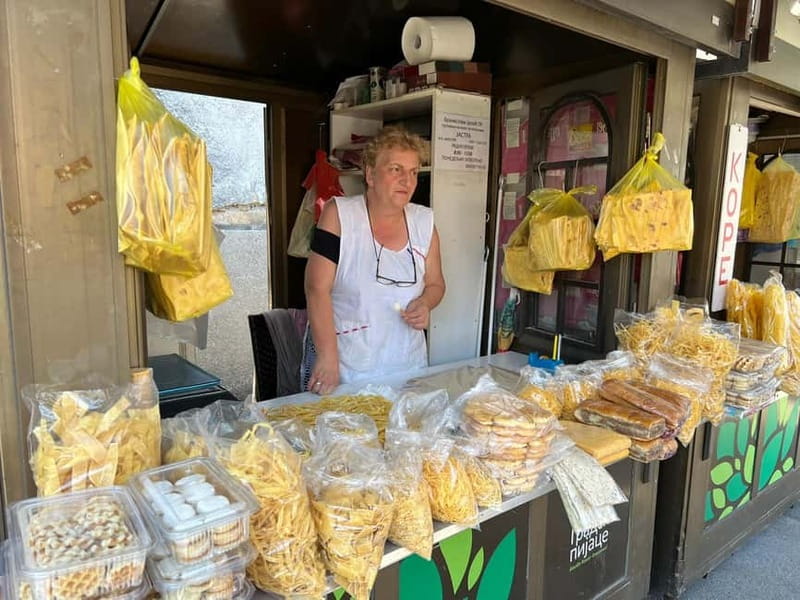
- More than 20 tastings: Expect pastries, sausages, cheeses, fish, sweets, fruit, honey products, and several traditional Serbian specialties.
- Rakia is part of the route: You will sample Serbia’s famous fruit brandy as part of the food-and-drink lineup.
- History comes with the food: The guide explains how neighboring empires and Balkan cultures shaped Serbian cooking.
- Small groups matter: With no more than 10 participants, it is easier to ask questions and discuss allergies or dislikes.
- The route goes beyond the obvious: Food stands, bakeries, markets, street art, and less familiar areas add variety to the walk.
- You leave with dinner ideas: The tour ends in Old Town near the pedestrian zone and includes a list of local restaurants.
Belgrade’s food story starts at Hotel Moskva
Meet at the entrance of Hotel Moskva, a useful central point in Belgrade. From there, the tour takes you into the city center on foot, linking food stops with stories about Serbia and the wider Balkans.
The setting matters. You are not simply seated at one restaurant while dishes arrive in sequence. Instead, you move between food stands, bakeries, markets, and local eating spots. That format gives you a better sense of how food fits into daily life.
The route also includes less obvious locations with street art. I like this because it breaks up the eating and keeps the tour connected to the city itself. You get food, a neighborhood walk, and a first look at parts of central Belgrade that you might otherwise pass without stopping.
The itinerary can vary by day and availability, so you should think of the tour as a guided food walk rather than a fixed restaurant crawl. The key promise is variety, with the guide choosing stops that show different sides of Serbian cooking.
More Street Food and Wine Tastings in the world:
- Florence: Street Food Tour with Wine & Local Guide
★ 4.9 · 1,443 reviews - Venice: Eat Like a Local Food Tour with Wine & Spritz
★ 4.8 · 985 reviews - Florence: Street Food Walking Tour with Wine
★ 4.9 · 719 reviews
Burek, pastries, and the first taste of Serbia
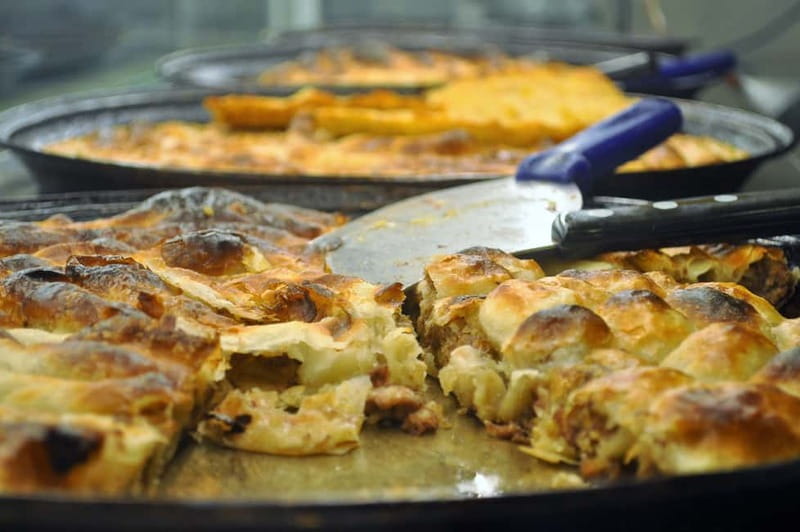
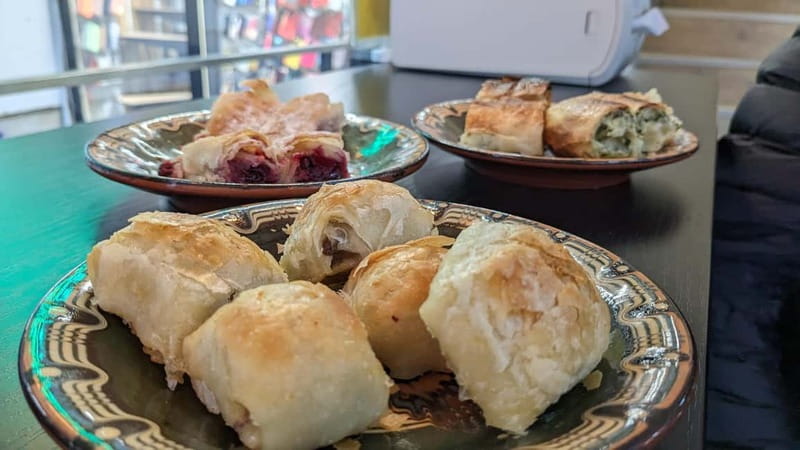
Pastries are an important opening to Serbian food. You may try traditional savory pastries, including burek, a layered pastry associated with the Ottoman and wider Balkan food tradition. One particularly praised version is cherry burek, which gives the dish a sweet turn rather than the more familiar meat or cheese filling.
Bakeries are practical places to learn about local eating habits. They serve food that is quick, affordable, and part of ordinary city life. A stop here feels more useful than a polished tasting menu because you can later return on your own for breakfast or a quick meal.
The tour also includes yogurt with some tastings. This pairing helps explain how rich or salty pastries are commonly balanced. You will not need to know Serbian food terms in advance. The guide introduces the dishes as you go and explains what makes each one different.
If you have never tried Balkan pastries, keep an open mind. The food can be filling early in the tour, and the portions add up quickly. You may want to pace yourself rather than treating every stop as a separate meal.
Cured meats, čvarci, and village cheeses
The savory portion expands into cured meats, sausages, village cheeses, and čvarci. Čvarci are crisp pieces of pork rind, a traditional food with a strong texture and flavor. They will not suit everyone, but they are worth trying because they are so closely tied to regional cooking.
The meat and cheese tastings show how Serbian food can be direct and hearty. These are not delicate, highly decorated dishes. They are made for sharing, snacking, and pairing with bread or drinks.
You may also encounter kajmak, a creamy dairy product served with various savory foods. The tour includes enough food to make this section feel substantial, so it helps to arrive without having eaten a large lunch.
I find this part especially useful for understanding the difference between restaurant versions of Serbian food and the ingredients people recognize from home cooking. You are tasting products with clear links to villages, markets, and traditional preservation methods.
Rakia and the social side of eating
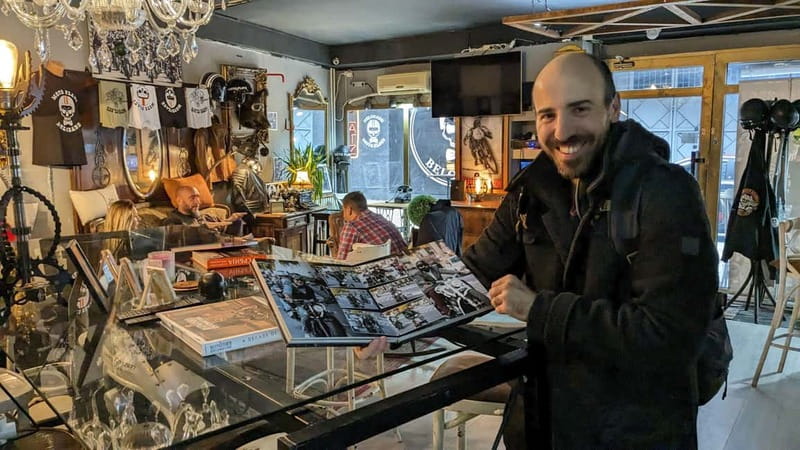
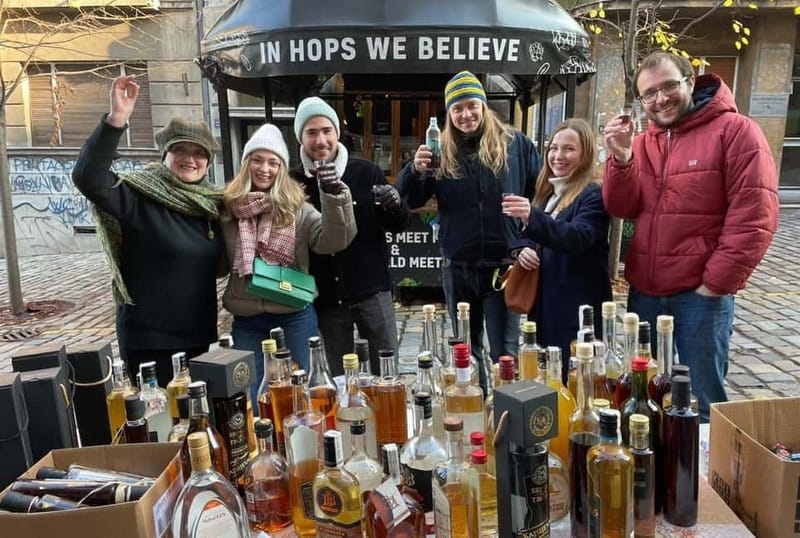
Rakia is one of the tour’s central drinks. This fruit brandy is a major part of Serbian food culture, and the tasting gives you a chance to try it in context rather than ordering it without knowing what to expect.
Rakia can be strong, so take small sips and do not rush. Because the tour includes many foods as well as drinks, you are not tasting alcohol on an empty stomach. Still, the combination of rakia and a long list of samples makes pacing sensible.
This is also where the guide’s personality matters. Yair is praised for warmth, personal stories, and thoughtful explanations. Davor is noted for linking dishes to the history of Serbia and the Balkans. You may not have the same guide on every departure, but both names are associated with the experience.
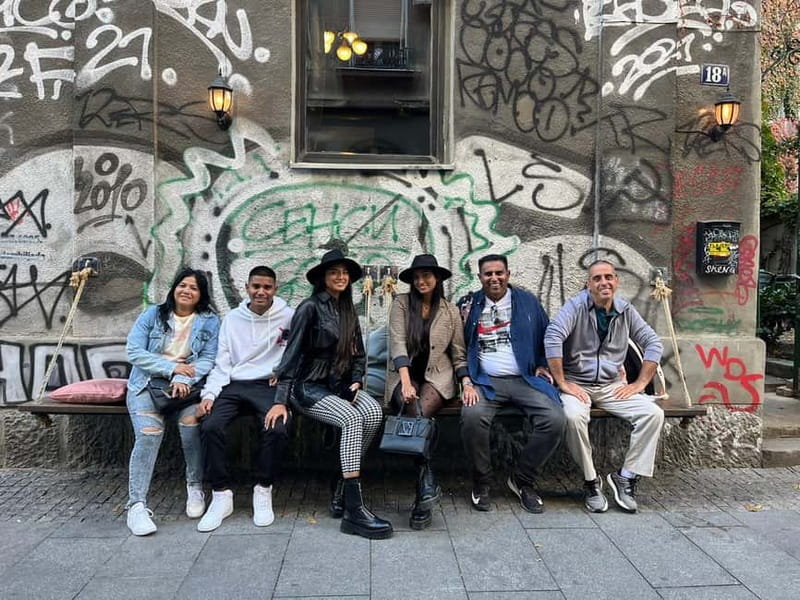
The food stops create easy conversation within the group. With a maximum of 10 people, the setting is small enough for questions and casual discussion without feeling like a large procession through the city.
A few more street food tours around the world worth a look
- Reykjavik Food Walk – Local Foodie Adventure in Iceland
★ 5.0 · 18,952 reviews - Dubai: Old Town, Creek, Museums, Souks, & Street Food Tour
★ 4.8 · 10,816 reviews - Ho Chi Minh City Street Food Tour & Sightseeing By Motorbike
★ 5.0 · 9,413 reviews - Medellin: Comuna 13 Graffiti Tour, Cable Car & Street Food
★ 4.8 · 9,046 reviews
Goulash, fish, truffles, and a wide tasting list
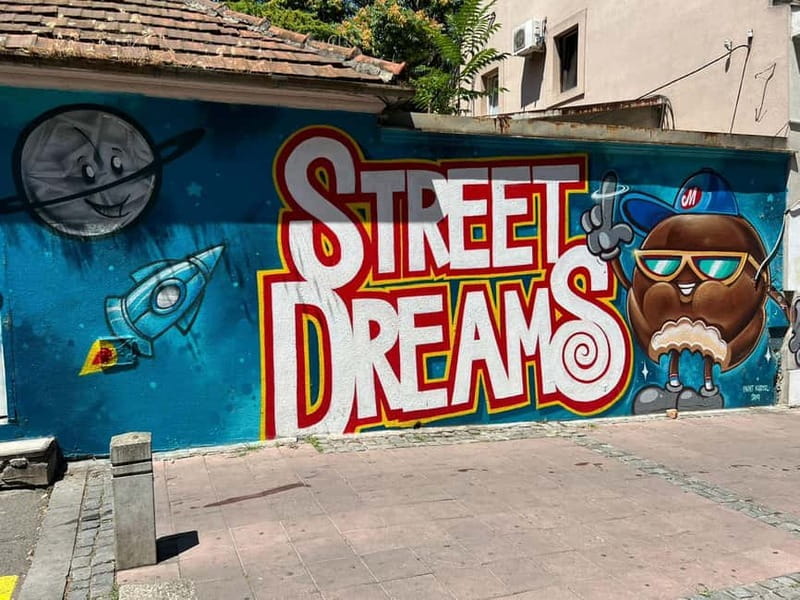
The tour does not stay with one style of food. You may try goulash with a Serbian twist, fish, truffle spread, honey products, fresh fruit, and sweets. That range is one of the strongest reasons to consider the tour.
A tasting list this broad helps correct the idea that Serbian food is only grilled meat and heavy stews. Meat certainly has an important place, but the tour also includes dairy, fruit, fish, honey, pastries, and sweet dishes.
The goulash is a good example of regional overlap. Similar dishes appear across Central and Southeast Europe, yet local ingredients and habits change the final result. The guide’s job is to explain those connections without turning the meal into a history lecture.
The truffle spread is another change of pace. It brings a more modern or specialty-food note into a tour otherwise focused on familiar Serbian and Balkan ingredients. Honey products and fresh fruit provide lighter tastes between the heavier plates.
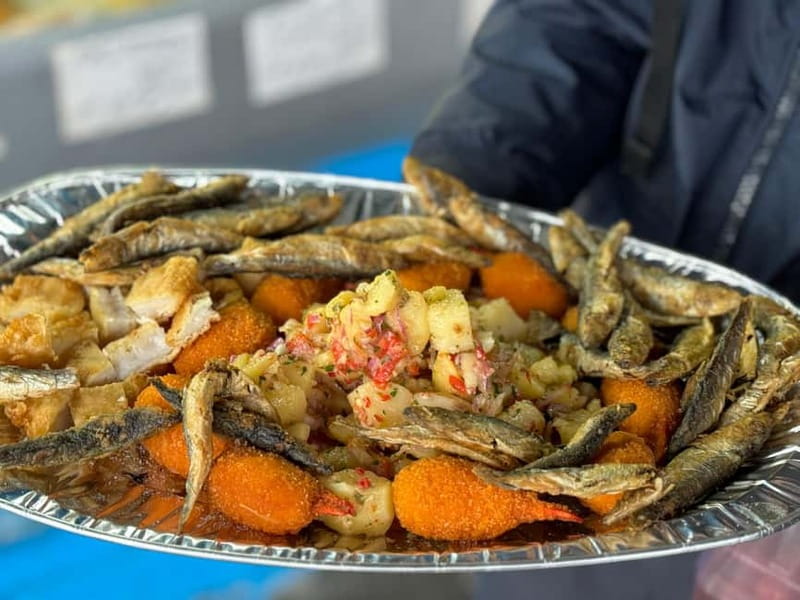
Expect the food to be copious. One detailed account of the route included burek, yogurt, ćevap, rakia, cheese and meat, fruit, fish, truffle, goulash with kidneys, and a great deal of kajmak. That is useful preparation: do not plan a full dinner immediately afterward.
The guide turns food into a city lesson
Food tours work best when the guide explains why a dish matters. Here, the context covers Austrian, Turkish, Hungarian, and Bulgarian influences, along with links between Serbia and nearby Balkan countries.
Davor is particularly associated with historical explanations. He connects dishes to regions and past relationships between countries, helping you see why similar foods appear across borders. Yair adds personal anecdotes and keeps the tone friendly and informal.
I would choose this tour early in a Belgrade visit if you want help deciding what to eat for the rest of your stay. You get an introduction to local flavors, a list of restaurants for later, and enough background to order with more confidence.
The information is not limited to food names. The best moments come when a dish becomes a clue to movement, trade, occupation, or family tradition. That makes the route useful even if you are not especially interested in cuisine.
Allergies, dislikes, and the pace of the route
Food tours require some planning if you have allergies or strict dietary limits. The guide has provided alternatives for participants with allergies or strong dislikes, but you should explain your needs before the tour begins.
Do not assume every tasting can be replaced. The advertised selection includes meat, pork, dairy, fish, alcohol, and wheat-based pastries. If you cannot eat one of those categories, ask ahead about suitable alternatives.
The group size helps here. A maximum of 10 people gives the guide a better chance to notice individual needs and make adjustments. It also means you can ask what a dish contains before tasting it.
The pace is active enough to keep the route moving, but the main challenge is the amount of food. Wear comfortable shoes because you will walk between stops, and leave room in your schedule for a long meal experience rather than a quick snack break.
Is $69 a fair price?
At $69 per person, this is not the cheapest way to grab food in Belgrade. It is also not comparable to buying one burek or a plate of grilled meat on your own.
The value comes from the combination of more than 20 tastings, drinks, a guide, a walking route, cultural context, and restaurant suggestions for later. If you tried to reproduce the full range independently, you would need to find many different places and decide what to order without the guide’s explanations.
The small group improves the value. You are not paying only for samples. You are paying for access to a planned route and a person who can explain the food, answer questions, and adjust the experience when possible.
I would consider the price reasonable for a first day in Belgrade, especially if you enjoy trying many foods and want a quick introduction to Serbian eating culture. It is less appealing if you prefer one long meal, avoid alcohol, or already know exactly which restaurants and dishes you want to try.
Who should book this Belgrade food tour?
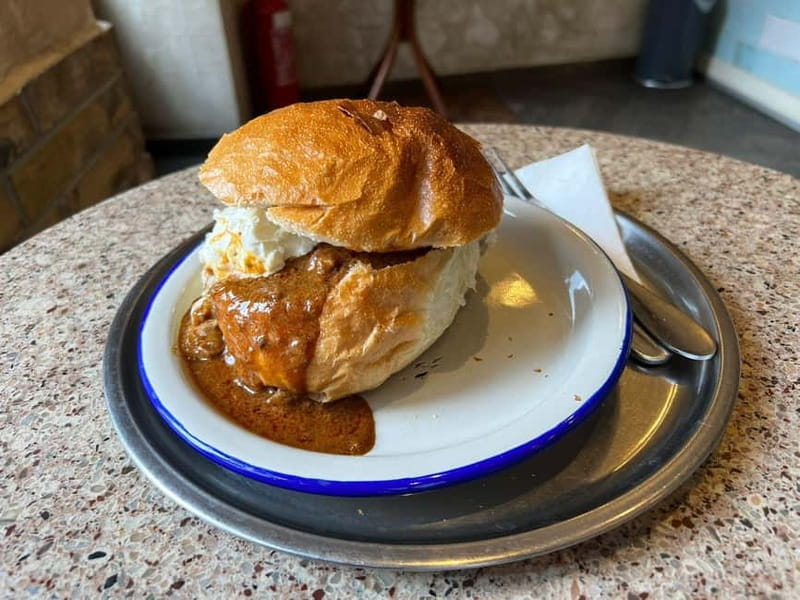
I would recommend it to first-time visitors who want a practical introduction to the city. It suits curious eaters, couples, small groups, and families with adults who are happy to sample unfamiliar foods.
It is also useful for anyone who wants history attached to the meal. The guides do more than point out ingredients, especially when Davor is leading the group.
You should book with realistic expectations. This is a walking tour with many samples, not a quiet restaurant dinner. The food is varied and sometimes rich, the rakia is part of the experience, and the schedule may feel full if you eat large portions at every stop.
I would skip it if you need a tightly controlled diet or dislike shared tasting formats. I would also avoid booking it directly after another large meal. The advice is simple: start hungry, wear comfortable shoes, and tell the guide about allergies before tasting.
Finishing near Old Town with places to eat next
The tour ends in Belgrade Old Town, close to the pedestrian zone. That location is convenient because you can continue exploring on foot afterward rather than arranging transport back to a distant meeting point.
You also receive a list of local restaurants. This is one of the most useful practical benefits. After tasting such a broad selection, you will have a better idea of which foods you want to order again and which kinds of places suit your budget and appetite.
The list does not replace independent research, but it gives you a starting point for later meals. I would keep it on your phone and use it to plan one or two dinners after the tour.
Should you book it?
Book this tour if you want a broad first taste of Belgrade, a small group, and a guide who connects food with local and regional history. The combination of 20 or more tastings, rakia, bakeries, markets, street art, and restaurant advice makes the $69 price easier to justify.
Yair and Davor bring different strengths, with warmth, personal stories, and historical context all part of the experience. The main caution is the quantity of food and the presence of meat, dairy, wheat, fish, and alcohol.
For most visitors, I would schedule it early in the Belgrade stay. You will learn what to order, discover areas beyond the main sights, and finish with a much clearer sense of how Serbian food fits into the wider Balkans.
FAQ
How long does the Belgrade food tour last?
The tour lasts 3.5 hours.
How many tastings are included?
The experience includes more than 20 food and drink tastings.
What foods and drinks might I try?
Possible tastings include pastries, cured meats, čvarci, sausages, village cheeses, truffle spread, goulash, honey products, fresh fruit, fish, sweets, and rakia.
Where is the meeting point?
Meet at the entrance of Hotel Moskva.
What language is the tour conducted in?
The live tour guide speaks English.
How large is the group?
The tour is limited to 10 participants.
Is food and drink included in the price?
Yes. The guide, food, and drinks are included.
Can I cancel for a full refund?
You can cancel up to 24 hours in advance for a full refund. You can also reserve now and pay later.
Just added around the world
- 1 Istanbul Tour: Highlights, Street Food & Hidden Pearls★ 5.0 · 9 reviews
- Hyderabad Street Food Crawl (2 Hours Guided Food Tasting Tour)★ 4.0 · 5 reviews
- Evening Hyderabad Street Food Walk with Hyderabad Biryani★ 4.5 · 24 reviews
- Japanese Street Food Class in Beech Grove★ 5.0 · 9 reviews
- Small-group Street food tour in Ischia★ 3.5 · 2 reviews
- Hyderabad : Evening Street Food Tasting with Guided Old City Tour★ 5.0 · 10 reviews
- Hyderabad Street Food Experience with Local Expert★ 4.5 · 2 reviews
- Hue Street Food On Foot (Daily Tour – Group Tour | 12 pax max)★ 5.0 · 15 reviews
Street Food & Wine Tastings, compared.
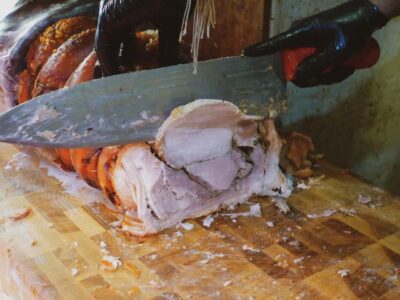
Rome: Guided Food Walking Tour with Wine in Trastevere
Read our review →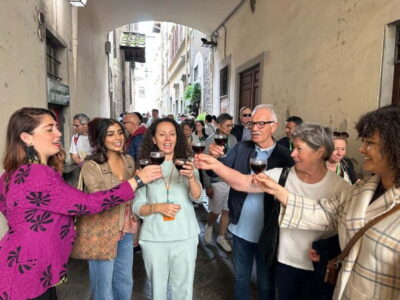
Florence: Street Food Tour with Wine & Local Guide
Read our review →
Food Market Visit and Cooking Class with Wine
Read our review →
Venice: Eat Like a Local Food Tour with Wine & Spritz
Read our review →

Trevi Fountain, Pantheon, and Campo Dei Fiori Market Food and Wine Tour
Read our review →
Rialto Market Food and Wine Lunchtime Tour of Venice
Read our review →Browse the lists this tour appears in