
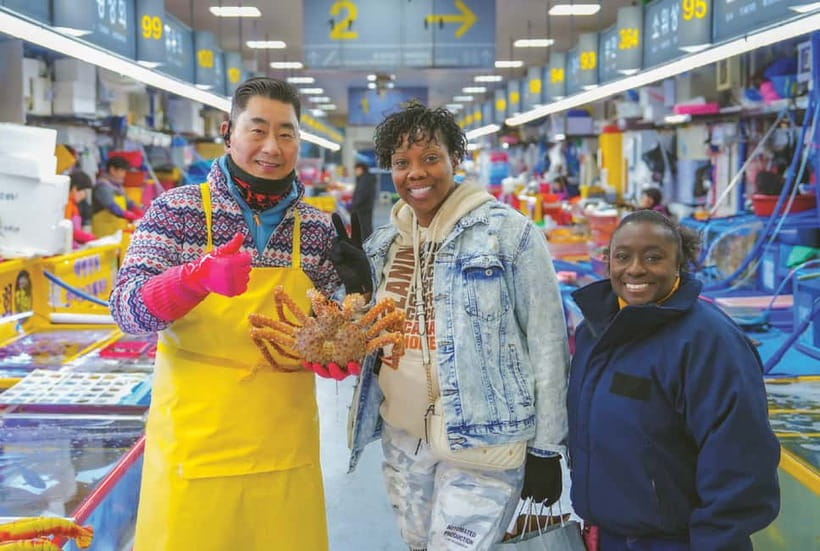
REVIEW · STREET FOOD MARKET TOURS
Busan: Gukje and Jagalchi Market Food Tour with Tastings
Busan’s best food stories are told beside a hot griddle or a tank of live seafood, and this two-hour market walk puts you right in the middle of both. You’ll move from Gukje Market’s maze of food stalls to Jagalchi Market, where generations of fishmongers have built their trade around the sea.
I like the mix of street snacks and seafood, since you get more than a quick sampling of one dish. I also like the guides’ personal approach. Katrina, Naon, and David are singled out for their stories, local knowledge, and willingness to adjust tastings to your interests. The main drawback is that the tour is not suitable for wheelchair users or people with food allergies, and the exact range of tastings can depend on what you ask your guide to try.
Key points
- Two famous markets in one evening: Walk through Gukje Market and Jagalchi Market during a compact two-hour tour.
- Tastings shaped by your appetite: Ask your guide about the street foods and handmade specialties you want to sample.
- Fresh seafood at Jagalchi: Learn about fishmongers and the option to have seafood prepared for you.
- Strong guide lineup: Katrina, Naon, and David are noted for warm service, useful stories, and local food knowledge.
- Easy central meeting point: Meet at Jagalchi Station Exit 7 at 4:50 p.m.
- Good value for food-focused visitors: At $50 per person, the price covers the guide, cultural explanation, and Gukje Market tasting, while personal purchases are extra.
Gukje Market, where Busan eats in the open air
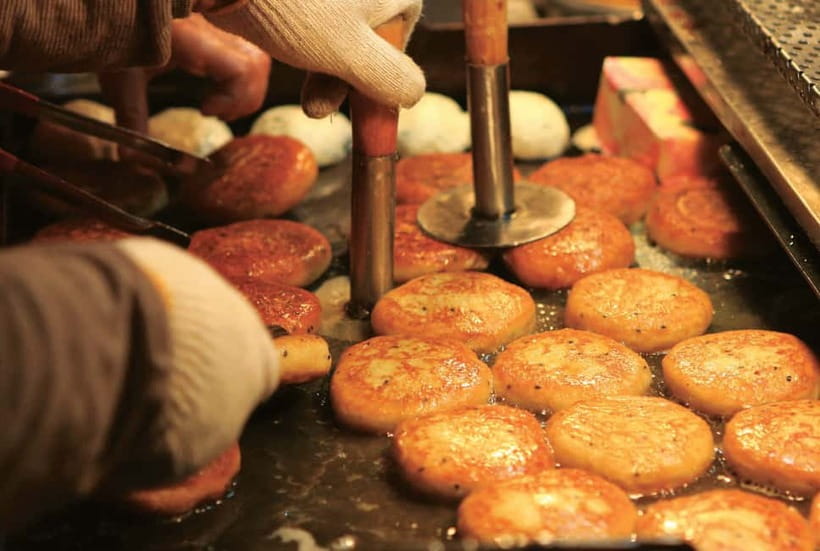
I like starting with Gukje Market because it gives you a broad look at Busan’s everyday food culture. This is not a polished dining hall built for tourists. You’ll walk through narrow market lanes where food stalls, shops, and old trade routes overlap.
The setting matters. Gukje is known for its maze-like alleys and long connection to Busan’s working life. Your guide explains the background of familiar Korean snacks and points out handmade specialties that can be easy to miss when you are wandering alone.
The tour does not treat food as a simple checklist. You can ask what looks good, what is traditional, or what makes sense for your comfort level. One useful feature is the flexible tasting approach: the guide can help you choose among different street foods instead of handing every person the same fixed plate.
That flexibility is especially useful if you have already tried Korean barbecue, bibimbap, or fried chicken. Market food gives you another side of the country’s cooking, with small portions, quick preparation, and recipes tied to local routines.
You should expect the market to feel active and crowded at times. Keep your group close, watch your step, and allow your guide to handle the flow around stalls. Comfortable shoes are not optional here. Two hours on hard pavement and through tight lanes can feel long in thin sandals.
More Street Food Market Tours in South Korea
- Seoul Street Food Market Tour
★ 5.0 · 1,226 reviews - Seoul: Night Market Food Tour with Local Guide
★ 4.9 · 943 reviews - Busan: Food Market Tour, Smash Seafoods and Street Foods
★ 4.8 · 80 reviews
Handmade snacks and the stories behind them
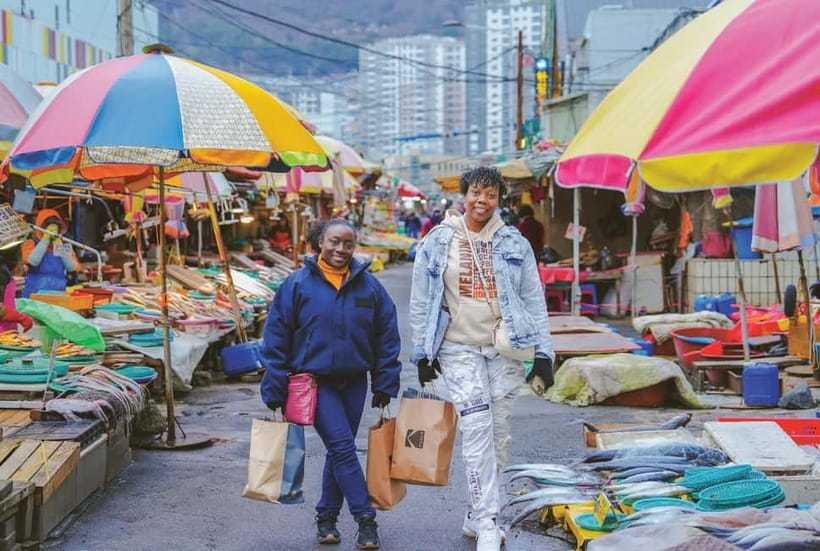
The food at Gukje Market is only half the point. The other half is learning why certain snacks matter to Busan and how they fit into Korean food life.
Your guide can explain the ingredients, preparation, and local background of the foods you taste. The details are useful because many market snacks look unfamiliar at first glance. A guide helps you understand what you are holding, how to eat it, and what sort of flavor or texture to expect.
I particularly like this part for first-time visitors to South Korea. You may recognize a few dishes, but a market tour gives you the confidence to point at something new and ask about it. That small step can turn a walk through a food market into a more personal meal.
The guides also bring different strengths. Katrina is described as accommodating and full of stories. Naon is praised for being friendly and clear, while David is noted for his passionate introduction to popular street foods. Guide assignments can vary, but these names give you an idea of the warm, conversational style to expect.
Because the tour lasts only two hours, do not expect a full meal at every stop. Think of it as a guided tasting walk. You will sample several foods, but your appetite and choices will shape how much you eat.
Jagalchi Market and Busan’s seafood culture
The second major stop is Jagalchi Market, Korea’s largest seafood market. Here the focus shifts from prepared snacks to the sea that has shaped Busan’s identity.
Jagalchi can be a strong contrast to Gukje. You’ll see fresh seafood stalls and hear about the work of fishmongers whose families have been connected to the market for generations. The guide adds context to what you are seeing, so the market becomes more than a row of seafood counters.
This is the point where the tour is most useful for visitors who might otherwise feel unsure about ordering seafood in Korea. You can ask what is available and how it is normally prepared. The guide helps bridge the gap between looking at unfamiliar ingredients and deciding what you want to try.
Fresh fish can be cooked for you at the market, according to the tour information and guide-led tasting approach. Confirm with your guide what is included and what you need to pay for separately before ordering. Personal expenses are not included, so you should carry money for anything beyond the covered tasting.
That detail is important. The $50 price includes the local guide, cultural explanation, and food tasting at Gukje Market. It does not mean every seafood purchase at Jagalchi is covered. If you want a larger seafood serving, treat it as an optional personal expense rather than part of the basic tour price.
For seafood lovers, this optional step may be the best value of the evening. You are not simply buying a dish. You are getting help with a market purchase and the chance to eat seafood in the place where it is sold. For people with allergies or strong food restrictions, however, this part requires caution. The tour is not suitable for people with food allergies.
What the two-hour route feels like
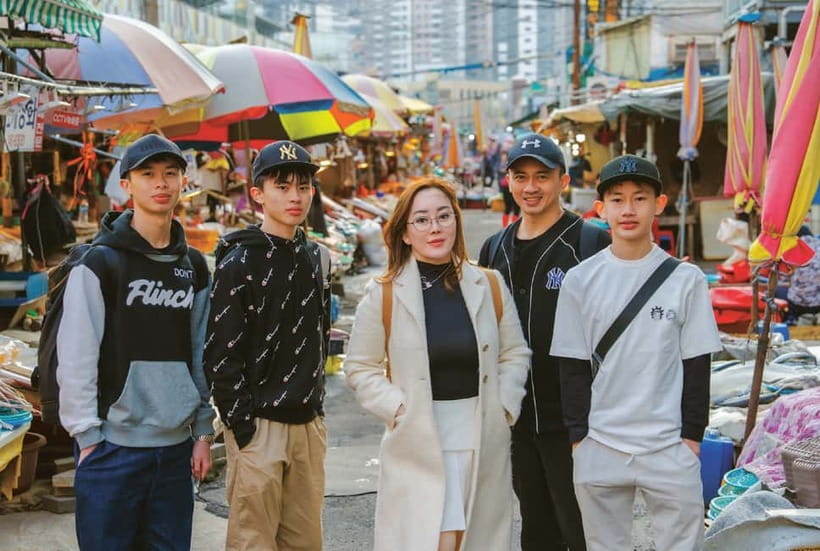
The meeting point is Jagalchi Station Exit 7 at 4:50 p.m. That location is practical because it puts you near the seafood market and within reach of Gukje Market. Arrive with enough time to find the correct exit and settle in before the group moves off.
The route combines walking, standing, looking, and eating. You will not be sitting in one restaurant for most of the tour. Instead, the experience unfolds at market pace, with short stops around stalls and food counters.
I would plan your earlier meals carefully. You want enough appetite to taste several things, but you do not want to arrive overly hungry if you are unsure about seafood or strong flavors. Since portions and choices can vary, a light meal before the tour is a sensible plan.
The 4:50 p.m. start also gives the tour an evening feel. The markets are a natural fit for late-day eating, and the timing lets you continue exploring Busan afterward. It is easy to treat the walk as a first meal stop, then choose a restaurant later if you still want more.
The pace may not suit everyone. If you like long, slow stops at each stall, two hours can pass quickly. If you have trouble walking or standing, the narrow market lanes and lack of wheelchair suitability are serious considerations.
More Market Food Tours in South Korea:
- Busan history and market food tour with local chef
★ 5.0 · 58 reviews - Busan Local Food Cooking Class with Market Tour
★ 5.0 · 53 reviews - Mangwon Market Food tour By Locals; Cheap Eats to Fancy Feast
★ 5.0 · 38 reviews - Seoul: Namdaemun Market Food Tour
★ 4.9 · 34 reviews
How much food do you actually get?
This is a tasting tour, not a fixed restaurant menu. At Gukje Market, you sample local foods and handmade specialties with help from your guide. You can ask what you want to try, which makes the experience more personal than a rigid set menu.
That also means the final amount of food is not perfectly predictable. One person may focus on snacks, while another may want to spend more time on seafood. If you have a large appetite, plan to buy an extra meal later.
The value comes from the combination of food and interpretation. You are paying for access to a local guide who can explain the stalls, translate the food culture, and help you make choices. If you already know Busan’s markets well and feel comfortable ordering on your own, the $50 may seem less attractive.
For a first visit, I think the price is easier to justify. You get a focused introduction to two major markets without spending hours trying to work out where to go or what to order. The cultural background also gives more meaning to each bite.
Remember that personal expenses are not included. Bring extra money if you want additional food, seafood, or market purchases. Water is also worth carrying, especially in warm weather.
The guides make the difference
A market tour lives or dies by its guide. Here, the strongest part of the experience is the human element.
Katrina is described as accommodating and full of stories. That matters in a market because your questions and appetite may change as you walk. A guide who can adjust the route or tasting choices makes the experience less mechanical.
Naon is also associated with a friendly, informative approach. David is praised for introducing popular street foods with passion. These details suggest that the best part of the tour is not simply being led from one stall to the next. It is having someone explain why a food is popular and how it fits into Busan life.
The tour is offered in English and Korean. For English-speaking visitors, that removes much of the uncertainty that comes with ordering in a busy market. You can focus on tasting and watching the action instead of trying to manage every exchange alone.
Still, your guide’s specific style may shape the evening. Guide assignments can change, and a food tour is naturally more social than private. If you want a quiet, highly controlled itinerary, this may feel loose. If you enjoy asking questions and letting the market set the rhythm, it should suit you well.
Practical tips for a smoother market walk
Wear comfortable walking shoes. The tour uses market lanes, and you will likely spend much of the time on your feet.
Bring a hat, sunscreen, and water. The tour notes advise preparing for changing weather, and parts of the market experience may expose you to outdoor conditions. A camera is useful, but ask before photographing vendors or close-up food preparation.
Be polite around stalls. Do not block a counter while deciding, and follow your guide’s advice about where to stand. Respect for vendors is part of good market manners, especially when you are sampling food in a working commercial setting.
If you have allergies, this is not the right tour. The experience is not suitable for people with food allergies, and a market tasting environment may make it difficult to control ingredients or avoid cross-contact.
The tour is also not suitable for wheelchair users. Narrow lanes, standing, and market conditions can make access difficult.
The cancellation policy gives you some useful flexibility: you can cancel up to 24 hours before the tour for a full refund. You can also reserve now and pay later, which helps if your Busan plans are still moving around.
Who should book this Busan food tour?
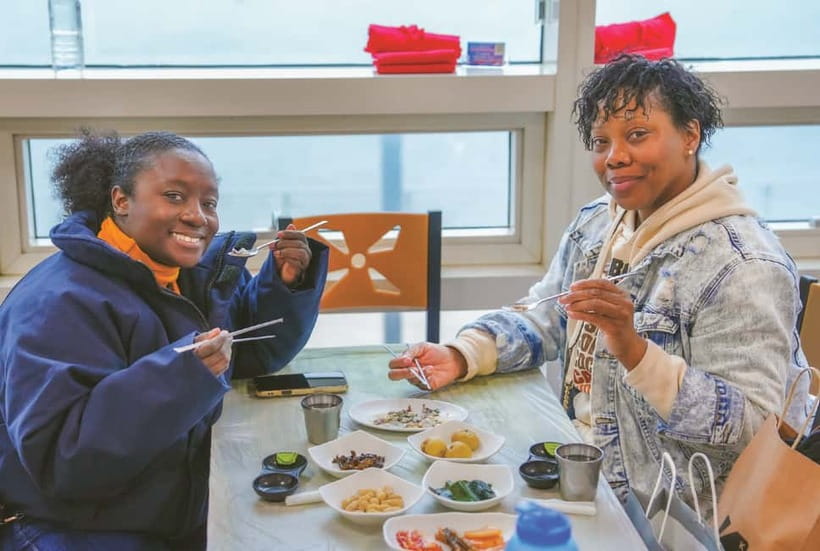
I would recommend it most strongly to first-time Busan visitors who want an introduction to local food without committing to a long formal meal. It suits curious eaters, seafood fans, and anyone who enjoys learning the story behind a dish.
It is also a good choice if you are nervous about visiting Jagalchi Market alone. The guide gives you a starting point, explains what you are seeing, and helps you decide what to taste.
You may want to skip it if you have serious food allergies, need step-free access, or prefer a carefully fixed menu. It is also less suitable if you want a large dinner included in the ticket price.
At $50, the tour offers fair value when you count the guide, market orientation, Gukje tasting, and cultural explanation. Keep extra money aside for optional seafood or other purchases. The strongest reason to book is not the quantity of food. It is the chance to make sense of two major Busan markets in a short, well-organized walk.
Should you book it?
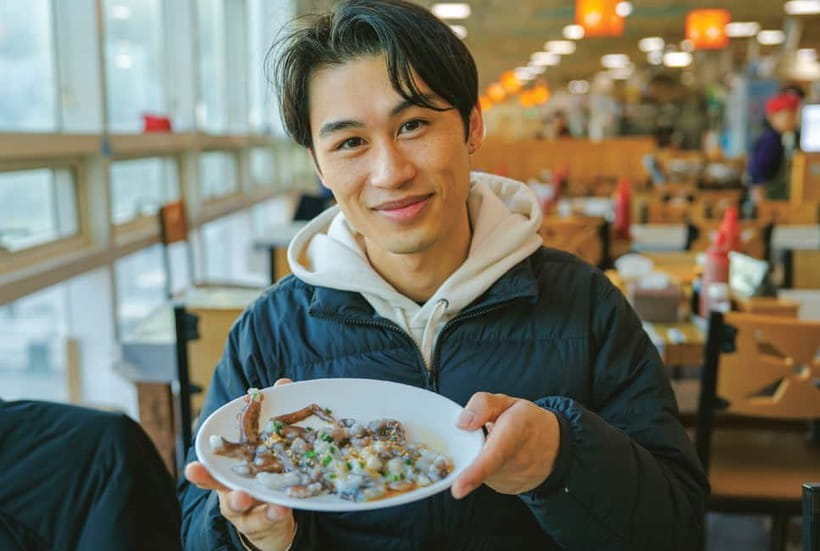
Book this tour if you want Busan’s food culture explained as you taste it. Gukje Market gives you handmade snacks and everyday street food, while Jagalchi adds the seafood traditions that define the port city.
I would book it early if this is your only market visit, then arrive hungry enough to sample several things but prepared to buy extra food if needed. Choose another activity if accessibility or food allergies are concerns. For most food-focused visitors who enjoy a guide’s stories and do not mind walking, this is a practical way to meet Busan through its markets.
FAQ
Where does the tour meet?
The meeting point is Jagalchi Station Exit 7.
What time does the tour start?
The listed meeting time is 4:50 p.m.
How long does the tour last?
The tour lasts two hours.
Which markets are included?
The route visits Gukje Market and Jagalchi Market.
What food can I taste?
You can sample local street food, handmade specialties, and seafood. The exact choices can depend on what you ask your guide to try.
Is seafood included?
The tour includes food tasting at Gukje Market. At Jagalchi Market, you may have the option to choose fresh seafood and have it prepared, but personal expenses are not included.
Are food and drinks included in the price?
A food tasting at Gukje Market is included. Personal expenses are not included, so extra food or seafood purchases may cost more.
What languages are available?
The tour is offered in English and Korean.
Is the tour suitable for wheelchair users?
No. The tour is listed as unsuitable for wheelchair users.
Can people with food allergies join?
No. The tour is listed as unsuitable for people with food allergies.
What should I bring?
Bring comfortable shoes, a hat, a camera, sunscreen, and water. You should also prepare for changing weather.
Can I cancel for a refund?
You can cancel up to 24 hours in advance for a full refund. The activity also offers a reserve now and pay later option.
Just added around South Korea
- Busan Local Food Cooking Class with Market Tour★ 5.0 · 53 reviews
- Jagalchi Sunset Cruise and Night Market Tour in Busan★ 3.5 · 2 reviews
- Visit Busan night market and enjoy the night view of Busan harbor★ 5.0 · 6 reviews
- Busan: Food Crawl with Fish Market, Soju Tents & Local Snacks★ 5.0 · 8 reviews
- Busan Food Market Tour Seafoods and Street Foods★ 5.0 · 8 reviews
- Busan history and market food tour with local chef★ 5.0 · 58 reviews
- Taste hidden street food in Seoul with a 2.5h food tour★ 4.4 · 12 reviews
- Suwon: Baseball Game with Fortress and Local Food Tour★ 5.0 · 3 reviews
Street Food Market Tours, compared.
Tokyo Tsukiji Fish Market Food and Culture Walking Tour
Read our review →
London Bridge & Borough Market Food Tour with 7 Authentic Dishes
Read our review →
Tokyo: Tsukiji Fish Market Food and Walking tour
Read our review →
Small Group Cooking Class & Market Food Tour in Florence
Read our review →
Tokyo: Tsukiji Fish Market Guided Walking Tour
Read our review →
Nishiki Market Brunch Walking Tour (7 Tastings + Brunch)
Read our review →
Food Market Visit and Cooking Class with Wine
Read our review →Browse the lists this tour appears in