

REVIEW · STREET FOOD WALKING TOURS
Durrës City Food Walking Tour with Local Tastings
Durrës reveals itself bite by bite on this three-hour walk. You move from the Aleksandër Moisiu Theatre through the city’s food stops and historic center, tasting Albanian dishes while your local guide, often Aleksandra, explains how Roman, Byzantine, and Ottoman rule shaped the city. The food is the main event, but the history gives each plate a useful sense of place.
I like the mix of small local eateries and major sights, especially the chance to pair a Roman Amphitheatre visit with traditional dishes such as tavë dheu and fërgesë. I also like the personal scale. Aleksandra is praised for taking questions, adjusting the pace, and making time for conversation. The main thing to consider is that the guide may need to pause and face the whole group when explaining things, since one person found it harder to hear while walking.
Key points at a glance
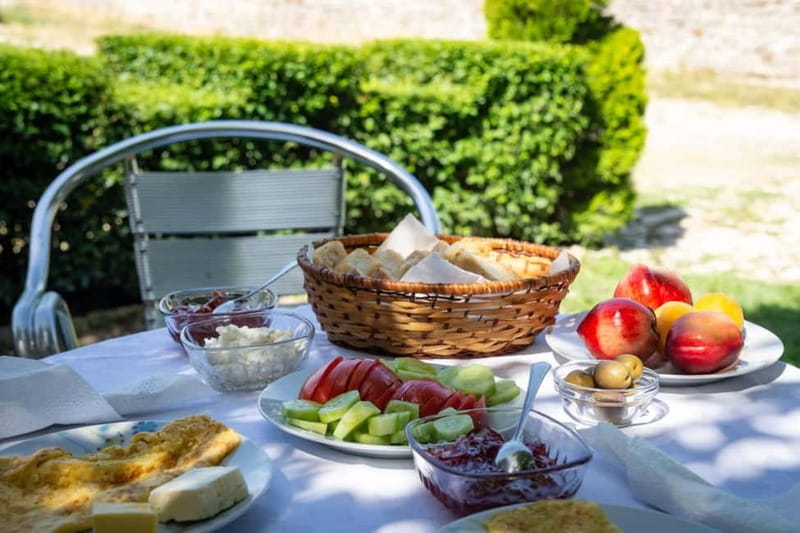
- A three-hour introduction to Durrës: The route combines food, landmarks, coffee, wine, and local stories without taking a full day.
- Classic Albanian plates: Expect tastings connected with tavë dheu, fërgesë, qofte, baklava, cheese, and other local specialties.
- A guide-led look at local life: Aleksandra has been praised for her friendly manner, clear explanations, and willingness to answer questions.
- History between meals: The walk includes the Roman Amphitheatre, Venetian Tower, markets, cafés, and other city sights.
- Small-group feel: The format is designed to make conversation easier and the route more personal.
- A filling outing: The portions and tastings can add up to a substantial meal, so plan accordingly.
Why a food walk is a smart first look at Durrës
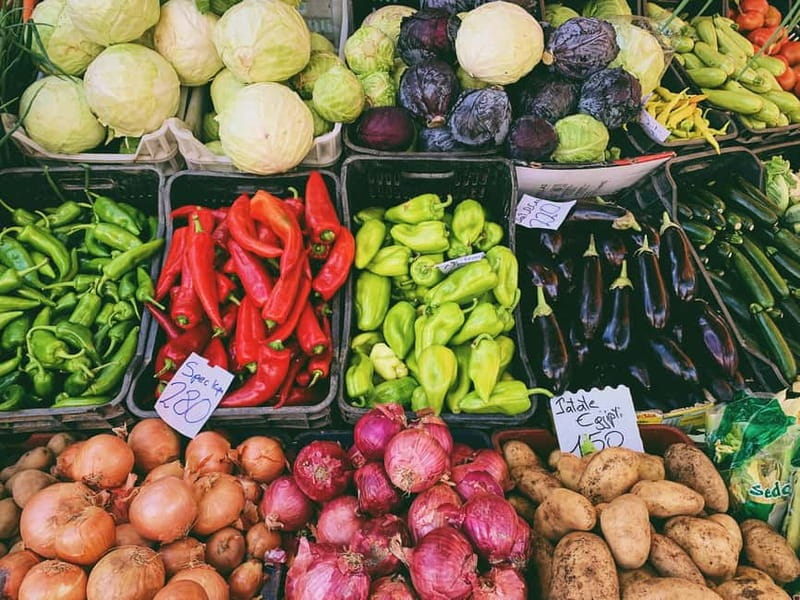
Durrës is easy to reduce to a seaside stop, but its food and old streets tell a broader story. This tour gives you a useful first orientation by linking what you eat with where you are. A dish is not treated as a random sample. It becomes a starting point for learning about Albanian customs, family cooking, and the city’s changing past.
That approach suits me because food tours work best when they explain the setting rather than simply hand you a plate. Here, the route includes local markets, cafés, family-run eateries, and less obvious food stops. You get a look at the places people use for daily eating, not just a polished restaurant designed for passing visitors.
The three-hour length is also practical. You have enough time for several tastings and a proper walk, but the tour will not swallow your whole day. If you have only a short stay in Durrës, it can serve as both an introduction to the city and a generous first meal.
The stated price is $69 per person. That is not a cheap snack crawl, but it can be fair value if the tastings are substantial and you want a guide to combine food, history, and sightseeing. Your fee covers the walking tour, English-speaking guide, traditional food tastings, and visits to important landmarks. Extra food and drinks are not included, so leave room in your budget if a particular dish, coffee, or glass of wine tempts you.
More Street Food Walking Tours in the world:
- Reykjavik Food Walk – Local Foodie Adventure in Iceland
★ 5.0 · 18,952 reviews - Naples: Street Food Walking Tour with Local Guide
★ 4.9 · 4,976 reviews - Private Street Food Evening Walking Tour in Ho Chi Minh City
★ 5.0 · 3,175 reviews
Starting at the Aleksandër Moisiu Theatre
The meeting point is in front of the Aleksandër Moisiu Theatre on Main Iliria Square. This gives you a clear central place to begin, rather than asking you to find a restaurant tucked down an unfamiliar lane.
Arrive ready to walk and look for the guide near the theatre. The route returns to the same location after three hours, which is useful if you have onward plans or want to continue sightseeing from a known point.
The square is also a sensible place to get your bearings. From here, the walk moves into Durrës District, where the food stops and city sights are spread through the urban center. The route includes time for photographs, free time, coffee, wine, cheese, and food tasting, though the exact order of stops can vary.
Because this is a walking tour, wear comfortable shoes. The program does not describe private transportation, so you should expect to cover the route on foot. Durrës can be lively, and a walking format lets you notice small details that disappear from a vehicle.
Roman stones, Venetian walls, and Albanian plates
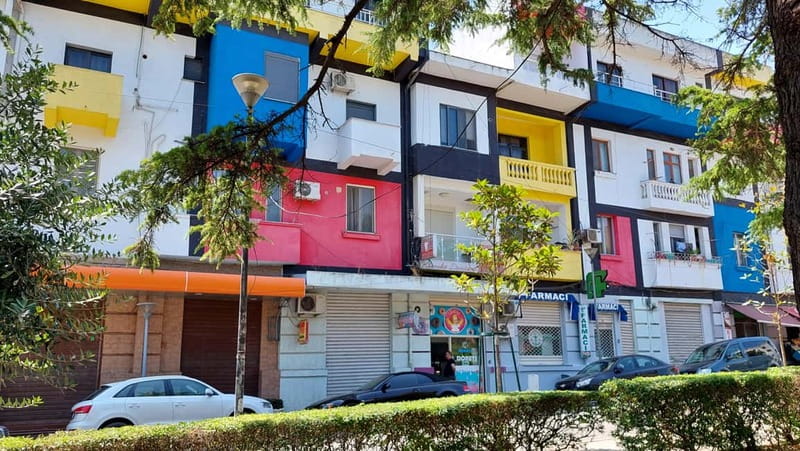
One of the tour’s strongest ideas is the contrast between old monuments and ordinary places to eat. The Roman Amphitheatre gives you a direct connection with ancient Durrës. The Venetian Tower adds another layer, reminding you that the city’s strategic position kept it important long after Roman rule.
The guide also discusses the Byzantine and Ottoman periods. That historical range matters because Albanian food did not develop in isolation. Ingredients, techniques, trade routes, and household habits changed over centuries. You do not need a long lecture to appreciate this, but a few well-placed stories can make a meal more memorable.
Expect the landmarks to be part of a moving city walk rather than a long archaeological visit. The itinerary allows for visits, photographs, and guided commentary, but it does not promise extended entry time at every site. If your main goal is a detailed study of the Roman Amphitheatre, book a dedicated history visit separately.
I like this balance. You get enough context to understand Durrës, then return to the more immediate pleasure of eating. The city is not just a backdrop for lunch, and lunch is not just fuel between monuments.
Tavë dheu, fërgesë, qofte, and sweet finishes
The food is built around familiar Albanian favorites. Tavë dheu is a hearty baked dish traditionally associated with clay cookware and rich, comforting flavors. Fërgesë is another well-known Albanian preparation, often made with peppers, tomatoes, and cheese. The exact recipe and serving style may differ from one kitchen to another, which is part of the appeal of tasting food in local settings.
Qofte bring a savory, everyday element to the table. These Albanian meatballs are the kind of food that helps you understand how a cuisine works at home, not only at formal celebrations. Cheese, wine, coffee, and other small tastings add variety as the walk continues.
Baklava provides a sweet finish. It is familiar across much of the Balkans and eastern Mediterranean, but local versions can differ in texture, sweetness, and spice. Having it alongside the guide’s cultural explanations gives you something more useful than a list of dishes. You begin to notice how Albanian cooking connects with the wider region while retaining its own habits.
The activity description promises traditional dishes, but it does not provide a fixed menu or exact portion sizes. That matters if you have allergies, dietary restrictions, or a very specific food wish. Ask before booking if you need confirmation about ingredients. Extra food and drinks cost more, and some tastings may be small while others contribute to a full meal.
One practical point: eat lightly before you arrive. The combination of savory dishes, cheese, sweets, coffee, and wine can be more filling than the word tasting suggests. One session was described as generous enough that nobody left hungry.
More City Tours in the world:
- Ho Chi Minh City Street Food Tour & Sightseeing By Motorbike
★ 5.0 · 9,413 reviews - Top Notch Street Food Motorbike Tour In Ho Chi Minh City
★ 5.0 · 2,667 reviews - Private Street Food Motorbike Tour in Ho Chi Minh City
★ 5.0 · 2,180 reviews - Super Niche Walking Street Food Tour in Ho Chi Minh City
★ 5.0 · 1,636 reviews
Family-run stops away from the obvious tourist path
A food walk earns its price by taking you to places you might not find on your own. This tour focuses on local cafés, markets, family-run eateries, and less visible food spots. Those stops give you a better chance to see how Durrës eats between sightseeing appointments.
Do not expect every stop to look polished or designed for an international audience. That is usually a strength, although it also means the experience may feel less controlled than a restaurant meal. The guide is the person who connects the stops and helps explain what you are trying.
I especially value the market element. Markets show ingredients before they become dishes, and they offer a sense of the city’s daily rhythm. You may see products used in the recipes you later taste, though the available information does not promise a specific market or a cooking demonstration.
The route also includes cafés and wine tasting. These pauses break up the walk and give you time to ask questions. They can also make the pace feel relaxed rather than like a race from one plate to the next.
Aleksandra’s calm, personal guiding style
Aleksandra has led this experience with a friendly and patient manner. She explains the city and country, answers questions, and makes room for conversation beyond the prepared route. That is valuable on a short tour because you can steer some of the discussion toward subjects that interest you, from food customs to local history.
Her calm approach also helps if your schedule goes wrong. A delayed arrival was handled without fuss, allowing the visitor to enjoy the tour despite travel problems. That does not guarantee every timing issue can be accommodated, but it suggests a degree of flexibility in the way the tour is conducted.
The guide’s age is not a measure of quality, but one participant specifically noted how much Aleksandra knew and how easily she handled questions. Other comments praised her explanations and her ability to make the walk feel varied rather than rushed.
There is one useful caution about group guiding. If the guide talks while everyone is moving, people at the back may miss some of the detail. One person found it easier when the guide stopped and addressed the group. Stay near the guide, and politely ask for a pause if you cannot hear. That simple habit can make the historical sections much better.
How the three hours are likely to feel
The tour begins with introductions at Main Iliria Square, then moves through Durrës District with guided commentary and food stops. You will have time for photographs, scenic views along the route, and free time within the three-hour schedule.
The middle of the experience is the key stretch. This is where the city sights and tastings work together. You may hear about Roman, Byzantine, and Ottoman Durrës near a landmark, then move to a café or family-run spot for a dish tied to Albanian home cooking.
The program ends back at the Aleksandër Moisiu Theatre. Since the route is only three hours, it is easy to fit before another activity. It also works well early in a visit because the guide can point out places you may want to return to for another meal.
Do not expect a full restaurant service at every stop. This is a walking tour with tastings, not a seated multi-course lunch. Still, the food selection can be substantial, so you should not treat it as a light appetizer outing.
Who gets the most from this Durrës tour
This is a good choice if you want an introduction rather than a specialist food course. First-time visitors can see central landmarks, learn basic historical context, and try several Albanian dishes without having to plan every stop themselves.
It also suits anyone with only a day in Durrës. The tour gives structure to a short visit and helps you avoid spending your limited time guessing which restaurants are worth your attention. If you are staying near the center, the theatre meeting point is straightforward.
The experience is especially useful for curious eaters who like stories with their meals. The food is traditional, but the guide’s explanations are just as important as the tastings. You will get more from it if you ask questions and stay open to dishes you may not recognize.
Families and mixed-interest groups can also find a good balance here. Someone interested in archaeology gets the Roman Amphitheatre and Venetian Tower, while someone focused on food gets local dishes, cheese, coffee, and wine. The walking requirement is the main consideration for anyone who dislikes being on foot for three hours.
You may want a different activity if you need a guaranteed menu, a cooking class, extensive museum time, or a private vehicle. The menu is not fixed in the provided details, and the walk is the central format.
Price, flexibility, and what to check before booking
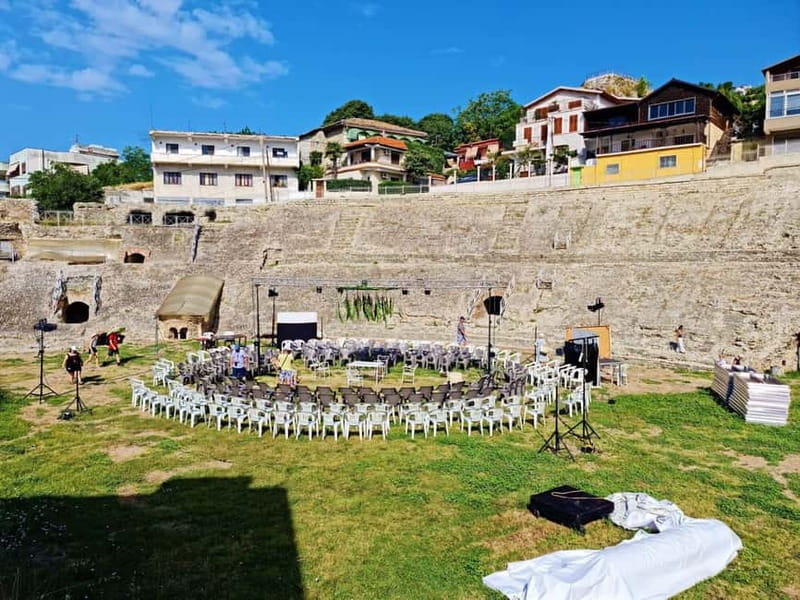
At $69 per person, the value depends on how much you want handled for you. You are paying for a local English-speaking guide, several tastings, historical commentary, and access to food stops that may be hard to identify on your own.
The price makes more sense if you consider the tour a combined meal and orientation. A simple walk with one snack would not justify it, but a three-hour route with enough food to leave you full, plus landmarks and local context, can be worthwhile.
The booking terms are friendly for changing plans. You can cancel up to 24 hours before the activity for a full refund, and you can reserve now and pay later. Starting times depend on availability, so check the schedule that suits your day.
The tour is offered in English with a live guide. Extra food and drinks are separate, so ask about anything beyond the included tastings before ordering. If you have allergies or follow a special diet, confirm what can be accommodated rather than relying on the general dish list.
Should you book the Durrës City Food Walking Tour?
Book it if you want to understand Durrës through both its plates and its past. The combination of tavë dheu, fërgesë, qofte, baklava, local cafés, markets, and Roman-era sights gives you more than a standard restaurant visit.
I would choose it early in a short stay, especially if you enjoy asking questions and want a friendly guide to shape your first impressions. Aleksandra’s calm style and strong command of local stories add real value.
Skip it if you want a fixed menu, a long archaeological tour, or a quiet seated meal. For everyone else, $69 is a reasonable spend for a filling three-hour introduction to Durrës, with the added benefit of leaving you better prepared to explore and eat on your own.
FAQ
Where does the Durrës food tour start?
It starts in front of the Aleksandër Moisiu Theatre on Main Iliria Square.
How long does the tour last?
The walking food tour lasts three hours.
Where does the tour finish?
The route returns to the Aleksandër Moisiu Theatre.
What language is the tour offered in?
The tour is conducted in English with a live guide.
What food might I taste?
The experience includes tastings of traditional Albanian dishes, with examples including tavë dheu, fërgesë, qofte, baklava, cheese, and wine.
Are landmarks included?
Yes. The walk includes key sights such as the Roman Amphitheatre and Venetian Tower, along with historical and cultural commentary.
Are extra food and drinks included?
No. Personal expenses and additional food and drinks are not included in the $69 price.
Just added around the world
- 1 Istanbul Tour: Highlights, Street Food & Hidden Pearls★ 5.0 · 9 reviews
- Evening Hyderabad Street Food Walk with Hyderabad Biryani★ 4.5 · 24 reviews
- Hyderabad Street Food Crawl (2 Hours Guided Food Tasting Tour)★ 4.0 · 5 reviews
- Japanese Street Food Class in Beech Grove★ 5.0 · 9 reviews
- Small-group Street food tour in Ischia★ 3.5 · 2 reviews
- Hyderabad Street Food Experience with Local Expert★ 4.5 · 2 reviews
- Hyderabad : Evening Street Food Tasting with Guided Old City Tour★ 5.0 · 10 reviews
- Hue Street Food On Foot (Daily Tour – Group Tour | 12 pax max)★ 5.0 · 15 reviews
Street Food Walking Tours, compared.
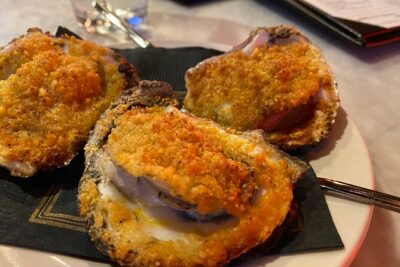
New Orleans Food Walking Tour of the French Quarter with Small-Group Option
Read our review →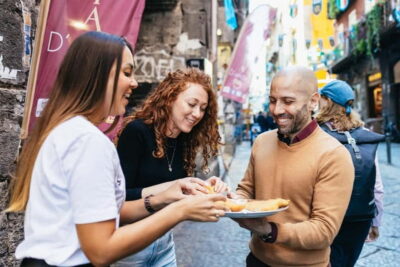
Naples: Street Food Walking Tour with Local Guide
Read our review →
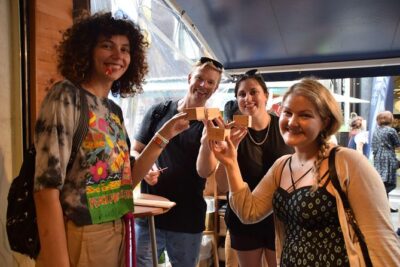
Tokyo Tsukiji Fish Market Food and Culture Walking Tour
Read our review →
Private Street Food Evening Walking Tour in Ho Chi Minh City
Read our review →
SoHo, Little Italy, and Chinatown Walking Tour in New York
Read our review →
Rome: Guided Food Walking Tour with Wine in Trastevere
Read our review →
Browse the lists this tour appears in