
REVIEW · FLORENCE STREET FOOD TOURS
Florence: Sant’Ambrogio Market Food Tour of 10+ Local Dishes
Florence’s Sant’Ambrogio Market gives this food tour its real appeal. You move beyond the big-name sights and eat where Florentines shop, snack, and meet friends. The menu covers more than 10 tastes, including lampredotto, Tuscan meats, cheeses, pasta, gelato, and a secret dish revealed on the day.
I like the small-group feel and the way the food comes with stories about Florence and Tuscany. I also like the unhurried pace: recent tours led by Paolo, Pablo, and Gerardo included plenty of stops without feeling rushed. The main drawback is practical rather than culinary: you walk for three hours, and the tour is not suitable for wheelchair users or people with mobility impairments.
Key points to know before booking
- Lampredotto is the headline bite: Try Florence’s famous slow-cooked beef stomach street food in the city where it belongs.
- Sant’Ambrogio feels local: The market brings you close to everyday shopping, seasonal produce, cheeses, and cured meats.
- The menu is broad: Expect coccoli, salami, ham, cheeses, fruit, Tuscan starters, pasta, wine, gelato, and a secret dish.
- The guide matters: Paolo, Pablo, and Gerardo have led recent tours, with a strong focus on food, local history, and Florentine life.
- Three hours is well used: The route combines cafés, market stops, and a family-run trattoria rather than one long seated meal.
- Come hungry and wear good shoes: There is a fair amount of walking, and the food portions add up.
Why Sant’Ambrogio is the right setting
Florence can feel like an open-air museum around the Duomo and Piazza della Signoria. Sant’Ambrogio offers a different view. It is still central, but its food life is aimed more at local residents than sightseers passing between major monuments.
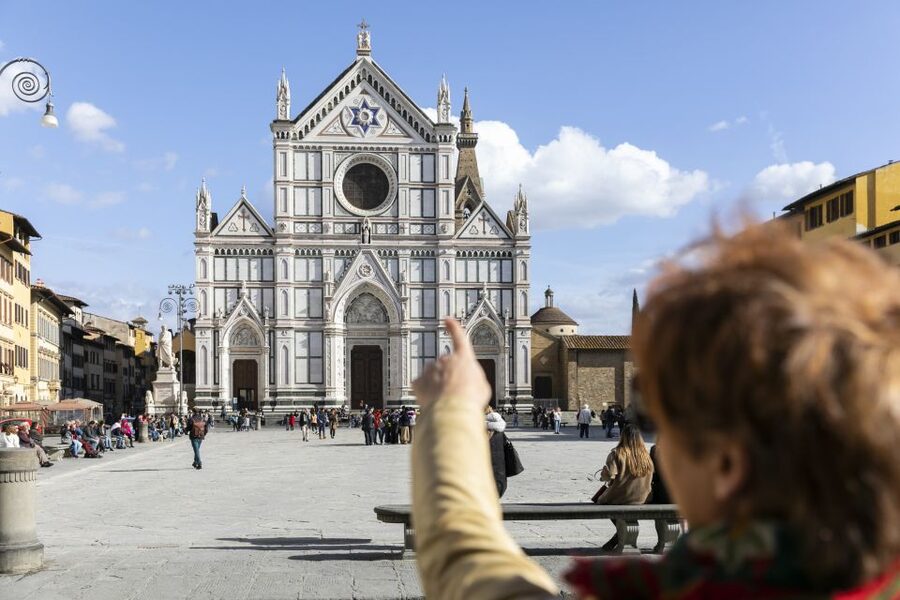
The tour begins in Piazza di Santa Croce, at the bottom of Dante’s statue. Look for the guide with an orange umbrella. From there, the route heads toward the Santa Croce and Sant’Ambrogio districts, linking food with the streets and neighborhoods that give Florence its daily character.
I find this starting point useful because you are not simply dropped at a market and handed a plate. The walk helps set the scene. You begin with Florence’s famous artistic and literary identity, then shift toward the shops and eating places that keep the neighborhood going.
The first stop is one of Florence’s attractive cafés, where you learn how locals begin the day. The exact café and food selection can change, but the idea is clear: Italian breakfast culture is usually simpler than a large hotel buffet. This opening gives you a quick lesson in local habits before the tour turns toward savory foods.
More Street Food Market Tours in Florence
- Small Group Cooking Class & Market Food Tour in Florence
★ 5.0 · 1,574 reviews - Florence: Cooking Class with Local Food Market Tour
★ 4.9 · 407 reviews - Florence Central Market Food Tour with Eating Europe
★ 5.0 · 224 reviews
Starting with coccoli and Tuscan morning habits
Coccoli are small balls of fried dough, and they make a good early taste because they are simple, filling, and distinctly Tuscan in spirit. They are not meant to be a grand dish. Their value is in showing how a basic preparation can become part of local comfort food.
The café stop also gives your guide room to explain the difference between food designed for a quick morning and food meant for a long lunch. I like this kind of context because it helps you recognize the rhythm of eating in Tuscany instead of treating each sample as an isolated snack.
Do not expect the whole experience to follow a rigid restaurant tasting menu. The itinerary and menu can change with weather, opening hours, and what is available at each location. That flexibility is normal for a market-based tour, but it also means the exact breakfast item may vary.
Shopping for seasonal food at Sant’Ambrogio Market
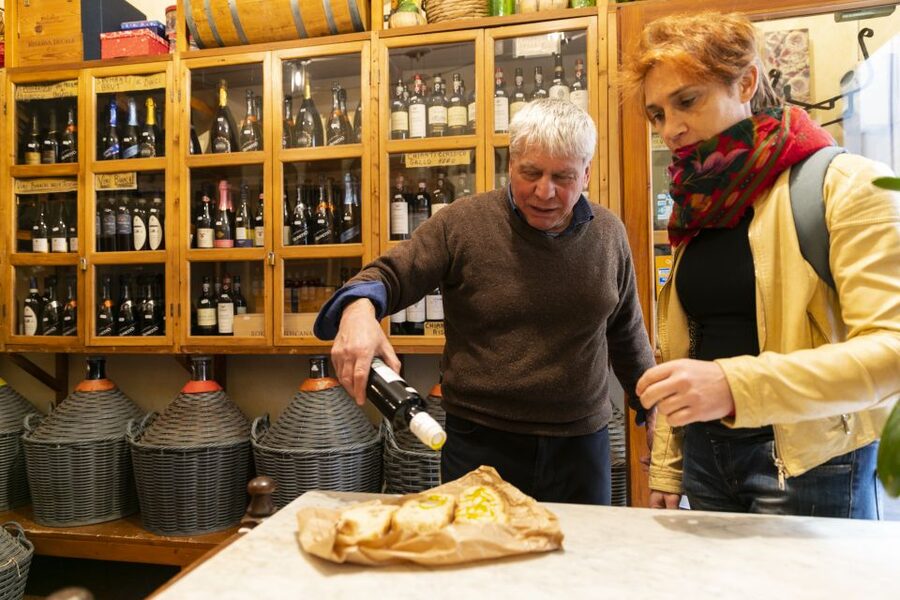
Sant’Ambrogio Market is the center of the experience. Here you can expect to see seasonal fruit, cheeses, cured meats, and other ingredients that form the everyday base of Tuscan cooking.
The fruit stop may seem modest next to a famous dish such as lampredotto, but it has a useful purpose. It shows that Tuscan food is not only about heavy meat, bread, and pasta. What is in season affects what people buy, cook, and serve, and the market is the best place to see that connection.
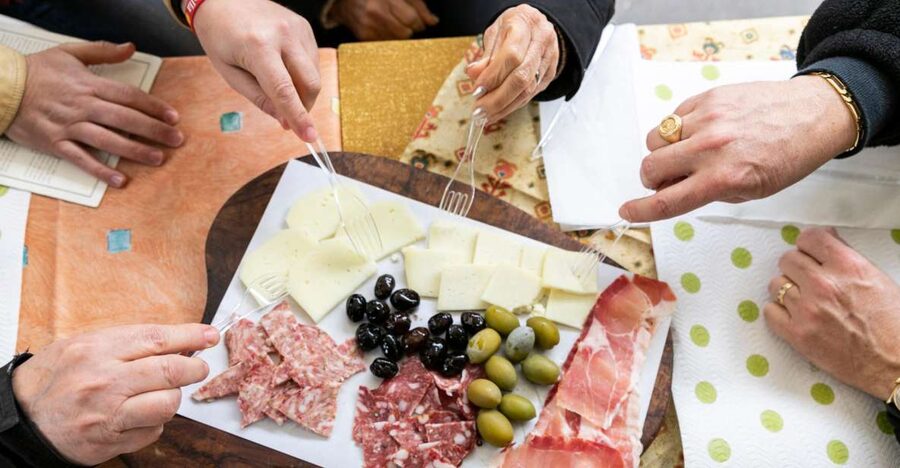
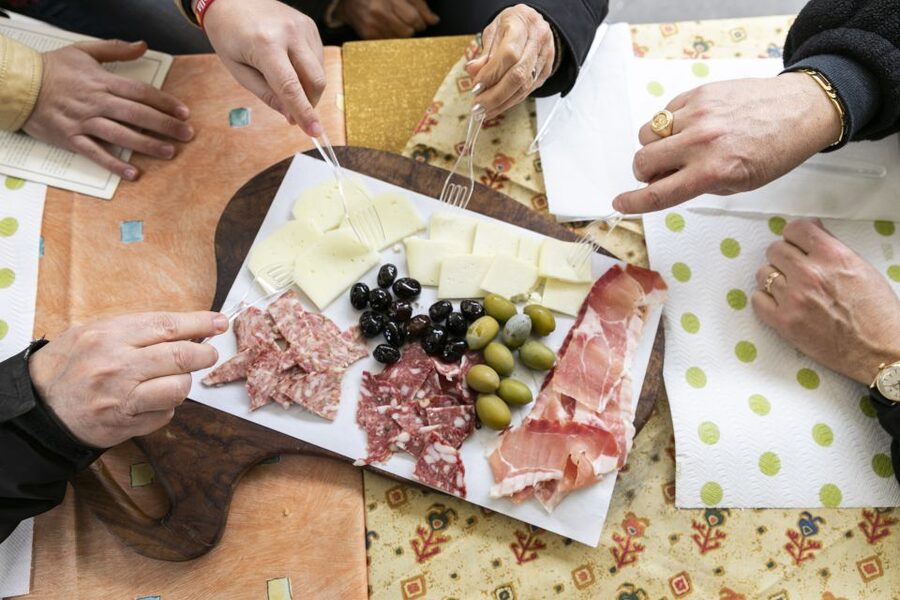
You will also taste Tuscan hams, salamis, and other cured meats, along with regional cheeses and bread. This is where your guide can explain texture, salting, aging, and the way these foods are paired. The samples should help you compare products rather than simply eat a series of unrelated bites.
The market is also a good place to ask questions. If you want to know what cheese or salami to look for later in your trip, ask your guide while you are standing among the stalls. An English-speaking guide can help turn a tasting into practical shopping advice, though the supplied details do not promise a dedicated shopping period or purchases to take home.
The Florence food test: lampredotto
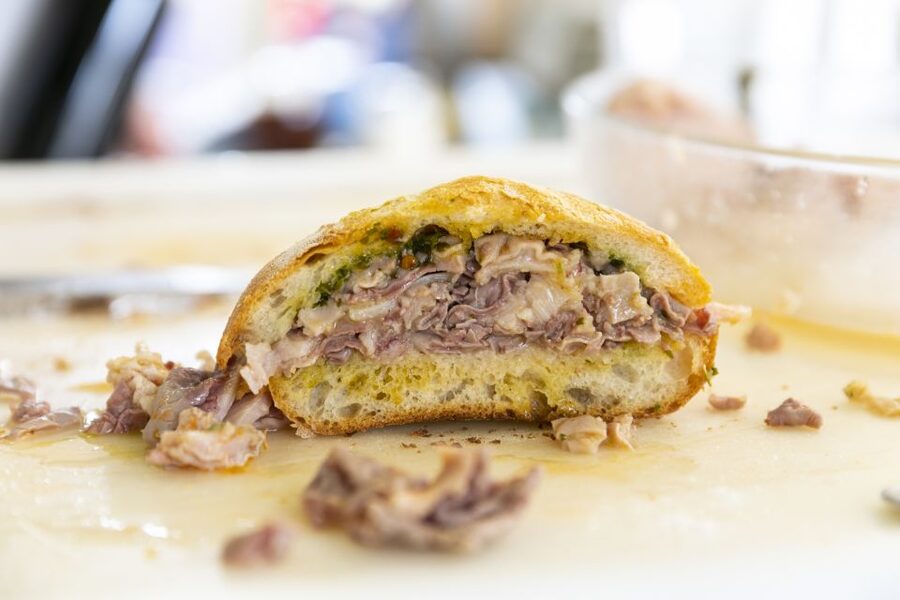
Lampredotto is the dish that may decide how much you enjoy this tour. It is made from the fourth stomach of a cow and is one of Florence’s best-known street foods. It is not a polished dish, and that is exactly the point.
For many visitors, this is the most useful stop because it takes you straight into a food tradition that is easy to miss if you stick to pizza and pasta. Lampredotto grew from inexpensive ingredients and working-class cooking. Today it remains a symbol of Florentine street food.
The texture can be more challenging than the flavor. If you are curious but cautious, treat it as a small culinary experiment rather than a test of bravery. The tour includes it as a core taste, so tell the guide in advance if you have a dietary restriction or cannot eat it. The company asks you to contact them ahead of time about dietary needs so they can plan the best possible alternatives.
This is also a dish that benefits from explanation. Your guide can tell you why it matters locally and how it fits into Florence’s food culture. Paolo, Pablo, and Gerardo have each been praised for bringing food and city history together, which is especially useful at a stop like this.
More Street Food Market Tours in Italy
- The Original Florence Street Food & Market Tour (by Streaty)
★ 5.0 · 158 reviews - Florence: San Lorenzo Market Food and Wine Tour with Local Expert
★ 4.5 · 20 reviews - Market Food Tour in Florence + 4 courses lunch Cooking Class
★ 4.5 · 19 reviews - Florence Street Food Tour and sightseeing with Central Market
★ 5.0 · 19 reviews
A family-run trattoria for Tuscan starters and pasta
After the market and street food, the tour moves to a family-owned trattoria. This is where the experience becomes more like a shared meal. You can expect a selection of traditional Tuscan starters and pasta dishes, with the exact choices depending on availability.
Tuscan cooking often relies on a short list of strong ingredients rather than elaborate sauces. Bread, beans, seasonal vegetables, cured meats, cheese, and pasta all have important roles. The point of the trattoria stop is to show how these ingredients work in a sit-down setting after you have encountered them at the market.
You may also receive Tuscan wine at selected stops, along with water. Wine is not promised at every stop, and the amount is not specified, so do not book this as a dedicated wine tasting. It is better understood as part of a food-focused walk.
I like the switch from market food to trattoria cooking. It gives the tour a useful progression: morning café habits, market ingredients, street food, then a more complete meal. You are still eating throughout, but the setting and style change enough to keep the three hours varied.
The main thing to manage is your appetite. The tour includes many separate items, and the combination of bread, meats, cheese, pasta, and fried dough can become substantial. The practical advice is simple: eat a light breakfast and arrive ready for a long series of samples.
Gelato and the secret final dish
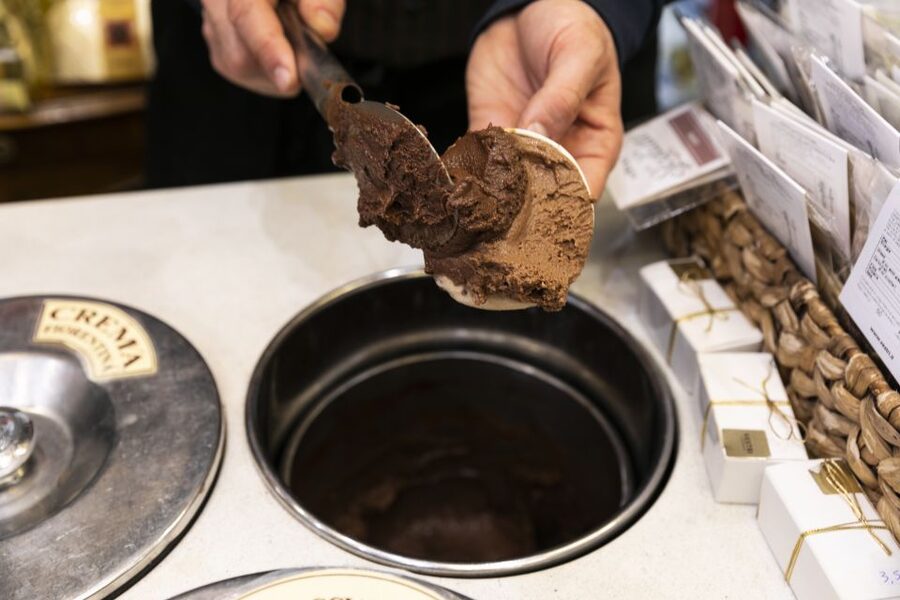
Dessert comes at an artisanal gelato shop. Gelato is a familiar part of any Florence food itinerary, but the value here lies in tasting it after learning about the savory side of the city. A scoop of creamy, handcrafted gelato provides a clean finish to the market meats and pasta.
The final Secret Dish is intentionally not named in advance. That adds a small sense of play without turning the tour into a guessing game. Since the surprise depends on the day and the available locations, it is best to think of it as an extra taste rather than a reason to expect one particular specialty.
A secret item can be fun, but it also creates uncertainty for people with allergies or strict dietary rules. Contact the company before the tour with all dietary requirements. Do not wait until the first stop if you need careful substitutions.
Guide style and group atmosphere
The guide is a major part of the value. The strongest praise has gone to Paolo, Pablo, and Gerardo for being friendly, well informed, and passionate about Florence, its geography, its history, and its food.
That matters because a market tour can otherwise become a string of samples with little connection between them. A good guide explains why the food is eaten, how it fits the city, and what you are seeing between stops. The tour description promises an English-speaking guide, so you should be able to follow the food and cultural explanations without needing another language.
Recent tours have included very small groups, including one with only four people. Group size can change, and no fixed maximum is provided, but a small group gives you more chances to ask questions and makes market stops easier. It also helps explain why the tour can feel personal rather than like a moving crowd.
The pace appears to be relaxed. Stops are frequent, and the food is spread across the three hours. Still, this is a walking tour, not a seated tasting. Wear comfortable shoes and be ready to move between cafés, market stalls, and eating places.
What the $115 price means
At $115 per person, this is not the cheapest way to eat in Florence. You could buy a sandwich, gelato, and several market snacks for much less. The price is easier to justify if you want a guided introduction to several parts of Tuscan food culture in one morning or afternoon.
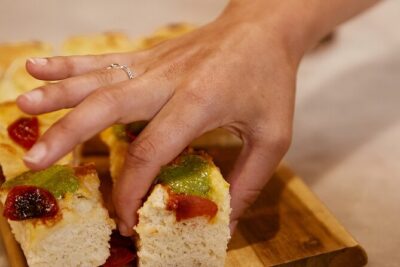
Your fee covers a wide tasting list: coccoli, seasonal fruit, Tuscan meats, hams, salamis, cheeses, traditional starters, pasta, artisanal gelato, a secret dish, water, and wine at selected stops. It also covers the guide’s work in arranging the route and explaining the food.
I see the value in the variety and structure. You do not have to research which market stalls to trust, decide how much lampredotto to order, or figure out where to find a suitable trattoria. You also get local background that you would not receive by eating the same foods alone.
The price is less compelling if you already know Florence well, have a long list of favorite restaurants, or prefer choosing every dish yourself. It may also be poor value for a very light eater, since the tour is built around repeated tastings and a meal-like stop.
Dietary needs, walking, and timing
The tour lasts three hours, with starting times based on availability. Check the available time when booking, especially if you want to pair it with a museum visit or a fixed lunch reservation.
There is a fair amount of walking. Comfortable shoes are essential, and you should allow enough energy for standing at market stops and moving between locations. The tour is not suitable for wheelchair users or people with mobility impairments, so ask before booking if you have any concern about the route.
The menu can change because of weather, location availability, and other circumstances. That is worth accepting if you want a real market experience rather than a fixed indoor tasting. It also means you should not treat any single dish, apart from the listed food themes, as guaranteed in exactly the same form.
Free cancellation is available up to 24 hours before the tour for a full refund. You can also reserve and pay later, which helps if your Florence plans are still shifting.
Who should book this food walk
I would choose this tour if you want an easy introduction to Florentine food and prefer learning through several small tastings rather than sitting down for one long meal. It suits first-time visitors, curious eaters, and anyone who wants to see Santa Croce and Sant’Ambrogio through local food.
It is especially good for people willing to try lampredotto and other traditional dishes that may not appear on a standard tourist menu. The guide’s stories also make it a useful early-trip activity because you can use the food knowledge later when ordering on your own.
I would skip it if you dislike organ meats, need a fully fixed menu, have limited walking ability, or want a quiet restaurant meal. The menu is subject to change, and the tour keeps you moving.
Should you book it?
Book this Sant’Ambrogio food tour if you want a broad, local-focused taste of Florence and value a guide who can connect food with neighborhood life. The best parts are the market setting, the chance to try lampredotto, the family-run trattoria stop, and the small-group atmosphere reported on recent departures.
At $115, you are paying for guidance, variety, and convenience as much as for the food itself. Arrive hungry, contact the company early about dietary needs, wear good shoes, and keep your schedule flexible. If those conditions suit you, this is a practical way to get beyond the usual Florence menu in three hours.
FAQ
Where does the Florence food tour meet?
The meeting point is in Piazza di Santa Croce, at the bottom of Dante’s statue. The guide will have an orange umbrella.
How long does the tour last?
The experience lasts three hours. Starting times depend on availability.
What food is included?
The tour includes coccoli, lampredotto, seasonal fruit, Tuscan meats, hams, salamis, cheeses, traditional starters, pasta, artisanal gelato, a Secret Dish, water, and Tuscan wine at selected stops.
Is the tour conducted in English?
Yes. The tour has a live English-speaking guide.
Can dietary requirements be accommodated?
You should contact the company in advance with your dietary requirements so they can cater for them as well as possible.
Is the tour suitable for wheelchair users or people with mobility impairments?
No. The tour involves a fair amount of walking and is not suitable for wheelchair users or people with mobility impairments.
More Market Food Tours in Florence
- Florence Central Market Food Tour – Private Tour
★ 4.0 · 7 reviews - Sant’Ambrogio Market Food Tour with Tastings led by a local Chef
★ 5.0 · 6 reviews - Florence: Local Food, Wine & Market Walking Tour
★ 5.0 · 6 reviews - Florence Central Market Food Tour with Eating Europe
★ 5.0 · 4 reviews
Just added around Florence
- Florence Central Market Food Tour – Private Tour★ 4.0 · 7 reviews
- Florence: San Lorenzo Farmers Market Food Tour with Wine Tasting in 4 hours★ 5.0 · 2 reviews
- Florence: Street Food Tour and Sightseeing with Local Expert Guide in 2.5 hours★ 5.0 · 20 reviews
- Mamma Mia Florence Street Food Tasting and City Guided Tour★ 5.0 · 2 reviews
- Florence: San Lorenzo Market Food and Wine Tour with Local Expert★ 4.5 · 20 reviews
- Fun Private Florence Food Tour with a Local Food Expert Martina★ 5.0 · 9 reviews
- Florence Street Food and Sightseeing Small Group Tour★ 3.0 · 2 reviews
- Horse ride, Olive Oil and local foods tasting in a Tuscan farm★ 5.0 · 19 reviews
Florence Street Food Tours, compared.
Small Group Cooking Class & Market Food Tour in Florence
Read our review →
Florence: Street Food Tour with Wine & Local Guide
Read our review →
Florence: Cinque Terre Day Trip with Optional Street Food
Read our review →
Florence: Food Walking Tour with Local Steak and Tuscan Wine
Read our review →
Florence: Cooking Class with Local Food Market Tour
Read our review →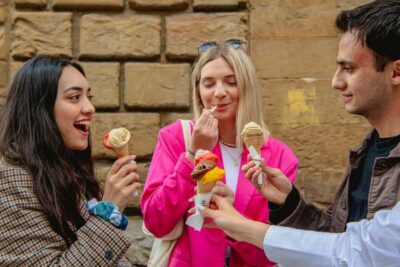
Florence Central Market Food Tour with Eating Europe
Read our review →Browse the lists this tour appears in