
REVIEW · INDIA STREET FOOD TOURS
Heritage Walk & Street Food Tasting in Jaipur
Jaipur’s best introduction may be found not in a palace courtyard, but beside a hot kachori, a cup of masala chai, or a sweet shop tucked into an old market lane. This three-hour walk moves through the Pink City’s back streets, where painted façades, temples, craftsmen, and everyday commerce tell a fuller story than the grand monuments alone.
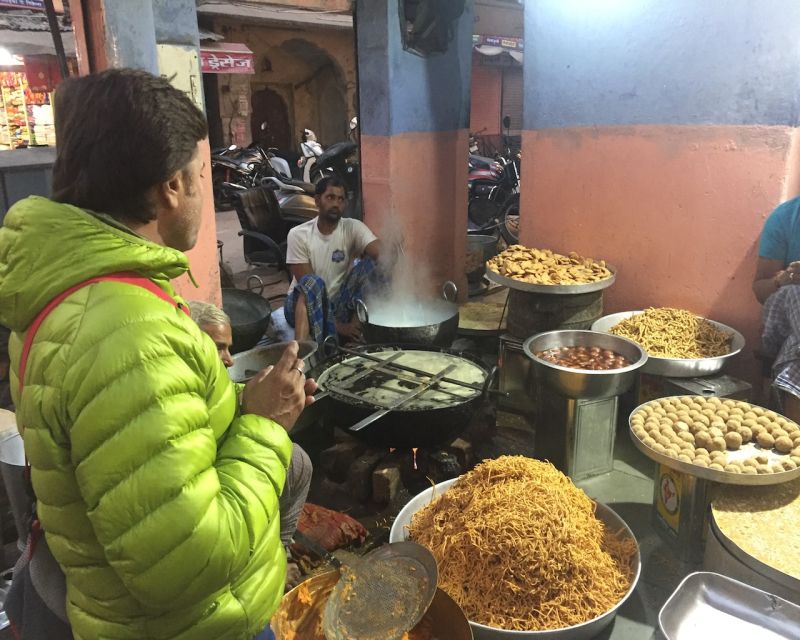
I like the local food stops, which include samosa, kachori, sweets, tea, and other regional bites. I also like the way the walk reaches places you could easily miss alone, including the Thatheras metalworkers’ street, bangle makers, community wells, and small lanes beyond the main roads. The main consideration is simple: this is a walking tour through crowded, uneven city streets, so it is not suitable for wheelchair users and may feel tiring in hot weather.
Key points at a glance
- Around 15 food samples are possible: Several detailed accounts describe roughly 15 items across about six stops, though the exact selection can vary.
- Back streets matter here: You leave the main lanes for Jaipur’s smaller gullies, artisan quarters, temples, and local shops.
- Guides vary by departure: Vivek appears often, while Kumar, Raj, Pushpendra, and Sam have also led tours.
- Small groups keep it personal: The group is limited to 10 people, with an English-speaking guide.
- The price is fair for the mix: At $21, you get food, water, a heritage walk, and local interpretation rather than a simple snack crawl.
- Come hungry, but pace yourself: The food is filling, and one person found that sweets arrived early enough to make later savoury dishes harder to manage.
Why this Jaipur walk feels different
Jaipur is famous for its forts, royal buildings, and carefully planned Pink City streets. Those sights matter, but the city makes more sense when you see how people work, worship, trade, and eat within them.
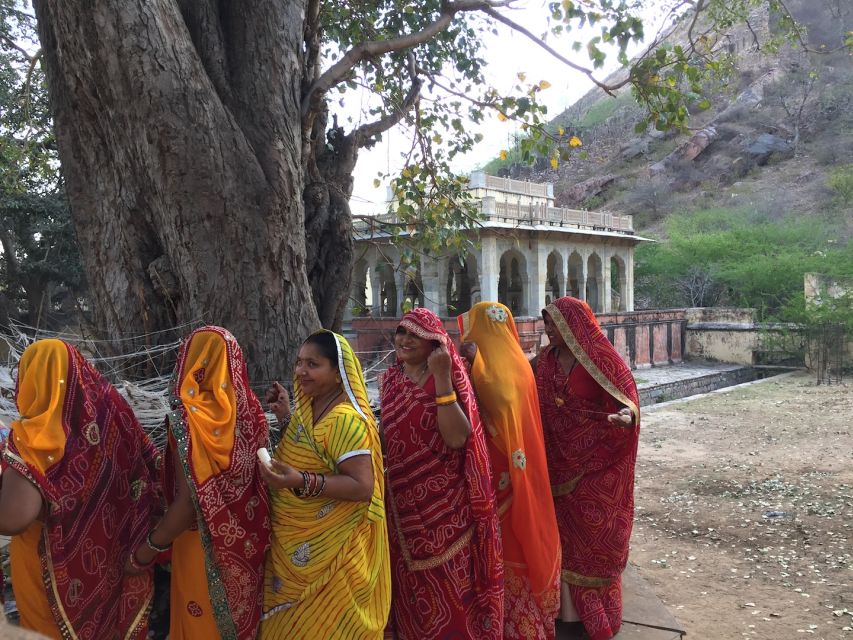
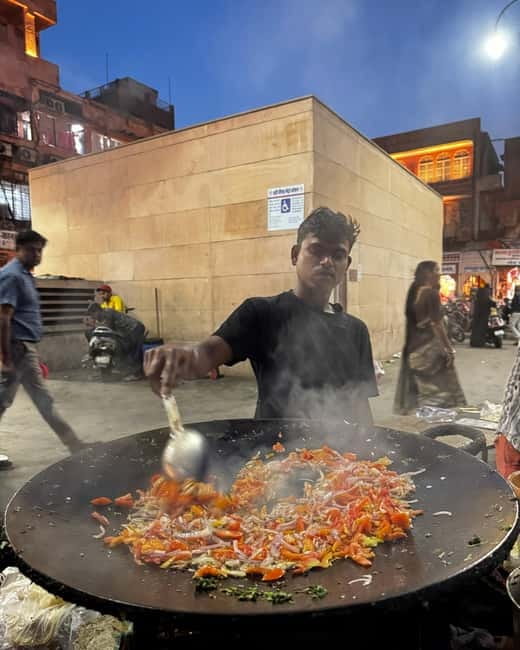
This tour connects the grand plan with daily life. You hear about the geometry of the old city, the purpose of its entry gates, and Jaipur’s royal past. Then you turn into a narrower lane and see a craftsman working with metal or sealing wax, a tea seller serving locals, or a small shop preparing food by hand.
That mix is the strongest part of the experience. You are not simply walking from monument to monument. You are given a way to read the city.
The guides are a major reason the tour has earned such strong feedback. Vivek is the name that appears most often, with Kumar, Raj, Pushpendra, and Sam also leading different departures. Their roles go beyond pointing out buildings. They explain recipes, talk about local customs, answer questions about Indian life, and help you move through streets that may be hard to understand on your own.
The tone also seems flexible. Guides have adjusted food choices for guests with low spice tolerance, picky eating habits, or concerns about unfamiliar food. That does not remove every risk from eating in a different country, but it does give you a sensible local filter.
More Street Food Walking Tours in India
- Delhi Food Walk: Rickshaw Ride, Street Eats & Market Tour
★ 5.0 · 401 reviews - Jaipur Bazaar & Food Walking Tour
★ 5.0 · 281 reviews - Jodhpur Blue City Heritage Walking Guided Tour
★ 5.0 · 240 reviews
Starting at Golcha Cinema and entering Chaura Rasta
The meeting point is the entry gate of Golcha Cinema. From there, the walk heads toward Chaura Rasta, one of the first places where the tour begins to connect food with the structure of Jaipur.
This first section lasts about 45 minutes and includes tea, street food, a guided walk, and time to pass through the area. It is a useful opening because you start with familiar, low-pressure tastes while getting your bearings in the old city.
Expect the group to stop at local food shops rather than sit down for a long restaurant meal. Samosa and kachori are central to the food theme, and the guide explains what you are eating and how it fits into local habits. Masala chai at a local tea shop adds a warm, spiced pause.
I would avoid eating a large breakfast before a morning departure. The portions may not be full meals at every stop, but several food tastings add up quickly. One detailed account describes about 15 items at six stops, while another wisely says not to expect 20 separate dishes. The useful point is that you should arrive hungry, but not try to rush through every bite.
Badi Chaupar and the flavor of the old market
The route continues to Badi Chaupar for another 45-minute stretch. Here, the focus remains on tea, local snacks, regional food, and views along the way.
Badi Chaupar is valuable as more than a place to take photographs. It helps you see how Jaipur’s planned streets work as public spaces, with markets and movement organized around large junctions. From here, the guide can point out architectural details that might disappear when you are focused only on traffic and shop signs.
The food stop gives the history a practical anchor. Instead of hearing a long explanation about local cuisine in the abstract, you taste it as you go. The guide may explain ingredients, preparation, or how to judge a good street-food stall. That kind of advice is especially useful for first-time visitors who want to keep eating locally after the tour.
If you have a low tolerance for chilli, say so at the start. The food is described as friendly to international visitors, and guides have tailored choices to personal tastes, but this is still Jaipur street food. You should not expect every item to be mild.
Tripolia Bazar, artisans, and the city’s working traditions
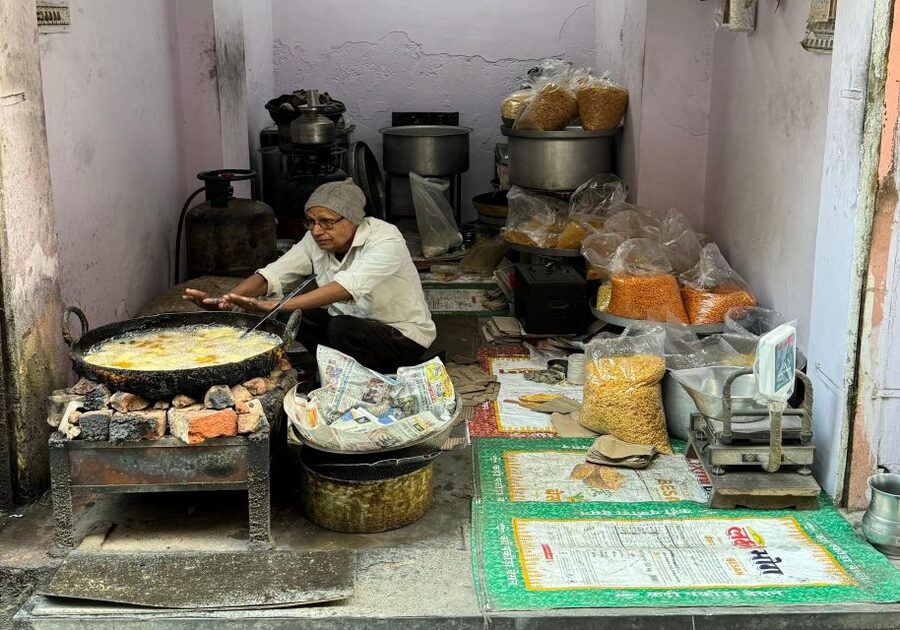
Tripolia Bazar brings the heritage side of the walk into sharper focus. This section lasts around 45 minutes and is mainly a guided walk through the market area.
The route may take you away from the broad main lanes and into smaller gullies. That change is important. Jaipur’s old city can feel easy to follow on a map, yet its side streets hold the details that make the place feel lived-in: workshops, small shrines, painted houses, shopfronts, and people carrying on ordinary work.
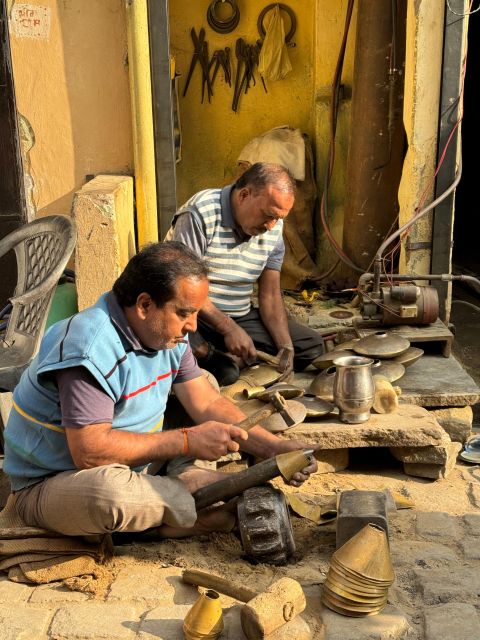
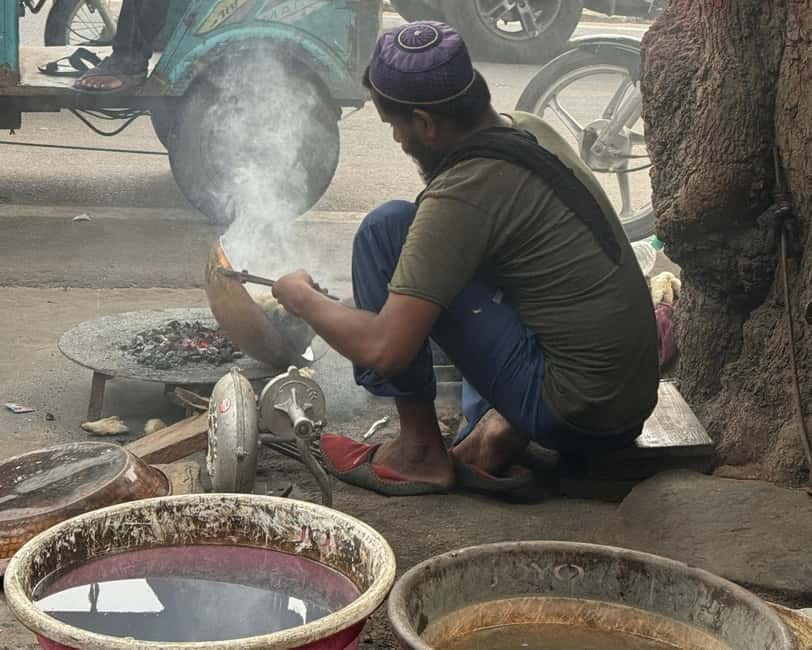
One particularly distinctive stop is the street associated with the Thatheras, a community of metal beaters. You may also see the craft of bangle making with sealing wax. These are not polished museum displays. They offer a look at skills practiced in working neighborhoods, where craft remains tied to family, trade, and local customers.
The tour also includes contact with local artisans and craftsmen. I would treat this as an observation opportunity, not a guaranteed workshop lesson or shopping session. The value is in understanding what you are seeing and meeting people connected to the work.
The operator emphasizes that the walk has no hidden sales agenda. That matters in Jaipur, where some sightseeing routes can be tied to shops or commissions. Here, the stated focus is the city, its food, and its cultural life. You should still feel free to browse, ask questions, or simply watch without feeling obliged to buy.
Same city, a different plate:
- Mumbai: Street Food and Night Markets Tour
★ 4.9 · 719 reviews - Old Delhi Street Food Tour
★ 5.0 · 497 reviews - Delhi: Old Delhi Street Food Tour with Rickshaw Ride
★ 4.9 · 403 reviews - Old Delhi: Private Tour of Chandni Chowk, Tuk Tuk & Food
★ 4.9 · 345 reviews
Choti Chaupar and the final food stops
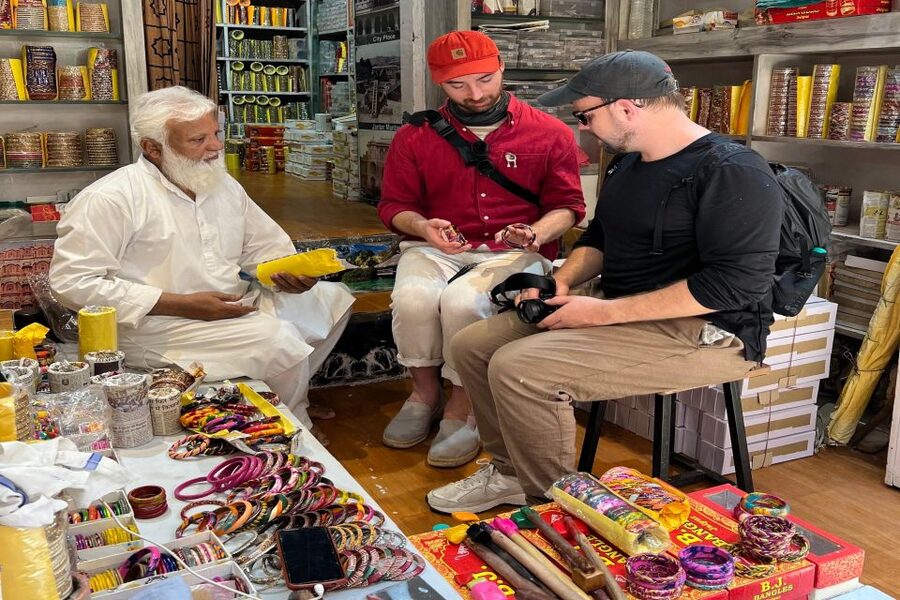
The final 45-minute segment leads to Choti Chaupar, also written as Chhoti Chopad, where you finish the walk. This section includes street food, local snacks, and regional tastings.
By this point, you will have a better sense of the old city’s rhythm. The final stops are less about ticking off a famous sight and more about bringing together the flavors and street scenes you have encountered along the route.
Expect more than the headline samosa and kachori. The tour includes famous sweets, masala chai, and other food from local shops. Exact dishes are not fixed in the information provided, so the menu can change with the guide, shop, availability, and your preferences.
One practical tip comes from the food order: if you prefer savoury food first, tell the guide. A guest found that sweet items arrived early and made the later savoury dishes harder to enjoy. That is a small issue, but it illustrates the advantage of speaking up. This is a small group, not a large bus tour, so your preferences can shape the pace and selection.
The walk ends at Chhoti Chopad rather than returning you to a hotel. Plan your next step before you finish. Hotel pickup and drop-off are not included.
What the $21 price really covers
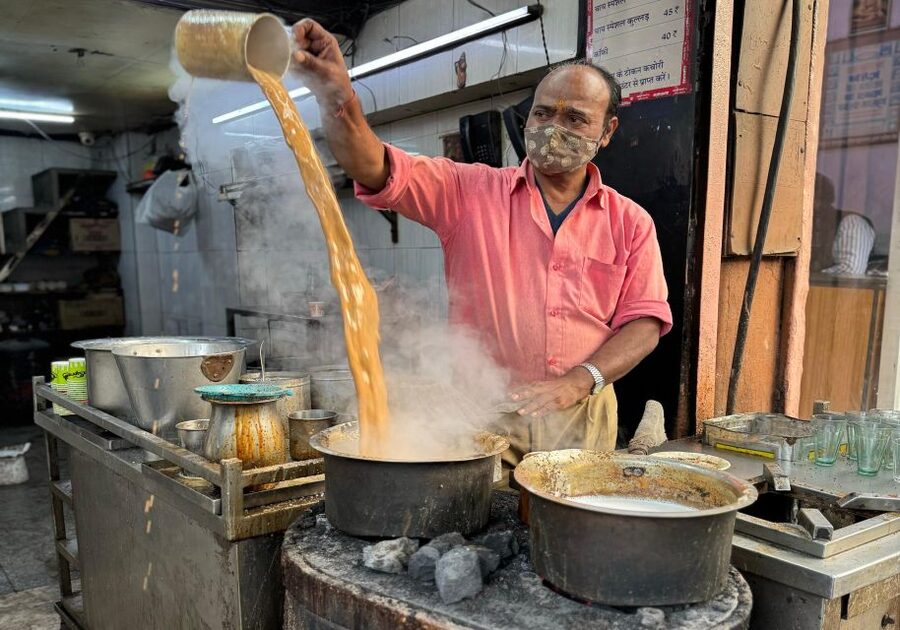
At $21 per person, this is a strong value if you want food and context together. You are paying for three hours with an English-speaking local guide, a heritage walk, several tastings, a bottle of water, and a small group capped at 10 people.
The price looks even better when you consider what is difficult to arrange alone. You could certainly buy snacks in Jaipur for less than $21. The harder part is knowing which shops to trust, understanding what you are eating, finding the artisan lanes, and following the city’s cultural details without getting lost in the traffic and crowds.
This is not a luxury food tour with formal seating or elaborate presentation. It is a street-level experience. Some stops may be basic local shops, and the walk takes place outdoors in changing weather. If you want air conditioning, a fixed menu, and a long sit-down meal, choose a restaurant-based food tour instead.
The strongest value comes for first-time visitors. You get a useful orientation to the old city, enough food to replace a meal for many people, and ideas for what to explore later. Several people enjoyed the walk so much that they arranged additional time with their guide to see City Palace, Jantar Mantar, or other parts of Jaipur. Those extra visits are not part of the $21 tour, but the initial walk can help you decide what deserves more of your time.
The guides and the small-group feel
Guide assignments vary, so you should not book on the assumption that one particular person is guaranteed unless the operator confirms it. Vivek is frequently named, and Kumar, Raj, Pushpendra, and Sam also appear in the tour’s recent feedback.
The common thread is local familiarity and a relaxed manner. The best accounts describe guides who answer questions clearly, give solo visitors confidence, explain food without rushing, and adjust the route or pace to the group.
A small group of up to 10 is a real advantage in Jaipur. You can hear the guide more easily, ask about a dish before trying it, and pause for photographs without holding up a coachload of people. It also makes the side-street sections more manageable.
The walk is not fully private, however. If you want complete control over timing, food, and stops, a private tour would offer more flexibility. This experience gives you the middle ground: personal attention without the cost of hiring a private guide.
Who should book this experience
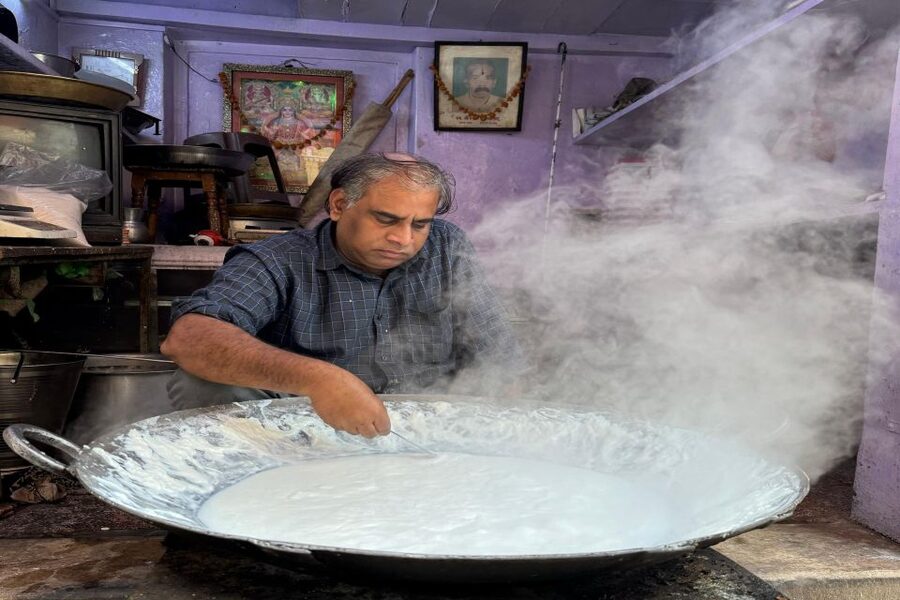
I would recommend it most strongly to:
- First-time visitors who want an introduction to Jaipur beyond the main monuments
- People who enjoy tasting several small portions instead of one large meal
- Solo visitors who want help navigating the old city
- Guests interested in food, architecture, craft, religion, and local customs
- Visitors who prefer small groups and conversation with a guide
- Anyone who wants practical advice about where to eat and what to notice
It may be less suitable if you dislike walking, struggle in heat, need step-free access, or want a quiet culinary setting. Wheelchair users should not book this activity, since the route involves extensive walking through old city streets and narrow lanes.
You also need to be comfortable with a little uncertainty. The route includes set areas, but the precise food selection and order of tastings may vary. That is part of the appeal, though it can bother anyone who expects a fixed menu.
Practical advice before you go
Wear comfortable shoes and loose, modest clothing. A hat, sunscreen, and personal medication are sensible, particularly in hot weather. Carry water even though one bottle is included.
Bring a passport or other identification, as requested in the tour information. Photography is allowed, but do not use flash inside temples. Dress modestly when visiting religious places and follow the guide’s instructions about respectful behavior.
The walk is offered in English and lasts three hours. Starting times depend on availability. Free cancellation is available up to 24 hours before the activity, and you can reserve now and pay later, which helps if your Jaipur plans are still shifting.
The food is intended to be suitable for international visitors, but no street-food tour can promise that every stomach will react the same way. Tell the guide about spice limits, allergies, dietary needs, or medical concerns before the first tasting. If you have a sensitive stomach, use the guide’s advice and pace yourself.
Should you book the Jaipur Heritage Walk and Street Food Tasting?
Yes, if you want Jaipur to feel like a living city rather than a list of royal buildings. At $21, the combination of food, local guidance, artisan streets, temples, and old-city history is hard to match.
Book it early in your Jaipur stay if possible. The walk can help you understand the city’s layout, identify foods you want to try again, and decide which sights deserve a longer visit. Choose another experience only if you want a seated meal, a private guide, or a shorter and less demanding walk.
FAQ
How long does the Jaipur Heritage Walk and Street Food Tasting last?
The activity lasts three hours.
What is the price per person?
The price is $21 per person.
Where does the tour begin?
You meet at the entry gate of Golcha Cinema in Jaipur.
Where does the walk finish?
The tour finishes at Chhoti Chopad, also called Choti Chaupar.
What food is included?
Included tastings feature samosa, kachori, famous sweets, masala chai, and other food from local shops.
Is bottled water included?
Yes. One bottle of water is included.
Is hotel pickup and drop-off included?
No. You must make your own way to Golcha Cinema and arrange your own departure from Chhoti Chopad.
What language is the tour offered in?
The live tour guide speaks English.
How large is the group?
It is a small-group experience limited to 10 participants.
Is the tour suitable for wheelchair users?
No. The tour is not suitable for wheelchair users and involves considerable walking through Jaipur’s old city streets.
What should I bring?
Bring a passport or identification, comfortable shoes, comfortable clothing, and any personal medication. Sunscreen, a hat, and extra water are also sensible.
Can I cancel for a refund?
Yes. You can cancel up to 24 hours in advance for a full refund. You can also reserve now and pay later.
More Heritage Tours in India
- Old Delhi Cultural, Temples, Heritage Walking Street Food Tour
★ 5.0 · 57 reviews - Jaipur: History Street Food Tour with Local Guide
★ 4.4 · 50 reviews - Spice & Stories: 3-Hour Old Delhi Heritage Food Walk Guided Tour
★ 4.5 · 36 reviews - Old Delhi Temples, Cultural, Heritage Walking Street Food Tour
★ 5.0 · 19 reviews
Just added around India
- Evening Hyderabad Street Food Walk with Hyderabad Biryani★ 4.5 · 24 reviews
- Hyderabad Street Food Crawl (2 Hours Guided Food Tasting Tour)★ 4.0 · 5 reviews
- Hyderabad : Evening Street Food Tasting with Guided Old City Tour★ 5.0 · 10 reviews
- Hyderabad Street Food Experience with Local Expert★ 4.5 · 2 reviews
- Food Walk Tour Chennai★ 4.0 · 19 reviews
- Sowcarpet Street Food Walking Tour in Chennai with guide★ 5.0 · 83 reviews
- Food Walk Tour Bangalore★ 5.0 · 2 reviews
- Old Bangalore: Cultural & Food Walk★ 5.0 · 2 reviews
India Street Food Tours, compared.
Delhi: Old Delhi Street Food Tour with Rickshaw Ride
Read our review →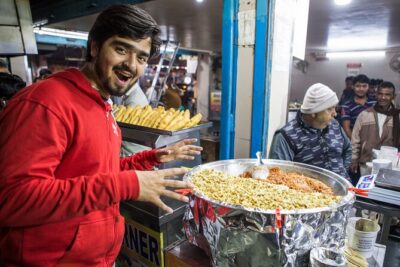
Delhi Food Walk: Rickshaw Ride, Street Eats & Market Tour
Read our review →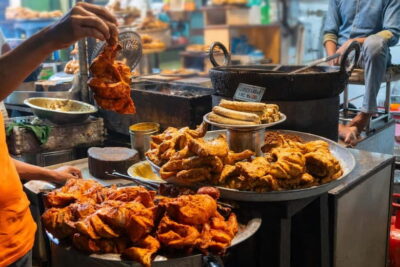
Old Delhi: Private Tour of Chandni Chowk, Tuk Tuk & Food
Read our review →
Old Delhi Street Food Tour – Explore Spices in Chandni Chowk
Read our review →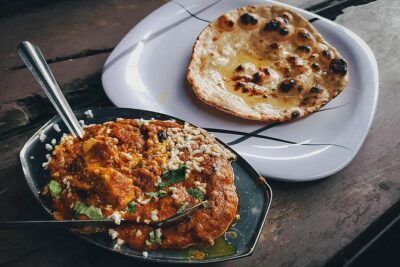
Chandni Chowk Delhi Food Tour with 15+ Tastings
Read our review →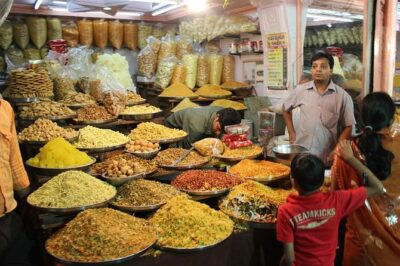
Browse the lists this tour appears in