
REVIEW · STREET FOOD MARKET TOURS
Kathmandu Secret Food Crawl & Local Market Tour
Kathmandu’s best food often hides in plain sight: a stall down a narrow lane, a market counter crowded with locals, or a snack you would never order without help. This two-hour crawl pairs Ason Bazar, one of the city’s oldest markets, with a generous tasting route led by Santosh, also called Santos in some bookings.
I like the easy way food opens a door into Newar customs, religion, and daily life. I also like the value: the $28 price covers an English-speaking guide and at least five foods and drinks, with some routes serving eight or nine tastings. The one caution is pace. Two hours goes quickly, and one person found the guide rushed between stops.
Key points at a glance
- Ason Bazar sets the scene: Explore an old market where food, household goods, crafts, and local traditions meet.
- Santosh adds context: Expect explanations about Nepali society, religion, politics, food, and local customs.
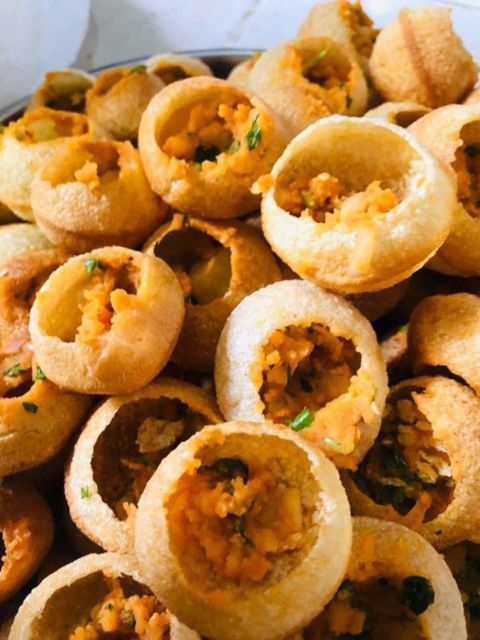
- Five tastings are the minimum: You may try momos, laphing, pani puri, lassi, chatamari, samay baji, or other local specialties.
- Newari food leads the way: Yomari, beaten rice, buffalo meat, pickles, buckwheat pancakes, and other dishes may appear.
- The route leaves tourist streets: Small stalls and back alleys are a major part of the appeal.
- Plan to arrive hungry: Portions are generous, and the full meal can leave you very full.
Ason Bazar is the real starting point
Meet at the main gate of Chhaya Devi Complex. From there, the walk heads toward Kathmandu’s old market world, with Ason Bazar as the main anchor.
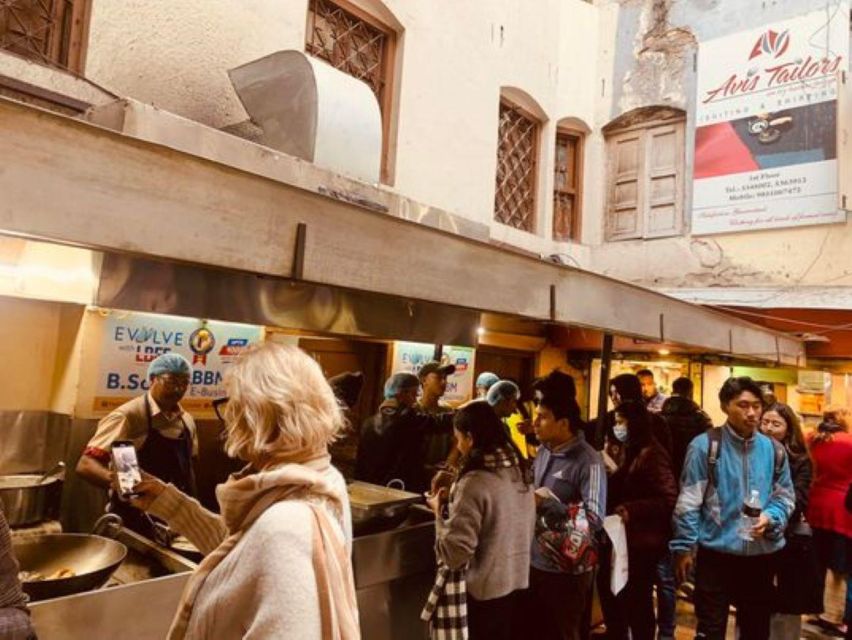
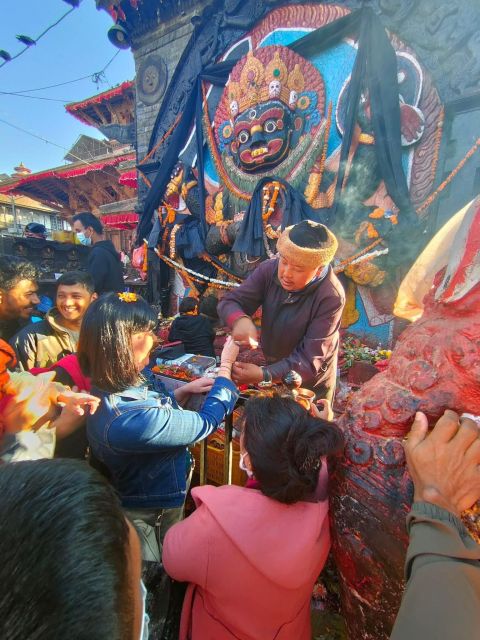
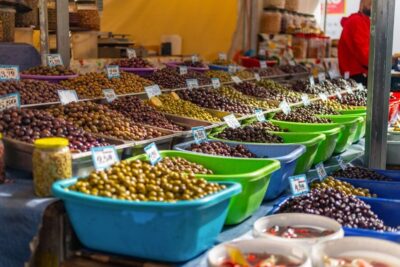
Ason is not a polished food hall. It is a working market, and that is precisely why it matters. You see the overlap of trade, faith, household life, and food preparation that makes Kathmandu so interesting. The market is also a useful place to notice Newar crafts and traditions alongside the city’s other cultural influences.
Your guide helps you read what you are seeing. Without that local explanation, you might simply register crowded lanes and unfamiliar goods. With context, a food stall becomes part of a larger story about what people eat, when they eat it, and how dishes connect with festivals and family customs.
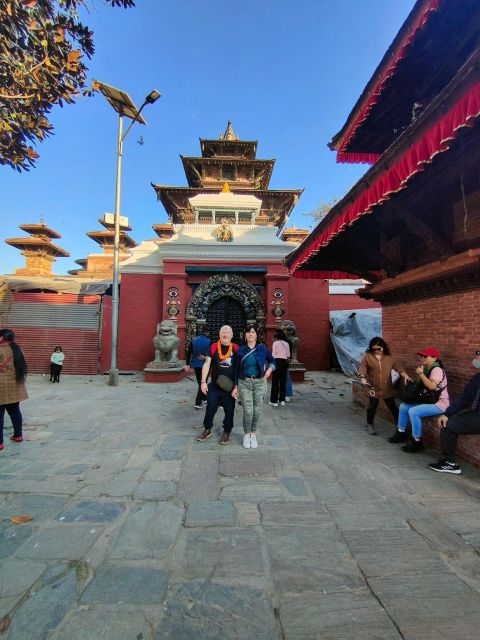
The route may also pass through Thamel and lesser-known lanes, depending on the day and the food stops being used. One booking included a visit to the Kumari Temple, with an early-evening appearance by the living goddess. That stop should not be treated as a guaranteed part of every departure, but it shows how the walk can blend food with Kathmandu’s religious life.
Wear shoes you can walk in and keep your belongings close in crowded streets. The tour is only two hours, so you will not get a full market study. Think of it as a focused introduction that gives you enough bearings to return on your own.
More Hidden Gem Food Tours in the world:
- Hanoi: Street Food Tour with Train Street & Hidden Alleyways
★ 5.0 · 2,831 reviews - Small Group: Michelin and Local Hawker Food Tour with 9 tastings
★ 5.0 · 1,890 reviews - Bangkok: Michelin Guide Street Food Tour by Tuk Tuk
★ 4.4 · 1,274 reviews
The food route: Newari plates and street snacks
The main pleasure is variety. The experience is designed to move beyond one restaurant meal and let you taste several small portions from local vendors.
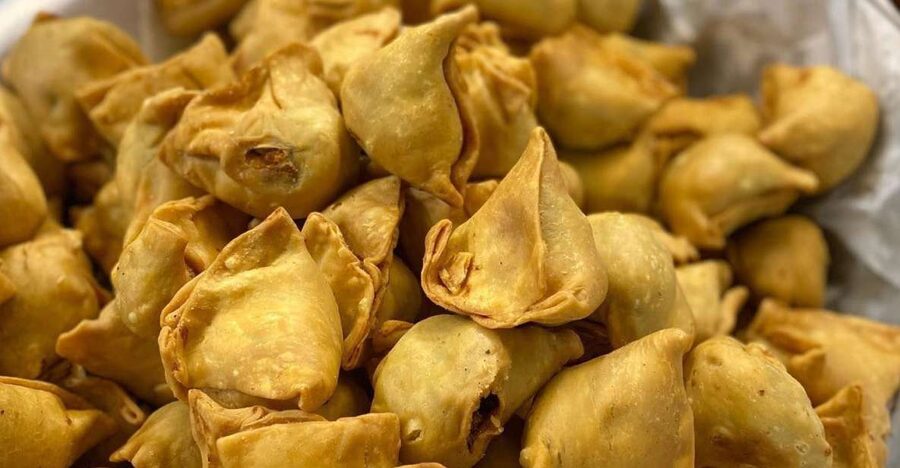
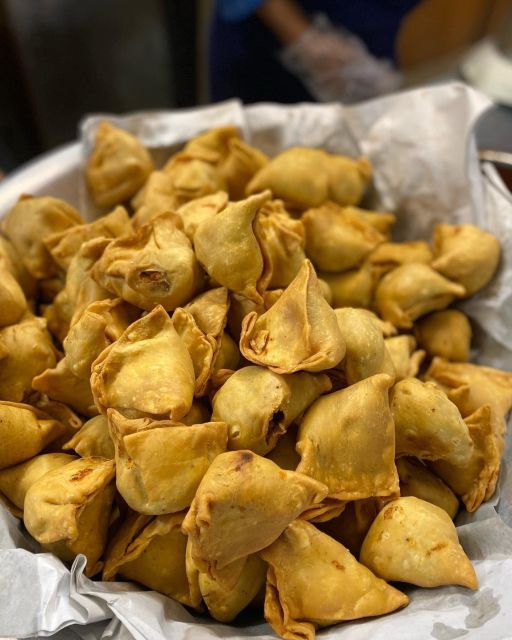
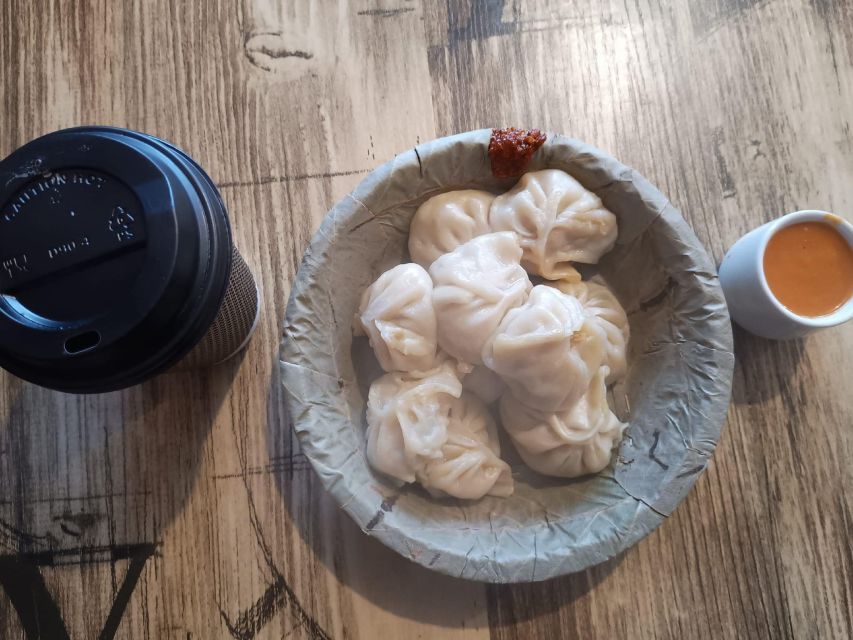
Momos are likely to be familiar to anyone who has spent time in Nepal, but they still belong on the route. These dumplings reflect the wider Himalayan and Tibetan influence on Kathmandu’s food culture. You may also encounter samosas, lassi, pani puri, and chapati-style snacks alongside more distinctly Newari dishes.
Laphing is one of the more unusual possibilities. This cold mung bean noodle dish is known for its sharp spice and slippery texture. It is a useful test of your appetite and your love of chili. If you prefer gentle food, ask Santosh about the heat before taking a large bite.
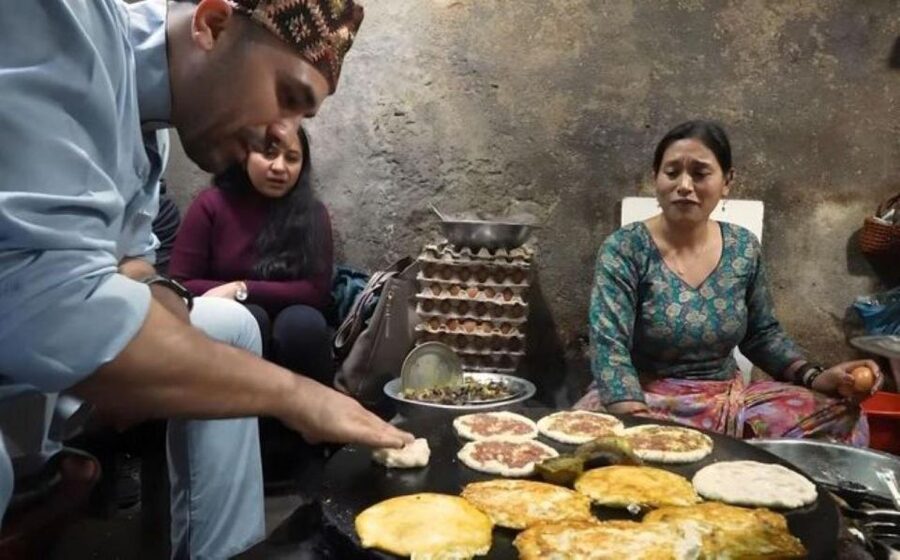
Chatamari is often described as Newari pizza, though that nickname only gets you so far. It is a savory rice-flour dish with toppings and a texture of its own. It is one of the foods that makes this tour worthwhile because it may not be obvious from an English menu or a quick walk through the tourist center.
Newari food can also include samay baji, a platter built around beaten rice, spiced buffalo meat, pickles, and other accompaniments. The combination is more than a collection of snacks. It shows how food can serve as a ceremonial and social meal in Newar culture.
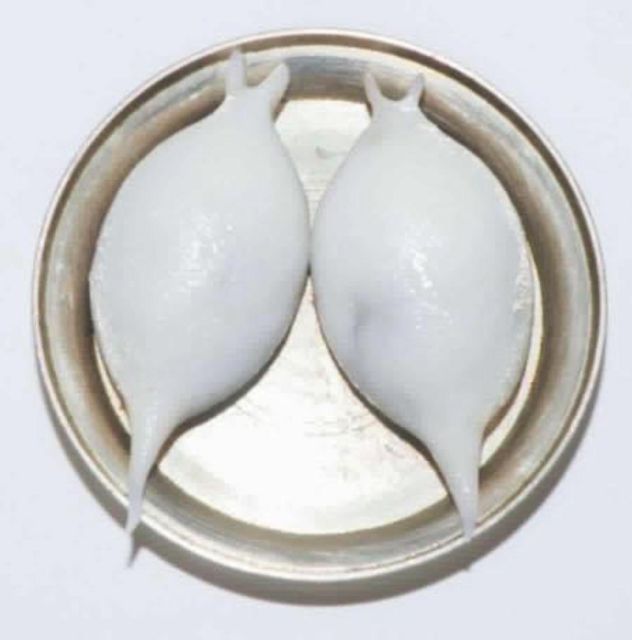
Yomari gives you a sweet finish when it is available. This steamed dumpling is filled with molasses and sesame seeds, and its shape and preparation connect it with Newar tradition. It is a very different experience from a familiar Western dessert.
Other tastings may include buckwheat pancakes, pani puri, lassi, momos, samosas, and local drinks. The exact selection is not fixed in the information provided, and that is sensible for a market tour. Vendors change, ingredients vary, and a good guide adjusts to what is fresh and available.
The important promise is the quantity: at least five food and drink items are included. Several routes have included eight or nine different things, so you should not treat the minimum as the likely total. Arrive with a light appetite rather than planning a large meal immediately before the walk.
What Santosh adds to the experience
A food crawl succeeds or fails on the guide. Santosh’s role is not just to point at dishes and name them. He explains the setting, the customs behind the food, and the larger culture of Kathmandu.
You can ask about religion, politics, Nepali society, and daily life as you walk. That makes the experience useful even if a few dishes are not to your taste. One person found the food less appealing than expected, yet still valued the chance to try Newari dishes that would otherwise have been missed.
Santosh is also described as patient and accommodating. On one occasion, he adjusted the timing for a guest who had a trekking meeting soon afterward. That flexibility matters because a two-hour tour can sit tightly within a first day in Kathmandu.
If you are traveling alone, a guided food walk has an extra benefit. You can sample small portions without ordering a full plate at every stop, and you have someone to explain what you are eating. If you are with a partner or small group, the shared tasting format gives you plenty to discuss as you go.
The guide also helps with the uncertainty that often keeps people from trying street food. Several stops are places you might not identify as a visitor, and the guide selects the vendors used on the route. That does not remove every personal food risk, but it gives you local judgment and a chance to ask questions.
Why the back alleys matter

The most valuable part of the walk may be the movement between food stops. The route takes you into side lanes and local areas that are easy to pass without noticing.
Kathmandu can feel confusing at first. A guided walk helps you get your bearings quickly, especially if you book it near the start of your stay. One guest used it as a first activity after arrival and found the introduction to the city, its religions, and its food especially useful.
These lanes are not presented as a staged cultural show. You are seeing ordinary places where people shop, eat, work, and maintain traditions. The experience may be less tidy than a restaurant tasting, and that is part of the trade-off. You should expect market noise, close quarters, and a quick pace between stops.
The walk also introduces crafts and traditions connected with Newars and other communities in Kathmandu. Food is the main subject, but the market setting gives you a broader view of the city. You may learn as much from watching how a stall operates as from the dish placed in front of you.
More Market Food Tours in the world:
- Seoul Street Food Market Tour
★ 5.0 · 1,226 reviews - Venice Street Food Tour with Local Guide with Local Food Market Visit
★ 5.0 · 822 reviews - Cancun Street Food Tour with Food Stalls, Local Market and Murals
★ 5.0 · 723 reviews - Mumbai: Street Food and Night Markets Tour
★ 4.9 · 719 reviews
Is $28 a good value?
At $28 per person, this is a strong value if you want a meal-sized amount of food and a local guide. The price includes government taxes, official expenses, the English-speaking guide, and all foods and beverages, with a minimum of five items.
The cost becomes especially attractive when the route reaches eight or nine tastings. You are paying not only for the food but also for access to places you may not find alone, translation of unfamiliar dishes, and cultural explanation. A self-guided walk might cost less, but it would not provide the same help with ordering, context, or vendor selection.
There are limits. The route lasts only two hours, so this is not a slow food seminar or a long market tour. If you want to linger at every stall, photograph everything, or ask extended questions, you may feel hurried. The single less favorable account specifically noted that the guide sometimes seemed in a hurry.
Food preferences also affect the value. This is a good choice for an adventurous eater who wants to try unfamiliar dishes. It is less suitable if you need a tightly controlled menu or prefer familiar food. The tour includes local specialties, and some may be spicy, oily, cold, fermented, or made with buffalo meat.
Practical planning for the two-hour walk
Book this early in your Kathmandu stay if you want the advice to shape the rest of your visit. Santosh can help you understand dishes and neighborhoods, and the route may make later independent market walks easier.
Do not eat a full breakfast or lunch beforehand. The included food is described as plentiful, and several people finished very full. Since the exact menu changes, leave room for both savory and sweet items.
Tell the guide about dietary concerns before you start. The available details do not specify vegetarian, vegan, allergy, or gluten-free arrangements, so do not assume substitutions. Asking in advance is the sensible way to find out what can be adjusted.
The meeting point is the main gate of Chhaya Devi Complex. Check the starting time when booking, since the tour operates at different times depending on availability. It is also wise to allow a little breathing room afterward, especially if you have a trek briefing or another appointment.
Cancellation is flexible: you can cancel up to 24 hours ahead for a full refund, and you can reserve now and pay later. The live tour is conducted in English.
Who should book this Kathmandu food crawl?
I would recommend it to first-time visitors who want a quick, useful introduction to Kathmandu. It is also a good match for food-focused visitors who would rather taste many small items than sit down for one formal meal.
You will get the most from it if you are happy to try foods without knowing exactly what they are in advance. The experience rewards curiosity, a willingness to walk through crowded market lanes, and an appetite for strong flavors.
It may not suit you if you want a quiet, carefully timed tasting menu or a long historical tour at each stop. The schedule is compact, and the food comes quickly. Families and older walkers should consider their comfort with narrow, busy streets, although no specific accessibility details are provided.
The tour has a 4.7 rating from 54 reviews, with especially strong praise for Santosh’s warmth, cultural explanations, generous portions, and choice of local stalls. The most consistent benefit is simple: you can try foods and reach places you would probably miss on your own.
Should you book it?
Book this tour if you want a filling, practical introduction to Kathmandu food rather than a polished restaurant experience. The combination of Ason Bazar, Newari specialties, street snacks, and Santosh’s explanations gives you a useful first taste of the city.
The main warning is the pace. Two hours is enough for a lot of food and conversation, but not enough for leisurely browsing. Arrive hungry, keep an open mind, and avoid scheduling something urgent immediately afterward.
At $28, the included tastings make the price easy to justify. If you want to understand what you are eating, find local stalls that are hard to spot alone, and start your Kathmandu stay with a full stomach, this is a sensible booking.
FAQ
Where does the Kathmandu food crawl meet?
The meeting point is the main gate of Chhaya Devi Complex.
How long does the tour last?
The tour lasts two hours. Starting times vary, so you should check availability when booking.
What language is the tour conducted in?
The tour is led in English by a live English-speaking guide.
How much food is included?
All food and beverages are included, with a minimum of five items. Some routes include eight or nine different tastings.
What foods might I try?
Possible foods include momos, laphing, chatamari, samay baji, yomari, pani puri, lassi, samosas, chapati-style snacks, and buckwheat pancakes. The exact selection can vary.
Can I cancel or pay later?
You can cancel up to 24 hours in advance for a full refund. You can also reserve your place and pay later.
Just added around the world
- 1 Istanbul Tour: Highlights, Street Food & Hidden Pearls★ 5.0 · 9 reviews
- Evening Hyderabad Street Food Walk with Hyderabad Biryani★ 4.5 · 24 reviews
- Hyderabad Street Food Crawl (2 Hours Guided Food Tasting Tour)★ 4.0 · 5 reviews
- Japanese Street Food Class in Beech Grove★ 5.0 · 9 reviews
- Small-group Street food tour in Ischia★ 3.5 · 2 reviews
- Hyderabad : Evening Street Food Tasting with Guided Old City Tour★ 5.0 · 10 reviews
- Hyderabad Street Food Experience with Local Expert★ 4.5 · 2 reviews
- Hue Street Food On Foot (Daily Tour – Group Tour | 12 pax max)★ 5.0 · 15 reviews
Street Food Market Tours, compared.
Tokyo Tsukiji Fish Market Food and Culture Walking Tour
Read our review →
London Bridge & Borough Market Food Tour with 7 Authentic Dishes
Read our review →
Tokyo: Tsukiji Fish Market Food and Walking tour
Read our review →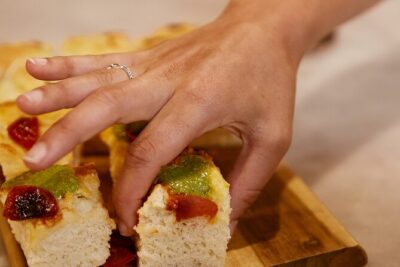
Small Group Cooking Class & Market Food Tour in Florence
Read our review →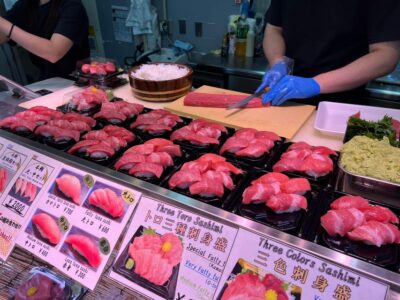
Tokyo: Tsukiji Fish Market Guided Walking Tour
Read our review →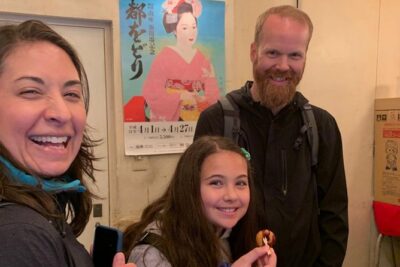
Nishiki Market Brunch Walking Tour (7 Tastings + Brunch)
Read our review →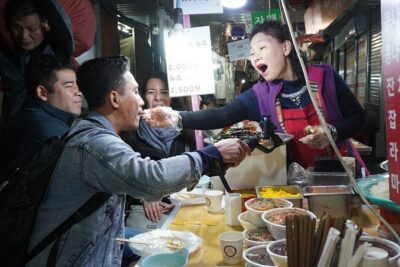
Food Market Visit and Cooking Class with Wine
Read our review →Browse the lists this tour appears in