
REVIEW · MALAYSIA STREET FOOD TOURS
Kuala Lumpur: Half Day Local Food Walking Tour
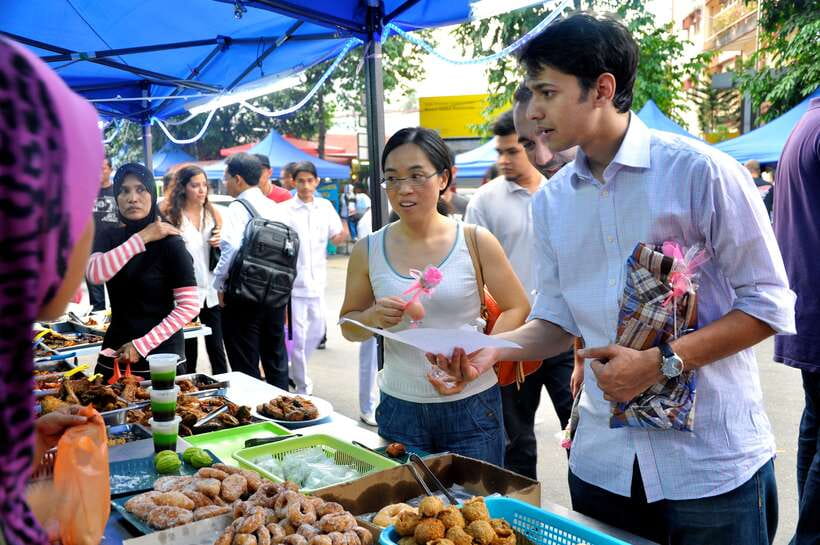
Kuala Lumpur’s best food lesson may begin away from its polished malls. This four-hour walk moves from the old Central Market district to Masjid India and then Kampung Baru, where Malay village life still sits inside the modern city. You taste food along the way, but the larger subject is how different communities shaped KL.
I like the small group of up to eight, which makes it easier to ask questions and keep up on busy streets. I also like the route itself: the mix of mosque views, market stalls, Indian snacks, wooden homes, and regional Malay dishes gives you more than a meal. The main consideration is the pace. You walk for much of the four hours, and the tour is not suitable for children under 11.
Key points at a glance
- Three very different KL districts: Start near Central Market, pass Masjid Jamek and Masjid India, then finish in the Malay quarter of Kampung Baru.
- Food with cultural context: Tastings include halal Malay food and Indian snacks, with dishes linked to traditions from northern and eastern Malaysia.
- A real neighborhood finish: Kampung Baru brings fresh produce markets, leafy lanes, and traditional wooden homes into the tour.
- A short train ride saves your feet: The included ticket takes you from the city center toward Kampung Baru.
- Guides make the difference: Farah and Kristin are named in past bookings, with strong praise for their history and cultural explanations.
- Come hungry: One booking described enough food for two people, so skipping lunch is sensible.
A food tour that explains Kuala Lumpur as you walk
At $60 per person, this is not the cheapest way to eat in Kuala Lumpur. You are paying for a four-hour route, a professional English-speaking guide, food sampling, and the included train ticket. The value depends on what you want. If you only want the lowest-cost street food, you can spend less on your own. If you want someone to connect the dishes with KL’s neighborhoods, religions, migration, and daily life, the price is easier to justify.
The strongest feature is the route. Many city food walks stay in one market or restaurant area. This one changes setting several times, so you see how Kuala Lumpur shifts from old commercial streets to Indian-influenced shopping lanes and then to a Malay village district.
You should also expect a proper meal, not just a few token bites. The food is drawn from several traditions, and one past booking noted that the portions were enough for two people. Skip lunch or eat only a light breakfast. Arriving full would make this tour less enjoyable.
More Street Food Walking Tours in Malaysia:
- Kuala Lumpur Local Street Food Private Walking Tour by Night
★ 4.5 · 224 reviews - George Town: Heritage Walking Tour with Street Food Tasting
★ 4.7 · 6 reviews - Penang Island: Street Food Walking Tour
★ 5.0 · 3 reviews
Finding the turquoise meeting point near Central Market
The tour begins at the Tourist Information and Interaction Centre, close to Central Market. The meeting point is not simply at the front door, so allow a few extra minutes to find it.
Walk along Kasturi Walk beside Central Market. At the end of the walkway, look for the alley between Central Market and the purple building. Enter the Art Lane, walk for about 30 seconds to the black staircase, go upstairs, and turn right. The center is next to a small garden and has a turquoise interior.
These instructions are clear once you know the landmarks, but the area can feel confusing if you are rushing. I would arrive early and use Central Market as your main reference point. This also gives you a chance to locate the starting area before the group gathers.
Bring comfortable shoes. You will walk through streets, market areas, and neighborhood lanes for much of the morning or afternoon. A passport or a copy is also required, so keep one available.
River of Life and Masjid Jamek: a useful opening lesson
The first short walk leads to the River of Life, where you stop for photographs and a guided introduction. This part takes about 10 minutes. It is not a long sightseeing visit, but it helps place the food route in the old center of Kuala Lumpur.
From there, you continue to Masjid Jamek of Kuala Lumpur. The mosque is one of the tour’s main visual markers, and you have about 20 minutes for a visit, photographs, and explanation. The stop gives the food discussion a clear setting, since the surrounding streets reflect the city’s Malay, Indian, and Islamic influences.
Do not expect a long architectural tour. This is a food and neighborhood walk, so Masjid Jamek works as a short cultural stop rather than the central attraction. That balance is useful. You get enough context to understand the district without spending the entire morning inside one landmark.
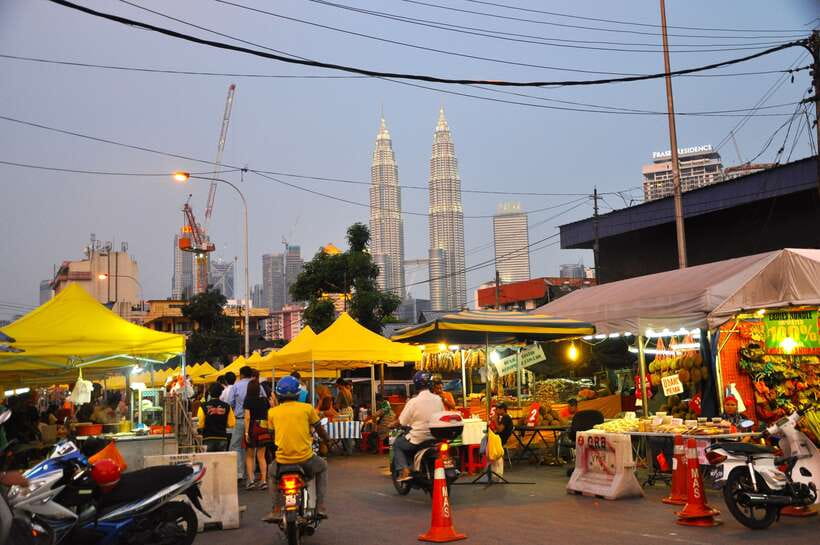
The early part of the tour also helps you see how close Kuala Lumpur’s major sights are to everyday food streets. Sleek towers and modern commercial areas are not far away, but the route quickly turns your attention to older streets and local routines.
Jalan Masjid India brings the spice and street snacks
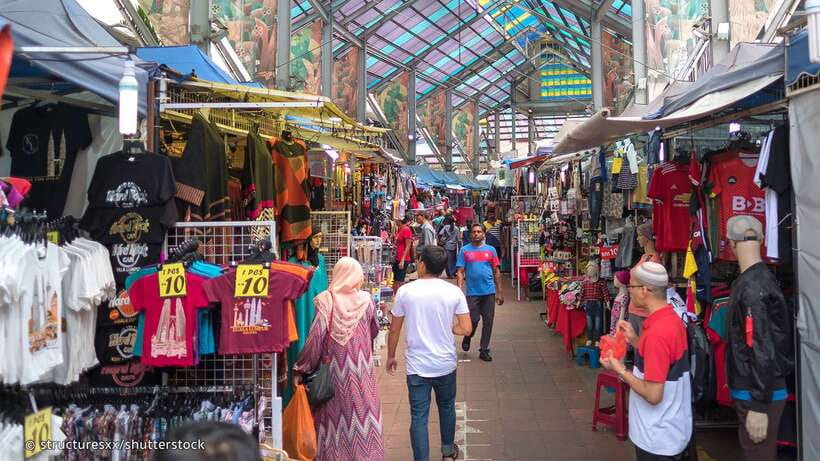
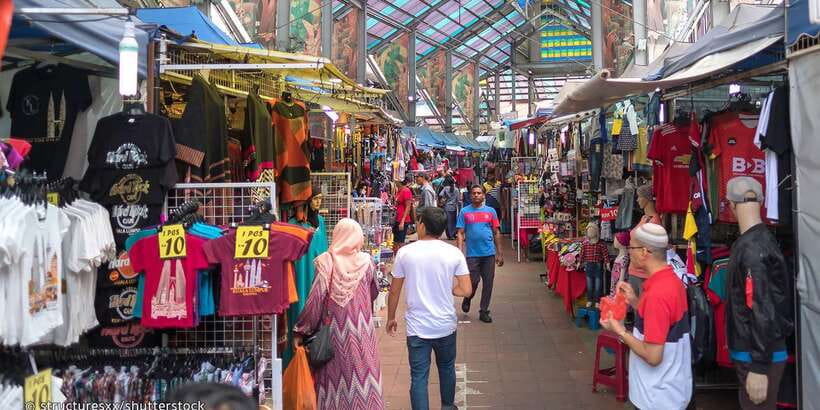
The next stop is Jalan Masjid India, a lively commercial street with strong Indian influence. You spend about 30 minutes here during a break for local snacks and food tasting.
This is a welcome change from the opening sights. Instead of looking at buildings, you are following smells, stalls, and small food stops. The route shows how Malaysian food culture is not one single cuisine. Malay and Indian traditions meet in the city, and this street gives that point a practical form.
The food here is described as snacks and street food with Indian spices. Exact dishes can vary, so you should not book this expecting a fixed restaurant menu. The strength is the variety and the setting, with your guide helping you understand what you are seeing and eating.
Jalan Masjid India is also one of the busier parts of the walk. Keep your belongings close and stay aware of the group. The small-group format helps, but you still need to watch for traffic, other pedestrians, and crowded shopfronts.
A few more street food tours around Malaysia worth a look
- Kuala Lumpur: Sambal Street Food Tour with 15+ Tastings
★ 4.9 · 1,657 reviews - The 10 Tastings of Kuala Lumpur With Locals: Private Street Food Tour
★ 5.0 · 249 reviews - Eat Like a Local: Kuala Lumpur Hawker Center and Street Food Tour by Night
★ 5.0 · 198 reviews - Kuala Lumpur: Local Street Food Night Tour
★ 4.5 · 162 reviews
The train ride changes the mood of the afternoon
After Jalan Masjid India, you take a short train ride to Kampung Baru. The ticket is included, which removes one small task from the day and keeps the group moving together.
This transition matters because it changes the feel of the tour. The first part centers on the old commercial core and Indian-influenced streets. Kampung Baru offers a different side of KL, one connected to Malay settlement, home cooking, produce markets, and residential lanes.
The ride itself is brief, listed at about 10 minutes. It is not a sightseeing excursion, but it breaks up the walking and gets you to the tour’s longest section. You will want the pause, since nearly three hours are allocated to Kampung Baru.
Kampung Baru is where the food story becomes personal
Kampung Baru means New Village in Malay, though the settlement dates to the 1890s, when Malay farmers first established it. Today, the district is known on this route for its fresh-produce markets, traditional wooden homes, leafy lanes, local food, and views of a changing Kuala Lumpur.
This is the heart of the experience. You have about 2 hours and 50 minutes here, including sightseeing, walking, food tasting, and time at the local market. Rather than racing through several attractions, you spend enough time to notice how the neighborhood works.
The contrast is the point. Modern Kuala Lumpur surrounds Kampung Baru, yet the route takes you through streets where traditional houses and local markets remain part of the scene. You are not only looking at old buildings. You are seeing a neighborhood where food shopping, home life, and long-standing Malay traditions still shape the day.
The tastings here include Malay delicacies connected to the north and east of Malaysia. That regional angle gives the meal more depth. You are not simply sampling generic Malaysian food. You are being introduced to dishes with roots in different parts of the country, though the available choices may depend on the day and the stalls visited.
You should expect plenty of walking between tastings. The long Kampung Baru section is ideal if you want time to ask questions and observe local life, but less ideal if you prefer a short, seated food crawl. There is no promise of a single restaurant meal or air-conditioned dining room. The appeal is the market and neighborhood setting.
What the guide adds to the food
The guide is central to the tour’s value. Food stalls can be easy to pass without understanding, especially when you do not know the language, ingredients, customs, or local history behind them.
Farah guided one booking through Jalan Masjid India and Kampung Baru, explaining Malaysian culture and daily life as well as the food. Kristin was also praised for creating a fun afternoon with a good balance of KL history and eating. Another past booking singled out the guide’s serious research into the city’s history and cultures.
That gives you a useful expectation: this is not a silent tasting route. The guide is meant to explain why the districts look different, how food traditions connect to communities, and what place the meal has in Malaysian life.
The group limit of eight helps here. A large food tour can make it hard to hear or ask questions at a small stall. With fewer people, you should have more room for conversation and a better chance to follow the guide’s explanations.
How much food, and what kind?
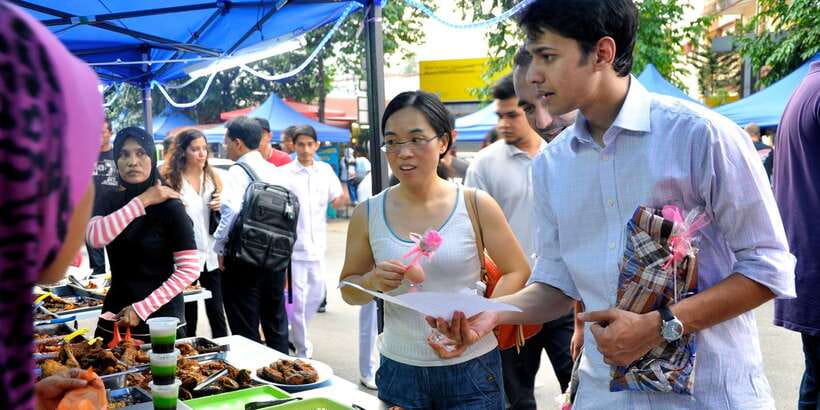
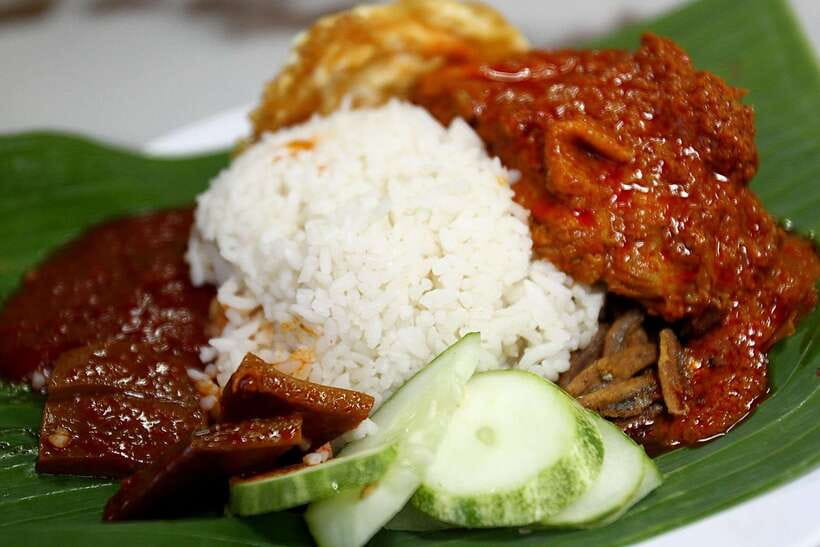
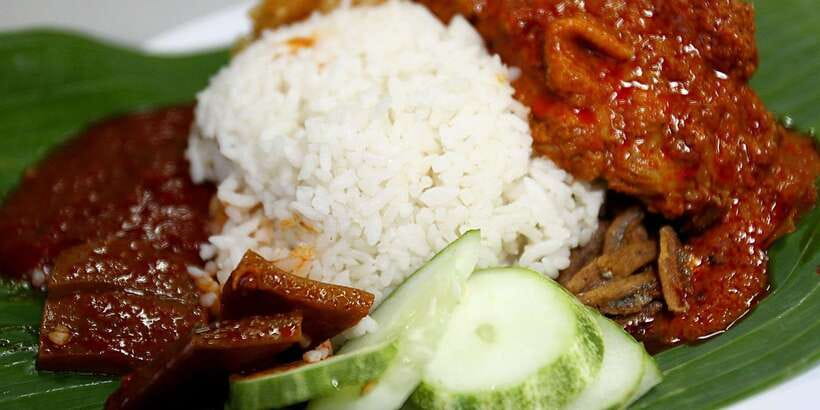
The tour includes food sampling throughout the route, with halal Malay foods at the market and local snacks around Jalan Masjid India. Kampung Baru adds more Malay delicacies, including food linked to the north and east of the country.
The exact menu is not specified, so I would treat this as a guided introduction rather than a fixed tasting list. If you have allergies, strong dislikes, or dietary concerns beyond the halal focus described, ask before booking. The supplied details do not promise vegetarian, vegan, gluten-free, or other special menus.
The halal focus is helpful for anyone seeking food that fits Islamic dietary rules. It also reflects the districts visited and the cultural themes of the route. You will taste food in local market and street settings, not just dishes chosen for an international restaurant audience.
The practical advice is simple: arrive hungry, but not uncomfortably so. One booking found there was more than enough food for two people. Since the tour lasts four hours and includes several tasting points, a light breakfast or early snack is the sensible plan.
Is $60 a fair price?
The $60 cost makes the most sense if you value guidance and structure. Food alone could cost less, especially if you shop at markets and choose inexpensive snacks. But doing the route independently would require finding the meeting points, selecting food without much explanation, navigating between districts, and arranging the train ride.
The included LRT ticket is a small benefit, not the main reason to book. The bigger value is the connection between places. You start near Central Market, see Masjid Jamek, walk through Jalan Masjid India, and reach Kampung Baru with someone explaining the links.
The tour is also efficient for a first visit. In four hours, you cover food, local history, religious landmarks, transport, markets, and residential streets. You will not become an expert on Malaysian cuisine in one afternoon, but you will leave with a much clearer sense of the city’s mix of traditions.
For repeat visitors, the value depends on your curiosity. If you have already spent time in Kampung Baru and know the local food scene, the route may feel familiar. If you have mostly seen malls and major city sights, it offers a useful change of pace.
Who should book this four-hour walk?
I would recommend it to adults and older children who enjoy walking, tasting unfamiliar food, and learning how a city works through its neighborhoods. It suits first-time visitors especially well because it provides a practical introduction to several sides of Kuala Lumpur in one half-day.
It is a good choice if you want:
- A small group rather than a large coach tour
- An English-speaking guide
- Halal Malay food and Indian-influenced street snacks
- A mix of landmarks and ordinary local streets
- A substantial food experience instead of a few sample bites
- A tour that finishes near easy transport in Kampung Baru
I would think twice if you dislike market settings, cannot walk for several hours, or need a guaranteed menu. The tour is not suitable for children below 11, and the long Kampung Baru section may feel tiring in hot or wet weather.
Free cancellation is available up to 24 hours before the start, and you can reserve now and pay later. Those options help if your Kuala Lumpur schedule is still changing, but they do not alter the basic need for comfortable shoes and a passport or accepted copy.
Final call: a strong pick for food and local context
Book this tour if you want Kuala Lumpur explained through what people eat, where they shop, and how old neighborhoods fit into a modern capital. The best parts are the change from Masjid India to Kampung Baru, the generous amount of food, and the chance to learn from guides such as Farah and Kristin.
Skip it if you want a quick list of famous sights or a restaurant-based meal. This is a walking tour with market stops, street food, and local context. At $60, it asks more than a do-it-yourself lunch, but it gives you a well-planned route and a clearer understanding of KL’s Malay and Indian food traditions.
FAQ
How long does the Kuala Lumpur food tour last?
The tour lasts four hours.
What language is the tour conducted in?
The tour is conducted in English with a live guide.
How large is the group?
The group is limited to eight participants.
Where does the tour start?
It starts at the Tourist Information and Interaction Centre near Central Market, reached through Kasturi Walk and Art Lane.
Where does the tour finish?
The tour finishes in Kampung Baru.
Is transportation included?
Yes. A train ticket to Kampung Baru is included.
What should I bring?
Bring comfortable shoes and your passport. A copy of your passport is accepted.
Is the tour suitable for young children?
No. The tour is not suitable for children under 11.
Just added around Malaysia
- Back of the Bike Street Food Experience – Real Penang!★ 5.0 · 27 reviews
- Private Half Day Penang Tasty Local Street Food Tour★ 4.1 · 48 reviews
- Penang: Trishaw Ride and Hawker Center Food Tour★ 4.3 · 20 reviews
- Penang Local Food Hunting★ 5.0 · 10 reviews
- Penang Island: Street Food Walking Tour★ 5.0 · 3 reviews
- Petaling Jaya: Hauntu The Curve Admission Ticket★ 5.0 · 2 reviews
- Kuala Lumpur: Nightlife Street Food Tour with 6 Tastings★ 4.6 · 73 reviews
- George Town: Heritage Walking Tour with Street Food Tasting★ 4.7 · 6 reviews
Malaysia Street Food Tours, compared.
Kuala Lumpur: Sambal Street Food Tour with 15+ Tastings
Read our review →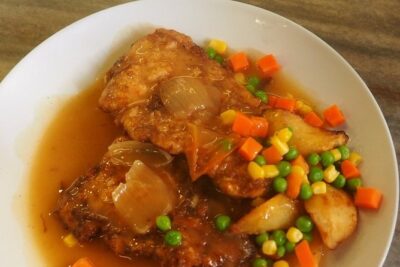
The 10 Tastings of Kuala Lumpur With Locals: Private Street Food Tour
Read our review →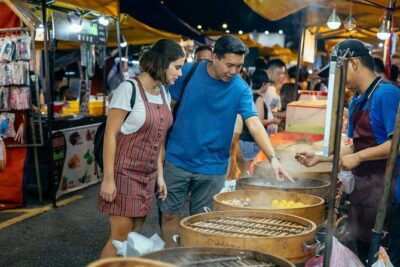
Kuala Lumpur Local Street Food Private Walking Tour by Night
Read our review →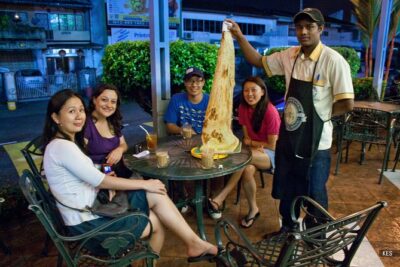
Eat Like a Local: Kuala Lumpur Hawker Center and Street Food Tour by Night
Read our review →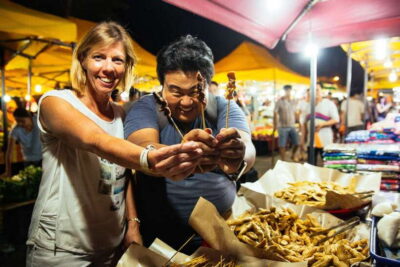
Kuala Lumpur: Nightlife Street Food Tour with 6 Tastings
Read our review →
Private Half Day Penang Tasty Local Street Food Tour
Read our review →
Back of the Bike Street Food Experience – Real Penang!
Read our review →Browse the lists this tour appears in