
REVIEW · ITALY STREET FOOD TOURS
Milan: Guided Street Food Walking Tour with Food Tasting
Milan’s best street food is not always sold from a cart. On this 2.5-hour food walk, you may taste risotto al salto, cured meats, cheese, arancini, balsamic vinegar, fried specialties, and cannoncini while moving through the old center. The food gives the sightseeing a purpose, and the sightseeing keeps the meal from feeling like a string of restaurant stops.
I like the way the tour links food to Milanese customs and city history, especially at places such as Piazza Mercanti and Piazza Affari. I also like the generous portions and the variety: this is enough food for many people to skip lunch or dinner afterward. The main catch is that drinks cost extra, dietary options are limited, and the starting point in front of San Maurizio Church is not as easy to spot as a major square.
Key points to know before booking
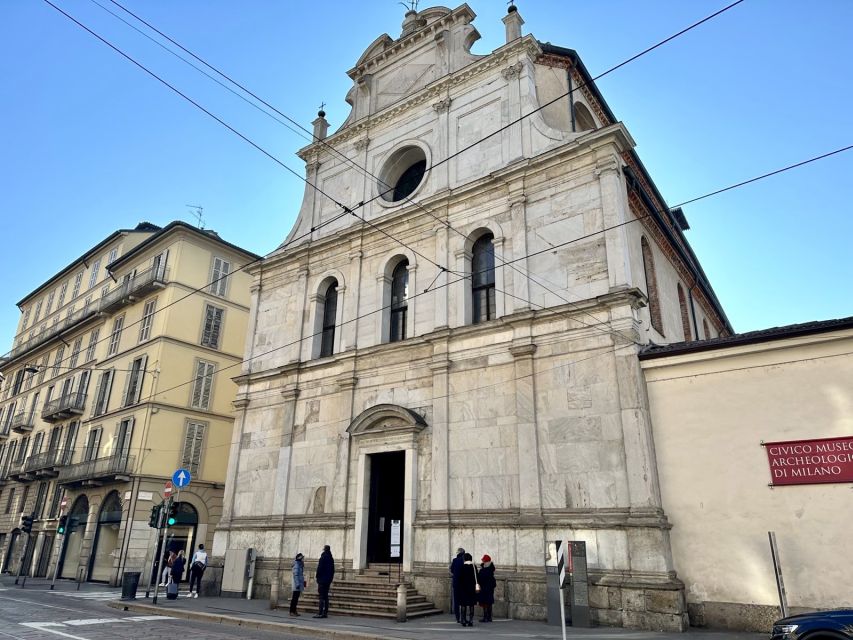
- Several substantial tastings: Expect food at roughly four or five stops, with examples including cheese, charcuterie, risotto al salto, arancini, balsamic vinegar, and cannoncini.
- Sightseeing comes with the meal: The route includes the Duomo, Piazza Mercanti, Piazza Affari, the L.O.V.E. statue, and remains connected with Milan’s Roman past.
- Guides make a big difference: Francesca, Luca, Anna, Chris, and Maria Christina have all led highly praised tours, combining food explanations with city stories.
- Not suitable for several diets: The activity does not accommodate vegan, gluten-free, or dairy-free participants. Tell the provider about allergies or vegetarian needs ahead of time.
- Bring shoes, not luggage: The walk takes place rain or shine, and large bags are not allowed.
- Budget about $58 per person: That is a fair price if you want a meal-sized tasting tour and an introduction to central Milan, but less attractive if you only want a small snack.
Start at San Maurizio and get your bearings
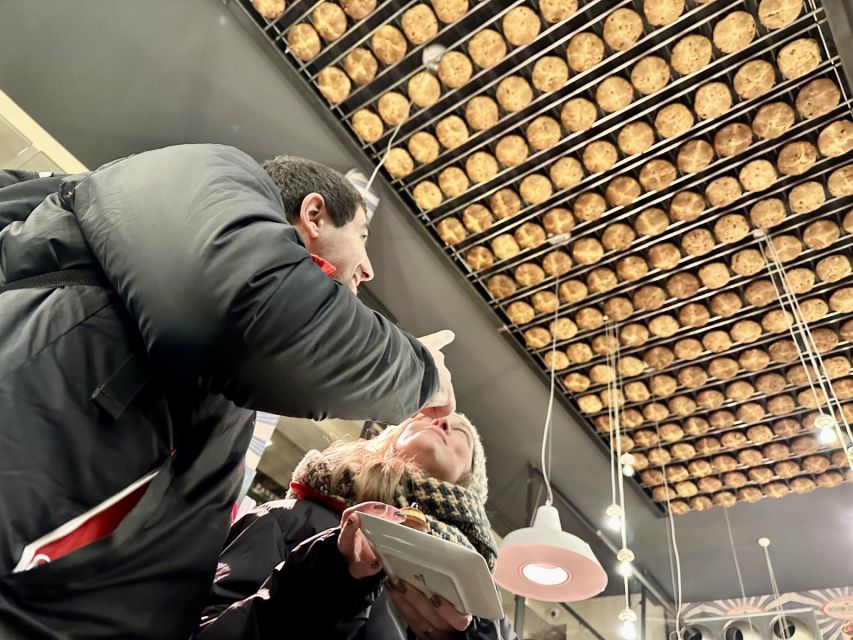
The meeting point is in front of the Church of San Maurizio. This is a real church, not a generic street corner, but it may not be as instantly obvious as meeting at the Duomo or beside a major station. Give yourself extra time to find it, especially if Milan is new to you.
Once the group gathers, the guide sets the tone. The roster can change, but Francesca, Luca, Anna, Chris, and Maria Christina have all led tours praised for clear English, energy, warmth, and strong command of Milanese food and history. The best guides keep the group moving without rushing the tastings.
The walking is part of the meal. You are not transported between restaurants, so comfortable shoes matter. The route covers old streets and major squares, with stops woven into the sightseeing rather than placed at the end of a long lecture.
More Street Food Walking Tours in Italy
- Naples: Street Food Walking Tour with Local Guide
★ 4.9 · 4,976 reviews - Rome: Guided Food Walking Tour with Wine in Trastevere
★ 4.9 · 3,105 reviews - Rome: Trastevere & Campo de Fiori Street Food Walking Tour
★ 4.9 · 2,768 reviews
Taste Milan from north to south
The food is the reason to book this experience, and the range is its strongest feature. Milan is in northern Italy, but the tour also introduces foods from other parts of the country. That gives you a broader picture than a narrow list of Milanese dishes.
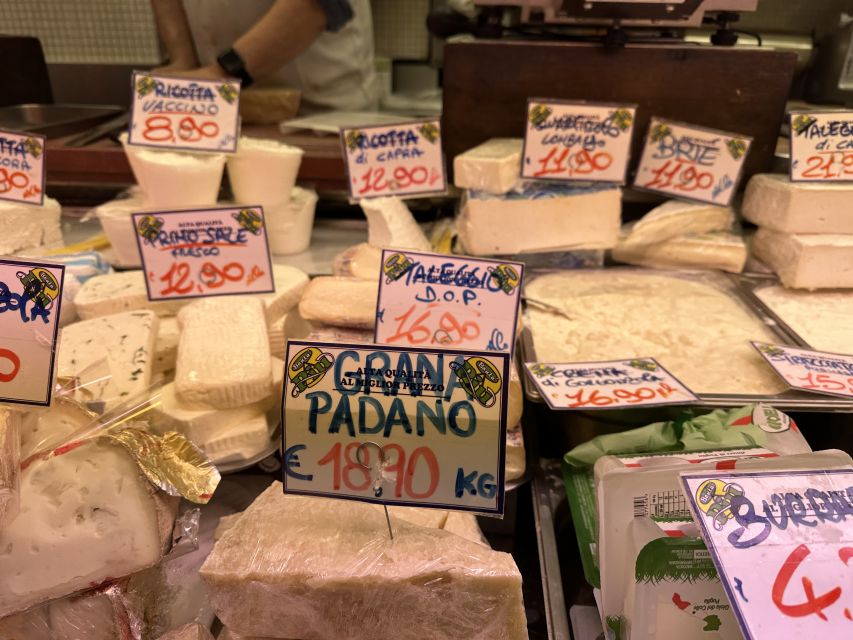
A typical sequence can include an antipasto stop with cured meats and cheeses. This is a useful first taste because it shows how much Italian food depends on excellent basic ingredients. You may also receive explanations of the products, how they are served, and where they fit into Italian food culture.
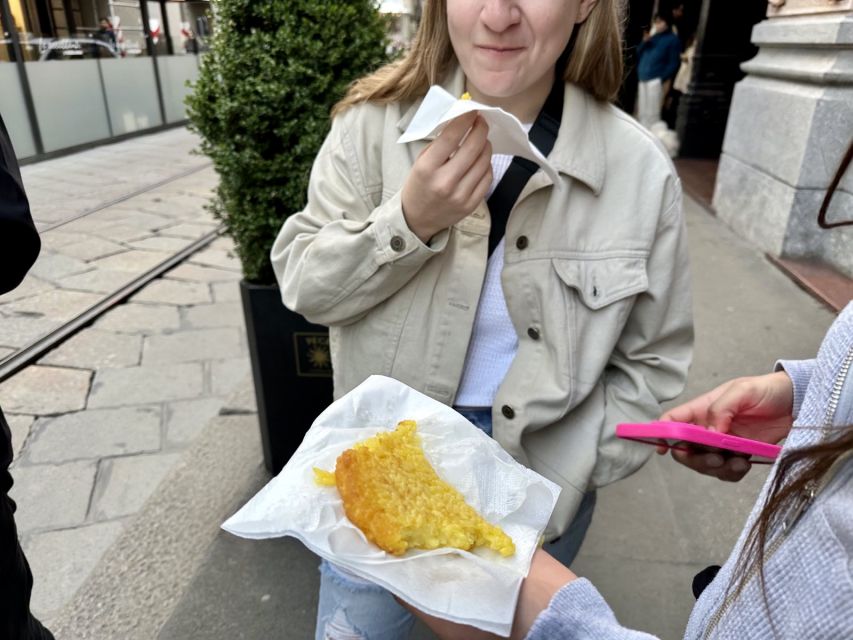
One of the most distinctly Milanese bites is risotto al salto. Milan is famous for saffron risotto, and risotto al salto uses leftover risotto that is pressed and fried until it forms a crisp outside. It is a clever example of practical cooking becoming a local specialty. You get texture as well as flavor, and the dish makes more sense when your guide explains its connection to everyday Milanese cooking.
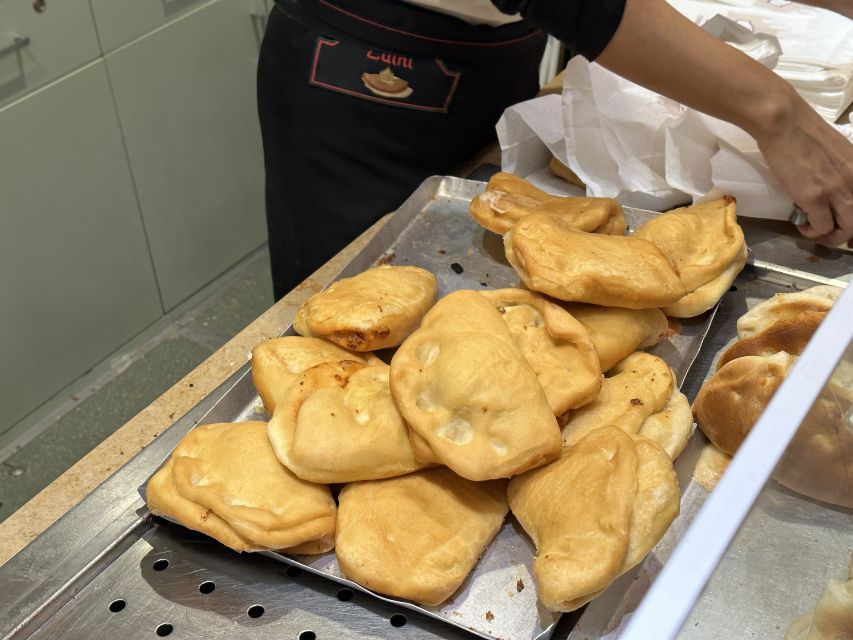
Other tastings can include arancini, fried specialties, and regional snacks. Arancini are not Milanese in origin, but their appearance on the route helps show how Italian food changes as it travels between regions. A fried panzerotto from Luini is another possible stop, and one of the stronger food moments for many people.
The exact menu can vary by day and availability. Treat the published food list as a guide rather than a promise of every single item. The dependable point is variety, and the amount is substantial. Several people finished the walk too full for a normal meal, so avoid scheduling a large lunch immediately afterward.
The balsamic vinegar tasting is more than a quick sample
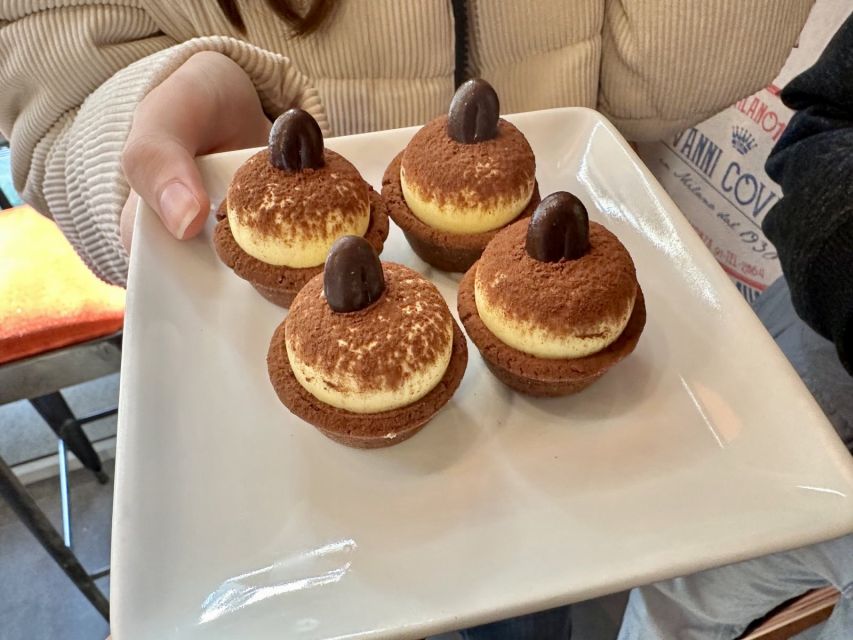
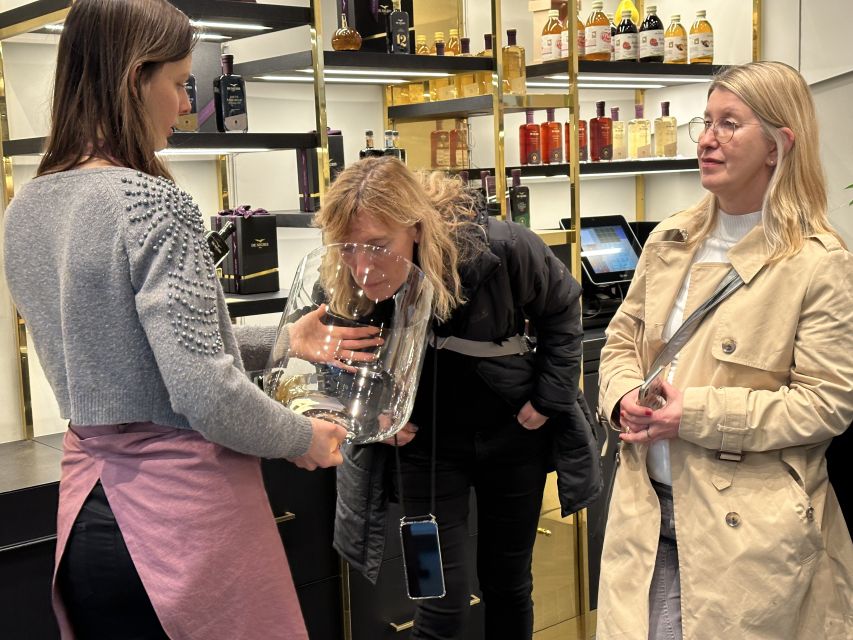
The balsamic stop receives special attention for good reason. It adds an educational pause to a meal made mostly of bites. At the tasting, you can compare the product and learn why balsamic vinegar has such a strong place in Italian cooking.
The experience may include a demonstration and an explanation from someone focused on the product itself. This gives the tasting more weight than simply dipping bread into vinegar and moving on. You learn to notice the difference between a sharp, everyday condiment and a smoother, more carefully made product.
Several guides have made this stop a highlight, including Francesca and Luca. The D’Nigris visit has also been singled out as a memorable part of the route. If you enjoy food shopping, this is the sort of stop that may change what you look for in a grocery store after you return home.
Do not expect this to be a wine tour. Drinks are not included, and the emphasis is food, vinegar, local customs, and city history. If you want an alcoholic drink with your tastings, budget separately.
Cannoncini finish the walk on a sweet note
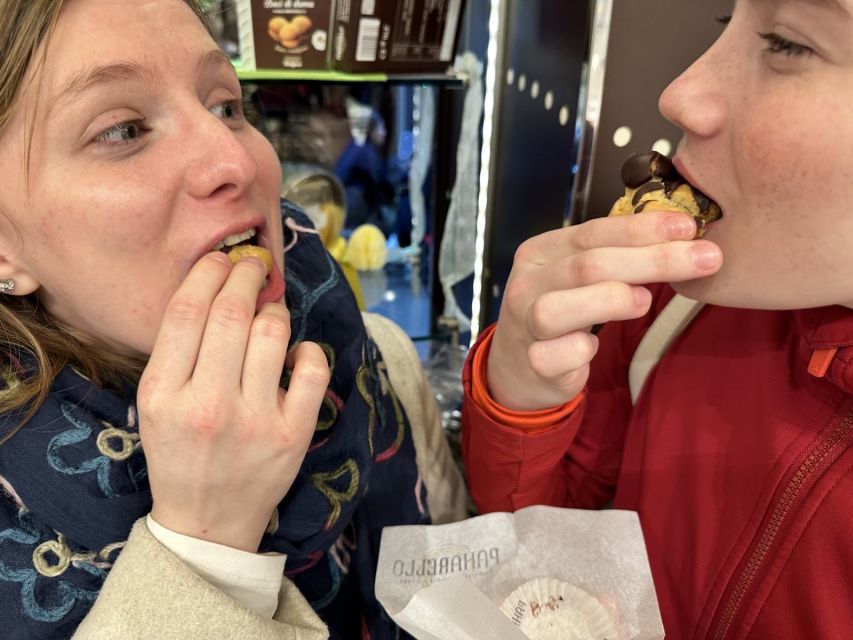
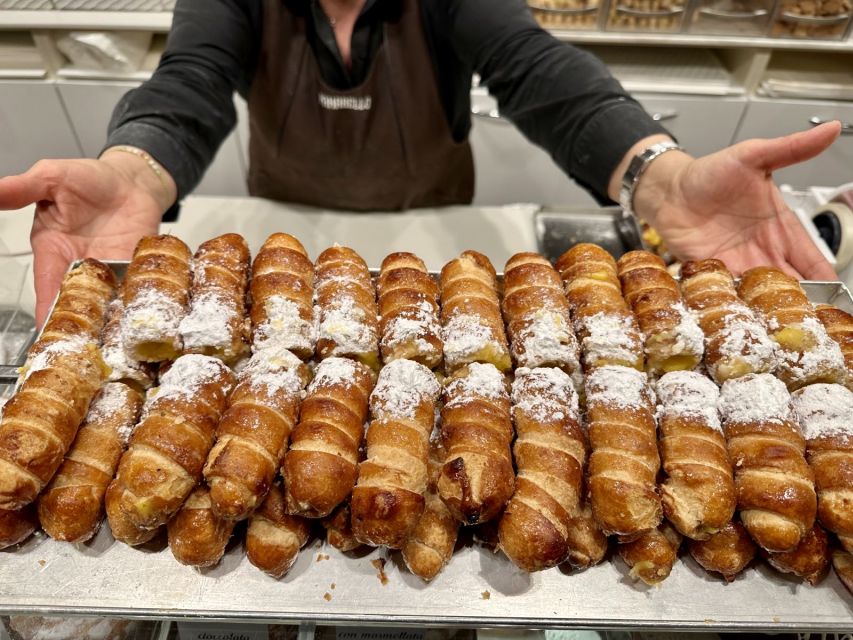
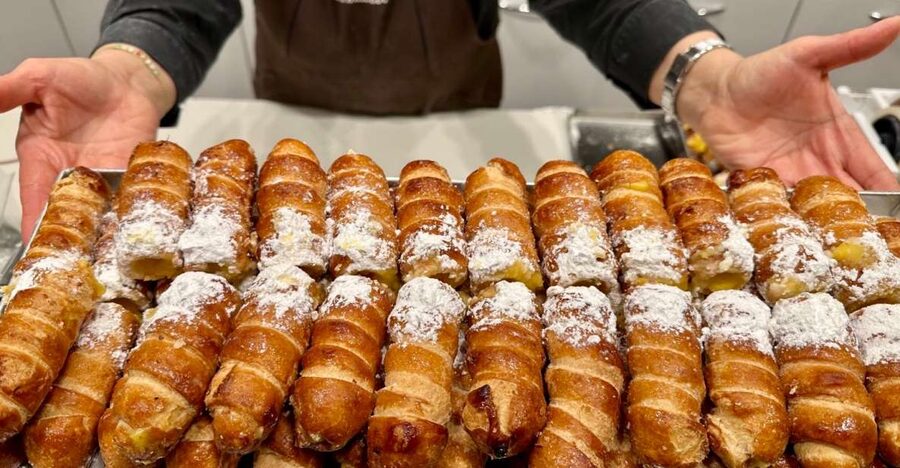
The final pastry stop may feature cannoncini, crisp pastry horns filled with sweet cream. After savory tastings, this gives the tour a clear finish and keeps the meal moving from salty to sweet.
The pastry stop is also useful because it takes you into a specialist shop rather than presenting every bite as a formal restaurant course. You see how a familiar Italian sweet is sold and enjoyed in Milan. The tour is strongest when it works this way, using ordinary food places to explain local habits.
The food is not delicate in portion size. Cured meats, cheese, risotto, fried food, vinegar, and pastry add up quickly. I would book this as a late morning meal or an early evening meal, not as a small pre-lunch nibble. The 4:30 departure has been especially practical for people who want to replace dinner with the tour.
Same city, a different plate:
- Rome: Street Food Tour with Local Guide
★ 4.8 · 4,077 reviews - Florence: Cinque Terre Park Day Trip with Optional Street Food
★ 4.5 · 3,593 reviews - Florence: Day Trip to Cinque Terre with Optional Street Food
★ 4.5 · 2,854 reviews - Venice: Street Food Tour with a Local Guide and Tastings
★ 4.8 · 2,613 reviews
See the Duomo without spending the whole tour there
The Duomo is one of Milan’s essential sights, and the tour brings you to Piazza del Duomo. You do not book this activity as a Duomo interior or rooftop visit, so do not expect a full cathedral tour. Instead, you see the square as part of a broader walk and receive context from the guide.
That arrangement works well for a first afternoon in Milan. You get your bearings, hear stories about the city, and learn where the main center fits together. You can then return to the Duomo later for a dedicated visit if you want to go inside or climb to the roof.
Piazza Mercanti adds a different mood. It is close to the Duomo but feels more connected to Milan’s older civic life. The guide uses the buildings and square to explain earlier periods of the city, which makes the walk more than a route between food shops.
Look for Milan’s stranger modern symbols
The tour also passes Piazza Affari, home of the L.O.V.E. statue, often called The Finger. This large hand sculpture is an intentionally provocative modern work set beside Milan’s financial district. It makes a sharp contrast with the medieval squares and church architecture nearby.
That contrast is one of the route’s strengths. Milan is not only old churches and grand shopping streets. It is also finance, fashion, modern art, and public debate. A guide can make those connections quickly as you walk, giving you a wider sense of the city than a food-only itinerary would provide.
The Ancient Roman Circus adds another layer. You will not spend the tour at an archaeological site, but the reference to Roman Milan helps show how many different periods occupy the same central streets. The city’s past is not confined to one museum.
Why the guides matter
The guide is the thread holding the tour together. Food stops can be good on their own, but the guide explains why each item matters and keeps the route from feeling random.
Francesca is praised for keeping groups on time while remaining friendly and attentive. Luca is often described as entertaining as well as well informed, a useful combination when the walk includes several stops. Anna has been especially good at connecting food with culture, while Chris has been praised for her enthusiasm, clear English, and care with practical needs.
Maria Christina has also led tours with an energetic style and plenty of suggestions for the rest of a Milan stay. That last point matters if you take the tour early in your visit. A local guide can point you toward food, sights, or neighborhoods to explore later.
The activity is offered in English. The best guides adapt their explanations to the places you are standing in, so a market stop becomes a chance to talk about shopping, while a historic square becomes a short lesson in Milan’s past. That keeps the information useful rather than detached from the walk.
Food restrictions need careful planning
This is not a flexible tour for every diet. The provider requires advance notice for vegetarian requests or allergies, and the activity does not accommodate vegan, gluten-free, or dairy-free participants.
Some allergy accommodations may be possible. One person with an allergy was given a different risotto when garlic appeared in a dish. That is encouraging, but you should not treat it as a guarantee. Send your restrictions before the tour and ask clearly what can be changed.
If you eat everything, the menu is much easier to enjoy. If you are vegetarian, contact the provider before paying and confirm the available tastings. If you are vegan, gluten intolerant, or lactose intolerant, choose another activity.
Rain, toilets, bags, and the practical details
The tour runs rain or shine. Bring a rain jacket or umbrella when the forecast looks poor, and wear shoes with good support. One wet-weather tour still worked well because the guide kept the history and food moving, but Milan’s stone streets are less pleasant in bad weather.
Toilets are a concern. The route does not guarantee regular restroom access, and there may not be a toilet even at a sit-down food stop. Use a restroom before arriving and plan accordingly. This is a small detail, but it can affect the whole 2.5-hour experience.
Large bags and luggage are not allowed. Travel light, especially if you are taking the tour between hotel check-out and a train. A small day bag is the sensible choice, but follow the provider’s instructions about size.
The group walks at a steady pace and stops several times. Families can manage it, and children aged 11 and 13 have enjoyed the food and sightseeing. Still, young children who need frequent breaks may find the schedule less easy.
Is $58 a fair price?
At $58 per person, this is not the cheapest way to eat in Milan. You can buy individual snacks for less, and you could see the major squares without paying for a guide.
The value comes from combining a meal-sized amount of food with a guided city introduction. Four or five stops, specialty tastings, and explanations about food production would cost more if you tried to arrange the same experience yourself. You also reduce the risk of choosing a touristy restaurant near the Duomo simply because it is easy to find.
The price works best for a first visit, a solo visitor, or anyone who wants help finding places they would not notice alone. It is less convincing for a repeat visitor who already knows Milan’s food scene, or for someone who wants a formal restaurant meal with drinks included.
The tour also functions as a social activity. Solo visitors can meet other people while eating, and families can keep children interested with regular tastings. You get both a walking introduction and enough food to count as a meal.
Who should book this Milan food walk?
Book it early in your stay if you want a quick introduction to central Milan and useful ideas for later meals. The route covers major sights without turning into a standard monument lecture, and the food gives you an easy way to remember the streets.
It is especially good for curious eaters who want more than pizza and pasta. Risotto al salto, gorgonzola, regional fried food, balsamic vinegar, antipasto, and cannoncini offer a much broader look at Italy’s food traditions.
Think twice if you need a strict special diet, dislike walking in poor weather, or want drinks included. Also avoid eating a large meal beforehand. The generous tastings are a benefit, but they can be too much if you arrive full.
Should you book it?
I would book this tour if you want a practical first taste of Milan, especially at the beginning of a visit. The strongest parts are the food variety, the balsamic vinegar tasting, the historic center route, and guides such as Francesca, Luca, Anna, Chris, and Maria Christina who bring the stops to life.
Before booking, confirm your dietary needs, check the weather, use a restroom, and arrive early at San Maurizio Church. If those details work for you, $58 buys more than snacks. It buys a useful orientation, a filling meal, and a better sense of how Milan’s food and streets fit together.
FAQ
How long does the Milan street food tour last?
The tour lasts 2.5 hours.
How much does the tour cost?
The listed price is $58 per person.
Where does the tour meet?
Meet your guide in front of the Church of San Maurizio.
What language is the tour offered in?
The tour is offered in English with a live guide.
What food is included?
Different tastings are included. Examples from the tour stops include charcuterie, cheese, risotto al salto, arancini, fried specialties, balsamic vinegar, and cannoncini.
Are drinks included?
No. Drinks are not included in the tour price.
Can people with dietary restrictions join?
You must tell the provider in advance about vegetarian needs, allergies, or other restrictions. The tour does not accommodate vegan, gluten-free, or dairy-free participants.
What should I bring?
Bring comfortable shoes. Do not bring luggage or large bags, and prepare for the tour to operate rain or shine.
Just added around Italy
- Small-group Street food tour in Ischia★ 3.5 · 2 reviews
- Genoa Street Food Tour with a Local Guide★ 5.0 · 3 reviews
- Street Food Tour in Genoa★ 4.0 · 7 reviews
- Genoa Walking Tour: Discover Hidden Treasures and Street Food★ 5.0 · 80 reviews
- Florence Central Market Food Tour – Private Tour★ 4.0 · 7 reviews
- Florence: Street Food Tour and Sightseeing with Local Expert Guide in 2.5 hours★ 5.0 · 20 reviews
- Florence: San Lorenzo Farmers Market Food Tour with Wine Tasting in 4 hours★ 5.0 · 2 reviews
- Mamma Mia Florence Street Food Tasting and City Guided Tour★ 5.0 · 2 reviews
Italy Street Food Tours, compared.
Naples: Street Food Walking Tour with Local Guide
Read our review →
Rome: Guided Food Walking Tour with Wine in Trastevere
Read our review →
Rome: Trastevere & Campo de Fiori Street Food Walking Tour
Read our review →
Venice: Street Food Tour with a Local Guide and Tastings
Read our review →
Authentic Naples Street Food Tour With Local Expert Guide
Read our review →
Palermo Original Street Food Walking Tour by Streaty
Read our review →Browse the lists this tour appears in