
REVIEW · ITALY STREET FOOD TOURS
Piedmont: Winery Tour, Taste Barolo, Barbaresco & Local Food
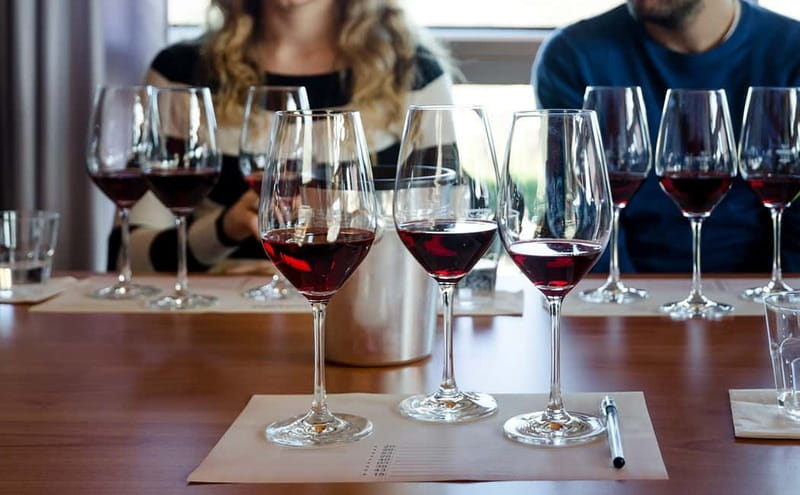
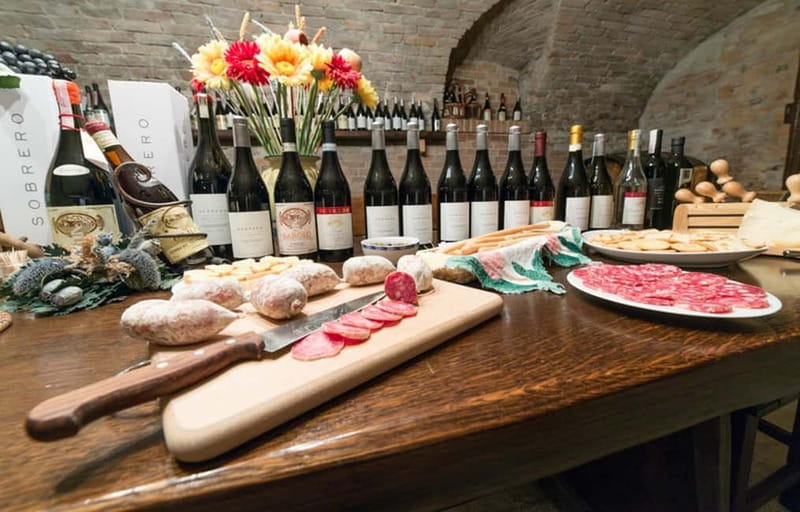
The best part of this Piedmont wine tour is its personal scale. At Sobrero Vini, a family-run estate in Castiglione Falletto, owner Charles introduces you to the vineyard, the centuries-old cellar, and a tasting that moves well beyond a single glass of Barolo. You taste seven wines, two liqueurs, local foods, and the estate’s own olive oil.
I like the direct contact with the producer, rather than a polished tasting room that feels detached from the work. I also like the generous food pairing: cured meats, cheeses, rustic bread, and estate products give the wines a proper Piedmont setting.
The main consideration is transport. The $58 price covers the two-hour visit and tasting, but you must make your own way to the private parking at Sobrero Vini. If you are driving, plan carefully because the tasting includes several alcoholic drinks.
Key points to know before booking
- Seven wines in two hours: Taste Barolo, Barbaresco, Barbera, Moscato, and other estate pours at a steady but manageable pace.
- Owner-led introduction: Charles presents the winery, its methods, and its approach to wine production.
- Cellar and vineyard access: You walk through the vines before entering a centuries-old cellar.
- Piedmont on a plate: Cured meats, cheeses, homemade-style bread, snacks, and estate olive oil accompany the tasting.
- Two local liqueurs: The tasting includes Barolo Chinato and Grappa di Barolo.
- Small-group setting: The intimate format leaves more room for questions and conversation than a large commercial tour.
Arriving in Castiglione Falletto’s Barolo country
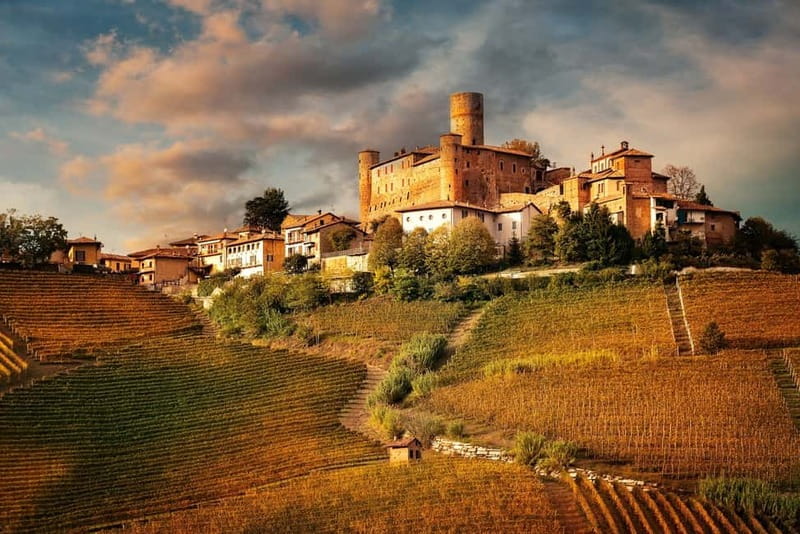
Sobrero Vini is at Via Alba Monforte, 39, in Castiglione Falletto, one of the key villages in the Langhe wine area. The meeting point is the winery’s private parking, where the local host waits for you.
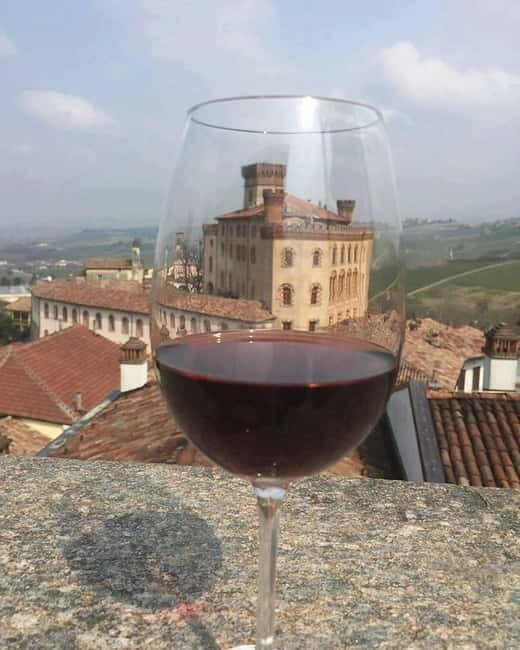
This location matters. You are not visiting a generic city wine bar and hearing a remote explanation of Piedmont. You are in the countryside associated with some of Italy’s most respected wines, surrounded by the vineyard setting that gives the tour its purpose.
The Langhe is a UNESCO World Heritage site, and the route to the winery is part of the appeal. Still, the practical point is simple: transportation is not included. You need to arrange your own car or other transport to the meeting point, and the tour does not provide a transfer from another town.
The activity lasts about two hours. That is long enough for a proper introduction and tasting without taking up an entire day. It also means the schedule is fairly focused. If you want a slow, extended meal with many courses, this is not that kind of experience. It is a compact winery visit with a substantial tasting.
More Wine Tastings in Italy:
- Rome: Guided Food Walking Tour with Wine in Trastevere
★ 4.9 · 3,105 reviews - Florence: Street Food Tour with Wine & Local Guide
★ 4.9 · 1,443 reviews - Venice: Eat Like a Local Food Tour with Wine & Spritz
★ 4.8 · 985 reviews
Walking through the vineyard before the cellar
The visit begins with a guided walk through the vineyard. This first step helps you connect the wine in your glass with the place where the grapes grow.
You will hear about the local growing area and the work behind the estate’s bottles before moving indoors. The supplied details do not give a season-by-season account of the vineyard or specific farming methods, so you should not expect a full technical agriculture course. Instead, the walk gives you a useful introduction to the setting and the relationship between land, grapes, and wine production.
I like this order. Starting outside makes the cellar visit easier to understand. You get a sense of the estate first, then see where the wine is handled and stored.
Wear shoes suitable for a short walk on winery grounds. No special equipment is listed, but a vineyard visit is more comfortable in practical footwear than in delicate city shoes. Since the activity takes place in the Langhe countryside, conditions may vary with the weather.
Inside the centuries-old cellar
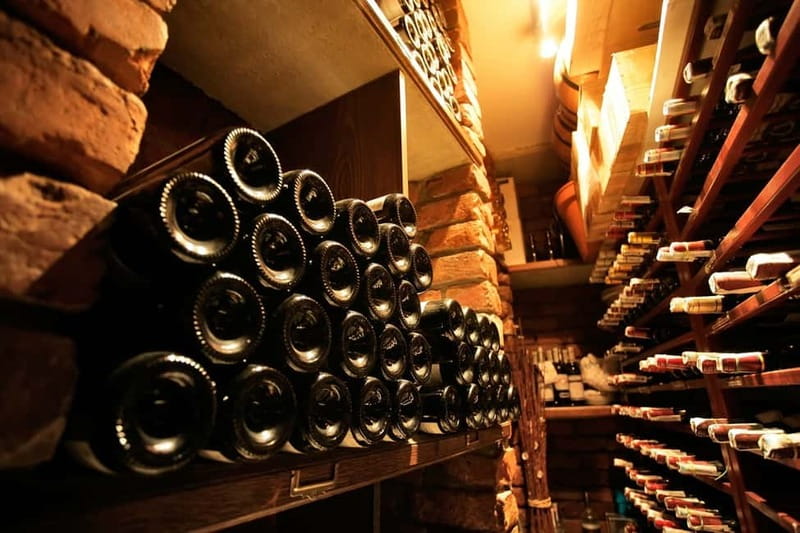
From the vineyard, you enter the estate’s centuries-old cellar. This is where the tour shifts from scenery to production.
Charles explains how the winery makes its wines and shares the family’s approach to the work. The strongest element here is the chance to hear about the estate directly from its owner. You are not simply tasting anonymous bottles with a generic script. The visit connects the family business, the cellar, and the wines on the table.
The cellar also gives the tasting some context. Barolo and Barbaresco can seem intimidating when presented only as prestigious names. A producer-led explanation helps you understand that these are part of a wider Piedmont wine culture that also includes Barbera and Moscato.
The experience is conducted in English, and the host or greeter is listed as English-speaking. The available information names Charles as the owner who introduces the winemaking, but it does not specify the full staff or the exact size of each group. The setting is described as small-group and intimate, which should make it easier to ask questions.
If wine production interests you, this portion may be the most valuable part of the visit. If you mainly want a scenic stop and a few samples, the cellar explanation may feel more detailed than necessary. The balance depends on how curious you are about the process behind the bottle.
Seven wines, from Barbera to Barolo
The tasting includes seven different wines. The named styles include Barolo, Barbaresco, Barbera, and Moscato, giving you a broad look at Piedmont rather than a lineup of nearly identical red wines.
That range is useful. Barolo and Barbaresco are the famous names, but tasting them alongside Barbera shows a different side of the region’s wine culture. Moscato changes the pace again with a sweeter style. The exact order and vintages are not specified, so you should think of this as a representative estate tasting rather than a guaranteed vertical comparison of different years.
The tasting is also a chance to compare the winery’s own expression of each wine. The experience centers on the estate’s products, and you can purchase the wines you taste directly from the producer afterward at cellar-door prices.
I consider that a practical advantage. You can make your buying decision while the flavors are fresh in your mind, rather than trying to remember a bottle after visiting several unrelated wineries. It also gives you the chance to ask about a particular wine before taking it home.
Seven wines in two hours sounds generous. It is. The pace will likely be steady, especially once you include the cellar tour, food, liqueurs, and olive oil. You should not expect long, formal analysis of every glass. You will get an informative overview with enough time to taste and discuss the wines.
A few more street food tours around Italy worth a look
- Naples: Street Food Walking Tour with Local Guide
★ 4.9 · 4,976 reviews - Rome: Street Food Tour with Local Guide
★ 4.8 · 4,077 reviews - Florence: Cinque Terre Park Day Trip with Optional Street Food
★ 4.5 · 3,593 reviews - Florence: Day Trip to Cinque Terre with Optional Street Food
★ 4.5 · 2,854 reviews
Barolo Chinato, grappa, and estate olive oil
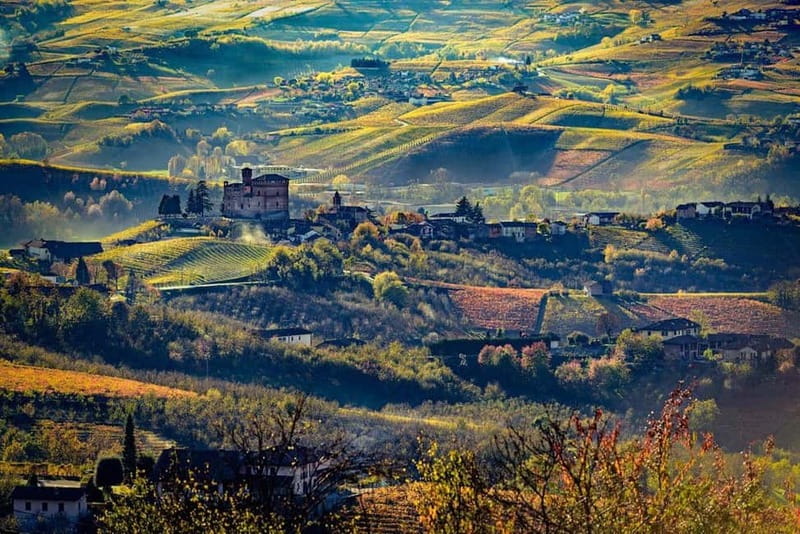
The experience does not stop with wine. Two additional alcoholic drinks are included: one Barolo Chinato and one Grappa di Barolo.
Barolo Chinato is a fortified, aromatic drink made with Barolo and botanicals. Grappa di Barolo is a spirit distilled from grape pomace. Including both gives you a better sense of how Piedmont uses its wine traditions beyond the standard bottle of red.
These pours also add variety to the tasting. If you prefer only wine, they are an extra part of the program rather than a reason to book. If you enjoy regional spirits and after-dinner drinks, they make the tasting feel more complete.
You also taste the estate’s extra virgin olive oil. That may sound like a small addition, but it brings the land to the table in another form. The experience is not limited to wine appreciation. It introduces you to another product made by the estate and gives you something savory to compare with the bread and other foods.
The included snacks are more substantial than a few crackers. The full food pairing includes local cured meats, fine cheeses, rustic homemade bread, and other snacks. This matters because wine tasting without food can become tiring, especially when several alcoholic drinks are served in a short period.
Local food that makes the tasting work
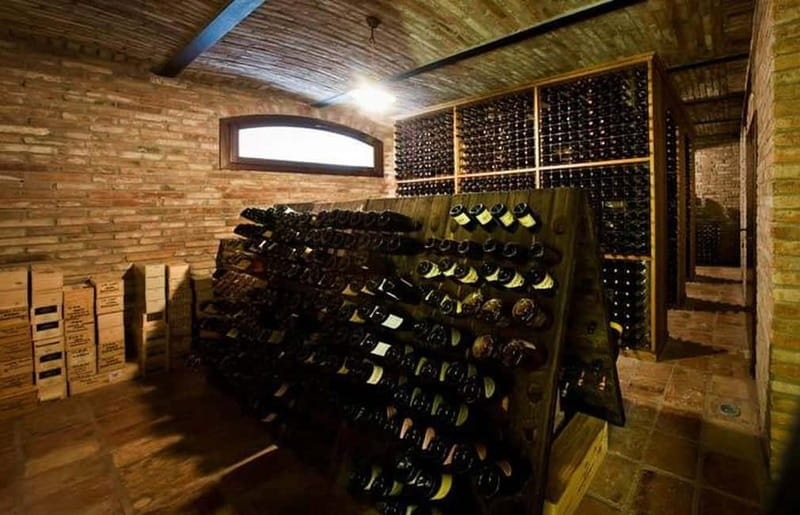
The cured meats and cheeses are not just decoration. They help you taste the wines in a Piedmont setting and make the two-hour visit feel like a small regional meal.
The bread gives you a simple base between samples. The meats and cheeses add salt, fat, and texture, which can change how you experience the wines. You will not receive a full restaurant lunch, and no detailed menu is provided, so anyone with strict dietary needs should ask in advance rather than assume substitutions are available.
I especially like the fact that the tasting focuses on local products. A winery visit is more convincing when the food belongs to the same place and food culture as the wine. It also makes the visit more useful for anyone planning to explore Piedmont beyond the famous labels.
The activity welcomes children and pets. That makes it easier for families or mixed groups to include people who are not taking part in every alcoholic tasting. Still, the core activity is wine and liqueur tasting, so adults who want a serious but relaxed wine visit will get the most from it.
What the $58 price includes
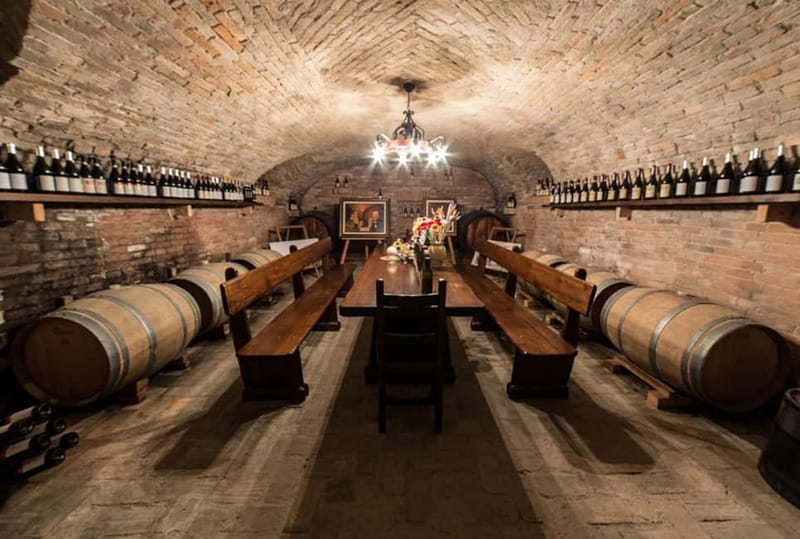
At $58 per person, the price covers quite a lot for a two-hour visit:
- Guided winery and cellar tour
- Tasting of seven wines
- Barolo Chinato
- Grappa di Barolo
- Estate extra virgin olive oil
- Cured meats, cheeses, bread, and snacks
- English-speaking host or guide
I see the value in the combination of access and quantity. You are not paying only for seven small pours. The price also includes the vineyard walk, the cellar explanation, food, two liqueurs, and a product tasting that you would not usually receive at a basic wine bar.
The value is strongest if you want an introduction to several Piedmont styles in one stop. You can sample the famous Barolo and Barbaresco while also trying Barbera and Moscato, then decide if you want to buy a bottle at the winery.
The price is less compelling if you are only seeking one glass of Barolo or a quick photo among the vines. In that case, the guided portion and broad tasting may be more than you need. You also need to budget for your own transport, since no transportation is included.
The opportunity to buy wines directly from the producer at cellar-door prices is useful, but it should not be treated as a reason to spend more than planned. Taste first, choose later, and remember that carrying bottles is part of the practical calculation.
Small groups and the pace of the visit
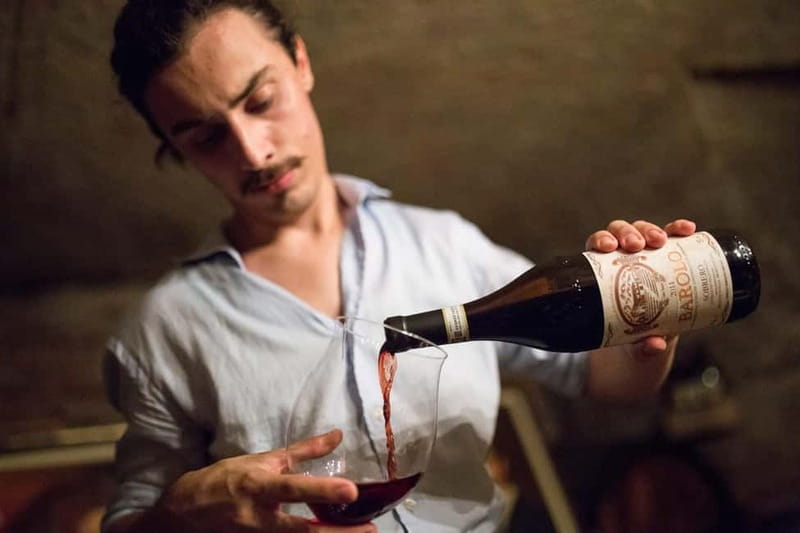
The small-group format is one of the main reasons to choose this experience over a larger winery excursion. A compact group usually makes it easier to hear the explanation, ask about a wine, and speak directly with the host.
The details do not provide a fixed maximum group size, so I would not book expecting a private tour. The experience is described as intimate, not exclusive. That distinction matters if you want personal attention but are comfortable sharing the visit.
The two-hour length keeps the experience approachable. You can fit it into a day exploring the Langhe without giving up most of your schedule. On the other hand, the program includes many elements, so the tasting may feel organized rather than leisurely.
For couples, it offers a straightforward winery stop with enough food to make it feel special. For wine beginners, the range of styles gives you a useful starting point without requiring advanced knowledge. For experienced wine drinkers, the value comes from meeting the producer and tasting the estate’s own range in its home area.
Families can attend because children are welcomed, but the activity itself is still built around alcohol. Parents should decide if a winery tasting suits their group’s interests and attention span.
Helpful booking and planning details
You can cancel up to 24 hours before the activity for a full refund. The reserve-now, pay-later option also gives you some flexibility while arranging a Piedmont itinerary.
Check the available starting times before booking because the exact departure schedule is not fixed in the supplied details. Plan to arrive at the private parking at Sobrero Vini, not at a general town meeting point.
The host language is English. If you need another language, this experience may not be the right match because only English is listed.
The winery welcomes pets and children. The information does not specify accessibility arrangements, dietary substitutions, or transport services, so contact the provider directly if any of those points affect your decision.
Who should book this winery visit?
I would choose this tour if you want a compact, producer-led introduction to Piedmont wine. It suits you especially well if you value local food, prefer small groups, and want to taste more than one famous label.
It is also a good fit for people who are curious about the family business behind the wine. Charles’s personal introduction gives the visit a human touch, and the chance to buy directly from the estate adds a practical finish.
I would be more cautious if you do not drink alcohol, need a full meal, or want transportation included. The activity is centered on tasting several alcoholic drinks, and the two-hour schedule is designed for a focused visit rather than a long lunch.
Should you book Sobrero Vini?
Yes, if you are already exploring the Langhe and can arrange your own transport. For $58, you receive a vineyard walk, a historic cellar visit, seven wines, two liqueurs, estate olive oil, and a generous spread of local food. That is a solid package for a short Piedmont stop.
The strongest reasons to book are the family-run setting, the direct introduction from Charles, and the broad tasting that includes both celebrated wines and less formal regional styles. Skip it only if you want a private experience, a full meal, or a tour with transportation built in.
FAQ
Where does the winery tour meet?
The meeting point is the private parking at Sobrero Vini, located at Via Alba Monforte, 39, 12060 Castiglione Falletto CN, Italy.
How long does the experience last?
The winery visit and tasting last approximately two hours.
Which wines are included?
The tasting includes seven wines, including Barolo, Barbaresco, Barbera, and Moscato. The exact vintages and full wine list are not specified.
Are liqueurs included?
Yes. The tasting includes one Barolo Chinato and one Grappa di Barolo.
Is food included with the wine tasting?
Yes. The tasting is paired with local cured meats, cheeses, rustic homemade bread, snacks, and the estate’s extra virgin olive oil.
Is transportation provided?
No. Transportation is not included, so you need to make your own way to Sobrero Vini. The winery has private parking, and the host meets you there.
Just added around Italy
- Small-group Street food tour in Ischia★ 3.5 · 2 reviews
- Genoa Street Food Tour with a Local Guide★ 5.0 · 3 reviews
- Street Food Tour in Genoa★ 4.0 · 7 reviews
- Genoa Walking Tour: Discover Hidden Treasures and Street Food★ 5.0 · 80 reviews
- Florence Central Market Food Tour – Private Tour★ 4.0 · 7 reviews
- Florence: San Lorenzo Farmers Market Food Tour with Wine Tasting in 4 hours★ 5.0 · 2 reviews
- Florence: Street Food Tour and Sightseeing with Local Expert Guide in 2.5 hours★ 5.0 · 20 reviews
- Mamma Mia Florence Street Food Tasting and City Guided Tour★ 5.0 · 2 reviews
Italy Street Food Tours, compared.
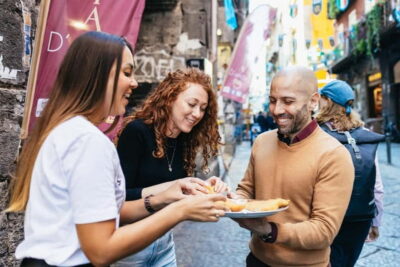
Naples: Street Food Walking Tour with Local Guide
Read our review →
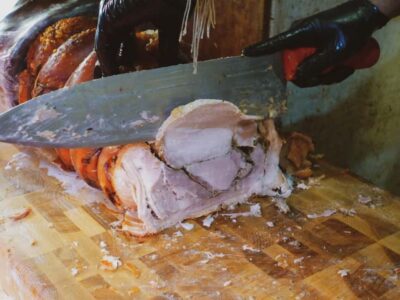
Rome: Guided Food Walking Tour with Wine in Trastevere
Read our review →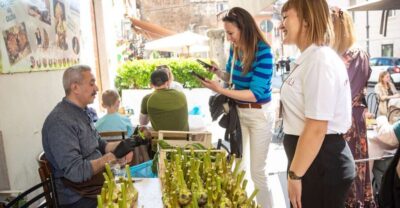
Rome: Trastevere & Campo de Fiori Street Food Walking Tour
Read our review →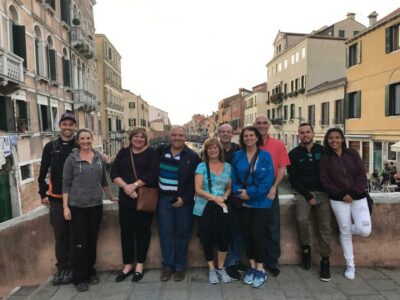
Venice: Street Food Tour with a Local Guide and Tastings
Read our review →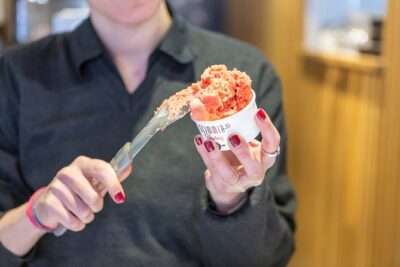
Authentic Naples Street Food Tour With Local Expert Guide
Read our review →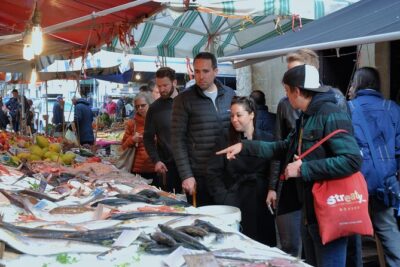
Palermo Original Street Food Walking Tour by Streaty
Read our review →Browse the lists this tour appears in