
REVIEW · ITALY STREET FOOD TOURS
Pisa: Winery Tour and Wine Tasting with Local Food Pairing
A family-run winery outside Pisa gives you a close look at Tuscan wine without the grand estate fuss. Giorgia, the owner’s daughter and future winery manager, leads visitors through the vineyard and cellar, then pours three wines with local food. The personal welcome and small-group setting are the real draw.
I like the clear link between field, cellar, and table. You see how the vines are cared for between harvests, then taste IGT Costa Toscana Rosso 2022, IGT Sangiovese Toscana 2020, and IGT Merlot Toscana 2020 with regional cheeses, cold cuts, and olive-oil bruschetta. The main consideration is that the full address arrives only after booking, so you need to plan your route once the host details come through.
Key points at a glance
- A family story led by Giorgia: You may meet the daughter and future successor, who explains the winery’s work with clear pride and warmth.
- Three wines, three styles: Taste a Costa Toscana Rosso, a Sangiovese Toscana, and a Merlot Toscana.
- Food is part of the lesson: Local extra virgin olive oil, bruschetta, cheeses, cold cuts, bread, and water make the tasting feel like a proper Tuscan snack.
- The vineyard and cellar both matter: You learn about seasonal work between harvests, production methods, and aging materials.
- A compact two-hour visit: The schedule fits well into a Pisa day, but it is focused rather than leisurely.
- Small groups up to 10: The format leaves more room for questions than a large bus tour.
A family winery just outside Pisa
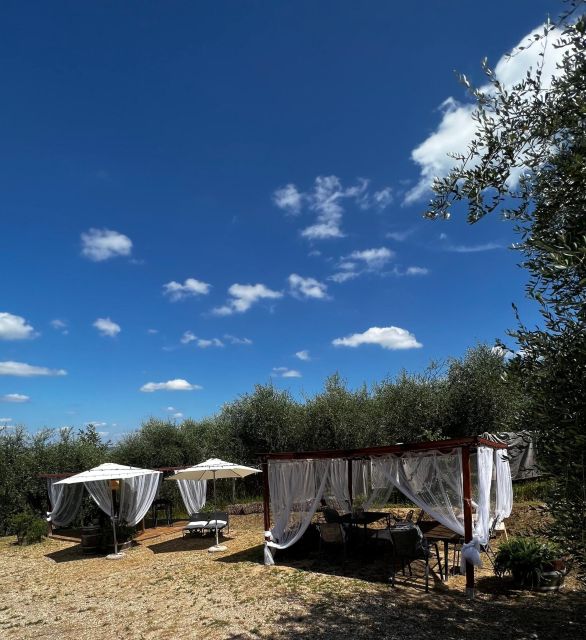
This is not a grand palace with rows of tour buses. It is a visit to a local winery on the outskirts of Pisa, where the wine is tied directly to the family that produces it. That makes the experience feel more like being shown around a working home and business than visiting a polished wine museum.
The family connection matters. Giorgia, described as the eldest daughter and future successor, has led visits with a friendly, personal manner. Her role gives the tour a useful human angle: you are not only hearing how wine is made, you are seeing how a family carries the work forward.
I would choose this experience if you want a taste of Tuscan wine without spending half a day traveling into the countryside. The location near Pisa keeps the outing manageable, while the vineyard walk and cellar visit give you more substance than a tasting held only at a restaurant.
The setting is also a good fit for couples, food lovers, and curious first-time wine drinkers. You do not need to arrive with a detailed knowledge of Italian wine. The visit is designed around explanation, tasting, and conversation.
More Street Food and Wine Tastings in Italy
- Rome: Guided Food Walking Tour with Wine in Trastevere
★ 4.9 · 3,105 reviews - Florence: Street Food Tour with Wine & Local Guide
★ 4.9 · 1,443 reviews - Venice: Eat Like a Local Food Tour with Wine & Spritz
★ 4.8 · 985 reviews
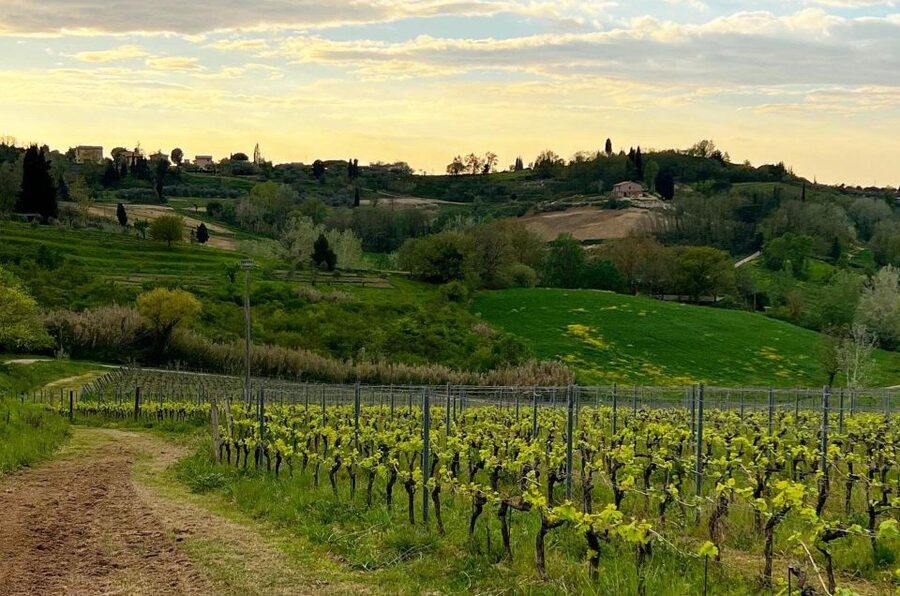
Walking the vines between harvests
The first part takes you among the vineyard rows. This is more than a quick photo stop. You learn what happens during the seasons between harvests, when the vines still require care even though grapes are no longer being picked.
That detail is useful because many casual tastings skip the quiet months. Here, you get a sense of the full cycle, not just the dramatic harvest period. The vineyard walk helps explain why wine is shaped by work done long before the bottle reaches your table.
I like this opening because it gives the tasting a physical starting point. You see where the process begins, then later follow the grapes into the cellar. The connection is simple and easy to understand, even if you know little about farming.
Do not expect a long rural hike. The activity lasts two hours overall, and the vineyard visit is part of a compact guided program. Wear shoes that are comfortable for walking outdoors, but there is no indication that you need hiking gear or special clothing.
Inside the cellar, where the process slows down
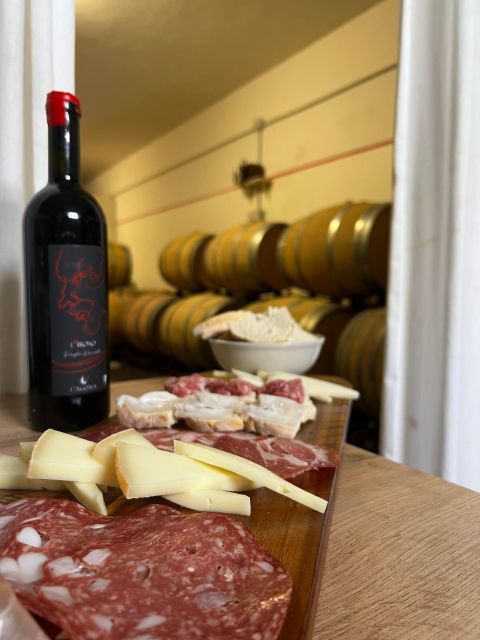
The cellar visit shifts the focus from the vine to the wine itself. You learn about the techniques and materials used in making and aging the bottles, including the choices that affect how the finished wine develops.
This part should appeal to anyone who wants more than a list of tasting notes. The guide can explain what happens after the grapes leave the rows, how wine is handled, and why aging is important. The cellar also gives the tasting a practical context, since you have just heard how the wines are made.
Giorgia’s family connection adds warmth here. She has been described as someone who explains the winery’s methods and motivation with real feeling. That personal enthusiasm can make technical points easier to follow, especially when you are able to ask questions in a small group.
The tour does not promise a long lesson in Italian wine law or a survey of every bottle produced at the winery. It focuses on this family operation and the three wines being served. I see that as a strength if you prefer a focused visit, though serious wine students may want a longer or more technical tour.
Three Tuscan wines in one sitting
The tasting includes three wines:
- IGT Costa Toscana Rosso 2022
- IGT Sangiovese Toscana 2020
- IGT Merlot Toscana 2020
The selection gives you a useful comparison. The Costa Toscana Rosso is the youngest wine in the tasting, while the Sangiovese and Merlot are from 2020. You can consider how grape variety and vintage affect the wines, rather than tasting three bottles that all seem alike.
Sangiovese is especially relevant in Tuscany, so its inclusion helps connect the tasting to the region’s better-known wine culture. Merlot offers a different point of reference, while the Costa Toscana Rosso gives you a broader regional expression.
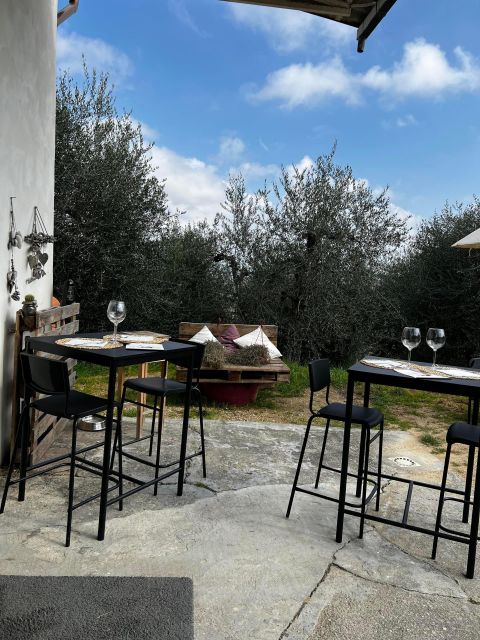
I would not arrive expecting a formal sommelier performance with elaborate tasting sheets. The appeal is the relaxed setting and the chance to discuss the wines directly with the person guiding the visit. The atmosphere has been described as easygoing, and that suits a winery where the family story is as important as the label.
If you are new to wine, focus on what you like. Ask how the wines differ, what foods suit them, and which bottle best represents the winery. If you already know your way around a tasting, ask about the seasonal work, aging, and the reasons behind the blend or grape choices. The group limit of 10 should make those questions practical.
Same city, a different plate:
- Naples: Street Food Walking Tour with Local Guide
★ 4.9 · 4,976 reviews - Rome: Street Food Tour with Local Guide
★ 4.8 · 4,077 reviews - Florence: Cinque Terre Park Day Trip with Optional Street Food
★ 4.5 · 3,593 reviews - Florence: Day Trip to Cinque Terre with Optional Street Food
★ 4.5 · 2,854 reviews
Tuscan food that makes the tasting worthwhile

The food is not an afterthought. You receive bruschetta with local extra virgin olive oil, plus a platter of regional cold cuts and cheeses. Bread and water are also included.
This pairing changes the pace of the visit. Instead of tasting wine on an empty stomach, you can see how the bottles work with familiar Tuscan flavors. Olive oil on bruschetta gives the tasting a direct local connection, while the meat and cheese provide different levels of salt and richness.
I particularly like this approach for visitors who want a small meal as part of the activity. It is not presented as a full lunch, so plan accordingly if you need something more substantial. Still, the combination of three wines and regional food makes the $41 price feel fair, especially compared with paying separately for a winery visit, tasting, and food stop.
Tell the provider about food allergies or intolerances when you book, or email the information with your booking reference and name. This is important because the tasting includes dairy, cured meats, bread, and olive oil. The provider says it will pass the details to your host before sending the final address and contact information.
Why two hours is about right
Two hours gives the visit a tidy shape: vineyard, cellar, tasting. You get enough time to understand the operation without turning the stop into a full-day wine course.
I see this duration as a benefit for a Pisa itinerary. You can fit the winery around time in the city or another nearby plan. It also works well for people who want an authentic local activity but do not want to give up an entire afternoon.
The tradeoff is that each part must remain fairly focused. You will not have unlimited time to roam the vineyard, compare many vintages, or linger over a long meal. If your main goal is a slow afternoon of wine and food, seek a longer estate experience. If you want a clear introduction with a local host, two hours is sensible.
The group can include up to 10 participants. That is small enough for direct conversation and much more personal than a coach group. One booking resulted in a private visit for two people, but you should not assume every departure will be private. The advertised format is a small group.
Meeting the host and finding the location
The winery is held at a local’s location near Pisa. For privacy, the full address is provided only after booking, along with the host’s telephone number and other details.
That arrangement protects the host’s private setting, but it does require a little planning. Once you receive the address, check the route and allow enough time to arrive. Giorgia has helped visitors with directions before, which is reassuring, but you should still avoid leaving navigation until the last minute.
The languages listed are Italian and English. That makes the tour accessible to English-speaking visitors, while Italian speakers can take part in the family’s everyday language. The setting is personal rather than anonymous, so a quick message before the visit can help clear up any route questions.
The guide makes the difference
The strongest part of the experience is likely to be the host. Giorgia has led visits with a warm, welcoming style, and her connection to the family winery gives her a reason to explain more than the basic production steps.
I value that kind of guide because wine can become dry and technical very quickly. A host who can talk about family motivation, seasonal work, and the practical side of production keeps the subject grounded. You are more likely to remember the people and place behind the bottle.
The tone also seems to suit visitors who enjoy conversation. The experience includes time for interesting and humorous exchanges, not just a fixed speech. That makes the visit feel less rehearsed, though the exact style can depend on who is hosting and the group on your date.
Is $41 a good value?
At $41 per person, the price is reasonable for a two-hour visit that includes a vineyard tour, cellar visit, three wines, and a substantial food pairing. You are paying for more than the glasses of wine. The host’s time, the private setting, and the explanation of the production process are part of the value.
It is especially good value if you want to combine tasting with local food. Buying three wines and a platter separately could easily approach the cost, while giving you none of the vineyard or cellar context.
The price may feel less appealing if you only want to sample Tuscan wine quickly. Pisa has other ways to order a glass or two, and this activity asks you to commit two hours. Its value comes from the complete package and the personal setting, not from the number of bottles poured alone.
Free cancellation up to 24 hours before the start gives you some flexibility, and you can reserve without paying immediately. That is useful when your Pisa schedule is still taking shape.
Who should book this winery visit?
I would recommend it to:
- Couples looking for a relaxed local activity
- First-time wine tasters who want clear explanations
- Food lovers who enjoy cheese, cold cuts, and olive oil
- Visitors with only a few hours available near Pisa
- People who prefer family businesses to large commercial estates
- Anyone who likes meeting the person behind a local product
It may not suit you if you want a full meal, a long countryside excursion, or a broad tasting of many wines. It is also not the best match if you prefer to keep your schedule completely spontaneous, since the private address arrives after booking and needs a little route planning.
Should you book it?
Book this if you want a personal introduction to Tuscan wine, with the vineyard, cellar, and table all connected in one short visit. Giorgia’s family role, the small group, and the generous local food pairing give the experience more character than a basic tasting bar.
Skip it if your priority is a large estate, a full lunch, or a long technical course. For most visitors spending time in Pisa, though, $41 is a fair price for two hours of wine, food, and family hospitality. Just send any allergy details early and sort out the route once the full address arrives.
FAQ
Where does the winery tour take place?
The experience takes place at a local winery on the outskirts of Pisa. The full address is provided after booking for privacy reasons.
How long does the experience last?
The tour and tasting last two hours.
How many people can join the tour?
The experience is limited to 10 participants.
Which wines are included?
You taste IGT Costa Toscana Rosso 2022, IGT Sangiovese Toscana 2020, and IGT Merlot Toscana 2020.
What food is served with the wine?
The tasting includes bruschetta with local extra virgin olive oil, regional cold cuts and cheeses, bread, and water.
Is the tour available in English?
Yes. The listed languages are English and Italian.
Who leads the tour?
Giorgia, the winery owner’s daughter and future successor, has led the experience. The host details, including the contact telephone number, are sent after booking.
Should I report food allergies or intolerances?
Yes. You should provide allergy and intolerance information when booking or email it with your booking reference and name.
Can I cancel the booking?
You can cancel up to 24 hours in advance for a full refund. You can also reserve now and pay later.
More Wine Tastings in Italy
- Florence: Street Food Walking Tour with Wine
★ 4.9 · 719 reviews - Florence: Food Walking Tour with Local Steak and Tuscan Wine
★ 4.9 · 529 reviews - Venice: Rialto Market Food and Wine Lunchtime Tour
★ 5.0 · 383 reviews - Bologna: Local Food Tour with Authentic Tastings and Wine
★ 4.9 · 383 reviews
Just added around Italy
- Small-group Street food tour in Ischia★ 3.5 · 2 reviews
- Genoa Street Food Tour with a Local Guide★ 5.0 · 3 reviews
- Street Food Tour in Genoa★ 4.0 · 7 reviews
- Genoa Walking Tour: Discover Hidden Treasures and Street Food★ 5.0 · 80 reviews
- Florence Central Market Food Tour – Private Tour★ 4.0 · 7 reviews
- Florence: San Lorenzo Farmers Market Food Tour with Wine Tasting in 4 hours★ 5.0 · 2 reviews
- Florence: Street Food Tour and Sightseeing with Local Expert Guide in 2.5 hours★ 5.0 · 20 reviews
- Mamma Mia Florence Street Food Tasting and City Guided Tour★ 5.0 · 2 reviews
Italy Street Food Tours, compared.
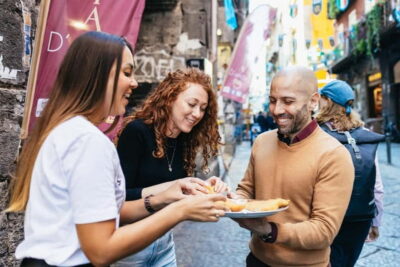
Naples: Street Food Walking Tour with Local Guide
Read our review →
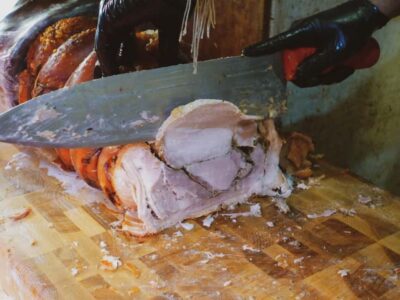
Rome: Guided Food Walking Tour with Wine in Trastevere
Read our review →
Rome: Trastevere & Campo de Fiori Street Food Walking Tour
Read our review →
Venice: Street Food Tour with a Local Guide and Tastings
Read our review →
Authentic Naples Street Food Tour With Local Expert Guide
Read our review →
Palermo Original Street Food Walking Tour by Streaty
Read our review →Browse the lists this tour appears in