
REVIEW · HONG KONG STREET FOOD TOURS
The 10 Tastings of Hong Kong With Locals: Private Street Food Tour
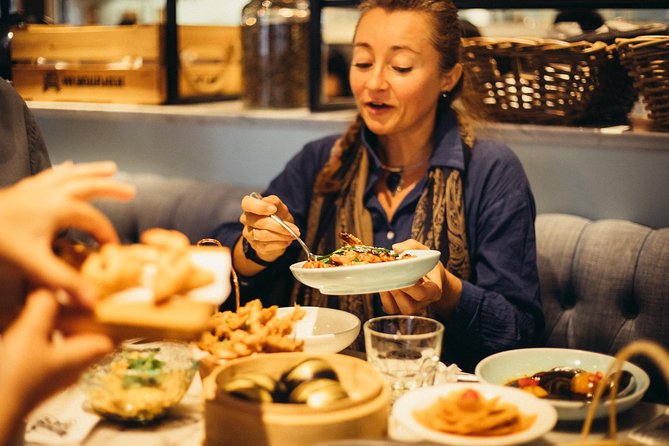
Hong Kong’s food culture makes the most sense at street level, and this private tour takes you straight to the places where locals shop, eat, and linger. You’ll inspect dried seafood and Chinese vegetables at a market, share a table for shrimp wontons, and finish with a pineapple bun and milk tea.
I like the one-on-one format, since your guide can explain unfamiliar ingredients without rushing you along. I also like the mix of food and city sights, including the Mid-Levels Escalator, Stone Slab Street, and historic market streets. The main drawback is price: at $195.71 per person, this is a splurge for three hours, and food quality can vary from stop to stop.
Key points to know before booking
- Ten tastings cover both snacks and proper dishes, including shrimp wontons, beef noodles, fruit, sugarcane juice, pineapple buns, and milk tea.
- Market visits are a major part of the experience, with time for dried seafood, Chinese vegetables, meat, and unusual ingredients such as sea cucumbers and birds’ nests.
- Private guiding makes the food easier to understand, especially if you are unfamiliar with Cantonese dishes or local eating customs.
- The walking route crosses several Hong Kong neighborhoods, including Sheung Wan, Central, Wan Chai, and the Mid-Levels.
- Some guides add transport experiences, such as a tram ride, but the precise stops and food choices can vary.
- Vegetarian alternatives are available, and cancellation is free up to 24 hours before the start time.
Why this tour works for first-time Hong Kong food explorers
Hong Kong can be easy to admire and surprisingly hard to eat in. Menus may be brief, crowded food shops may have no obvious ordering system, and familiar dishes can arrive with ingredients you do not recognize. This tour solves much of that problem by putting a private local guide beside you.
The food is only half the point. You also get a quick education in how Hong Kong shops, cooks, and eats. A wet market shows you the fresh side of daily food shopping. A dry market introduces preserved seafood and traditional ingredients. A neighborhood restaurant gives you a seat beside local diners rather than a staged tasting counter.
The route is also well chosen for a short introduction to Hong Kong Island. You move through Sheung Wan, Central, Wan Chai, and the Mid-Levels, with city highlights fitted between food stops. That makes the tour useful early in a trip, when you want both a meal plan and a better sense of where you are.
The experience has a 4.7 rating from 124 reviews, with 91 percent recommending it. The strongest pattern is clear: people especially value guides such as Angel, Cosmo, Ling, Ronnie, and Caleb for combining food with local customs, history, and practical orientation.
A few more street food tours around Hong Kong worth a look
- Kowloon Night Street Food Tour with a Local: Private & Customized
★ 4.5 · 72 reviews - Private Kowloon Michelin Rated Street Food & Culture Tour
★ 5.0 · 42 reviews - Hong Kong: Private Street Food Tour with a Local Insider
★ 4.9 · 24 reviews
Sheung Wan markets: the best part for curious eaters
The tour begins near Sai Ying Pun MTR station, at Exit B1, with a meet-and-greet close to the station. The stated meeting location is also given as Eco Tree Hotel Sheung Wan, at 156 to 160 Des Voeux Road West, so I would confirm the exact spot with the operator before setting out. That small check matters in Hong Kong, where a short address can still mean a confusing walk.
The first substantial stop is a wet market in Sheung Wan. You spend about an hour learning about Chinese vegetables, meat, and the role of the market in local life. This is not just a quick pass through food stalls. The longer stop gives your guide time to explain what you are seeing and why certain ingredients appear in Cantonese cooking.
This is where the private format earns its keep. You can ask about unfamiliar vegetables, dried products, cooking methods, or the customs behind market shopping. Guides Angel and Ronnie are praised for explaining food traditions and local life in a way that helps you make sense of the city beyond the plate.
Expect sights and smells that may be new to you. Hong Kong markets are working places, not museum displays, so this part can feel crowded, wet, noisy, or strongly scented. If you prefer polished food halls, this may be the least comfortable stop. If you want to understand how everyday cooking begins, it is one of the most useful.
Dried seafood, sea cucumbers, and birds’ nests
The route includes a dry market where you can see ingredients such as sea cucumbers and birds’ nests. These products carry cultural and culinary meaning that is easy to miss if you simply walk past a shop window.
A guide can explain why dried seafood is sold, how it is used, and why certain ingredients are associated with special meals or traditional beliefs. This is particularly valuable if you have seen these products in Hong Kong shops but had no idea what they were for.
The tour does not promise a full lesson in Chinese medicine or food science, so keep your expectations practical. The point is to understand the ingredients and their place in local food culture, not to receive a specialist lecture. Still, for many people, this will be the most distinctive part of the outing.
Shrimp wontons beside local diners
Near The Center, you stop for the famous shrimp wonton in a local lunch restaurant. You spend about 20 minutes here, so this is a tasting rather than a long sit-down meal.
Shrimp wonton is a smart choice for an introduction to Hong Kong food. It is recognizable enough for a first taste, but the texture, broth, and preparation can differ from versions you may have tried elsewhere. Eating close to one of Hong Kong’s tallest buildings also gives the stop a useful contrast: modern Central rises around you while a simple local lunch carries on at street level.
Several experiences also included dim sum, and dim sum was a favorite for some diners. The exact dishes can change, so do not treat every named food as guaranteed. The tour promises ten food and drink tastings, but the guide may adjust the stops according to opening hours, dietary needs, or the day’s available food.
One useful detail is the shared-table setting. You may sit beside local diners rather than in a private room. That can feel cramped, but it gives you a more honest picture of how quick meals work in Hong Kong.
Same city, a different plate:
- Hong Kong: Street Food Tour with Locals – Dim Sum and Wonton
★ 4.8 · 673 reviews - Hong Kong Day Tour: Priority Peak Tram, City Walk & Dim Sum
★ 4.5 · 266 reviews - Small Group Kowloon Michelin Rated Street Food and Culture Tour
★ 5.0 · 170 reviews - Top-Rated Hong Kong Tour: Peak Tram, Dim Sum & Cultural Sights
★ 4.5 · 99 reviews
Sugarcane juice at a family teahouse
At the Hollywood Mural, the route pauses for sugarcane juice at a traditional teahouse led by a fourth-generation family. You have about 20 minutes to sit, drink, and take in the setting.
This stop adds a gentler pace after the markets and lunch counter. Sugarcane juice is refreshing, but it is also a good example of why food tours cannot please every palate at every stop. One person found the drink weak and watery, while others enjoyed it as part of the day.
That mixed reaction is worth taking seriously. The value here is not only the beverage itself. You are also getting a family-run setting and a chance to ask how the drink fits into local food habits. If you have already sampled sugarcane juice elsewhere, this may feel less exciting. If it is new to you, it is a pleasant change from the usual tea and soft drinks.
The Hollywood Mural and nearby streets also add visual interest without turning the tour into a formal sightseeing walk. You get short doses of the city rather than long historical talks.
Graham Street Market and handpicked fruit
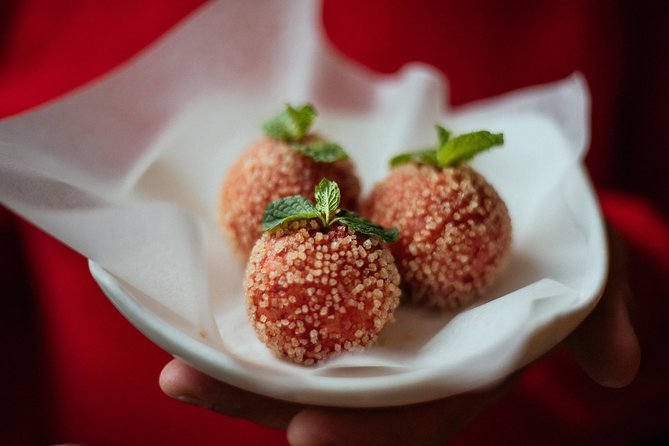
Graham Street Market provides another look at fresh food, this time with fruit selected by your host. The stop lasts about 20 minutes, which is enough for a taste and a little explanation but not enough for a long market visit.
This is a simple idea, yet it works well. Your guide can choose something that looks good that day and tell you how it is eaten. You avoid the uncertainty of buying an unfamiliar fruit, taking it back to your hotel, and wondering if it is ripe.
The market street is also a good place to notice how older food businesses fit into a fast-changing part of Central. You will not get an exhaustive account of every shop, but your guide can point out the neighborhood’s character as you walk.
Food quality is not perfectly predictable on any street-food tour. Produce depends on the day, and a selected fruit may be a pleasant surprise or simply fine. The bigger benefit is learning what to look for when you shop on your own later.
Wan Chai’s dai pai dong stop
In Wan Chai, you get the dai pai dong experience, eating in the street with local diners. The planned tasting includes beef noodles and time to absorb the setting.
A dai pai dong is a traditional open-air food stall or street-side eating place. It is the kind of stop that gives the tour its sense of place. You are not just tasting a dish in a restaurant designed for international customers. You are eating in a setting tied to Hong Kong’s working food culture.
Beef noodles are filling, so this stop may feel more like a small meal than a sample. That helps explain why several people finished the tour feeling well fed. It also means you should arrive with a moderate appetite rather than having a large breakfast immediately beforehand.
The setting can be tight and active. Street eating is part of the appeal, but it is not the right choice if you need a quiet, spacious dining room. Your guide should explain what you are ordering and how to eat it, which is particularly useful if noodle dishes come with unfamiliar condiments or textures.
Pineapple buns and milk tea to finish
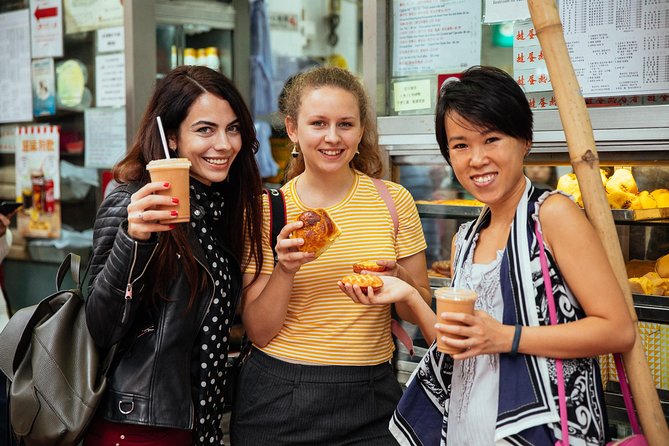
The final food stop is a Hong Kong favorite: pineapple bun with milk tea. The bun does not usually contain pineapple. Its name refers to the crackled, golden top, which resembles the fruit.
This is a fitting finish because it gives you something familiar in form but distinctly local in style. The milk tea adds another essential Hong Kong taste. Some people may find the combination sweet or heavy after noodles and wontons, but you can take the food with you if you are already full.
One German-speaking participant noted that Hong Kong breakfast is not necessarily sweet in the way breakfast often is in Germany. That is useful advice for anyone expecting pastries or cereal first thing in the morning. The foods on this tour lean toward savory dishes, noodles, dim sum, and local snacks, with sweetness saved for later.
The escalator, Stone Slab Street, and city orientation
Food is the headline, but the route also includes the Central to Mid-Levels Escalator and walkway system, described as the longest outdoor covered escalator system in the world. You spend about 15 minutes here.
This is a practical Hong Kong experience rather than a monument you simply look at. The escalator carries people through a steep part of the city and helps you understand how neighborhoods climb away from Central. It also gives your legs a short break during a walking-heavy tour.
Stone Slab Street adds a different texture. This sloped pedestrian street is paved with uneven granite slabs and lined with market stalls. Watch your footing, especially after eating, because the surface is not smooth.
Some guides have also added a tram ride. Cosmo and Caleb were especially praised for bringing transport and city highlights into their versions of the route. A tram ride is not guaranteed by the stated stops, so treat it as a possible guide-dependent extra, not part of the firm promise.
How much food do you really get?
The tour includes ten food and drink tastings, and the examples cover a good range: shrimp wonton, dim sum, sugarcane juice, fruit, beef noodles, pineapple bun, and milk tea. The market visits also expose you to ingredients you may not taste directly.
The quantity appears sufficient for many people to finish satisfied. One group even carried bakery items back to the hotel after becoming too full to eat them on the spot. Still, the tour is not a replacement for a full day of eating. Some stops are small tastes, and exact portions can vary.
The food quality is also not uniform. One participant found the sugarcane juice disappointing and felt the samples compared poorly with better food eaten elsewhere in Hong Kong. That is a fair warning. A food tour introduces you to dishes and neighborhoods, but it cannot guarantee that every serving will be your best meal in the city.
I would book this early in your visit, then use the dishes you like as a guide for later meals. The tour is most valuable as an orientation and tasting map, not as a claim to the city’s finest restaurants.
Private guiding and the importance of your host
The private format means only your group and the local guide take part. This is useful for families, couples, and small groups with different levels of food confidence. You can ask for explanations, slow the pace, or discuss vegetarian alternatives without holding up a large group.
Guide quality matters a great deal here. Angel is praised for explaining ingredients, religion, history, and local customs. Cosmo is described as funny and personable, while Ling is praised for enthusiasm and for taking people to unusual places. Ronnie helped one group handle Hong Kong’s confusing streets, and Caleb added culture and transport to the food.
That said, one serious complaint described a guide who was difficult to locate, dismissive, negative, and not local. The operator apologized and invited follow-up. This appears to be an exception within an otherwise strong record, but it is a reminder that a private tour depends heavily on the individual host.
If you have strong dietary needs, state them when booking and again at the start. Vegetarian alternatives are offered, but the tour centers on food markets and local dishes, so clear communication will help your guide adjust the tasting list.
Price, pace, and who gets the best value
At $195.71 per person, this is expensive for a three-hour food walk. The price makes more sense if you value a private guide, market interpretation, several tastings, and help navigating multiple neighborhoods. For a group that can use a group discount, the cost may feel more reasonable.
You are also paying for time saved. Without a guide, you might spend part of the morning guessing what to order, translating menus, finding the right market, and missing the context behind dried seafood or local breakfast foods. If you are comfortable eating independently, you can spend far less by choosing restaurants and market stalls on your own.
The pace is active but manageable for anyone with moderate physical fitness. You walk between food stops, use the escalator and sloped streets, and may ride local transport depending on your guide. Hotel pickup and drop-off are not included, so plan your own way to the meeting point.
The experience lasts about three hours. That makes it easy to fit into a morning or afternoon, though the food stops may function like a substantial meal. Check the meeting details carefully because the tour information names both Sai Ying Pun MTR Exit B1 and Eco Tree Hotel Sheung Wan.
Who should book this Hong Kong food tour?
I would choose this tour if you are visiting Hong Kong for the first time, want help with local food, or prefer a private conversation to a large group presentation. It is also a good fit for people who like markets, short neighborhood walks, and a mix of tasting and sightseeing.
Families may appreciate the flexible private format, though very young children could find the walking, market smells, and unfamiliar dishes tiring. It also suits curious eaters who want to try sea cucumber displays, dried seafood, local noodles, milk tea, and pineapple buns without making every decision alone.
I would skip it if your main goal is a gourmet meal, a quiet dining experience, or a guaranteed list of exact dishes. The tour is casual and street-level, and the quality of individual samples can vary.
Should you book it?
Book it if you want a fast, personal introduction to Hong Kong’s food culture and neighborhoods. The strongest value comes from the guide, the market access, and the confidence you gain for eating on your own afterward.
Before paying, confirm the meeting point, tell the operator about dietary restrictions, and understand that named dishes may change. If $195.71 feels steep, compare it with the cost of a self-guided food day. If you want local guidance, ten tastings, and a private route through Sheung Wan, Central, Wan Chai, and the Mid-Levels, this can be a useful first-day splurge.
FAQ
How long does the Hong Kong food tour last?
The tour lasts approximately three hours.
How much does the tour cost?
The listed price is $195.71 per person. Group discounts are available.
Is this a private tour?
Yes. Only your group and your local guide participate.
How many tastings are included?
Ten food and drink tastings are included.
What foods and drinks might be included?
The planned tastings include shrimp wontons, beef noodles, sugarcane juice, fruit, pineapple bun, and milk tea. Dim sum may also be included, though exact foods can vary.
Are vegetarian alternatives available?
Yes. Vegetarian alternatives are offered for participants with dietary restrictions.
Where does the tour start?
The tour information gives Sai Ying Pun MTR station Exit B1 as the meeting area. It also lists Eco Tree Hotel Sheung Wan, 156 to 160 Des Voeux Road West, as the meeting point. Confirm the precise location before the tour.
Is hotel pickup included?
No. Hotel pickup and drop-off are not included.
What is the cancellation policy?
You can cancel for a full refund up to 24 hours before the experience start time. Changes or cancellations made less than 24 hours before the start are not accepted for a refund.
Just added around Hong Kong
- Private Kowloon Michelin Rated Street Food & Culture Tour★ 5.0 · 42 reviews
- Kowloon Street Food Tour Private & Personalized with a Local★ 4.5 · 20 reviews
- Organic Combo Dumplings & Xiao Long Bao Class with Market Walk)★ 5.0 · 12 reviews
- Hong Kong ‘Aqua Luna’ Dim Sum Cruise★ 5.0 · 34 reviews
- Top-Rated Hong Kong Tour: Peak Tram, Dim Sum & Cultural Sights★ 4.5 · 99 reviews
- Hong Kong Private Food Tour with Michelin Street Food★ 5.0 · 6 reviews
- Hong Kong Private & Personalized Street Food Tour with a Local★ 4.5 · 6 reviews
- Kowloon: Private Night Markets & Street Food Experience★ 5.0 · 11 reviews
Hong Kong Street Food Tours, compared.
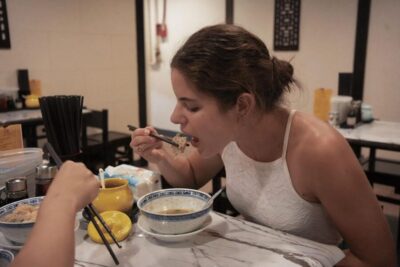
Hong Kong: Street Food Tour with Locals – Dim Sum and Wonton
Read our review →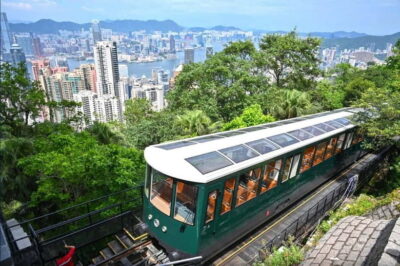
Hong Kong Day Tour: Priority Peak Tram, City Walk & Dim Sum
Read our review →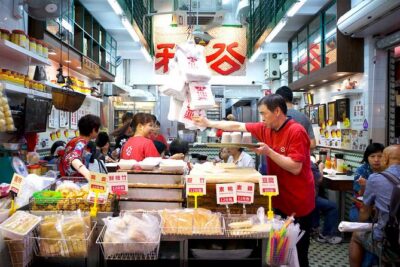
Small Group Kowloon Michelin Rated Street Food and Culture Tour
Read our review →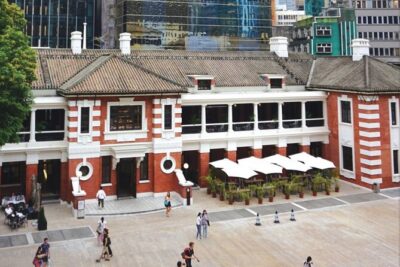
Top-Rated Hong Kong Tour: Peak Tram, Dim Sum & Cultural Sights
Read our review →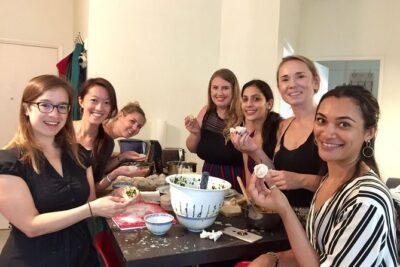
Organic Chinese Dumpling Class with Market Walk
Read our review →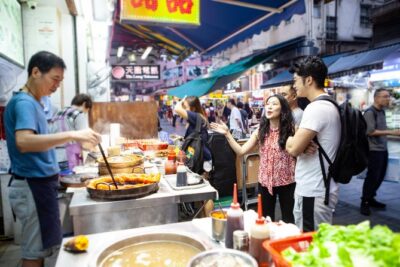
Kowloon Night Street Food Tour with a Local: Private & Customized
Read our review →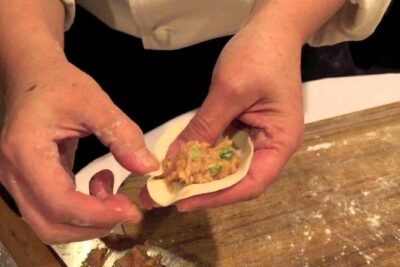
Organic Xiao Long Bao Soup Dumpling Class & Market Walk
Read our review →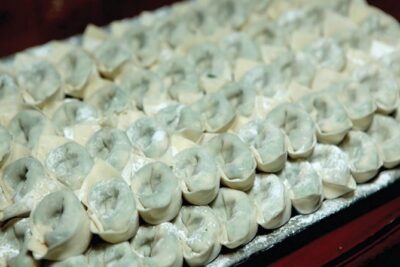
Private Kowloon Michelin Rated Street Food & Culture Tour
Read our review →Browse the lists this tour appears in