REVIEW · BANGKOK STREET FOOD TOURS
Local Life, Culture & Food Walking Tour at Chinatown
Bangkok’s Chinatown is best understood on foot, and this tour gets you away from the main road quickly. You’ll start at Odeon Circle, then move through markets, narrow lanes, shrines, old wooden homes, and Talad Noi, where Chinese-Thai life has continued for generations.
I like the small-group format, which gives you room to ask questions and can sometimes turn into a private tour if few people book. I also like the food stops, from crispy pork belly and dumplings to herbal tea, with the chance for extra local tastes depending on the guide and the day.
The main drawback is the walking. Heat, rain, uneven lanes, crowded markets, and the ban on large bags can make this tiring. At $75 per person, the value depends on how much you want personal guiding and cultural context rather than a quick sightseeing loop.
Key points to know before booking
- Start at Odeon Circle: Meet at MRT Wat Mangkon Station Exit 1, near the Plaeng Nam intersection.
- Small groups matter: Guides such as JoJo, Sunee, Kae, and Khun Kaew have adapted walks to personal interests.
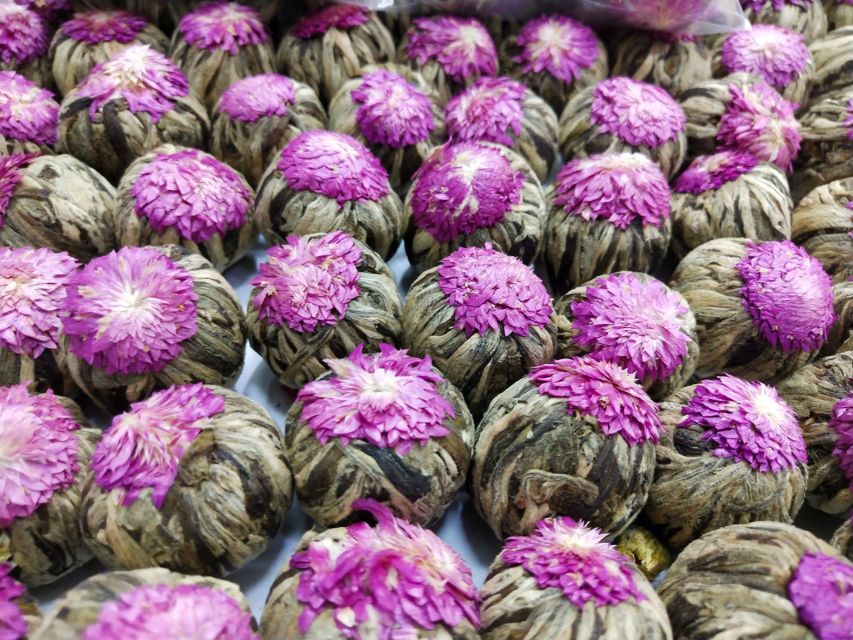
- Food is part of the story: Expect Thai-Chinese tastes such as crispy pork belly, dumplings, herbal tea, and possibly extra samples.
- Talad Noi adds depth: The walk reaches one of Bangkok’s oldest Chinese-Thai communities, with old homes and local traditions.
- This is a real walking tour: Bring comfortable shoes, skip the suitcase, and prepare for sun or rain.
- Best for curious eaters: The tour suits people who want local stories, small lanes, temples, and conversation more than major sights alone.
Why Chinatown works better on foot than from a taxi
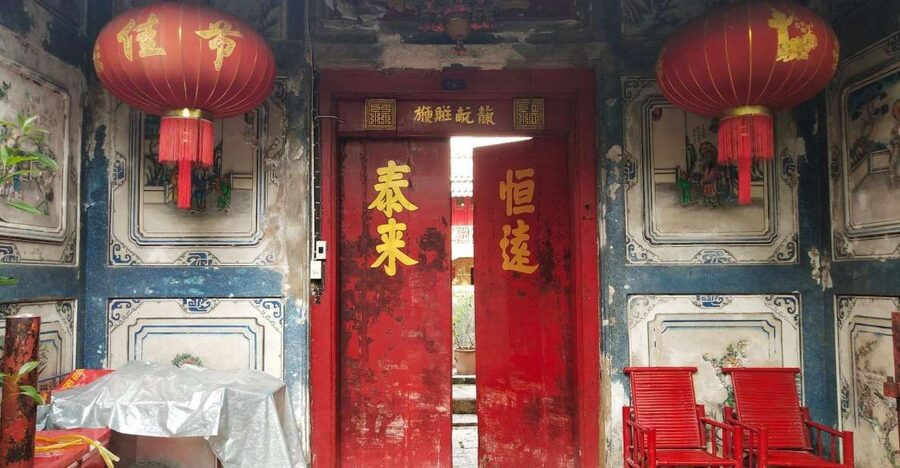
You can see Yaowarat Road from a car, but that only gives you the loud, bright outer layer of Chinatown. The character of this district is in the side lanes, family-run spaces, shrines, markets, and old shophouses that are easy to miss when you stay on the main street.
This walk begins at Odeon Circle, a useful landmark and a fitting entrance to the neighborhood. Your guide explains how Chinese immigrants helped shape Bangkok’s commercial and cultural life, giving the streets around you more meaning than a simple list of buildings.
I like this kind of beginning because it gives you a map in your head. Instead of treating each temple or food stall as an isolated stop, you start to see Chinatown as a living community with several layers of Thai and Chinese influence.
The setting is not polished for sightseeing. Alleys can be tight, market areas can feel crowded, and daily work continues around you. That is part of the appeal, but you should be comfortable sharing the pavement with shopkeepers, delivery activity, and local residents.
More Chinatown Food Tours in Bangkok
- Bangkok Authentic Tasting Thai-Chinatown Walking Food Tour
★ 4.9 · 852 reviews - Bangkok Tuk-Tuk Tour by Night with Chinatown Street Food Meal
★ 5.0 · 635 reviews - Bangkok Tuk-Tuk by Night with Chinatown Street Food Meal
★ 4.6 · 263 reviews
Odeon Circle and the first look at Chinese-Thai Bangkok
Odeon Circle serves as the meeting area and the opening lesson. From here, your guide introduces the district’s past and the role Chinese settlers played in building businesses and communities along the Chao Phraya River.
This context matters because Chinatown is not simply an ethnic quarter preserved for tourists. It is a neighborhood shaped by migration, trade, family ties, religious customs, and constant change. Your guide connects those ideas to the streets you walk through.
The guides are the strongest part of the experience. JoJo has been praised for knowing the area well, explaining Chinatown and Thailand in an easy, funny way, and adjusting the pace to the group. Sunee has also tailored walks to individual interests, while Khun Kaew and Kae have provided detailed explanations at temples and shrines.
You should not expect a fixed script delivered without interruption. The small format gives you a better chance to stop, ask why a shrine matters, or request more time for photographs and food.
Markets, alleys, and the Chinatown most people miss
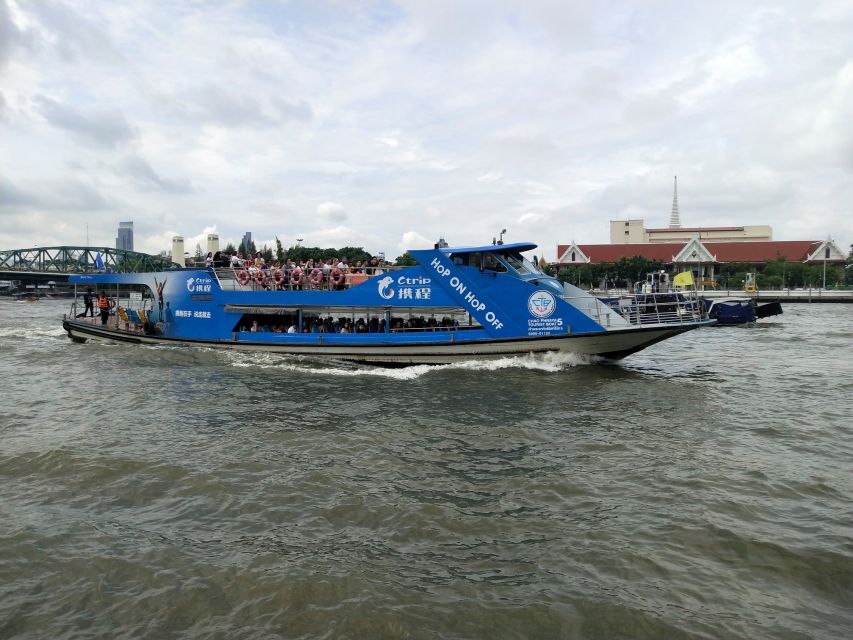
The market section brings the senses to the front. You’ll see herbal remedies, small goods, colorful trinkets, and stalls serving food to people who live and work nearby. It is a good place to watch how commerce fits into ordinary neighborhood life.
The point is not simply to collect photographs. Your guide helps explain what you are seeing, from the uses of herbs to the role of food stalls and the way businesses occupy old shophouses. That added explanation is especially useful if you do not read Thai or Chinese and would otherwise pass without understanding much.
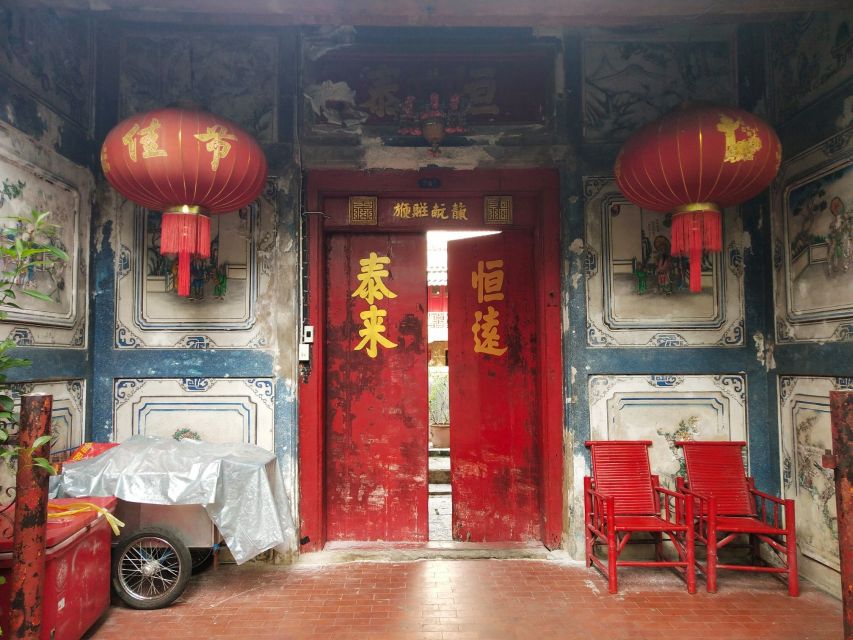
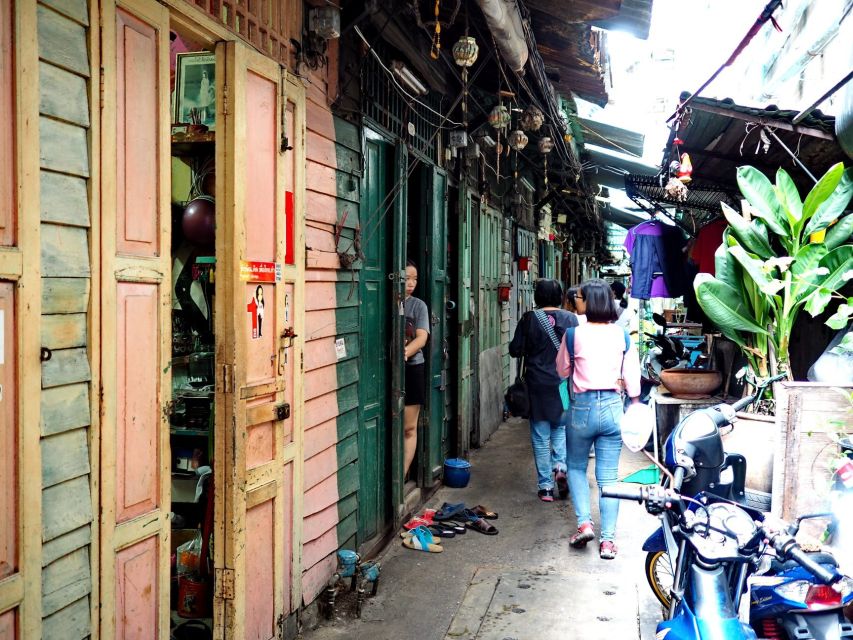
The side lanes are where this tour earns its keep. Guides have taken people through passages and older residential areas that are easy to overlook alone. One particularly memorable detail is the chance to see wooden houses where people still live, offering a more honest view of Chinatown than the grand façades on the main roads.
You should keep an open mind here. These are working lanes, not a theme park. Some spaces may feel cramped or worn, and photography should be polite. Ask before photographing people, homes, or shop interiors.
Temples and shrines with useful cultural context
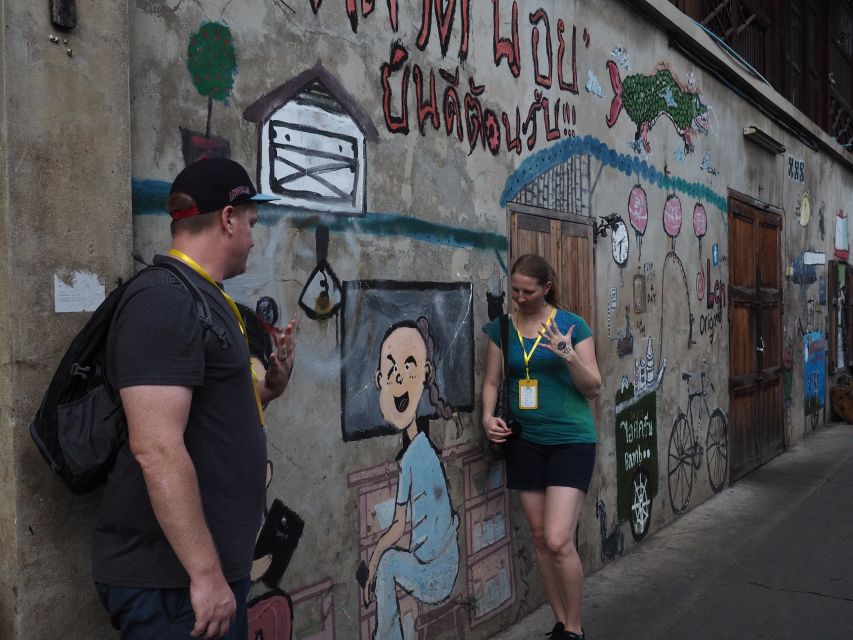
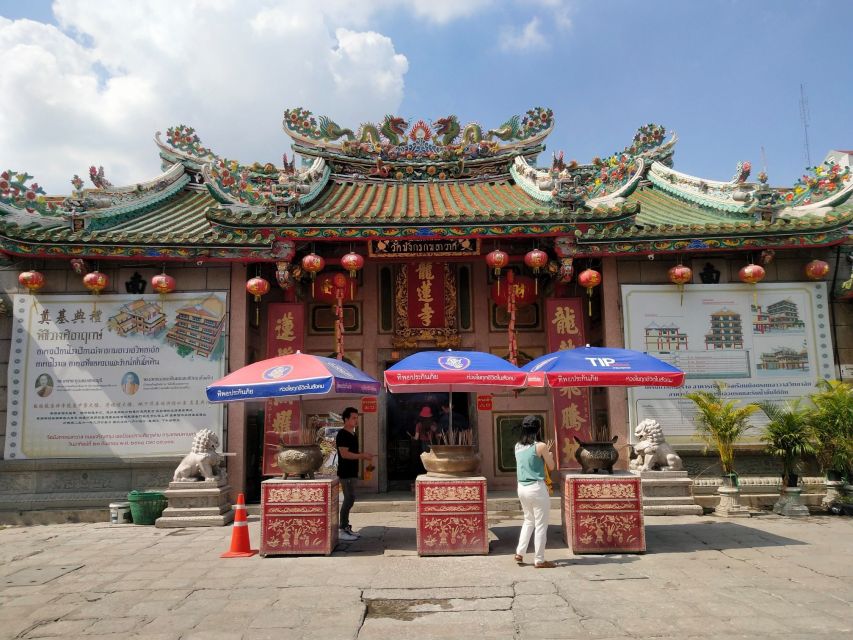
The itinerary includes historic temples and shrines, with stops at places where local people burn incense, make offerings, and ask for blessings. Your guide explains customs and beliefs rather than leaving you to guess what each gesture means.
That makes a major difference. A shrine covered in gold and incense can look beautiful, but the real interest is learning why people visit, how traditions have continued through families, and how Chinese and Thai practices meet in the neighborhood.
The tour also includes lesser-known temples and community spaces. These are not presented as grand monuments. Their value comes from their connection to local residents and from the way they fit into daily life.
Wear respectful, casual clothing and follow your guide’s instructions. The tour information does not list a strict dress code, but religious sites call for sensible behavior. You may need to move carefully in narrow or active spaces, and the experience is not suitable for wheelchair users.
More Chinatown Food Tours in Thailand
- Bangkok: Chinatown Food Tour with Michelin Food Stalls
★ 4.8 · 226 reviews - Night Street Food Tour of Bangkok’s Chinatown
★ 5.0 · 173 reviews - Taste of Bangkok: A 3-Hour Chinatown Food Feast
★ 4.8 · 59 reviews - Small-Group: Unseen Bangkok’s Chinatown Walking Tour
★ 5.0 · 54 reviews
Thai-Chinese food, from pork belly to herbal tea
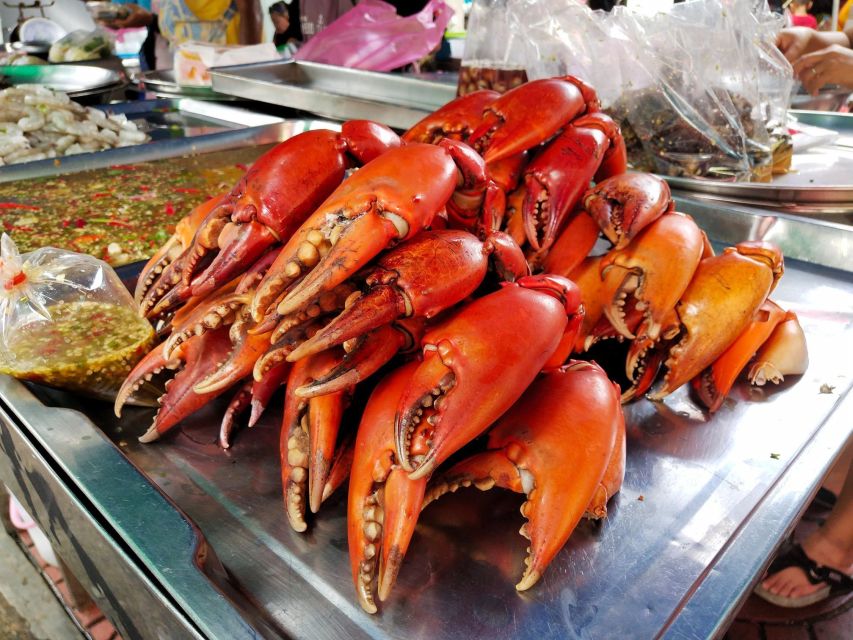
Food is woven into the walk rather than saved for one formal meal. Tastings may include crispy pork belly, handmade dumplings, herbal teas, and other Thai-Chinese street foods. Each item gives your guide another way to explain the blend of Chinese cooking traditions and Thai ingredients.
This is a good arrangement if you like variety. You get several small tastes while continuing through the neighborhood, rather than spending the whole tour at one restaurant. It also lets you try foods you might not recognize or order confidently on your own.
Some guides have gone beyond the listed tastings when personal interests allowed. One walk included making papaya salad, and another included trying different kinds of durian after the participants asked. These details show how flexible the experience can be, but they should not be treated as guaranteed inclusions.
Extra food and drinks are not covered. Bring money if you want to buy more snacks, drinks, or market goods. Tell the operator about allergies and dietary restrictions in advance. The food is central to the experience, so this is not the place to keep dietary needs vague.
If you are cautious with unfamiliar food, tell your guide. You can ask what you are eating before trying it, and the small-group format makes that conversation easier.
Talad Noi and the oldest Chinese-Thai community
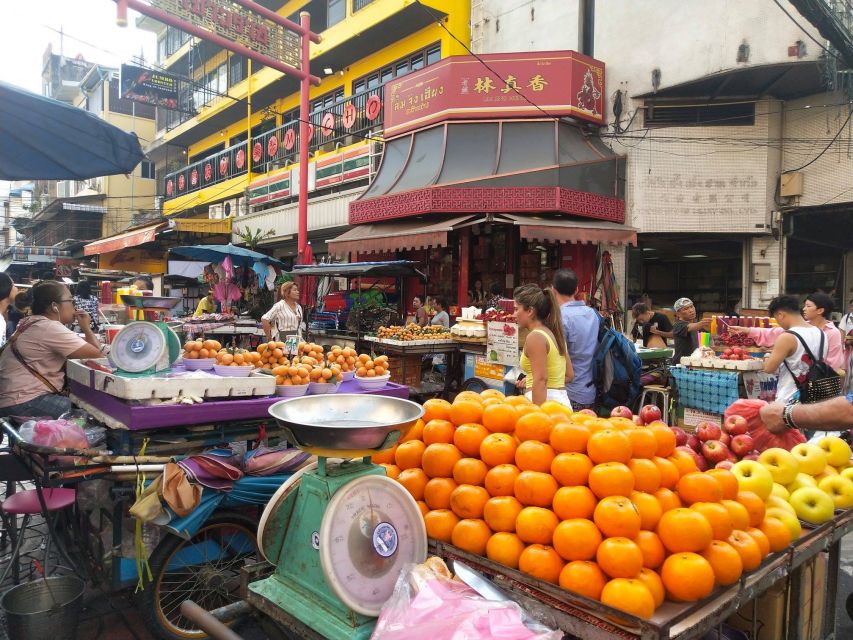
The route continues to Talad Noi, described as Bangkok’s oldest Chinese-Thai community. This section gives the tour a stronger sense of time and place, especially as you learn about early settlers who made homes near the Chao Phraya River.
Talad Noi is valuable because it shows how the Chinese-Thai story is tied to waterways, work, housing, family networks, and neighborhood identity. The old architecture is not just decorative. Old shophouses and wooden homes reflect how people lived, worked, and passed property and traditions through generations.
You’ll have chances to stop for photographs and look at buildings with distinct stories. The guide’s explanation is important here because a weathered façade can be easy to dismiss if you do not know what it represents.
This part may appeal most to you if you enjoy urban history at street level. If you prefer grand palaces and famous monuments, the route may feel modest. The reward is seeing a side of Bangkok that a standard sightseeing schedule often skips.
What the guides add to the experience
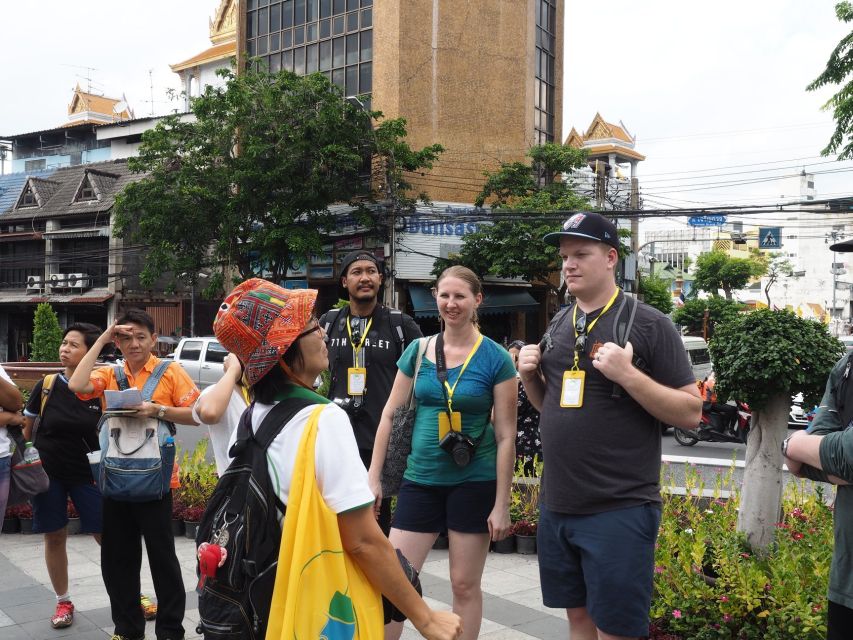
The guide can make or break a walking tour, and this experience has several names associated with strong personal attention. JoJo has been described as funny, well connected in Chinatown, and able to answer questions about both the neighborhood and Thailand. Kae has been especially attentive, providing fans, helping with food choices, and adjusting the route to personal interests.
Khun Kaew has led walks through small passages, old homes, and cultural sites while explaining the Chinese community’s traditions. Sunee has also adapted the experience to individual tastes rather than forcing everyone through an identical route.
The most useful benefit is conversation. You can ask about a temple, a dish, a neighborhood custom, or something you noticed in a shop. If you are traveling alone, this format can be especially appealing because a small group gives you a more natural connection with the guide.
There is no guarantee which guide you will receive, and personal chemistry always varies. Still, the repeated pattern is clear: the experience is built around guide interaction, not just following a route and ticking off stops.
Is $75 a fair price for this Chinatown walk?
At $75 per person, this is not the cheapest way to see Chinatown. You can walk through Yaowarat on your own for little money, buy street food directly, and visit some temples without booking a tour.
The price makes more sense if you value interpretation and access to local context. You are paying for a local guide, a planned route through backstreets, cultural explanations, food tastings, and the chance to ask questions throughout the walk.
The small group improves the value. If only one or two people book, the experience can feel close to a private tour. That has happened for solo participants and pairs, with guides adjusting stops, answering many questions, and spending extra time on personal interests.
You should compare the price with your travel style. If you are confident navigating Bangkok, already know Chinatown, and mainly want cheap food, this may feel expensive. If you want help understanding what you see and prefer not to work out the alleys, shrines, and food choices alone, the cost is easier to justify.
Food is included only in the provided tastings. Shopping, extra snacks, drinks, and personal costs are separate. Transportation to and from the meeting point is also not included.
Practical advice for the meeting point and walk
Meet at MRT Wat Mangkon Station Exit 1, at the Plaeng Nam intersection, listed as 3 Plaeng Nam Road in Samphanthawong. Arrive 10 minutes early. The tour ends back at the meeting point, which makes it easier to plan your next activity.
Wear comfortable walking shoes and casual clothing. Leave luggage and large bags behind, since they are not allowed. A compact bag is more practical than a large daypack in narrow lanes, though the supplied information does not specify a particular bag size.
The tour runs in rain or shine. Bangkok weather can change quickly, so bring an umbrella or raincoat if the forecast looks uncertain. Heat and humidity can make the walking feel harder than the route sounds on paper.
The activity is offered in English and German. It is not suitable for wheelchair users because the route includes narrow alleys and active market areas.
Cancellation is allowed up to 24 hours before the tour for a full refund. You can also reserve and pay later, which helps if your Bangkok plans are still changing.
Who should book this Chinatown experience?
I would choose this tour if you want food, local stories, temples, and neighborhood life in one outing. It is particularly well suited to solo visitors, couples, and small groups who like to ask questions and change pace when something catches their interest.
It also works well early in a Bangkok visit. The guide can give you a better sense of Chinatown’s layout and food culture, making it easier to return later on your own.
You may want another option if you dislike walking in heat, cannot manage uneven or narrow routes, or need a fully accessible activity. It is also less suitable if you want a formal sit-down meal, a short sightseeing ride, or a fixed list of major monuments.
The food tastings may be a highlight, but they are not a substitute for lunch or dinner. Plan your appetite and budget accordingly, especially if you expect to buy extra drinks or snacks.
Should you book the Chinatown walking tour?
Book it if you want Bangkok explained from street level. The best parts are the guide-led stories, the small lanes around Chinatown and Talad Noi, the shrines and old homes, and the chance to try foods you might not identify on your own.
I would be more cautious if $75 feels high for a walking tour or if you prefer exploring without a guide. The value depends on personal attention, and the strongest experience comes when you ask questions and share your interests before the walk begins.
For a curious eater, a solo visitor, or anyone who wants more than the main Yaowarat road, this is a worthwhile way to meet the Chinese-Thai side of Bangkok.
FAQ
Where does the tour start?
The tour starts at MRT Wat Mangkon Station Exit 1, near the Plaeng Nam intersection, at 3 Plaeng Nam Road in Samphanthawong, Bangkok.
Where does the tour end?
The activity ends back at the meeting point.
What food is included?
Provided tastings can include crispy pork belly, handmade dumplings, herbal teas, and other Thai-Chinese street foods. Extra food and drinks are not included.
Can I tell the operator about allergies or dietary restrictions?
Yes. You should provide information about dietary restrictions or allergies in advance.
What languages are available?
The tour is available in English and German.
Is the tour suitable for wheelchair users?
No. The activity is not suitable for wheelchair users.
What should I bring?
Bring comfortable walking shoes. The tour runs in rain or shine, so an umbrella or raincoat may also be useful. Luggage and large bags are not allowed.
More Street Food Walking Tours in Thailand
- Bangkok: Street Art and Street Food Walking Tour
★ 4.1 · 58 reviews - Bangkok: The Grand Palace, Wat Pho, and Wat Arun Walking Tour
★ 5.0 · 32 reviews - Bangkok Wat Pho and Flower Market Historical Walking Tour
★ 5.0 · 28 reviews - Bangkok: Grand Palace, Wat Pho and Chinatown Walking Tour
★ 4.8 · 20 reviews
More Street Food Walking Tours in Bangkok
- Bangkok: Wat Pho and Wat Arun Guided Walking Tour
★ 4.6 · 1,720 reviews - Bangkok: Grand Palace, Wat Pho, & Wat Arun Walking Tour
★ 4.6 · 116 reviews - 3-Hour Bangkok Walking Tour: Wat Pho and Wat Arun
★ 5.0 · 102 reviews - Grand Palace, Wat Phra Kaew, Wat Pho and Wat Arun Walking Tour From Bangkok
★ 4.5 · 88 reviews
Just added around Bangkok
- 3-Hour Bangkok Walking Tour: Wat Pho and Wat Arun★ 5.0 · 102 reviews
- 4-Hour Hidden Bangkok TukTuk Street Food Guided Tour★ 5.0 · 23 reviews
- Bangkok 3-in-1 Tour: Longtail Boat,TukTuk & Street Food Adventure★ 5.0 · 73 reviews
- Famous Thai Street Food Tasting Experience!★ 5.0 · 4 reviews
- Thai Costume Photography at Wat Arun/Pho Temple: Bangkok★ 5.0 · 3 reviews
- Visit Wat Pho and Wat Arun with Local Expert★ 4.0 · 14 reviews
- Tuk Tuk Bangkok Private Tour: WW2 Pad Thai, 360-Viewpoint, Chinatown (Pickup)★ 5.0 · 9 reviews
- LR-01 TaLad NangLerng, ride along the old town and try local street foods★ 4.5 · 13 reviews
Bangkok Street Food Tours, compared.
Bangkok: Michelin Guide Street Food Tour by Tuk Tuk
Read our review →
Bangkok: Grand Palace, Wat Pho, and Wat Arun Private Tour
Read our review →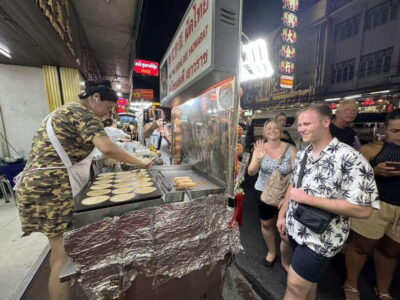
Bangkok Authentic Tasting Thai-Chinatown Walking Food Tour
Read our review →
Bangkok: Evening Tour with Wat Arun, Wat Pho & Tuk Tuk Ride
Read our review →
Bangkok Tuk-Tuk Tour by Night with Chinatown Street Food Meal
Read our review →
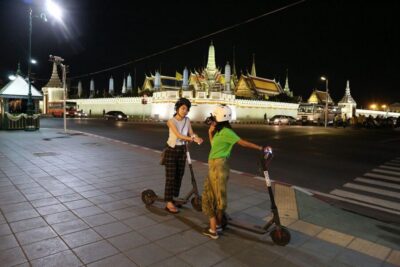
Bangkok: E-Scooter Night Tour with Local Street Food
Read our review →