
REVIEW · HISTORICAL TOURS
Salta en un Bocado – Cultural Tour & Empanada Tasting
Salta en un Bocado turns a city walk into a hands-on meal. You begin among colonial buildings and local crafts, then finish at Casona Histórica making salteña empanadas with a chef. I like the clear mix of place and food, plus the recipe booklet that lets you repeat the lesson at home. The tour also gives you a city view from the Monument to General Martín Miguel de Güemes.
I especially like that your own empanadas are part of the meal, not just a tasting served to you. The regional wine and small toast add a friendly finish. The main drawback is practical: the walk, cobblestones, and standing cooking class make this a poor fit for anyone with mobility impairments.
Key points at a glance
- Start beside the statue of Pope John Paul II: Meet at the corner of Mitre and España, near the Palacio Arzobispal.
- See Salta’s central landmarks on foot: The route includes Plaza 9 de Julio, the Cathedral, the Cabildo, markets, and local handicrafts.
- Reach the Güemes monument: A guided stop here adds an important local figure and a view across the city.
- Cook for 75 minutes: An experienced chef teaches the dough, filling, and basic method for salteña empanadas.
- Eat what you make: Your empanadas come with regional wine, conversation, and a final toast.
- Take the recipe home: The booklet is a useful extra, especially if you want to recreate the meal.
From Mitre and España to Plaza 9 de Julio
Your meeting point is on the corner of Mitre and España, where a statue of Pope John Paul II provides an easy landmark. This is beside the Palacio Arzobispal, so you are already close to the central sights when the tour begins.
The first main stop is Plaza 9 de Julio, Salta’s central square. You have about 15 minutes of guided touring here, enough to get oriented and hear about the buildings that frame the plaza. The Cathedral and Cabildo are key points of interest, and the colonial architecture gives the opening walk a strong sense of place.
I like this start because it does not throw you straight into a cooking lesson. You first learn where you are and why the center matters. Food makes more sense when you have a little context about the city that claims it.
The plaza stop is also short, so do not expect a full museum visit or a long architectural lecture. This is an introduction, not a complete survey of Salta’s churches and civic buildings. If you want extended time inside the Cathedral or Cabildo, plan a separate visit.
More Heritage Tours in the world:
- Palermo: Street Food and History Walking Tour
★ 4.9 · 1,486 reviews - Old Cairo Guided Walk Tour: History, Culture & Street Bites
★ 4.6 · 633 reviews - Walking Tour and street food Tour Palermo / History and Food
★ 5.0 · 386 reviews
Cobblestones, markets, and Salta’s everyday traditions
After the plaza, the route continues through cobblestone streets, local markets, and places selling typical handicrafts. The sightseeing portion lasts about 30 minutes according to the schedule, though the full pace can depend on the group and guide.
This is where the tour moves beyond postcard scenery. Markets and craft stalls connect the grand buildings of the center with the objects, foods, and customs that people associate with Salta. Your guide explains local traditions and customs as you walk, giving the city a more human scale.
The tour is offered in Spanish or English. If you want to ask about ingredients, customs, or the meaning of local dishes, an English-speaking guide can make the difference. Maria is one guide associated with the experience, and the feedback available about her points to clear guidance during both the city walk and cooking class. Guide assignments can vary, so you should not assume she will lead every departure.
Wear comfortable shoes. The cobblestones are not a minor detail, especially if you are on your feet for several hours. A hat, camera, and reusable water bottle are also sensible choices. Smoking, bikes, audio recording, bare feet, and feeding animals are not allowed during the activity.
Meeting the Gaucho Hero at his monument
The next notable stop is the Monument to General Martín Miguel de Güemes. You have about 15 minutes of guided touring here, followed by a short visit before the cooking portion.
Güemes is a major figure in Salta’s regional identity, and the monument gives the walk a clear historical focus. The tour presents him as the Gaucho Hero, linking local memory with the gaucho traditions that shape the province’s cultural image.
The location also provides a view of the city. That matters because the tour is not only a series of indoor stops and food samples. You get a chance to pause, look out across Salta, and connect the central streets with the wider setting.
The walk to this point is part of the physical commitment involved. The experience is not suited to people with mobility impairments, and the operator specifically lists that limitation. You should be comfortable walking and standing before booking.
A short walk to Casona Histórica
From the monument, the route continues roughly 300 meters to Casona Histórica. This building serves as the headquarters of the Agrupación Tradicionalista Gauchos de Güemes, which makes it a fitting place for the next part of the experience.
The change of setting works well. You have just heard about Güemes and gaucho traditions, and now you enter a historic house connected with a local traditionalist group. The program does not promise a long formal house tour, so think of the building mainly as the setting for the cooking class rather than a separate architectural attraction.
The schedule allows about 10 minutes for the visit before the class. That brief pause gives you time to take in the surroundings and settle in. After the city walking, the indoor kitchen session also changes the rhythm of the day.
Same city, a different plate:
- Reykjavik Food Walk – Local Foodie Adventure in Iceland
★ 5.0 · 18,952 reviews - Dubai: Old Town, Creek, Museums, Souks, & Street Food Tour
★ 4.8 · 10,816 reviews - Ho Chi Minh City Street Food Tour & Sightseeing By Motorbike
★ 5.0 · 9,413 reviews - Medellin: Comuna 13 Graffiti Tour, Cable Car & Street Food
★ 4.8 · 9,046 reviews
Making salteña empanadas with a chef
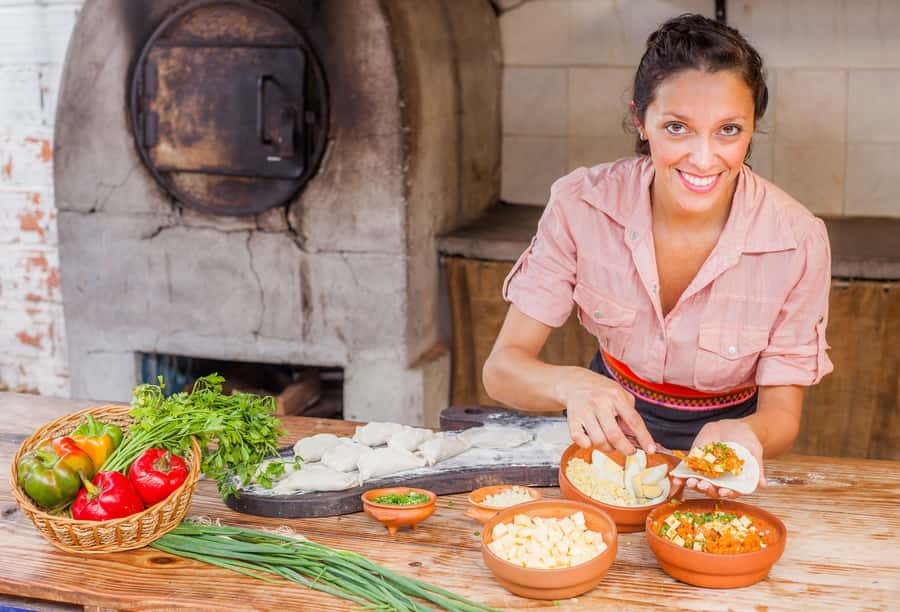
The cooking class lasts about 75 minutes and is led by an experienced chef. You learn the process from the dough through the filling, rather than simply watching a demonstration.
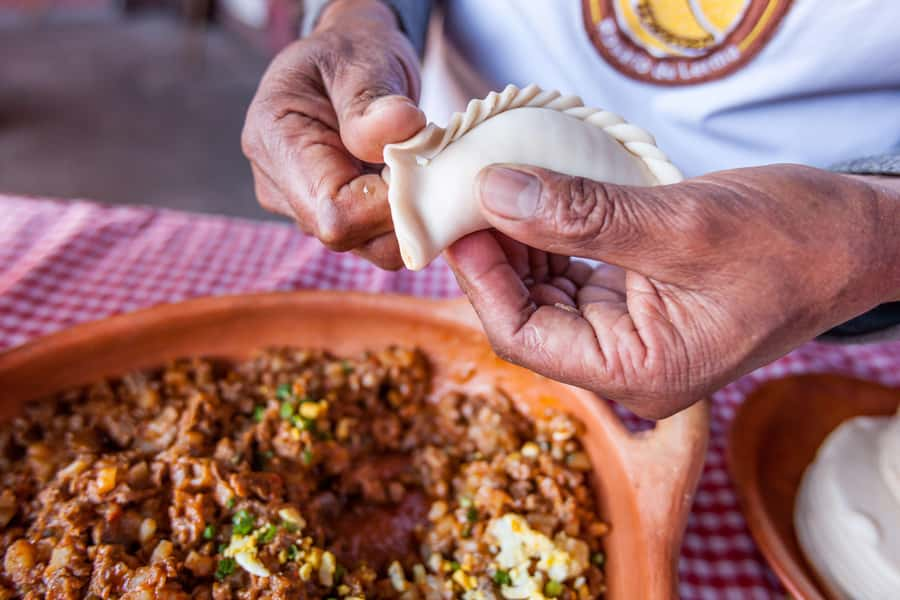
That hands-on format is the heart of Salta en un Bocado. Empanadas are easy to recognize, but the lesson gives you a closer look at the work behind them. You handle the dough, work with the filling, and learn the steps needed to shape the pastry for baking or cooking.
I like that the class leaves room for imperfect results. One participant’s description makes clear that the homemade empanadas tasted great even though they did not look as neat as the chef’s. That is exactly the right expectation. Your first batch may not have the tidy folds of a professional, but you get a more useful memory and a recipe you can practice again.
The class also adds value for people who enjoy practical souvenirs. A cooking demonstration ends when you walk out the door. Here, you leave with a recipe booklet, so you can try the dish at home. The booklet is especially useful because the dough and filling are the parts most likely to need a reminder later.
The available details do not specify whether the class covers different fillings, dietary substitutions, or cooking equipment. If you have food allergies or special dietary needs, ask before reserving rather than assuming the recipe can be adapted.
Eating your own empanadas with regional wine
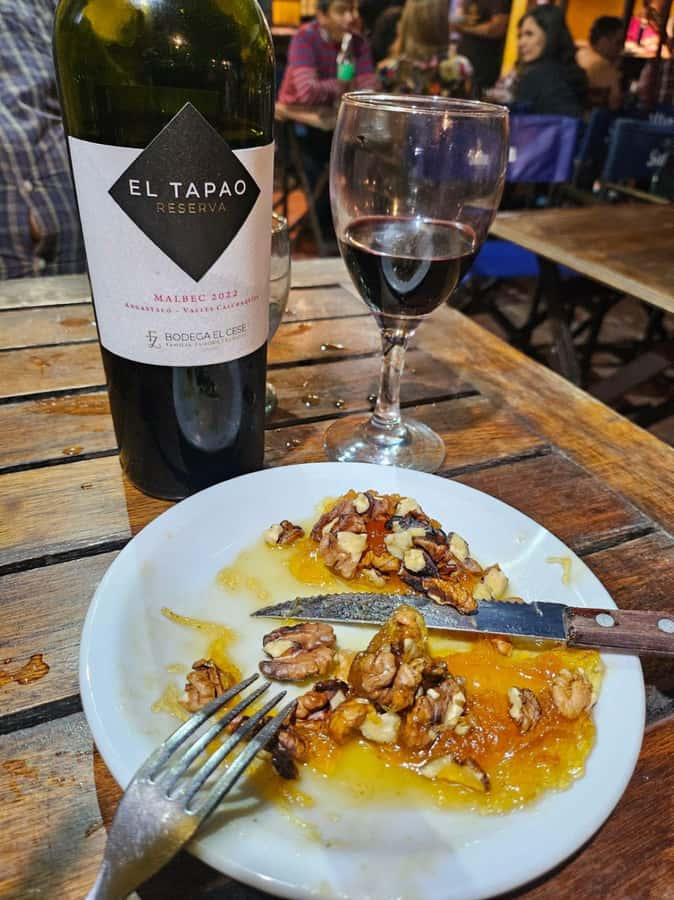
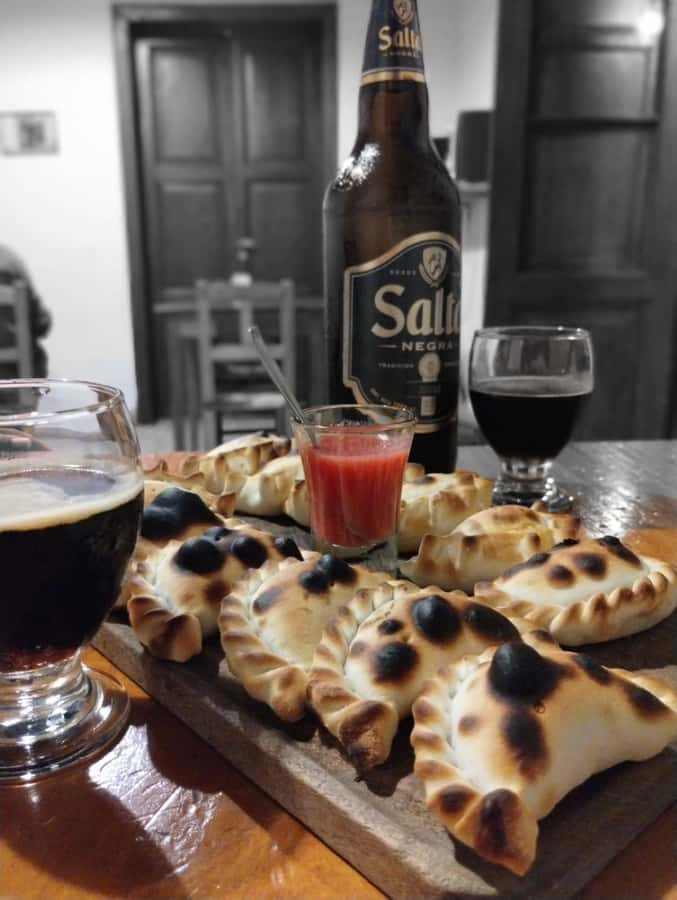
Once the class ends, you taste the empanadas you prepared. The meal is served with wine from the region, and the group shares anecdotes and conversation before a final toast.
This is a better finish than a standard snack stop because the food has a story attached to it. You have already seen part of the city, heard about local customs, and worked through the recipe. The tasting then feels like the payoff to the whole route.
The wine pairing also gives the meal a local touch without turning the tour into a formal wine tasting. The focus remains on empanadas, conversation, and the pleasure of eating what you made. If you do not drink alcohol, the supplied information does not state whether an alternative beverage is available, so check ahead.
There is a small but important distinction between tasting and dining. This is an empanada tasting after a class, not a full restaurant meal. If you need a substantial lunch or dinner, plan another meal in Salta. The activity is designed around a hands-on snack and cultural outing.
What the four-hour schedule really means
The experience lasts approximately four hours. The schedule includes a 15-minute Plaza 9 de Julio tour, about 30 minutes of sightseeing, a 15-minute Güemes monument stop, a 10-minute visit, and a 75-minute class. The remaining time covers walking, transitions, conversation, and eating.
The booking information may display the duration as one day while asking you to check availability for starting times. The practical way to understand it is as a half-day activity, not an all-day excursion. You should keep the rest of your day flexible enough to allow for the full four-hour program.
The tour returns to the original meeting point. That makes it easy to continue exploring central Salta afterward, although transfers to the starting location are not included. You need to make your own way to Mitre and España.
The group is private, which can make the pace and cooking session more personal than a large public class. The available information does not state the maximum number of people in the private group, so ask if group size is important to you.
Is $60 a fair price?
At $60 per person, the price covers a guided city experience, the cooking class, the empanadas you make and taste, regional wine, and a recipe booklet. It also includes a private-group format and a guide in Spanish or English.
I see the value in the combination. A basic walking tour may cost less, but it will not include a chef-led class and a meal. A cooking class may also cost less or more depending on its length, but it would not give you the Plaza 9 de Julio walk, the markets, the Güemes monument, and the city view.
The price makes the most sense if you want both culture and food in one outing. It is less compelling if you care only about landmarks and would rather spend your time inside museums, or if you want a long, advanced culinary workshop.
The recipe booklet improves the value because it extends the experience beyond Salta. You are paying not only for an afternoon activity but also for a method you can use later. Still, the class is introductory in scope based on the stated 75-minute format. Do not book it expecting professional chef training.
Who should book this experience?
I would recommend Salta en un Bocado to first-time visitors who want a compact introduction to the city and its food. It works well for couples, families with older children who can manage the walking, and private groups looking for an activity with something to do rather than simply something to see.
It also suits home cooks. You do not need to be an expert, and the fact that your empanadas may look less polished than the chef’s is part of the fun. The recipe booklet gives you a reason to keep using what you learned.
This is not the right choice for someone seeking a full-day excursion outside Salta, a serious food tour with many restaurants, or a long museum-focused program. It is also not suitable for people with mobility impairments, and the walk should be taken seriously if cobblestones or prolonged standing are difficult for you.
The two available five-star ratings praise the city information, Maria’s guidance, the cooking lesson, and the taste of the finished empanadas. The strongest pattern is simple: the experience succeeds because the walk and class support each other. You are not just touring the city, and you are not just filling dough. You are connecting a local dish with the place where it belongs.
Booking details worth knowing before you go
The tour begins at the corner of Mitre and España, near the Pope John Paul II statue and Palacio Arzobispal. It ends back at that same meeting point, and getting there is your responsibility because transfers are not included.
Free cancellation is available up to 24 hours before the activity for a full refund. You can also reserve now and pay later, which helps if your Salta schedule is still changing.
Bring comfortable shoes, a hat, a camera, and a reusable water bottle. The tour is offered in Spanish and English, and smoking, bikes, feeding animals, audio recording, and bare feet are not permitted.
Should you book Salta en un Bocado?
Book it if you want a four-hour introduction to Salta that combines central sights, local traditions, a Güemes-related setting, and a practical cooking lesson. The strongest reason to choose it is the balance: you get a walk, a view, a chef, a meal, and a recipe to take home.
Skip it if you need accessible walking conditions, want a full restaurant meal, or prefer to explore museums at your own pace. For everyone else, $60 is a reasonable price for a private cultural outing with a hands-on finish, especially if making and eating your own slightly wonky but tasty empanadas sounds better than another passive sightseeing stop.
FAQ
How long does Salta en un Bocado last?
The activity lasts approximately four hours. The booking information may show a one-day duration, but the planned program is a half-day experience with walking, sightseeing, a cooking class, and tasting.
Where does the tour begin?
The meeting point is on the corner of Mitre and España, near the statue of Pope John Paul II and the Palacio Arzobispal.
Where does the tour end?
The activity ends back at the original meeting point.
What languages are available?
The tour is offered with a live guide in Spanish or English.
Is this a private tour?
Yes. The activity is operated as a private group experience.
What does the price include?
The price includes a tour guide, cooking class, empanada tasting, and recipe booklet.
Are transfers included?
No. Transfers to the meeting point are not included.
What should I bring?
Bring comfortable shoes, a hat, a camera, and a reusable water bottle.
Is the tour suitable for people with mobility impairments?
No. The activity is listed as unsuitable for people with mobility impairments, and the route includes walking on cobblestone streets and standing during the cooking class.
Just added around the world
- 1 Istanbul Tour: Highlights, Street Food & Hidden Pearls★ 5.0 · 9 reviews
- Evening Hyderabad Street Food Walk with Hyderabad Biryani★ 4.5 · 24 reviews
- Hyderabad Street Food Crawl (2 Hours Guided Food Tasting Tour)★ 4.0 · 5 reviews
- Japanese Street Food Class in Beech Grove★ 5.0 · 9 reviews
- Small-group Street food tour in Ischia★ 3.5 · 2 reviews
- Hyderabad : Evening Street Food Tasting with Guided Old City Tour★ 5.0 · 10 reviews
- Hyderabad Street Food Experience with Local Expert★ 4.5 · 2 reviews
- Hue Street Food On Foot (Daily Tour – Group Tour | 12 pax max)★ 5.0 · 15 reviews
Historical Tours, compared.
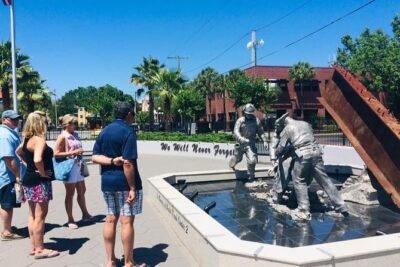
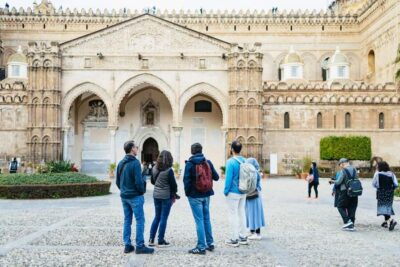
Palermo: Street Food and History Walking Tour
Read our review →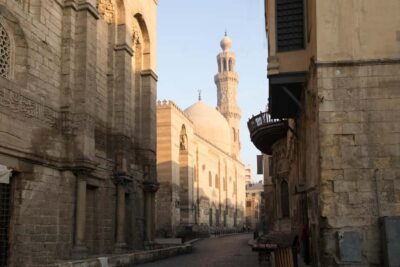
Old Cairo Guided Walk Tour: History, Culture & Street Bites
Read our review →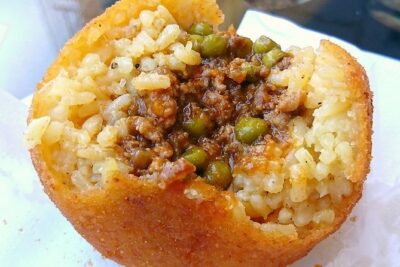
Walking Tour and street food Tour Palermo / History and Food
Read our review →
Discover Palermo in 3 hours. Art, history, markets and street food
Read our review →
Lecce History and Street Food Tasting Small Group Tour
Read our review →
2 Hour Historic Market Food Tour and Hands-On Biscuit Class
Read our review →
Browse the lists this tour appears in