
REVIEW · BANGKOK STREET FOOD TOURS
Bangkok: Grand Palace, Wat Pho, & Wat Arun Walking Tour
Bangkok’s grandest temples make the most sense together. This tour links the Emerald Buddha, Wat Pho’s reclining Buddha, and Wat Arun’s porcelain-covered prang in one well-planned day, with a short Chao Phraya River crossing between the last two stops. The river ride gives the day a welcome change of pace.
I like the clear cultural focus and the chance to ask questions as you go. I also like that the guides often add practical help, from finding good photo spots to explaining Thai Buddhism and the royal family. Guides including Sammy, Lee, Bo, and Visan have been singled out for patience, clear explanations, and care with small groups.
The main drawback is that you can visit all three sites on your own for less money. The schedule can also slip if late arrivals hold up the group, so reaching Tha Tian Pier before 8:45 AM is essential. Lunch is not included, and you’ll need long pants and a light day bag rather than luggage.
Key points at a glance
- Three major temples in one morning and afternoon: Visit Wat Phra Kaew, Wat Pho, and Wat Arun without piecing together separate tickets and transport.
- A useful Chao Phraya crossing: The short boat ride breaks up the walking and gives you changing views of Bangkok’s riverfront.
- Guides add context, not just directions: The strongest guides explain Buddhism, royal traditions, architecture, and local customs in clear English, Chinese, or Thai.
- Small-group and private options: Group size can affect how much time you get for questions, photographs, and quiet viewing.
- A full 6 to 7 hour outing: Expect plenty of standing and walking in heat, with drinking water and a refreshing towel provided.
- Good value for first-time visitors: The $61 fee makes more sense if you want temple admission, a guide, and boat transport handled together.
Why these three temples work as one tour
Bangkok’s old royal quarter is easier to understand when you visit its key monuments in sequence. Wat Phra Kaew shows the power of the Thai monarchy and its Buddhist traditions. Wat Pho brings you closer to a working temple complex with a famous reclining Buddha. Wat Arun then shifts the mood to the river, with a tall, highly decorated structure that catches the eye from a distance.
I like this order because the day begins with the most formal site and ends beside the Chao Phraya River. The route is not just a checklist of famous buildings. It gives you three different views of Thai art and belief.
The tour lasts about six to seven hours. You’ll spend roughly two hours at Wat Phra Kaew, one hour at Wat Pho, an hour for a lunch break, about 15 minutes on the boat, and an hour at Wat Arun. That is enough time to see the main features without racing through every courtyard, though the total can feel long in Bangkok’s heat.
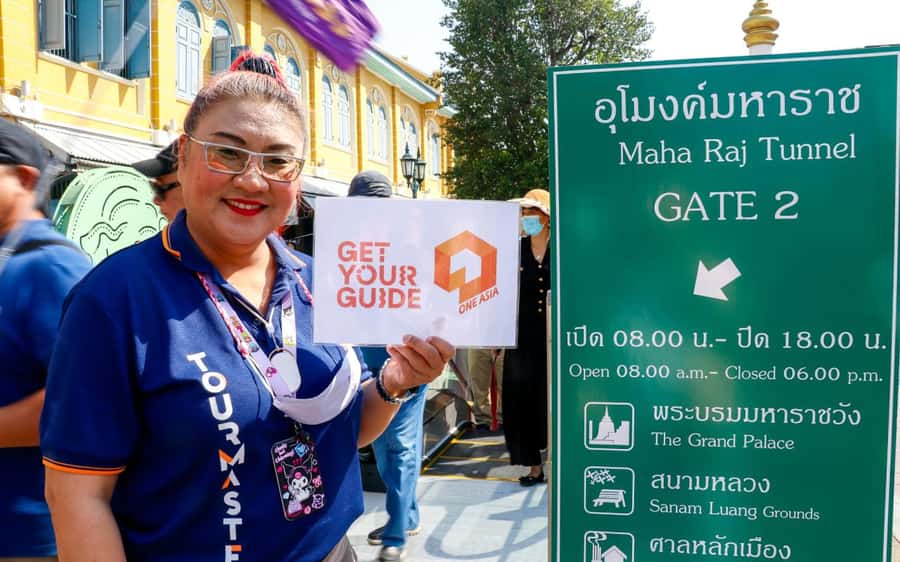
You meet at Tha Tian Pier before 8:45 AM, unless you select an option with hotel pickup. For pickup, wait in the hotel lobby 10 to 15 minutes before the stated time. If you meet at the pier, look for the guide holding a sign. Late arrivals are treated as no-shows, with no refund, so build in extra time for Bangkok traffic and finding the pier.
More Street Food Walking Tours in Bangkok
- Bangkok: Wat Pho and Wat Arun Guided Walking Tour
★ 4.6 · 1,720 reviews - Bangkok Authentic Tasting Thai-Chinatown Walking Food Tour
★ 4.9 · 852 reviews - Local Life, Culture & Food Walking Tour at Chinatown
★ 4.7 · 119 reviews
Wat Phra Kaew and the Emerald Buddha
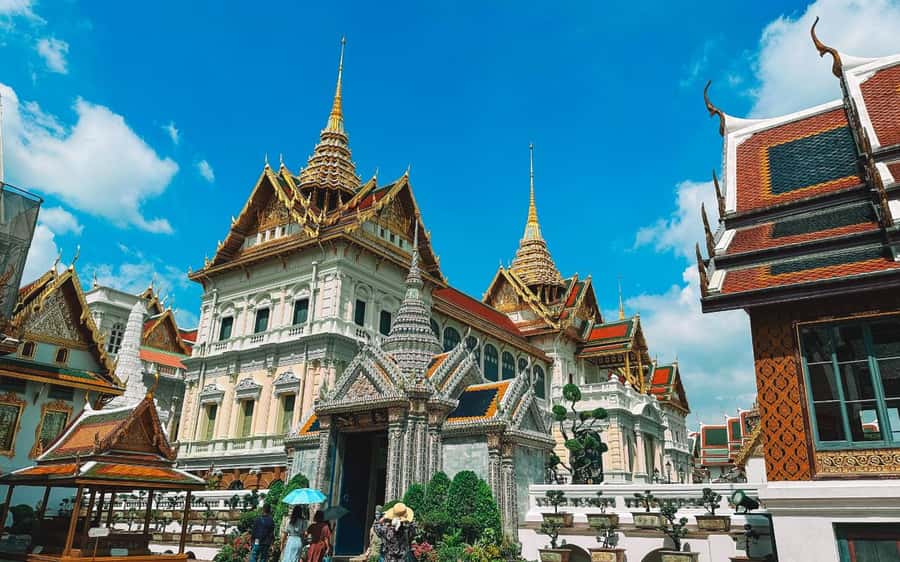
The first major stop is Wat Phra Kaew, formally called Wat Phra Sri Rattana Satsadaram. It sits within the Grand Palace complex and is the most ceremonial site on the route.
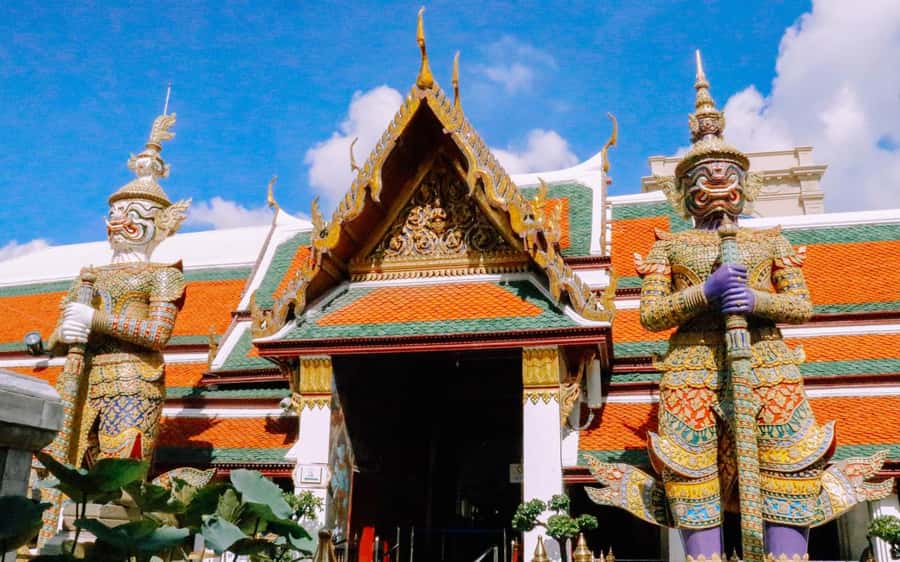
Your guide will point out the temple’s fine architectural details and explain the place of the Emerald Buddha in Thai religious and royal life. The statue itself is small compared with the surrounding buildings, but its importance is immense. This is one of those moments when a guide helps you understand why a particular object matters, rather than simply telling you its name.
Plan on two hours here. That sounds generous, but the grounds include several buildings, courtyards, decorative walls, and religious details that are easy to miss if you hurry. A good guide can give you a route through the complex while leaving room for photographs and independent looking.
The setting is formal, and clothing rules matter. Long pants are specifically recommended. Dress modestly and comfortably, since you’ll be walking and standing outdoors for much of the visit. Sunglasses are useful in the bright heat, but remember to follow instructions when entering religious spaces.
This is also the stop most likely to feel crowded and visually intense. Gold details, painted surfaces, statues, and ornate roofs compete for your attention. I find that the best approach is to pause often and let your guide explain one feature at a time. Trying to photograph everything can make the visit feel like a blur.
Several guides have been praised for explaining the royal family and Thai culture in detail. Bo, for example, has been noted for explaining in both Chinese and English when needed. That kind of flexibility matters if your group includes people with different language needs.
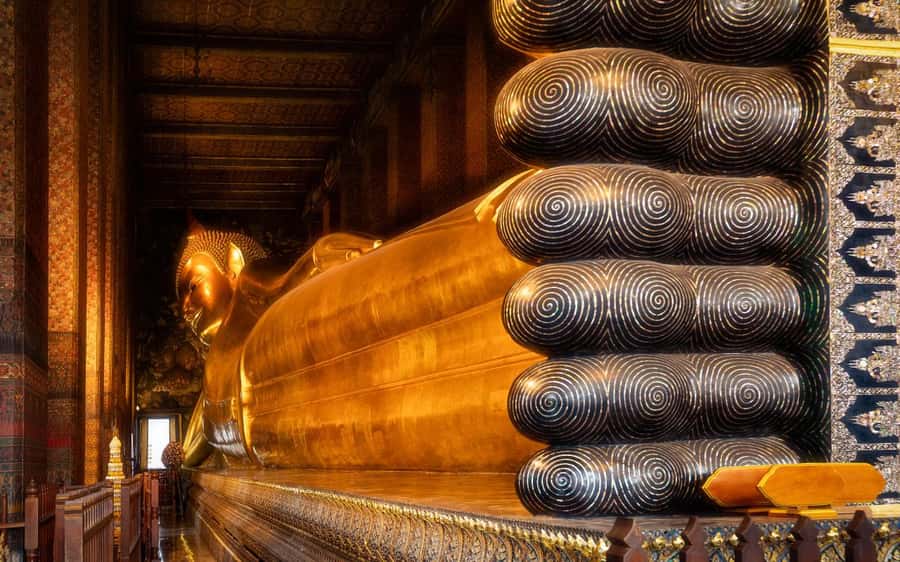
Wat Pho and the reclining Buddha
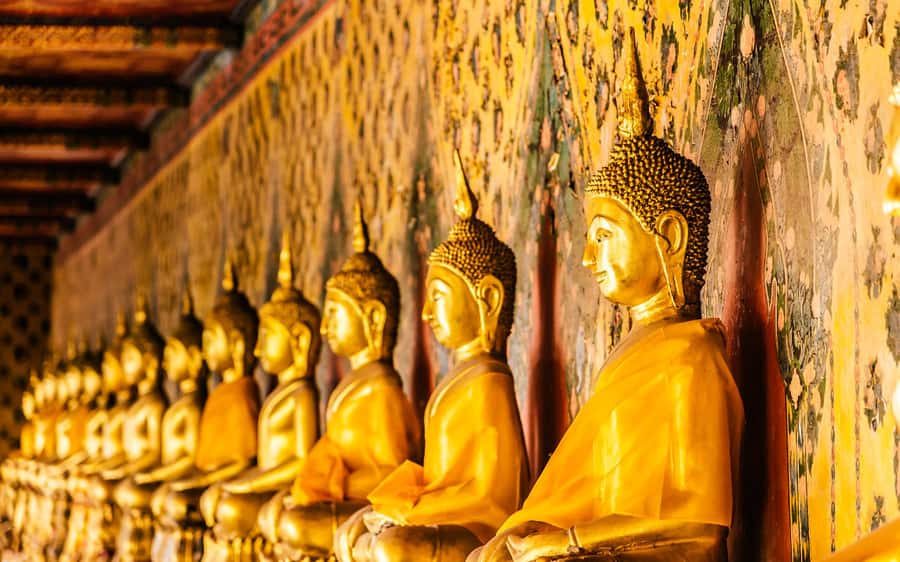
From Wat Phra Kaew, the tour continues to Wat Pho, officially Wat Phra Chetuphon Vimolmangklaram. The visit lasts about an hour and centers on the famous reclining Buddha.
The statue is large, calm, and immediately impressive, but the surrounding temple grounds deserve attention too. Your guide can help you look beyond the main photograph to the craftsmanship around the complex, including the details that give Wat Pho its character.
Compared with Wat Phra Kaew, Wat Pho can feel less formal and easier to absorb. You still need to respect temple customs, but the visit has a more relaxed rhythm. One hour is enough to see the key areas with a guide, though you may want more time if you prefer slow photography or careful architectural study.
This is a good place to ask questions about Buddhism and Thai temple life. One guide, praised as both friendly and clear, included an explanation of meditation inside a temple. The experience does not promise a formal meditation class, but the guide may use the setting to explain Buddhist practice and local customs.
The route involves walking across temple grounds, so comfortable shoes help. Keep your day bag small. Large bags and luggage are not allowed on the activity, and carrying less is sensible in any case.
Lunch and the value of a guided break
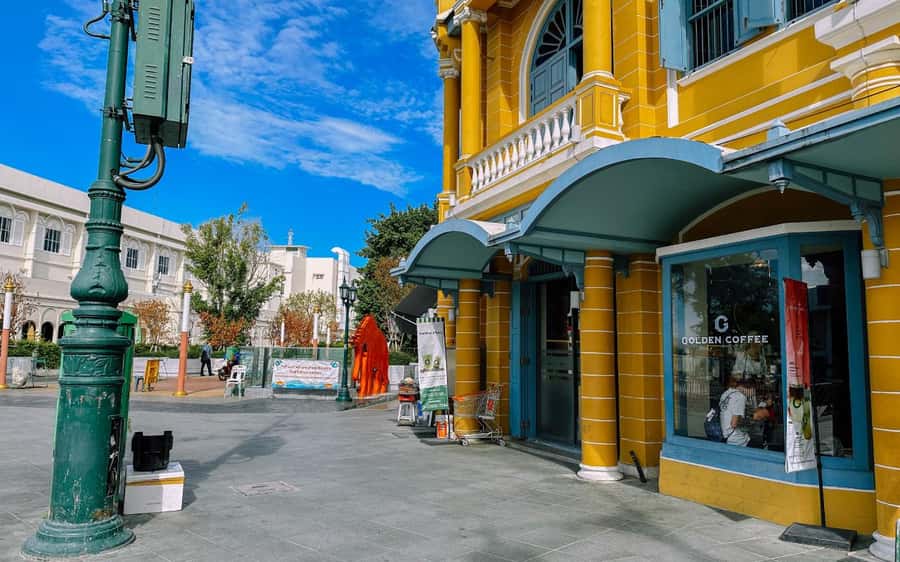
The schedule includes a one-hour lunch break at a local restaurant, but food and drinks are not included in the $61 price. Your guide may recommend or help you choose a nearby place. Several guides have been praised for steering groups toward enjoyable meals, and one guide was specifically credited with recommending a particularly good restaurant.
Treat this as an opportunity to ask practical questions. You can learn more about the temples, get suggestions for the rest of your Bangkok visit, or simply cool down before the afternoon stop.
The lunch break also helps the day’s pace. Temple visits can be tiring, especially in hot weather, and a seated meal gives you time to recover. Budget separately for food and beverages, since the advertised price covers admission, water, a refreshing towel, insurance, the boat fee, and the guide, not lunch.
More Street Food Walking Tours in Thailand
- 3-Hour Bangkok Walking Tour: Wat Pho and Wat Arun
★ 5.0 · 102 reviews - Grand Palace, Wat Phra Kaew, Wat Pho and Wat Arun Walking Tour From Bangkok
★ 4.5 · 88 reviews - Bangkok: Street Art and Street Food Walking Tour
★ 4.1 · 58 reviews - Small-Group: Unseen Bangkok’s Chinatown Walking Tour
★ 5.0 · 54 reviews
Crossing the Chao Phraya River
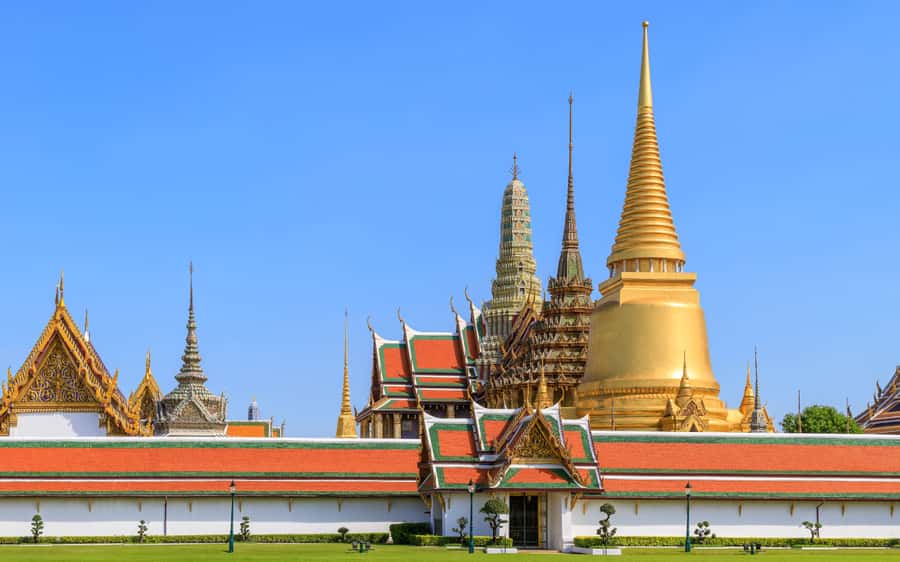
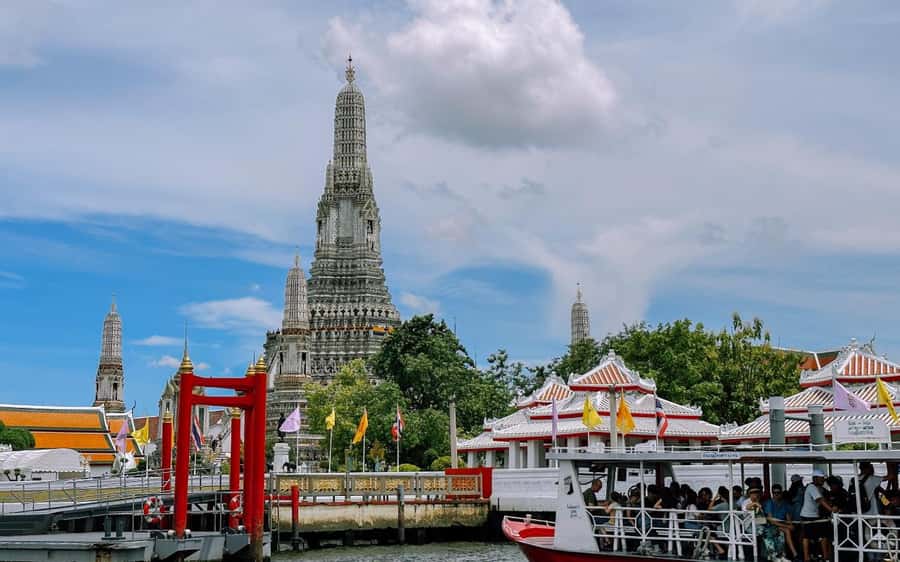
After lunch, you return to Tha Tian Pier for the short boat trip to Wat Arun. The ride is listed as about 15 minutes and is one of the most appealing parts of the route.
The boat provides a different view of Bangkok. From the water, you can see the riverfront and watch Wat Arun come into view rather than simply arriving at its entrance by road. It is a simple transfer, but it gives the day a sense of movement and helps you understand why the Chao Phraya has shaped Bangkok’s identity.
Keep expectations realistic about the boat. The experience includes a shuttle boat or ferry crossing, but it is not necessarily a private long-tail or special dragon boat ride. One account specifically described using the regular ferry rather than a dragon boat. The value is the scenic crossing and efficient transport, not a luxury cruise.
The boat is also a useful break from walking. You may want your sunglasses and camera ready, but keep belongings secure and follow the guide’s instructions at the pier. The river crossing is brief, so do not expect a long sightseeing cruise.
Wat Arun and its porcelain details
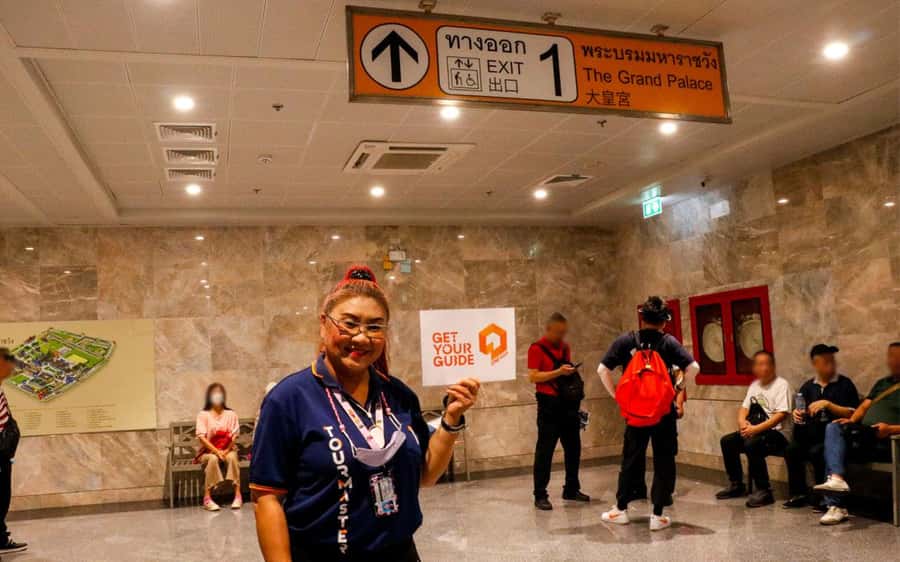
Wat Arun, or the Temple of Dawn, is the final major stop. Its tall central prang and surrounding structures are decorated with intricate porcelain and colorful ceramic details.
The temple looks especially striking from the river, which is why visiting after the crossing works so well. Once inside, your guide can explain the temple’s history and spiritual importance while pointing out the patterns built into the surface. The decoration rewards close looking. From a distance, Wat Arun is a strong silhouette. Up close, it becomes a study of small pieces and careful design.
You’ll spend about an hour here. The visit includes walking and sightseeing, so the same advice applies: wear practical shoes, bring sunglasses, and carry water. Drinking water and a refreshing towel are included, which is helpful during a warm afternoon, but you should still dress for the conditions.
Wat Arun is a strong finish because it feels different from the Grand Palace complex. The river setting opens the view, and the temple’s vertical design gives you a final major photograph. It is also a good place to ask your guide to connect the three temples, since you have now seen royal, monastic, and riverfront expressions of Thai culture.
What the guides add to the day
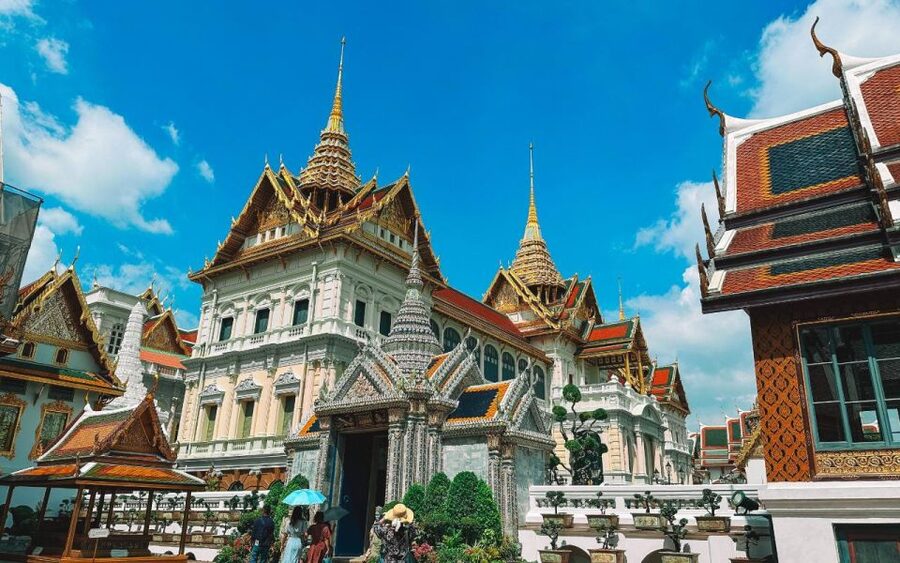
The guide is the main reason to pay for this experience instead of doing the route independently. The temples are easy to identify, and admission and boat tickets can be arranged without much trouble. The harder part is knowing what you’re looking at and keeping the day moving.
The strongest guide reports focus on four things:
- Clear explanations of Thai history, Buddhism, and royal traditions
- Patience with questions and different walking speeds
- Help with photographs and good viewing points
- Practical care, including shade, water, directions, and group headcounts
Sammy has been praised for taking photographs, finding shaded places for explanations, and helping with onward transport after the tour. Lee has been noted for giving detailed explanations rather than rushing through the sights. Bo has helped groups in both Chinese and English, while Visan was described as personable and especially helpful when a tour became a one-to-one experience.
Guide quality can vary from person to person, as it does on any guided outing. The activity offers English, Chinese, and Thai, with private or small-group choices available. A smaller group should make it easier to ask questions and spend extra time at details that interest you.
There is one scheduling issue worth noting. If people arrive late, the group may wait, which can push the whole program behind schedule. One past experience began much later because the operator waited for missing participants, forcing the guide to move faster later. Arrive early, and if punctuality is important to you, a private option may be worth considering.
Is $61 a fair price?
At $61 per person, the tour is not the cheapest way to see Bangkok’s temples. You can arrange your own route to Wat Phra Kaew, Wat Pho, and Wat Arun, and an independent visit gives you more control over timing.
The price becomes easier to justify if you value explanation and convenience. It includes entry to all three sites, the guide, drinking water, a refreshing towel, insurance, and the shuttle boat. You also avoid the work of working out the order, arranging the river crossing, and deciding what deserves your attention inside each complex.
For a first visit to Bangkok, I think the fee can be fair, especially if you choose a small group or private format. The strongest benefit is not skipping every line or receiving special access. It is having someone interpret the temples and keep the day organized.
If you already know Thai temple architecture, prefer independent exploration, or are watching every baht, you may find the tour overpriced. One assessment made exactly that point, noting that the same route could be done alone. That is a fair criticism. The temples themselves provide the main value, not an exclusive activity or unusual transport.
Who should book this temple tour?
I would recommend it to first-time Bangkok visitors who want the city’s three headline temples explained in one day. It also suits solo visitors who like having a guide for orientation, history, photographs, and transport.
It is a good match for people who want a structured cultural day but do not want a large sightseeing bus. Private and small-group options are available, and the guide-led format gives you more background than simply arriving, taking photographs, and leaving.
Families with very young children should take note of the age rule. Children under two are not considered suitable for the activity, although children aged zero to two are not charged. The walking, heat, formal temple settings, and fixed start time may also be tiring for small children.
You should skip it if you want a slow, entirely independent day or dislike fixed schedules. The early meeting time, no-refund rule for late arrival, and six to seven hour duration require commitment.
What to bring and how to prepare
Wear long pants and comfortable clothing suitable for temple visits. Bring sunglasses, a small bag, and enough personal spending money for lunch and drinks.
Do not bring luggage or large bags. The tour provides drinking water and a refreshing towel, but Bangkok’s heat can still make the walking demanding. A private or small group may be worth the extra cost if you want a slower pace or have specific questions.
You can cancel up to 24 hours before the activity for a full refund, and the reserve-now, pay-later option keeps payment flexible. Check the available start time when booking, since the meeting point and pickup arrangements depend on the option you choose.
Should you book it?
Book this tour if you want the major Bangkok temples explained clearly, with admission and the river crossing arranged for you. The best guides add real value through cultural context, photo help, shade breaks, and practical care.
Skip it if you are comfortable planning your own route and would rather spend less. The sites are accessible independently, and lunch remains your responsibility either way.
For most first-time visitors, I think the tour works because it combines Bangkok’s essential temples without making you solve the day’s transport puzzle. Just arrive early, dress properly, pack light, and choose a small-group or private option if personal attention matters most.
FAQ
Where does the tour meet?
The standard meeting point is Tha Tian Pier. Arrive before 8:45 AM and look for a guide holding a sign. Hotel pickup is available with selected options.
How long does the tour last?
The activity lasts approximately six to seven hours. The planned stops include Wat Phra Kaew, Wat Pho, lunch, the boat ride, and Wat Arun.
Which languages are available?
Guided tours are available in English, Chinese, and Thai.
Is lunch included?
No. The schedule includes a one-hour lunch break at a local restaurant, but meals and beverages are not included in the price.
What should I wear?
Bring or wear long pants and dress suitably for visits to Buddhist temples. Sunglasses are also recommended.
Is the boat ride included?
Yes. The shuttle boat fee is included. The crossing from Tha Tian Pier to Wat Arun takes about 15 minutes.
Just added around Bangkok
- 4-Hour Hidden Bangkok TukTuk Street Food Guided Tour★ 5.0 · 23 reviews
- 3-Hour Bangkok Walking Tour: Wat Pho and Wat Arun★ 5.0 · 102 reviews
- Bangkok 3-in-1 Tour: Longtail Boat,TukTuk & Street Food Adventure★ 5.0 · 73 reviews
- Famous Thai Street Food Tasting Experience!★ 5.0 · 4 reviews
- Thai Costume Photography at Wat Arun/Pho Temple: Bangkok★ 5.0 · 3 reviews
- Visit Wat Pho and Wat Arun with Local Expert★ 4.0 · 14 reviews
- LR-01 TaLad NangLerng, ride along the old town and try local street foods★ 4.5 · 13 reviews
- Tuk Tuk Bangkok Private Tour: WW2 Pad Thai, 360-Viewpoint, Chinatown (Pickup)★ 5.0 · 9 reviews
Bangkok Street Food Tours, compared.
Bangkok: Michelin Guide Street Food Tour by Tuk Tuk
Read our review →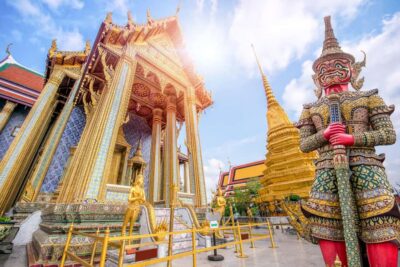
Bangkok: Grand Palace, Wat Pho, and Wat Arun Private Tour
Read our review →
Bangkok Authentic Tasting Thai-Chinatown Walking Food Tour
Read our review →
Bangkok: Evening Tour with Wat Arun, Wat Pho & Tuk Tuk Ride
Read our review →
Bangkok Tuk-Tuk Tour by Night with Chinatown Street Food Meal
Read our review →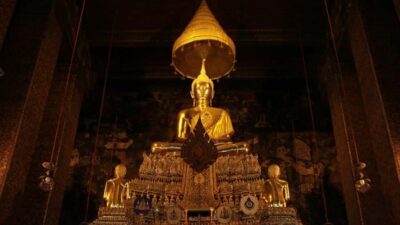
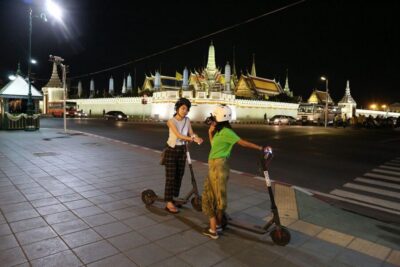
Bangkok: E-Scooter Night Tour with Local Street Food
Read our review →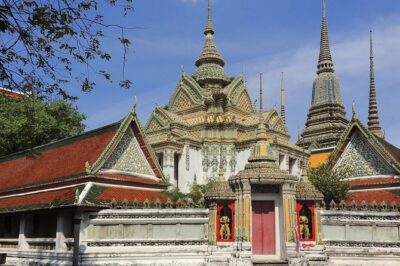
Private Tour of Bangkok’s Temples Including Reclining Buddha (Wat Pho)
Read our review →Browse the lists this tour appears in