REVIEW · BANGKOK STREET FOOD TOURS
Taste of Bangkok: A 3-Hour Chinatown Food Feast
Yaowarat is best understood one bite at a time. This three-hour evening walk takes you from Wat Mangkon through Bangkok’s Chinatown, where you’ll try more than 10 Thai-Chinese dishes, visit a Michelin-recognized street-food stall, and finish near the Chinatown Gate. Guides Na and Peak are especially noted for making the food easy to understand and the crowded streets easier to manage.
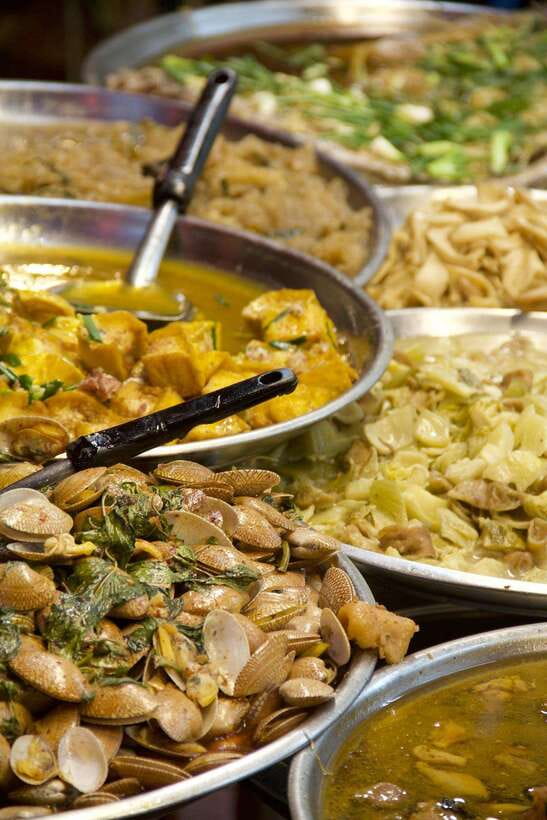
I like the large variety of tastings, which can include dumplings, roasted meats, noodles, seafood, snacks, desserts, and a cold drink. I also like the small group size, capped at eight, since that gives your guide room to explain unfamiliar dishes and help with ordering. The main drawback is practical: you need to enjoy crowds, walking, and a lot of food, and the tour is not designed for vegans or vegetarians, despite some guides managing vegetarian substitutions.
Key points at a glance
- More than 10 tastings: Expect a full evening of savory dishes, snacks, sweets, and drinks rather than one large meal.
- Michelin street food: A featured stop brings you to a stall recognized for exceptional cooking.
- Wat Mangkon to Chinatown Gate: The route crosses the heart of Yaowarat on foot, with no hotel transfers included.
- Guides who take care: Na and Peak receive particular praise for clear explanations, friendly company, and help with food concerns.
- Small group of eight or fewer: This suits solo visitors and couples who want help navigating the food stalls without joining a large crowd.
- Come hungry, but pace yourself: The number of tastings can reach 15 or more, depending on the evening.
Starting at Wat Mangkon in the heart of Yaowarat
The meeting point is Wat Mangkon Kamalawat, also called Wat Leng Noei Yi. This temple is a useful place to begin because it puts you right at the edge of Bangkok’s main Chinatown food zone, rather than leaving you to find the best street stalls on your own.
From here, your guide leads you into Yaowarat for an evening walk. The tour does not include hotel pickup, so you need to make your own way to the temple and arrange your return from Chinatown Gate. That is not a major problem if you are already staying in central Bangkok, but allow extra time for city traffic and make sure you know where the meeting point is before setting out.
The small group format matters here. Chinatown’s pavements and lanes can become tight, especially on weekends. With no more than eight people, your guide can keep the group together, point out stalls, and make sure everyone gets a chance to sample the food without turning the evening into a large procession.
More Chinatown Food Tours in Bangkok
- Bangkok Authentic Tasting Thai-Chinatown Walking Food Tour
★ 4.9 · 852 reviews - Bangkok Tuk-Tuk Tour by Night with Chinatown Street Food Meal
★ 5.0 · 635 reviews - Bangkok Tuk-Tuk by Night with Chinatown Street Food Meal
★ 4.6 · 263 reviews
Why Thai-Chinese food defines this part of Bangkok
Yaowarat’s food culture reflects generations of Chinese immigration and the way Chinese cooking traditions changed in Bangkok. You are not simply sampling generic Thai street food. You are tasting a local blend shaped by Chinese techniques, Thai ingredients, old family recipes, and the demands of a busy city neighborhood.
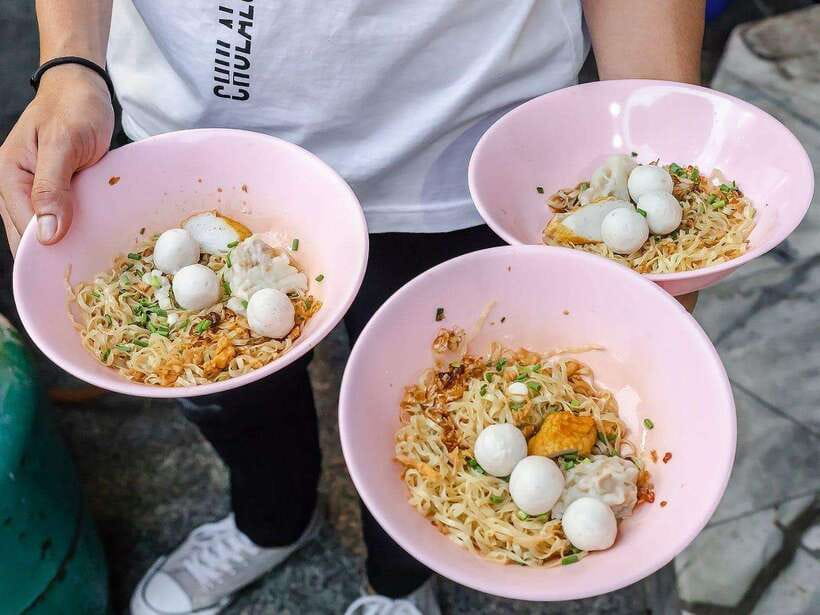
Your guide explains how these traditions developed while you walk. That context gives the food more meaning. A steamed dumpling, roasted meat dish, noodle soup, or sweet bun becomes part of a much larger story about migration, family businesses, and street cooking passed from one generation to the next.
I find guided food walks most useful when they help you notice what you would otherwise pass by. Yaowarat has plenty of signs, smoke, traffic, and competing aromas. Without help, you might stop at the first appealing stall. With a guide, you can try places chosen for their local reputation and learn how each dish fits into the neighborhood.
The first tastings: small portions, broad range
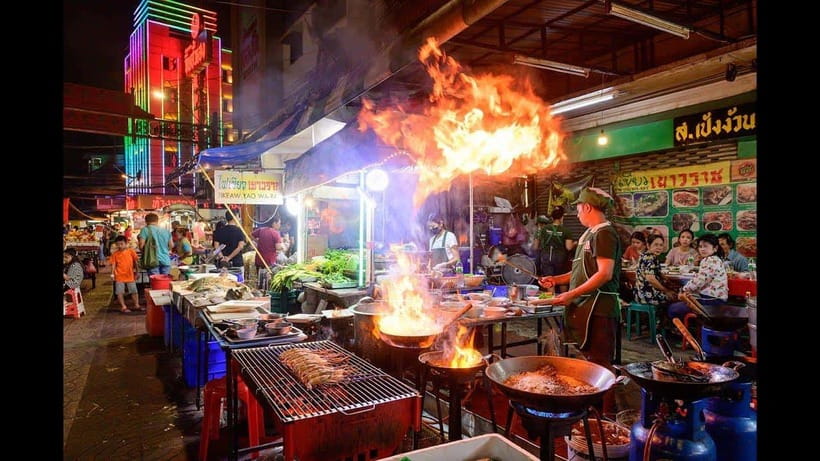
The evening begins with a sequence of snacks and savory bites. The exact stalls can vary, but the planned range includes crisp spring rolls, barbecued meats, freshly steamed dumplings, stir-fried dishes, noodle soups, and spicy seafood.
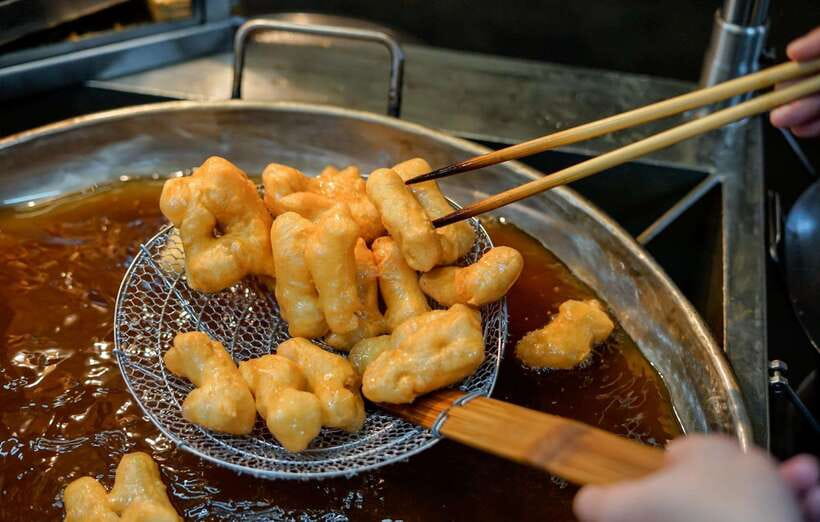
The appeal is variety. You may taste a little of one item, then move on before your palate settles into a single flavor. Some dishes are crisp and fried, some smoky from the grill, and others soft, soupy, or spicy. Traditional Chinese-style snacks may sit beside Thai preparations, giving you a quick lesson in how closely the two food cultures overlap in Chinatown.
The portions are meant to be shared or sampled, but do not mistake small portions for a light night. Several people have found the amount surprisingly generous, with some evenings reaching 15 or more individual foods. Come hungry, but pace yourself from the first stop. Saving room for dessert is harder than it sounds once the savory dishes begin.
If you are sensitive to chili, tell your guide early. One group found that some dishes had been made milder for the party, which was useful for those who preferred less heat but less ideal for people hoping to taste each dish at the stall’s regular spice level. Ask whether you can have a portion served at the standard level if that matters to you.
Local stalls and dishes you might miss alone
One of the strongest reasons to book this walk is the access to ordinary food stops that are easy to overlook. You are not confined to the most famous storefronts. The route includes places locals use, including stalls serving fragrant noodle soups, seafood dishes, meat snacks, and sweets.
That can make the food feel more personal. A guide such as Na may explain which dishes she and her family eat, while Peak has been praised for responding to individual interests and adding a requested stop when possible. One particularly determined participant wanted to try dancing shrimp, and the guide adjusted the route so the group could sample it.
You should treat that kind of flexibility as a bonus, not a promise. The stops are not listed dish by dish, and the food scene changes. Vendors may close, queues may shift, or a guide may make a small substitution. The value is in the range and local direction rather than a fixed menu.
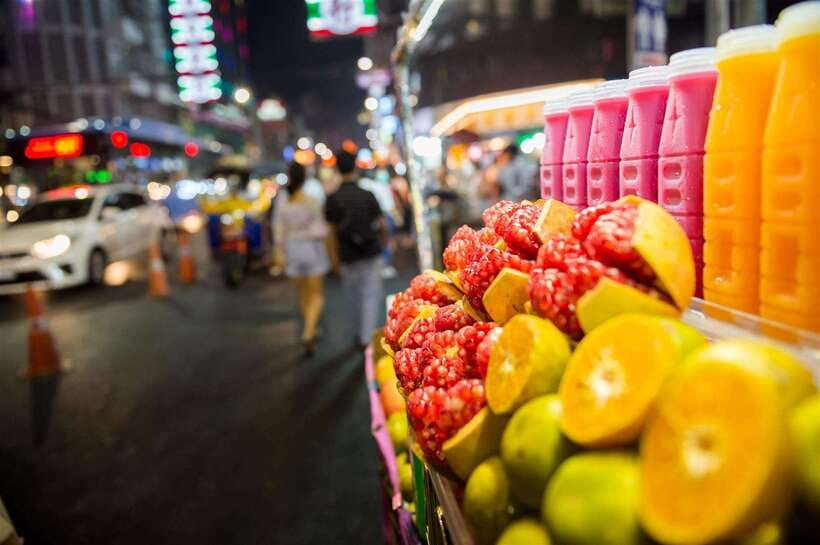
The route also gives you a chance to see Chinatown as an evening neighborhood, not just a food court. Neon signs light the streets, cooking smoke drifts through the lanes, and the sidewalks fill with people stopping for dinner. If you dislike crowds or have trouble walking for three hours, this setting may feel tiring rather than exciting.
More Chinatown Food Tours in Thailand
- Bangkok: Chinatown Food Tour with Michelin Food Stalls
★ 4.8 · 226 reviews - Night Street Food Tour of Bangkok’s Chinatown
★ 5.0 · 173 reviews - Local Life, Culture & Food Walking Tour at Chinatown
★ 4.7 · 119 reviews - Small-Group: Unseen Bangkok’s Chinatown Walking Tour
★ 5.0 · 54 reviews
The Michelin-recognized stop
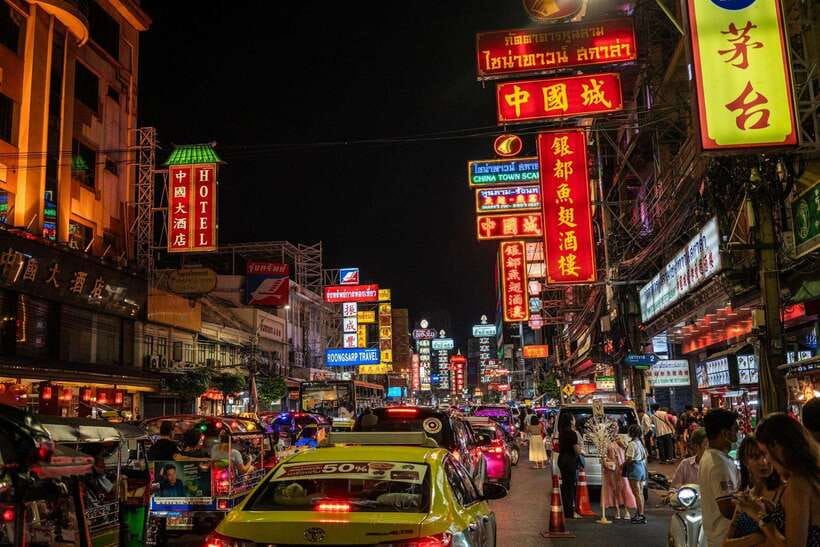
A featured part of the tour is a visit to a Michelin-star food stall. This is not a formal restaurant meal. You remain in the street-food world, but the stop introduces you to a vendor whose cooking has earned major recognition.
The point is not simply to collect a famous name. You can compare this stall with the smaller, less publicized places visited earlier. That contrast helps you see why a dish may earn awards while another wins loyalty through tradition, price, or family ties.
The exact number of Michelin-linked stops may vary by outing. Some participants have encountered two Michelin street-food vendors, while the activity itself promises at least one featured stall. I would book it for the broad food tour first, with the Michelin visit as a strong extra, rather than expecting a carefully staged restaurant tasting.
This stop can also be the busiest part of the evening. Famous stalls draw attention, and Chinatown’s narrow streets do not leave much room for lingering. Listen closely to your guide, keep your group in sight, and expect a lively rather than quiet meal.
Desserts, drinks, and a possible bar finish
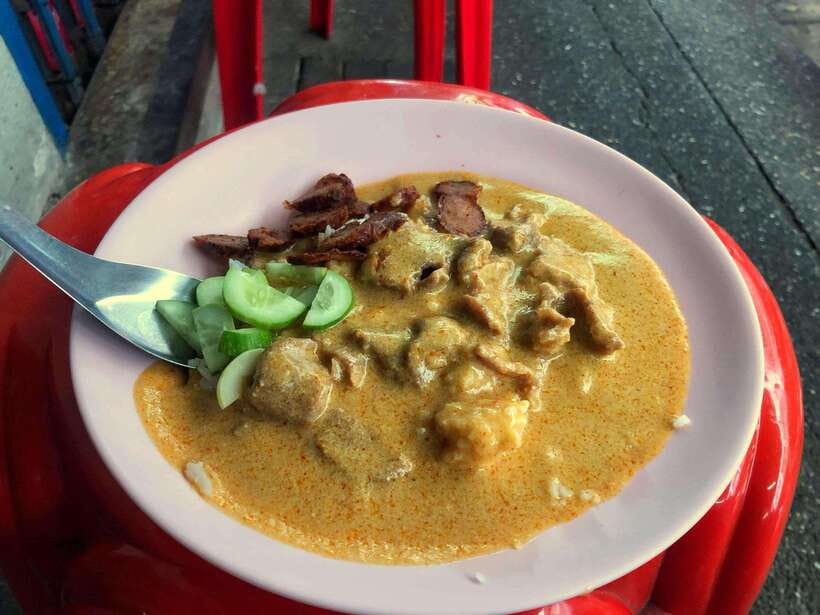
The tour ends with something sweet. Traditional Chinese desserts and snacks may include freshly made buns or local-style pancakes, paired with a refreshing drink. After several savory stops, these final tastes reset the evening and show another side of Yaowarat’s food culture.
The dessert course is useful for anyone unsure about strong spices. You get a softer finish, though the sweets are still part of the same Thai-Chinese food story. Depending on the group and route, the evening may also include a drink at a bar or a less formal final stop.
One participant described ending at a small bar with inexpensive mixed drinks. Treat that as a possible addition rather than a guaranteed part of the published plan. The confirmed finish is at Chinatown Gate, and the main focus remains food and walking.
What the guides add to the experience
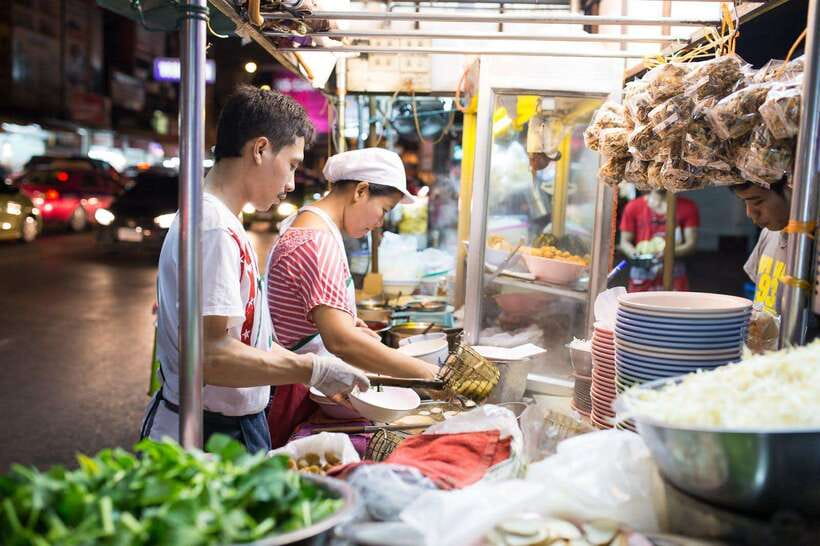
The guide can make or break a food tour, and this one has earned particularly strong praise for its people. Na is often described as warm, attentive, and good at explaining how to eat the food in a local way. Peak is praised for humor, energy, planning, and a willingness to listen to what the group wants to try.
That matters most when you are faced with unfamiliar dishes. A guide can explain ingredients, point out sauces, manage ordering, and tell you whether a dish is sweet, sour, salty, or spicy before you take a bite. The guide also gives the neighborhood a human shape through stories about Chinese influence and local food customs.
The small group helps. Solo visitors can join without feeling stranded, and families have found that guides make an effort to include children even when they are cautious about new foods. If you are traveling alone, this is one of the easier ways to share an evening meal without committing to a formal group dinner.
There is one useful improvement to keep in mind. It would help to receive a clear list of the stalls visited after the tour, especially if you want to return later. You may wish to note stall names or locations during the walk, since the route moves quickly and Chinatown can be confusing when you come back on your own.
Dietary needs and spice levels
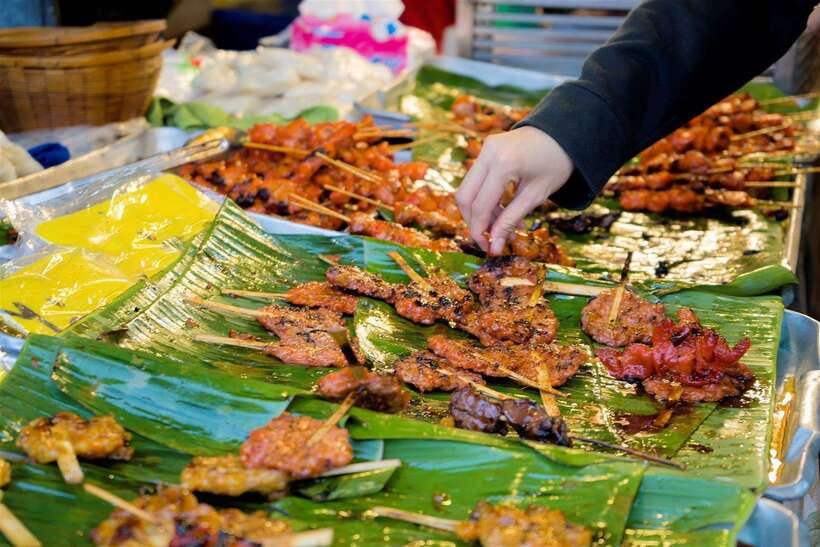
This tour is not suitable for vegans or vegetarians according to the stated conditions. Some vegetarian alternatives may be available, and one guide successfully arranged vegetarian options for a participant, but you should not book assuming every tasting can be replaced.
Allergies need careful discussion before you reserve. One guide, Na, took special care with a nut allergy by arranging separate plates and writing Thai phrases for future food orders. That is excellent practical help, but it does not replace your own responsibility to explain the allergy clearly and confirm each dish.
Spice levels can also vary. Thai food may be adjusted for an international group, and some diners may find a few dishes milder than expected. If you want the regular chili level, tell the guide. If you need mild food, say so early rather than waiting until the first spicy dish arrives.
Is $36 good value for three hours?
At $36 per person, the tour is priced below many guided food walks in major cities. The price includes a local English-speaking guide, walking tour, food samples, and bottled water. It does not include hotel transportation or any purchases outside the planned tastings.
The value is strongest if you would otherwise spend the evening guessing where to eat. Ten or more tastings, local explanations, and a Michelin-recognized stop can easily cover the cost compared with ordering separate dishes at random. You also pay for the guide’s time and the confidence of moving through a large food district without having to plan every stop.
The price is less compelling if you want a quiet sit-down meal or a fixed restaurant menu. This is a street-food walk, and the route may include standing, short waits, crowded pavements, and changing vendors. You are buying access and direction, not comfort.
Free cancellation up to 24 hours before the start and the option to reserve now and pay later make the booking fairly flexible. Check the available starting time because the tour runs in the evening and the exact departure slot is not fixed in the information provided.
Who should book this Chinatown food walk?
I would recommend it to first-time visitors who want a fast, practical introduction to Yaowarat. It also suits solo visitors, couples, and small groups who like trying many foods rather than ordering one dish and settling in.
You will get the most from it if you:
- Enjoy street food and strong flavors
- Are comfortable walking for three hours
- Want history and food together
- Prefer a small group over a large bus tour
- Like trying unfamiliar dishes
- Can eat a substantial amount in one evening
I would hesitate if you need a fully vegetarian or vegan menu, dislike crowds, have difficulty walking, or prefer to know the exact restaurant lineup in advance. Families can enjoy it, but children who are very cautious about food may not try much beyond the familiar snacks.
Should you book it?
Book this tour if you want to turn Chinatown into an evening meal, not just a photo stop. The strongest reasons are the sheer range of food, the small group, and guides such as Na and Peak who pay attention to allergies, spice preferences, and personal requests.
Skip it if you want a calm restaurant experience or a guaranteed menu tailored to strict dietary needs. For everyone else, $36 is a sensible price for three hours of guided eating in one of Bangkok’s best food districts. Arrive early, bring an appetite, wear comfortable shoes, and leave room for the sweet course.
FAQ
Where does the food tour start?
The tour starts at Wat Mangkon Kamalawat, also known as Wat Leng Noei Yi, in Bangkok’s Chinatown.
Where does the tour finish?
It finishes at the Chinatown Gate.
How long does the experience last?
The food tour lasts three hours.
How many foods will I taste?
You will taste more than 10 different dishes. Some outings may include 15 or more individual foods.
Does the tour include Michelin-recognized street food?
Yes. The experience includes a stop at a Michelin-star food stall. Some outings have included more than one Michelin street-food vendor.
Is hotel pickup included?
No. Hotel pickup and drop-off are not included. You need to reach Wat Mangkon yourself and arrange your return from Chinatown Gate.
Is the tour suitable for vegetarians or vegans?
The stated conditions list the tour as unsuitable for vegans and vegetarians. Some alternatives may be available, but they are not guaranteed.
What happens if I need to cancel?
You can cancel up to 24 hours before the tour for a full refund. You can also reserve now and pay later.
More 3-Hour Experiences in Bangkok
- 3-Hour Bangkok Walking Tour: Wat Pho and Wat Arun
★ 5.0 · 102 reviews - Shanghai: 3-Hour Local Food Tasting Tour
★ 4.9 · 806 reviews - Discover Palermo in 3 hours. Art, history, markets and street food
★ 5.0 · 352 reviews - Playa del Carmen: 3-Hour Local Food Walking Tour
★ 4.8 · 267 reviews
Just added around Bangkok
- 4-Hour Hidden Bangkok TukTuk Street Food Guided Tour★ 5.0 · 23 reviews
- 3-Hour Bangkok Walking Tour: Wat Pho and Wat Arun★ 5.0 · 102 reviews
- Bangkok 3-in-1 Tour: Longtail Boat,TukTuk & Street Food Adventure★ 5.0 · 73 reviews
- Famous Thai Street Food Tasting Experience!★ 5.0 · 4 reviews
- Thai Costume Photography at Wat Arun/Pho Temple: Bangkok★ 5.0 · 3 reviews
- Visit Wat Pho and Wat Arun with Local Expert★ 4.0 · 14 reviews
- Tuk Tuk Bangkok Private Tour: WW2 Pad Thai, 360-Viewpoint, Chinatown (Pickup)★ 5.0 · 9 reviews
- LR-01 TaLad NangLerng, ride along the old town and try local street foods★ 4.5 · 13 reviews
Bangkok Street Food Tours, compared.
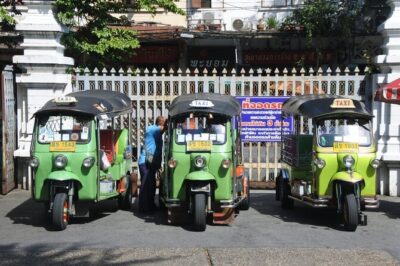
Bangkok: Michelin Guide Street Food Tour by Tuk Tuk
Read our review →
Bangkok: Grand Palace, Wat Pho, and Wat Arun Private Tour
Read our review →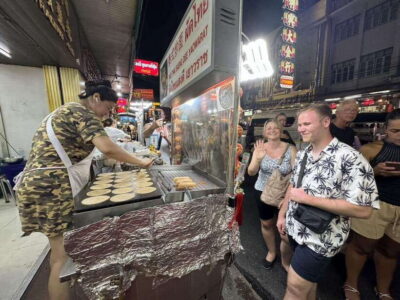
Bangkok Authentic Tasting Thai-Chinatown Walking Food Tour
Read our review →
Bangkok: Evening Tour with Wat Arun, Wat Pho & Tuk Tuk Ride
Read our review →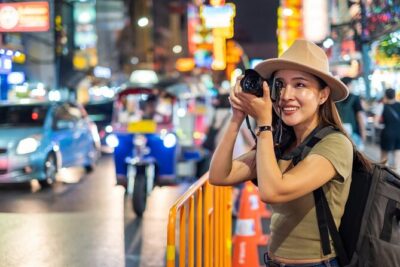
Bangkok Tuk-Tuk Tour by Night with Chinatown Street Food Meal
Read our review →
Bangkok: E-Scooter Night Tour with Local Street Food
Read our review →