
REVIEW · JAPAN STREET FOOD TOURS
Asakusa Highlights: Street Food Crawl Tour (7+ Local Bites)
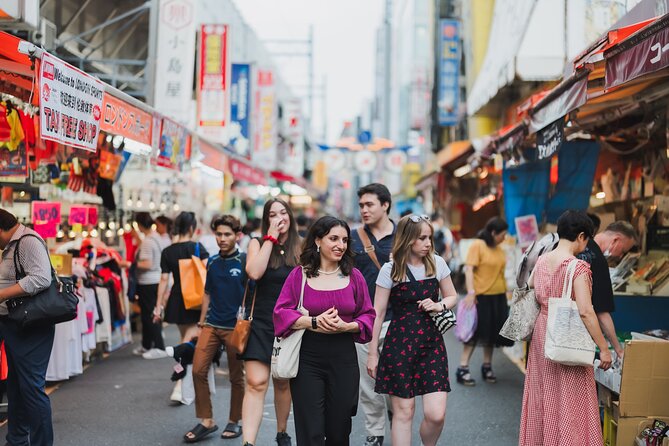
Asakusa’s best food is not all lined up on Nakamise-dori. This small-group walk leads you into older residential streets and local shops, where you may try standing-bar sushi, monjayaki, taiyaki, dango, soba, tempura, and other treats. The food is the main event, but the guide also connects each bite to Asakusa’s past.
I like the way this tour gives you four or five stops in about two hours, a useful dose of Tokyo when your schedule is tight. I also like the guides’ personal touch. Shino, Max, Taiga, Ian, Rie, Rei, Andrea, and Tadashi are all praised for clear English, humor, local tips, and help ordering unfamiliar dishes. The main caution is food balance: some outings include several sweets, while another includes a smoky, warm monjayaki stop. Dietary choices are limited, so plan ahead.
Key points to know before booking
- Four or five local food stops: Expect a mix of sushi, savory dishes, sweets, and drinks rather than one long restaurant meal.
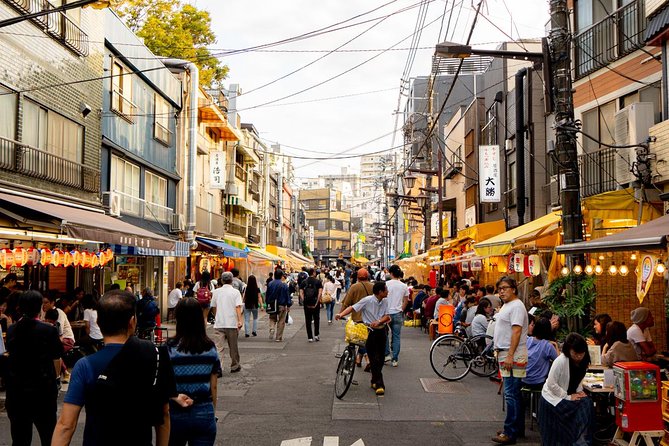
- Old Asakusa beyond the postcard streets: The route includes residential lanes and local shops away from the thickest crowds.
- Senso-ji finishes the walk: You end near Tokyo’s oldest temple, with the market street and temple grounds close by.
- Guides shape the experience: Shino, Max, Taiga, Ian, Rie, Rei, Andrea, and Tadashi are among the guides praised for food knowledge, history, English, and easy conversation.
- Come very hungry: Portions can add up quickly, and one outing even left enough food that dessert was skipped.
- Special diets need advance notice: Vegetarian, vegan, and gluten-free choices are limited, and requests made at the last minute may not be possible.
Why this Asakusa food walk works
Asakusa is one of Tokyo’s easiest districts to enjoy on foot. Senso-ji draws the crowds, but the surrounding streets hold a more everyday side of the neighborhood: small food shops, older eateries, specialty stores, and places you may pass without realizing what to order.
That is where this tour earns its keep. You are not simply handed a snack and sent on your way. A guide helps you understand what you are eating, how it fits into Japanese food culture, and why a particular shop matters. You also get practical help with ordering, which is useful when a menu is unfamiliar or a dish is served in an unexpected form.
The tour is advertised at about two hours, with a 11:30 a.m. start. Some reported outings ran closer to three hours, so I would avoid booking a tightly timed afternoon activity immediately afterward. The pace is generally a walk, stop, eat, talk, and move on. That rhythm gives you a real sense of the neighborhood without asking you to spend an entire day on a food crawl.
At $76.27 per person, this is not a bargain lunch. Still, the price includes food samplings and alcoholic beverages, along with a local guide and several stops. If you would otherwise spend an afternoon guessing at small restaurants and ordering only familiar dishes, the cost can make sense. The value is strongest for a first visit to Tokyo, when a guide can save you from poor choices and point out places you would not find alone.
A few more street food tours around Japan worth a look
- Hungry Osaka Street Food Tour:15 Tastings & 3 Drinks with a Local
★ 5.0 · 1,727 reviews - Osaka Local Foodie Walking Tour in Dotonbori and Shinsekai
★ 5.0 · 985 reviews - Hungry Osaka Street Food Tour: 15 Dishes & 3 Drinks
★ 4.9 · 694 reviews
Starting in old Asakusa at 11:30
The meeting point is at 1-chōme-20-13 Asakusa, in Taito City. The walk then covers the wider Asakusa area rather than staying only around the temple entrance. You should arrive ready to eat, since this is intended as a late-morning food experience rather than a light tasting before lunch.
The first hour is the broadest part of the walk. You visit four or five local shops or restaurants and sample several Japanese foods. The exact menu can change, but dishes described from different outings include sushi, soba, tempura, dumplings, okonomiyaki-style dishes, monjayaki, dango, taiyaki, sweet potato treats, matcha ice cream, and Kagetsudo bread.
That range is useful because Asakusa food is not one single style. You may move from carefully prepared sushi to a hot griddle dish, then finish with a traditional sweet. The contrast helps you understand the neighborhood better than a tour built around only one famous dish.
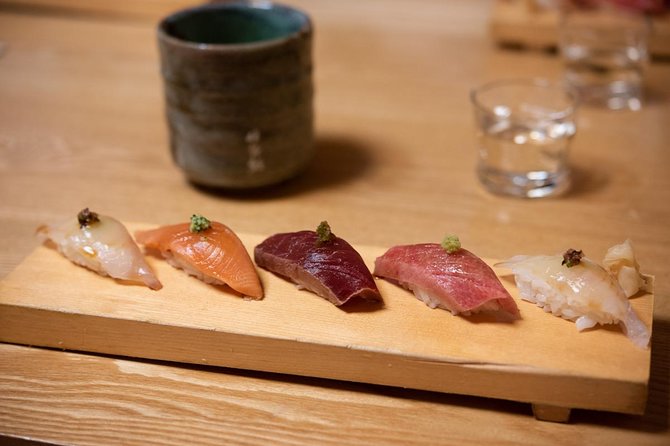
The sushi stop receives especially strong praise. In some outings, it is a standing sushi bar serving less familiar cuts, including parts of tuna that you might not choose on your own. The tuna head, cheek, and meat between the ribs are specifically mentioned. This is one of the most distinctive parts of the food lineup, although you should not assume every departure will include exactly the same pieces.
There is also an important practical point here: the sushi stop may be affected by crowding or availability. One dissatisfied account described sushi being removed from the route, so this is not a fixed restaurant reservation with a guaranteed menu. If sushi is the main reason you are booking, ask about the expected stops before paying.
What the savory stops add
The tour’s savory food gives the walk substance. Soba, tempura, sushi, dumplings, and local griddle dishes make it more than a sweets tour. Families also found the format easy for teenagers and older children, with guides adjusting portions or choices when needed.
Monjayaki is a particularly useful introduction. It is related to okonomiyaki but has a softer, more pourable texture and is cooked on a hot plate. One account praised trying two styles of okonomiyaki, while another found the monjayaki stop smoky and warm and suggested one less dish there. That is fair advice: the food can be fun and filling, but the heat and smoke may not suit everyone.
You may also encounter food that needs explanation before it makes sense. A guide can show you how to approach an unfamiliar dish, explain its ingredients, and help you decide what to try next. That small bit of assistance matters more than it sounds. In Tokyo, the hardest part is often not finding food, but knowing what a place specializes in and how much to order.
The alcoholic beverages are included, but the tour is not presented as a drinking crawl. The balance depends on the day’s stops. One account suggested replacing some dessert servings with a more traditional Japanese drink, which gives you a sense of the possible tradeoff: the food is generous, but the exact mix may not satisfy someone looking mainly for sake or regional drinks.
Sweet stops and the come-hungry warning
The final food stops can be substantial. Taiyaki, a fish-shaped cake with filling, dango, matcha ice cream, sweet potato snacks, and Kagetsudo bread have all appeared in the food mix. These are not just filler bites. They show how Japanese sweets use shape, texture, seasonal flavors, and familiar ingredients in different ways.
Still, you should know what kind of balance to expect. Several accounts describe three dessert stops, while others praise the overall mix of savory dishes and sweets. If you have a strong sweet tooth, this will be welcome. If you prefer a drink-focused or savory food tour, the repeated desserts may feel less exciting.
The quantity can be greater than the description suggests. One outing was described as so filling that the final ice cream could not fit. Another family found the portions generous, including the sushi and dumplings. Eat a small breakfast or skip it if you can, but do not arrive dehydrated or expecting to walk off a tiny snack.
Food allergies and restrictions need care. You must contact the operator at least a week before the date if you have food restrictions. Vegan, vegetarian, and gluten-free options are limited, and last-minute requests may not be accepted. A soy allergy was accommodated on one outing, and another guide adjusted food for a family’s needs, but those examples do not guarantee every request can be met.
Same city, a different plate:
- Tokyo Tsukiji Fish Market Food and Culture Walking Tour
★ 5.0 · 3,184 reviews - Tokyo: Tsukiji Fish Market Food and Walking tour
★ 5.0 · 1,724 reviews - Tokyo: Tsukiji Fish Market Guided Walking Tour
★ 4.9 · 1,397 reviews - Nishiki Market Brunch Walking Tour (7 Tastings + Brunch)
★ 5.0 · 1,355 reviews
Marugoto Nippon and the wider Japanese pantry
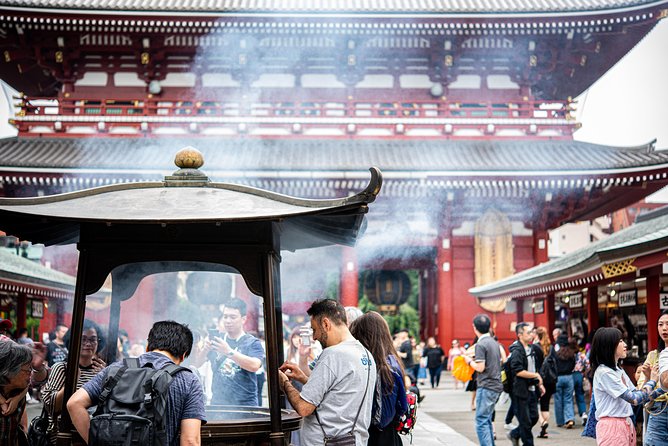
The route includes about 20 minutes at Marugoto Nippon, a specialty department store selling selected goods and foods from different parts of Japan. This stop changes the pace from eating at individual shops to seeing how regional products are gathered in one place.
It is a useful addition for anyone who wants edible souvenirs or a quick look beyond Tokyo cuisine. You can see the country’s food culture presented in a compact setting, though the stop is shorter and less personal than the local eateries. Think of it as a browsing pause, not another major tasting session.
The tour’s route also passes through a busy market street leading toward Senso-ji. This is where the mood shifts. The quieter side streets give way to one of Asakusa’s main pedestrian corridors, with shops, snacks, and temple traffic. If you dislike crowds, the contrast may be noticeable, but it also gives you a clear picture of why Asakusa remains such a popular part of Tokyo.
Ending at Senso-ji Temple
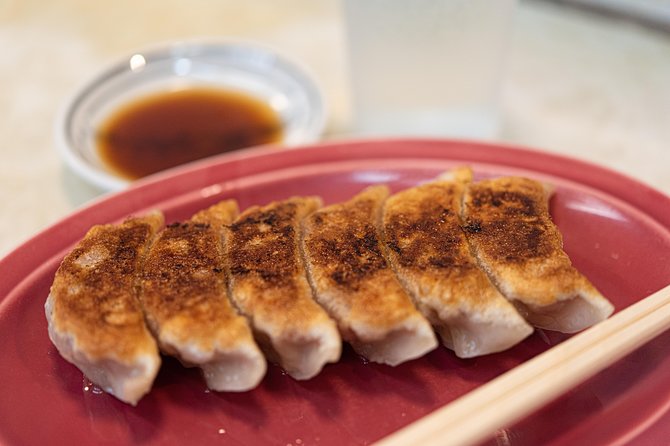
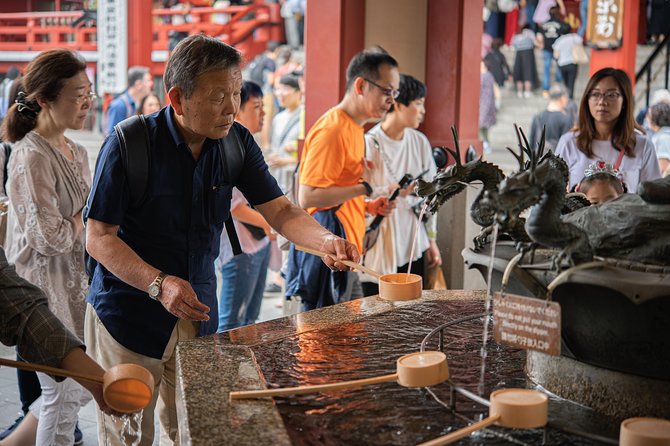
The final stop is Senso-ji, Tokyo’s oldest temple. The tour ends at 2-chōme-3-1 Asakusa, near the temple grounds, after roughly 20 minutes at the site.
The temple finish is well chosen. You have spent the walk learning about food, daily life, and local customs, then arrive at one of Tokyo’s major cultural landmarks. The guide can add context to the streets and traditions you have just seen, while you still have the option to stay in the area afterward.
Do not treat the temple visit as a full guided sightseeing tour of every building and gate. The food walk’s main purpose is culinary, and the temple portion is brief. But it gives the experience a clear ending and leaves you in a convenient place for more Asakusa exploring.
The guides make the difference
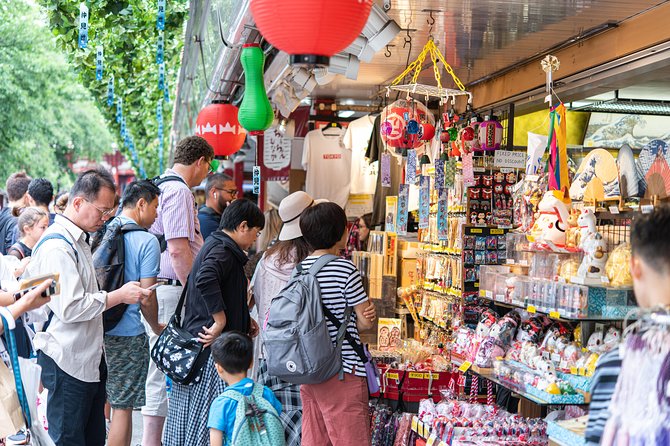
The guide is the variable that can turn this from a simple tasting walk into a useful introduction to Tokyo. Shino is praised for making mixed groups feel comfortable and for speaking excellent English. Max is described as entertaining and able to tailor the route, including adding matcha-related interest for someone who loved matcha.
Taiga receives praise for food and neighborhood history, pacing, and making adjustments to suit individual needs. Tadashi is noted for combining food explanations with advice about eating elsewhere in Tokyo. Rie is praised for energy, hospitality, good portions, and explaining Japanese food culture.
Other guides, including Ian, Rei, Andrea, Shinzo, and Kaz, are also associated with warm service, clear explanations, and help with families. Their strengths differ, but the pattern is consistent: the guide is expected to do more than lead you from shop to shop.
The listing states a maximum of two people, yet some reported outings describe groups of four or six. That is worth clarifying before you book if privacy matters to you. The small-group feel is a major part of the appeal, but the actual group size may vary by departure.
Who should book this experience?
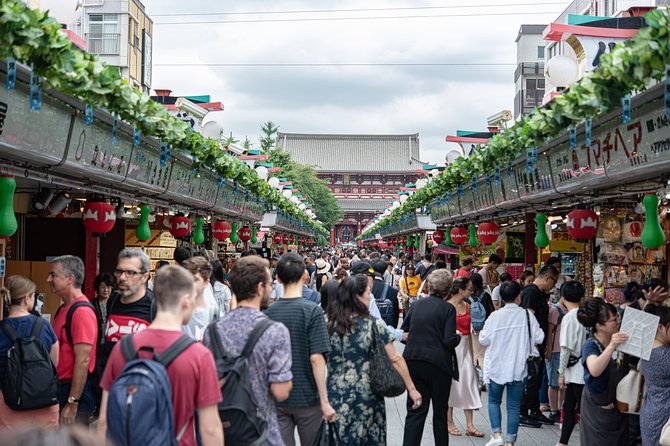
I would recommend this tour to a first-time visitor who wants an easy introduction to both Asakusa and Japanese food. It is also a good fit if you have only a few hours, feel unsure about ordering in small shops, or want a guide to explain dishes that are not obvious from appearance alone.
Families with older children and teenagers can do well here. The food variety keeps the walk moving, and guides have adjusted choices for younger eaters. The route also suits anyone who prefers a compact activity instead of a long, formal sightseeing tour.
I would be more cautious if you need strict vegan, vegetarian, or gluten-free meals. I would also hesitate if you want a fixed menu, a guaranteed sushi course, or a tour centered on alcoholic drinks. The selection can shift, and the dessert count may be high.
The tour is near public transportation, most people can participate, and a mobile ticket is provided. Free cancellation is available until 24 hours before the start time. Poor weather or failure to meet the minimum number can lead to a different date or a full refund.
Is the $76.27 price fair?
The price makes sense when you value guidance, variety, and the chance to try foods you might skip alone. It includes enough tastings to replace a meal, plus drinks and neighborhood context. The strongest value comes from the sushi, unusual cuts, local shops, and the guide’s help navigating the area.
It is less compelling if you measure value only by the cost of food. You can eat cheaply in Asakusa, and not every stop will feel equally special. The menu may also favor sweets more than you would choose for yourself.
My advice is simple: book it early in your Tokyo stay. You will get a useful introduction to Asakusa, learn what you like, and leave with ideas for later meals. If your food priorities are narrow, contact the operator first about the expected menu and restrictions.
Should you book the Asakusa food crawl?
Book it if you want a friendly, filling introduction to old Asakusa with real help ordering local food. The combination of sushi, griddle dishes, traditional sweets, Marugoto Nippon, and Senso-ji gives you plenty for two hours, and the guides are a major strength.
Skip it if you need a guaranteed menu or have strict dietary requirements that cannot handle limited alternatives. For everyone else, the tour offers a practical way to eat beyond the obvious streets, see a historic Tokyo neighborhood, and get your bearings fast.
FAQ
How long does the Asakusa food tour last?
The scheduled duration is approximately two hours. Some reported outings lasted closer to three hours, so leave extra time before your next fixed activity.
What time does the tour start?
The stated start time is 11:30 a.m.
Where does the tour begin?
The meeting point is 1-chōme-20-13 Asakusa, Taito City, Tokyo 111-0032, Japan.
Where does the tour end?
The tour ends near Sensō-ji Temple at 2-chōme-3-1 Asakusa, Taito City, Tokyo 111-0032, Japan.
How many food stops are included?
You visit four or five local food shops and restaurants. The specific dishes and stops can vary.
What foods might be served?
Possible foods include sushi, soba, tempura, dumplings, monjayaki, okonomiyaki-style dishes, dango, taiyaki, sweet potato treats, matcha ice cream, and bread. The exact selection is not fixed.
Are drinks included?
Yes. Alcoholic beverages are included with the food samplings.
Can dietary restrictions be accommodated?
You must provide food restriction information at least one week before the tour. Vegan, vegetarian, and gluten-free choices are limited, and last-minute requests may not be possible.
Is the tour suitable for most people?
Most people can participate, and the tour is near public transportation. The experience involves walking between food shops and sightseeing locations.
What is the cancellation policy?
You can cancel at least 24 hours before the start time for a full refund. Cancellations or changes made less than 24 hours before the start time are not accepted for a refund. If poor weather or insufficient numbers cancel the tour, you are offered another date or a full refund.
Just added around Japan
- Savor Setouchi inland sea Local Food & Bike Tour with Local Guide★ 5.0 · 3 reviews
- Okonomiyaki Counter: Hiroshima Edition★ 5.0 · 2 reviews
- Private Fukuoka Bar Hopping and Food Walking Tour★ 5.0 · 3 reviews
- Fukuoka Evening Tours: Yatai, Izakaya, Karaoke and more★ 5.0 · 21 reviews
- Samurai Food Walk in Kakunodate★ 5.0 · 10 reviews
- Tokyo: Tsukiji walk & sushi private tour with Uni Students★ 5.0 · 17 reviews
- Tokyo: Private Tsukiji Street Food & Sake with Local Guide★ 5.0 · 3 reviews
- Tokyo: Tsukiji Market Guided Tour & Sushi-Making Experience★ 4.4 · 11 reviews
Japan Street Food Tours, compared.
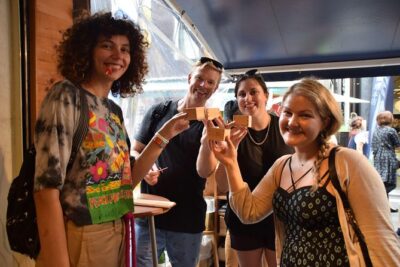
Tokyo Tsukiji Fish Market Food and Culture Walking Tour
Read our review →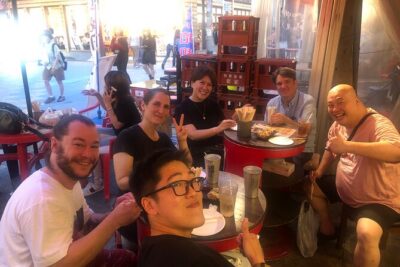
Hungry Osaka Street Food Tour:15 Tastings & 3 Drinks with a Local
Read our review →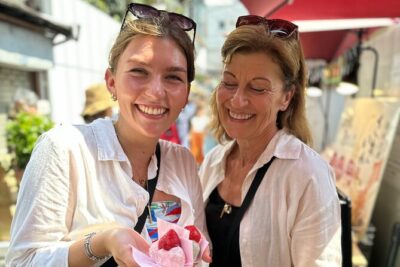
Tokyo: Tsukiji Fish Market Food and Walking tour
Read our review →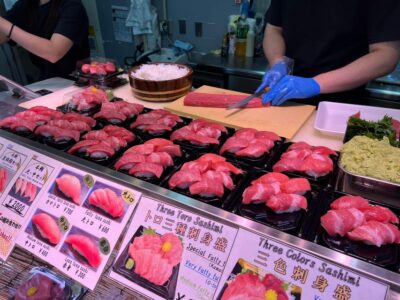
Tokyo: Tsukiji Fish Market Guided Walking Tour
Read our review →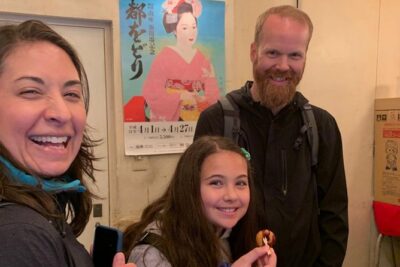
Nishiki Market Brunch Walking Tour (7 Tastings + Brunch)
Read our review →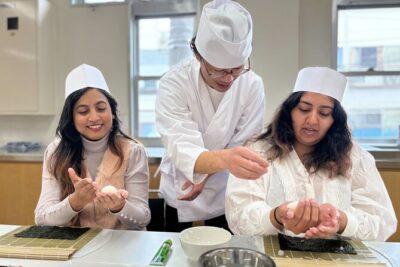
Tokyo Sushi Making Class in Tsukiji with Professional Chef
Read our review →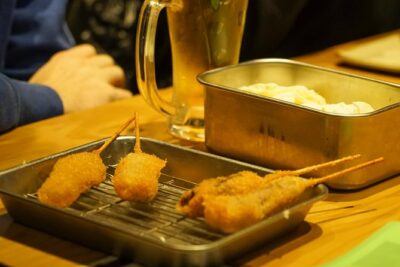
Osaka Local Foodie Walking Tour in Dotonbori and Shinsekai
Read our review →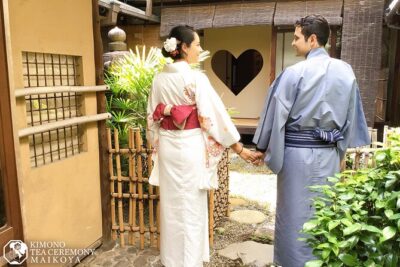
Browse the lists this tour appears in