
REVIEW · MOROCCO STREET FOOD TOURS
The Sunday Market in Had Draa & Local Food Tasting.
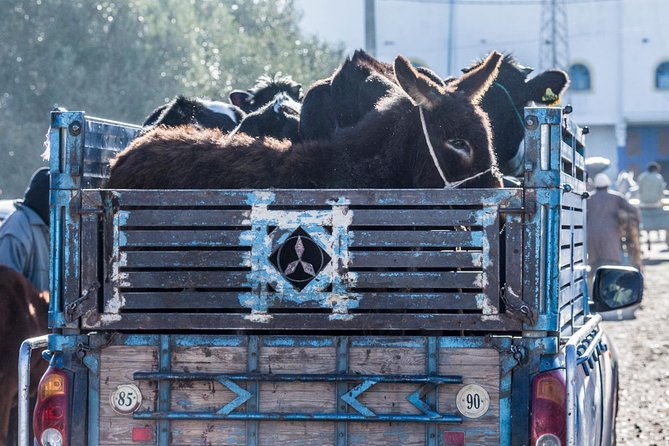
Had Draa’s Sunday market is not a polished show for visitors. It is where rural families buy food, trade animals, sell crops, catch up over tea, and pick up the tools of daily life. Donkeys, livestock, carts, tents, spices, and open grills fill the morning, giving you a direct look at Morocco beyond Essaouira’s medina.
I like the market’s everyday purpose and the chance to taste foods you might not order on your own, especially grilled dromedary with warm bread, olive oil, Argan oil, and mint tea. I also like guides such as Naima, Claudia, Abdoul, and Abdul, who help you understand Moroccan and Berber customs while guiding you through a place that can feel confusing at first.
The main consideration is that this is a working livestock market, not a gentle cultural display. Conditions can be rough, animal treatment may differ sharply from what you know at home, and the butcher area can be confronting. Bring an open mind, modest expectations, and respect for local privacy.
Key points to know before Sunday morning
- The market sits 30 km from Essaouira: You leave the coast behind for a half-day visit toward Marrakech.
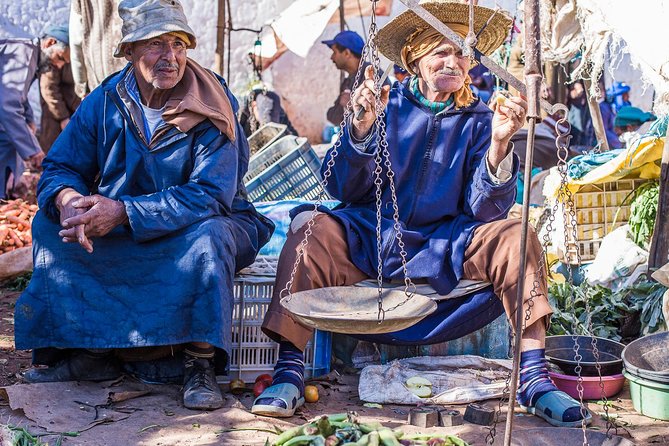
- It is a real local market: Farmers arrive with crops, animals, crafts, and shopping needs, rather than selling goods mainly for tourists.
- Food is part of the visit: You sample local foods and may eat grilled dromedary with bread, olive and Argan oils, and mint tea.
- A guide makes a major difference: Naima, Claudia, Abdoul, and Abdul are among the guides associated with the experience, each helping explain local life and market customs.
- The group is capped at 12 people: That is small enough to stay together in crowded sections.
- Plan for a four-hour morning: The market visit itself is listed at about three hours, with the full activity lasting roughly four hours.
Why Had Draa feels different from Essaouira
Essaouira is an easy place to enjoy on foot. Its whitewashed streets, seafood stalls, galleries, and old harbor are set up for visitors. Had Draa is different. The market is a weekly gathering for people from the surrounding countryside, many of whom arrive by donkey with goods to sell or trade.
That difference is the whole point. You are not visiting a staged Berber village or a market designed around souvenirs. You are seeing a practical center of rural life, where a farmer can sell produce, buy household supplies, inspect animals, drink tea, and hear the latest local news in a single morning.
The market mainly draws men, particularly around the livestock areas and cafés. Everyone is part of the social world, but the atmosphere may feel more male-centered than the streets of Essaouira. That is useful context, especially if you want to observe respectfully rather than expect a performance made for an outside audience.
The market can also feel like a trip backward in time. Produce, nuts, fruit, vegetables, spices, tools, livestock, and handmade goods appear side by side. You may see goods arranged simply on the ground, under canvas, or beside carts. The charm is in the lack of polish, but that same lack of polish can make the experience physically and emotionally demanding.
More Market Food Tours in Morocco:
- Casablanca: Central Market Food Tour with Tastings and Lunch
★ 4.8 · 13 reviews - Casablanca Market and Street Food Walking Tour
★ 5.0 · 3 reviews - Tokyo Tsukiji Fish Market Food and Culture Walking Tour
★ 5.0 · 3,184 reviews
The 9:00 am start from Essaouira
The activity begins at 9:00 am at Labo Abdelkrim Khatabi d’Analyses Médicales, 287 Rue Oued El Makhazine, Essaouira. The experience ends back at the same meeting point, and the total time is about four hours.
The early start makes sense. Sunday is the market day, and the morning is when the place is most active. You have time to see the market operating as a shopping and trading center instead of arriving after the main activity has faded.
The market is about 30 km from Essaouira on the road toward Marrakech. The supplied details identify a meeting point rather than promising a particular pickup arrangement, so I would plan to reach the stated address on time and confirm the transport details when booking. Some tour accounts describe a guide and driver collecting the group, but the formal meeting information is the location in Essaouira.
The group limit is 12 people. That is a useful size here. A large group would be awkward in narrow paths between stalls, around animals, and near the food stands. With 12 or fewer, your guide has a better chance of answering questions and keeping everyone together.
Entering a market built for local life
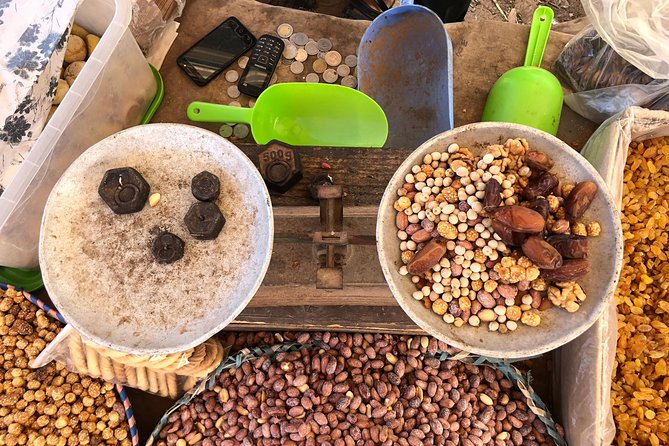
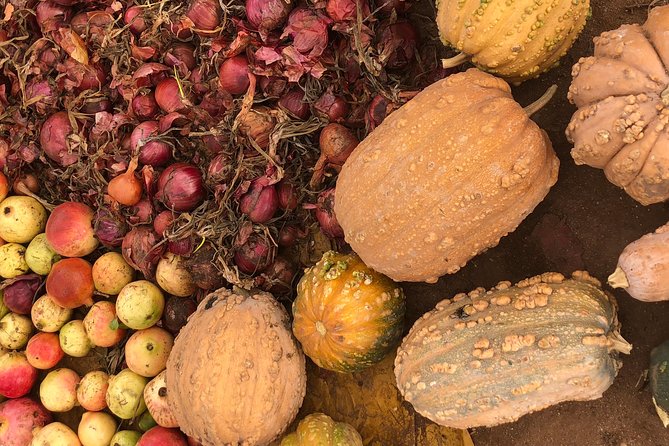
The first impression is sensory. Spices bring sharp, warm smells. Fruit and vegetables add color and freshness. Nuts, oils, bread, meat, dust, animals, smoke, and mint tea create a combination that is hard to reduce to a neat sightseeing category.
You will see people buying the things needed to live and work in the countryside. The market is not limited to one product. It covers food, animals, crafts, tools, and ordinary supplies, which helps explain why the gathering matters to local families.
The guide’s role is not simply to lead you from one stall to the next. A good guide explains what you are seeing and why it matters. Abdoul has been praised for sharing stories about Moroccan and Berber life with humor and patience. Naima has been described as engaging and attentive, while Claudia is particularly good at finding a route through the market’s maze of people and stalls. Abdul is another guide associated with the experience.
Guide assignments can vary, so you should not book on the assumption that one particular person will lead your group. Still, the strong guide feedback matters because this is a place where context changes everything. Without explanation, you may see only crowds, animals, and unfamiliar goods. With explanation, you can understand the market as a weekly social and economic system.
Livestock, people, and the need for respect
The livestock area is one of the most memorable parts of the morning, but it is also the section that demands the most care from you. Animal handling and market practices may look harsh by British or North American standards. The experience is not designed to hide those differences.
Do not arrive expecting a carefully arranged farm visit. You might see tired animals, rough conditions, and people working within customs shaped by rural needs. That can be uncomfortable. It can also be valuable, because it shows a side of daily life that is often edited out of easy holiday experiences.
Your guide can help explain what is happening, but no explanation will make every scene comfortable. Keep your judgment measured, avoid treating local people as a spectacle, and follow instructions about where to stand. Photography deserves special care. One guide specifically stresses not photographing people without permission and not being intrusive.
If the butcher area concerns you, tell the guide. The experience can accommodate vegetarians, and a guide can point you toward other sections or offer an alternative way to observe. You do not need to force yourself through every part of the market to gain something from the visit.
A few more street food tours around Morocco worth a look
- Marrakech: Street Food Tour with a Local Guide
★ 4.9 · 3,119 reviews - Marrakech: Street Food Tour by Night
★ 4.8 · 2,838 reviews - The Original Marrakech Street Food Tour
★ 5.0 · 248 reviews - Marrakech Street Food Tour
★ 5.0 · 220 reviews
Tasting produce, bread, oils, and grilled dromedary
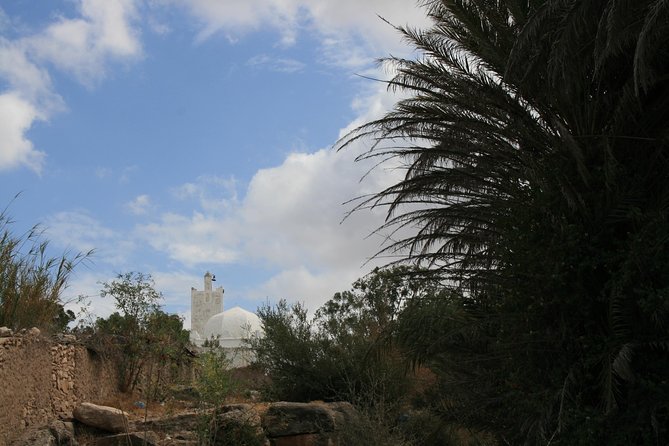
Food tasting gives the visit a clear focus. You sample a variety of market foods, then have the chance to eat at one of the cafés beside the market, where open grills are used.
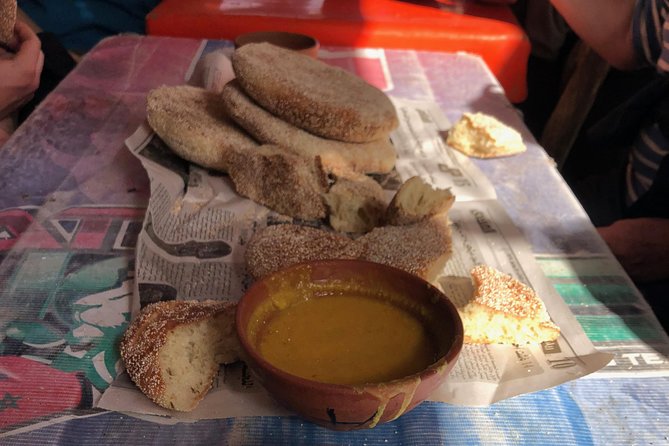
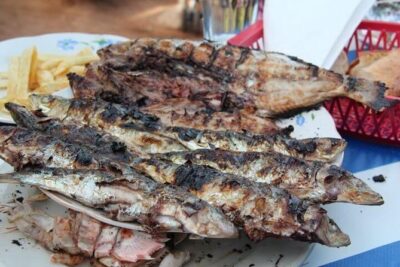
The meal commonly includes grilled dromedary, warm bread, olive oil, Argan oil, and traditional mint tea. Dromedary is not an everyday restaurant novelty here. In this setting, it connects the meal to the local market and gives you a food experience that would be difficult to arrange casually in Essaouira.
The meat has been enjoyed by many people who tried it, but you should not feel pressured to eat it. The vegetarian option is important, and the market itself offers plenty to see even if you skip the grill. Tell your guide about dietary needs at the start so the food portion can be handled clearly.
The café setting is part of the experience. You are not being served a formal Moroccan tasting menu. You are eating near the market, with open grills, bread, tea, and the noise of ordinary commerce around you. That makes the meal more memorable, though it also means you should expect simple conditions rather than restaurant comfort.
Mint tea is especially fitting here. Cafés and tents are places where people meet, talk, and exchange news. A glass of tea gives you a small connection to that social rhythm, even if you are present only for a few hours.
What the four-hour schedule gives you
The listed market visit lasts about three hours, while the full activity takes approximately four hours. That leaves enough time for the trip from Essaouira, the market walk, food sampling, and the return to the original meeting point.
Three hours in Had Draa is a sensible length. You need time to adjust to the noise and movement, see more than the first row of stalls, understand the livestock area, and sit down for food. A much shorter visit would risk reducing the market to a quick photo stop.
At the same time, this is not a full-day rural expedition. You will not have hours to wander into surrounding villages or study every section at length. The compact schedule works well if you want a strong taste of countryside life while keeping the afternoon free in Essaouira.
The experience requires good weather and a minimum number of participants. If poor weather or low enrollment cancels the outing, you are offered another date or experience, or a full refund. Free cancellation is available up to 24 hours before the start time, while later cancellations are not refunded.
Is $58.07 a fair price?
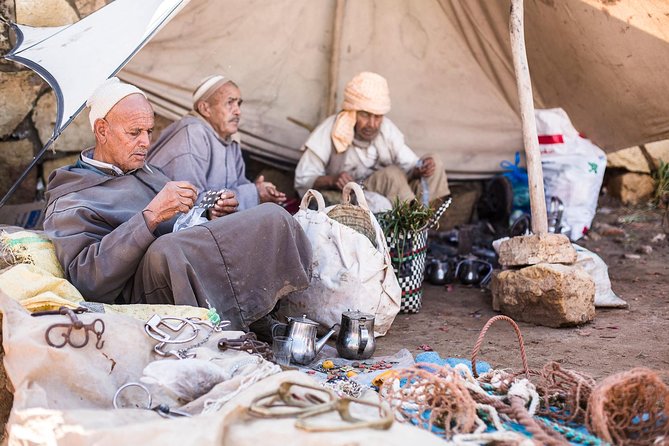
At $58.07 per person, the value depends on what you want from a market visit. If you only want to browse stalls, you could seek out a local market independently and spend less. But Had Draa is outside Essaouira, and the guide adds interpretation, cultural context, food stops, and help with a setting that can be difficult to read on your own.
The strongest value comes from the combination of access and explanation. You are not just buying a ride to a market. You are paying for help understanding rural Moroccan life, guidance around livestock and photography, and a structured food experience.
The small group limit also supports the price. A maximum of 12 people is not a private tour, but it is much more manageable than a large coach group. The reported rating is 4.9 from 33 reviews, with 97 percent recommending the experience. Those figures suggest a consistent level of satisfaction, though the sample remains modest and the experience itself is not suited to everyone.
One practical note: hot weather can make the morning harder. A participant specifically wished for cold water on hotter days, and September and October have been especially warm at times. Carry water, wear shoes that can handle uneven ground, and use sun protection. These are simple steps, but they matter in an open rural market.
Who will enjoy this experience most?
I would choose this tour if you want to understand how people live outside Morocco’s main visitor centers. It suits curious adults, food-minded visitors, photographers who know how to ask permission, and anyone who prefers ordinary working life to a polished attraction.
It is also a strong choice if you feel uncertain about visiting a rural market alone. The scale, crowds, animals, and unfamiliar customs can be a lot to process. A guide helps you find your way and tells you when to pause, watch, or move on.
I would think twice if you want quiet scenery, comfortable facilities, or a predictable food experience. The market can be crowded and rough around the edges. The livestock and butcher areas may upset you, and local customs around animal treatment may challenge your assumptions.
Families should also consider the individual child. The activity is open to most participants, but the material sights and smells may be too much for young children. The supplied information does not set a minimum age, so ask the provider if age is important for your group.
Should you book the Had Draa market tour?
Book it if you want an honest look at rural Morocco, not another souvenir market. The best parts are the local purpose of Had Draa, the guide’s cultural explanations, and the chance to taste food in the same setting where people shop and socialize.
Skip it if you know that livestock markets or basic eating conditions will make you miserable. This is not a softened version of countryside life. It asks you to observe respectfully, accept some discomfort, and let the place be what it is.
For the right person, the $58.07 price is reasonable. You get a half-day outing from Essaouira, a small group, a guide, local food, and access to a side of Morocco that is easy to miss from the coast. Bring water, leave your camera down when people are involved, and allow the morning to challenge your expectations.
FAQ
Where does the tour start?
It starts at Labo Abdelkrim Khatabi d’Analyses Médicales, 287 Rue Oued El Makhazine, Essaouira 44000, Morocco.
What time does the experience begin?
The start time is 9:00 am.
How long does the activity last?
The full activity lasts about four hours. The Sunday market visit itself is listed at about three hours.
How far is Had Draa from Essaouira?
Had Draa is located about 30 km from Essaouira on the road toward Marrakech.
Is grilled dromedary included in the food experience?
The experience includes the opportunity to try grilled dromedary with warm bread, olive oil, Argan oil, and mint tea. Vegetarian arrangements are available.
What happens if the tour is canceled?
If poor weather or an insufficient number of participants causes cancellation, you are offered another date or experience, or a full refund. You can also cancel for a full refund up to 24 hours before the start time.
Just added around Morocco
- Fez Street Food Tour★ 4.5 · 33 reviews
- Essaouira Guided Tour: 3 on 1 – Nightlife tour, Live like a local & Street food★ 4.5 · 32 reviews
- Marrakech Guided Day Trip from Casablanca: Djemaa el-Fna Square and Bahia Palace★ 4.0 · 3 reviews
- Casablanca Food Tour – Moroccan Street Food Tour★ 5.0 · 86 reviews
- Casablanca Market and Street Food Walking Tour★ 5.0 · 3 reviews
- Agadir with a Local–Balade Authentic & Tasting Street Food★ 5.0 · 21 reviews
- Tangier: Food Walking Tour★ 4.9 · 43 reviews
- Tangier tour the street food★ 5.0 · 4 reviews
Morocco Street Food Tours, compared.
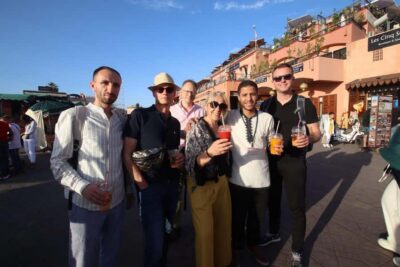
Marrakech: Street Food Tour with a Local Guide
Read our review →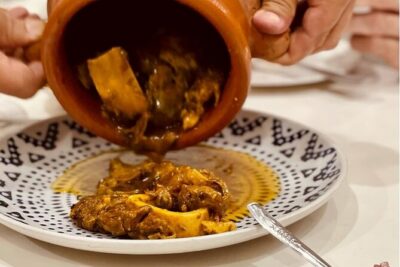
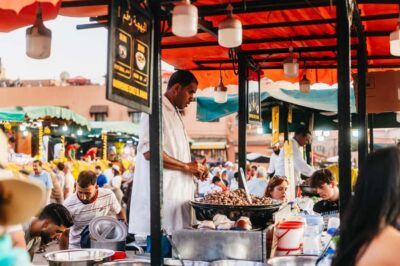
Marrakech: Authentic Moroccan Food Walking Tour & Dinner
Read our review →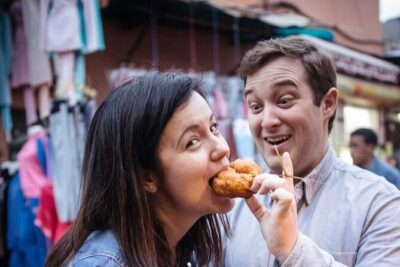
Marrakech Night Street Food Tour / Taste The Real Marrakech
Read our review →
Casablanca Food Tour – Moroccan Street Food Tour
Read our review →
Browse the lists this tour appears in