
REVIEW · USA STREET FOOD TOURS
Boston: Chinatown Food Tasting & Cultural History Tour
Boston’s Chinatown is more than a place to grab dim sum or noodles before a theater show. This three-hour walk connects six local eateries with the neighborhood’s first street, early restaurant sites, historic buildings, and the people who shaped Boston’s Chinese-American food culture. You’ll taste familiar and less familiar dishes while learning why local Chinese cooking developed its own style.
I like the mix of food and street history, rather than a tour that simply moves from one restaurant to the next. I also like the range of tastings, from traditional Chinese food to modern dishes and Chinese-American favorites, followed by a cocktail or mocktail. The main drawback is firm: this tour cannot provide substitute tastings for dietary restrictions or food allergies, and vegetarians are not a good fit.
Key Points at a Glance
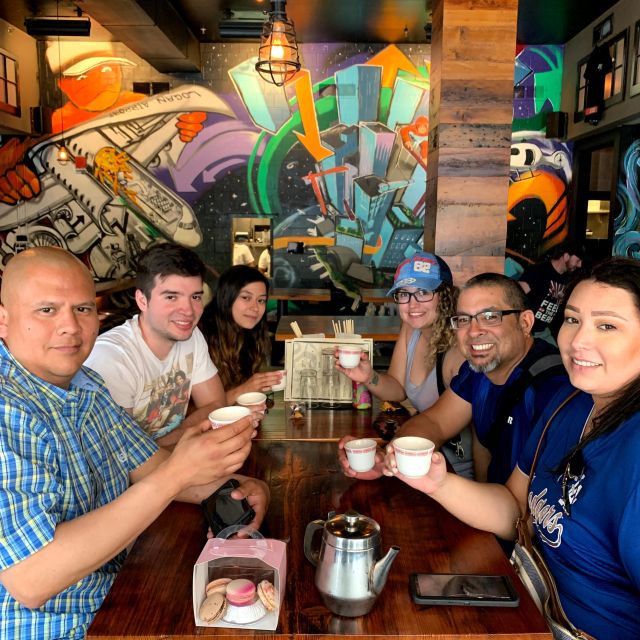
- Six tastings make up a full lunch: You visit restaurants and bakeries, with enough food for a satisfying midday meal.
- Boston’s first Chinatown sites are part of the route: You’ll see the first street and the site of the first restaurant.
- Old and new food businesses share the story: The route includes the oldest restaurant and bakery, plus newer spots run by second-generation owners.
- The menu covers three traditions: Expect traditional Chinese, modern Chinese, and Chinese-American examples, with both savory and sweet bites.
- A drink closes the walk: Your final cocktail or mocktail gives you time to settle in after the food stops.
- The format is active and outdoors: Bring comfortable shoes, water, and rain gear if needed, since the tour runs rain or shine.
Starting at Chinatown Gate
You meet your English-speaking guide at Boston’s Chinatown Gate. This is a sensible starting point: the gate gives you an immediate sense of arrival, and the route can then move into the streets where the neighborhood’s story unfolded.
The tour lasts three hours, so expect a real walking experience rather than a seated tasting session. You’ll spend a good portion of the time outdoors, moving between food stops and places of historical, cultural, and architectural interest. Wear shoes you can walk in comfortably, and avoid bringing luggage or a large bag.
The guides are a key part of the experience. Andrew led one recent tour on his first time running this particular route, with Katie also receiving specific praise for her part in the experience. The useful takeaway is not that you should expect a particular guide, but that the tour depends on a friendly guide who can connect the food stops to the neighborhood’s past and present.
Bring an ID card, with a copy accepted, and some water. You do not need to arrange hotel pickup, transportation, or parking through the tour. Plan your route to Chinatown separately, since those costs and logistics are not included.
More Chinatown Food Tours in the USA
- SoHo, Little Italy, and Chinatown Walking Tour in New York
★ 5.0 · 3,153 reviews - San Francisco Chinatown Walking Tour
★ 5.0 · 778 reviews - Chicago’s Chinatown Food and Walking Tour
★ 5.0 · 600 reviews
Boston’s First Chinatown Streets
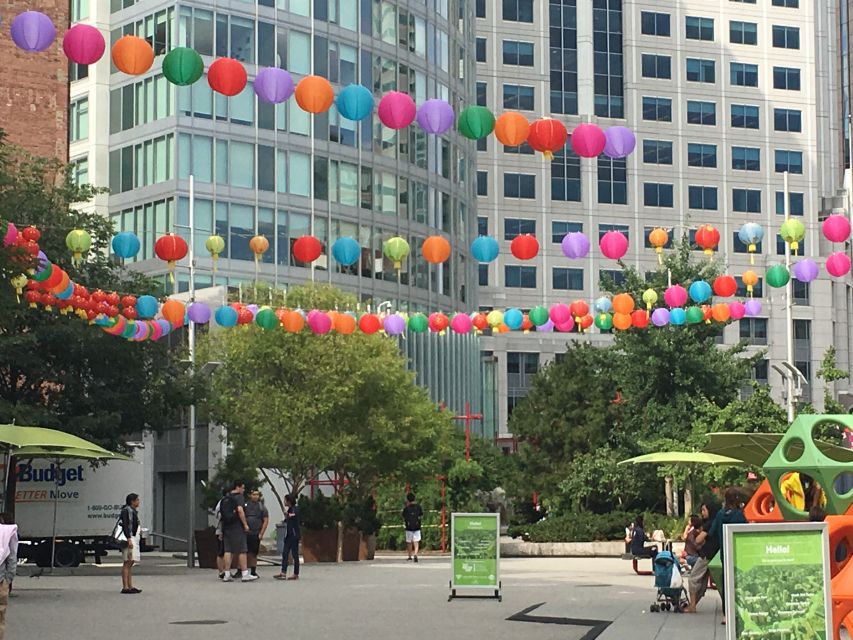
Early in the walk, you learn how Chinatown began in Boston and how historic events shaped the community. The tour includes the first street in Chinatown and the site of the first restaurant, giving the food a setting beyond menus and recipes.
That context matters. Chinese-American food did not develop in a vacuum. Restaurant owners worked with the ingredients, customers, business conditions, and dining habits available in Boston. The result was a local food culture that includes traditional dishes but also Chinese-American creations specific to the city.
I like this part because it gives you something to notice later. A bakery, restaurant, or family business is not treated as an anonymous stop on a food crawl. You hear about the establishment and its owners, then taste what that place contributes to the neighborhood.
The route also includes architectural and cultural points of interest. The supplied details do not name every building or give a fixed stop-by-stop order, so you should think of this as a guided neighborhood walk with food built into it, not a museum tour with a guaranteed script at every corner.
Six Stops, Three Food Traditions
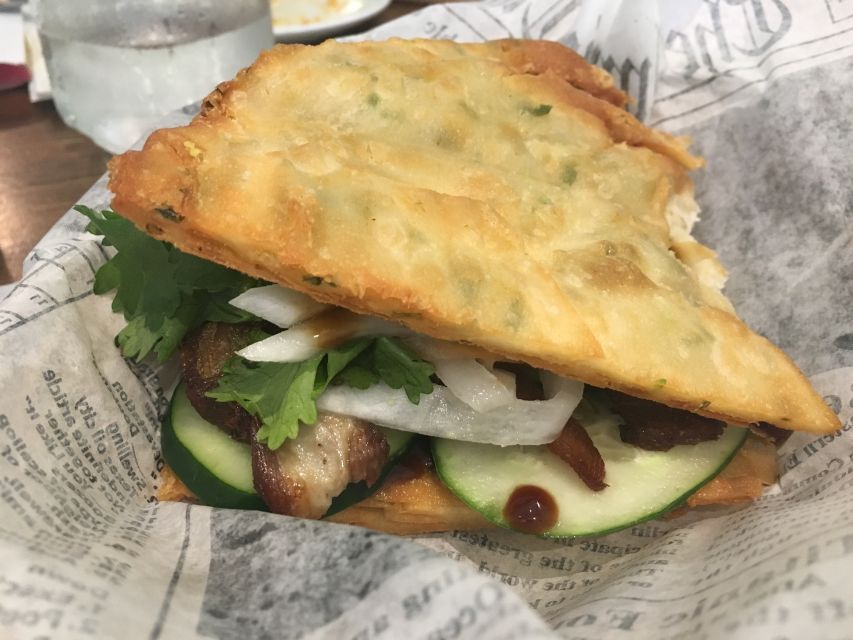
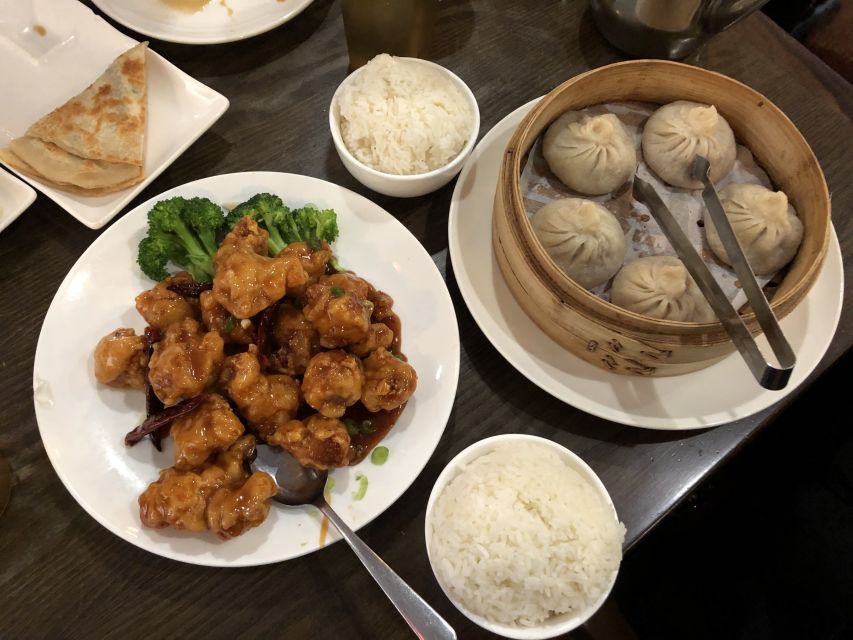
The food is the heart of the tour. You visit six local restaurants and bakeries, tasting sweet and savory items across three broad categories: traditional Chinese, modern Chinese, and Chinese-American food.
That range makes the $125 price easier to assess. You are not paying only for six small samples. The fee also covers three hours of guiding, neighborhood interpretation, visits to places of cultural and architectural interest, one cocktail or mocktail, taxes, and fees. If you value a structured introduction to Chinatown and would otherwise buy several dishes and drinks on your own, the package can make sense.
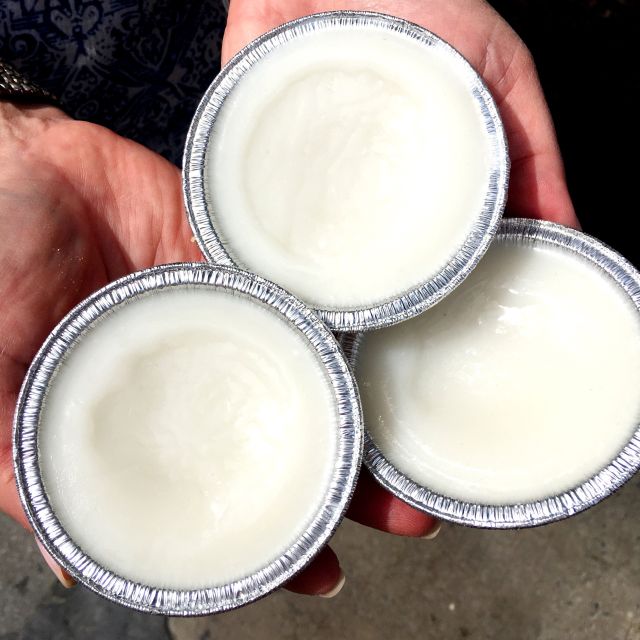
The exact dishes are not specified, which is worth noting before you book. You should expect variety, but you cannot choose a published tasting menu in advance. The portions are described as enough for a satisfying lunch, so plan to arrive ready to eat but not stuffed.
The format is especially useful if you are unsure how to approach Chinatown’s food scene. Instead of guessing from a menu or staying with dishes you already know, you get an organized sample of different traditions. The guide also explains the background of each business, making the food feel connected to the people and place around you.
At the same time, this is not a good choice if you need complete control over every ingredient. The tour cannot offer alternative tastings for allergies or dietary restrictions, and vegetarians are listed as unsuitable. That is not a minor footnote. Food is central to the outing, so anyone with strict requirements should choose another activity.
The Oldest Restaurant and Bakery
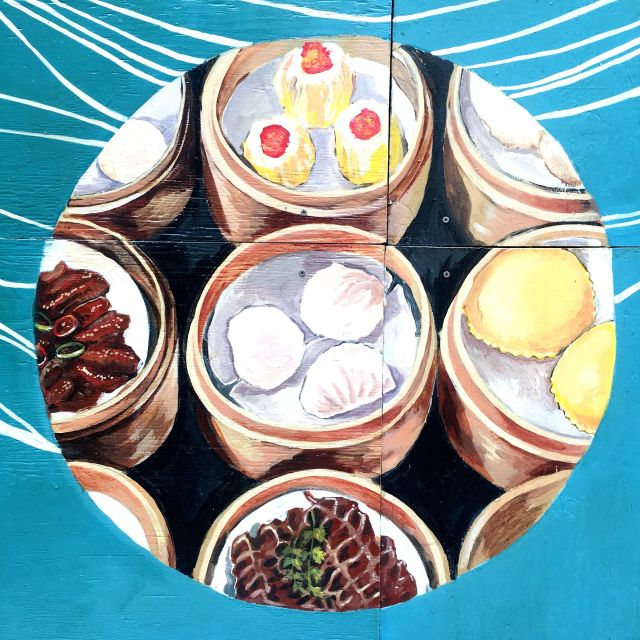
One stop brings you to the oldest restaurant in Chinatown. Its age gives the guide a natural way to explain how dining in the neighborhood changed over time, from early establishments to the wider Chinese-American food tradition found in Boston today.
You also enjoy a sweet from the oldest bakery. That bakery stop helps balance the meal, especially after several savory tastings. It also shows how Chinese-American food culture includes more than restaurant entrees. Bakeries can preserve familiar flavors, adapt to local tastes, and serve as everyday neighborhood institutions.
The itinerary does not identify the restaurant or bakery by name in the information provided. That means you should not book this expecting a specific famous dish or a guaranteed pastry. The value is in visiting long-running businesses and hearing their place in Chinatown’s story while tasting something from each.
The food stops are not simply old versus new. The tour places long-established businesses alongside newer establishments opened by second-generation restaurant owners. That contrast is one of the strongest ideas in the experience. You see how family food traditions can continue while younger owners bring a different look, approach, or menu to the same neighborhood.
Same city, a different plate:
- New Orleans Food Walking Tour of the French Quarter with Small-Group Option
★ 5.0 · 6,118 reviews - Historic Ybor City Food Walking Tour
★ 5.0 · 2,210 reviews - New York City Mafia and Local Food Tour led by NYPD Guides
★ 5.0 · 1,197 reviews - Miami: Little Havana Food Walking Tour with Tastings
★ 4.9 · 1,181 reviews
New Owners and Modern Chinatown
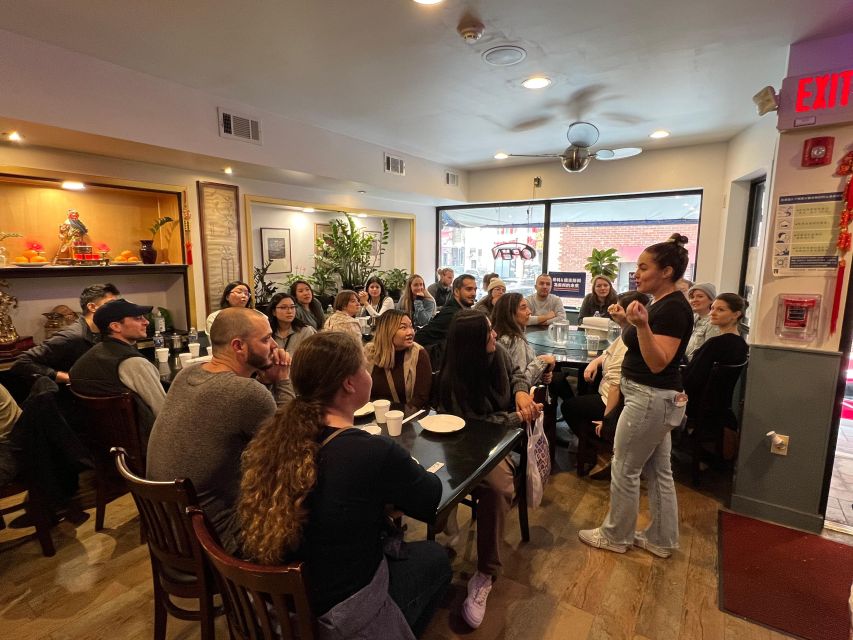
The newer establishments add a present-day angle. Second-generation owners are described as bringing a fresh twist to Chinatown, which lets you compare inherited traditions with newer interpretations of Chinese food.
I like that the tour does not freeze Chinatown in the past. A cultural history walk can become too focused on old dates and early businesses. Here, the food provides a reason to look at how the neighborhood is changing while still recognizing the businesses that built it.
You will also learn how Chinese cuisine evolved in Boston and led to Boston-specific Chinese-American dishes. The wording matters: this is not just a general lesson about Chinese food in the United States. The focus is on Boston and the local forces that shaped what people eat here.
Because the guide leads the walk in person, you can ask questions as the route unfolds. The supplied details do not promise a particular group size or list every dish, so keep your expectations flexible. You are booking a guided tasting route, not a private cooking class or a guaranteed chef demonstration.
Ending with a Cocktail or Mocktail
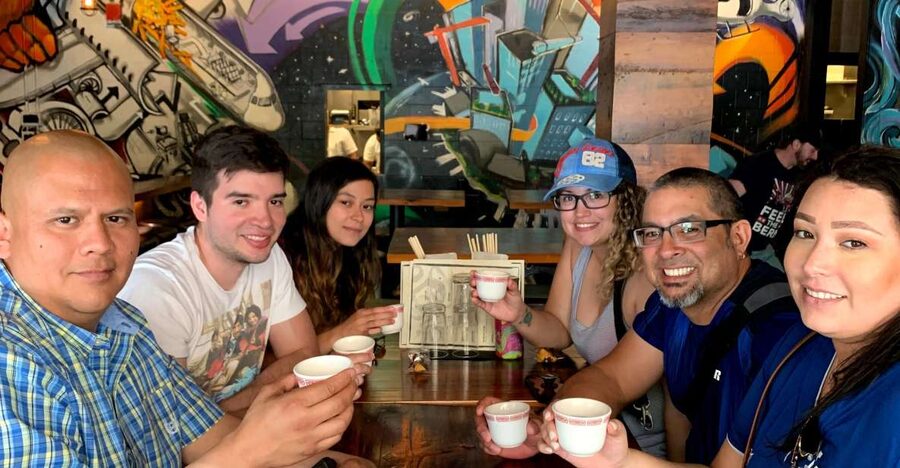
The final drink is a pleasant way to finish three hours of walking and eating. You receive one cocktail or mocktail, so you can choose the nonalcoholic option if that suits you better.
This closing stop gives the tour a clear finish rather than leaving you outside the last bakery with a full stomach and no idea where to go next. It also makes the experience feel like a complete outing, not merely a series of samples.
Do not read too much into the word cocktail, though. The available information does not name the drink, the bar, or the style of the final stop. Its value is as a concluding drink included in the price, not as a separate cocktail-focused event.
How Much Food Do You Get for $125?
At $125 per person, this is not Boston’s cheapest way to eat lunch. You can spend less by choosing one restaurant and ordering a single meal. The comparison changes when you count six tastings, a drink, three hours of guiding, local history, and access to several businesses in one organized route.
The tour is a stronger value for you if you want a first introduction to Chinatown and prefer structure. It saves you from planning several stops, choosing portions, and researching which businesses connect to the neighborhood’s history. It is also useful if you want to understand how traditional Chinese food, modern interpretations, and Chinese-American dishes fit together.
The price is harder to justify if you already know Chinatown well, dislike group walking tours, or mainly want one large meal. You may also feel the cost more sharply if you cannot eat most of the tastings. Since substitutions are not available, check your needs honestly before booking.
Taxes and fees are included. Transportation, parking, hotel pickup, and the guide’s gratuity are not included, so add those practical costs to your budget.
Walking, Weather, and Access
This tour runs rain or shine. If rain is predicted, bring an umbrella and a rain jacket. Comfortable clothing matters because you will be outside and on foot for a significant part of the three hours.
One restaurant requires a flight of stairs, and there is no elevator at that location. That detail may affect your decision if stairs are difficult for you. The information provided does not describe the full route’s accessibility, so you should contact the provider before booking if you need more specific access information.
Pets, baby strollers, luggage, large bags, and smoking are not allowed. The age guidance also matters: the tour is not recommended for children under 12. For older children and teens who enjoy trying different foods, the mix of history and tasting may work, but the route is still a three-hour walking activity.
The Chinatown Gate meeting point is easy to understand, but you are responsible for getting there. Leave time to find the gate and arrive ready to start, since the tour does not include pickup from your hotel.
Who Will Enjoy This Chinatown Walk?
I would recommend this tour to you if you want food to explain a neighborhood, not just fill you up. It suits first-time visitors to Boston’s Chinatown, curious eaters, and anyone interested in the link between migration, family businesses, and local cooking.
It also works well for a small group looking for one planned afternoon activity. The guide, food, walking route, and final drink are bundled into one experience, which makes the day simple to organize.
I would skip it if you are vegetarian, have food allergies, or need alternative dishes. I would also look elsewhere if you want a short tasting with little walking, a fully named menu in advance, or a private tour.
The feedback attached to this experience is strongly positive, with a perfect rating from five submitted ratings. The comments specifically emphasize varied food, a personable guide, and the balance of tastings with short history lessons. Andrew and Katie are named in one account, while other comments simply describe the guide as friendly and effective. That matches what this tour is designed to do best: keep the food enjoyable while giving you enough history to understand what you are tasting.
Should You Book the Boston Chinatown Food Tour?
Book it if you want a full lunch with context, not just a quick snack stop. Six eateries, early Chinatown sites, older and newer family businesses, and a final cocktail or mocktail give you a well-shaped three-hour introduction to the neighborhood.
Think twice if dietary restrictions, stairs, rain, or a dislike of walking could spoil the day. At $125, the tour earns its price through variety and interpretation, but only if you can take part in the tastings. For an open-minded eater who wants to see how Boston shaped Chinese-American food, this is a practical and flavorful way to begin.
FAQ
Where does the tour meet?
The guide meets you at the Chinatown Gate in Boston.
How long does the Chinatown food tour last?
The tour lasts three hours.
How many food businesses do you visit?
You visit six local restaurants and bakeries and receive tastings from each.
Is a drink included?
Yes. The tour includes one cocktail or mocktail at the end.
Is the tour suitable for vegetarians?
No. Vegetarians are listed as unsuitable for this experience.
Can the tour accommodate food allergies or dietary restrictions?
No. The guides cannot provide alternative tastings for food allergies or dietary restrictions.
What should I bring?
Bring comfortable shoes, water, and an ID card. A copy of your ID is accepted. If rain is predicted, bring an umbrella and rain jacket.
More Heritage Tours in the USA
- 2 Hour Historic Market Food Tour and Hands-On Biscuit Class
★ 5.0 · 251 reviews - #1 Rated NYC Chinatown Food and History Walking Tour with FNYT
★ 5.0 · 171 reviews - 5-course Walking Food Tour in Dallas History + Cocktail opt.
★ 5.0 · 75 reviews - San Francisco: Chinatown Food and History Walking Tour
★ 4.9 · 27 reviews
Just added around the USA
- Japanese Street Food Class in Beech Grove★ 5.0 · 9 reviews
- 6 Hour Local Food Plate Jeep Tour★ 5.0 · 4 reviews
- Denver Downtown 16th Street Food Tour★ 5.0 · 29 reviews
- Detroit Food Walking Tour★ 4.0 · 3 reviews
- 5-course Walking Food Tour in Dallas History + Cocktail opt.★ 5.0 · 75 reviews
- Dallas’ Best Tacos and Margaritas Coach Tour★ 4.5 · 97 reviews
- West Side Market Food Tour★ 4.0 · 31 reviews
- River North Food Walking Tour★ 4.5 · 88 reviews
USA Street Food Tours, compared.
New Orleans Food Walking Tour of the French Quarter with Small-Group Option
Read our review →
SoHo, Little Italy, and Chinatown Walking Tour in New York
Read our review →
New York City Mafia and Local Food Tour led by NYPD Guides
Read our review →
Miami: Little Havana Food Walking Tour with Tastings
Read our review →
True Crime NYC: Mafia Walk w/Ret. NYPD Detective and Local Food
Read our review →
Browse the lists this tour appears in