
REVIEW · MOROCCO STREET FOOD TOURS
Casablanca: Central Market Food Tour with Tastings and Lunch
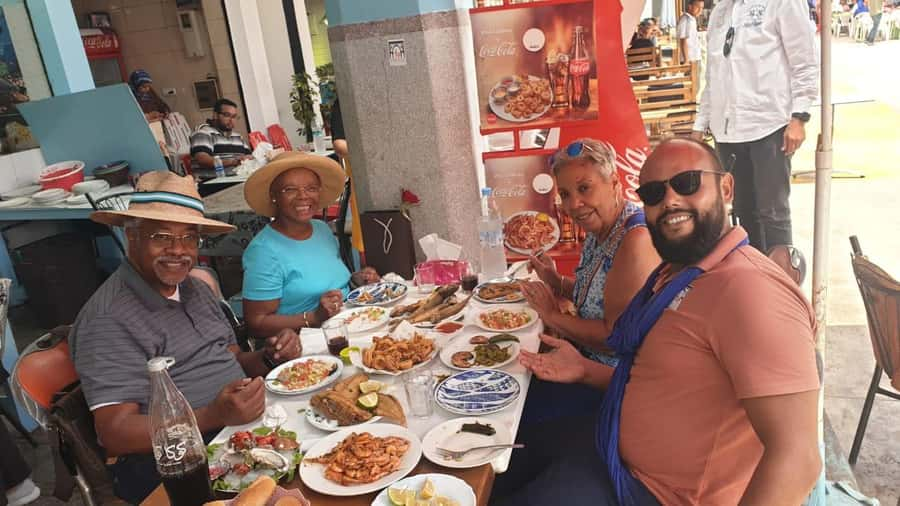
The best part of this Casablanca food tour is the chance to choose your own seafood at the Central Market and have it cooked for lunch nearby. You are not simply handed a prepared plate. You watch the market work, make choices with your guide, and eat what you selected.
I like the mix of market food and local history, and I like that the tour includes a proper seafood lunch rather than a string of tiny samples. Achraf, who grew up in Casablanca’s Old Medina, has led some departures, while Yusuf has also guided the experience. The main drawback is clear: this is not a good choice if you cannot eat fish or seafood.
Key points to know
- Buy lunch at the Central Market: Choose fish and seafood with help from your guide, then take it to a nearby restaurant for cooking.
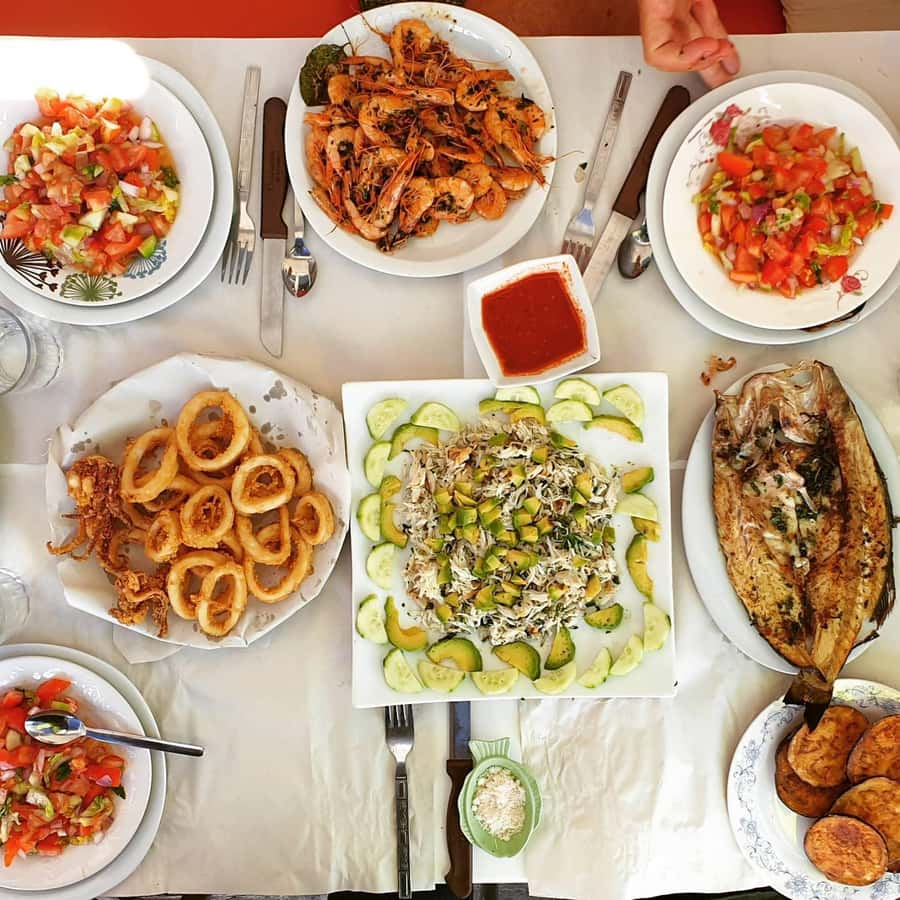
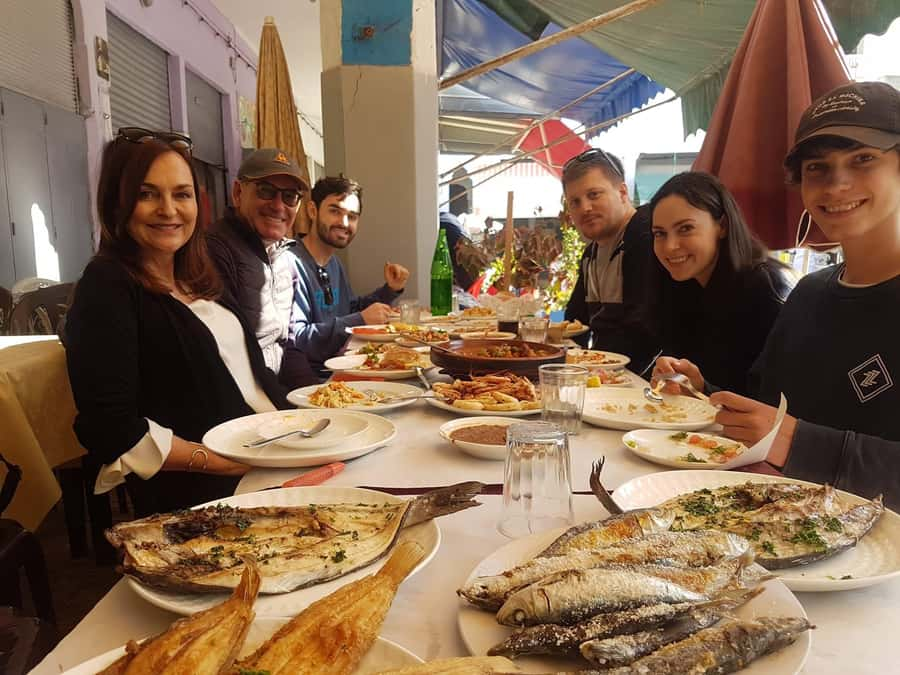
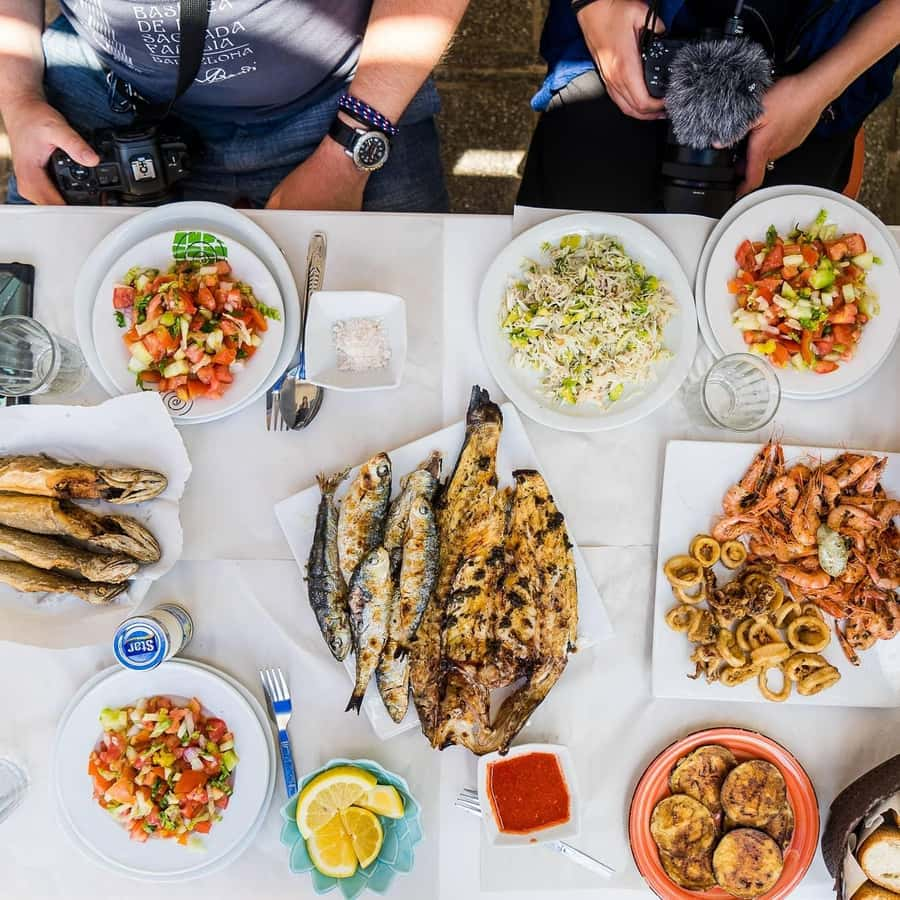
- Expect a full meal: The seafood lunch can include three or four courses, with fish, sardines, shrimp, calamari, salads, olives, eggplant, and bread.
- Start with small local tastes: Oysters, fresh juice, fruit cocktails, avocado smoothies, pastries, and other market foods may appear along the way.
- See Casablanca beyond the modern city: The route links the Central Market with the Old Medina and its shops, artisans, narrow lanes, and community life.
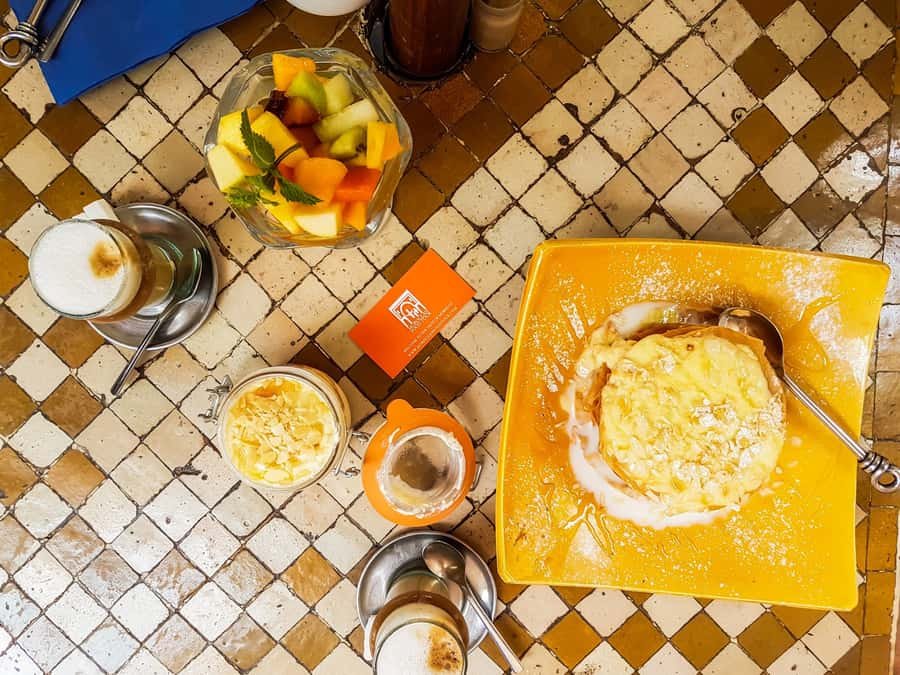
- Finish at La Sqala: Dessert is served at this historical restaurant, giving the tour a relaxed final stop.
- Plan for a walking half-day: The experience lasts 210 minutes, has three to four tasting stops, and does not include transport or alcohol.
Why the Central Market makes this tour worthwhile
Casablanca can be hard to read at first. Its broad streets, modern buildings, traffic, port activity, and old lanes do not always fit together neatly. A food tour gives you a practical way in. You follow what people buy, cook, drink, and share, rather than only looking at monuments.
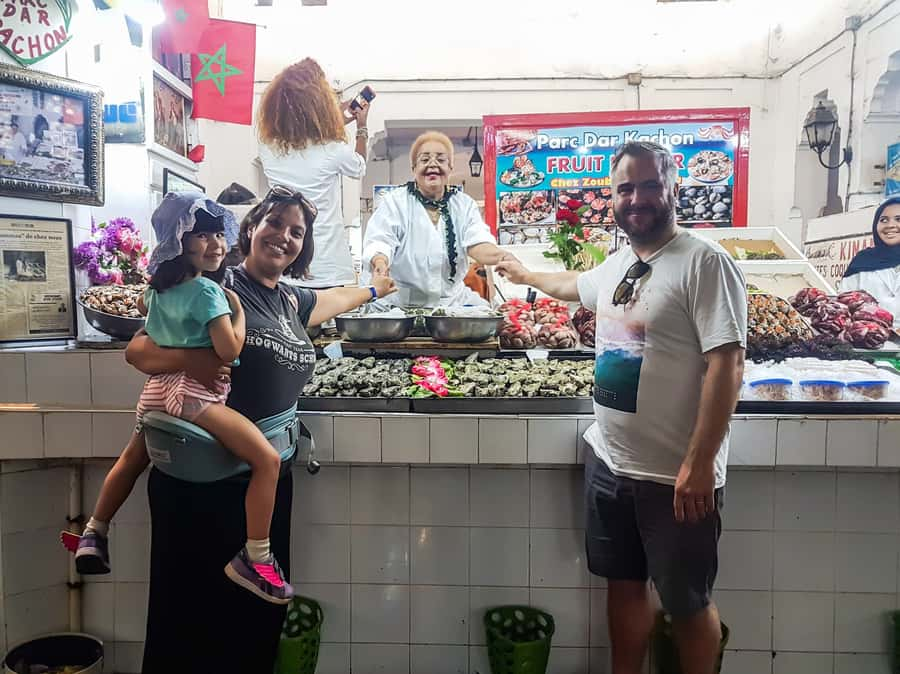
The Central Market is the heart of the experience. Your English-speaking licensed guide walks you among seafood vendors, produce sellers, bakeries, and other food stalls. The point is not just to admire the displays. You learn how to look at the goods, ask questions, and select the fish that will become your lunch.
That makes the meal feel connected to Casablanca. You see the seafood before it reaches the kitchen, and you have a say in what goes on the plate. For me, that is a better food experience than sitting down at a restaurant with no idea where the ingredients came from.
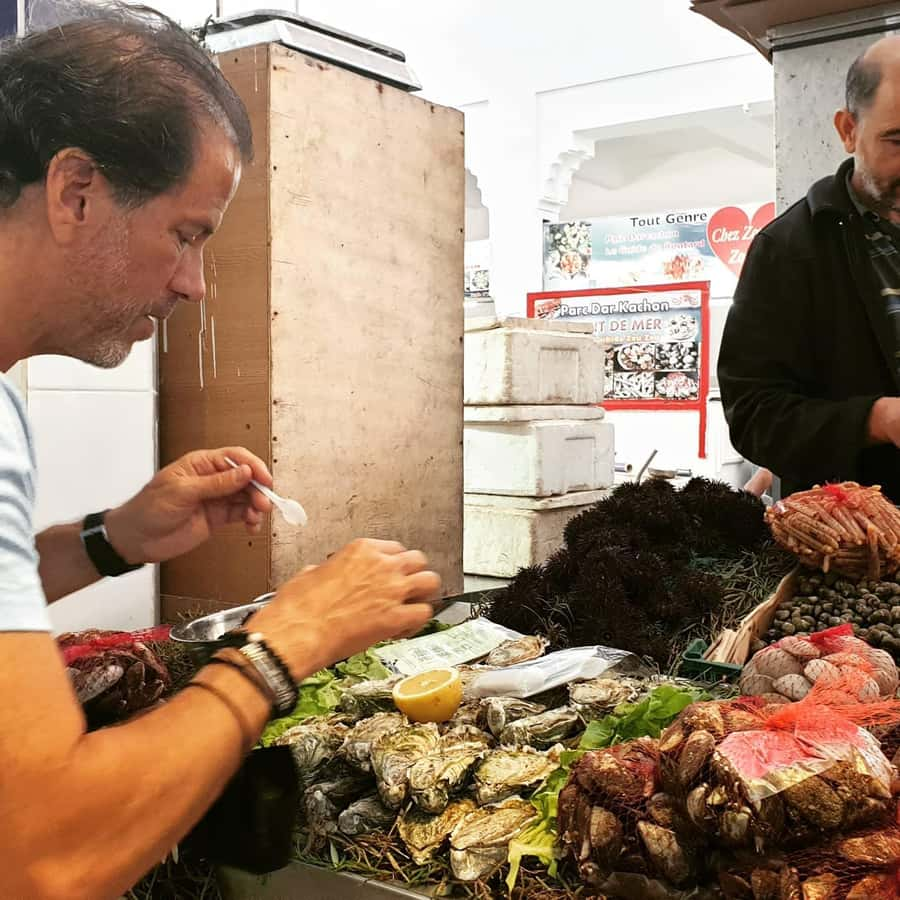
The seafood market is also where the tour has its strongest local flavor. You might taste oysters shucked at the stall, sample fresh juice, or stop for another small bite. The exact tasting order can vary, but the plan includes three or four stops.
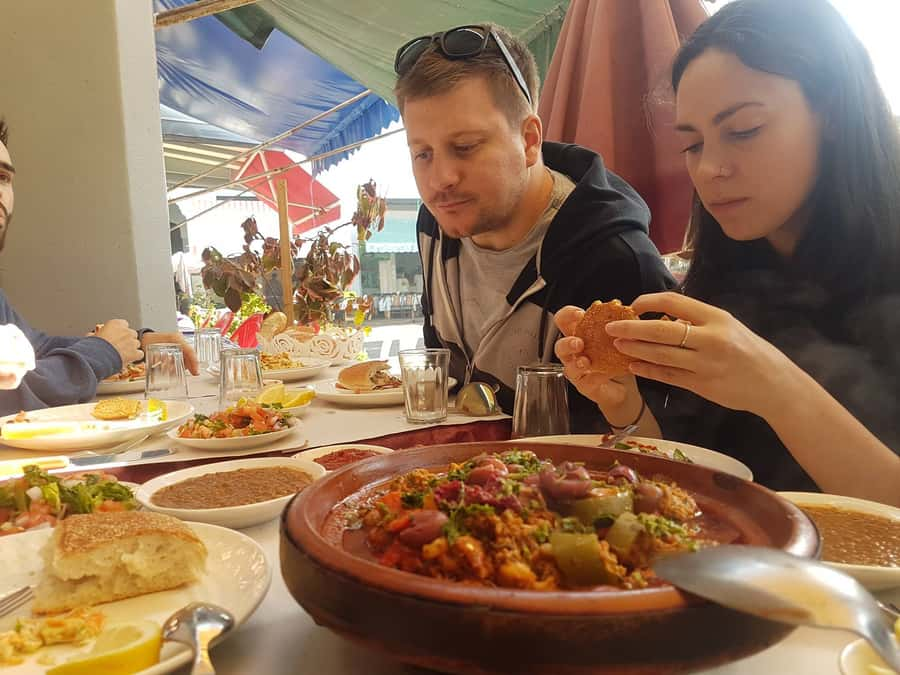
You should arrive hungry. The portions are not limited to dainty samples. The lunch can become a substantial spread, particularly when the fish is served with side dishes, fresh bread, olives, Moroccan salad, and eggplant.
More Market Food Tours in Morocco:
- The Sunday Market in Had Draa & Local Food Tasting.
★ 5.0 · 33 reviews - Casablanca Market and Street Food Walking Tour
★ 5.0 · 3 reviews - Tokyo Tsukiji Fish Market Food and Culture Walking Tour
★ 5.0 · 3,184 reviews
Choosing fish, then eating it fresh
The fish-buying part is the clever idea behind this tour. Instead of treating the market as a quick photo stop, the guide helps you choose and bargain for seafood. The selected fish is then taken to a nearby restaurant to be prepared.
The supplied meal details include sea bass, sardines, shrimp, and calamari, though your exact choices depend on what is available and what you select. A three to four course menu may also include eggplant, salad, olives, and bread.
This process gives you a small lesson in how the market works. You can ask your guide about the seafood, watch the buying process, and see how a market purchase becomes a cooked meal. It also gives you more control than a fixed tasting menu.
Achraf has been especially useful for this kind of visit. He was born and raised in the Old Medina and holds official tourism guide credentials. That combination matters here. He can explain the formal side of Casablanca’s food culture while also sharing what the area is like as a place where people live.
Yusuf has also guided the tour and is described as patient and informative. The activity is offered in English, so you can ask questions as you move through the market. Do ask them. This is the sort of experience that gets better when you stop treating the guide as a narrator and start treating him as your link to the market.
There is one practical limit. The tour is specifically built around seafood. The important information is blunt: it is not suitable for anyone with a fish or seafood allergy or intolerance. Vegetarian, gluten-free, and lactose-free needs can be discussed in advance, but the experience is still centered on fish and shellfish. If seafood is not part of your diet, choose another Casablanca food activity.
Tasting Casablanca one stop at a time
The tour does not rely on one grand meal alone. It uses small food stops to show different sides of the city’s eating habits.
Fresh juice, fruit cocktails, and avocado smoothies may appear early in the walk. These are easy, refreshing introductions to the tour, especially if you have just arrived in Casablanca and want something familiar before the seafood begins.
Oysters are another likely highlight. They are shucked by a market vendor, so you get the food in the setting where it is sold rather than in a polished dining room. If you enjoy oysters, this is one of the more distinctive parts of the route. If you do not, tell the guide early so you understand what alternatives may be available.
A bakery stop can add a different texture to the morning or afternoon. One departure included a visit to a highly regarded bakery, along with pastries that were later enjoyed with tea. The bakery is a useful counterpoint to the seafood market. Casablanca food is not one narrow category, and the tour gives you more than salty bites from the sea.
The tasting stops are not presented as a formal cooking class. You are there to eat, watch, ask questions, and connect the food to the neighborhood. That makes the experience good for people who want an introduction without spending a full day in a kitchen.
Walking through the Old Medina
The Old Medina portion adds context that the Central Market alone cannot provide. You move through narrow lanes, traditional buildings, small shops, handicraft stalls, and everyday neighborhood spaces. The emphasis is on community life as well as food.
This is where a locally raised guide can make a real difference. Achraf’s connection to the Old Medina means the walk is not only about dates and buildings. He can explain how the area functions and point out details you might pass without noticing.
The route also includes time for shopping and handicrafts. You do not need to treat this as a dedicated shopping trip, but you should expect stalls and invitations to browse. Keep your pace flexible. The Old Medina is best experienced by looking closely, not by rushing from one scheduled stop to the next.
Bring comfortable shoes. The tour lasts three and a half hours, with much of that time spent walking between the market, Old City, food stops, and La Sqala. The activity description does not give a distance or accessibility rating, so anyone with mobility concerns should ask the provider before booking.
Photo opportunities are part of the appeal, but be considerate in the market. Vendors are working, and the guide can help you understand when it is appropriate to photograph people or food displays.
More Lunch Experiences in Morocco:
- Circle the Island of St. John | Lunch stop at Lime Out (Taco Boat)
★ 5.0 · 790 reviews - Authentic Vienna Food Tour inc. lunch, street food, 3 drinks
★ 5.0 · 749 reviews - Verona All in one: Food Walking Tour, Lunch & Wine
★ 5.0 · 342 reviews - St. John Full-Day Lime Out Snorkel Taco Lunch & Open Bar – Westin
★ 5.0 · 289 reviews
La Sqala and the final dessert
La Sqala is the ending point and one of the tour’s more atmospheric stops. Dessert is included, so you do not need to budget for a separate sweet course unless you want another drink or item.
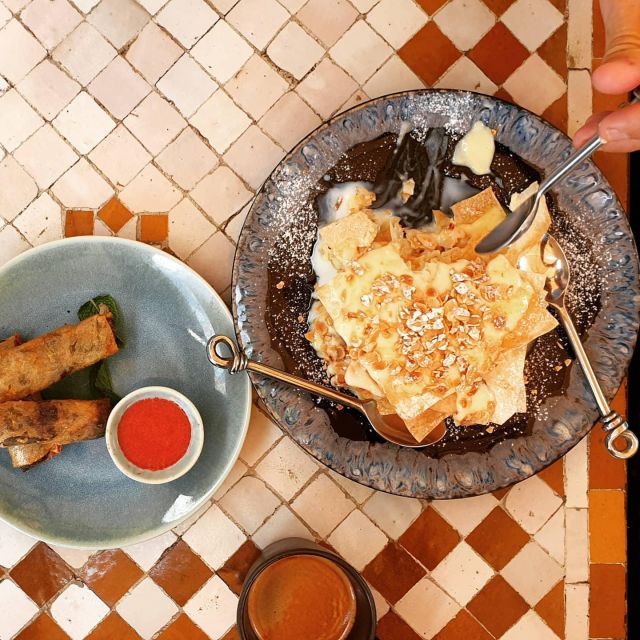
The experience may include Moroccan pastries purchased earlier in the walk and served with tea at a café, while the scheduled dessert stop is at La Sqala. The supplied details also mention a beautiful old Moroccan tiled tea house, which adds another cultural pause to the route.
Ending with dessert works well. A seafood lunch can be filling, and the final stop gives you time to sit, talk, and let the meal settle. La Sqala is not only a place to eat. It is described as a historical and cultural restaurant, so the setting adds a sense of place to the final hour.
The tour ends at La Sqala rather than returning you to the starting point. That matters when planning the rest of your day. You begin in front of Bank Al Maghrib, the large building facing the garden and Mohammed V Square, and finish elsewhere in the city center. Transportation is not included, so arrange your own way to the meeting point and onward from La Sqala.
What the $105 price covers
At $105 per person, this is not Casablanca’s cheapest way to eat. The value depends on how much you want from the outing.
You are paying for a licensed guide, three to four tasting stops, a substantial fish lunch, and dessert at La Sqala. You are also paying for the market guidance and the chance to select seafood rather than receiving an anonymous fixed meal. For someone who would otherwise book a seafood lunch, a market visit, and a guided Medina walk separately, the package can make sense.
The price is less attractive if you only want a quick snack tour or if you already know Casablanca well. It is also poor value for anyone who cannot enjoy seafood, since the main meal is built around it.
Alcohol is not included and will not be provided. That is not a problem for most people, since the food and nonalcoholic drinks are the focus, but you should know it before booking.
The tour also offers free cancellation up to 24 hours before the start and a reserve-now, pay-later option. Those terms are useful when your Casablanca schedule may shift. Check the available start times before committing, since the tour runs at set times and lasts 210 minutes.
Who should book this Casablanca food walk
I would choose this tour if you want a first look at Casablanca that feels connected to daily life. It suits curious eaters who like markets, seafood, street food, and conversation more than formal sightseeing.
It is also a good fit for anyone who wants a guide through the Old Medina without giving up a proper meal. The combination of food, shopping streets, market activity, and local explanation keeps the tour varied.
Families and mixed-age groups may appreciate the three-hour format, though the seafood focus and walking should suit everyone in the group. The route is not designed for a person who wants a quiet, slow restaurant lunch with no market crowds or bargaining.
I would also recommend it to people who are uncertain about Casablanca. A local guide can help you get your bearings, explain the city’s food habits, and show you a part of the center that is easy to miss when you travel independently.
My call: book it if seafood is the point
Book this Casablanca food tour if you want your lunch to begin at the market, if you enjoy oysters and fresh fish, and if you value a guide who can connect food with neighborhood life. The strongest feature is the seafood selection followed by cooking at a nearby restaurant. That is a genuine local-style activity, not just a list of tastings.
Skip it if you have a fish or shellfish allergy, avoid seafood, or want a tour focused only on Moroccan sweets and tea. For everyone else, the $105 cost is reasonable when you count the guide, several tastings, a full seafood lunch, and dessert at La Sqala. Come hungry, wear walking shoes, and leave room for one more pastry.
FAQ
Where does the Casablanca food tour start?
The meeting point is in front of the main door of Bank Al Maghrib, the large building facing the garden and Mohammed V Square.
Where does the tour finish?
The tour finishes at La Sqala restaurant.
How long does the food tour last?
The experience lasts 210 minutes, or three and a half hours.
What language is the tour offered in?
The tour is offered with a live English-speaking guide.
Is lunch included?
Yes. The price includes a fish lunch with a three to four course menu. You choose fish and seafood at the Central Market, and it is prepared at a nearby restaurant.
How many tasting stops are included?
The tour includes three to four tasting stops. Possible foods include oysters, fresh juice, pastries, and other local products.
Is dessert included?
Yes. Dessert at La Sqala is included in the price.
Can I book if I have dietary restrictions?
Vegetarian, gluten-free, and lactose-free needs can be discussed with the provider, but the tour is not suitable for anyone with a fish or seafood allergy or intolerance.
Just added around Morocco
- Fez Street Food Tour★ 4.5 · 33 reviews
- The Sunday Market in Had Draa & Local Food Tasting.★ 5.0 · 33 reviews
- Essaouira Guided Tour: 3 on 1 – Nightlife tour, Live like a local & Street food★ 4.5 · 32 reviews
- Marrakech Guided Day Trip from Casablanca: Djemaa el-Fna Square and Bahia Palace★ 4.0 · 3 reviews
- Casablanca Food Tour – Moroccan Street Food Tour★ 5.0 · 86 reviews
- Casablanca Market and Street Food Walking Tour★ 5.0 · 3 reviews
- Agadir with a Local–Balade Authentic & Tasting Street Food★ 5.0 · 21 reviews
- Tangier: Food Walking Tour★ 4.9 · 43 reviews
Morocco Street Food Tours, compared.
Marrakech: Street Food Tour with a Local Guide
Read our review →
Marrakech: Authentic Moroccan Food Walking Tour & Dinner
Read our review →
Marrakech Night Street Food Tour / Taste The Real Marrakech
Read our review →
Casablanca Food Tour – Moroccan Street Food Tour
Read our review →
Browse the lists this tour appears in