
REVIEW · STREET FOOD TOURS
Authentic Street Food Tours in Stone Town, Zanzibar
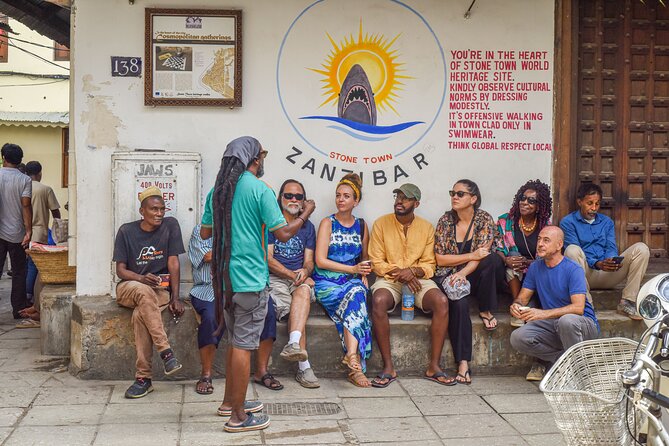
Stone Town is best understood one bite and one alley at a time. This 2.5-hour street food walk takes you beyond the better-known tourist stops to local vendors serving recipes tied to family and neighborhood traditions. I especially like the chance to try six or more foods and the small group size, capped at eight people.
I also like that guide Lodi knows the neighborhood and its vendors personally. He can help you find your way through Stone Town’s twisting lanes, introduce you to local food sellers, and add stories from his own life. The main consideration is that this is more a food-and-neighborhood walk than a formal history tour, so you may want a separate guide for a detailed account of Stone Town’s past.
Key points to know before booking
- At least six food stops: Morning and evening versions visit a range of local vendors, with dishes changing by time of day.
- Lodi leads the walk: His local connections are a major part of the experience, and he adds personal stories from growing up in Stone Town.
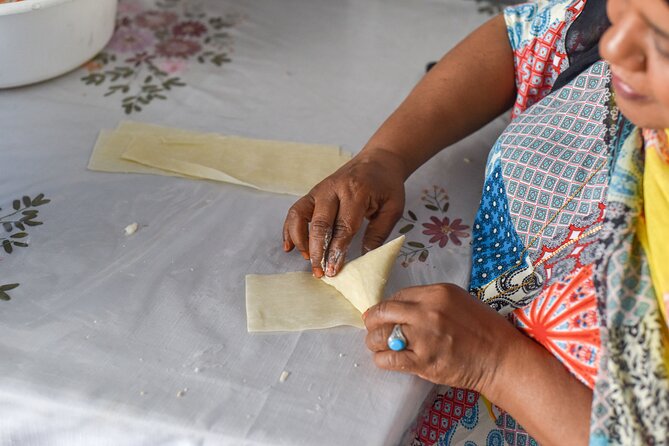
- A real taste of local staples: Expect foods such as sambuusa, Carlisi, chapati, uji, tende shake, and Zanzibar pizza.
- Small group format: A maximum of eight people makes it easier to ask questions and interact with vendors.
- Good value for a food-focused walk: The $40 price includes access to several local stops and a guide who knows the lanes well.
- Tell the operator about food restrictions early: Vegetarians can be accommodated with advance notice, while vegan arrangements may change the route and price.
Stone Town starts with the food, not a lecture
The strongest part of this tour is its sense of place. You are not simply handed a plate and told what it is. You walk through several Stone Town neighborhoods, meet food sellers, and learn how everyday dishes fit into local life.
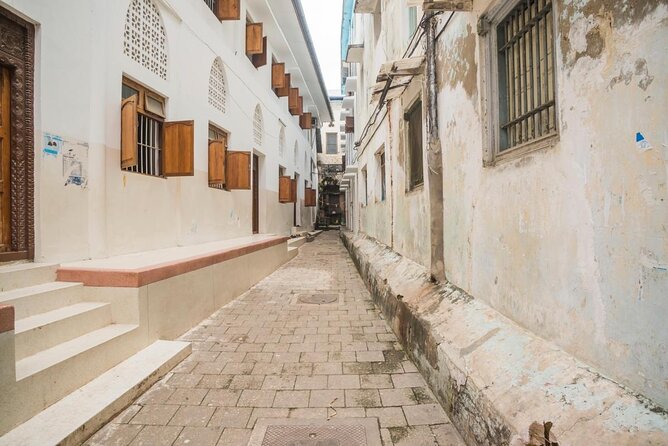
That matters in Stone Town, where the lanes can feel confusing even after you have walked them a few times. Lodi helps you get your bearings while pointing out cultural landmarks along the way. The food gives the walk a clear purpose, but the streets and people provide much of the character.
I would book this early in your Zanzibar stay if possible. The tour is often reserved about 29 days ahead, which suggests that popular dates can fill well before arrival. It also gives you a useful introduction to dishes and neighborhoods you can return to on your own.
The meeting point is outside Maru Maru Hotel on Gizenga Street. The walk returns to that same place, so you do not need to arrange a second pickup or work out where to finish in an unfamiliar part of town.
A few more street food tours around the world worth a look
- Reykjavik Food Walk – Local Foodie Adventure in Iceland
★ 5.0 · 18,952 reviews - Dubai: Old Town, Creek, Museums, Souks, & Street Food Tour
★ 4.8 · 10,816 reviews - Ho Chi Minh City Street Food Tour & Sightseeing By Motorbike
★ 5.0 · 9,413 reviews
How the two-and-a-half-hour walk works
The exact food order depends on whether you choose a breakfast or dinner departure. The morning and evening routes do not promise the same menu, and that is a good thing. Local street food is tied to the time of day, vendor schedules, and what is being prepared.
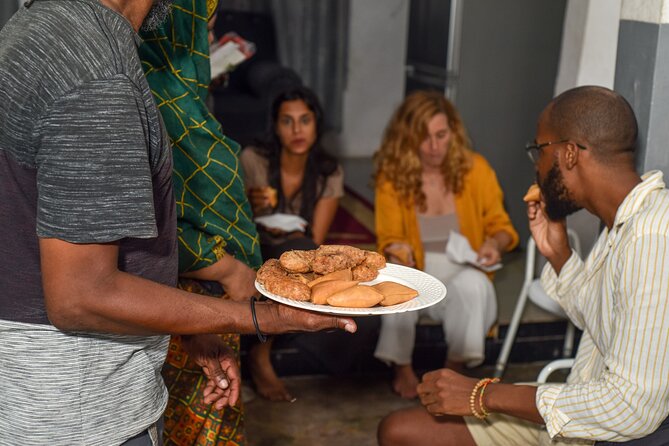
You should expect to visit at least six different sellers. This creates a steady rhythm: walk, stop, taste, ask questions, and continue through the lanes. It is more varied than sitting down for one long meal, but it also means you should not expect a full serving of every dish.
Lodi also points out cultural landmarks as you pass through the neighborhoods. The history content is present, but it is woven into the walk rather than presented as a long formal talk. If you want dates, architectural detail, and a full account of Zanzibar’s past, this tour may feel light on that material.
That balance suits me. A food tour works best when the guide keeps you moving and lets the neighborhood speak for itself. Still, one past participant found the historical stories too brief, so history should not be your only reason for booking.
The dishes you are likely to taste

The menu gives you a useful cross-section of Zanzibar’s casual food culture. It includes familiar street snacks, filling breads, warm porridge, drinks, and the much-loved Zanzibar pizza.
Sambuusa
Sambuusa is a savory snack that makes a natural early stop. It is small, easy to eat while walking, and useful for comparing Zanzibar’s flavors with similar filled pastries found around the Indian Ocean.
You will want to ask Lodi what is inside your portion and how the vendor prepares it. The point is not just to identify the dish, but to see how a common local snack fits into daily life.
Same city, a different plate:
- Medellin: Comuna 13 Graffiti Tour, Cable Car & Street Food
★ 4.8 · 9,046 reviews - Dubai: Old Town, Souks, Street Food, Guided Tour & Abra Ride
★ 4.9 · 7,170 reviews - Naples: Street Food Walking Tour with Local Guide
★ 4.9 · 4,976 reviews - Small Group Hanoi Street Food Tour with a Real Foodie
★ 5.0 · 4,682 reviews
Carlisi
Carlisi is one of the less familiar names on the menu. That makes it particularly useful for a guided food walk, since you may not know to seek it out on your own.
The tour gives you a chance to try the dish in a local setting and ask what makes it different from the other foods you are tasting. Because the menu can vary, it is best to treat Carlisi as a possible stop rather than a guarantee for every departure.
Chapati
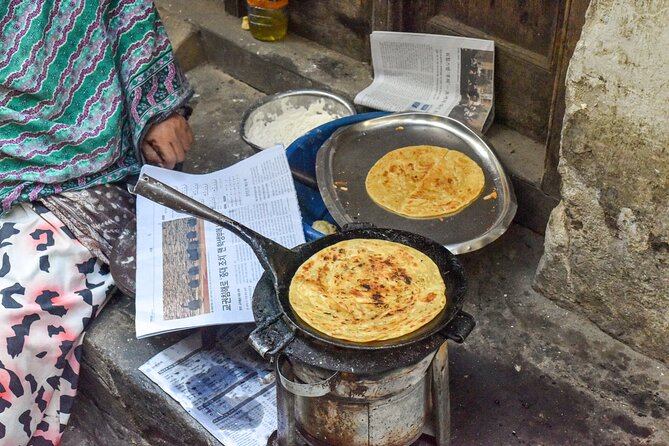
Chapati is one of the more recognizable foods on the list, but it is still worth tasting fresh from a local vendor. Its simple form also helps you appreciate how much of the meal rests on technique, timing, and the quality of everyday ingredients.
Chapati can be filling, so keep some room for later stops. A food walk is easier to enjoy when you sample modestly rather than treating the first stop as lunch.
Uji
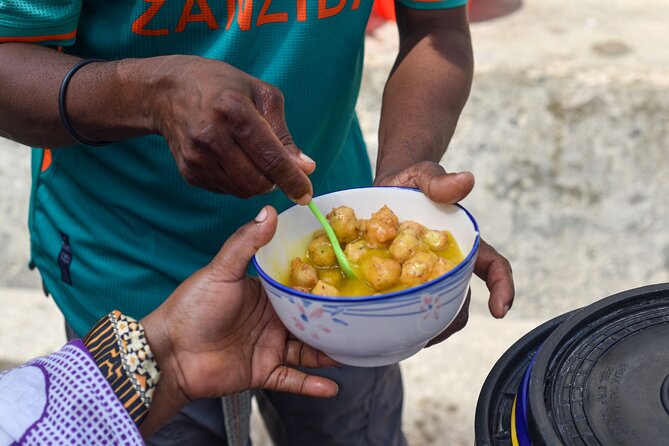
Uji adds a warm, softer element to the route. It changes the pace from crisp snacks and fried foods and gives you a chance to learn about a breakfast-style local drink or porridge.
This is one reason the morning version may appeal to you if you like seeing how a place starts its day. The evening version offers a different feel and a different mix of foods, so your choice of departure time affects more than the light outside.
Tende shake
Tende shake brings a sweet drink into the tasting sequence. It is a simple way to break up the savory foods and gives you something cool or refreshing between stops.
The name may be unfamiliar, so use the pause to ask Lodi about the ingredients and how the drink is enjoyed locally. The guide’s ability to explain the food in context is one of the main reasons the $40 fee has value.
Zanzibar pizza
Zanzibar pizza is likely to be the most memorable stop for many people. Despite its name, it is not simply a familiar Italian-style pizza. The local version is a street food in its own right, and the preparation is part of what makes the stop interesting.
One person especially enjoyed it as an introduction to local food. I would save room for this stop, even if you are already feeling full. The food is served as part of a larger tasting route, not as a single restaurant meal.
Why Lodi matters to the experience

A food tour depends heavily on the guide. Here, Lodi is not just leading a route between eating stops. He grew up in Stone Town and adds stories from his own life, which gives the walk a personal angle that a printed food guide cannot provide.
His local connections also shape the experience. He is described as knowing the vendors and many people along the route, so introductions feel more natural than a simple transaction. You interact with sellers rather than just photographing food and moving on.
Lodi’s role is also practical. Stone Town’s alleys turn frequently, and the route includes neighborhoods that may not be obvious to a first-time visitor. If you want to find local food but do not want to guess which doorway or lane to try, his knowledge saves time.
The feedback is very strong overall, with a 4.9 rating from 46 ratings and 98 percent recommending the experience. Still, a high score does not mean every person wants the same kind of guide. If you prefer a structured lecture on architecture and history, you may find Lodi’s informal approach too light. If you prefer stories, food, and local introductions, it is a better match.
The value of $40 per person
At $40, this is not the cheapest way to eat in Stone Town. You can certainly buy individual snacks for less. The real question is what the extra money buys you.
You are paying for about two and a half hours with a local guide, a route through several neighborhoods, introductions to at least six vendors, and the chance to sample foods you might otherwise overlook. You also avoid spending your first evening guessing which stalls are worth trying.
For a solo visitor, the value is easier to see. You receive a social experience without needing to organize your own group, and the small maximum of eight keeps the walk from feeling like a large procession.
For a couple or family already comfortable finding food independently, the price may feel high. The tour makes more sense if you value context and access, not just calories. I would compare it with the cost of several separate meals, plus the time and uncertainty involved in finding the same stops yourself.
The best approach is to treat the tour as an introduction. Once you know which foods you like and where some vendors are located, you can return to Stone Town’s streets on your own.
Choosing morning or evening
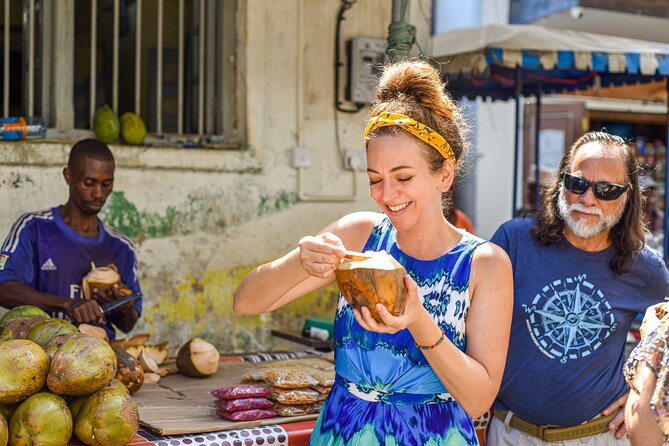
The morning tour suits you if you want breakfast foods and a look at the day’s early rhythm. Uji and chapati fit naturally into that version, though the precise selection can change.
The evening tour gives you a chance to sample foods associated with later hours, including Zanzibar pizza when available. It can also work well as a cultural activity after sightseeing, especially if you want more than a standard restaurant dinner.
Neither version guarantees every dish listed. The food depends on the time of day, so book based on the kind of experience you want rather than trying to collect a fixed checklist.
If you are planning other activities in Stone Town, allow room in your schedule. The walk ends where it begins, but you will be stopping often and moving through narrow lanes rather than covering ground quickly.
Food restrictions and practical comfort
Vegetarians can be accommodated as part of the standard tour when you give advance notice. Vegan arrangements are also possible, but the route and price may change, so you should contact the operator before booking rather than waiting until the day of the walk.
Mention allergies and other restrictions when you reserve. The tour involves several local vendors, and advance notice gives the operator a better chance to adjust the food choices.
The activity requires good weather. In heavy rain, fewer street sellers may be working, and the narrow lanes can collect ankle-deep water. One person still found the experience worthwhile in those conditions because Lodi adapted, but poor weather can reduce the number of available stops and make walking uncomfortable.
Wear practical footwear and expect an outdoor walk. The booking information says most people can participate, service animals are allowed, and the meeting point is near public transportation. The mobile ticket is convenient, particularly if you are already staying in Stone Town.
Who will enjoy this Stone Town food walk
I would recommend it most strongly to you if you:
- Want local street food rather than a formal restaurant meal
- Like walking through side streets and asking questions
- Are visiting Stone Town for the first time
- Enjoy trying unfamiliar dishes in small portions
- Prefer a personal guide to a large group
- Want an easy way to meet local vendors
It is also a good choice for solo visitors. The group size is small, and the guide provides the social connection that can be missing when you eat alone.
Families and cautious eaters may enjoy it too, provided they share food restrictions in advance. The range of dishes makes it easier to find a favorite, though not every food will suit every palate.
I would be more cautious if you have very limited time, want a full history tour, or dislike eating food from several street vendors. The route is built around local food and informal conversation, not polished service or a detailed classroom-style presentation.
Should you book Authentic Street Food Tours in Stone Town?
Book it if you want to understand Stone Town through its everyday food and local connections. The combination of six or more vendors, a maximum of eight people, and Lodi’s personal ties to the neighborhood gives the experience a clear purpose.
The $40 price is fair for a guided introduction, though less attractive if you only want the cheapest possible meal. Tell the operator about restrictions, choose morning or evening based on the foods you prefer, and avoid scheduling it during weather that may disrupt street vending.
My advice is to book this near the start of your Zanzibar stay. You will get an easy introduction to sambuusa, chapati, uji, tende shake, Zanzibar pizza, and other local dishes, then have time to return to the foods and lanes that appeal to you most.
FAQ
How long does the Stone Town street food tour last?
The tour lasts approximately 2 hours and 30 minutes.
Where does the tour start and finish?
It starts at Maru Maru Hotel on Gizenga Street in Zanzibar and ends back at the same meeting point.
How many food vendors will I visit?
Breakfast and dinner versions visit at least six different vendors. The exact foods depend on the time of day.
Which foods may be included?
Possible foods include sambuusa, Carlisi, chapati, uji, tende shake, and Zanzibar pizza. The menu can vary.
Can vegetarians or vegans join?
Vegetarians can be accommodated on the standard tour with advance notice. Vegan arrangements are possible, but the route and price may change.
What happens if the tour is canceled because of bad weather?
If poor weather causes a cancellation, you will be offered another date or a full refund. You can also cancel for a full refund if you do so at least 24 hours before the start time.
Just added around the world
- 1 Istanbul Tour: Highlights, Street Food & Hidden Pearls★ 5.0 · 9 reviews
- Evening Hyderabad Street Food Walk with Hyderabad Biryani★ 4.5 · 24 reviews
- Hyderabad Street Food Crawl (2 Hours Guided Food Tasting Tour)★ 4.0 · 5 reviews
- Japanese Street Food Class in Beech Grove★ 5.0 · 9 reviews
- Small-group Street food tour in Ischia★ 3.5 · 2 reviews
- Hyderabad : Evening Street Food Tasting with Guided Old City Tour★ 5.0 · 10 reviews
- Hyderabad Street Food Experience with Local Expert★ 4.5 · 2 reviews
- Hue Street Food On Foot (Daily Tour – Group Tour | 12 pax max)★ 5.0 · 15 reviews
Street Food Tours, compared.

Ho Chi Minh City Street Food Tour & Sightseeing By Motorbike
Read our review →
Dubai: Old Town, Souks, Street Food, Guided Tour & Abra Ride
Read our review →
Naples: Street Food Walking Tour with Local Guide
Read our review →
Small Group Hanoi Street Food Tour with a Real Foodie
Read our review →
Saigon By Night and Street Food By Motorbike | Opt: Ao Dai Riders
Read our review →
Private Street Food Tour by Motorbike/Car with Local Students
Read our review →
Saigon: Street Food Tasting & Sightseeing Tour by Motorbike
Read our review →Browse the lists this tour appears in