
REVIEW · DUBAI STREET FOOD TOURS
Dubai: Old Town, Souks, Street Food, Guided Tour & Abra Ride
Dubai reveals its older, more human side on this tour. You move from the Al Fahidi historical district to Al Seef, cross Dubai Creek by wooden abra, then finish among the gold and spice shops of Deira. It is a useful counterweight to the towers and malls that usually define the city.
I like two things here. First, the tour connects places that are awkward to link on your own, especially the old lanes, creek crossing, Spice Souk, and Gold Souk. Second, the guide adds the context that turns a short walk into a story about pearl diving, trade, religion, family life, and Dubai’s rapid growth. Guides named Ahmed, Khan, Zee, Mustafa, Hossam, and Maaz Khan have all been praised for clear explanations and personal attention.
The main consideration is pace. You cover many stops in three to four hours, often in heat and crowded market lanes. The optional hotel transfer can also create timing problems, so I would meet at the restaurant if you can and leave extra time afterward for shopping.
Key points at a glance
- Arabic coffee in a heritage house: Begin at Al Khayma Heritage Restaurant with coffee, dates, and a look at historical photographs of the UAE.
- Old Dubai in one compact route: See Al Fahidi, Al Seef, Bur Dubai Souk, Dubai Creek, the Spice Souk, and the Gold Souk.
- A real creek crossing: The traditional abra is a short but memorable ride past trading vessels and Dubai’s modern skyline.
- Choose your food level carefully: The basic experience includes coffee, tea, dates, and a camel milk chocolate, while the premium option adds several savory and sweet tastings.
- Strong guiding is central to the experience: Ahmed, Khan, Zee, Mustafa, Hossam, and Maaz Khan are among the guides noted for lively explanations and help in the markets.
- Good value, with limits: At about $9 per person, it is unusually affordable, but it is a walking tour with crowds, stairs or uneven surfaces, and no wheelchair access.
Starting with coffee at Al Khayma Heritage Restaurant
The tour begins at Al Khayma Heritage Restaurant, described as a historic Emirati house in the Bur Dubai area. The nearest metro stop is Sharaf DG Metro Station, and this meeting point is usually the simplest choice if you do not need a hotel pickup.
You start with Arabic coffee, dates, tea, and light snacks. The setting matters. Instead of hearing about Emirati customs while standing outside a modern shopping center, you begin inside a traditional-style house connected with local food and hospitality.
A photo gallery inside the restaurant adds useful background. Historical images show how the UAE looked before Dubai became a global business and tourism center. I would pay attention here, because this short introduction gives meaning to the streets and markets that follow.
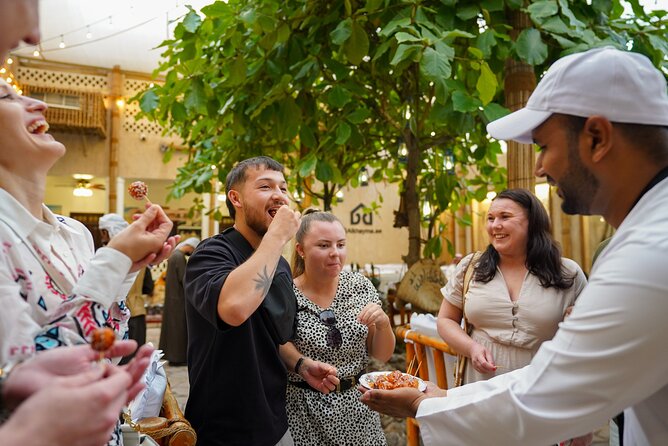
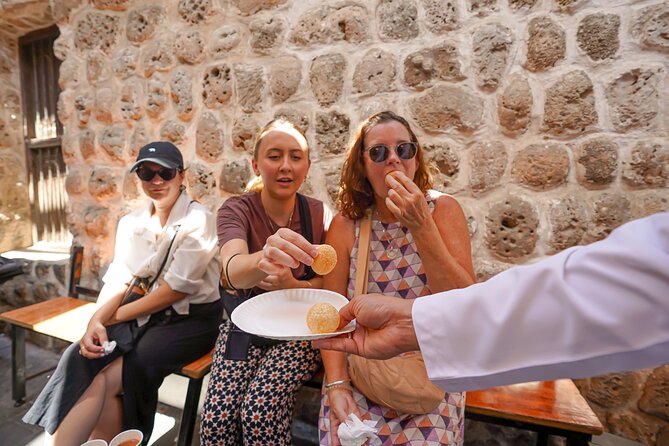
Food depends on the option you book. The standard experience includes Arabic tea or coffee, dates, a bottle of water, and camel milk chocolate. The premium version adds Karak tea and samosas, rogag and luqaimat, shawarma and falafel, camel milk ice cream, and lemon mint juice.
That premium menu can change the character of the outing. You may treat the basic option as a cultural walk with a few samples, while the premium option can function as a light meal. One guide-led group found the tasting so generous that nobody needed much food afterward. If you enjoy trying several small dishes, the upgrade appears to offer better value than buying each item separately.
A few more street food tours around Dubai worth a look
- Dubai: Old Town, Souks, Street Food, Guided Tour & Abra Ride
★ 5.0 · 1,664 reviews - Old Dubai: Premium Guided Tour with Street Food & Abra Ride
★ 4.9 · 416 reviews - Old Dubai Historic Guided Tour: Creek, Street Food & Souks
★ 4.9 · 156 reviews
Walking Al Seef and the edge of old Dubai
From the restaurant, the route heads toward Al Seef. This waterside promenade presents a carefully restored and recreated version of old Dubai, with traditional-looking buildings, shops, cafes, and views toward the creek.
The appeal is the contrast. You see low buildings and old-style details near the water, then modern construction and skyscrapers beyond. Your guide can explain how the creek supported trade and helped Dubai grow from a small port into the city you see today.
The Al Seef stop lasts about half an hour, enough for a walk and photographs. It is not a quiet backstreet experience all the way through. The promenade can be busy, and the polished setting feels more arranged than the older lanes of Al Fahidi. Still, it works well as a visual bridge between Dubai’s past and present.
You will also stop at a mosque for about fifteen minutes. Dress comfortably and respectfully, and remember that this is a public walking route rather than a private religious tour. The guide provides context about local customs, beliefs, and everyday life.
Al Fahidi’s narrow lanes and traditional houses
The most satisfying walking section comes in the Al Fahidi historical district. Its narrow passages, shaded corners, courtyards, and wind-tower architecture offer a welcome break from Dubai’s broad roads and tall glass buildings.
Your guide leads you through the lanes while explaining how older houses were arranged and how families lived. The point is not simply to photograph a doorway. The details help you picture a town shaped by trade, the sea, heat, and close family networks.
The route includes a photo stop near Al Fahidi Fort, with about fifteen minutes for sightseeing and explanation. Dubai Museum is temporarily closed, so do not book this expecting a museum interior. The fort area still helps mark the older center of the city, but the experience depends on the guide’s storytelling rather than a long museum visit.
You also pass through Bur Dubai Souk. This part of the walk gives you an early look at the shopping culture before the larger Deira markets later in the day. You may see textiles, souvenirs, and shopfronts aimed at visitors. It is worth listening to the guide’s advice here, since the value of goods can vary and sales approaches may be persistent.
Crossing Dubai Creek by abra
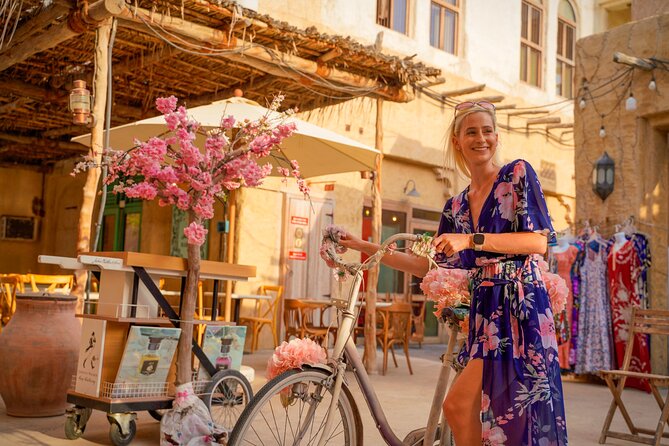
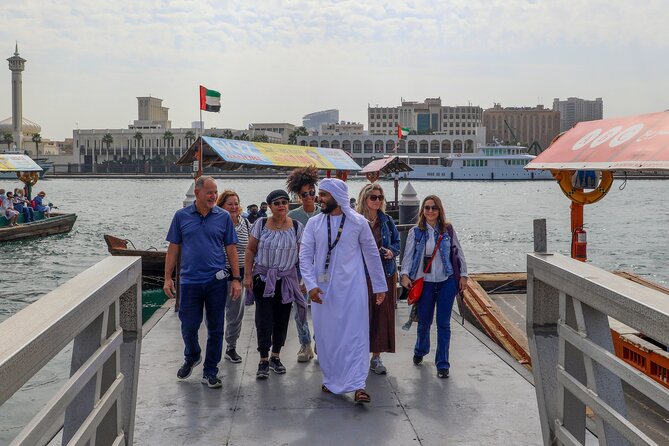
The abra ride is brief, listed at about fifteen minutes, but it is one of the tour’s defining moments. You board at Bur Dubai Abra Dock and cross Dubai Creek toward the Deira side.
An abra is a traditional wooden water taxi, not a luxury cruise. That is exactly why the ride works. You are close to the water, sharing the crossing with a practical form of local transport, while large trading ships and the city skyline frame the view.
This is a good time to take photographs, but keep your phone secure and hold onto hats or loose items. The ride is short, so do not expect a full narrated cruise or extended time on the water. Its value is the change of viewpoint and the direct connection between the two historic sides of Dubai.
Several guides, including Mustafa, have been praised for taking photographs during the crossing. That kind of small help is useful, since the boat can be busy and you may not want to spend the whole ride arranging a group picture.
The creek also gives the tour its strongest historical thread. Your guide can connect the old markets with shipping, fishing, pearl diving, and the movement of goods. Modern Dubai may look like a city built from steel and glass, but the creek remains a practical reminder of its trading roots.
Same city, a different plate:
- Dubai: Old Town, Creek, Museums, Souks, & Street Food Tour
★ 4.8 · 10,816 reviews - Dubai: Old Town, Street Food, Creek, Souks, & Emirati House
★ 4.9 · 1,496 reviews - Dubai Top Highlights: Frame Entry, Souks, Abra & Street Food
★ 4.8 · 344 reviews - Dubai: Premium Old Town, Street Food, Souks & Boat Ride Tour
★ 4.9 · 262 reviews
Spices, bargaining, and the Deira markets
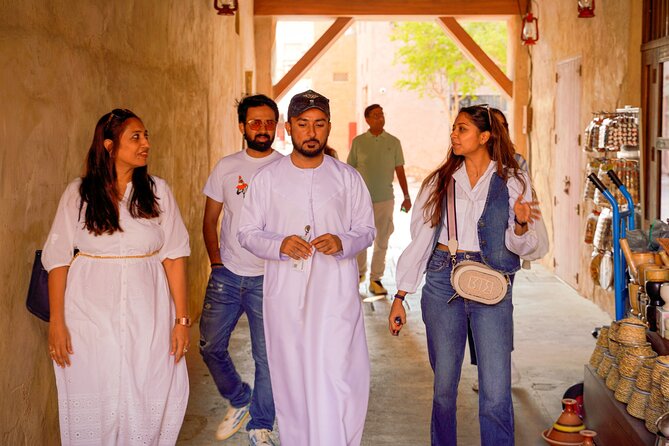
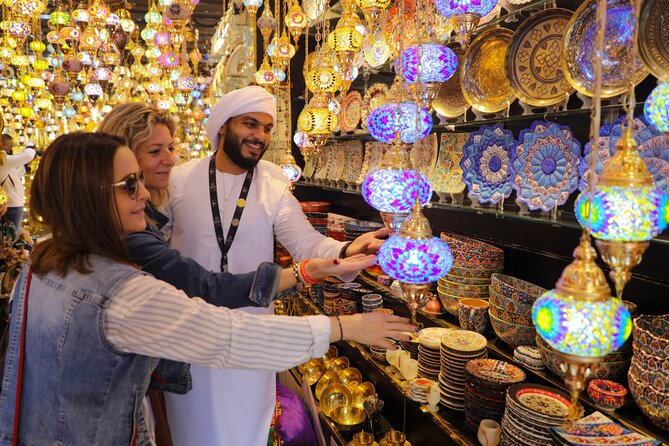
After the abra, you arrive near the Spice Souk. The smells and colors change quickly. Open displays feature spices, dried ingredients, teas, and other goods, while shopkeepers invite you to look more closely.
The guide’s role is especially useful here. You can learn what products are used for, ask questions, and get a sense of normal pricing before deciding to buy. One of the most practical tips is to slow down when a seller makes a strong pitch. Some spices may be priced well above what you expect, and you should feel free to compare shops or walk away.
Haggling is part of the experience, but it does not require an aggressive approach. Ask the price, consider whether you actually want the item, and negotiate only if you are ready to purchase. A guide may point you toward more reputable vendors, but you remain responsible for checking the price and quality.
The Spice Souk stop takes about thirty minutes. That is enough for a first look and perhaps a purchase, but not enough for a relaxed shopping expedition. If you want to buy several spices, oils, or gifts, plan extra time after the tour.
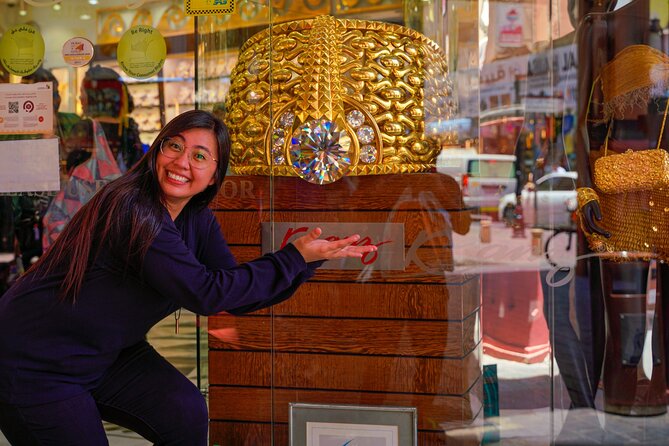
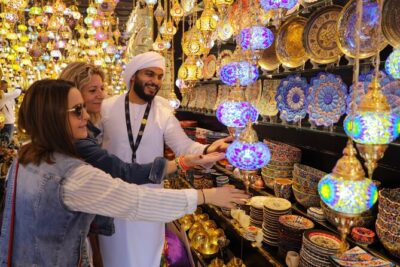
The Gold Souk follows, with about thirty minutes of walking and sightseeing. Gold jewelry, silver, and precious stones fill the shop windows, often in designs far more elaborate than what you see in ordinary jewelry stores.
You do not need to buy anything to enjoy this stop. The Gold Souk is also a study in display, craftsmanship, and commerce. If you are shopping, ask about weight, purity, workmanship, and the final price before committing. A guide can help you understand the setting, but the tour is not a guarantee of a bargain.
What the food stops add to the walk
Food is not a minor extra on the premium version. It gives you a way to understand the region through taste and breaks up the walking.
Karak tea and samosas offer familiar street-food flavors, while rogag and luqaimat provide a more distinctly Emirati touch. Shawarma and falafel are easy to recognize, but they fit the street-food character of the route. Camel milk chocolate and camel milk ice cream add a local variation without requiring an adventurous palate.
The exact order and serving size can depend on the group and option selected. I would not book the standard $9 rate expecting the full food route. Check the selected package carefully, because the premium inclusions are the main difference between a simple history and souk tour and a fuller food experience.
The tastings also make the tour more suitable for people who want an easy introduction to local food rather than a restaurant meal. You sample several items while moving through the old districts, though anyone with allergies or strict dietary needs should ask the operator before booking. No specific allergy arrangements are provided in the tour information.
Guides make the difference
This experience covers a lot in a short time, so the guide matters more than the individual sights. The strongest guides keep the history clear, answer questions, and stop the tour from becoming a march between shops.
Ahmed is often praised for explaining culture, religion, and history in an easy way. Khan is noted for practical souk advice, patience, and extra help with shopping. Zee and Zeeshan are described as energetic, caring, and strong English speakers. Mustafa and Hossam are also praised for humor, clarity, and keeping the group engaged.
Guide quality can vary from person to person, as it does on any group tour. The advertised languages are English, German, French, Italian, and Spanish, and one tour may run in two languages at the same time. That can mean repeated explanations or a slightly slower pace.
The groups also include people with different interests. Some want history, some want food, and others want to shop. Ask questions early and tell the guide what matters most to you. The better guides make room for this, and several have been described as staying engaged until the end and offering useful suggestions beyond the formal route.
Timing, walking, and pickup advice
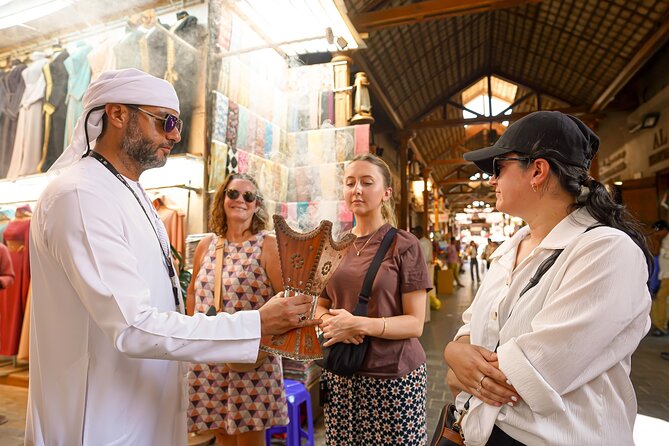
The full experience takes about three to four hours. The listed stop times add up to a compact schedule, and the actual day can feel longer if you stop to shop, wait for the group, or deal with traffic.
Wear comfortable shoes, light comfortable clothing, sunglasses, and a sun hat. You will walk through open areas, promenades, lanes, souks, and dock areas. Water is included, but I would still prepare for heat, especially in the warmer months.
Hotel pickup and drop-off are available only with selected options. If you choose transportation, confirm the pickup time and keep your phone nearby. One poor experience involved a late pickup message and confusion over the actual collection time. The walking tour itself was still rated highly, but the warning is useful: arranged transport may be less tidy than meeting directly at Al Khayma Heritage Restaurant.
Leave time after the tour if shopping interests you. A hotel transfer may take you away soon after the Gold Souk, while an independent meeting arrangement gives you more freedom to browse. The tour is not suitable for children under two, infants, people with mobility impairments, or wheelchair users. Baby strollers and large bags are not allowed.
Is $9 good value?
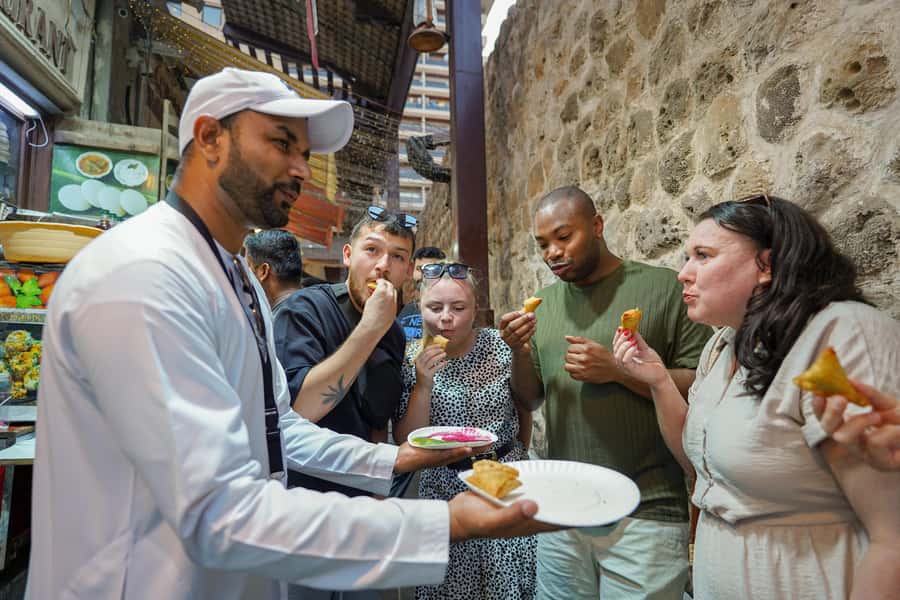
At about $9 per person, the base price is hard to criticize. You receive a guide, heritage-site access where applicable, the Gold Souk and Spice Souk visits, the abra ride, Arabic coffee or tea, dates, camel milk chocolate, water, and a three to four-hour route through several historic areas.
The value comes from the connections. Buying an abra ride alone would not explain the old houses, and walking the souks alone would not give you much historical context. Here, one short booking links the major pieces of Old Dubai.
The premium option deserves separate thought. If it includes the full list of snacks and drinks, it can replace a light meal and lets you try items you might otherwise skip. If you already have a food plan or prefer a faster history walk, the basic version may be enough.
The tour has received a 4.9 rating from more than 7,000 reviews, which matches the repeated praise for the guides, food, organization, and value. I would still keep expectations realistic. You get an introductory route, not a private architecture tour, a long boat trip, or a full afternoon of shopping.
Who should book this Old Dubai tour?
I would book it for a first visit, especially if you want history, food, markets, and a simple boat ride in one morning or afternoon. It is also a smart choice if modern Dubai has begun to feel repetitive and you want a clearer sense of the city before the skyscraper era.
It suits curious adults, older children who can walk comfortably, solo visitors who want a guide, and couples who would rather have market advice than wander without context. The premium food option is the better pick for anyone who sees tasting local dishes as a main part of the day.
I would skip it if you need wheelchair access, dislike crowded markets, want a private experience, or plan to spend a long time shopping at each souk. I would also avoid scheduling it too close to another fixed activity, since traffic, pickup delays, and group movement can eat into your day.
For most visitors, I would choose the meeting-point option, wear good shoes, book the premium food package if the price difference is reasonable, and keep an extra hour afterward. That gives you the tour’s history and structure without rushing the part many people enjoy most, browsing the markets.
FAQ
Where does the Old Dubai tour meet?
The meeting point is Al Khayma Heritage Restaurant. The nearest metro station is Sharaf DG Metro Station. Pickup and drop-off are available only with selected options.
How long does the tour last?
The tour takes about three to four hours. Starting times vary, so you need to check availability when booking.
What food and drinks are included?
The standard option includes Arabic tea or coffee, dates, and camel milk chocolate. The premium option also includes Karak tea, samosas, rogag, luqaimat, shawarma, falafel, camel milk ice cream, and lemon mint juice.
Is the abra ride included?
Yes. The tour includes a traditional abra ride along Dubai Creek, with sightseeing views of trading ships and Dubai’s skyline.
Which languages are available?
Live guides are available in English, German, French, Italian, and Spanish. A tour may be conducted in two languages at the same time.
Is Dubai Museum part of the tour?
No. Dubai Museum is temporarily closed. The route includes a stop near Al Fahidi Fort and guided walks through the historic district.
Is the tour suitable for wheelchair users or young children?
The tour is not suitable for wheelchair users, people with mobility impairments, infants, or children under two years old. Baby strollers and large bags are not allowed.
Just added around Dubai
- Old Dubai Walk, Souk, Street Foods, Al Fahidi and Al Seef Tales★ 4.0 · 9 reviews
- Original Street Food Tour of Dubai★ 4.5 · 41 reviews
- Private Dubai Street Food Tour .★ 4.5 · 7 reviews
- Discover Old Dubai Town, Souks, Street Food, Culture and History★ 5.0 · 3 reviews
- Dubai Street Food Tour★ 5.0 · 5 reviews
- Dubai Souks, Museum, Street Food Walking Tour with Hotel Transfer★ 4.5 · 7 reviews
- Local Street Food and Guided Walking Tour of Dubai Old Town★ 5.0 · 37 reviews
- Local Food Tour of Dubai★ 5.0 · 3 reviews
Dubai Street Food Tours, compared.
Dubai: Old Town, Souks, Street Food, Guided Tour & Abra Ride
Read our review →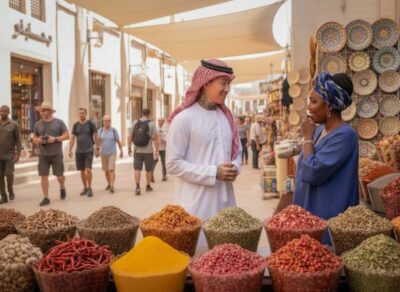
Dubai: Old Town, Street Food, Creek, Souks, & Emirati House
Read our review →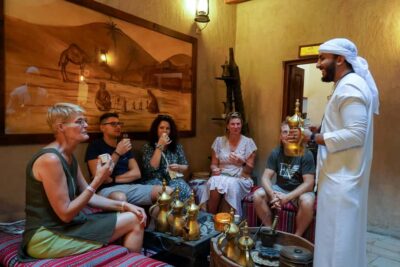
Old Dubai: Premium Guided Tour with Street Food & Abra Ride
Read our review →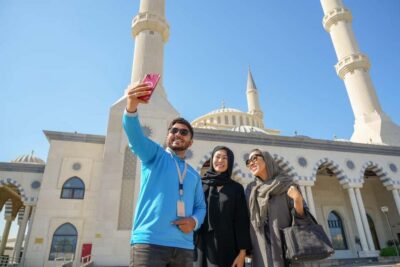
Dubai Top Highlights: Frame Entry, Souks, Abra & Street Food
Read our review →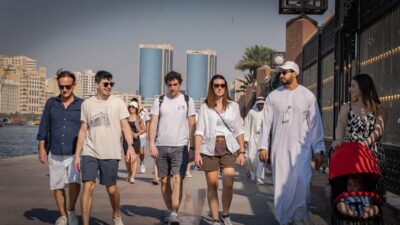
Dubai: Premium Old Town, Street Food, Souks & Boat Ride Tour
Read our review →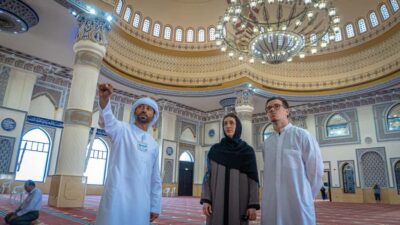
Dubai: City Highlights Tour with Blue Mosque & Street Food
Read our review →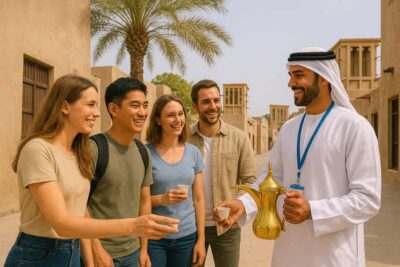
Dubai.Discover Old town,Markets,street food,Abra &Museums
Read our review →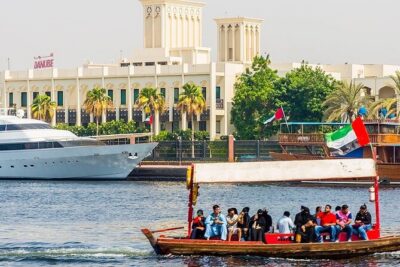
Dubai Old Town, Culture, History, Street food and Souks Tour
Read our review →Browse the lists this tour appears in