
REVIEW · HONG KONG STREET FOOD TOURS
Hong Kong: Street Food Tour with Locals – Dim Sum and Wonton
Hong Kong’s story makes more sense when you eat it. This three-hour walk takes you from Sheung Wan’s dried seafood shops to old cafés and noodle counters, pairing 10-plus tastings with stories about opium, exported labor, post-war hardship, and the city’s rise as a financial center.
I especially like the mix of small local eateries and historical context, plus the chance to try food you might not order on your own, such as Five Flowers tea, Chiu Chow wontons, and the Mandarin Duck tea-and-coffee drink. Guides including Michael, Jasmine, Stephen, Hody, and Alice are praised for making the food easy to understand. The main drawback is simple: this is not suitable for vegetarians, halal diners, or anyone with serious dietary restrictions.
Key points at a glance
- More than food: Sheung Wan’s dried seafood trade and labor history give the tastings a clear sense of place.
- A full eating schedule: Expect 7 to 8 stops and enough food that you may want to skip your next meal.
- Classic Hong Kong bites: Dim sum, wonton noodles, BBQ pork, egg tarts, egg waffles, herbal tea, and local drinks are all part of the mix.
- Good for first-time eaters: Your English-speaking local guide explains dining customs, ingredients, and how to approach unfamiliar dishes.
- Walkable but active: You cover Sheung Wan and Central on foot, so comfortable shoes matter.
- Strong value at $51: The price includes the guide, walking tour, and tastings, but not hotel transport.
Why this food walk tells Hong Kong’s story
Many food tours simply move from one tasty stop to the next. This one uses food to explain how Hong Kong changed. You begin near Sheung Wan MTR Station, in the old Chinese quarter, then work through streets shaped by trade, migration, and working-class life before finishing near Central Market.
That order matters. The luxury goods on Wing Lok Street, the humble tea cafés, and the dim sum shops are not random attractions. Together, they show how Hong Kong moved from a port tied to the opium trade to a labor hub and then to a major financial center.
I like this approach because it gives you a better answer to a common Hong Kong question: why do such polished office towers sit so close to old food shops and traditional medicine stores? The tour does not treat the old streets as a museum. You see people buying dried seafood, eating noodles, and stopping for tea as part of daily life.
Your guide also adds the personal layer. Several guides, including Michael, Hody, Jasmine, Stephen, Alice, and Simeone, are Hong Kong locals who connect dishes to childhood memories and family habits. The exact guide varies, but the format stays focused on food, local customs, and the city’s past.
More Dumpling and Dim Sum Tours in Hong Kong:
- Hong Kong Day Tour: Priority Peak Tram, City Walk & Dim Sum
★ 4.5 · 266 reviews - Top-Rated Hong Kong Tour: Peak Tram, Dim Sum & Cultural Sights
★ 4.5 · 99 reviews - Organic Chinese Dumpling Class with Market Walk
★ 5.0 · 88 reviews
Starting at Sheung Wan MTR Station
The meeting point is Sheung Wan MTR Station Exit E2. This detail is easy to miss: look for Exit E2 while you are still on the platform. Once you reach the concourse for Exits A through D, you cannot simply walk across to Exit E.
That small bit of planning can save you from beginning the tour flustered. I would allow extra time to find the correct platform exit, especially if you are carrying luggage or arriving during a busy period.
From the station, the walk heads toward the historic Chinese quarter. The route involves a moderate amount of walking, but it is not described as a strenuous hike. Wear comfortable shoes and expect to walk through ordinary city streets rather than along a quiet pedestrian path.
Wing Lok Street and the business of dried seafood
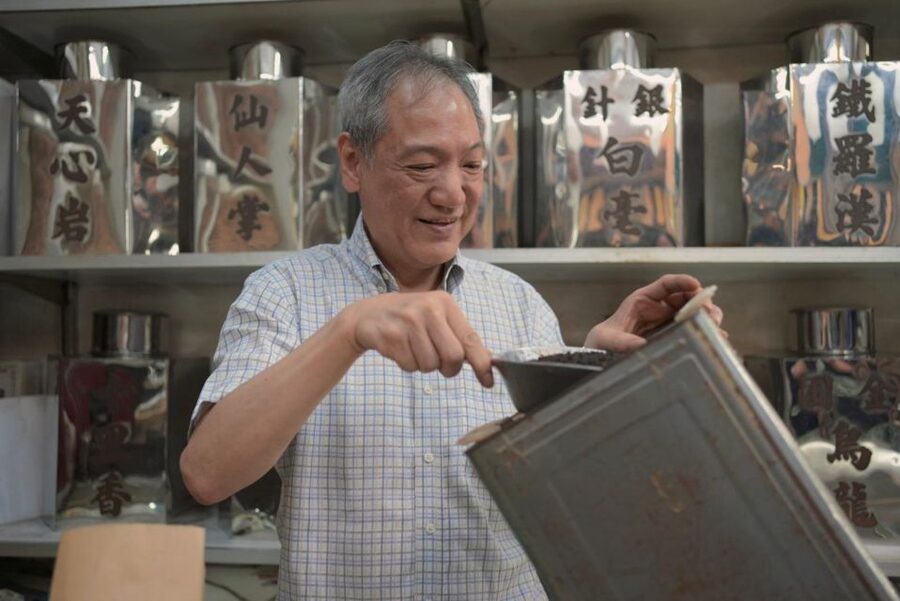
Wing Lok Street is one of the most distinctive early stops. Shops here deal in expensive Chinese dried seafood and traditional luxury ingredients, including shark fin, bird’s nest, and cordyceps.
The prices help explain the status of these products. Cordyceps can reach HKD 200,000 per catty, a striking figure that makes the old idea of food as medicine and prestige feel very real. You are not simply looking at unusual shop displays. You are seeing a trade tied to Chinese ideas of health, celebration, gift giving, and social position.
This section also brings in Hong Kong’s labor story. Sheung Wan’s streets once helped connect Chinese workers with jobs overseas, including work in the United States, Malaysia, and gold mines. The tour links that movement of labor to the city’s growth, giving you context that a standard food crawl would miss.
The stop lasts about 40 minutes, including sightseeing and tastings. That is enough time to look around without turning the street into a long lecture. Keep in mind that dried seafood shops can have strong smells, and the subject matter may not appeal to every diner, especially if you are uncomfortable with shark fin products.
Sheung Wan Cultural Square and local customs
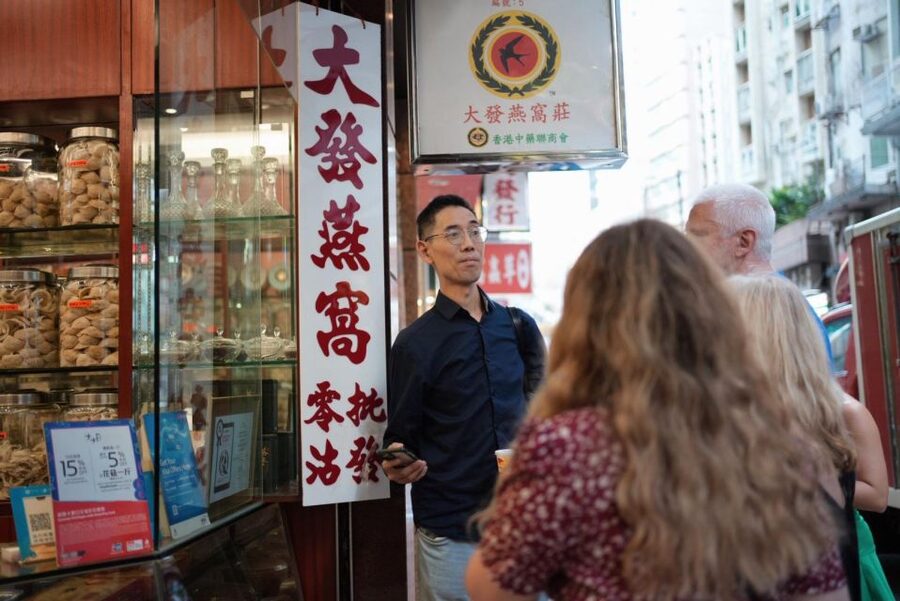
The next portion continues through Sheung Wan, with another tasting and more explanation of the district’s culture. The precise food served can change with availability, so you should not treat the menu as fixed.
That flexibility is normal for a local food walk. A shop may sell out, a vendor may change what is fresh, or a restaurant may adjust its offerings. The benefit is that you are eating what is available that day rather than being handed a rigid set of tourist samples.
Your guide will also explain Hong Kong dining habits. That can include how dim sum fits into social life, how tea is served, and why certain foods became common in ordinary households. The stories help you recognize the difference between a ceremonial ingredient and an everyday snack.
A few more street food tours around Hong Kong worth a look
- Small Group Kowloon Michelin Rated Street Food and Culture Tour
★ 5.0 · 170 reviews - The 10 Tastings of Hong Kong With Locals: Private Street Food Tour
★ 4.5 · 124 reviews - Kowloon Night Street Food Tour with a Local: Private & Customized
★ 4.5 · 72 reviews - Private Kowloon Michelin Rated Street Food & Culture Tour
★ 5.0 · 42 reviews
Cha chaan tengs and the so-called silk-stocking tea
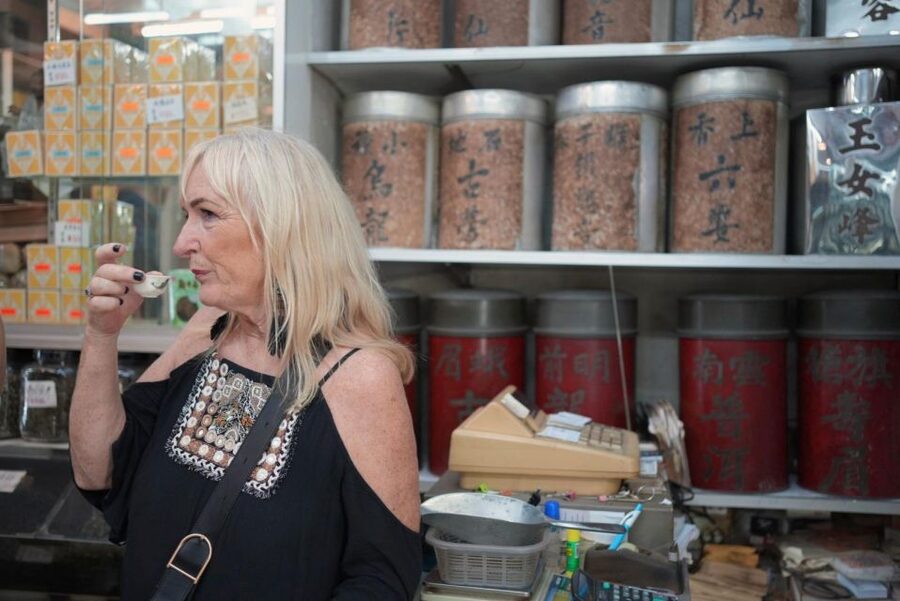
One of the most entertaining stops is a cha chaan teng, the Hong Kong café shaped by post-war working life. These cafés served filling, affordable food and drinks, and they remain a useful window into the city’s practical side.
You may try Hong Kong-style milk tea, often called silk-stocking tea because it is strained through a long cloth filter. The name leads to an obvious question: is it really made with stockings? No. The filter is a cloth sack, not hosiery, but its appearance inspired the nickname.
Crispy French toast is another likely tasting. Despite the name, this is not the familiar European breakfast dish. Hong Kong-style French toast is a sweet, rich café snack, and it shows how local cooks adapted outside influences to fit local tastes.
This is one of the tour’s best contrasts. On Wing Lok Street, you see costly ingredients linked to tradition and status. At the cha chaan teng, you taste food shaped by affordability and speed. Both belong to Hong Kong’s food culture.
Wonton noodles and Chiu Chow technique
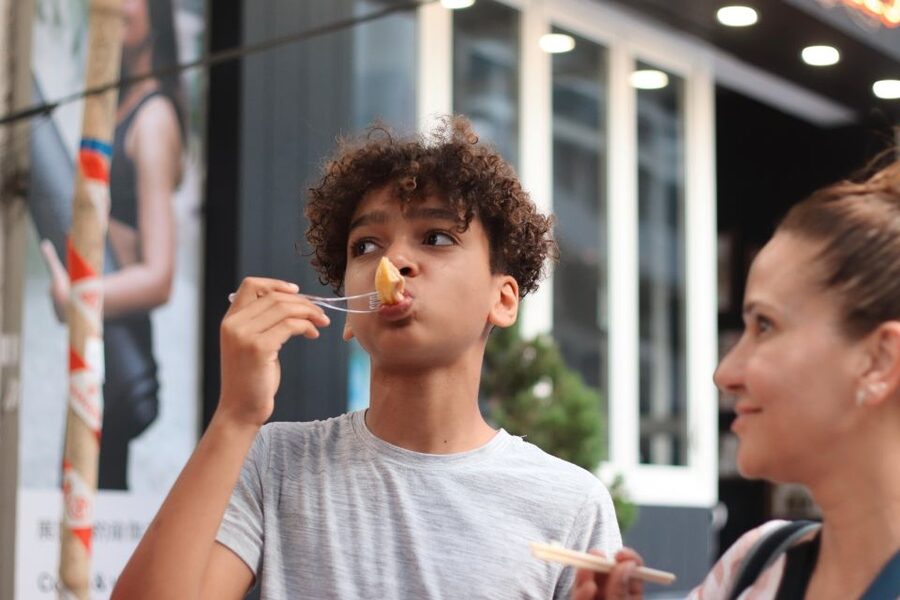
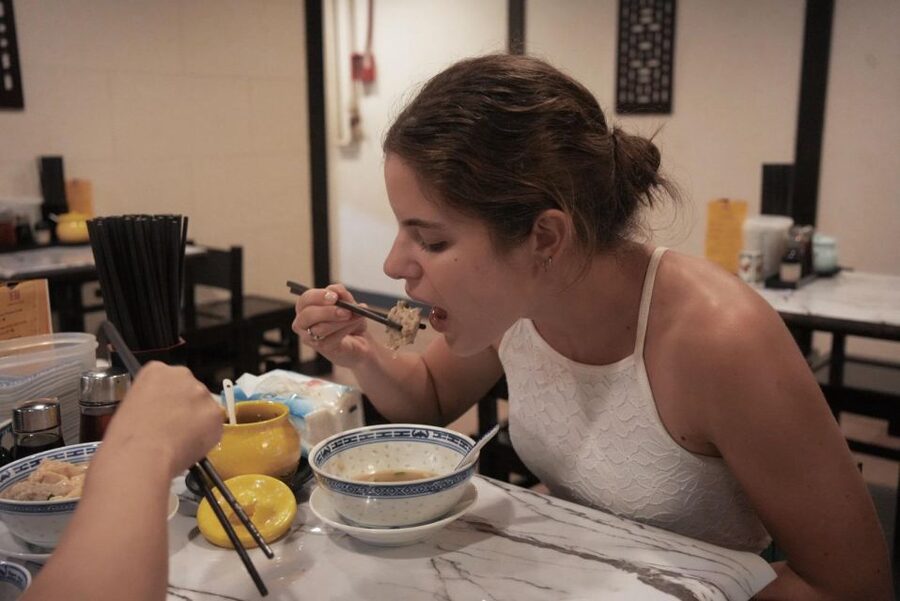
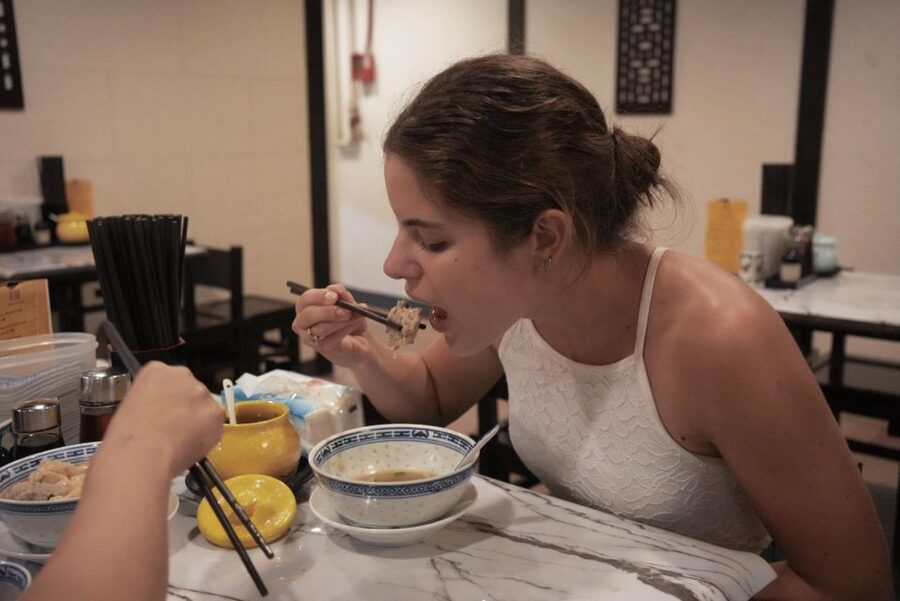
The noodle stop focuses on Chiu Chow-style wontons. You may watch cooks fold shrimp-filled wontons and prepare flounder fish broth, then taste the result in noodle form.
Wonton noodles are easy to find across Hong Kong, but the tour gives you a way to pay attention to the details. Look at the thin wrapper, the shrimp filling, the texture of the noodles, and the broth. A local guide can explain what makes the dish different from other Chinese noodle soups and how it fits into Hong Kong eating habits.
This is also a good stop for cautious eaters. The process is visible, the ingredients are familiar enough for many people, and your guide can explain what is in the bowl before you try it. Still, seafood is central to the dish, so it will not suit everyone.
Dim sum in an everyday setting
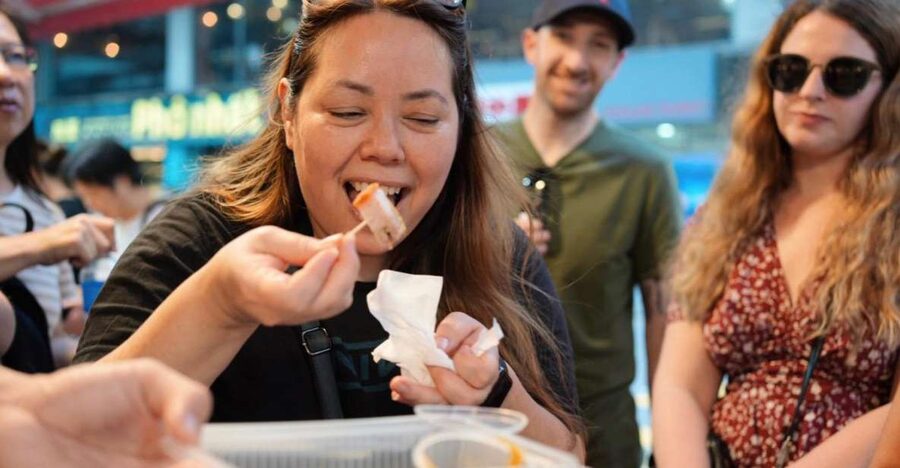
The dim sum portion is a major reason to book this tour. You may taste bamboo-steamed har gow, the translucent shrimp dumplings that many people associate with Cantonese cuisine.
The useful lesson here is that dim sum was not always a special-occasion luxury. The tour explains how small plates served with tea became part of everyday life and helped support merchant networks and social gatherings. Food becomes a way to understand business and community, not just a list of dishes.
Har gow also rewards close attention. The wrapper, the shrimp filling, the steaming basket, and the way the dumpling is eaten all become part of the lesson. One particularly interesting detail is that the wrapper may include sweet potato, a fact even some people with Cantonese family backgrounds may not know.
Expect a modest tasting rather than a long restaurant meal. That keeps the group moving and leaves room for sweet dishes, drinks, and later stops. Even so, the overall amount of food is substantial.
Sun Yuen Restaurant and the roast-meat stop
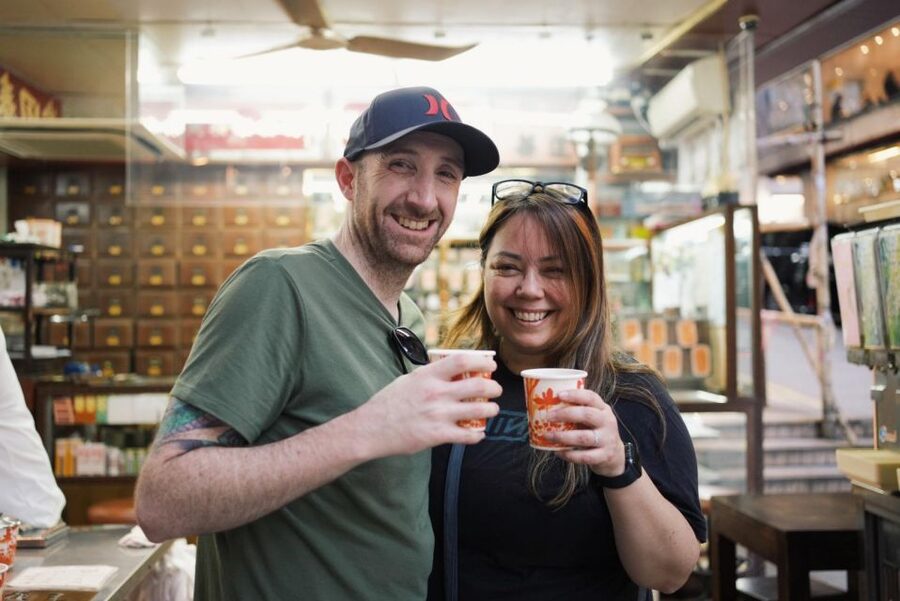
Sun Yuen Restaurant is listed as a 15-minute tasting stop. The broader food selection includes Cantonese BBQ meats, such as roast pork and pork belly, with BBQ pork often singled out as a favorite.
This is the kind of food that can make a short tasting feel like a proper meal. The contrast between crisp, fatty, and savory textures gives you a useful introduction to Cantonese roast-meat culture without requiring a separate restaurant booking.
The tour’s pacing matters here. You are not sitting down for one large lunch. You are eating a series of small portions, so the guide can show you several styles of food while keeping the meal from becoming one long stop.
Still, arrive hungry. Several people finish full enough to skip dinner, and some even leave a final tasting unfinished. That is a sign of generous portions, but it also means this is not the right activity if you prefer light grazing.
Herbal tea and old social habits
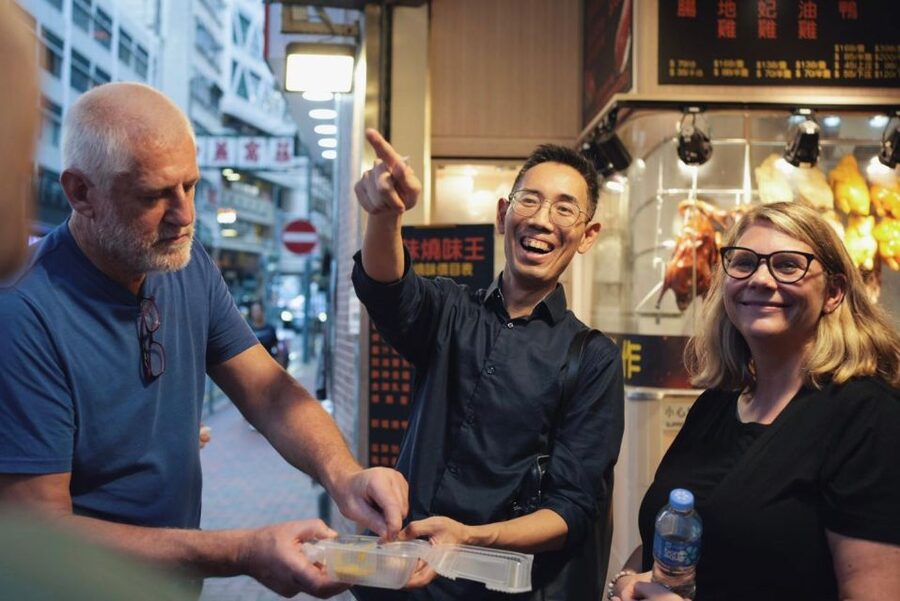
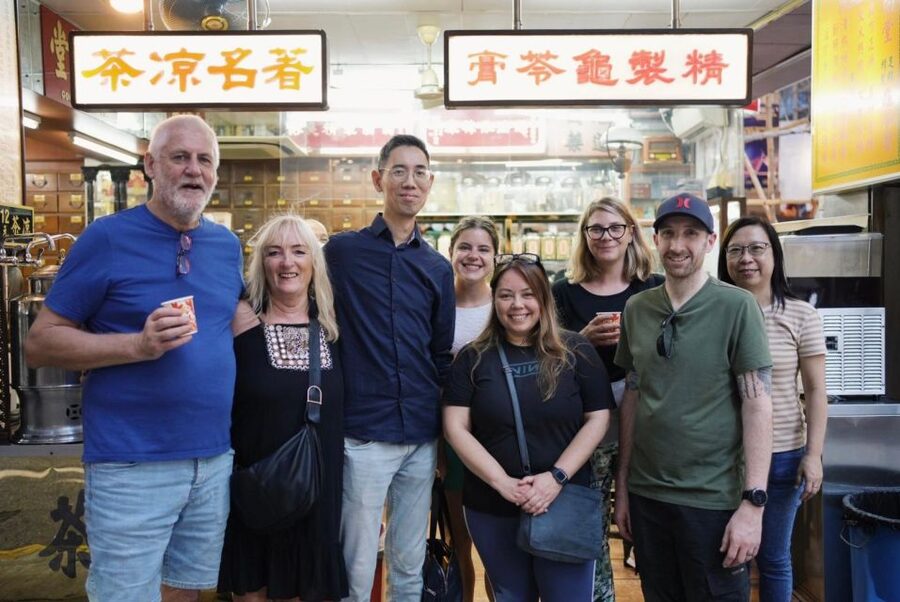
A tea stop lasts about 20 minutes and may include Five Flowers tea or the bitter 24 Flavors tea. These drinks can be a shock if you expect sweet iced tea. Their appeal is tied to traditional ideas about balance and wellness rather than dessert-like flavor.
The tour also explains the role of herbal tea stalls as social spaces in the 1950s. That context makes the drink easier to appreciate. You are tasting something that once fit into ordinary neighborhood routines, not sampling a novelty chosen only for tourists.
The guide may also introduce local tea customs and other Hong Kong drinks. Mandarin Duck, a mix of tea and coffee, is one drink mentioned as a highlight. It is an amusing example of Hong Kong’s habit of combining influences in practical, everyday ways.
Queen’s Road Central and the final tasting run
The longest tasting section takes place around Queen’s Road Central and lasts about 50 minutes. By this point, you have seen the older side of Sheung Wan and can compare it with Central’s commercial setting.
Expect more small bites, which may include egg tarts and egg waffles. Egg tarts offer a soft, sweet finish with a pastry shell, while egg waffles bring a different texture and a distinctly local street-snack feel.
The final route may also include additional dim sum, local barbecue, or sweets, depending on availability. The menu is subject to change, so book this for variety rather than for one exact dish.
The walk finishes at Central Market. That is a useful endpoint for continuing your day, although hotel pickup and drop-off are not included. You can plan your next meal, shopping stop, or sightseeing activity from there without returning to Sheung Wan.
What $51 buys you
At $51 per person, the tour is reasonably priced if you would otherwise pay for several snacks and a meal while also hiring a guide. The cost includes the walking route, an English-speaking local guide, and the food tastings.
The real value lies in the range. In three hours, you try dishes from cafés, noodle shops, dim sum stops, herbal tea stalls, market areas, and local restaurants. You also get an explanation of what you are eating and why it matters.
The price is less attractive if you only want a cheap lunch. You could certainly spend less by choosing one noodle shop or one cha chaan teng. You are paying for the sequence, the introductions, the local explanations, and the confidence to enter places you might not find alone.
The tour has a strong record of guide praise. Michael is noted for personal food stories, Jasmine for energy and warmth, Stephen for careful pacing, Hody for clear information, Alice for her cheerful manner, and Wing for making unfamiliar dishes feel approachable. Guide assignments vary, so book for the experience rather than one guaranteed individual.
Who should book this Hong Kong food tour
I would recommend it to first-time visitors who want a practical introduction to Hong Kong food without spending days researching restaurants. It also suits solo visitors, since the walking route and shared tastings make it easy to meet other people.
Families with older children may enjoy it too. A 13-year-old was reported to have enjoyed the experience, and the variety helps keep the three hours moving. Anyone who likes food history will get more from this than from a simple restaurant crawl.
You should think twice if you are vegetarian, need halal food, or have dietary restrictions. The tour clearly states that it cannot accommodate dietary restrictions, and halal food will not be provided. Allergy concerns should be discussed before booking, but you should not assume substitutions are available.
Bring comfortable shoes and plan around the weather. The tour depends on favorable conditions, and a poor-weather cancellation may lead to another date or a full refund. Free cancellation is available up to 24 hours ahead, and you can reserve now and pay later.
Should you book it?
Book this tour if you want to eat widely, walk through old Sheung Wan, and understand how Hong Kong’s food connects to trade, migration, work, and family life. The combination of dim sum, wonton noodles, BBQ pork, egg tarts, tea, and egg waffles gives you a broad first taste without sending you to obvious tourist restaurants.
Skip it if you need strict dietary control, dislike seafood and rich food, or want a quiet sit-down meal. For everyone else, $51 buys a generous three hours and a useful map of what to try next. Arrive hungry, wear good shoes, and remember to find Exit E2 before leaving the MTR platform.
FAQ
Where does the Hong Kong food tour meet?
The meeting point is Sheung Wan MTR Station Exit E2. Look for the exit while you are still on the platform, because Exit E cannot be reached from the concourse serving Exits A through D.
Where does the tour finish?
The tour finishes at Central Market.
How long does the experience last?
The walking food tour lasts three hours. Check available starting times when booking.
How much does the tour cost?
The listed price is $51 per person.
What food will I taste?
The tastings may include dim sum, har gow, wonton noodles, BBQ pork, roast pork, pork belly, egg tarts, egg waffles, herbal tea, local snacks, and other dishes. The final menu can change based on availability.
Is the tour suitable for vegetarians?
No. The tour is not suitable for vegetarians.
Is halal food provided?
No. Halal food will not be provided.
Is hotel pickup included?
No. Hotel pickup and drop-off are not included. You meet at Sheung Wan MTR Station Exit E2.
What should I bring?
Wear comfortable shoes because a moderate amount of walking is involved. The tour also depends on favorable weather conditions.
Just added around Hong Kong
- Private Kowloon Michelin Rated Street Food & Culture Tour★ 5.0 · 42 reviews
- Kowloon Street Food Tour Private & Personalized with a Local★ 4.5 · 20 reviews
- Organic Combo Dumplings & Xiao Long Bao Class with Market Walk)★ 5.0 · 12 reviews
- Hong Kong ‘Aqua Luna’ Dim Sum Cruise★ 5.0 · 34 reviews
- Top-Rated Hong Kong Tour: Peak Tram, Dim Sum & Cultural Sights★ 4.5 · 99 reviews
- Hong Kong Private Food Tour with Michelin Street Food★ 5.0 · 6 reviews
- Hong Kong Private & Personalized Street Food Tour with a Local★ 4.5 · 6 reviews
- Kowloon: Private Night Markets & Street Food Experience★ 5.0 · 11 reviews
Hong Kong Street Food Tours, compared.
Hong Kong Day Tour: Priority Peak Tram, City Walk & Dim Sum
Read our review →
Small Group Kowloon Michelin Rated Street Food and Culture Tour
Read our review →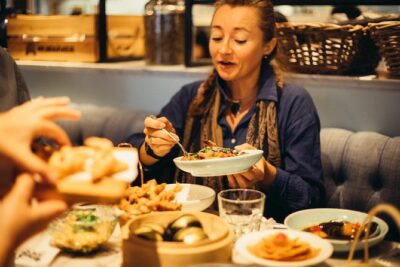
The 10 Tastings of Hong Kong With Locals: Private Street Food Tour
Read our review →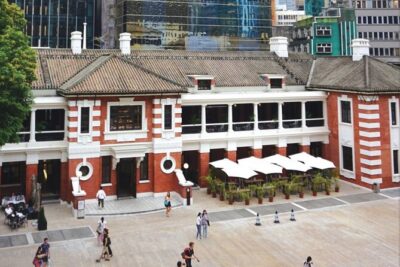
Top-Rated Hong Kong Tour: Peak Tram, Dim Sum & Cultural Sights
Read our review →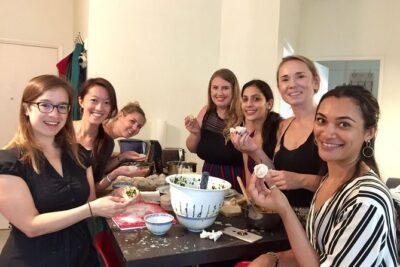
Organic Chinese Dumpling Class with Market Walk
Read our review →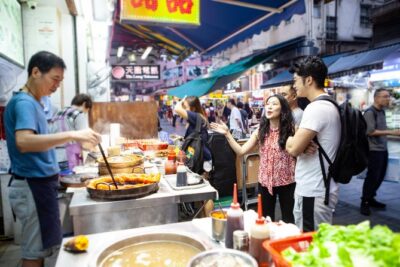
Kowloon Night Street Food Tour with a Local: Private & Customized
Read our review →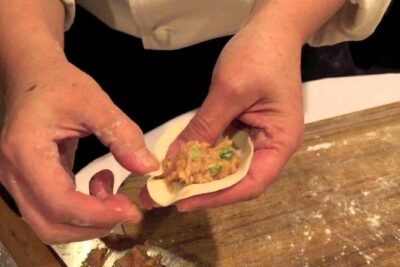
Organic Xiao Long Bao Soup Dumpling Class & Market Walk
Read our review →
Private Kowloon Michelin Rated Street Food & Culture Tour
Read our review →Browse the lists this tour appears in