
REVIEW · BARCELONA STREET FOOD TOURS
Barcelona: Street Food & Sightseeing Tour with Local Market
Barcelona’s best food lessons often happen at a market counter, not in a formal restaurant. This 2.5-hour walk takes you from the Joan Miró mosaic outside Liceu metro to La Boqueria and the old city, with stops for jamón, patatas bravas, cheese, pastries, paella, and other Catalan bites. The food is the main event, while the streets provide the setting.
I like the easy mix of market atmosphere and neighborhood walking, and I like that the tour includes family-run food stops rather than only famous sights. Guides such as Vincent, Francisco, Bea, Pep, and Sophia have been praised for being friendly, patient, and generous with practical advice. The tradeoff is clear: you will walk through narrow historic streets, and the food selection is not suitable for vegans or people with gluten intolerance.
Key points at a glance
- La Boqueria is the centerpiece: Walk through Barcelona’s famous market, where more than 200 stalls sell food and drinks.
- Expect a broad tasting menu: Samples can include Iberian and Serrano ham, olives, cheese, chorizo, paella, empanadas, patatas bravas, pastries, and crema Catalana.
- Guides shape the experience: Vincent, Francisco, Bea, Pep, and others have received strong praise for clear explanations, patience, humor, and food recommendations.
- The route covers old Barcelona: You walk from La Rambla through the market and parts of the Gothic quarter.
- Come hungry: One person wished the portions were larger, and a previous breakfast made the food harder to enjoy.
- Check dietary limits first: Vegetarian requests must be given in advance. Vegan and gluten-free diets cannot be accommodated, and nut cross-contamination is possible.
Starting beneath the Miró mosaic at Liceu
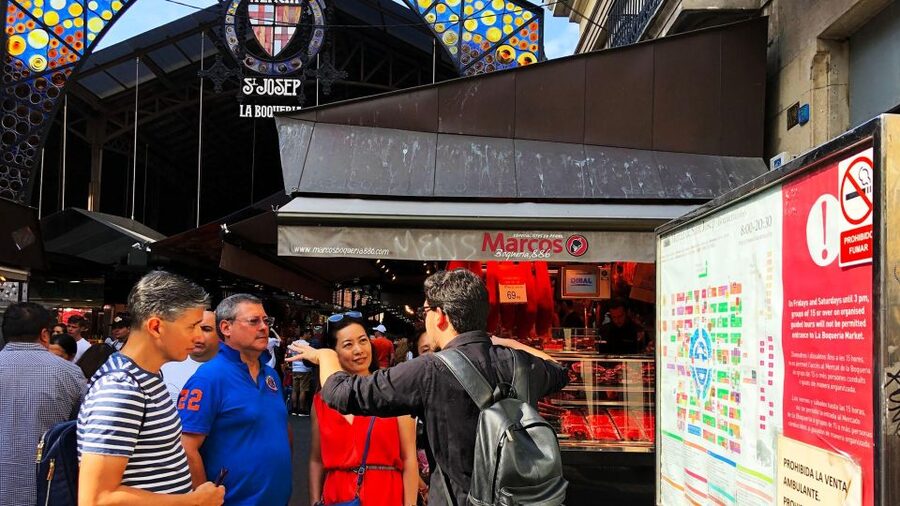
The meeting point is the Mosaico de Joan Miró, on the ground just outside Liceu metro station on La Rambla. This is a useful central location, but take a moment to identify the mosaic itself. One person specifically noted that the meeting point can be easier to find by searching for Mosaico de Joan Miro next to Liceu rather than relying on a slightly different spelling.
From here, you meet an English-speaking guide and begin on foot. The tour has no included transportation, so comfortable shoes matter. The route is not a strenuous hike, but you should expect steady walking through busy public areas, market aisles, and the old city’s narrow streets.
I would book this early in your Barcelona stay if you can. The guides do more than hand you food. They explain what you are tasting, point out places to return to, and offer ideas for meals later in the trip. Several people found the experience especially useful as a first-day introduction to the city.
More Street Food Market Tours in Spain
- Barcelona Market Food Tour, Local & Artisanal Tastings
★ 4.7 · 30 reviews - Tasty Barcelona Street Food Tour With Local Market Visit
★ 4.5 · 24 reviews - Barcelona: Boqueria Market & Barrio Gotico Street Food Tour
★ 5.0 · 12 reviews
La Boqueria, where the tour finds its rhythm
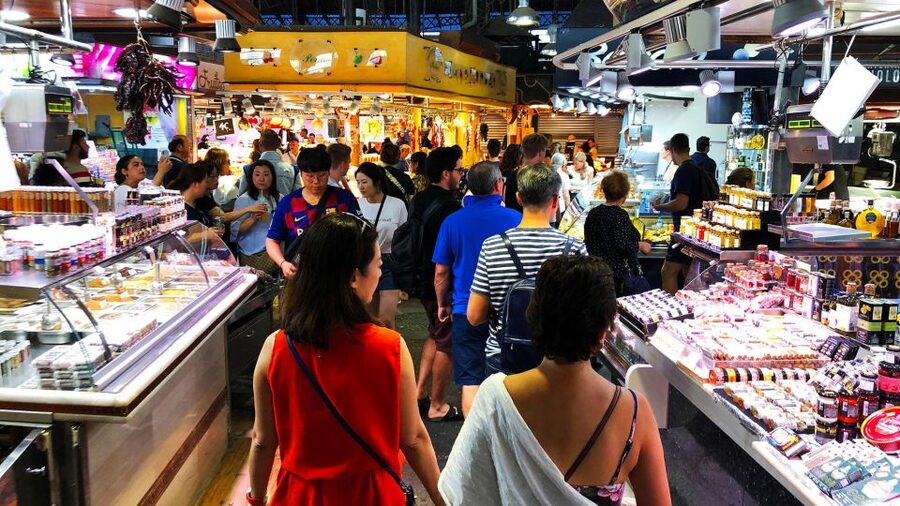
La Boqueria is the visual and sensory center of the experience. More than 200 stalls gather under one roof, with vendors, counters, produce, prepared food, sweets, meats, and bars sharing a compact space. The market can feel crowded, especially around La Rambla, but that is part of its character.
Your guide leads you through the aisles and helps turn the market from a place to photograph into a place to understand. You may see foods you recognize, along with items that need a little explanation. The point is not simply to wander past stalls. You stop to taste, ask questions, and learn how particular foods fit into Catalan and Spanish eating habits.
The market is also one reason this tour works better than a restaurant-only food walk. At a restaurant, your meal arrives in a fixed order. Here, the market gives you a sense of how ingredients are displayed and sold, and how food remains part of daily city life.
Still, La Boqueria is not a quiet classroom. You may need to stay close to the group and listen carefully when the market is loud. If you want long, unhurried time at every stall, the fixed 2.5-hour schedule may feel brisk.
Ham, olives, and the Spanish food lesson
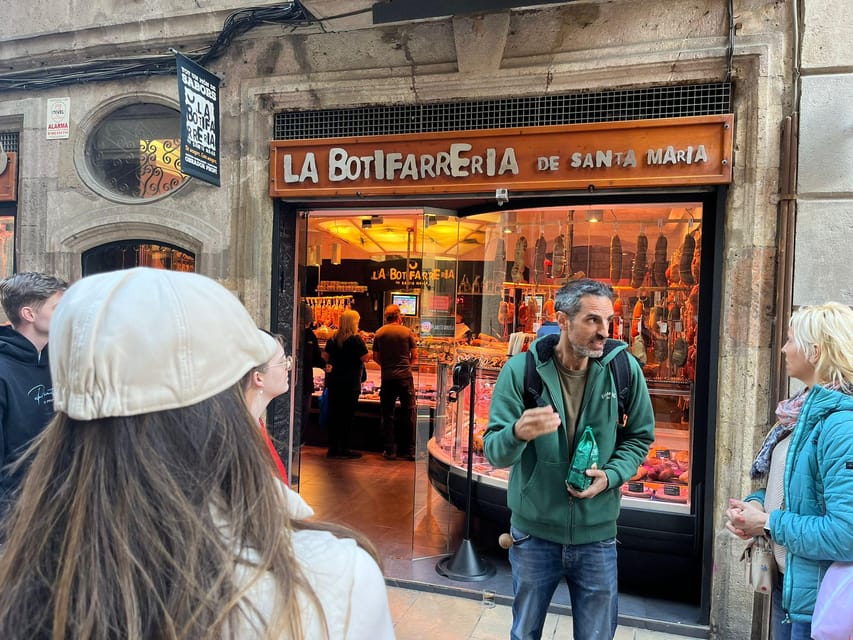
One of the main tastings is dry-cured Spanish ham, often including jamón Ibérico or Serrano. This is a good place to learn why ham quality varies and why the product holds such an important place in Spanish food culture. Your guide can also help you notice the difference between a quick snack and a food worth paying more for.
Other savory tastes may include olives, cheese, and chorizo. These foods are small but useful building blocks for understanding local eating. You are not sitting down to one large meal. Instead, you sample several products and learn what to look for when you later order on your own.
That variety is a major strength. One tour included ham, olives, cheese, chorizo, paella, and more, while another included sweet empanadas and Catalan cream. The exact order and selection can vary, but you should expect a mix of savory and sweet foods rather than one narrow specialty.
The portions are tasting portions, not full restaurant servings. I would not skip breakfast entirely if you need a substantial meal, but I would keep it light. One person regretted eating breakfast before the tour because it reduced the appetite needed for the stops. If you are hoping to replace lunch completely, bring realistic expectations. You will taste a useful range of food, but you may want another meal later.
Patatas bravas and the appeal of simple food
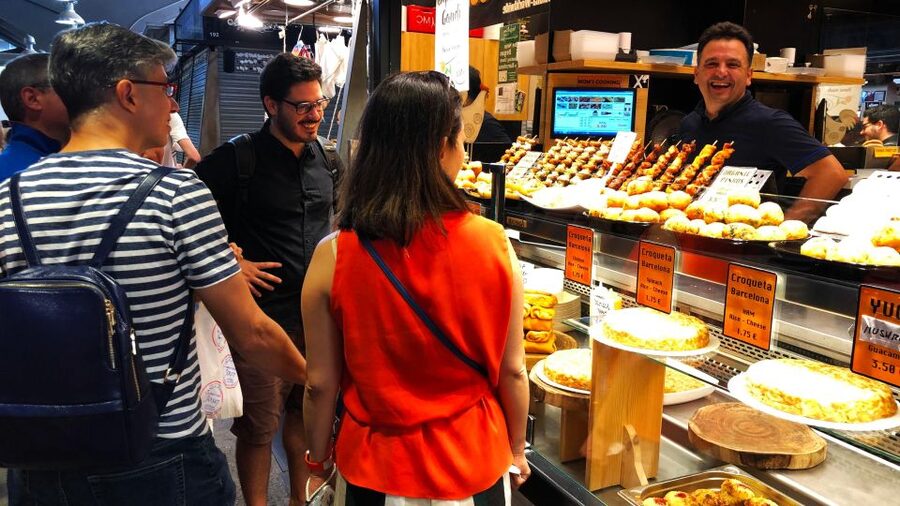
Patatas bravas is one of the signature stops. The dish is simple: fried or roasted potato pieces served with a spicy sauce, often tomato-based. Its appeal lies in the contrast between crisp potato and sauce, and in the way each kitchen handles seasoning and texture.
This is exactly the sort of food that benefits from a guide. You can find patatas bravas all over Barcelona, but a local guide can explain what makes a good plate and point you toward places worth remembering. The tour is not only about eating during the walk. It helps you make better choices afterward.
The food stops are paired with short explanations of recipes and traditions. You also hear about the areas you pass through, so the meal becomes part of a wider picture of Barcelona. The balance is not perfect for everyone. One person wanted more food and less historical content, while another wished there had been more distinctly Catalan dishes. That tells you what to expect: this is a food-and-city tour, not a dedicated Catalan gastronomy seminar.
More Market Food Tours in Barcelona:
- Barcelona Food Markets Private Tour with Tastings
★ 5.0 · 8 reviews - Barcelona Street Food Tour with Local Market & City Center Visit
★ 4.5 · 7 reviews - Barcelona: Local Market & Street Food Walking Tour
★ 4.9 · 6 reviews - Barcelona Street Food Tour: Boqueria Market & Barrio Gotico
★ 4.7 · 3 reviews
Family-run stops and local recommendations
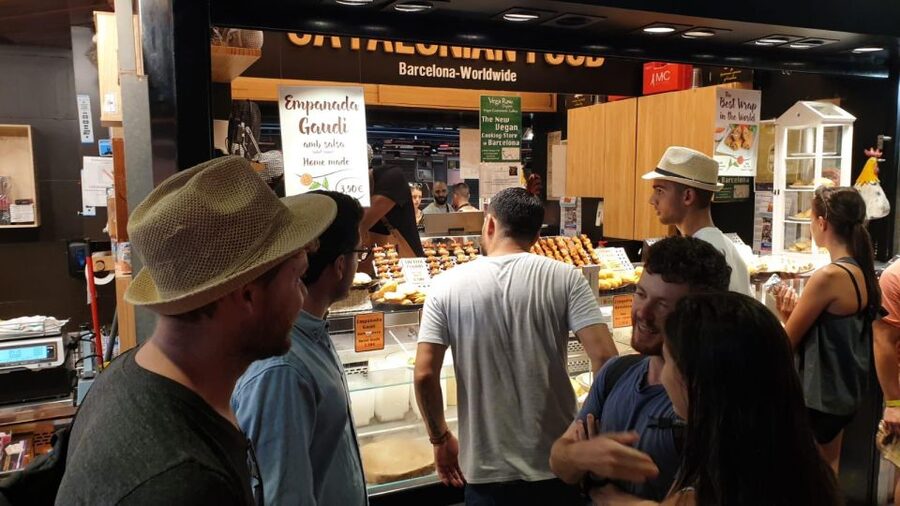
The itinerary includes a stop at a family-run business, along with other local food spots. This gives the tour a more personal feel than a simple market tasting. You get a chance to see how a small business presents its food and to ask the guide where locals eat and what to order.
The strongest part of a guide-led food tour is often the advice between tastings. Vincent was praised for offering practical recommendations about authentic foods and what to look for while exploring on your own. Francisco was described as entertaining and well informed about both the food and the neighborhoods. Bea received praise for adjusting the experience to different dietary needs, though the published conditions still exclude vegan and gluten-free participants.
Guide quality matters here because the food list alone is not especially rare. You could order ham, olives, cheese, and patatas bravas without a tour. What you pay for is the context, the route, and the confidence to try foods you might otherwise pass by.
The guide style appears relaxed rather than theatrical. Comments about Vincent, Francisco, Pep, and others repeatedly emphasize friendliness, patience, clear explanations, and an easy pace. Sophia was particularly patient with a baby in the group and with rainy weather, even allowing extra time to complete the route. That matters if you prefer a conversational walk instead of a tightly scripted performance.
Through La Rambla and into the Gothic quarter
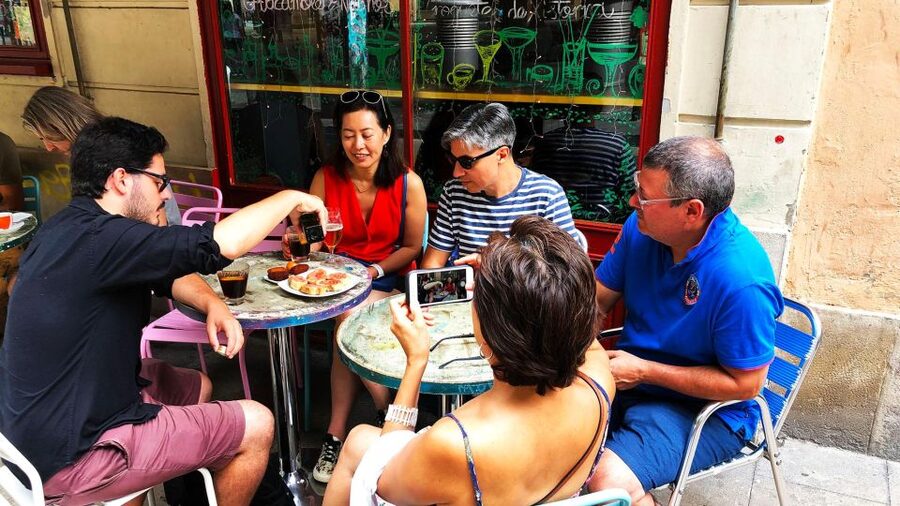
After or between food stops, the route moves through La Rambla and parts of the Gothic quarter. This section gives the tour its sightseeing side. You are not visiting major monuments in depth, but you are using the old center as a backdrop for food, trade, and neighborhood stories.
The Gothic quarter’s narrow streets make a natural contrast with the open sweep of La Rambla. You may find quieter corners, older facades, and small streets that are easy to miss when you are focused on the major sights. The guide adds historical notes along the way, though the amount of history depends on the guide and the group’s pace.
This is useful for first-time visitors because you get an orientation to central Barcelona while learning where to eat. It is less useful if your main goal is a long architectural tour. One person felt there was too much walking and more historical content than expected. If you already know the old center well, the food stops will likely matter more than the sightseeing.
The route is also not designed for wheelchair users. Uneven or crowded streets, market aisles, and the walking format can make access difficult. Anyone with mobility concerns should check before booking rather than assume that a central meeting point means an easy route.
What you eat, and what you do not
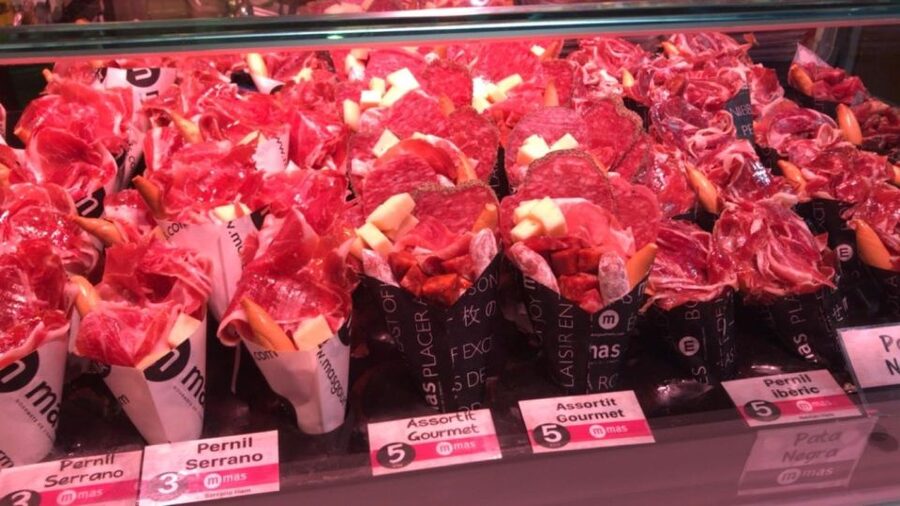
The listed specialties include jamón, patatas bravas, cheese, pastries, and other Catalan street foods. Tasting selections reported on the route have also included olives, chorizo, paella, sweet empanadas, and crema Catalana. The range is broad enough to give you a useful introduction to both savory snacks and dessert.
Crema Catalana is a particularly good finish. It is a classic Catalan dessert, and trying it after salty foods gives the tasting a clear ending. Paella adds a more substantial sample, while empanadas and pastries fill in the lighter snack category.
Do not assume every tour has the identical menu. Market availability, food-stop schedules, and dietary needs can affect the exact selection. Drinks are not included, so any wine, cava, or other beverage will cost extra. Some feedback refers to wine, but you should treat drinks as optional purchases rather than part of the $53 price.
Vegetarians must notify the provider in advance. The tour does not accommodate vegans or people with gluten intolerance. If you have a nut or dried-fruit allergy, cross-contamination is a stated concern. This is not a tour where you should wait until the first stop to explain a serious allergy.
Is $53 a fair price?
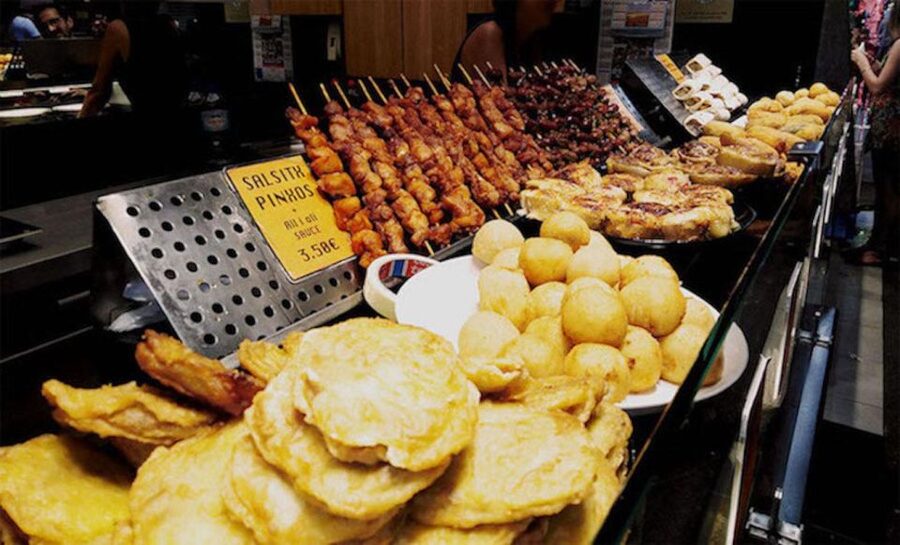
At $53 per person, the value depends on how much you want guidance. You are paying for food tastings, an English-speaking local guide, market access, neighborhood orientation, and a planned route through central Barcelona. You are not paying for transportation, drinks, or a full lunch.
I think the price is reasonable for someone who wants a structured introduction and would otherwise spend time guessing where to eat. The food variety is the strongest argument for the cost. You may taste several items in one morning or afternoon, then use the guide’s recommendations for later meals.
The value is weaker if you mainly want large portions or a formal meal. One person wished the samples were bigger, and another hoped for more Catalan-specific dishes. If you already know Barcelona’s food scene, you may prefer to spend the same money at a single restaurant.
The tour also earns some of its price through the guide’s local knowledge and company. Guides have been praised for being entertaining, patient, and easy to understand. A good guide can make a crowded market feel manageable and help you avoid ordering blindly later.
Who should book this food walk?
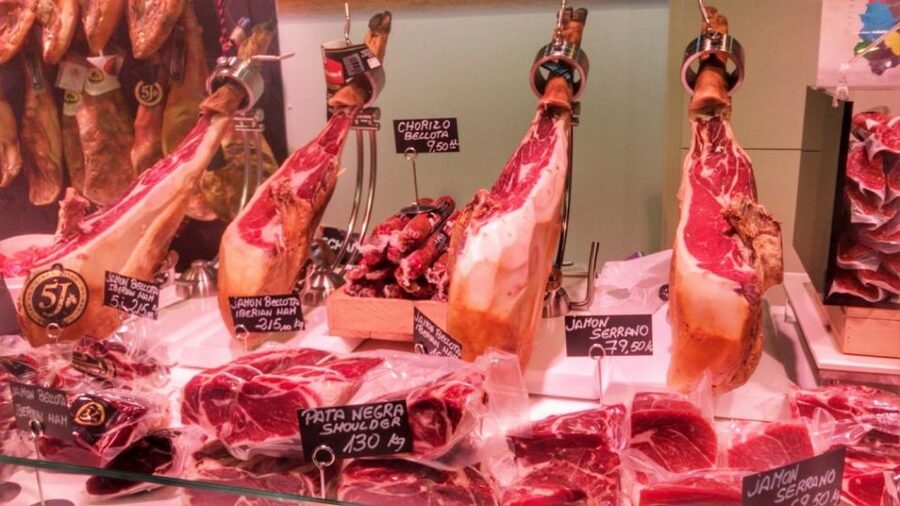
I would recommend it to first-time Barcelona visitors, curious eaters, couples, small groups, and anyone who likes learning through snacks rather than sitting through a long meal. It is also a good choice at the beginning of a trip, when practical food advice can shape the rest of your stay.
Families may appreciate the flexible tone, but remember that the group walks through crowded areas and that the route is not suitable for wheelchair users. If you are traveling with a baby, the guide’s patience may help, but the walking format still requires some planning.
I would skip it if you need a vegan or gluten-free menu, dislike shared public spaces, or want generous portions. I would also skip it if you are looking for a detailed historical tour of the Gothic quarter. The city stories are useful, but food remains the focus.
Final call: book it hungry and early in your stay
Book this tour if you want a friendly introduction to Barcelona’s food culture, a walk through La Boqueria, and practical advice for the rest of your trip. Come in comfortable shoes, leave room for several small tastings, and meet the guide at the Joan Miró mosaic rather than simply searching for a generic La Rambla entrance.
The best reason to book is the combination of food and orientation. You taste ham, potatoes, paella, cheese, sweets, and other local bites while getting your bearings in La Rambla and the Gothic quarter. The main cautions are modest portions, considerable walking, extra drink costs, and strict dietary limits.
FAQ
How long does the Barcelona street food tour last?
The tour lasts 2.5 hours.
How much does the tour cost?
The listed price is $53 per person.
Where does the tour meet?
Meet by the Mosaico de Joan Miró, located on the ground just outside Liceu metro station on La Rambla.
What language is the tour in?
The live tour guide speaks English.
Is La Boqueria included?
Yes. The route includes a walk through La Boqueria, Barcelona’s famous public market.
What foods might I taste?
Possible tastings include jamón, patatas bravas, cheese, pastries, olives, chorizo, paella, sweet empanadas, and crema Catalana.
Are drinks included?
No. Drinks are not included in the tour price.
Can vegetarians join?
Vegetarian options may be possible if you tell the activity provider in advance.
Can vegans or people with gluten intolerance join?
No. The tour does not accommodate vegan participants or people with gluten intolerance.
Is the tour suitable for wheelchair users?
No. The activity is listed as unsuitable for wheelchair users.
What should I bring?
Bring comfortable shoes for walking through La Rambla, La Boqueria, and the historic city center.
Can I cancel the booking?
You can cancel up to 24 hours in advance for a full refund. A reserve-now, pay-later option is also available.
Just added around Barcelona
- Tasty Barcelona Street Food Tour With Local Market Visit★ 4.5 · 24 reviews
- Barcelona Gracia Neighborhood Local Food & History Tour★ 5.0 · 92 reviews
- Barcelona Food Markets Private Tour with Tastings★ 5.0 · 8 reviews
- Barcelona Street Food Tour with Local Market & City Center Visit★ 4.5 · 7 reviews
- Barcelona Tapas Food Walking Tour with Wine in El Born★ 4.5 · 15 reviews
- Barcelona: Gothic, Tapas & Churros Small Group Tour★ 5.0 · 13 reviews
- Barcelona Tapas Tour with a Local Foodie: Personalized & Private★ 5.0 · 26 reviews
- Barcelona : Gothic, Tapas, Churros & Vermouth★ 5.0 · 65 reviews
Barcelona Street Food Tours, compared.
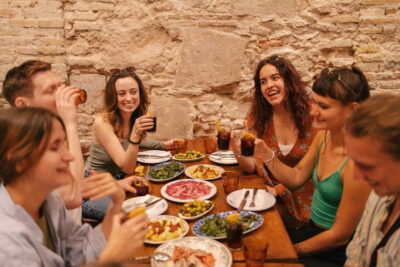
Barcelona: Food Walking Tour with Tapas and Wine
Read our review →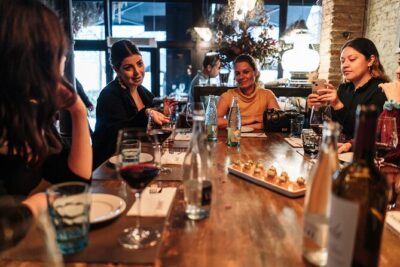
Barcelona: Guided Food Walking Tour with Tapas and Wine
Read our review →
Barcelona: El Born Food Walking Tour with Tapas and Drinks
Read our review →
Sweet Gaudi: the most delicious visit to Casa Vicens
Read our review →
Barcelona Gracia Neighborhood Local Food & History Tour
Read our review →
Family Private Tour: Churros, Hot Chocolate & Games in Barcelona
Read our review →
Barcelona: Churros, Hot Chocolate, and Games Family Tour
Read our review →Browse the lists this tour appears in