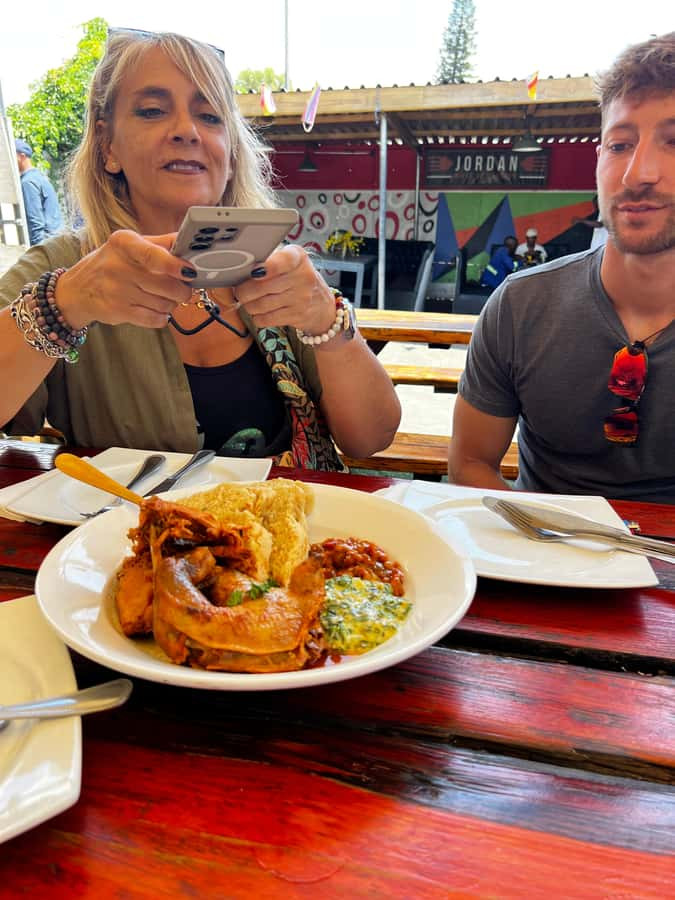
REVIEW · STREET FOOD TOURS
Cape Town: Local street food tour
Langa’s best stories may come with a side of curry. This three-hour tour links township history with food you can actually eat, from bunny chow and boerewors rolls to pap with chakalaka. Guides such as Thando and Mzukisi bring personal knowledge of Langa to the walk, turning a meal into a conversation about daily life, identity, and change.
I like the direct contact with local people, and I like that the food is prepared by locals rather than presented as a polished restaurant tasting. The price includes food samples, a bottle of water, and an English-speaking guide, which gives the tour solid value if you want more than a quick photo stop.
The main consideration is that this is a short, food-focused walking experience, not a full Cape Town sightseeing tour. The menu can vary, and some dishes may be unfamiliar or spicy, so come ready to try rather than expecting a carefully controlled tasting menu.
Key points to know before you go
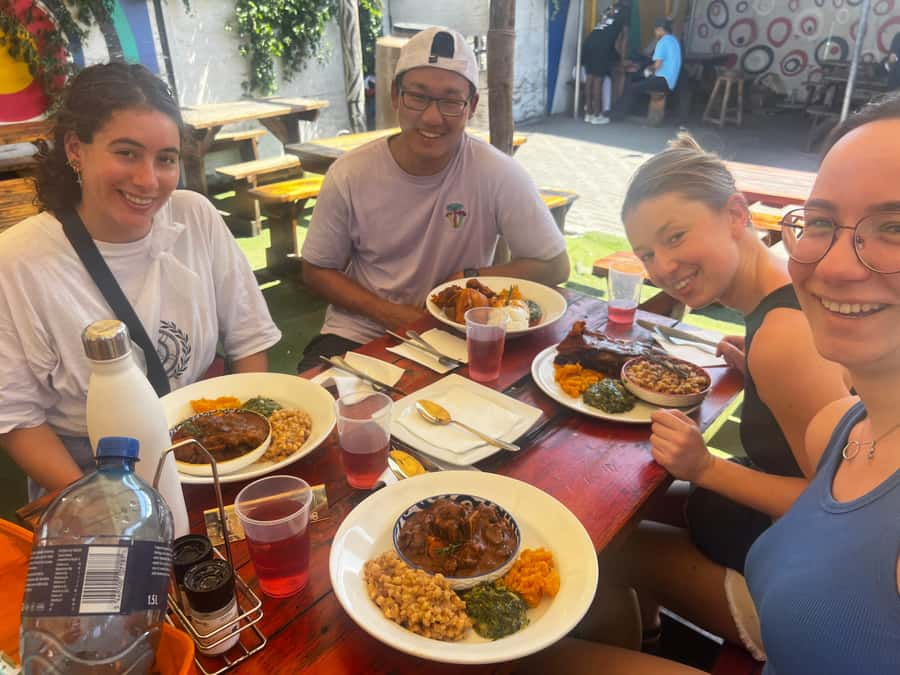
- Start at Guga S’thebe: The cultural center is both the meeting point and the place where the tour ends.
- Expect a local food sampler: Dishes may include bunny chow, boerewors rolls, vetkoek, samosas, pap with chakalaka, braai meats, biltong, and ginger beer.
- The guide shapes the experience: Thando, Mzukisi, and uThando are named guides connected with strong praise for their personal stories and engaging manner.
- Allow three hours: About 105 minutes are set aside for the guided Langa walk and 70 minutes for food tasting.
- You meet the place through people: The focus is on Langa’s culture, history, residents, and future, not just on eating.
- The price is $87 per person: That is a fair buy if you value a guide, several tastings, and local context in one outing.
Langa food with a personal introduction
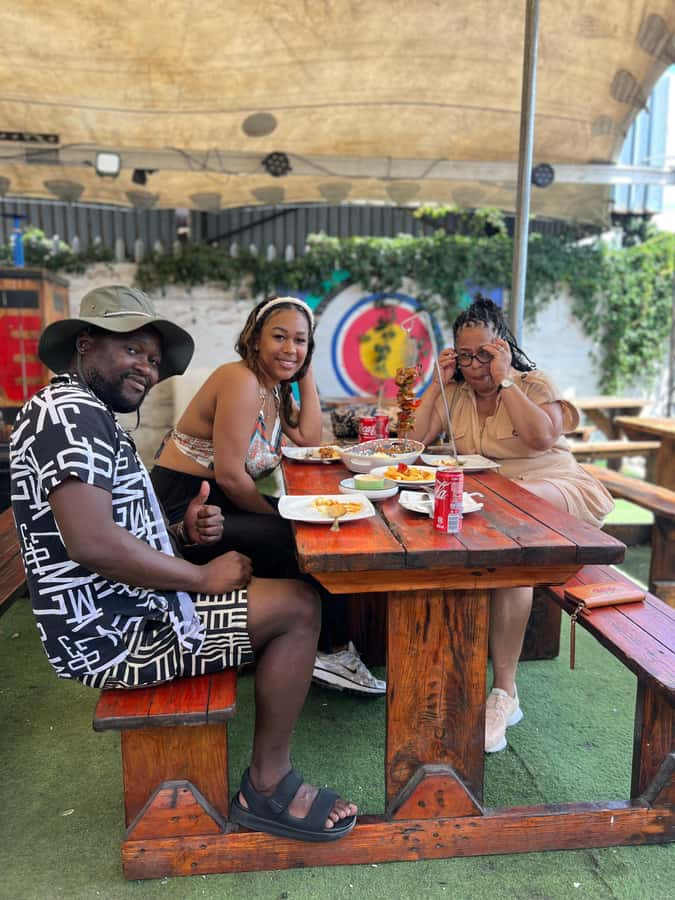
I like food tours that explain where a dish fits into ordinary life. This one is designed around that idea. You are not simply handed a snack and told its name. As you walk through Langa, your guide connects the food with local customs, different cultural influences, and the township’s past.
Langa is the setting, but the people make the tour work. A guide such as Mzukisi, who was born and raised there, can speak about the area from personal experience. Thando is also described as an enthusiastic guide who discusses Langa’s culture, people, food, history, and future. That local connection matters. It can turn a short visit into a more thoughtful encounter.
The tour starts and ends at Guga S’thebe cultural center. This gives the outing a clear shape and avoids the uncertainty of meeting at a random street corner. You begin with the guide, spend roughly an hour and 45 minutes walking through Langa, then have about 70 minutes devoted to tasting food before returning to the cultural center.
A few more street food tours around the world worth a look
- Reykjavik Food Walk – Local Foodie Adventure in Iceland
★ 5.0 · 18,952 reviews - Dubai: Old Town, Creek, Museums, Souks, & Street Food Tour
★ 4.8 · 10,816 reviews - Ho Chi Minh City Street Food Tour & Sightseeing By Motorbike
★ 5.0 · 9,413 reviews
What happens during the 105-minute Langa walk
The walking portion is more than a route between food stops. It is the part of the experience that gives meaning to what you eat later. Your guide explains the history of the township and helps you understand more about its culture. The exact path and stops are not specified, so you should think of this as a guided introduction rather than a fixed sightseeing circuit.
I would pay close attention to the guide during this section. The strongest part of the tour is likely to be the context: how people live, how traditions are carried forward, and how Langa is viewed by someone who knows it personally. The supplied guide names suggest that the experience may be led by Thando, Mzukisi, or uThando, depending on the date and availability.
This personal approach also helps with a common concern about visiting a township: how to behave respectfully. Your guide can explain the setting as you go and help you meet people in a natural way. You are not left to wander around trying to interpret everything on your own.
The walking time is long enough to feel substantial, but not so long that food becomes an afterthought. Wear shoes you can walk in, and keep your schedule open for the full three hours. No separate transportation is described as part of the experience, so plan to reach Guga S’thebe on your own.
Tasting bunny chow, boerewors, and vetkoek
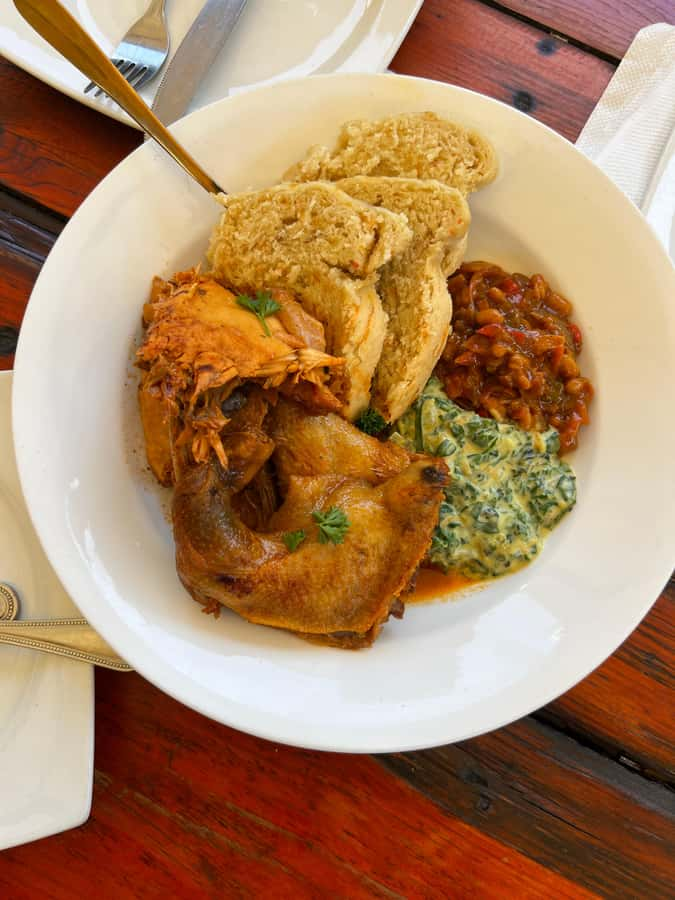
The food section brings together several well-known South African dishes. The selection is broad, and it gives you a useful first taste of how township food combines filling staples, grilled meat, fried dough, spice, and Indian influence.
Bunny chow is one of the headline dishes to look forward to. It is a hollowed-out loaf of bread filled with curry, which may be made with lamb, chicken, or vegetables. The bread is part of the appeal: it holds the curry and makes the dish easy to eat without a formal plate and knife arrangement.
A boerewors roll is more familiar in form, but still very South African. A grilled boerewors sausage is served in a soft roll, usually with chutney or tomato sauce. It is hearty, simple, and built for eating while you are out and about.
You may also try vetkoek, fried dough that can be filled with minced meat or served with jam. It is a good example of a food that works as either a savory snack or a sweet comfort food. The contrast with samosas is useful: both are portable and fried, but the fillings and seasonings give them different personalities.
The tour lists samosas among its possible tastes. These pastries may contain spiced potato, peas, or meat. Their presence points to the Indian influence that has become part of South African food culture. If you enjoy small snacks with strong seasoning, samosas may be one of the easiest dishes to appreciate immediately.
Pap, chakalaka, braai, and biltong
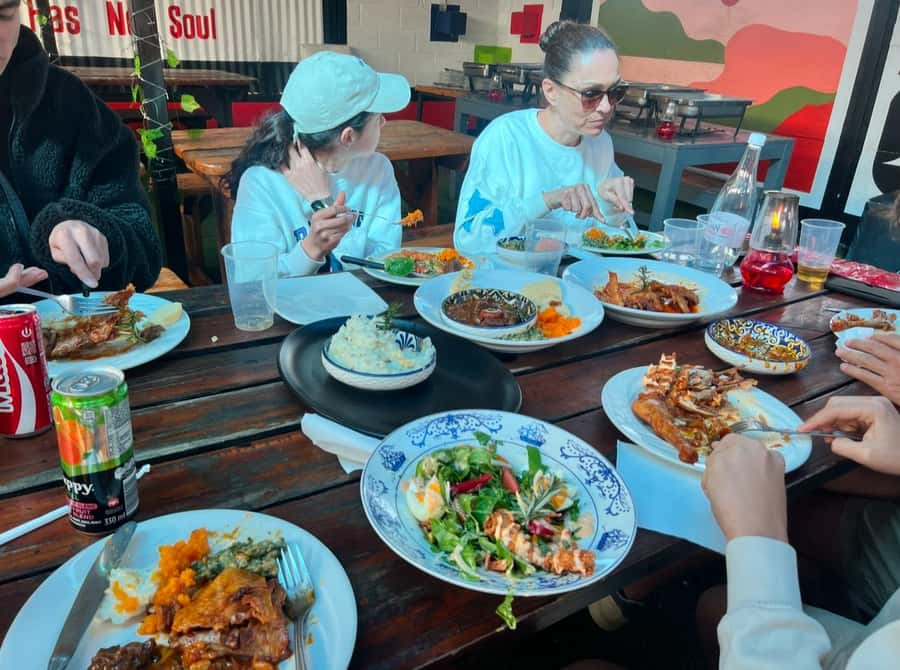
The meal also introduces foods that feel more like staples or shared dishes. Pap is a maize porridge, often served with chakalaka, a spicy vegetable relish. The combination is filling and practical, and it gives you a better sense of everyday home-style food than a collection of novelty bites would.
A street braai adds a social element. Chicken, lamb, or beef may be grilled over open flames, with people gathering around the cooking and eating together. The appeal is not just the meat. It is the communal way food is prepared and shared. Your guide can help explain that atmosphere as part of the wider culture of the township.
You may also sample biltong, South Africa’s dried, cured meat. It comes in different styles, including spicy and sweet versions. Biltong is a convenient snack, but its importance here is that it gives you another taste and texture altogether: dry, chewy, salty, and concentrated.
For a drink, the tour lists freshly pressed ginger beer juice. It is described as sweet and refreshing, a useful break between savory tastes. A bottle of water is included too, which is a small but welcome detail during a three-hour outing.
Because the food list includes several possibilities rather than a guaranteed course-by-course menu, I would not book this expecting every item in the description in one sitting. Think of it as a generous guide to the kinds of food you may encounter. The exact choices can depend on what is available locally.
Same city, a different plate:
- Medellin: Comuna 13 Graffiti Tour, Cable Car & Street Food
★ 4.8 · 9,046 reviews - Dubai: Old Town, Souks, Street Food, Guided Tour & Abra Ride
★ 4.9 · 7,170 reviews - Naples: Street Food Walking Tour with Local Guide
★ 4.9 · 4,976 reviews - Small Group Hanoi Street Food Tour with a Real Foodie
★ 5.0 · 4,682 reviews
Why the local guide matters
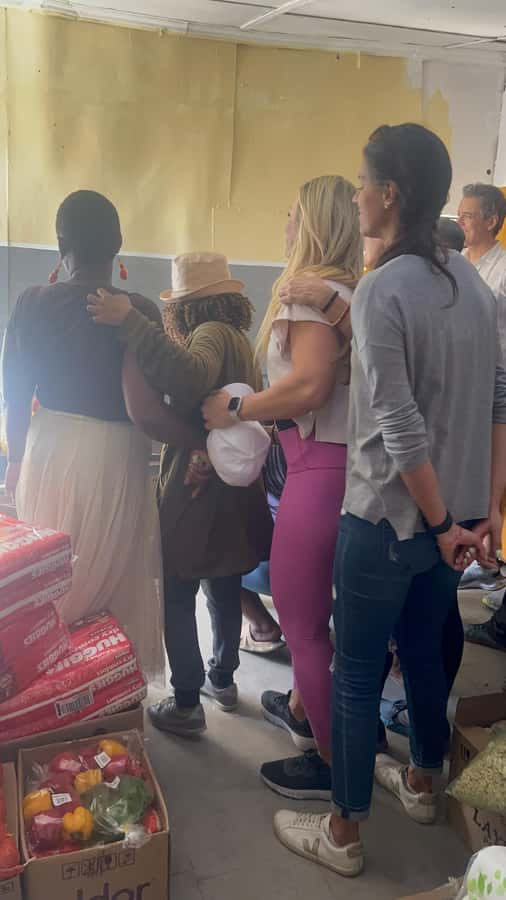
A food tour can easily become a quick parade of dishes. The guide is what prevents that from happening here. The strongest comments about this experience focus on guides who explain Langa clearly, speak with enthusiasm, and make people feel comfortable while walking through the township.
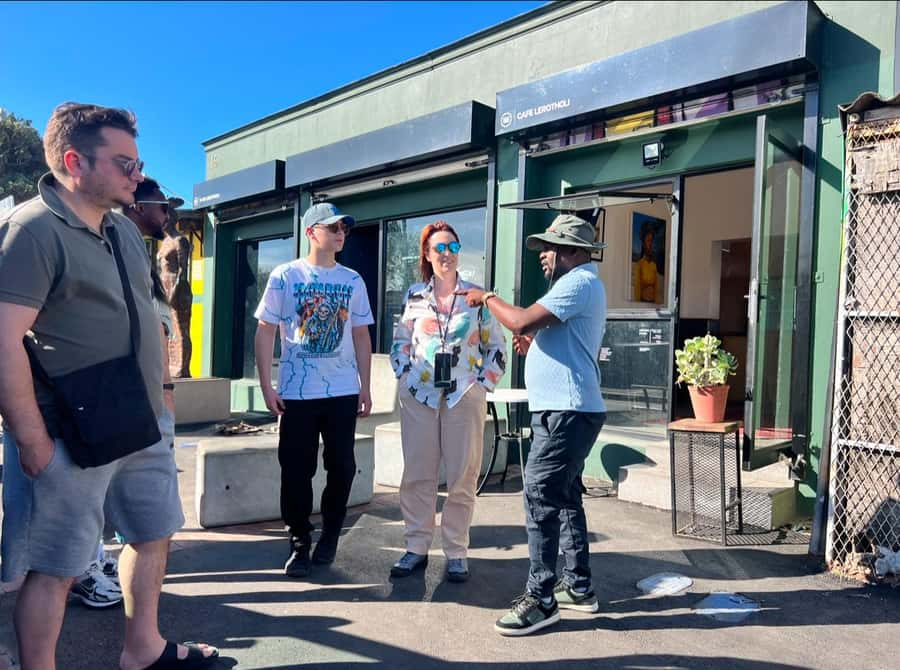
Mzukisi is described as Langa-born and raised, with a strong ability to explain the area. Thando is praised for discussing not only the past but also Langa’s future. Another guest described uThando as engaging and ambitious. These details suggest that the guiding is not limited to memorized facts.
You should still keep your expectations sensible. A three-hour tour cannot explain every part of Langa or South African history. What it can do is give you a local starting point, introduce you to several foods, and help you ask better questions about the place you are seeing.
I especially like the emphasis on meeting local people. That does not mean every encounter will be long or formal. It means the tour is built around food made by locals and conversations connected to the community. The result should feel more grounded than a standard city excursion.
Is $87 a fair price?
At $87 per person, this is not the cheapest way to eat in Cape Town. You could certainly buy individual snacks for less. The value comes from putting food, guiding, cultural context, and local introductions into one three-hour experience.
The price includes a qualified guide, meals to taste, and a bottle of water. It also saves you from having to identify unfamiliar dishes on your own or guess which places are appropriate to visit. If you are interested in food but want the stories behind it, that package makes sense.
I would rate the value as strongest for first-time visitors to Cape Town, food lovers, and people who want a more personal look at Langa. It is less compelling if your main goal is simply a large meal or a broad tour of Cape Town’s major sights.
A five-out-of-five rating is attached to the experience, based on six reviews, with praise focused on the guides, food, history, and sense of safety. That is encouraging, but the small number of ratings means I would treat it as a positive signal rather than a guarantee that every group will have the same guide or menu.
Who should book this Langa food tour?
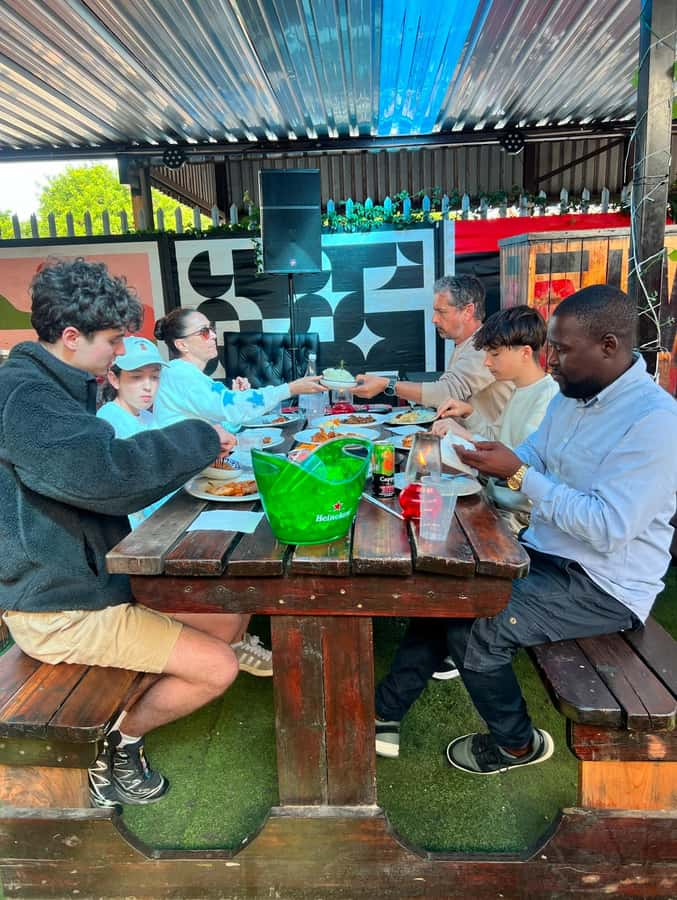
I would recommend it to you if you enjoy trying local dishes and listening to the person serving as your guide. It suits curious eaters who want to understand why food matters, not just photograph it.
It is also a good choice if you are uneasy about visiting a township independently. A local guide gives you structure, answers questions, and helps you engage respectfully. The feedback specifically highlights feeling safe during the walk, which is important when deciding how to visit an unfamiliar part of a city.
Families and mixed-age groups may find the short format manageable, but no specific age guidance is provided. People with strict dietary needs should ask before booking because the available foods, fillings, and cooking methods are not detailed. The same applies if you avoid meat, spice, fried food, or dairy.
This is not the best fit for someone who wants a formal cooking class, a luxury meal, or a tightly timed list of famous attractions. It is a casual street-food experience with history and conversation at its center.
Booking details worth knowing
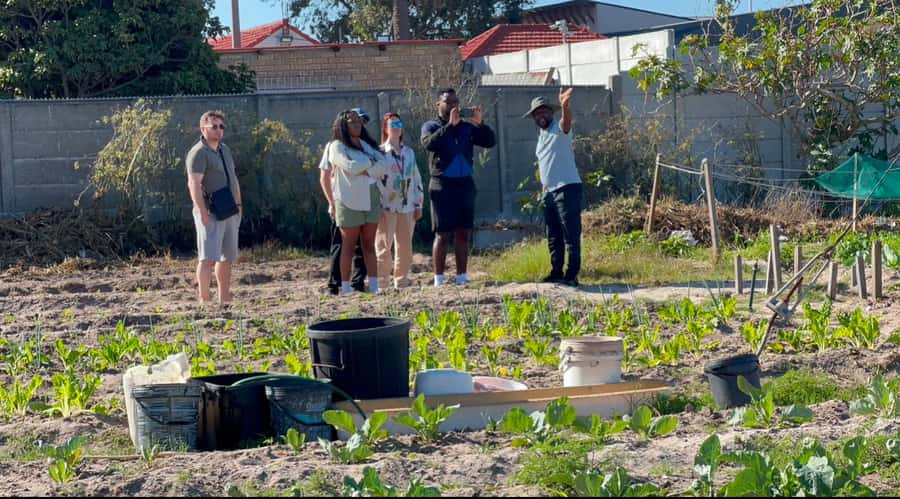
The tour is conducted in English and lasts three hours. You meet at Guga S’thebe cultural center, begin the guided portion in Langa, spend about 70 minutes tasting food, and return to the same center.
You can cancel up to 24 hours before the start for a full refund. A reserve-now, pay-later option is also available, which is useful if your Cape Town plans are still moving around. The activity allows you to skip a ticket line, although the main value here is the guide and local access rather than entry to a major attraction.
Remember to tip the guide. It is not included in the stated price, and the personal guidance is a central part of what you are paying for.
My verdict: book it for food, people, and context
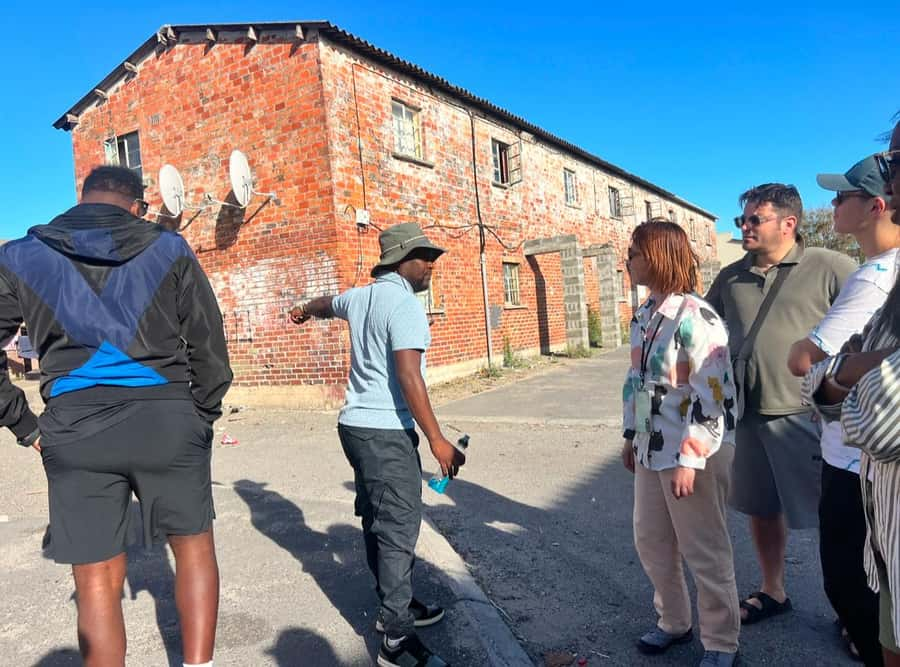
I would book this tour if I wanted a compact and personal introduction to Langa. The combination of local food, a guide with ties to the township, and time spent learning about its history gives the experience more weight than a simple snack crawl.
The best reason to go is the chance to connect dishes such as bunny chow, pap, chakalaka, vetkoek, and braai meat with the people and place behind them. The main limitation is the short schedule and uncertain exact menu. If you accept that flexibility, $87 is a reasonable price for three hours of food and local insight.
FAQ
Where does the Langa street food tour start and finish?
The tour starts at Guga S’thebe cultural center and returns there at the end.
How long does the tour last?
The activity lasts three hours. About 105 minutes are allocated to the guided Langa tour, followed by about 70 minutes of food tasting.
What language is the tour conducted in?
The live tour guide speaks English.
What food might I taste?
Possible foods include bunny chow, boerewors rolls, vetkoek, samosas, pap with chakalaka, street braai meats, biltong, and ginger beer juice. The exact selection is not specified.
Is food included in the price?
Yes. Meals to taste and a bottle of water are included.
How much does the tour cost?
The stated price is $87 per person.
Can I cancel or pay later?
You can cancel up to 24 hours in advance for a full refund. You can also reserve the activity and pay later.
Just added around the world
- Walking Street Food Tour and 2 UNESCO Sightseeing in Kathmandu★ 5.0 · 4 reviews
- Kathmandu Street Food Walking Tour – Eat Like a Local★ 5.0 · 3 reviews
- Key West Street Food Private Local Guided Tour★ 3.5 · 2 reviews
- Kampala Bar Crawl, Beer Tasting and Street Food (6 Hours)★ 5.0 · 2 reviews
- The 10 Tastings of Kandy With Locals: Private Street Food Tour★ 4.5 · 85 reviews
- Unique street food tour from at least 6 different cultures!★ 5.0 · 29 reviews
- Nighttime Boda Boda Street Food Tour★ 5.0 · 6 reviews
- Bali Street Food Tour★ 5.0 · 44 reviews
Street Food Tours, compared.
Ho Chi Minh City Street Food Tour & Sightseeing By Motorbike
Read our review →
Dubai: Old Town, Souks, Street Food, Guided Tour & Abra Ride
Read our review →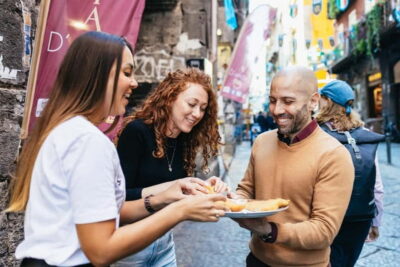
Naples: Street Food Walking Tour with Local Guide
Read our review →
Small Group Hanoi Street Food Tour with a Real Foodie
Read our review →
Saigon By Night and Street Food By Motorbike | Opt: Ao Dai Riders
Read our review →
Private Street Food Tour by Motorbike/Car with Local Students
Read our review →