
REVIEW · USA STREET FOOD TOURS
Charleston: Savor the Flavors Upper King Street Food Tour
Upper King Street is where Charleston’s old food traditions meet its newer restaurant scene. On this 2.5-hour walking tour, you sample four to five dishes while a local guide explains how Lowcountry cooking developed and why certain foods still matter here.
I like the range of tastings, from benne wafers and sweet tea to shrimp and grits, and I like the chance to eat in several restaurants rather than sit through one long meal. Guides such as Nancy and Fran have been praised for being friendly, informative, and good at getting people talking.
The main caution is that the food can be uneven, and the exact stops and dishes may change. This is also a walking tour in all weather, with no child rate, no wheelchair access, and a minimum booking of two people.
Key points to know before booking
- Four to five tastings: Portions can add up to a full meal, so eat lightly beforehand.
- Upper King Street setting: You walk a few blocks through one of Charleston’s best-known dining districts.
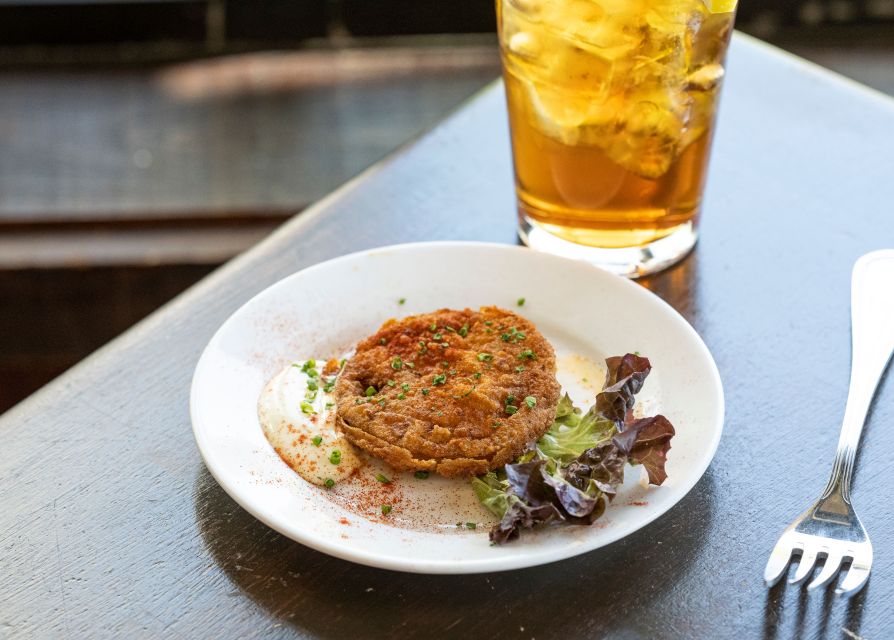
- Lowcountry focus: Expect regional dishes such as she-crab soup, shrimp and grits, pimento cheese, and fried green tomatoes.
- Guides make the difference: Nancy and Fran have been singled out for warm conversation and strong local food knowledge.
- Leisurely but outdoors: The pace is gentle, but the tour runs rain or shine.
- Best for adults and older teens: Children under 6 are not allowed, and the tour is not recommended for anyone under 14.
Why Upper King Street makes a good food-tour base
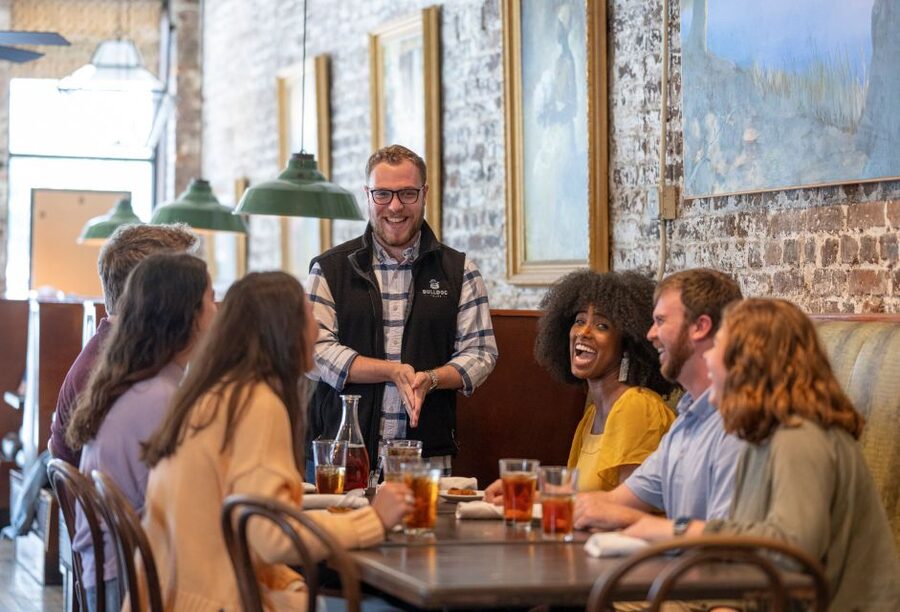
Upper King Street gives you a useful snapshot of Charleston’s changing food culture. This part of town is known for restaurants that work with familiar Southern ingredients but present them in newer ways. You are not simply checking off a list of dishes. You are seeing how old recipes fit into a modern dining district.
The route covers a few blocks, so you should not expect a long city walk. That is good news if you want to keep your appetite and your feet fresh. One person found the walk too short, but most of the value here comes from moving between food stops and hearing the stories attached to what you eat.
The street itself adds energy to the experience. You get the feel of a restaurant district rather than a formal market tour. That means the atmosphere can be lively, but it also means your stops take place in working restaurants where timing and menus may change.
I like this format for a first day in Charleston. You can learn which local dishes appeal to you, then return to Upper King Street later for a full meal. It is also a useful choice if you want food context without giving up an entire afternoon.
A few more street food tours around the USA worth a look
- New York City Mafia and Local Food Tour led by NYPD Guides
★ 5.0 · 1,197 reviews - True Crime NYC: Mafia Walk w/Ret. NYPD Detective and Local Food
★ 5.0 · 848 reviews - Charleston Upper King Street Food Tour
★ 4.5 · 200 reviews
The tasting lineup: from tea sandwiches to shrimp and grits
The tour offers four to five tastings, and the exact lineup is not fixed. You might begin with lighter Southern bites such as tea sandwiches, deviled eggs, benne wafers, or pimento cheese. These foods show how Charleston cooking can be both refined and plainspoken.
Benne wafers are thin sesame cookies with West African roots, and they give you a quick taste of an ingredient that has long been part of Lowcountry cooking. Sweet tea offers another easy introduction to the region’s food habits. These early samples are small, but they help explain why Southern food is about more than fried dishes and barbecue.
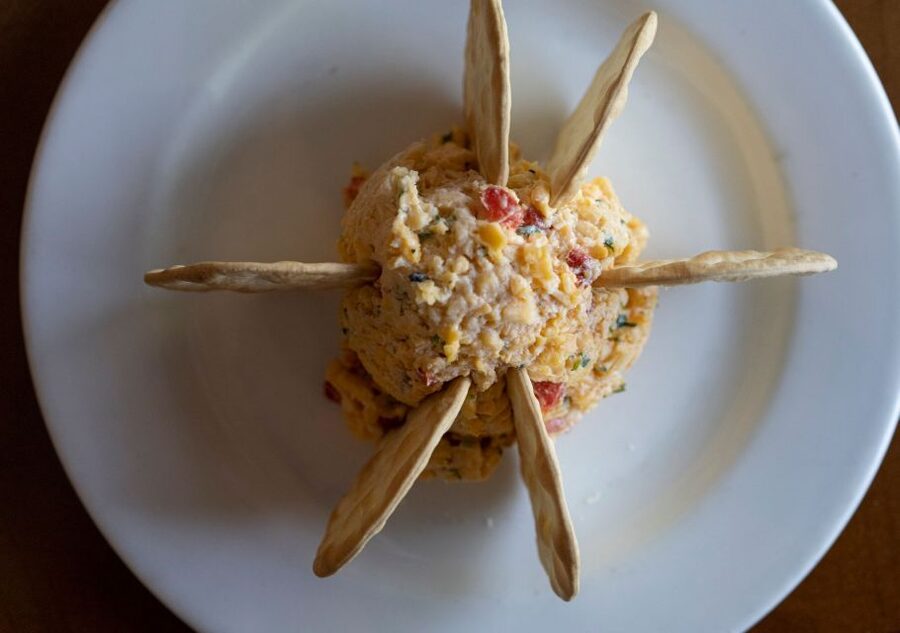
Fried green tomatoes may appear as another stop. Their appeal comes from contrast: a firm, tart tomato inside a crisp coating. Pimento cheese brings a softer, savory spread to the table. It is familiar to many people, but local versions can vary widely in texture, sharpness, and seasoning.
The more substantial tastings may include shrimp and grits, she-crab soup, or another seafood dish. Shrimp and grits is one of the clearest examples of Lowcountry cooking because it combines local seafood with a filling Southern staple. She-crab soup is creamier and more delicate, with crab flavor at its center.
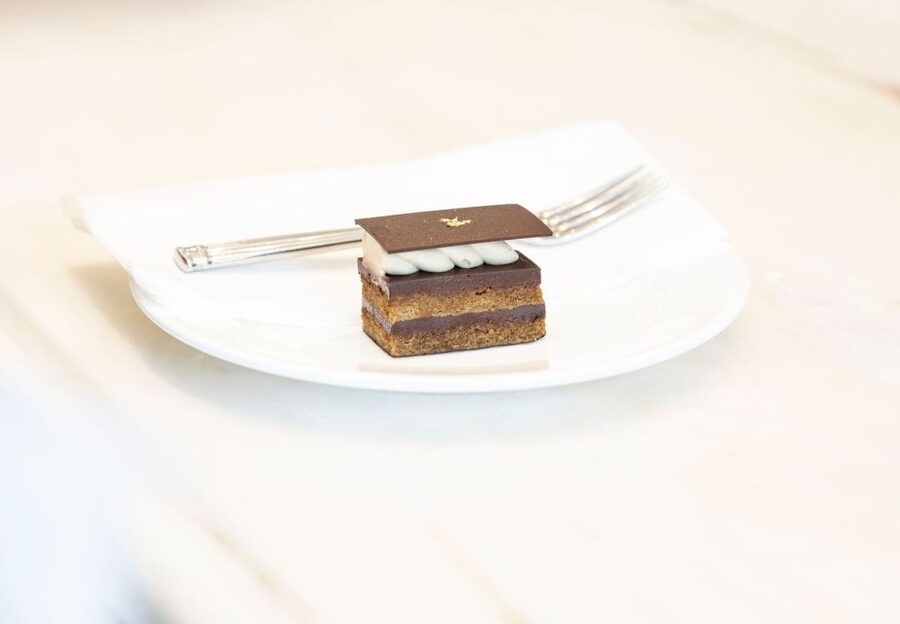
Past menus have also included mussels and opera cake, so you should think of the published food list as a guide rather than a promise. One tasting may be excellent while another feels ordinary. A portion of bland soup, disappointing clams, or average pimento cheese can affect the meal, so food quality is not perfectly consistent from stop to stop.
That said, the variety is the point. You are likely to taste sweet, salty, creamy, crisp, and seafood-based dishes within one short route. By the end, you should have a much better idea of which Charleston specialties deserve a second meal.
What the guide adds between each bite
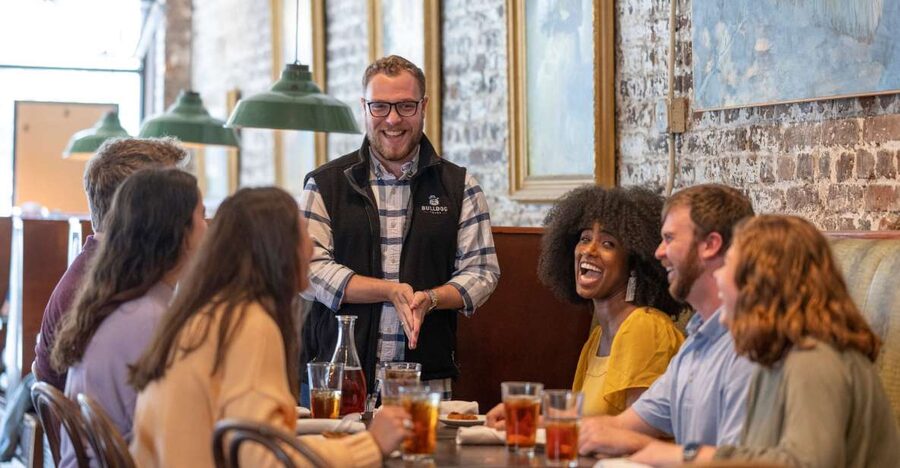
The guide is not just there to lead you down the street. The tour also covers Lowcountry dining customs and traditions, along with the local story behind the food. That context matters because several of these dishes have connections to Charleston’s coastal setting, Southern home cooking, and cultural exchange.
A good guide can explain why sweet tea is such a familiar part of the region, how benne wafers became associated with Charleston, and why shrimp and grits moved from a simple local dish into restaurant menus. The information helps you recognize the difference between a dish that is simply popular and one that tells you something about the place.
The strongest part of this experience seems to be the human side of the tour. Nancy has been praised for encouraging conversation about each person’s regional food background. That is a small but useful touch. Instead of giving a speech and moving on, she creates space for you to compare Charleston food with what you know from home.
Fran has also been praised for excellent local knowledge, good food selections, and generous portions. You should not assume every guide will have the same style, but the guide can shape the whole afternoon. An engaging host makes a simple tasting feel like a shared meal. A flat or distracted host can make even a good dish feel less special.
The language is English, and this is a live guided experience rather than an audio walk. If you want to ask about ingredients, customs, or the neighborhood, that format is much more useful than following a recorded route.
How much food will you receive?
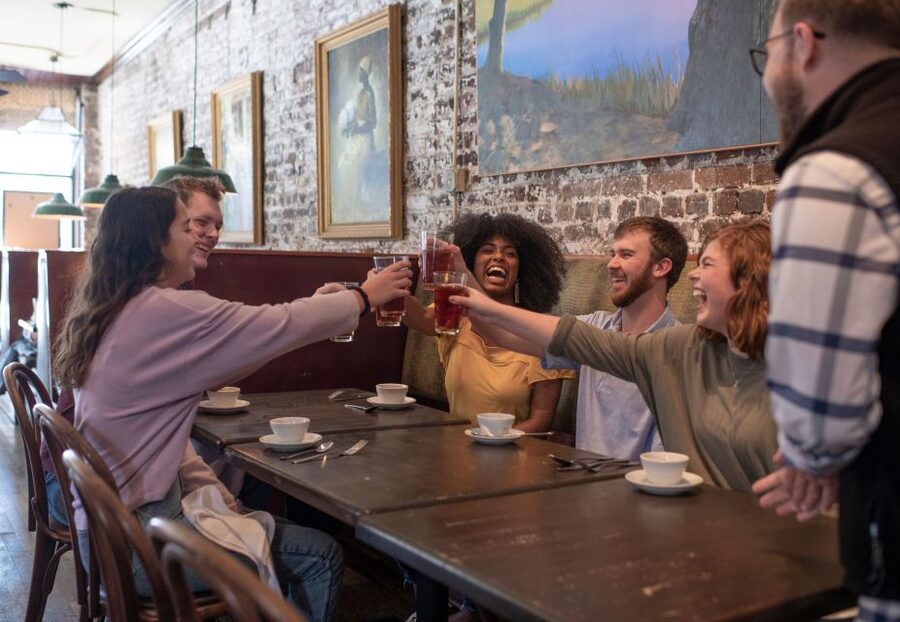
The tour lasts 150 minutes and includes four to five tastings. That may sound modest, but several stops can be more filling than expected. A serving of shrimp and grits, soup, or mussels adds up quickly when combined with sweets, sandwiches, and fried foods.
You are advised to eat something light in the morning. I would take that seriously, especially if your tour begins near lunchtime. Arriving hungry helps, but arriving with an empty stomach may leave you uncomfortable before the final stop.
The portions have not always been identical. Some visitors have found them generous enough to replace dinner, while another person received only a small amount after an allergy concern limited the available food. The safest way to plan is to treat the tour as a substantial lunch or early dinner, but keep a little flexibility in your schedule in case you want another meal later.
You should also avoid booking a large meal immediately before the tour. The appeal is not only tasting each item but having enough appetite to notice how the dishes differ. Charleston food often uses rich sauces, creamy textures, and fried elements, so pacing yourself helps.
Same city, a different plate:
- New Orleans Food Walking Tour of the French Quarter with Small-Group Option
★ 5.0 · 6,118 reviews - SoHo, Little Italy, and Chinatown Walking Tour in New York
★ 5.0 · 3,153 reviews - Historic Ybor City Food Walking Tour
★ 5.0 · 2,210 reviews - Miami: Little Havana Food Walking Tour with Tastings
★ 4.9 · 1,181 reviews
Food quality and the allergy warning
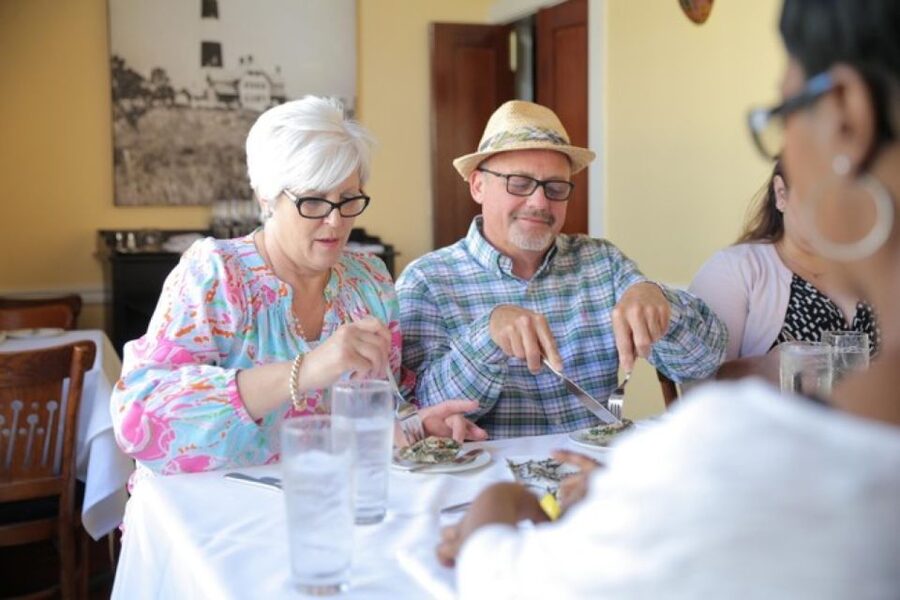
Food quality is the largest reason to approach this tour with realistic expectations. Several tastings have been described as delicious, and one guide received praise for excellent food and good portions. But not every dish will necessarily impress you.
Some dishes may feel more memorable than others. Victoria’s was specifically recommended as a worthwhile stop, while soup, clams, and pimento cheese did not impress one person. That variation is common on a multi-restaurant tour, but it matters when you are paying for a fixed experience.
Allergies need special care. An allergy request was not handled properly for one booking, and shrimp was served despite advance notice. Since shared frying oil may be used, cross-contact can also limit what you can safely eat.
If you have a serious allergy, contact the provider before booking and confirm that your needs have been received and can be accommodated. Do not rely on a request made without confirmation. If the available food is restricted, you may receive only a few safe items, which can make the $110 price harder to justify.
Dietary information beyond that point is not provided, so you should not assume the tour can adapt to every restriction. Anyone with a significant allergy should consider this a key booking decision, not a minor detail.
Is $110 a fair price?
At $110 per person, this is not a cheap way to grab lunch. You are paying for four to five tastings, a live English-speaking guide, neighborhood interpretation, and the convenience of moving between several venues in one organized route.
The value improves if you enjoy food history and want a guided introduction to Charleston rather than simply ordering one meal. You also avoid the risk of choosing a restaurant without knowing what local dishes to try. A good guide can save you time and give you a clearer sense of what belongs on your Charleston food list.
The value is weaker if you mainly want large portions or guaranteed access to top-quality dishes at every stop. The food is not uniform, and the price does not include hotel pickup or drop-off. You also need to make your own way to the meeting point and plan for an outdoor walk.
I would compare the cost with the price of a full meal at a restaurant you already know you want to visit. If your main goal is one excellent dinner, spend the money there. If you want several small tastes plus local explanation, the tour offers something a restaurant meal cannot.
Walking, weather, and practical comfort
The pace is described as leisurely, and the route covers only a few blocks. You do not need to prepare for a strenuous hike, but comfortable shoes still make sense. You will be on your feet for much of the 2.5 hours and moving between restaurants.
The tour operates rain or shine. A rainy day does not cancel the food, but it can make the walk less pleasant. Bring weather-appropriate clothing and be ready to walk outdoors between stops. One group had heavy rain and still enjoyed the experience, but weather remains a real factor in your comfort.
This is not wheelchair accessible. The tour is also not recommended for children under 14, and children under 6 are not permitted. There is no child rate, so families should factor in the full adult price for eligible children.
Bookings require at least two people to run. If you are traveling alone, you should confirm that the tour will operate before arranging the rest of your day. The option to reserve now and pay later, along with free cancellation up to 24 hours before the tour, gives you some flexibility when your schedule is still changing.
The best fit for this Charleston food walk
I would choose this tour if you enjoy trying several dishes in small portions, asking questions, and learning why local food looks the way it does. It works especially well for a first visit, when you want a friendly introduction before choosing your own restaurants.
It also suits couples and small groups who like to compare impressions as they eat. The conversation element can be as useful as the food, especially with a guide who invites you to talk about your own food traditions.
I would be more cautious if you are a serious food enthusiast looking for a carefully controlled tasting menu. The stops can vary, and one or two dishes may be average. I would also think twice if rain would spoil your day, if you use a wheelchair, or if you need strict allergy protection.
The tour is probably best treated as a guided food orientation, not a guaranteed list of Charleston’s finest bites. That is still valuable. You leave with a better vocabulary for Lowcountry cooking and a clearer idea of where to spend the rest of your dining budget.
Should you book the Upper King Street food tour?
Book it if you want a relaxed introduction to Charleston food, enjoy walking between several restaurants, and value local stories as much as the tastings. The strongest reasons to go are the regional range, the Upper King Street setting, and guides such as Nancy and Fran, who bring warmth and useful local context.
Skip it if you need fully reliable allergy handling, a wheelchair-accessible route, child-friendly pricing, or consistently outstanding food at every stop. At $110, uneven dishes will matter.
For most adults who want to understand Charleston through its food, this is a worthwhile afternoon, provided you arrive hungry, wear comfortable shoes, and keep your expectations flexible.
FAQ
How long does the Charleston Upper King Street food tour last?
The tour lasts 150 minutes, or 2.5 hours.
How many food tastings are included?
You receive four to five food tastings at different locations.
What food might be served?
Possible tastings include tea sandwiches, deviled eggs, benne wafers, sweet tea, fried green tomatoes, shrimp and grits, she-crab soup, and pimento cheese. The exact dishes may vary.
Is the tour guided?
Yes. A live guide leads the tour in English and discusses Charleston food history, Lowcountry dining customs, and local traditions.
Does the tour include hotel pickup and drop-off?
No. Hotel pickup and drop-off are not included.
Is the tour suitable for children?
The tour is not recommended for children under 14. Children under 6 are not permitted, and child rates are not available.
Is the tour wheelchair accessible?
No. The tour is not wheelchair accessible.
What happens if it rains?
The tour operates rain or shine. Dress for the weather because you will walk between food stops.
Can I cancel the tour?
You can cancel up to 24 hours in advance for a full refund. You can also reserve your place and pay later.
Just added around the USA
- Japanese Street Food Class in Beech Grove★ 5.0 · 9 reviews
- 6 Hour Local Food Plate Jeep Tour★ 5.0 · 4 reviews
- Detroit Food Walking Tour★ 4.0 · 3 reviews
- Denver Downtown 16th Street Food Tour★ 5.0 · 29 reviews
- 5-course Walking Food Tour in Dallas History + Cocktail opt.★ 5.0 · 75 reviews
- Dallas’ Best Tacos and Margaritas Coach Tour★ 4.5 · 97 reviews
- West Side Market Food Tour★ 4.0 · 31 reviews
- River North Food Walking Tour★ 4.5 · 88 reviews
USA Street Food Tours, compared.
New Orleans Food Walking Tour of the French Quarter with Small-Group Option
Read our review →
SoHo, Little Italy, and Chinatown Walking Tour in New York
Read our review →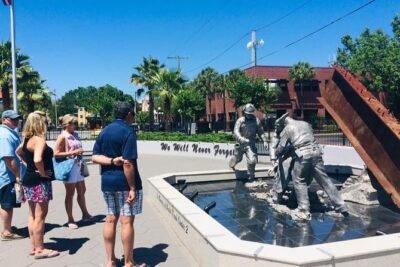
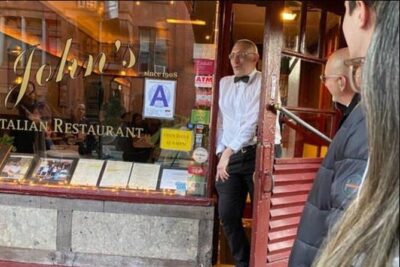
New York City Mafia and Local Food Tour led by NYPD Guides
Read our review →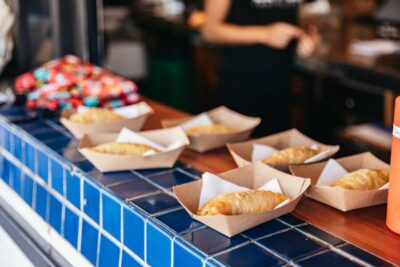
Miami: Little Havana Food Walking Tour with Tastings
Read our review →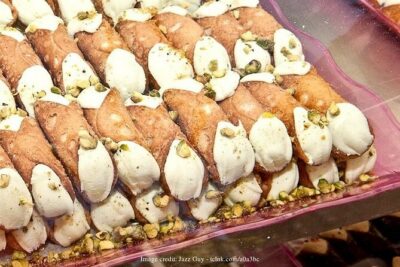
True Crime NYC: Mafia Walk w/Ret. NYPD Detective and Local Food
Read our review →

Browse the lists this tour appears in