
REVIEW · DUBAI STREET FOOD TOURS
Dubai Street Food Tour
Dubai’s best food stories are found far from hotel dining rooms. This three-hour evening walk takes you through old Bur Dubai and Deira, with Indian snacks in the Textile Souk, a wooden abra across Dubai Creek, camel milk ice cream, spice stalls, shawarma, and a final mutton kebab at Al Ustad Special Kebab.
I like the small group size, capped at eight, and the way the food stops are tied to Dubai’s trading past. I also like the mix of tastes: sweet chocolate dates and ice cream, sharp spices and perfume oils, then a full kebab dinner. Guides Annette and Regina have been praised for making the walk personal and explaining the city clearly.
The main drawback is the price: $165 per person is a serious sum for three hours, even with dinner and tastings included. This is not a good fit for vegetarians or vegans, and anyone expecting a full museum visit should know the meeting point is outside Dubai Museum.
Key points at a glance
- Indian flavors in the Textile Souk: Begin with a hot Indian snack and a short lesson in the long trading links between Dubai and India.
- Abra ride across Dubai Creek: Use Dubai’s traditional wooden water taxi as part of the route, not as a separate sightseeing add-on.
- Spice Souk tasting stops: Try chocolate dates, juice, and traditional ice cream while browsing saffron, frankincense, vanilla, camel milk products, and other local goods.
- Dubai’s famous shawarma: Taste the city’s best-known street food, a meat-filled wrap often compared with a burrito.
- Dinner at Al Ustad Special Kebab: Finish with Persian-style mutton kebab in a restaurant decorated with old photographs, newspaper clippings, and banknotes from around the world.
- A compact, meat-focused tour: The group is limited to eight, but the menu is not suitable for vegetarians or vegans.
Why old Dubai makes the better food tour
Modern Dubai is easy to admire through glass towers and luxury malls. This tour takes you somewhere more useful for understanding how the city grew: the low-rise districts around Dubai Creek, where trade, shipping, food, and migration shaped daily life.
You meet at 5 pm near the main entrance of Dubai Museum in Al Fahidi Fort, on the Bur Dubai side of the creek. The meeting point is about a five to seven minute walk from Al Fahidi Metro Station, and taxis know the fort. You make your own way there, since hotel pickup is not included.
The route is especially good for first-time visitors who want a clear introduction to old Dubai. Your guide explains how pearls once drove trade in the Gulf and how Indian merchants supplied textiles, building materials, food, and spices. That background gives the snacks more meaning. The Indian flavors here are not a recent restaurant trend. They are part of the city’s long commercial life.
The walk begins around the Indian market, also called Souk Al Khabeer in parts of the area. Shops sell textiles, clothing, gold, food, and other goods. You have time to look into some shops, but the main purpose is to eat and listen as you walk.
A few more street food tours around Dubai worth a look
- Dubai: Old Town, Creek, Museums, Souks, & Street Food Tour
★ 4.8 · 10,816 reviews - Dubai: Old Town, Souks, Street Food, Guided Tour & Abra Ride
★ 4.9 · 7,170 reviews - Dubai: Old Town, Souks, Street Food, Guided Tour & Abra Ride
★ 5.0 · 1,664 reviews
A hot snack in the Textile Souk
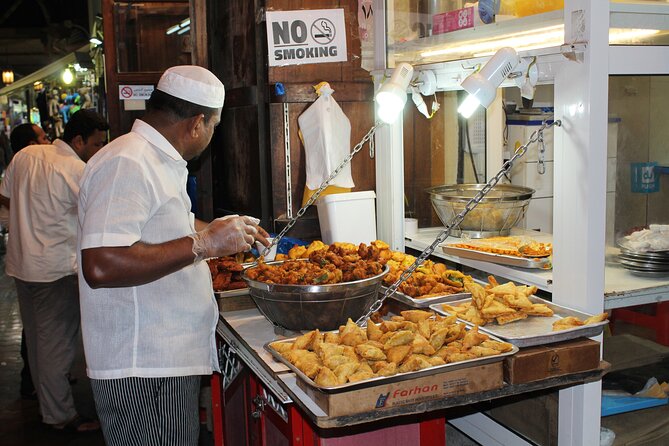
The first tasting is an Indian snack, served hot as you pass through the Textile Souk. The supplied details do not name the exact dish, so you should expect a small tasting rather than a full meal at this stage.
That uncertainty is not a problem for most people. It is part of the pleasure of a food walk, especially when the guide can explain the local setting and the connection between Indian cooking and Dubai’s trade routes. If you need to know every ingredient in advance, ask the guide before eating.
The Textile Souk also gives you your first chance to shop. You may find colorful cloth, clothing, and other items, but this is not mainly a shopping excursion. Keep your attention on the food and the stories, and return to a shop only if something catches your eye.
This opening section lasts about an hour, including the first food stop and time in the market. Wear comfortable shoes. Three hours sounds short, but the route includes walking, boat crossings, market browsing, and several tastings.
Crossing Dubai Creek by abra
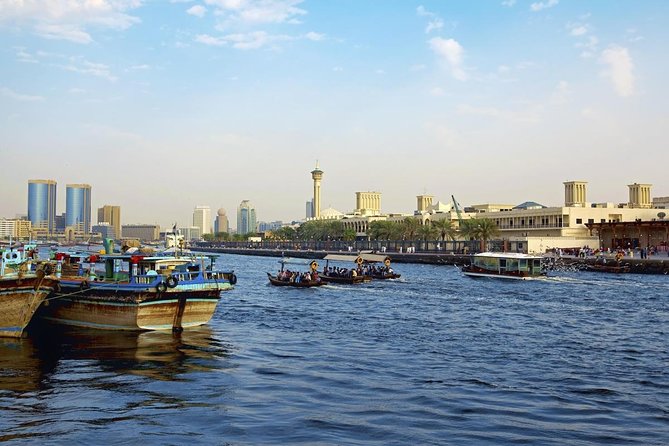
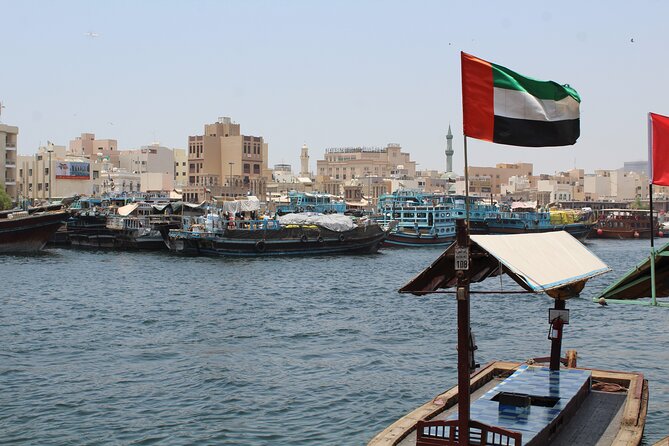
From Bur Dubai, you cross Dubai Creek by abra, a wooden water taxi used as an official public mode of transport. It is a short ride, listed at about 15 minutes as part of the route, but it provides one of the tour’s best changes of scene.
At water level, the city lights begin to come on. You leave the textile shops behind and arrive in Deira, where the Spice Souk and Gold Souk offer a sharper contrast to the quieter lanes around Al Fahidi.
The abra is included, so you are not paying separately for this part of the journey. It also keeps the tour from feeling like a string of restaurant visits. The route itself is part of the experience.
On the Deira side, you try camel milk ice cream. It is a distinctive local product and a fun contrast to the hot Indian snack that came before it. You also receive juice and chocolate dates later around the Spice Souk. These smaller tastings help pace the walk, though you should not mistake them for the main meal.
Spices, saffron, and chocolate dates
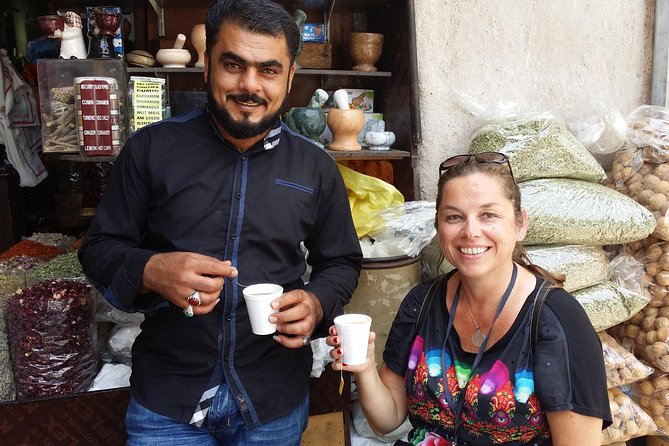
The Spice Souk is the tour’s most colorful shopping stop. Covered lanes hold stalls selling herbs, spices, sweets, and spice mixes. Many of the merchants are from Iran, and your guide can help you ask about the products and their origins.
You get to sample a chocolate date and talk with vendors about spices, including products shipped from Iran. You may also see saffron, Madagascan vanilla, frankincense, myrrh, and camel milk goods such as soap and chocolate.
This is a good place to buy a small souvenir that connects to the region. Saffron, frankincense, or a camel milk product may be more meaningful than a generic item from a mall. Still, take your time before buying. The tour gives you a chance to look, but it does not promise that every stall offers the same prices or quality.
The Spice Souk section is listed at about 15 minutes, so this is a tasting and orientation stop rather than an extended shopping session. If you want to inspect products closely, the schedule may feel brisk. You can browse, but the group must continue to the next food stop.
Same city, a different plate:
- Dubai: Old Town, Street Food, Creek, Souks, & Emirati House
★ 4.9 · 1,496 reviews - Old Dubai: Premium Guided Tour with Street Food & Abra Ride
★ 4.9 · 416 reviews - Dubai Top Highlights: Frame Entry, Souks, Abra & Street Food
★ 4.8 · 344 reviews - Dubai: Premium Old Town, Street Food, Souks & Boat Ride Tour
★ 4.9 · 262 reviews
Gold, perfume, and the shawarma stop
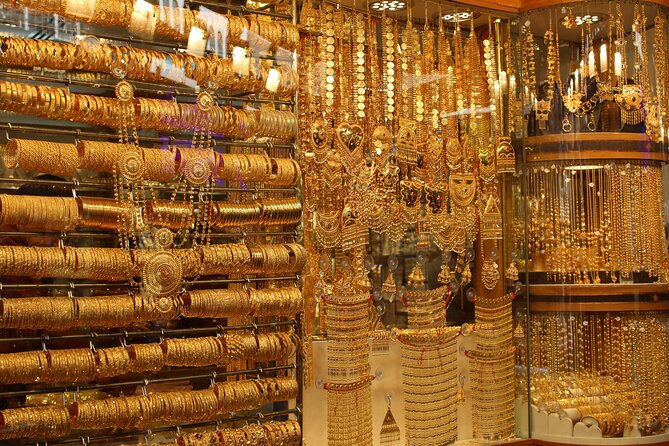
The route continues along the main street of the Gold Souk. Dubai’s nickname, the City of Gold, makes more sense here, where shop windows display elaborate gold jewelry. The tour does not include a jewelry purchase or a formal shopping session, but you may look inside the stores if you wish.
The Gold Souk is followed by the Perfume Souk. Here, you smell traditional oil-based perfumes produced in the United Arab Emirates and learn about their main ingredients. This is a useful addition to a food tour because scent is part of how markets work. Spices, sweets, perfume oils, and cooked meat all compete for your attention in the same walking route.
Then comes shawarma, Dubai’s best-known street food. You receive a meat-filled wrap, often described as the Gulf answer to a burrito. This is one of the more substantial tastings, but it is not the final dinner.
The Gold Souk and shawarma section takes about 30 minutes. The timing is sensible, since a long meal here would leave you too full for the final restaurant. If you are hungry before the tour, have a light snack rather than arriving after a large meal.
A second crossing and a Mumbai-style street snack
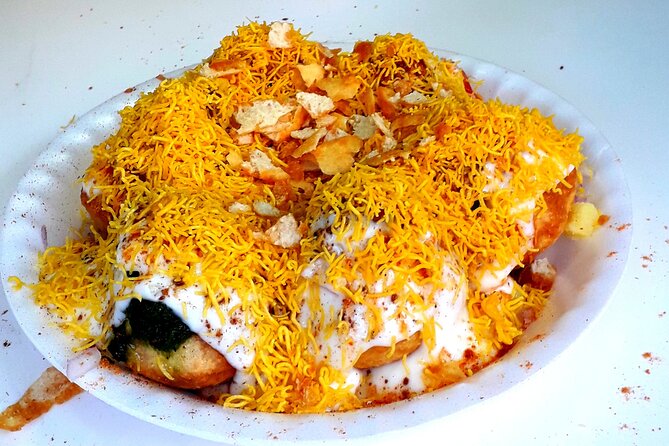
After the Deira portion, you cross Dubai Creek again by boat and return to Bur Dubai. The route then leads through narrow lanes to a street food spot serving dahi puri, a Mumbai-style snack.
Dahi puri combines several flavors and textures in one small bite. The tour describes it as a mix of refreshing and lively tastes, making it a useful counterpoint to the shawarma. You get another example of how Indian food has become part of Dubai’s everyday eating culture.
This stop is included in the Bur Dubai section, which takes about an hour along with the final restaurant visit. Since the exact serving size is not specified, think of dahi puri as another tasting, not a replacement for dinner.
The menu makes the tour unsuitable for vegetarians and vegans, despite the presence of some meat-free snacks and sweets. Meat is central to the shawarma and mutton kebab, so ask about dietary needs before booking if you have restrictions beyond vegetarian or vegan requirements.
Dinner at Al Ustad Special Kebab
The final stop is Al Ustad Special Kebab, one of Dubai’s oldest restaurants according to the tour description. Here, you eat mutton kebab made from a secret Persian family recipe.
This is the point where the tasting route becomes a proper dinner. The kebab is described as juicy, and the restaurant’s interior adds a memorable visual layer. Walls are covered with old newspaper clippings and photographs of Dubai, along with thousands of faded international banknotes left by visitors.
That decoration gives you something to look at while you eat, but the setting also fits the tour’s main idea. Dubai is a city shaped by people arriving from elsewhere, trading goods, cooking familiar food, and leaving traces behind. The restaurant turns that story into a room full of pictures and currency.
Dinner is included, as are the earlier tastings and bottled water. Alcohol is not included, though alcoholic drinks are available to purchase. The tour ends near Al Ustad Special Kebab, close to Al Fahidi Metro Station, which makes the return trip simple.
Is $165 a fair price?
At $165 per person, this is not a cheap way to eat in Dubai. You could spend much less on shawarma, snacks, and a basic meal if you planned the route yourself.
The value comes from the structure. You get a guide for about three hours, several tastings, dinner, bottled water, two abra crossings, and a small group capped at eight people. You also avoid the work of finding the right stalls and restaurant while trying to understand what you are eating.
For me, the price makes the most sense for a short Dubai visit, a first evening in the city, or anyone who wants food and local context in one booking. It makes less sense if your main goal is simply to eat as cheaply as possible or spend hours shopping in the souks.
The small group matters. A group of eight can move through narrow lanes more easily than a large coach party, and it gives you a better chance to ask questions. Past guides named Annette and Regina were praised for creating a personal experience and explaining Dubai’s culture clearly. Guide assignments can vary, so do not assume either person will lead your particular departure.
Timing, meeting point, and practical advice
The tour starts at 5 pm at the main entrance of Dubai Museum in Al Fahidi Fort. The museum itself was listed as closed until further notice in the supplied tour details, but the outside entrance remains the meeting point. If the museum has reopened by the time you visit, the listed entry fee was AED 3, and arriving an hour early could allow time for a visit.
You should plan your route to the fort in advance. Hotel pickup and drop-off are not included, but the meeting point is close to Al Fahidi Metro Station and easy to reach by taxi.
Wear shoes suited to walking and market lanes. Bring room for food, since the tour includes an Indian snack, camel milk ice cream, juice, chocolate dates, dahi puri, shawarma, and a mutton kebab dinner. Bottled water is provided, but Dubai’s evening heat can still make hydration useful.
Most people can participate, and service animals are allowed. Confirmation is provided within 48 hours of booking, subject to availability. Free cancellation is available up to 24 hours before the start time. After that point, the amount paid is not refunded, and late changes are not accepted.
Who should book this Dubai food tour?
I would recommend it to you if you want to see more than Dubai’s malls and skyscrapers, especially on a first visit. It suits people who like walking, market atmosphere, small tastings, and historical explanation without committing to a full-day tour.
It is also a strong choice if you are curious about the connection between Dubai and the Indian subcontinent. The Textile Souk, dahi puri, shawarma, spice merchants, and Persian kebab make the meal feel like a portrait of the city’s trading communities rather than a standard restaurant crawl.
I would skip it if you are vegetarian or vegan, dislike walking, want a large amount of free shopping time, or consider $165 too much for an evening meal. The tour is food-focused, but it is not a cooking class, and it does not include hotel transport.
Should you book it?
Book this tour if you want a compact, guided introduction to old Dubai with real market food and a proper dinner at the end. The abra crossings, spice stalls, shawarma, and eccentric kebab restaurant provide a good range of experiences in only three hours.
Skip it if you prefer to explore independently or want to spend the evening choosing your own restaurants. For the right visitor, the cost buys more than food. It buys a clear route through the creek districts, useful context, and the confidence to see a side of Dubai that is easy to miss.
FAQ
Where does the Dubai Street Food Tour start?
The tour starts at 5 pm at the main entrance of Dubai Museum in Al Fahidi Fort, Bur Dubai. The fort is about a five to seven minute walk from Al Fahidi Metro Station.
Where does the tour end?
The tour ends after dinner at Al Ustad Special Kebab, near Al Fahidi Metro Station on Al Mussallah Road.
How long does the tour last?
The tour lasts about three hours.
Is transportation included?
The two abra crossings across Dubai Creek are included. Hotel pickup and drop-off are not included, so you travel independently to the meeting point and arrange your return.
What food is included?
The tour includes an Indian snack, camel milk ice cream, juice, chocolate dates, dahi puri, shawarma, mutton kebab dinner, and bottled water.
Is the tour suitable for vegetarians or vegans?
No. The tour is specifically listed as not suitable for vegetarians or vegans, and the main food stops include meat-based shawarma and mutton kebab.
How large is the group?
The tour has a maximum of eight travelers.
Just added around Dubai
- Old Dubai Walk, Souk, Street Foods, Al Fahidi and Al Seef Tales★ 4.0 · 9 reviews
- Original Street Food Tour of Dubai★ 4.5 · 41 reviews
- Private Dubai Street Food Tour .★ 4.5 · 7 reviews
- Discover Old Dubai Town, Souks, Street Food, Culture and History★ 5.0 · 3 reviews
- Dubai Souks, Museum, Street Food Walking Tour with Hotel Transfer★ 4.5 · 7 reviews
- Local Street Food and Guided Walking Tour of Dubai Old Town★ 5.0 · 37 reviews
- Local Food Tour of Dubai★ 5.0 · 3 reviews
- Walking Tour in Dubai. Souks, museums, Local Food Testing★ 5.0 · 11 reviews
Dubai Street Food Tours, compared.
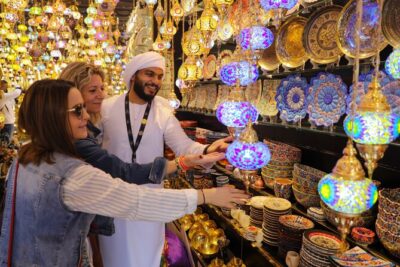
Dubai: Old Town, Souks, Street Food, Guided Tour & Abra Ride
Read our review →Dubai: Old Town, Souks, Street Food, Guided Tour & Abra Ride
Read our review →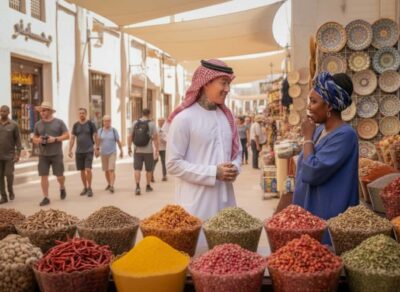
Dubai: Old Town, Street Food, Creek, Souks, & Emirati House
Read our review →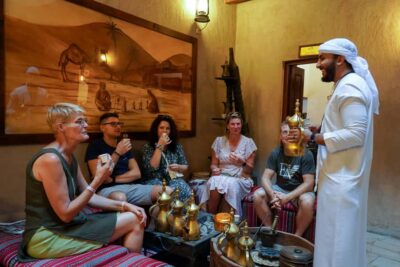
Old Dubai: Premium Guided Tour with Street Food & Abra Ride
Read our review →
Dubai Top Highlights: Frame Entry, Souks, Abra & Street Food
Read our review →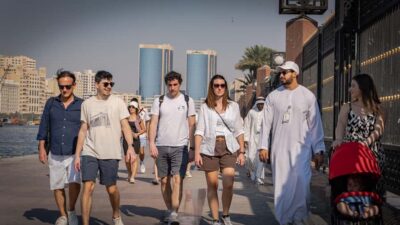
Dubai: Premium Old Town, Street Food, Souks & Boat Ride Tour
Read our review →
Dubai: City Highlights Tour with Blue Mosque & Street Food
Read our review →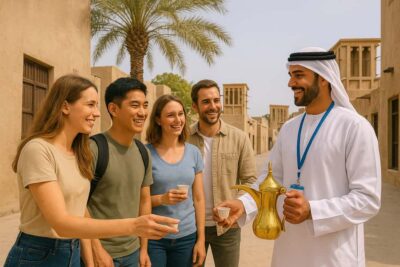
Dubai.Discover Old town,Markets,street food,Abra &Museums
Read our review →Browse the lists this tour appears in