
REVIEW · LISBON STREET FOOD TOURS
Lisbon: Portuguese street food cooking class with Drinks
Portugal’s best food lesson may be found not in a grand restaurant, but around a shared kitchen table. At Compadre Cooking School, you prepare bifana, caldo verde, and peixinhos da horta, three humble dishes that say a lot about everyday Portuguese cooking.
I like the class for two clear reasons: you get plenty of hands-on work rather than simply watching a chef, and the food is followed by a proper shared meal with wine and Ginja. The main thing to consider is that the class is only two hours, so the pace can feel brisk, especially if you want long explanations or detailed technique practice.
- Three classic dishes: Make pork bifanas, collard greens soup, and peixinhos da horta, the fried green beans linked to tempura.
- Local food stories: Learn how these simple foods fit into Portuguese daily life, snack bars, and festivals.
- Real participation: Work at professional, clean cooking stations with guidance from the chef.
- Drinks included: Enjoy one glass of red or white wine and a tasting of Ginja cherry liqueur.
- Friendly shared table: Eat the food you helped prepare alongside the other participants.
- Useful for home cooks: The recipes are designed to be simple enough to repeat in your own kitchen.
Three Portuguese classics in one small kitchen
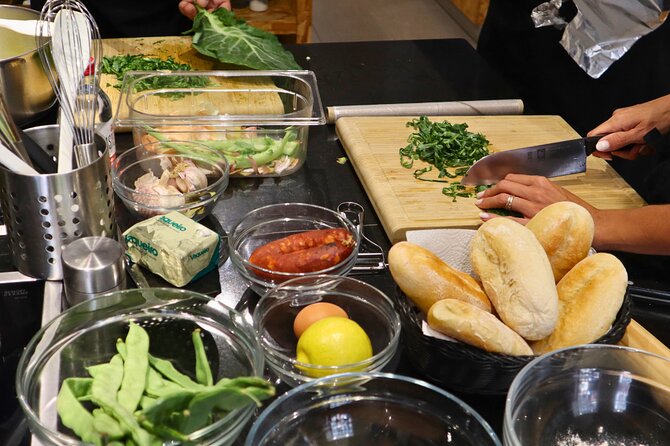
This is not a lesson built around Portugal’s most obvious food souvenirs. You will not spend the session making only pastel de nata or codfish. Instead, the menu focuses on food people eat in ordinary Portuguese life: a pork sandwich, a hearty soup, and fried vegetables.
That choice gives the class a useful sense of place. Bifana is the sort of sandwich you might order at a simple snack bar. Caldo verde is a familiar comfort food, made with greens and potatoes. Peixinhos da horta, often prepared with green beans, offers a local link to the fried vegetable dishes that inspired Japanese tempura.
The recipes are straightforward, but the stories behind them give the cooking more meaning. You learn not just what goes into each dish, but why these foods became part of Portugal’s daily rhythm. That matters because food is often the quickest way to understand a country beyond its famous sights.
The class takes place at Compadre Cooking School in Lisbon District. Transportation to the kitchen is not included, so you need to make your own way there. Arrive about five minutes early. That small cushion lets you find the kitchen, wash up, and settle in before the cooking begins.
Starting with the stories behind bifana and caldo verde
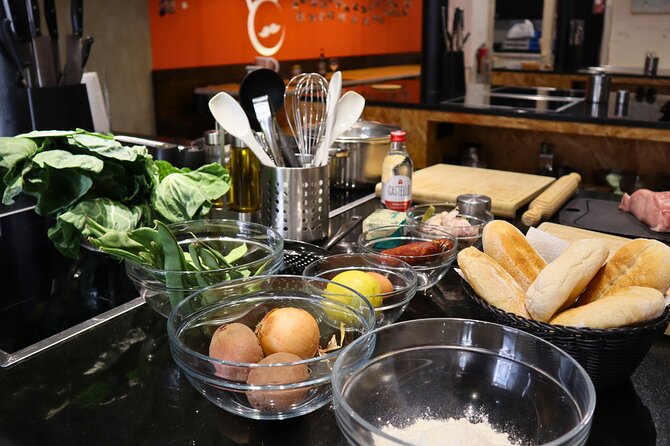
The session begins with a short introduction to the dishes and their place in Portuguese culture. This opening is useful because the food is simple by design. Without context, a pork sandwich and soup might seem like a modest menu. With the background, they become a window into the country’s home cooking and casual eating habits.
Bifana is the most immediately familiar dish for many people. It is a pork sandwich, but the pleasure is in its directness: seasoned meat, bread, and the kind of bold, satisfying flavor that works well as a quick meal. You learn how to prepare it rather than merely tasting one at a café.
Caldo verde brings a different note. The soup is traditionally associated with Portuguese comfort food and is made with collard greens. It is a practical dish, easy to understand and easy to adapt at home. Several participants have especially enjoyed this part of the meal, which makes sense: a good soup can show you more about a household kitchen than a complicated restaurant plate.
The instructors explain the background in English. Depending on the session, you may work with chefs such as Marta, Martha, or Anna. Their roles include explaining the ingredients, showing the methods, and helping you through the practical steps.
More Cooking Classes in the world:
- Florence: Cooking Class with Local Food Market Tour
★ 4.9 · 407 reviews - Street Food Cooking Class
★ 5.0 · 125 reviews - Busan Local Food Cooking Class with Market Tour
★ 5.0 · 53 reviews
Rolling up your sleeves at the cooking stations
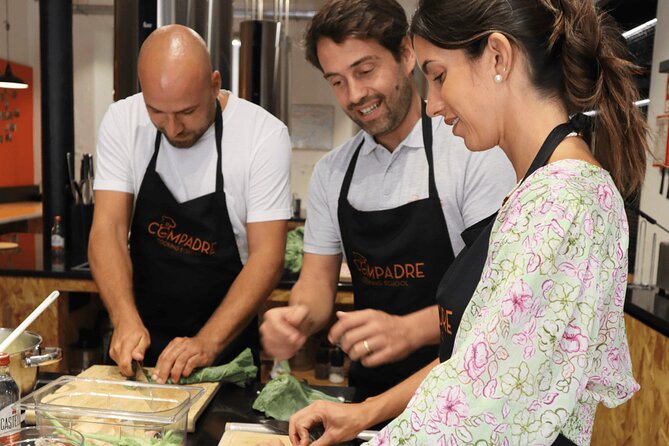
After the introduction, the class shifts from talk to work. You prepare the dishes together, with the chef guiding the group through each stage. No previous cooking experience is needed, and the recipes are meant to be manageable for home cooks.
The hands-on format is one of the strongest parts of the experience. You are not left standing behind a counter while someone else does everything. The class is arranged so that participants can take part through much of the process, from preparation to cooking and final assembly.
That makes the session suitable for mixed groups. A confident home cook can pick up ideas about Portuguese ingredients and methods, while a beginner can follow the instructions without feeling behind. The chef remains available to demonstrate and correct, although the amount of direct intervention may vary by instructor. One participant felt that Anna sometimes took over a little more than necessary, so those looking for a highly independent workshop should keep that in mind.
The school itself has been described as modern, spotless, and spacious. Those details count in a cooking class. Clean work areas, professional stations, and enough room to move make the two-hour session more comfortable, particularly when several people are preparing food at once.
Wear comfortable clothes and shoes suitable for cooking. Comfortable footwear is specifically recommended, and smoking is not allowed. Alcohol and drugs are also prohibited, aside from the drinks provided as part of the class.
Peixinhos da horta and the tempura connection
The most unusual dish on the menu is peixinhos da horta. The name refers to little fish from the garden, but the dish is made from vegetables, commonly green beans, coated and fried.
This is a good example of why the class goes beyond a standard cooking demonstration. Peixinhos da horta is not as familiar to many visitors as bifana or caldo verde, yet it connects Portuguese food to a wider culinary story. It is often linked to the development of tempura, giving you a surprising connection between a Portuguese snack and one of Japan’s best-known cooking styles.
The point is not to turn the class into a lecture on food history. The value comes from hearing a brief, memorable explanation while preparing something you will soon eat. The dish also adds contrast to the meal: after the warm soup and savory pork sandwich, the fried beans bring crunch and a lighter vegetable note.
If you want to recreate the recipes at home, this may be the most fun one to try. It is simple enough to understand, but different enough to remind you of the class. The same is true of the bifana and caldo verde. None requires restaurant-level equipment or advanced skills.
Sitting down to eat what you made
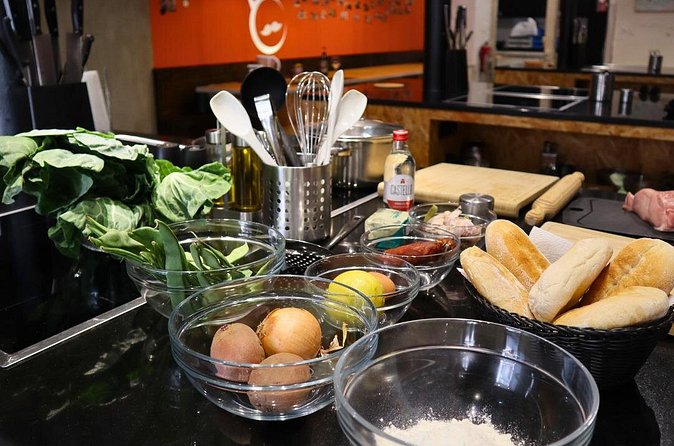
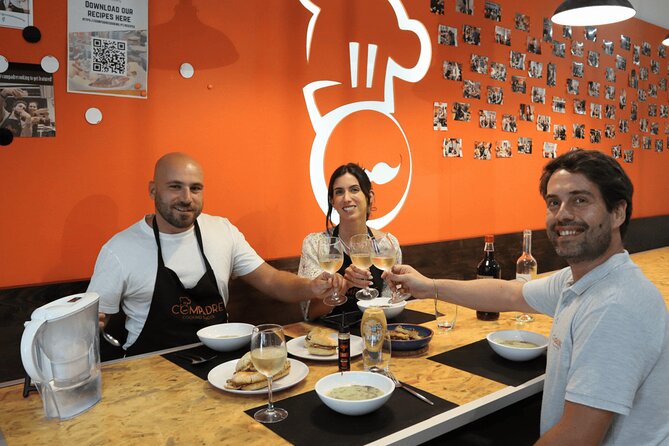
Once the cooking is finished, everyone gathers around the table to share the meal. This is more than a final tasting. It gives the class a natural social finish, with the group eating the same food they prepared together.
The meal includes the cooked dishes, one glass of red or white wine, and a tasting of Ginja, Portugal’s traditional cherry liqueur. Ginja is often served in small portions, and its sweet cherry flavor makes a pleasant closing note after the savory food.
The drink package is modest but well judged. You do not get unlimited alcohol, and extra drinks are not included. Still, the wine helps turn the food into a meal rather than a series of samples, while Ginja adds a distinctly Portuguese touch.
The shared table is especially useful if you are visiting Lisbon alone or want a low-pressure way to meet people. You cook side by side, then sit down together, so conversation develops naturally around the food. The atmosphere has been praised as welcoming and fun, with instructors who help keep the group involved.
A few more street food tours around the world worth a look
- Ao Nang: Hands-on Learn to Cook 3 Popular Thai’s street food
★ 4.8 · 417 reviews - Hungarian Langos Making Class: The No. 1 Street Food in Hungary
★ 5.0 · 55 reviews - Syracuse: Sicilian Street Food Hands-On Cooking Class
★ 4.9 · 38 reviews - Hanoi Egg Coffee Class and Street Food Walking Tour
★ 5.0 · 33 reviews
What the two-hour schedule really means
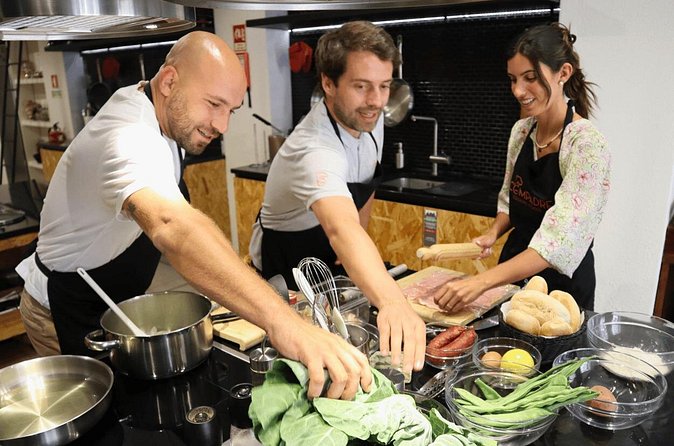
Two hours is enough time to hear the background, cook several dishes, and eat, but it is not a leisurely half-day workshop. You should expect a compact schedule with little wasted time.
The opening history is short. The practical section takes up most of the class, and the meal follows soon after the cooking is done. This works well if you have a busy Lisbon itinerary and want a focused food experience without giving up an entire afternoon.
The tradeoff is that you will not have time for lengthy ingredient shopping, a market visit, or a long technical session on each dish. The class focuses on preparing and eating the food in the school kitchen. If you are hoping to master advanced knife skills or professional cooking methods, this is not the right format.
For most people, that is a fair exchange. The class gives you a taste of Portuguese food culture, a meal, drinks, and recipes you can repeat at home, all within two hours.
Is $55 a fair price?
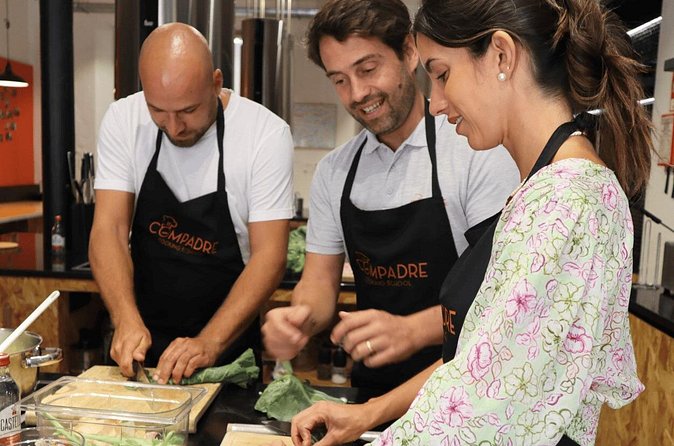
At $55 per person, the value is solid if you want more than a meal. The fee covers the chef’s instruction, ingredients, the shared food, one glass of wine, and Ginja. You are paying for an activity as well as dinner.
Compare it with the cost of ordering several Portuguese dishes in a restaurant. A restaurant may give you a more polished plate, but it will not give you the background of each dish or the chance to prepare it yourself. Here, the educational element and the social setting are part of the price.
The value is strongest for people who enjoy taking recipes home. The dishes are deliberately simple, and the class explains enough of the method to make them approachable later. If you are only looking for the cheapest way to eat in Lisbon, you can spend less at a snack bar. If you want a useful food memory and a meal in one, the price is reasonable.
Additional drinks cost extra, and transportation is not included. Build those costs into your plans before booking.
Who will enjoy this class most?
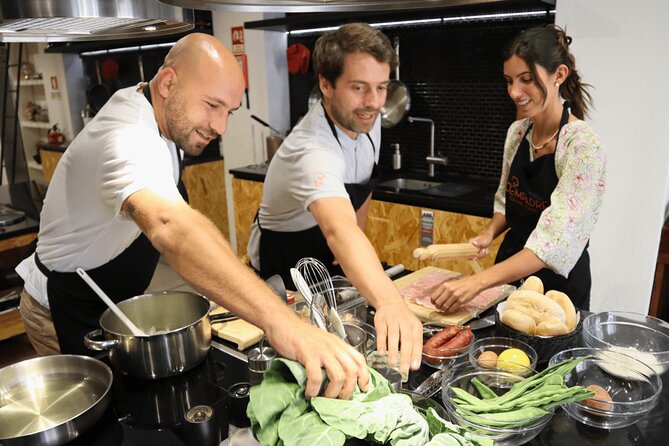
I would recommend it to food-loving adults, curious first-time visitors to Portugal, couples, friends, and solo visitors who like social activities. It also suits people who want an authentic taste of Portuguese cooking without committing to an advanced culinary course.
Beginners should feel comfortable. No prior cooking experience is required, and the chefs guide you through the recipes. You also get enough active tasks to avoid the common problem of standing around while the instructor does all the work.
It is a good option for anyone tired of seeing the same famous Portuguese dishes on every menu. The focus on bifana, caldo verde, and peixinhos da horta offers a more everyday view of the country’s food.
I would be more cautious if you need a fully accessible activity. The class is not suitable for wheelchair users. You should also contact the school in advance about dietary needs. The recipes can be adapted for specific diets, but that request needs to be made before you attend.
A practical Lisbon food experience with few frills
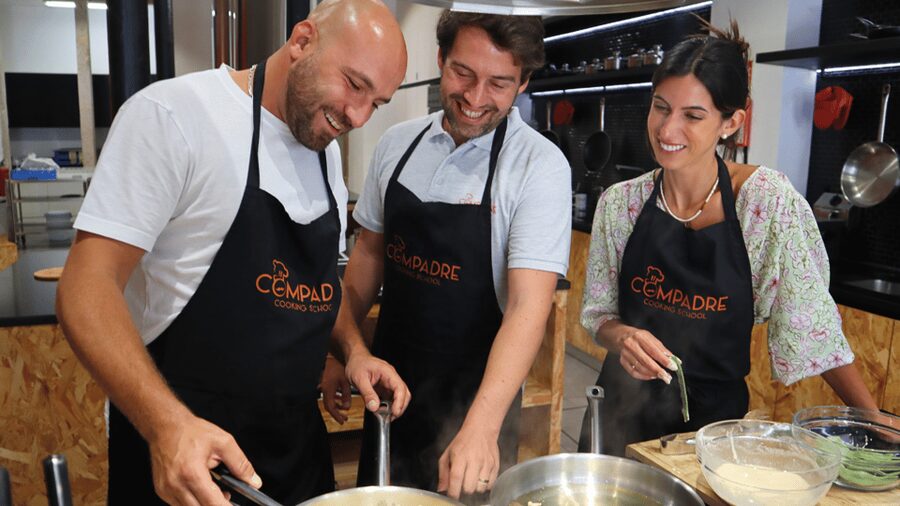
Compadre Cooking School keeps the format direct. You arrive at the kitchen, hear where the dishes come from, prepare the food with an English-speaking chef, then eat together with wine and Ginja.
The strongest praise has focused on the instructors, the clean cooking area, the welcoming mood, and the food itself. Names including Marta, Martha, Anna, and Roy have come up in connection with different sessions, and Roy has also led a drink-focused lesson for some participants. The exact instructor may depend on the date you choose.
The class has a high rating of 4.9 from 37 reviews, with nearly all available comments giving it top marks. That fits the design of the experience: the recipes are accessible, the menu is distinctive, and the shared meal gives the afternoon or evening a clear payoff.
The only notable caution is the pace and the variable teaching style. Two hours leaves little room for lingering, and one participant felt that a chef occasionally handled too much of the work. Most people, though, should find the balance of instruction and participation satisfying.
Should you book the Portuguese street food class?
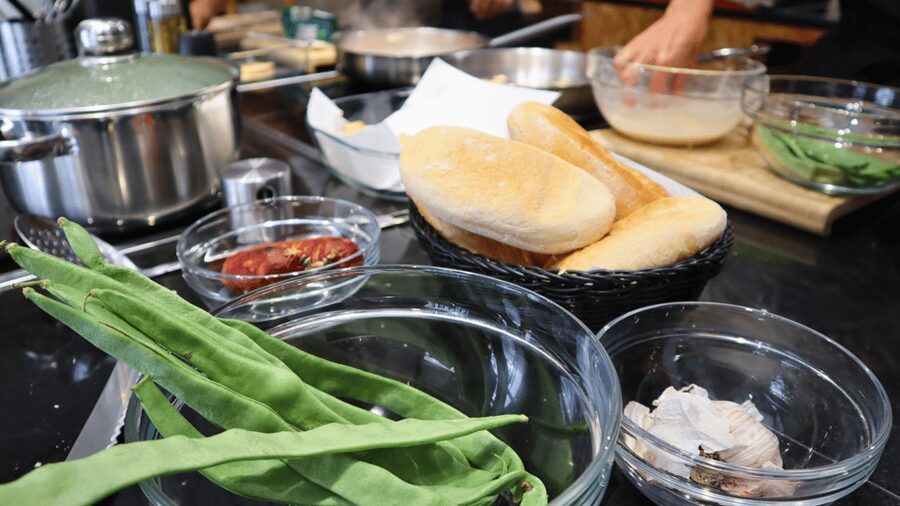
Book this class if you want to understand Portuguese food through dishes that locals eat, not just famous desserts and cod recipes. The combination of hands-on cooking, cultural background, and a shared meal makes the $55 price worthwhile for most food-focused visitors.
Skip it if you want a long, advanced cooking workshop, unlimited drinks, or a fully accessible kitchen experience. Otherwise, this is a practical and friendly way to spend two hours in Lisbon, especially if you plan to make bifana, caldo verde, or peixinhos da horta again after returning home.
FAQ
How long does the Portuguese street food cooking class last?
The class lasts two hours, including the introduction, cooking, and shared meal.
Where does the class take place?
It takes place at the Compadre Cooking School kitchen in Lisbon District, Portugal.
What dishes will I prepare?
You will learn to prepare bifana, a Portuguese pork sandwich, caldo verde, a collard greens soup, and peixinhos da horta, fried vegetables linked to the origins of tempura.
Is previous cooking experience required?
No. The class is designed for beginners and provides guidance from an expert chef.
Is the class taught in English?
Yes. The listed instruction language is English.
Are drinks included?
Yes. The price includes one glass of red or white wine and a tasting of Ginja, a traditional Portuguese cherry liqueur. Additional drinks are not included.
Is food included after the cooking?
Yes. You share a meal made from the dishes prepared during the class.
Can the recipes be adapted for dietary needs?
Yes. The recipes can be adapted for specific diets, but you should contact the school in advance.
Is the class suitable for wheelchair users?
No. The activity is not suitable for wheelchair users. Comfortable clothing and shoes are recommended, and you should arrive five minutes early.
Just added around the world
- 1 Istanbul Tour: Highlights, Street Food & Hidden Pearls★ 5.0 · 9 reviews
- Evening Hyderabad Street Food Walk with Hyderabad Biryani★ 4.5 · 24 reviews
- Hyderabad Street Food Crawl (2 Hours Guided Food Tasting Tour)★ 4.0 · 5 reviews
- Japanese Street Food Class in Beech Grove★ 5.0 · 9 reviews
- Small-group Street food tour in Ischia★ 3.5 · 2 reviews
- Hyderabad : Evening Street Food Tasting with Guided Old City Tour★ 5.0 · 10 reviews
- Hyderabad Street Food Experience with Local Expert★ 4.5 · 2 reviews
- Hue Street Food On Foot (Daily Tour – Group Tour | 12 pax max)★ 5.0 · 15 reviews
Lisbon Street Food Tours, compared.
Eat & Walk Through Lisbon: A Local Food & Wine Experience
Read our review →
Lisbon: Food Crawl Walking Tour with Local Tastings
Read our review →
Lisbon 4 Foodies Tour – From Street Food to Awarded Chefs’ Portuguese Delicacies
Read our review →
Lisbon Gastronomic Food Tour with Wine in Baixa
Read our review →
Lisbon: Evening Local Food Crawl with Drink Pairings
Read our review →Browse the lists this tour appears in