
REVIEW · ROME STREET FOOD TOURS
Rome: Historic City Center Local Food Tour
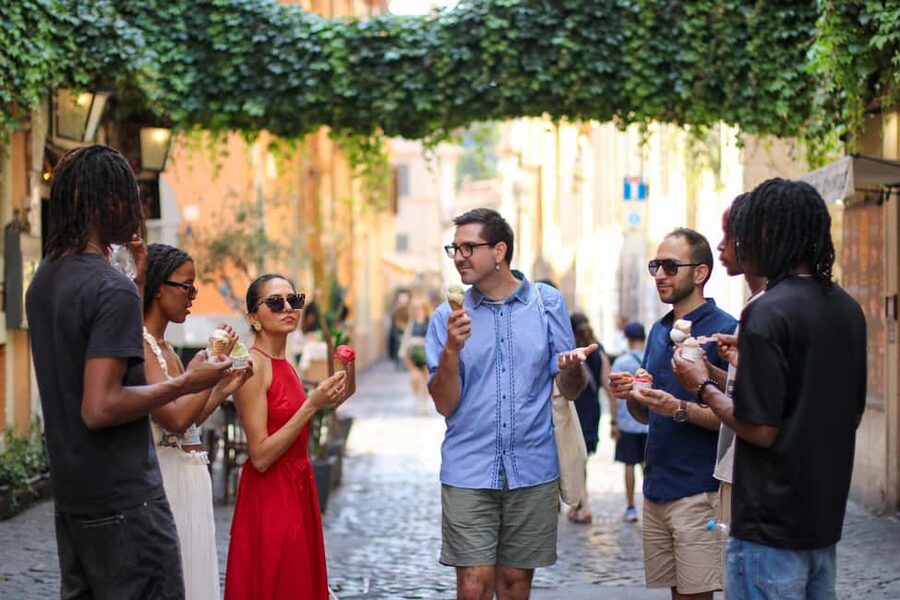
The best part of this two-hour walk is its simple promise: you can eat your way through Rome without paying for a grand, drawn-out food event. You’ll move between Trastevere and the Historic Centre, tasting familiar Roman staples in the streets where they belong.
I like the generous mix of savory bites and dessert, and I like that the guide adds local history rather than treating the tour as a string of restaurant stops. The main drawback is that two hours goes quickly, so this is a tasting tour, not a full meal. You’ll also need to watch your step on cobbled lanes, and the food is not suited to vegans, vegetarians, or people with food or insect allergies.
Key points to know before booking
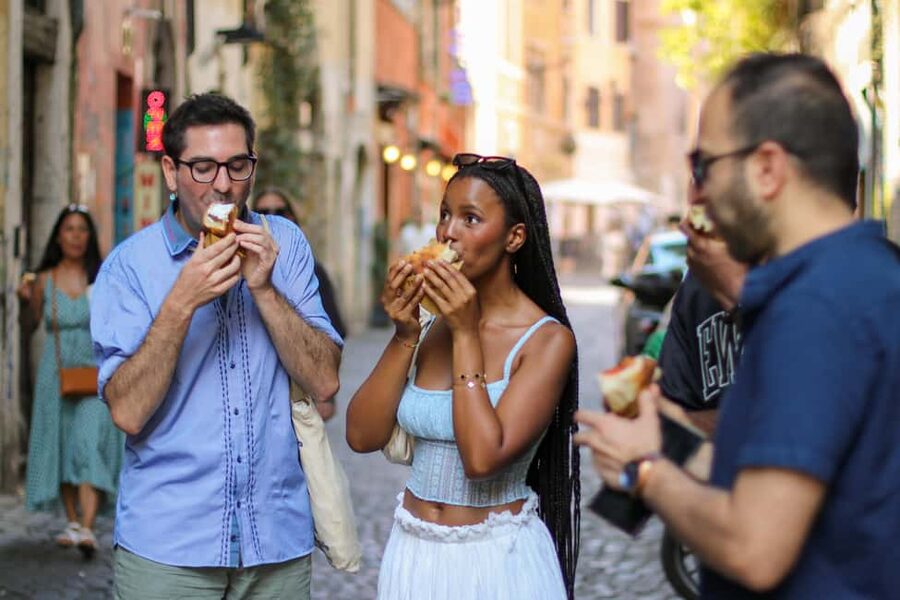
- Supplì, pizza, and porchetta: Expect several classic Roman street foods, not just one or two small samples.
- Two central neighborhoods: The route links the atmospheric lanes of Trastevere with Rome’s Historic Centre.
- English-speaking guide: Guides explain local food culture and the story of the old town as you walk.
- Budget-friendly format: At $57 per person, the tour offers several tastings without the cost of a long restaurant crawl.
- Sweet finish: The food is balanced with dessert rather than ending on a series of savory bites.
- Bring cash and good shoes: Transportation is not included, and the route runs over uneven stone streets.
Why this food walk works well in Rome
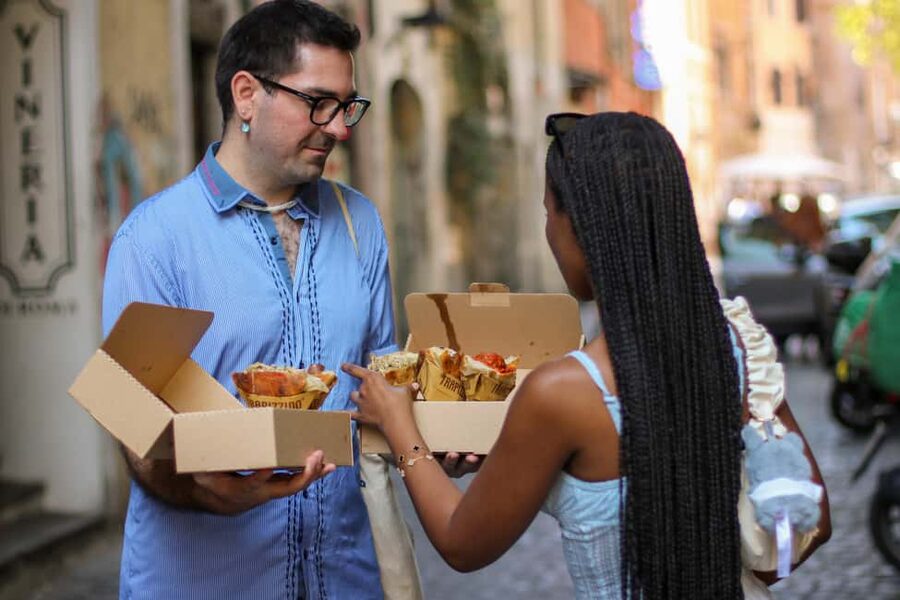
Rome can be expensive when every meal happens in a sit-down restaurant. This tour takes a more useful approach for a first visit: small portions, several stops, and plenty of walking between them. At $57 per person, you are paying for the guide, the route, the tastings, and the chance to understand what you are eating.
I especially like this format at the start of a Rome stay. You get an early look at two important parts of the city, then you can return later to the foods or streets that caught your attention. Since the walk lasts only two hours, it also fits neatly into a busy sightseeing day.
Do not expect a formal culinary class or a leisurely lunch. The experience is built around Roman street food, local snacks, and quick tastings. You will likely leave with a better sense of the city’s everyday flavors, but you may still want a proper meal afterward.
More Heritage Tours in Rome:
- Rome Secrets: Dark History & Tasty Bites Tour
★ 5.0 · 37 reviews - Rome Street Food: Small Group Tour in the Historic Centre
★ 4.8 · 9 reviews - Historic Ybor City Food Walking Tour
★ 5.0 · 2,210 reviews
Starting under the Side Routes green flag
The meeting point is marked by a Side Routes green flag. That detail matters in a city where several streets can look alike and busy squares can have more than one entrance. You should allow enough time to find the flag before the scheduled start, especially if you are walking from another part of central Rome.
The tour is conducted in English. The guide leads the route on foot and explains both the food and the surrounding area. Kevin is one guide associated with the experience, and his warm hosting and clear explanations were singled out after one departure. Since guide assignments can vary, you should think of Kevin as a possible guide rather than a guaranteed one.
Bring comfortable shoes. Rome’s center is best explored on foot, but its old lanes can be hard on your feet, especially after a full day of monuments. Cash is also listed as something to bring, so it is sensible to have some with you even though the included tastings are part of the booking price.
Trastevere: cobbled streets and everyday Roman bites

Trastevere gives the walk its most relaxed setting. The neighborhood is known for narrow, cobbled lanes and an appealing old-town feel. Here, the value of the tour is not only what you eat. You also get a guided introduction to the character of one of Rome’s most popular central districts.
The food stops focus on accessible Roman favorites. Supplì is a good example. This fried rice snack is crisp on the outside and filling enough to give you a useful taste of Rome’s casual food culture. It is the sort of bite that makes sense on a walking route because it is portable, familiar, and distinctly Roman.
You may also sample fresh-baked pizza. In this setting, pizza is not presented as a complicated restaurant dish. It is a quick local snack, ideal for eating between streets and landmarks. The tour’s appeal comes from this rhythm: walk, taste, listen, and move on before the experience becomes heavy.
Trastevere can be busy, and its stone streets are not especially smooth. That is part of the setting, but it is also why comfortable shoes matter. If you have limited mobility or find uneven surfaces difficult, the walking conditions deserve serious thought before you book.
The Historic Centre adds context between tastings
The route continues into Rome’s Historic Centre, where food stops are paired with stories about the old town and local culture. The exact order of tastings can vary, but the plan includes several Roman street foods, local snacks, and a sweet treat at the end.
Porchetta is one of the more substantial tastes on the route. This seasoned roast pork is a useful contrast to the lighter crunch of supplì and pizza. It gives you a sense of the hearty side of Roman and Lazio food, and it helps prevent the tour from feeling like a series of tiny fried snacks.
The guide’s role is important here. A food tour can easily become a checklist of samples, but the explanations give those samples a setting. You learn why these foods belong to Roman daily life and how the old streets around you connect with the city’s culture. The strongest part of the experience is likely to be this combination of food and place, rather than any single bite.
You should also remember that the tour does not include transport to or from the meeting point. That is not a major issue if you are already in central Rome, but it affects your planning if you are staying farther out or have a timed visit elsewhere immediately afterward.
More City Tours in Rome:
- Ho Chi Minh City Street Food Tour & Sightseeing By Motorbike
★ 5.0 · 9,413 reviews - Private Street Food Evening Walking Tour in Ho Chi Minh City
★ 5.0 · 3,175 reviews - Phuket: Full Day City Tour with Night Market
★ 4.5 · 2,888 reviews - Top Notch Street Food Motorbike Tour In Ho Chi Minh City
★ 5.0 · 2,667 reviews
A balanced tasting menu, ending with something sweet
The selection is arranged with a useful balance. You begin with savory Roman snacks, continue through more filling foods such as porchetta, and finish with a sweet Roman treat. That dessert matters. It rounds out the experience and makes the tour feel more like a small meal than a series of unrelated samples.
One tasting also included a shot, according to the details available from a recent departure. Treat that as a possible extra rather than a guaranteed part of every tour. If you do not drink alcohol, you may want to ask the guide about it when the tour begins.
The tasting portions are not described in exact amounts, so come hungry, as the operator advises. At the same time, keep your expectations realistic. This is a budget-friendly tasting walk, not an all-you-can-eat outing. You will sample multiple foods, but you should not assume the tastings replace breakfast, lunch, or dinner for everyone.
The price looks strongest if you value variety and explanation. Buying several snacks independently could cost less or more depending on what you choose, but you would not get the organized route or the food context. You are paying for a compact introduction to Roman eating habits, with the convenience of having someone select the stops.
What the guide adds to the food

The guide is more than a person who points out the next tasting. The experience is designed to explain the history and culture behind the food, and that is where much of the value lies. A well-timed story can make a simple fried snack or slice of pizza easier to remember than a list of ingredients.
The English-language format also makes the tour practical for anyone who wants clear explanations without guessing at menus or local customs. You can ask questions as you walk, although the supplied information does not promise a formal cooking demonstration or a private group.
The available feedback gives particular weight to the hosts’ friendliness and their ability to explain the area. That matches the tour’s design: a social walking experience rather than a silent food pickup. The guide helps connect Trastevere and the Historic Centre, so you see the neighborhoods as part of one larger Roman experience.
Who should book this two-hour Rome tour?
This walk is a good fit for you if you want to try classic Roman foods but do not want to spend heavily on a long food itinerary. It also suits first-time visitors who want an easy introduction to central Rome’s streets, snacks, and local customs.
You will probably get the most from it if you:
- Enjoy walking while eating small portions
- Want Roman specialties rather than generic tourist food
- Like hearing local history alongside food stories
- Have only a short amount of time available
- Prefer a modest price over a lengthy restaurant-based tour
It is less suitable if you need a vegan or vegetarian menu. The experience is also not suitable for people with food allergies or insect allergies, according to the safety information provided. If you have any dietary concern, this is not a tour to book casually and hope for adjustments.
Families and older visitors should consider the route’s physical side. The walk lasts two hours and passes through cobbled lanes. No age restriction or accessibility details are provided, so you should contact the provider before booking if uneven streets or extended walking may be a problem.
Timing, cancellation, and practical planning

The duration is fixed at two hours, but starting times depend on availability. That makes it easy to place the tour between major sights, though you should leave extra time around it. Rome’s central streets can take longer to cross than a map suggests, and the food stops are best enjoyed without rushing.
Transportation is not included. Plan your route to the Side Routes green flag in advance, and remember that you will need to make your own way back afterward. The tour is conducted in English, so you should choose it only if that language suits you.
You can cancel up to 24 hours before the start for a full refund. A reserve-now-and-pay-later option is also available, which helps if your Rome schedule is still changing. Those policies add flexibility, but they do not change the need to check the starting time before you commit to other bookings.
Should you book the Side Routes food tour?
Book it if you want a short, affordable introduction to Roman street food with a guide who also explains the neighborhoods. The combination of supplì, pizza, porchetta, local snacks, and dessert gives you more range than a single tasting stop, while the Trastevere and Historic Centre route adds a useful sense of place.
Skip it if you want a full lunch, a vegetarian menu, a private experience, or a highly specialized food lesson. For everyone else, $57 is a fair price for a two-hour walk that combines several tastings with local stories. Come hungry, wear sturdy shoes, carry cash, and meet the green flag ready to eat.
FAQ
How long does the Rome food tour last?
The tour lasts two hours.
How much does the food tour cost?
The listed price is $57 per person.
Which neighborhoods does the tour visit?
The route explores Trastevere and Rome’s Historic Centre.
What foods are included?
The tastings include Roman street food and local snacks such as supplì, fresh-baked pizza, porchetta, and a sweet Roman treat.
Is a guide included?
Yes. The tour includes a live English-speaking guide. Kevin is one of the guides associated with the experience, but guide assignments may vary.
Where do I meet the guide?
You meet under the Side Routes green flag.
Is transportation included?
No. You must arrange your own transportation to and from the meeting point.
What should I bring?
Bring comfortable shoes and cash. You should also come hungry.
Who should not book this tour?
The tour is not suitable for vegans, vegetarians, people with food allergies, or people with insect allergies. It also involves walking through cobbled lanes, so consider the route carefully if uneven streets are difficult for you.
Just added around Rome
- Rome: Vegan Street Food Tour with Local Guide★ 5.0 · 37 reviews
- Eat & Walk : Street Food in the Center & Trastevere★ 4.9 · 6 reviews
- Rome: Trastevere & Tiber Island Street Food Tour at Sunset★ 4.9 · 71 reviews
- Rome: Vatican Street Food and Wine Tour with Farmers Market★ 5.0 · 37 reviews
- Rome: Trastevere Quarter Street Food Tour with Sightseeing★ 4.9 · 21 reviews
- Rome: Trastevere Food Walking Tour with Beer and Wine★ 4.9 · 71 reviews
- Rome Secrets: Dark History & Tasty Bites Tour★ 5.0 · 37 reviews
- Rome Street Food: Delights at Campo dei Fiori & Ghetto Area★ 5.0 · 34 reviews
Rome Street Food Tours, compared.

Rome: Guided Food Walking Tour with Wine in Trastevere
Read our review →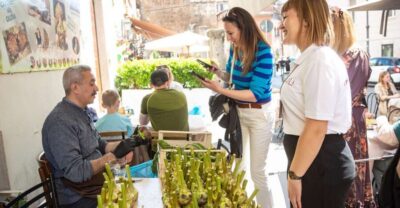
Rome: Trastevere & Campo de Fiori Street Food Walking Tour
Read our review →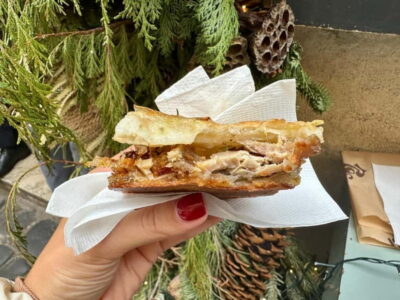
Rome: Trastevere Street Food Walking Tour with Local Expert
Read our review →
Roman Food Tour with Visit to the Trionfale Food Market
Read our review →
Trevi Fountain, Pantheon, and Campo Dei Fiori Market Food and Wine Tour
Read our review →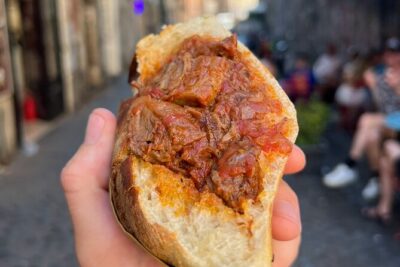
Trastevere Like a Local Food Tour with 7+ Food Tastings & Wines
Read our review →Browse the lists this tour appears in