
REVIEW · SAN FRANCISCO STREET FOOD TOURS
San Francisco: Chinatown Food and Culture Tour
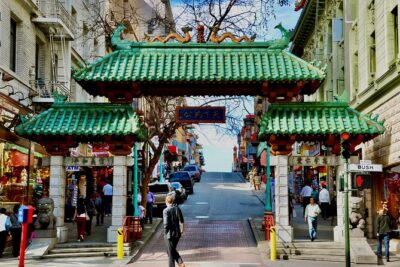
San Francisco’s Chinatown reveals itself best on foot, one bite and one narrow lane at a time. This two-hour tour links dim sum, pastries, and milk tea with painted balconies, a fortune cookie factory, a Taoist temple, and back alleys once ruled by criminal gangs. It gives you more than a quick food stop.
I like the mix of eating and storytelling, especially the included variety of steamed, baked, and fried dumplings. I also like the practical pace: 1.2 miles at a leisurely walk, with time to look up at the buildings rather than rush from one address to the next. The main drawback is that the $49 price does not cover every food purchase, so bring about $20 more if you want to sample extra treats.
Key points at a glance
- Kenan leads the walk in English, with personal stories about Chinatown’s people, food, and past.
- Included tastings cover pastries and several types of dim sum, including vegan dumplings on request.
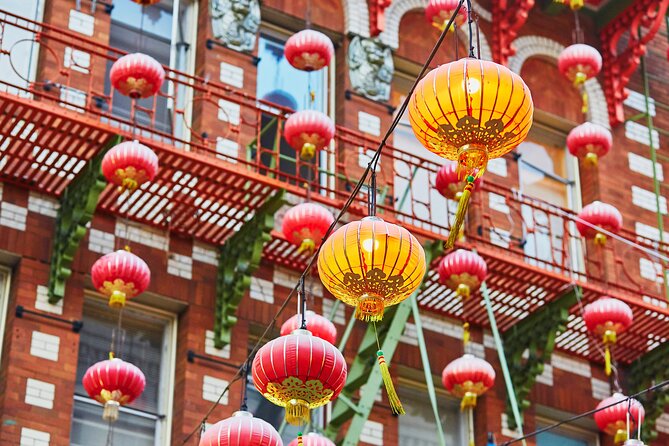
- Waverly Place’s painted balconies provide one of the tour’s most photogenic stops.
- A fortune cookie factory, Taoist temple, and Bruce Lee site add cultural depth beyond the meal.
- The route covers 1.2 miles in two hours, making it manageable for most walkers.
- The $49 fee includes the guided tour and dim sum, while extra food purchases are separate.
Starting at Woh Hei Yuen Park
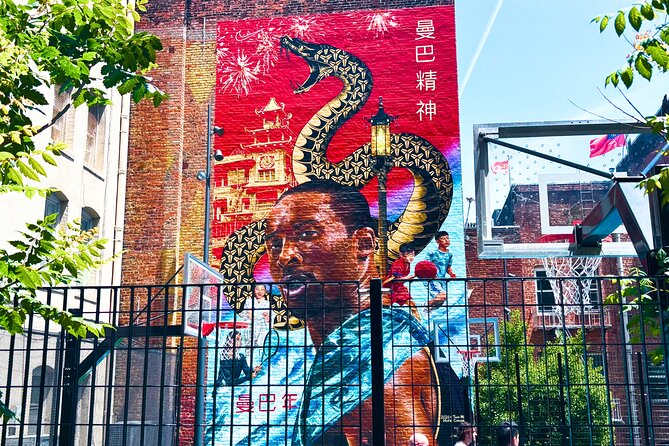
The tour begins at Woh Hei Yuen Park, at the corner of Powell and John streets. This is a useful meeting point because you start in the neighborhood itself rather than wasting tour time on a remote pickup location.
Your guide, Kenan, leads the experience in English. He is described as sympathetic and highly informed about Chinatown, and that matters here. Chinatown is not a place where a list of street names tells the whole story. You need someone to explain why the buildings look the way they do, how the community changed, and what you are eating.
The afternoon timing usually works well for this kind of outing. You can make it part of a larger day in San Francisco, perhaps before dinner or after seeing other central sights. Since the walk runs rain or shine, wear shoes that can handle wet pavement and bring water.
The pace is leisurely, but this is still a walking tour. The route covers about 1.2 miles, with stops for food, photos, and conversation. You are not being marched through a long list of attractions.
More Chinatown Food Tours in the USA
- SoHo, Little Italy, and Chinatown Walking Tour in New York
★ 5.0 · 3,153 reviews - San Francisco Chinatown Walking Tour
★ 5.0 · 778 reviews - Chicago’s Chinatown Food and Walking Tour
★ 5.0 · 600 reviews
Pastries first, then a proper taste of dim sum
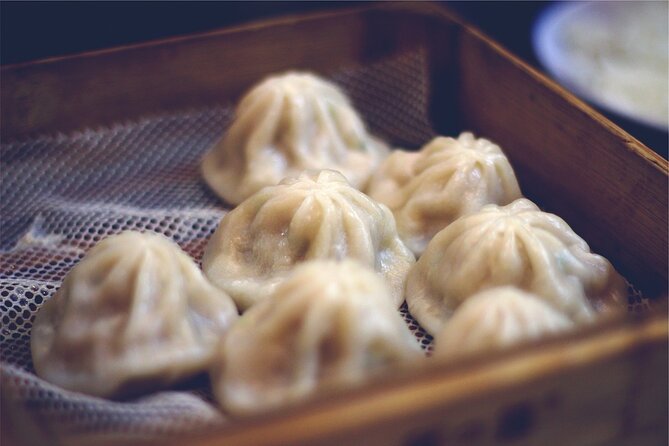
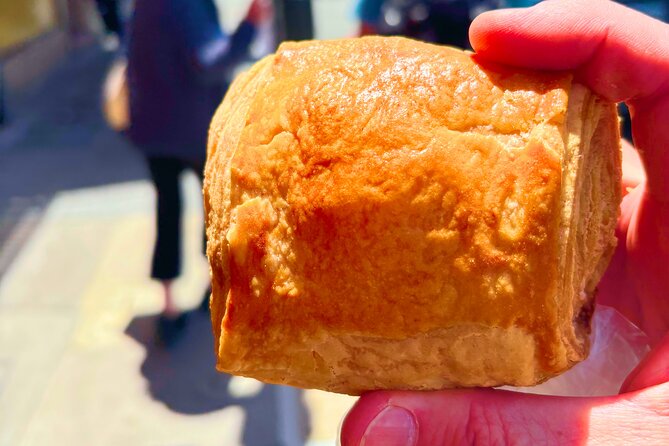
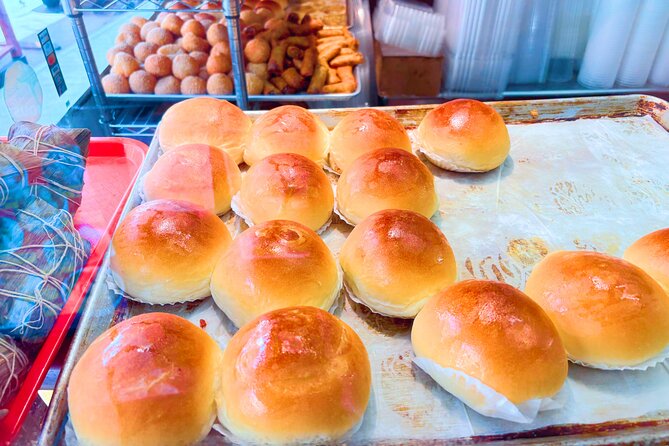
Food is the organizing thread of the walk. You sample pastries from a local bakery, then enjoy an assortment of steamed, baked, and fried dumplings at a dim sum restaurant. The dim sum is included in the $49 price, which makes the fee easier to justify than a tour that charges separately for every taste.
The variety is important. Steamed dumplings offer one texture, baked items another, and fried dumplings add a crisp contrast. Your guide also explains cultural points connected to the foods, so the meal is not simply a snack break. You get help understanding what is on the plate and why it matters within the neighborhood’s food traditions.
The restaurant can prepare vegan dumplings, but you need to tell Kenan that you prefer this option. That is a useful detail to handle at the start of the tour. The supplied information does not promise other dietary adaptations, so be clear about your needs before the meal begins.
You may also taste fruit and milk teas, along with other small treats. Extra purchases at food stops are not included. If you enjoy trying several items rather than only taking the included samples, carry around $20 in spending money.
This arrangement suits people who want a guided introduction rather than a full food crawl. You get enough to understand the neighborhood’s flavors, but you should not expect a large lunch with unlimited servings. If you arrive hungry, the included tastings may feel modest. If you want a light meal and a walking tour in one, the balance is better.
Waverly Place and the painted balconies
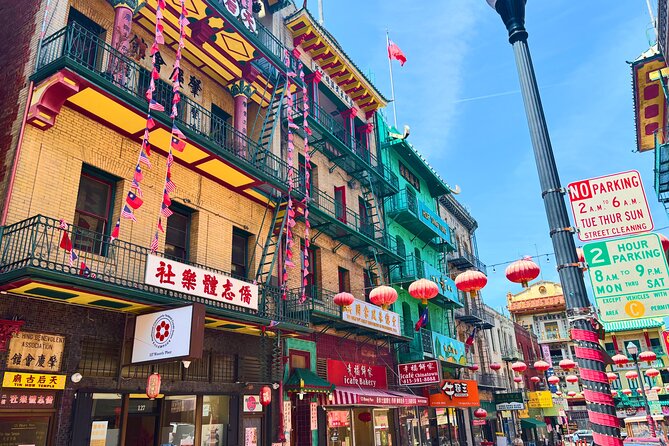
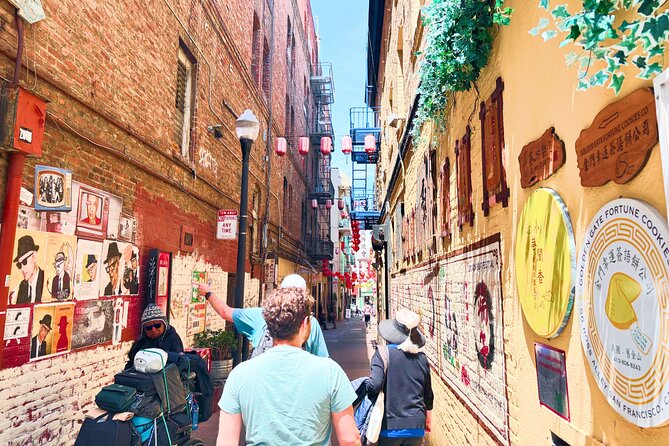
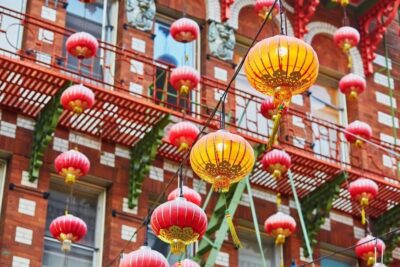
One of the most memorable visual stops is Waverly Place, known here as the street of painted balconies. The colorful upper levels give the narrow street a distinctive look and make it an easy place to pause for photographs.
The stop also shows why a guide adds value. A photo alone captures the color, but it does not explain how architecture helps create a neighborhood identity. As you walk, you hear about Chinese immigrants building a community in San Francisco and maintaining a sense of place through storefronts, homes, temples, and public spaces.
The tour also visits the former city hall. This adds a civic layer to the route. Chinatown is presented not just as a place to eat, but as a neighborhood shaped by political pioneers, gold rush immigrants, and residents who worked to rebuild after the 1906 earthquake.
That wider view keeps the walk from becoming a string of photogenic stops. You see the surfaces, then hear about the people and events behind them.
A Taoist temple chosen with your future in mind
The Taoist temple visit has a playful twist. You learn which temple to visit based on your future, giving the stop a personal angle rather than treating it as just another historic building.
The information provided does not specify the exact temple or explain how the choice is made, so you should see this as a guide-led cultural moment rather than a formal religious consultation. The appeal is in connecting a local tradition with your own curiosity.
This part of the tour works best if you approach it with respect and an open mind. You are not only looking at architecture. You are being introduced to a way of thinking about the neighborhood’s spiritual life and daily customs.
Same city, a different plate:
- New Orleans Food Walking Tour of the French Quarter with Small-Group Option
★ 5.0 · 6,118 reviews - Historic Ybor City Food Walking Tour
★ 5.0 · 2,210 reviews - New York City Mafia and Local Food Tour led by NYPD Guides
★ 5.0 · 1,197 reviews - Miami: Little Havana Food Walking Tour with Tastings
★ 4.9 · 1,181 reviews
Bruce Lee, gold rush immigrants, and Chinatown’s changing story
The tour points out where Bruce Lee gave his first kung fu demonstration. That detail gives the route a strong link to popular culture, but it also fits the larger story of Chinese American identity and public life.
You also hear about immigrants who arrived during the gold rush and about political pioneers connected to the neighborhood. These stories help explain that Chinatown was never only a commercial district. It has been a place where people built families, businesses, institutions, and political influence under difficult conditions.
The 1906 earthquake is another key part of the story. Chinatown was rebuilt afterward, and the neighborhood’s architecture and community life reflect that process. A short tour cannot cover every event, but this stop gives you a useful frame for seeing the streets as more than old buildings and food shops.
I especially like this balance between familiar names and less visible community history. Bruce Lee may draw you in, while the stories of immigrants and rebuilding give the walk its substance.
Fortune cookies and the back alleys
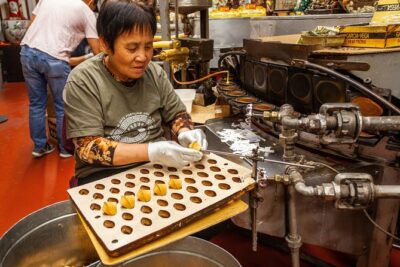
A famous fortune cookie factory is included among the stops. It is an entertaining food connection, and it gives you a chance to see how a small item associated with Chinese American dining became part of the neighborhood’s public image.
The tour also takes you into back alleys that criminal gangs once controlled. This is a striking contrast with the food shops and painted balconies. The alleys point to a rougher period in Chinatown’s past and show why the neighborhood cannot be understood through its tourist-friendly front streets alone.
The wording of the experience does not promise a private factory tour or a long production demonstration, so keep your expectations measured. The value is in seeing the place within the walking route and hearing the story attached to it.
Together, the fortune cookie stop and the alleys create a good change of pace. One is familiar and lighthearted. The other is darker and more historical. Both help you see how Chinatown has been shaped by business, reputation, hardship, and adaptation.
What the $49 price really covers
At $49 per person, this tour sits in the middle range for a two-hour city walking experience. The fee includes the guide, the neighborhood route, dim sum, and other stated tastings such as pastries. That makes it fair value if you want a structured introduction and would otherwise pay for food separately.
The price is less attractive if you already know Chinatown well or plan to eat a full meal on your own. You are paying for the explanation, route planning, and connections between the stops, not just the dumplings.
The extra $20 suggestion is worth taking seriously. It is not a hidden required fee, but it gives you freedom to buy food at other stops. If you only want the included items, you may not need it. If you like comparing pastries, drinks, and snacks, the added budget will make the outing more relaxed.
The free cancellation policy allows you to cancel up to 24 hours before the tour for a full refund. You can also reserve now and pay later, which helps if your San Francisco plans are still shifting.
Who will enjoy this Chinatown walk
I would recommend this tour to first-time visitors who want an easy introduction to Chinatown without spending half a day on their feet. Food lovers will appreciate the tastings, while history-minded visitors will value the stories about immigration, political pioneers, the earthquake, and criminal gangs.
It also suits people who prefer small portions and several stops to one formal restaurant meal. Families and mixed-interest groups may find the food, architecture, Bruce Lee connection, and temple visit give everyone something to follow.
The tour may be less suitable if you want a long, sit-down dim sum lunch, extensive shopping time, or a private food itinerary built around your own dietary needs. The route is accessible, but you should still consider your comfort with a 1.2-mile walk and city sidewalks.
Because the tour runs in English, you should be comfortable following spoken explanations in that language. Kenan’s personal storytelling is part of the experience, so the walk is best for people who enjoy listening as they move.
Practical tips for a smooth two hours
Wear comfortable shoes. The distance is not great, but you will be walking, standing, and stopping on city streets.
Bring water, and carry about $20 if you want food beyond the included tastings. Tell Kenan at the beginning if you want vegan dumplings.
Allow extra time before or after the tour if you want to explore more of Chinatown independently. The two-hour route gives you an introduction, not a complete neighborhood visit.
The tour operates in all weather unless conditions become extreme. A light rain should not stop the outing, but a waterproof layer will make the experience more pleasant on a wet day.
Should you book this Chinatown food tour?
Book it if you want a compact, food-centered introduction to Chinatown with more substance than a simple snack crawl. The included dumplings, colorful Waverly Place balconies, fortune cookie factory, Taoist temple connection, Bruce Lee site, and back-alley stories create a varied two-hour route.
Skip it if you already know the neighborhood well, want a large meal, or prefer to explore entirely on your own. For most first-time visitors, though, $49 is a reasonable price for the food and the local context, especially if you use the tour to decide where to return for a longer meal later.
FAQ
Where does the San Francisco Chinatown tour meet?
Meet your guide at Woh Hei Yuen Park, at the corner of Powell and John streets.
How long does the tour last?
The walking and tasting tour lasts two hours.
How far does the tour walk?
The route covers about 1.2 miles at a leisurely pace.
What food is included?
Included tastings feature pastries, a variety of steamed, baked, and fried dumplings, and other food samples. Dim sum dumplings are included in the price.
Can vegan dumplings be provided?
Yes. The dim sum restaurant can offer vegan dumplings. Tell your guide that you prefer this option.
Is extra food included?
No. Additional food purchases at other stops are not included. About $20 is suggested if you want to buy more food.
What language is the tour offered in?
The live tour guide leads the experience in English.
Is the tour wheelchair accessible?
Yes, the tour is wheelchair accessible. It runs in rain or shine, except in extreme weather, when it may be canceled with a full refund.
Just added around the USA
- Japanese Street Food Class in Beech Grove★ 5.0 · 9 reviews
- 6 Hour Local Food Plate Jeep Tour★ 5.0 · 4 reviews
- Denver Downtown 16th Street Food Tour★ 5.0 · 29 reviews
- Detroit Food Walking Tour★ 4.0 · 3 reviews
- 5-course Walking Food Tour in Dallas History + Cocktail opt.★ 5.0 · 75 reviews
- Dallas’ Best Tacos and Margaritas Coach Tour★ 4.5 · 97 reviews
- West Side Market Food Tour★ 4.0 · 31 reviews
- River North Food Walking Tour★ 4.5 · 88 reviews
San Francisco Street Food Tours, compared.
SF’s Chinatown: Tea & Dim Sum Food Tour – Includes full meal, 3hr
Read our review →
San Francisco: Food Walking Tour of Chinatown & North Beach
Read our review →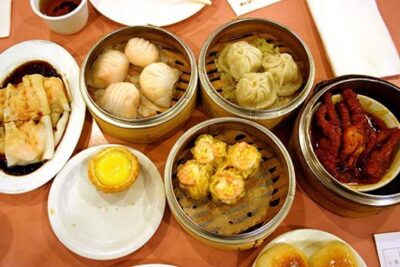
San Francisco North Beach & Chinatown Food Tour with 5 Tastings
Read our review →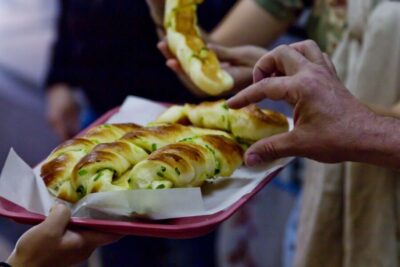
San Francisco: Chinatown Food and History Walking Tour
Read our review →
San Francisco: Alcatraz Island & Chinatown Walking Tour
Read our review →Browse the lists this tour appears in