REVIEW · STREET FOOD TOURS
São Paulo: Liberdade Street Food Tour
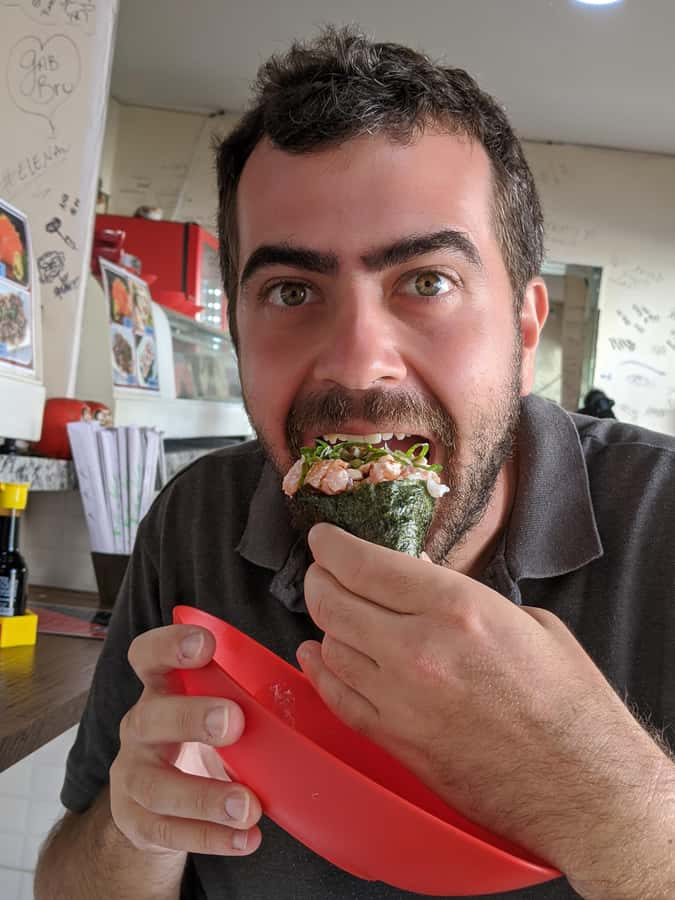
São Paulo’s Liberdade is far more than a Japanese district. On this two-hour food walk, you move through a neighborhood shaped by Japanese, Brazilian, Chinese, Korean, Congolese, and Haitian communities, tasting your way through that mix as you go. The food is the hook, but the story of migration is what gives the tour its weight.
I like the clear connection between each snack and the neighborhood’s past. I also like the small group, capped at 10 people, and the chance to spend time with guide Giuliano, whose fluent English, energy, and grasp of São Paulo’s history have earned strong praise. The main consideration is that food preferences are personal, and one participant found the final stop disappointing.
Key points at a glance
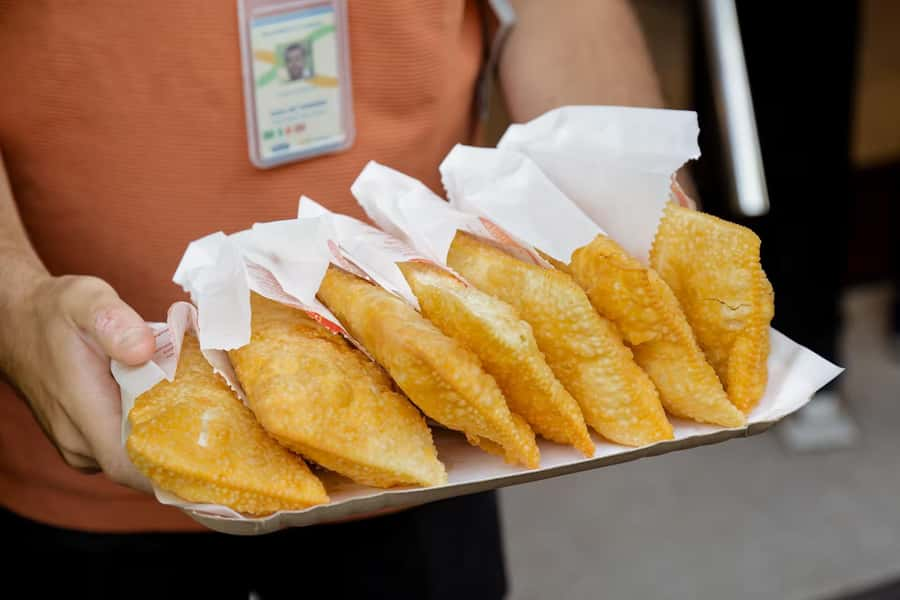
- Japanese pastel and onigiri: Start with two foods that show how Japanese flavors have adapted to São Paulo.
- Three main tastings plus drinks: The package includes Japanese pastel and onigiri, takoyaki or tempura, Korean choux, water, sugarcane juice, and a final soft drink or coffee.
- A changing weekday stop: Traditional takoyaki or tempura may be replaced by Argentine empanadas on weekdays.
- Liberdade beyond the signs: Your guide explains the area’s Japanese roots, Afro-Brazilian heritage, and newer migrant communities.
- Small English-speaking group: With no more than 10 people, it is easier to hear the guide and ask questions.
- Strict start time: Meet outside the large red Bradesco Bank in Liberdade Square, and arrive early.
Why Liberdade is the right place for a food tour
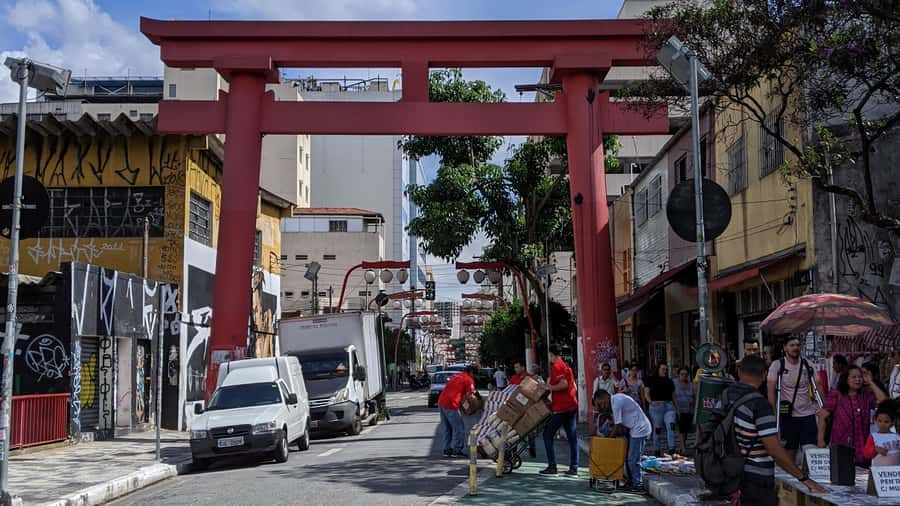
Liberdade is one of São Paulo’s most distinctive neighborhoods. It is widely known for its Japanese presence, and the tour places that influence in context: Japanese immigrants made the area their home about a century ago, after the district had served as a military zone.
That story does not end with Japan. Today, Liberdade also reflects Chinese, Korean, Congolese, and Haitian migration, along with a strong Afro-Brazilian presence. Food gives you a practical way to understand that change. Instead of treating the neighborhood as a collection of decorative lanterns and Asian shops, the tour asks how recipes, snacks, and eating habits shift when people settle in a new city.
I like that approach. A short food walk cannot explain every layer of São Paulo, but it can give you a useful framework for reading the streets afterward. You will see Liberdade not as a themed district, but as a place shaped by several communities over time.
A few more street food tours around the world worth a look
- Reykjavik Food Walk – Local Foodie Adventure in Iceland
★ 5.0 · 18,952 reviews - Dubai: Old Town, Creek, Museums, Souks, & Street Food Tour
★ 4.8 · 10,816 reviews - Ho Chi Minh City Street Food Tour & Sightseeing By Motorbike
★ 5.0 · 9,413 reviews
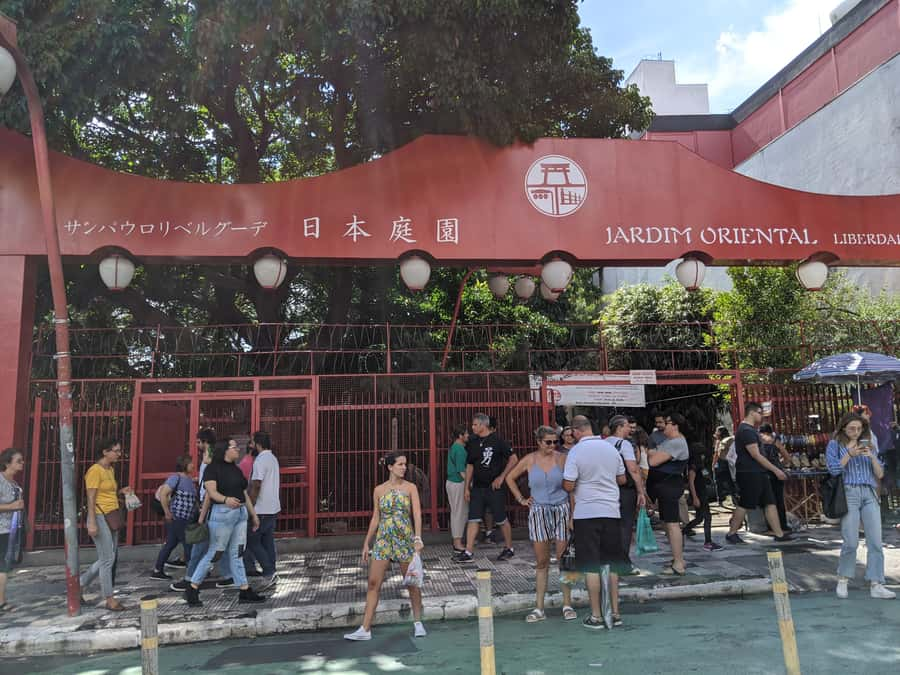
Meeting at Liberdade Square
The tour begins outside the large red Banco Bradesco Prime branch in the middle of Liberdade Square. This is an easy landmark, but do not cut your timing close. The tour starts strictly on time, and the guide does not plan to check the phone once the walk begins.
That rule matters in São Paulo, where getting across the city can take longer than expected. Give yourself extra time to find the square, locate the bank, and settle in. If you need more directions, the provider asks you to contact the guide the day before rather than waiting until the meeting time.
The group limit of 10 is a useful middle ground. You get more personal attention than on a large bus-style outing, while still having enough people to make the food stops social. The activity is wheelchair accessible, though the supplied details do not describe the exact street surfaces or access at every food stop. If that matters for your planning, ask for current route details before booking.
Japanese pastel, onigiri, and a taste of adaptation
The first food set includes Japanese pastel and onigiri. These are good choices for this neighborhood because they show how food changes across borders.
Pastel is strongly associated with Brazilian street food, while the Japanese version puts a different cultural stamp on a familiar local format. Onigiri brings a recognizable Japanese snack into a São Paulo street setting. Together, the pair makes the point better than a history lecture alone: immigrant food is not frozen in place. It becomes part of the city around it.
You also receive sugarcane juice, a distinctly Brazilian refreshment that adds a tropical note to the Japanese-focused tasting. It is a smart pairing because the drink keeps the tour from feeling like a series of similar savory bites.
The portions are intended as tastings, but do not assume you will leave hungry. Several people found the food filling, and one especially useful tip is to arrive with a light appetite. You are sampling several items, not simply stopping for one snack and a short stroll.
Takoyaki, tempura, or weekday empanadas
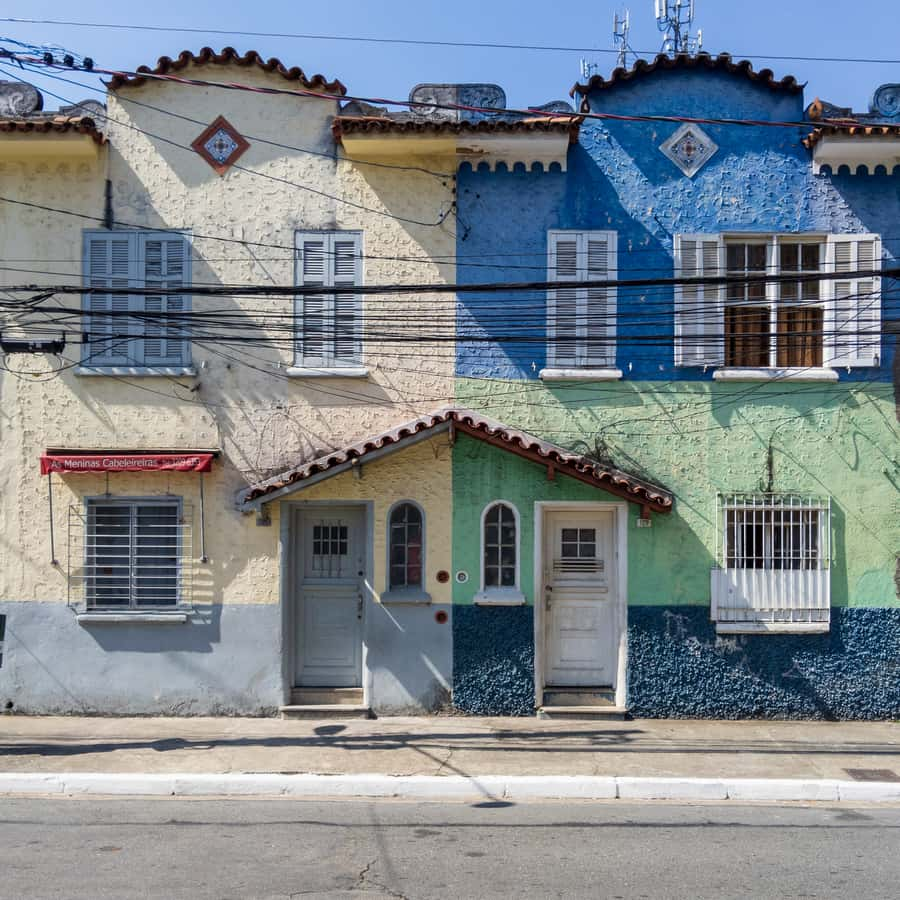
Another stop focuses on traditional takoyaki or tempura. These foods add a different texture and flavor profile to the walk, and they help show the range of Japanese cooking available in Liberdade.
On weekdays, this stop may be replaced by Argentine empanadas. That is not a minor detail. If you are booking specifically for takoyaki, you should treat the menu as flexible rather than guaranteed. If you enjoy comparing food cultures, the substitution may be a benefit: Argentine empanadas add another migration story to the route and widen the tour beyond its Japanese center.
This is also where the tour’s format works well. You are not simply handed a list of dishes. The guide connects the food to the people and traditions found in the district. A snack becomes a talking point about how São Paulo absorbs outside influences and turns them into something local.
The tradeoff is that a flexible menu can make the experience less predictable. You may not get every item you had in mind, and the final food choice will not suit every palate. The overall package remains varied, but I would book this for the cultural mix rather than for one must-have dish.
Same city, a different plate:
- Medellin: Comuna 13 Graffiti Tour, Cable Car & Street Food
★ 4.8 · 9,046 reviews - Dubai: Old Town, Souks, Street Food, Guided Tour & Abra Ride
★ 4.9 · 7,170 reviews - Naples: Street Food Walking Tour with Local Guide
★ 4.9 · 4,976 reviews - Small Group Hanoi Street Food Tour with a Real Foodie
★ 5.0 · 4,682 reviews
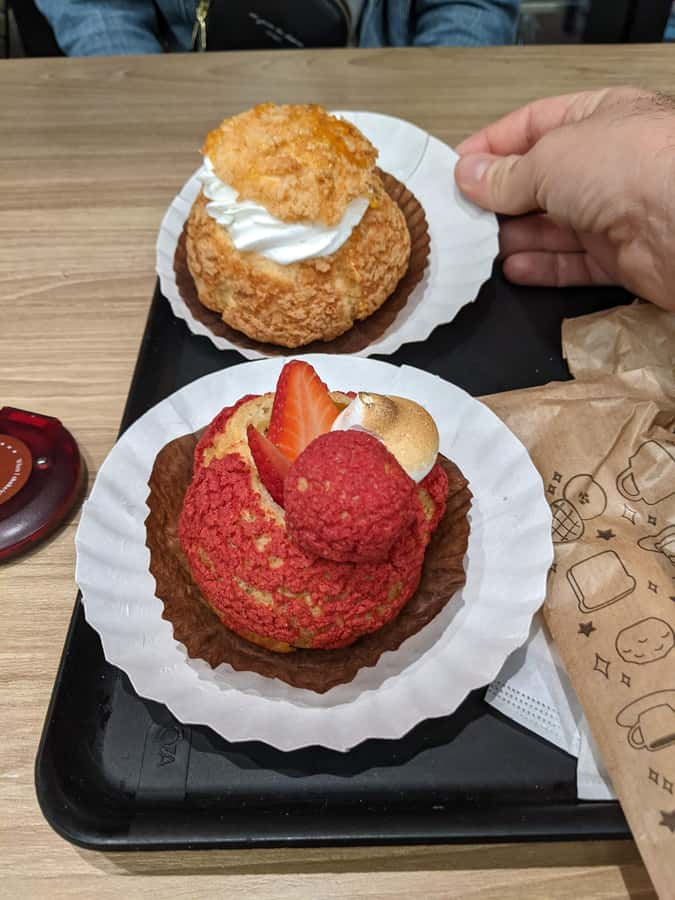
Korean choux and the newer face of Liberdade
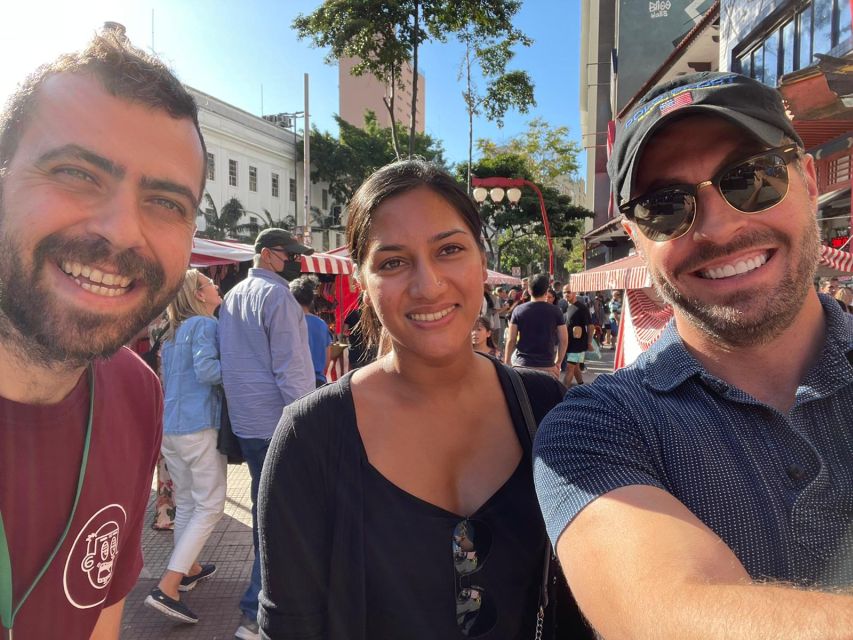
The Korean choux au craquelin brings another community into the tasting. It is a useful reminder that Liberdade is not only about the neighborhood’s older Japanese identity.
This pastry also gives the menu some contrast. After savory Japanese and Brazilian-influenced snacks, a Korean sweet changes the pace. The tour uses food in a simple but effective sequence: familiar local formats, Japanese specialties, another immigrant tradition, then a drink or coffee to finish.
The Korean stop matters because it helps correct a common misunderstanding about Liberdade. A visitor who only looks at the district’s Japanese symbols can miss the newer communities that also shape daily life. Your guide points toward those changes while walking through the area.
Streets, architecture, and the people who call the area home
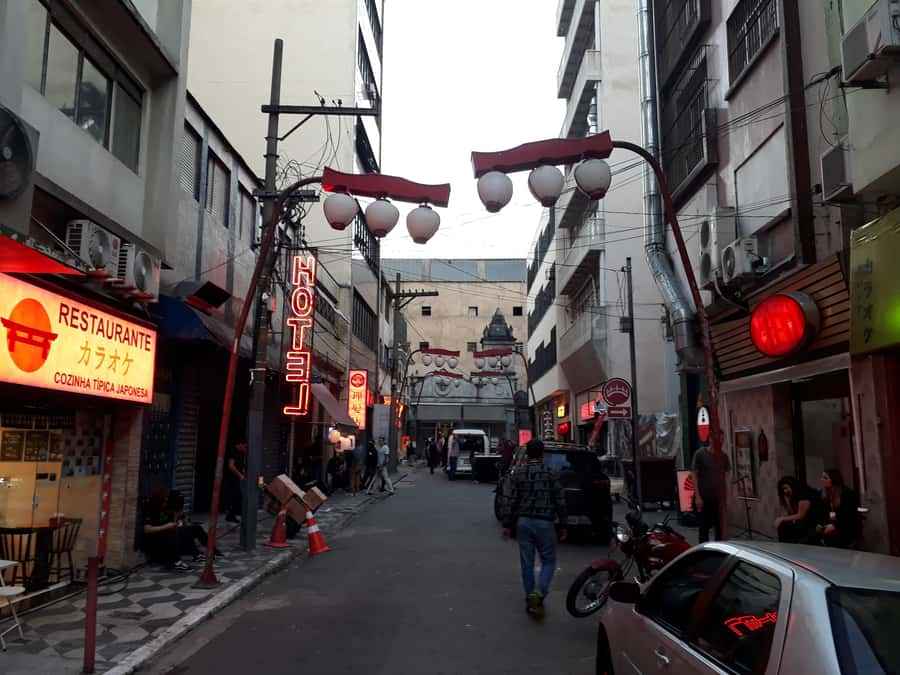
The eating is paired with a guided walk through Liberdade’s streets. After the snacks, you look for places of architectural interest and learn more about who lives in the area.
This part keeps the tour from becoming a food crawl with facts added as decoration. You get time to place the dishes in a physical setting, seeing the streets and buildings that form the neighborhood’s public face. The supplied plan allows about 105 minutes for the guided Liberdade portion, within the two-hour activity.
You should expect a compact introduction rather than an exhaustive city tour. The route concentrates on Liberdade, its food, and its immigrant story. That makes it a good first look at the district, but not a substitute for a full São Paulo history tour.
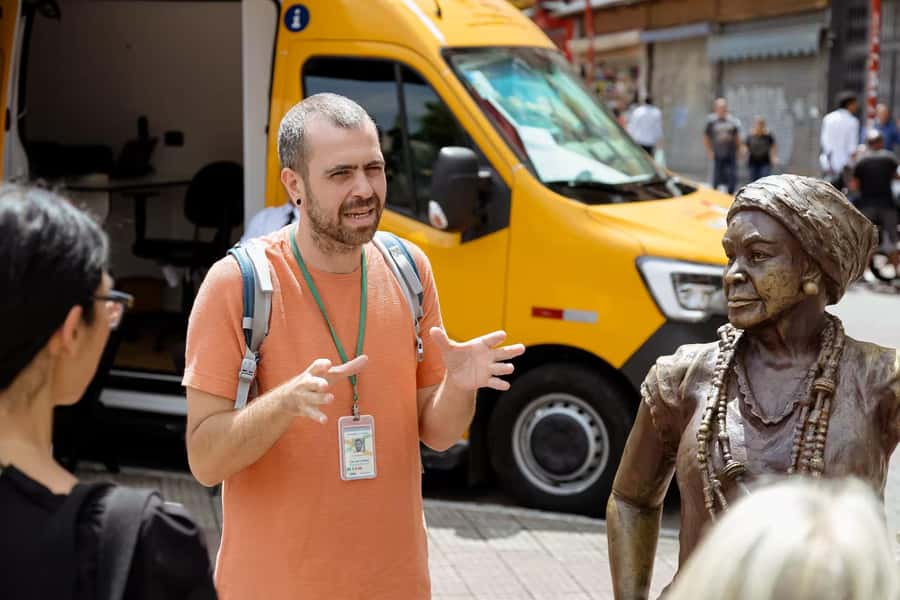
Several participants singled out Giuliano’s delivery. He is described as energetic, clear in English, and able to connect local food with broader Brazilian history. That is important on a short tour. A guide who can explain why a dish matters gives you more than a menu of samples.
Finishing near Restaurante Kazu
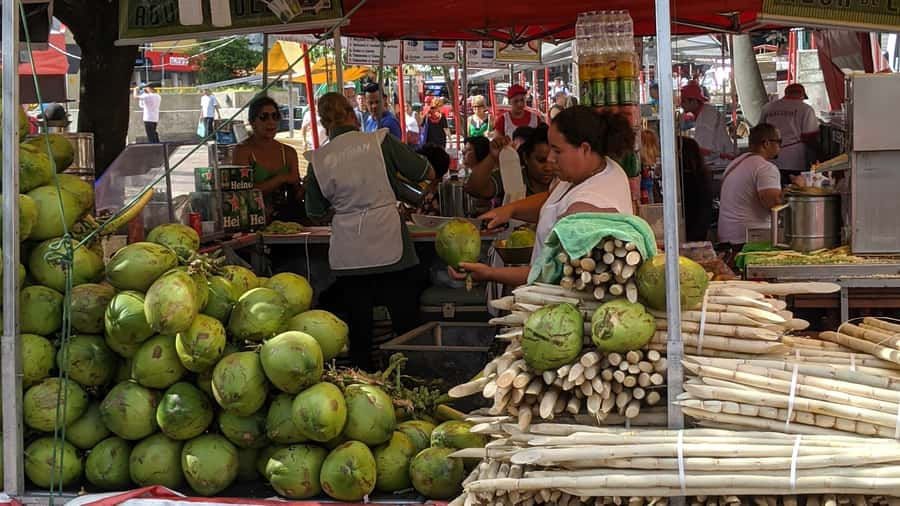
The tour finishes at Restaurante Kazu. The included package ends with a soft drink or coffee, giving you a final chance to sit with the flavors and information from the walk.
You should not confuse the finish with a full restaurant meal. The tour includes three main snacks and the listed drinks, while anything additional is at your own cost. One person found the final food stop less appealing, so keep your expectations practical: the value is in the range of samples and the guide’s explanation, not in a guaranteed fine-dining meal.
If you want to continue eating afterward, finishing at Kazu puts you in a useful part of Liberdade for making your own plans. The tour itself does not include extra food or drinks, so budget separately if you expect a second meal.
What the $60 price gets you
At $60 per person, this is not the cheapest way to buy street food in São Paulo. You could certainly purchase individual snacks for less. The value comes from having the food selected, explained, and organized into a short walk through one of the city’s most distinctive districts.
The price includes:
- Three main snack experiences
- Japanese pastel and onigiri
- Takoyaki or tempura, with possible weekday empanadas instead
- Korean choux au craquelin
- One bottle of water
- One sugarcane juice
- A final soft drink or coffee
- An English-speaking guide
- A small group limited to 10 people
For a first visit to São Paulo, I think the price is reasonable if you want context and company rather than a self-guided snack hunt. It is less compelling if your only goal is to eat as cheaply as possible or if you need a fixed menu.
The high overall rating of 4.9 from 73 reviews supports the idea that the guiding and food combination works well for most people. The praise is especially consistent around Giuliano’s communication, energy, and command of local history. Still, the one less-positive food comment is worth keeping in mind. No tasting menu can please every palate.
Timing, weather, and what to bring
The activity lasts two hours, with starting times available according to the date you choose. Bring sunscreen and an umbrella. São Paulo weather can change, and the tour takes place outdoors between food stops.
Wear comfortable shoes and arrive early, even though those items are not specifically listed in the supplied instructions. The walk is short enough for most people, but you will be moving through city streets and stopping at several places.
English is the tour language. Free cancellation is available up to 24 hours before the start time, and the reserve-now, pay-later option lets you hold a place without paying immediately. These are useful safeguards if your São Paulo schedule is still shifting.
Who will enjoy this food walk most
I would recommend this tour to you if you want an approachable introduction to São Paulo’s immigrant communities and prefer learning through food. It suits first-time visitors, curious eaters, and anyone who wants a guided orientation to Liberdade before exploring the district alone.
It is also a good fit if you value a small group and a guide who can speak fluent English. The experience has enough history to satisfy people who want more than snacks, but it stays relaxed and social rather than academic.
You may want to skip it if you need a completely fixed menu, have strict dietary requirements that have not been discussed in advance, or are looking for a long, full-day food experience. The tour is compact, and the weekday substitution means the exact food lineup can change.
Should you book the Liberdade Street Food Tour?
Book it if you want São Paulo history served alongside Japanese, Brazilian, Korean, and possibly Argentine food. The strongest reason to go is the link between the neighborhood’s people and its dishes, backed by a small group and an English-speaking guide such as Giuliano.
Arrive hungry, arrive early, and think of the $60 as payment for interpretation and planning as much as for food. If you do that, this is a lively, useful way to get your bearings in Liberdade without reducing the neighborhood to a single national identity.
FAQ
How long does the Liberdade Street Food Tour last?
The tour lasts two hours. The guided Liberdade portion is listed as approximately 105 minutes within that overall duration.
Where does the tour meet?
Meet outside the large red Banco Bradesco Prime bank in the middle of Liberdade Square in São Paulo.
Where does the tour finish?
The activity finishes at Restaurante Kazu.
What food is included?
The tasting includes Japanese pastel and onigiri, traditional takoyaki or tempura, Korean choux au craquelin, one bottle of water, one sugarcane juice, and a final soft drink or coffee.
Can the food menu change?
Yes. On weekdays, takoyaki or tempura may be replaced with Argentine empanadas.
Is the tour conducted in English?
Yes. The live tour guide speaks English.
How large is the group?
The tour is limited to 10 participants.
Is the tour wheelchair accessible?
Yes, the activity is listed as wheelchair accessible. The supplied details do not specify access conditions at every individual food stop, so contact the provider if you need route-specific information.
Just added around the world
- Walking Street Food Tour and 2 UNESCO Sightseeing in Kathmandu★ 5.0 · 4 reviews
- Kathmandu Street Food Walking Tour – Eat Like a Local★ 5.0 · 3 reviews
- Key West Street Food Private Local Guided Tour★ 3.5 · 2 reviews
- Kampala Bar Crawl, Beer Tasting and Street Food (6 Hours)★ 5.0 · 2 reviews
- Nighttime Boda Boda Street Food Tour★ 5.0 · 6 reviews
- The 10 Tastings of Kandy With Locals: Private Street Food Tour★ 4.5 · 85 reviews
- Unique street food tour from at least 6 different cultures!★ 5.0 · 29 reviews
- Bali Street Food Tour★ 5.0 · 44 reviews
Street Food Tours, compared.
Ho Chi Minh City Street Food Tour & Sightseeing By Motorbike
Read our review →
Dubai: Old Town, Souks, Street Food, Guided Tour & Abra Ride
Read our review →
Naples: Street Food Walking Tour with Local Guide
Read our review →
Small Group Hanoi Street Food Tour with a Real Foodie
Read our review →
Saigon By Night and Street Food By Motorbike | Opt: Ao Dai Riders
Read our review →
Private Street Food Tour by Motorbike/Car with Local Students
Read our review →