
REVIEW · COLOMBIA STREET FOOD TOURS
Shared Tour Bogota’s Street Local Food
Bogotá’s food story is best understood one small bite at a time. This walk through La Candelaria connects empanadas, obleas, coffee, ajiaco, and hot chocolate with cheese to Colombia’s Indigenous roots and European influence. I like the focus on local stops rather than a formal restaurant meal, and I like that you choose what to eat instead of paying for a fixed tasting menu.
The guide-led explanations are a real part of the value. Leo has led especially strong departures, with clear stories and an easy manner, while Patricia has also guided the route. The main drawback is simple: food is not included, and the menu may feel sweet-heavy if you prefer savory dishes.
Key points before you book
- About 2.5 to 3 hours on foot: You will cover roughly 7 kilometers, with pauses for food and explanation.
- Food costs extra: The tour price is $13 per person, then budget about $9 to $10 for tastings and drinks.
- Classic Colombian flavors: Expect introductions to empanadas, obleas, ajiaco, coffee, aguardiente, and hot chocolate with cheese.
- A flexible tasting format: You choose which foods to buy, with vegetarian choices making up about 70 percent of the options.
- A La Candelaria starting point: Meet beside the Museo del Oro, under Beyond Colombia’s red umbrellas.
- Best for curious eaters: Children under 12 and people over 65 are not accepted, and the route requires comfortable walking.
Starting beside the Museo del Oro
The meeting point is easy to identify: stand in front of the Museo del Oro and look for the red Beyond Colombia umbrellas. This puts you right at the edge of Bogotá’s historic center, a useful place to begin because the tour can move quickly into the streets of La Candelaria.
You are not being picked up at your hotel. Plan to reach the museum on your own and arrive ready to walk. The area can be crowded, so keep your phone and wallet secure. Colombians use the phrase no dar papaya, meaning do not make it easy for someone to take advantage of you. It is good advice here.
Bring water, comfortable shoes, and a rainproof coat or umbrella. Bogotá’s weather can change quickly, and this is an outdoor walking route. You will spend about 150 minutes on the official schedule, though the description also allows approximately three hours. I would keep a three-hour window free, especially if the group pauses longer at food stops.
A few more street food tours around Colombia worth a look
- Medellin: Comuna 13 Graffiti Tour, Cable Car & Street Food
★ 4.8 · 9,046 reviews - Medellín: Comuna 13 True Story and Street Food Tour
★ 4.9 · 1,779 reviews - Cartagena: Guided Street Food Tour with Tastings
★ 4.9 · 833 reviews
Empanadas and the first taste of Colombian street food
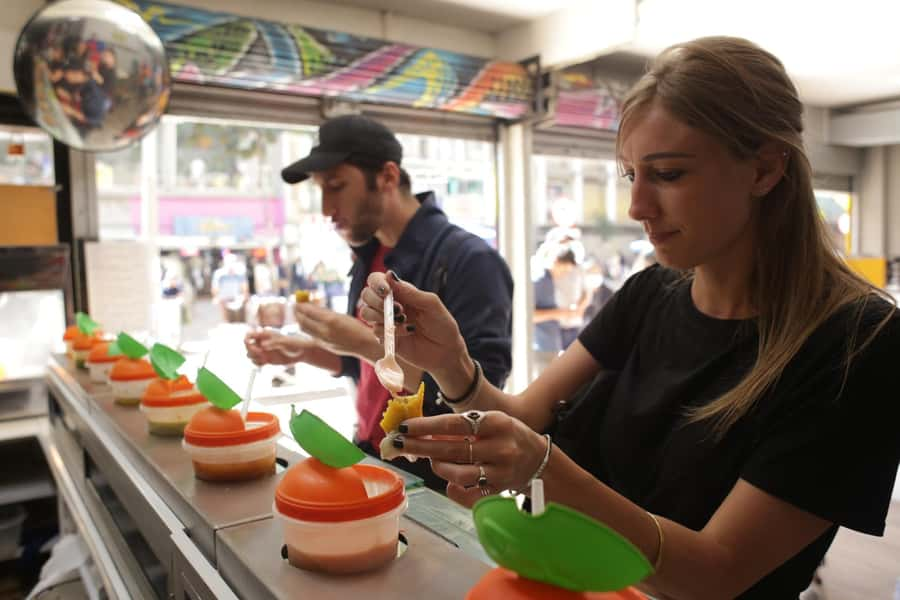
Empanadas are among the most approachable foods on the route. You get a crisp, filled pastry that is easy to eat while walking, but the point is not simply to grab a snack. The guide explains where the dish comes from and how it fits into Colombia’s broader food story.
This is where the tour’s historical angle begins to matter. Colombian cuisine did not develop from one source. Indigenous ingredients and cooking traditions met foodways brought by Europeans, producing dishes that now feel completely local. The guide uses familiar foods such as the empanada to explain that process without turning the walk into a classroom lecture.
You might find the empanada stop especially useful if you are new to Colombian food. It offers a gentle introduction before the route moves into stronger combinations and more unusual customs. Vegetarian choices are available across much of the experience, although the exact selection depends on the food stops that day.
Obleas, toppings, and the sweeter side of the walk
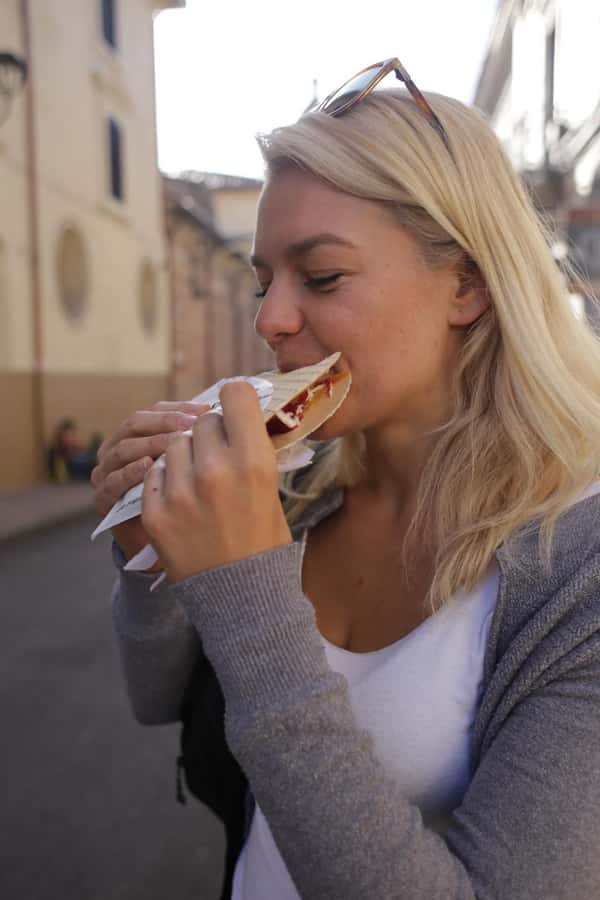
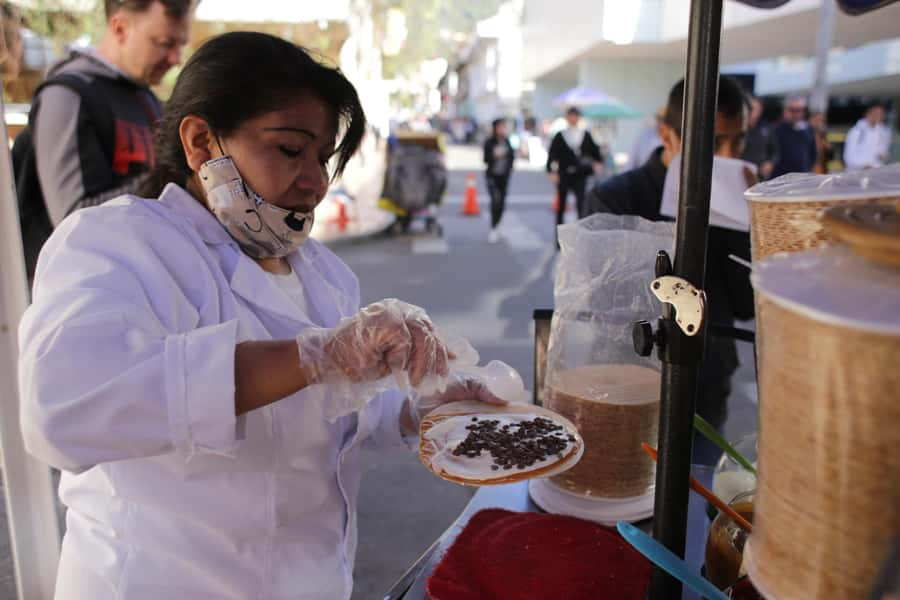
Obleas are thin, crisp wafers layered with toppings. The fun is in learning which combinations to try, since the topping changes the character of the snack. The guide covers the origin of obleas and points out the toppings worth considering.
This part of the route gives you a clear sense of why the experience is not just a standard food crawl. You are learning the social life of a snack, not only its ingredients. Obleas are tied to casual eating and local habits, so they help show how people enjoy food between larger meals.
Still, pay attention to the balance of the route. One recent departure found the tour too sweet, and that is a fair warning for anyone who prefers savory food. Empanadas, ajiaco, and coffee help offset the sugar, but you should not expect a meat-heavy tasting menu. The option to pay only for what you choose gives you some control.
Coffee and Bogotá’s everyday rhythm
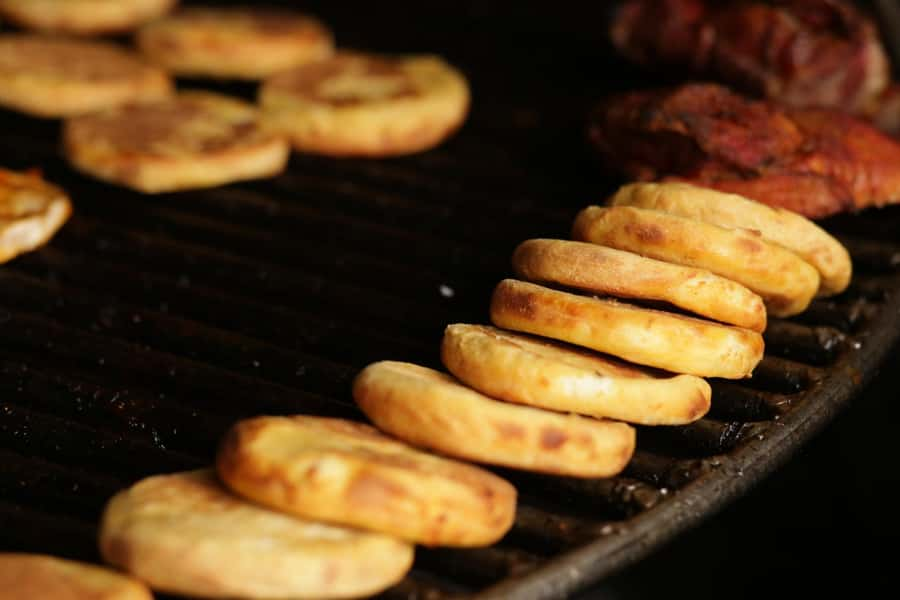
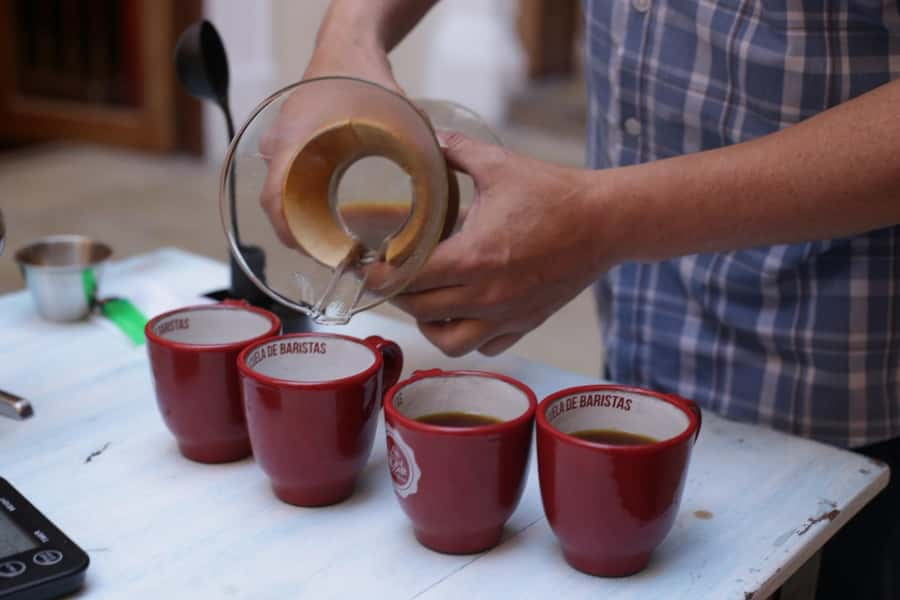
Coffee is an important stop because Colombia’s international reputation can overshadow the way coffee fits into daily life inside the country. Here, the guide connects coffee to Colombian culture and points you toward places where you can continue exploring after the walk.
The included recommendations are useful beyond the tour itself. You receive suggestions for local allies where you can have lunch, buy coffee, or shop for souvenirs. That matters in Bogotá, where a well-chosen neighborhood place can give you a better meal than a restaurant selected only for its location.
Do not expect the $13 price to cover a full coffee tasting or meal. The guide fee and route are included, but you pay for each food or drink you decide to try. With the usual extra cost around $9 to $10, the total remains reasonable for a guided half-day introduction, provided you understand the arrangement before booking.
Same city, a different plate:
- Medellin: Street Food and Poblado Rooftop Tour with a Local
★ 4.8 · 317 reviews - Medellin: Party Bus with DJ & Street Food Tastings
★ 4.5 · 112 reviews - The Cali Street Food Walking Tour
★ 5.0 · 81 reviews - Cali: Street Food Tour
★ 4.8 · 71 reviews
Ajiaco, Bogotá’s signature bowl
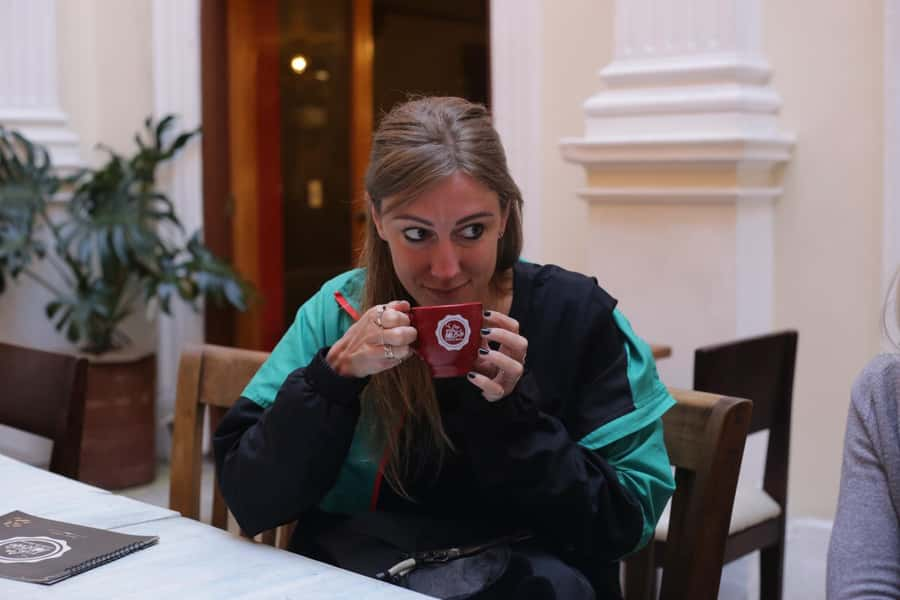
Ajiaco is one of the most important foods on this route. It is closely tied to Bogotá and gives the guide a chance to explain how local ingredients and older cooking traditions come together in one dish.
You also learn the best way to eat it, which is more useful than simply hearing a list of ingredients. Local dishes often come with small customs that are easy to miss if you order alone. The guide helps you understand how the components work together and why the dish matters to Bogotá.
Ajiaco also gives the tour a needed savory anchor. If you are worried about too many desserts, this is the stop that should interest you most. The route is not a sit-down lunch, so portion sizes and exact serving details are not fixed, but the dish gives you a more substantial taste of Colombian cooking than an oblea alone.
Hot chocolate with cheese, Bogotá’s oddest pairing
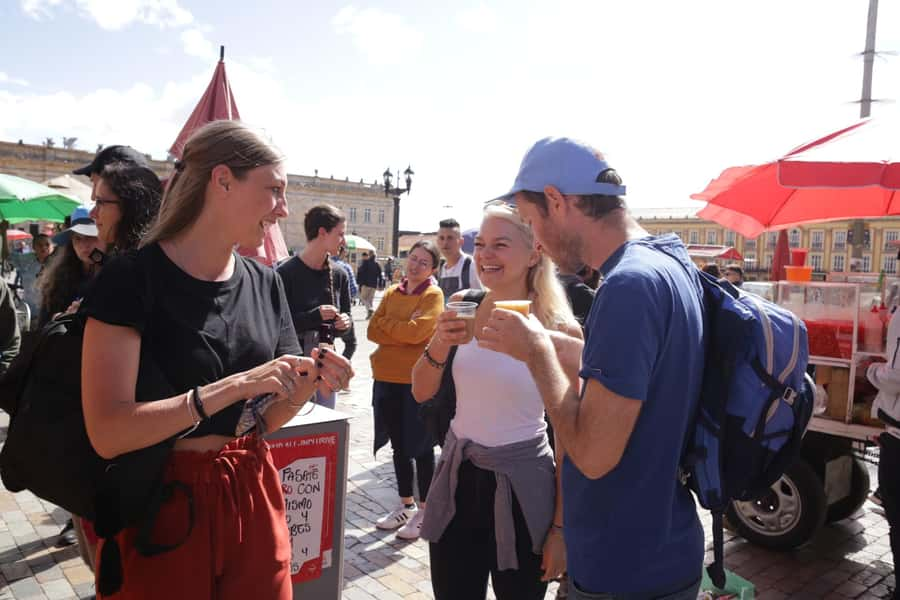
Hot chocolate with cheese is the tour’s most unusual food moment. If you come from a place where chocolate is always sweet and cheese belongs on a separate plate, the combination may sound strange. That is precisely why it is worth trying with an open mind.
The pairing introduces you to a Colombian habit that is easy to miss in a conventional sightseeing program. The guide explains how to approach it, so you are not left guessing whether the cheese is meant to be eaten separately or combined with the drink.
This is not a dish I would recommend ordering blindly if you dislike unusual textures. But as a small tasting, it is a memorable way to see how food customs vary from country to country. It also gives the group something to talk about, which helps keep the walk social rather than making it a series of silent purchases.
Aguardiente and the code for drinking it early
Aguardiente is Colombia’s anise-flavored spirit, and the tour covers both the drink and the local language around it. One highlight is the secret name used to order or drink aguardiente at any time of day.
The detail is playful, but it also shows how food tours can explain social rules that guidebooks often skip. A drink is not only a liquid. It can carry regional habits, humor, and a sense of belonging. You do not need to be a spirits enthusiast to enjoy this part, and you are not required to drink every item.
Remember that beverages are extra. If you want to keep the bill low, ask before ordering and choose only the tastings that appeal to you. The pay-as-you-go model works well for a mixed group, since one person can try aguardiente while another sticks to coffee or water.
Indigenous roots and European influence
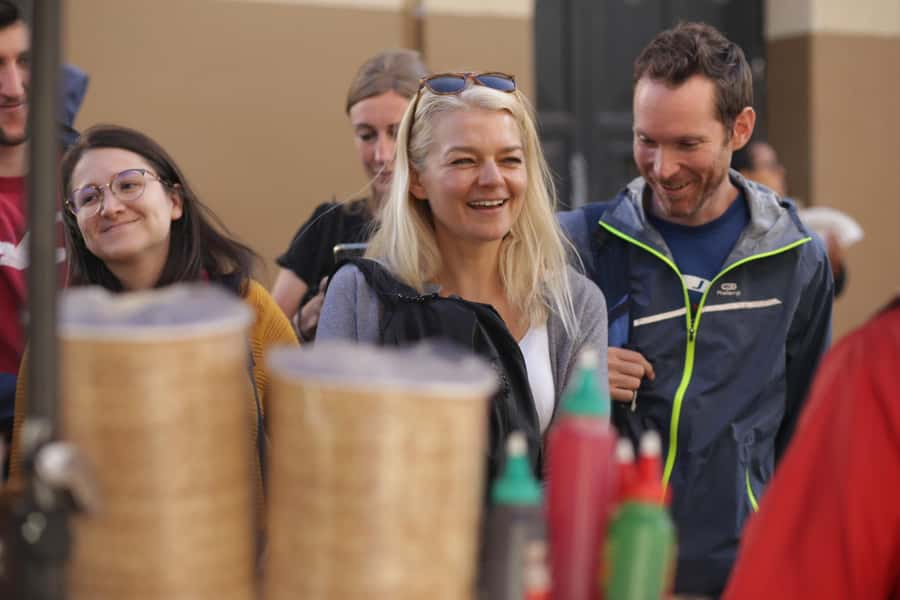
The route’s strongest feature is the way it links food to history. You hear about the Indigenous people who shaped the food of the territory before European domination, then see how European influence changed ingredients, dishes, and eating habits.
The guide promises an objective account rather than a one-sided national story. That approach is valuable because Colombian cuisine is a meeting point of cultures, not a single tradition preserved unchanged. The food becomes a way to discuss power, adaptation, and daily life without losing the pleasure of eating.
You should come ready to listen as well as taste. The experience is not designed as a quick list of snack stops. At each pause, the guide explains the background, and the walking time connects one part of the historic center to the next.
The walking pace and what 7 kilometers means
The distance is roughly 7 kilometers, which is a serious walk for a food tour. You will stop often, but the day still requires steady movement through city streets. Comfortable shoes are essential, not optional.
This route suits people who like seeing a neighborhood on foot and do not mind eating in small portions. It is less suitable if you want a long seated meal, have limited walking ability, or prefer to stay indoors. The operator lists the activity as unsuitable for children under 12 and people over 65.
Weather also affects the experience. Bogotá may bring rain, so pack a coat or umbrella even if the morning looks clear. Bring water or another preferred drink. The food stops provide flavor, but they do not remove the need to stay hydrated.
What the $13 price really covers
At $13 per person, the price is modest for an English-speaking guided walk in central Bogotá. You are paying for the guide, the route, the historical explanations, access to selected local food spots, and follow-up recommendations for lunch, coffee, and souvenirs.
You then pay separately for tastings. The expected food and drink cost is around $9 to $10, depending on what you choose. That makes the likely total about $22 to $23 per person, before any extra purchases.
I see value here for someone who wants orientation and context, not just food. You could spend less by eating on your own, but you would have to research the stops and decode the customs yourself. If your priority is a large meal, the value is weaker. This is a guided introduction with several samples, not a replacement for lunch.
The reserve-now, pay-later option keeps your plans flexible, and cancellation is free up to 24 hours before the start for a full refund. Those policies are useful if your Bogotá schedule is still shifting.
Who will enjoy this food walk most
I would choose this tour if you are visiting Bogotá for the first time, enjoy short explanations with your food, and want to try local dishes without committing to a formal restaurant. Solo visitors can also fit in comfortably, since the structure gives you plenty to discuss with the guide and group.
It is a good match for adventurous eaters who want to try hot chocolate with cheese, learn about aguardiente, and see how familiar snacks connect to Colombian history. Vegetarian diners have a fair chance of finding suitable choices, with about 70 percent of the food options described as vegetarian.
I would think twice if you dislike sweets, need a seated meal, or cannot walk several kilometers. The tour can also disappoint if you assume the $13 price includes everything. Budget separately for food and drinks, and decide in advance how much you want to taste.
Should you book the Bogotá street food tour?
Book it if you want a friendly, history-minded introduction to Colombian food in La Candelaria. The strongest parts are the explanations of empanadas, obleas, ajiaco, coffee, and the Indigenous and European influences behind them. Guides such as Leo have made the history clear and easy to follow, while Patricia has also led the route.
Skip it if you want a large, savory meal or a short ride between stops. The 7-kilometer walk, extra food cost, and sweet-leaning selection require a little planning. For curious eaters who bring water, wear good shoes, and keep an open mind, the tour offers a useful first taste of Bogotá that continues after the last stop through its local recommendations.
FAQ
How long does the Bogotá street food tour last?
The activity is listed as 150 minutes, or about two and a half hours. The description also says to expect approximately three hours, so keep a three-hour window available.
Where does the tour meet?
Meet in front of the Museo del Oro in Bogotá. Look for the red Beyond Colombia umbrellas.
Is food included in the $13 price?
No. Food and drinks are not included. You pay for the items you choose, with the expected extra cost around $9 to $10.
What foods are covered?
The experience covers empanadas, obleas, Colombian coffee, ajiaco, hot chocolate with cheese, aguardiente, and other local foods.
Are vegetarian options available?
Yes. About 70 percent of the food options are vegetarian, though the exact choices can vary.
Is the tour conducted in English?
Yes. The tour includes a live English-speaking guide.
How much walking is involved?
You will walk about 7 kilometers, with stops for food and explanations. Comfortable shoes are recommended.
Is hotel pickup available?
No. Hotel pickup and drop-off are not included. You must reach the meeting point at the Museo del Oro.
Can children join the tour?
The activity is not suitable for children under 12 years old.
What happens if it rains?
The tour is outdoors, so bring a rainproof coat or umbrella. You should also carry water or another preferred drink.
Just added around Colombia
- Private Cartagena city and street food tour.★ 5.0 · 31 reviews
- The Cali Street Food Walking Tour★ 5.0 · 81 reviews
- Street Food Tour – Live A Unique Gastronomic Experience★ 5.0 · 34 reviews
- Street Food Tour in Bogotá with Tastings★ 5.0 · 34 reviews
- PALOQUEMAO MARKET FOOD TOUR. EXOTIC FRUIT. LOCAL SNACKS. /Min 2 pax★ 5.0 · 70 reviews
- Cali: Street Food Tour★ 4.8 · 71 reviews
- Shared Tour Cali’s Local Food at Alameda Market★ 4.8 · 12 reviews
- Santa Marta A Historical & Street food Experience★ 4.7 · 41 reviews
Colombia Street Food Tours, compared.
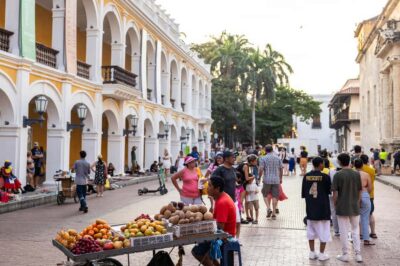
Cartagena: Guided Street Food Tour with Tastings
Read our review →
Medellin: Street Food and Poblado Rooftop Tour with a Local
Read our review →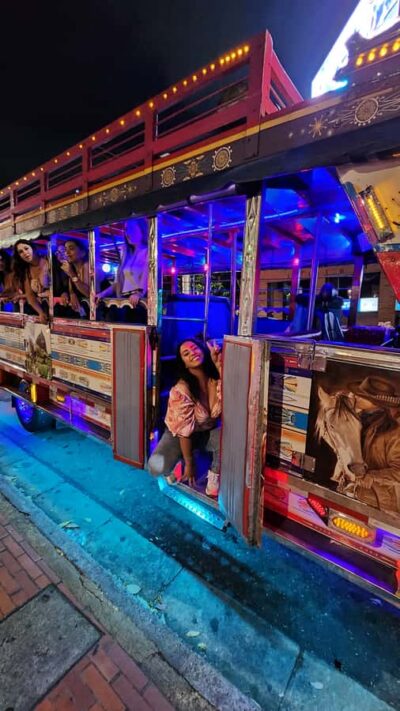
Medellin: Party Bus with DJ & Street Food Tastings
Read our review →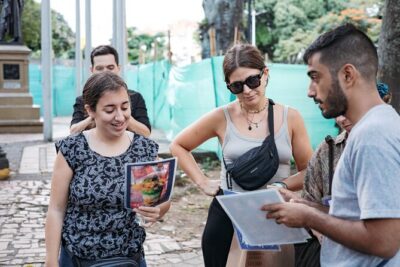
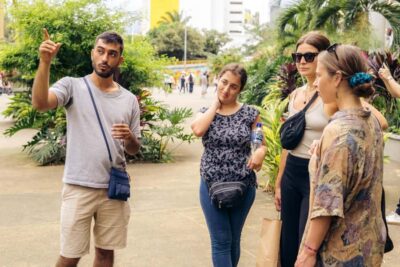
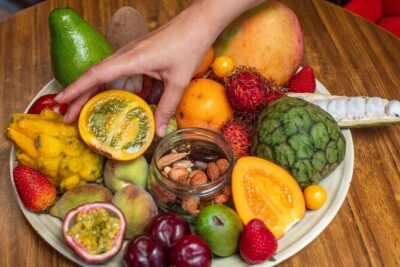
PALOQUEMAO MARKET FOOD TOUR. EXOTIC FRUIT. LOCAL SNACKS. /Min 2 pax
Read our review →
Medellin: tasting Street Food with Rooftops of El Poblado
Read our review →
Santa Marta A Historical & Street food Experience
Read our review →Browse the lists this tour appears in