
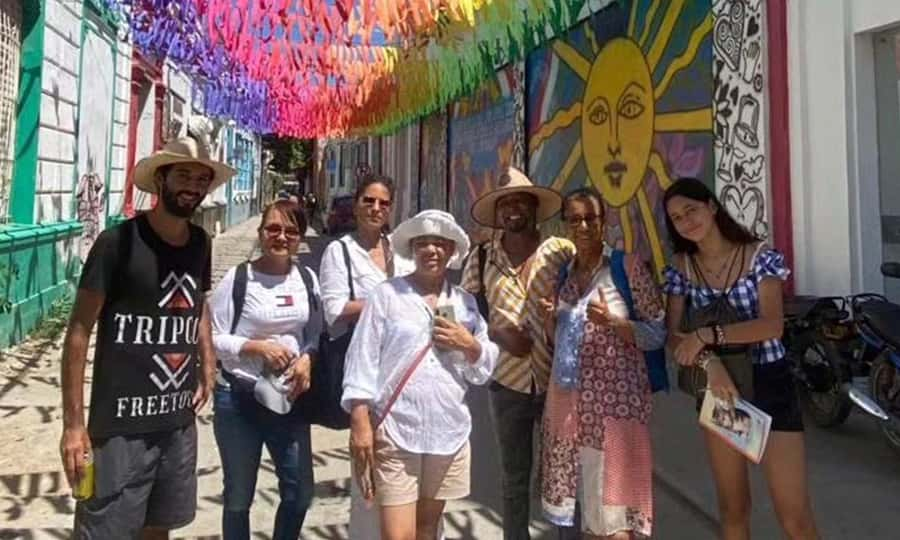
REVIEW · COLOMBIA STREET FOOD TOURS
Santa Marta A Historical & Street food Experience
Santa Marta’s best stories are found close together, in old houses, shaded squares, church walls, and streets where daily life carries on around you. This tour brings those layers together with a visit to the Tairona Gold Museum, colonial landmarks, and food stops featuring lulo, exotic fruit juice, ceviche, and empanadas.
I like the way the experience connects Santa Marta’s Spanish colonial past with the culture of the Indigenous people of the Sierra Nevada. I also like the personal touch of guides such as Sergio, who can explain the city and offer practical ideas for what to see next. The main concern is value: at $56 per person, two hours can feel expensive, especially if the walk is rushed or a planned food stop is unavailable.
Key points at a glance
- Tairona Gold Museum: Begin at the Casa de la Aduana, with a guided look at goldwork and Tayrona culture.
- Compact historic center: See Bolívar Park, the cathedral, Camellón Rodrigo de Bastidas, Los Novios Park, and San Francisco Church on foot.
- Food with local flavor: The experience is designed to include ceviche, lulo, fruit juice, and empanadas.
- Strong guide element: Sergio has been praised for his warmth, clear explanations, and helpful advice beyond the tour.
- Flexible timing: Afternoon departures can be more comfortable in Santa Marta’s heat, though the actual length may run well beyond two hours.
- Main caution: Confirm what tastings and museum access are operating on your date before booking at this price.
Santa Marta’s story begins at the Casa de la Aduana
Meet at the Museo del Oro Tairona, housed in the Casa de la Aduana. This is a fitting starting point. The building links Santa Marta to trade, colonial power, and the movement of goods through one of Colombia’s oldest coastal cities.
The opening portion focuses on the Tairona Gold Museum. You can expect a guided museum visit of roughly 15 to 30 minutes, depending on the pace and the guide’s approach. The museum gives useful context for the Indigenous communities of the Sierra Nevada, especially the Tairona people and the objects, customs, and traditions connected with them.
This is more than a quick display of attractive metalwork. The value comes from having someone explain what you are seeing and place it within the wider story of the region. If you simply walk through on your own, it is easy to admire the objects without grasping their meaning.
The museum is one of the strongest parts of the experience, especially if you want a first introduction to Indigenous history before visiting places connected with the Sierra Nevada. Still, the timing matters. A 15-minute stop gives you an outline, not a full museum visit. If the guide spends longer here, later stops may feel compressed.
More Dining Experiences in Colombia:
- Naples: Street Food Experience With 6 Stops
★ 4.7 · 392 reviews - Half-Day Polish Food Walking Tour with Guide and Dinner
★ 4.5 · 381 reviews - Siem Reap: Street Food Experience by Tuk-Tuk
★ 4.9 · 310 reviews
Bolívar Park and Santa Marta’s colonial center
From the museum, the walk continues toward Simón Bolívar Park. This is a natural place to discuss the city’s political story and the role of Simón Bolívar, whose name appears throughout northern South America.
The square also helps you get your bearings. Rather than treating Santa Marta as a string of unrelated monuments, the guide can show how the main public spaces connect. You will hear about the city’s changing identity, its colonial buildings, and the way public life has developed around these central plazas.
The route then reaches Parque Camellón Rodrigo de Bastidas, where there is time for photographs and a short explanation. The camellón gives you a different view of the city, with open space and a connection to Santa Marta’s waterfront setting. The stop is brief, about 15 minutes, so think of it as a scenic pause rather than a major museum-style visit.
I particularly like this part for first-time visitors. You are not only checking off landmarks. You are learning where the old center sits in relation to the rest of Santa Marta, which makes later independent walks easier.
Inside the Cathedral Basilica of Santa Marta
The Cathedral Basilica is one of the route’s key architectural stops. The visit lasts about 20 minutes and focuses on the colonial building, its interior details, and the stories attached to the city’s religious past.
The tour description also points to hidden messages in the frescoes. That gives the stop a little more character than a simple photograph from the doorway. Look closely at the artwork and ask the guide to explain what is symbolic, what is decorative, and what reflects the period in which the church was built.
The cathedral is also a useful reminder that Santa Marta’s history is layered. Indigenous traditions, Spanish rule, Catholic institutions, trade, and modern tourism all sit within a small area. A good guide will help you connect those subjects without turning the walk into a long lecture.
The route can be hot, and some sections are on old streets or paved public areas. Comfortable shoes and water make sense. The tour includes a local drink, but that should not replace carrying your own water, especially if the walk runs longer than planned.
Los Novios Park, murals, and Santa Marta after dark
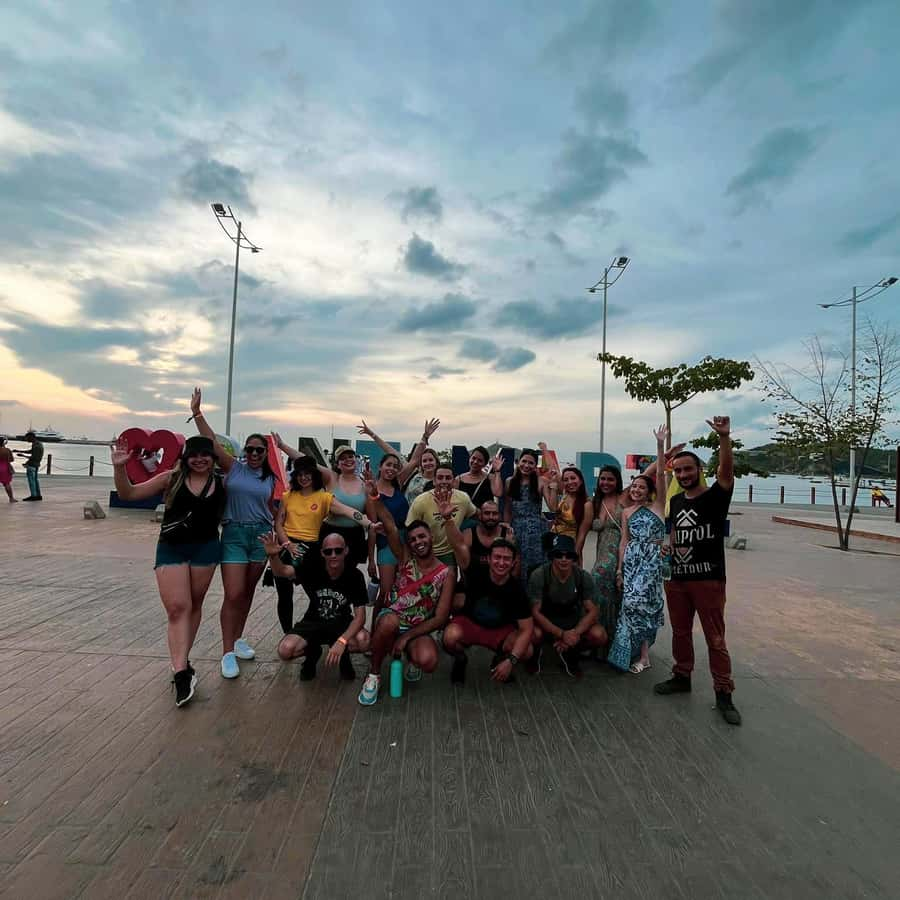
Parque de los Novios receives the longest scheduled stop, about 45 minutes. This is the social center of the walking route, and the guide uses it to explain local life, romance, legends, restaurants, pubs, and clubs in the historic center.
That makes this stop useful beyond the tour itself. You can ask where to eat later, which streets are active in the evening, and what parts of the center fit your style. The experience is designed to highlight the food and nightlife scene around Santa Marta’s center, so this is a good moment to request practical recommendations.
The area also connects with Santa Marta’s modern cultural identity. One particularly interesting detail from the experience is its attention to Gabriel García Márquez murals. They add a literary and visual layer to the walk, although the exact mural stops may depend on the route and guide.
This is where Sergio has made a strong impression. He has been described as easy to talk with, thoughtful, and willing to answer basic questions about the area. That matters because many visitors need more than dates and building names. They want to know what to do tomorrow, how to understand the city, and which nearby sights deserve time.
The 45-minute timing may be generous compared with the other stops, but it also creates the risk of a rushed finish if the museum or food portions take longer than expected. The quality of the tour depends heavily on how the guide balances storytelling with the promised tastings.
More Heritage Tours in Colombia:
- Historic Ybor City Food Walking Tour
★ 5.0 · 2,210 reviews - Palermo: Street Food and History Walking Tour
★ 4.9 · 1,486 reviews - Old Cairo Guided Walk Tour: History, Culture & Street Bites
★ 4.6 · 633 reviews - Walking Tour and street food Tour Palermo / History and Food
★ 5.0 · 386 reviews
San Francisco Church and San Miguel Cemetery
The walk includes a short visit and photo stop at Iglesia San Francisco. At roughly 15 minutes, this is a compact look at another religious landmark in the old center.
You should expect a brief explanation rather than an extended architectural study. The stop works best as part of the larger route because it shows how many historic institutions are packed into Santa Marta’s central streets.
San Miguel Cemetery adds a different tone. The planned visit lasts about 20 minutes and gives the guide a place to discuss local memory, important figures, funerary customs, and the people who shaped the city. The supplied information does not specify which graves or figures are covered, so the emphasis may vary by guide.
This is one of the more unusual stops. Many city walks stick to plazas and churches. A cemetery can offer a quieter way to understand how a community remembers its past. It is also a place where respectful behavior matters. Keep voices low, follow the guide’s lead, and treat the site as more than a photo backdrop.
What the food tastings add to the walk
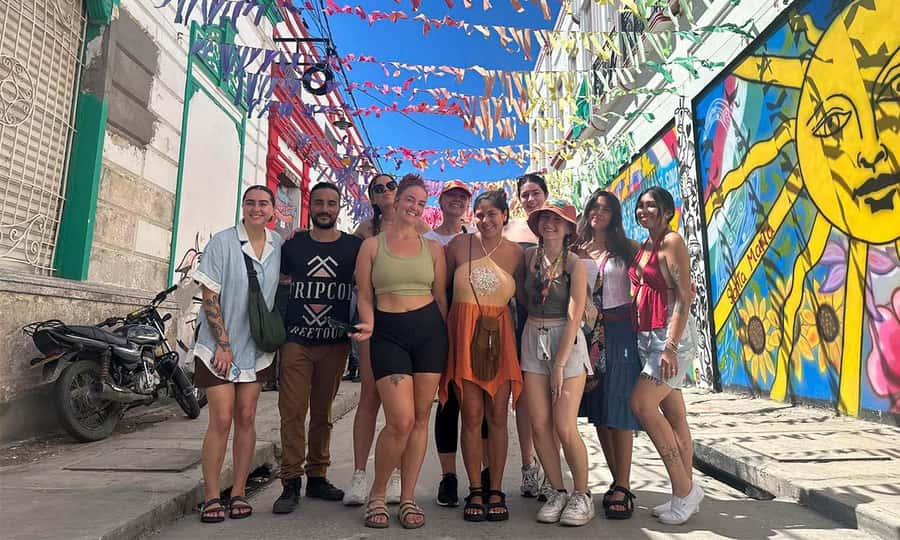
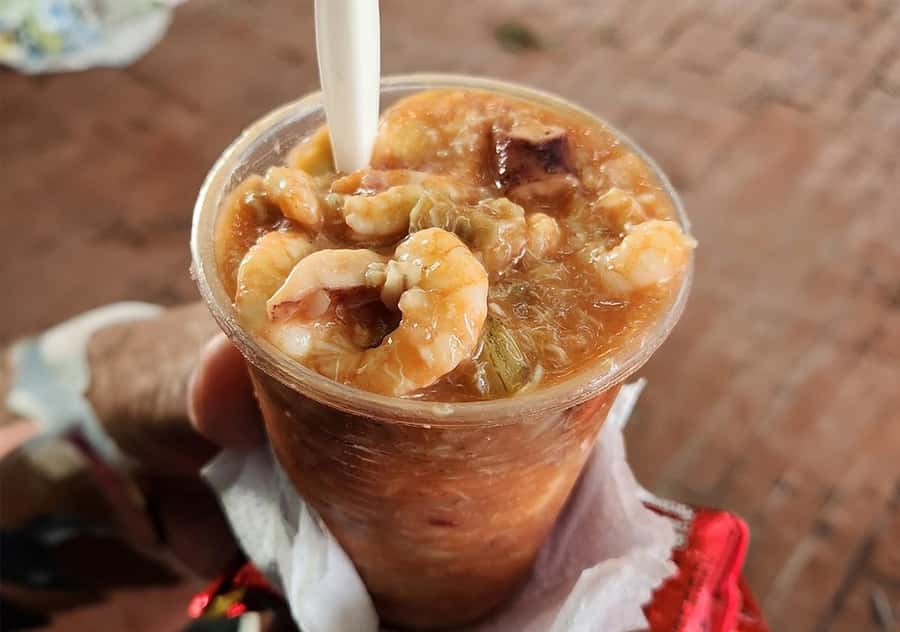
The food element is meant to make the experience more than a standard history tour. Planned tastings include a local drink, exotic fruit juice, Colombian-style ceviche, lulo in different preparations, and empanadas.
The fruit stop may feature guanábana, maracuyá, or zapote. These flavors are useful introductions to Colombian produce, especially if you normally stick to familiar orange or pineapple juice. Lulo is another highlight, with a sharp, citrus-like taste that often works well in juice and infused drinks.
Ceviche gives you a taste of the coastal side of Santa Marta. The description presents it as Colombian-style ceviche with fresh seafood and local flavors. Do not assume it will match Peruvian ceviche. The preparation, seasoning, and serving style can be different, and that contrast is part of the point.
The final empanada stop brings the experience back to everyday street food. A crisp pastry filled with local ingredients is a simple but useful way to understand how people eat on the go.
There is an important practical qualification. The advertised tastings are not guaranteed to run exactly as described. A ceviche venue was closed during one tour and the stop was not replaced, so you should confirm current food arrangements before paying the full price. If food is the main reason you are booking, ask whether all four tastings are operating on your date.
A two-hour tour that may take longer
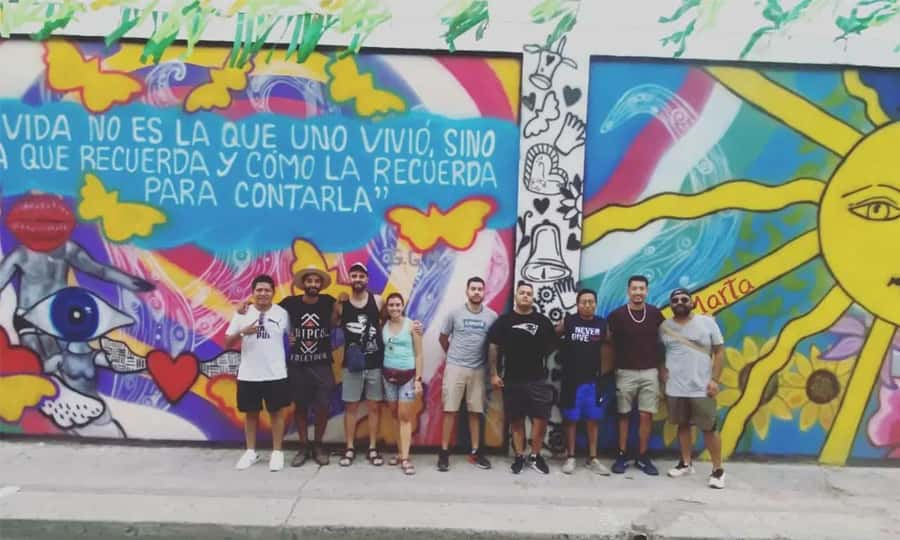
The official duration is two hours, but the actual pace can vary sharply. One experience ran close to four hours, while other feedback described the walk as very short and hurried. That is a wide gap, and it affects how you should plan your day.
If you have a strict schedule, ask the operator for the expected end time. The stated drop-off points are Parque de los Novios and the Casa de la Aduana, so the tour finishes within the central area rather than requiring a separate transfer.
An afternoon departure, such as 4:30, may be a smart choice. The heat can be easier to manage later in the day, and the route naturally leads toward the evening atmosphere around Los Novios Park. The tradeoff is that a longer-than-planned tour could push into dinner or evening plans.
The tour is conducted in English or Spanish. A live guide is included, and the strongest experiences depend on the guide’s ability to adjust the pace. Sergio has received especially warm praise for taking care of people, answering questions, and offering useful local suggestions.
Is $56 a fair price?
At $56 per person, this is not a bargain-priced orientation walk. You are paying for a live guide, museum guidance, historic interpretation, and food or drink tastings. If the museum visit is properly guided and the food stops all operate, the package can make sense for someone who wants a compact introduction without organizing each stop alone.
The value falls quickly if the experience lasts only a short time, the museum portion is limited, or one or more tastings disappear without a replacement. A rushed route also weakens the point of having a specialist guide. Santa Marta’s center is compact enough that you can see several buildings independently, so the paid value comes from explanation, access, context, and the food component.
I would book it early in a Santa Marta stay, not on your final day. That gives you time to use the guide’s recommendations for restaurants, pubs, clubs, and other sights. It also lets you return to the museum or revisit a church if one stop catches your interest.
The flexible booking terms help reduce the risk. You can reserve and pay later, and cancellation is allowed up to 24 hours before the activity for a full refund. Still, flexibility does not solve the question of what will actually be operating on the day, so ask about the food route if that is important to you.
Who will enjoy this experience most?
I would recommend the tour to you if you want a guided first look at Santa Marta and prefer a mix of architecture, Indigenous culture, local food, and practical city advice. It is especially useful for visitors who want to understand the center before exploring it alone.
It also suits travelers who enjoy asking questions. Sergio’s strongest quality is his willingness to explain everyday matters as well as historical subjects. You can ask about nearby activities, basic orientation, and places to eat after the walk.
The tour is less suitable if you want a slow museum visit, a focused food tour, or a guaranteed two-hour schedule. It tries to cover a lot: the Tairona Gold Museum, several historic landmarks, churches, a cemetery, public squares, food stops, and nightlife advice. That breadth is useful, but it can also produce a hurried experience.
Should you book the Santa Marta Historical and Street Food Experience?
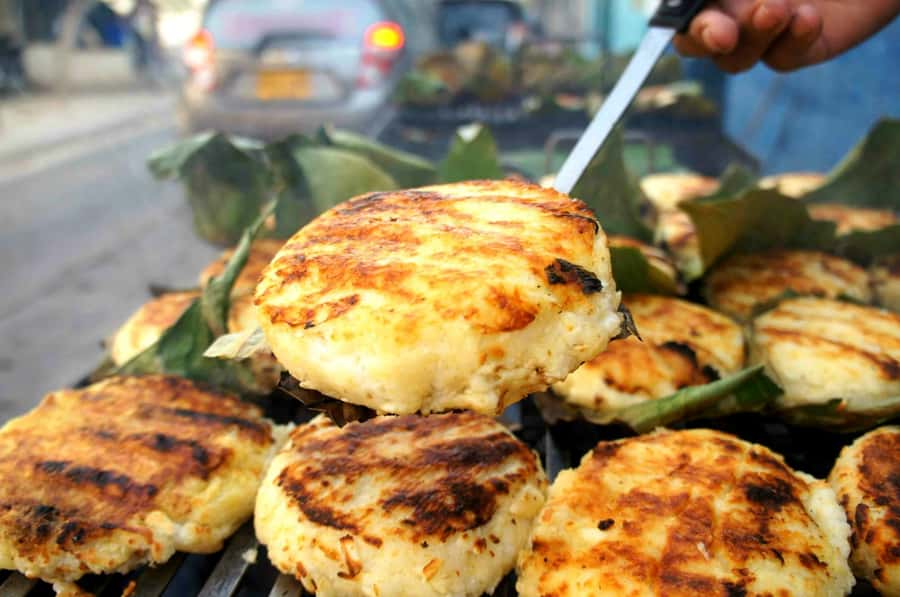
Book it if the combination of Tayrona culture, colonial Santa Marta, and local snacks appeals to you, and if you value a personable guide over a perfectly timed route. The museum and the explanations of the city’s architecture are the strongest reasons to go.
Before booking, confirm three things: the guide language, the expected length on your date, and which tastings are currently available. At $56, those details matter. If the operator confirms the full food portion and you can allow some schedule flexibility, this is a useful way to get oriented. If you want a guaranteed short walk or a dedicated food tour, choose something narrower.
FAQ
Where does the tour begin?
The tour begins at the Museo del Oro Tairona, located in the Casa de la Aduana.
Where does the tour finish?
The listed drop-off locations are Parque de los Novios and the Museo del Oro Tairona, Casa de la Aduana.
How long does the experience last?
The scheduled duration is two hours. The actual length can vary, with one reported experience lasting close to four hours and others feeling much shorter.
Which languages are available?
The live tour guide is available in English and Spanish.
Is the Tairona Gold Museum included?
Yes. The experience includes a guided tour inside the museum.
What food and drinks are included?
The experience is designed to include a local drink, exotic fruit juice, ceviche, lulo preparations, and empanadas. Food availability can vary, so confirm the current tasting arrangements before booking.
Can I cancel for a full refund?
Yes. You can cancel up to 24 hours in advance for a full refund. You can also reserve now and pay later.
Just added around Colombia
- Private Cartagena city and street food tour.★ 5.0 · 31 reviews
- The Cali Street Food Walking Tour★ 5.0 · 81 reviews
- Street Food Tour – Live A Unique Gastronomic Experience★ 5.0 · 34 reviews
- Street Food Tour in Bogotá with Tastings★ 5.0 · 34 reviews
- PALOQUEMAO MARKET FOOD TOUR. EXOTIC FRUIT. LOCAL SNACKS. /Min 2 pax★ 5.0 · 70 reviews
- Cali: Street Food Tour★ 4.8 · 71 reviews
- Shared Tour Bogota’s Street Local Food★ 4.5 · 22 reviews
- Shared Tour Cali’s Local Food at Alameda Market★ 4.8 · 12 reviews
Colombia Street Food Tours, compared.
Cartagena: Guided Street Food Tour with Tastings
Read our review →
Medellin: Street Food and Poblado Rooftop Tour with a Local
Read our review →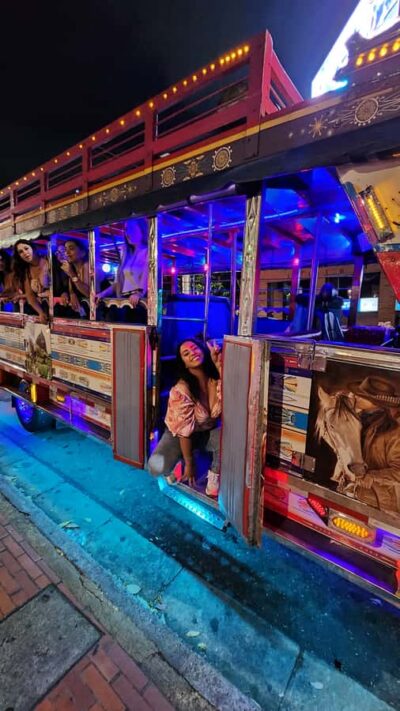
Medellin: Party Bus with DJ & Street Food Tastings
Read our review →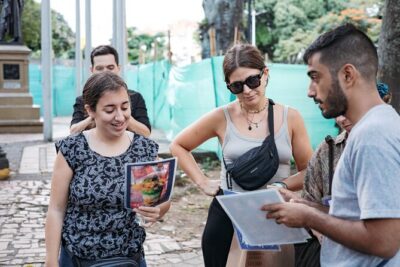
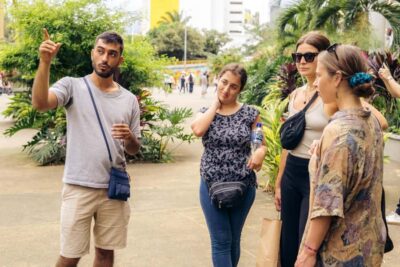
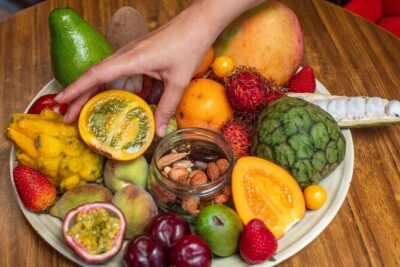
PALOQUEMAO MARKET FOOD TOUR. EXOTIC FRUIT. LOCAL SNACKS. /Min 2 pax
Read our review →
Medellin: tasting Street Food with Rooftops of El Poblado
Read our review →
Browse the lists this tour appears in