
REVIEW · STREET FOOD WALKING TOURS
Street Food and Community Walking Tour
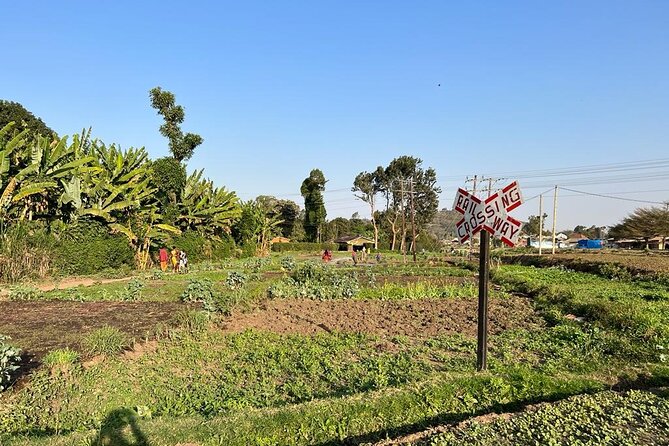
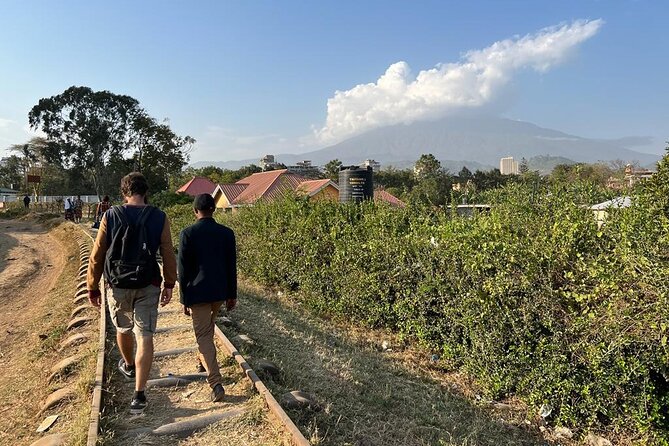
Arusha’s Sinoni district offers a look at daily community life that you will not get from a safari vehicle or a hotel restaurant. On this two-and-a-half-hour walk, a local guide leads you from the Maasai Market area through streets where you can taste food, meet people, and see ordinary work in progress.
I like the small group limit of 10, which keeps questions easy and the walk more personal. I also like the clear social purpose: all profits go to Jamii Imarika Foundation, which supports disadvantaged children, women, and young people. The main consideration is that this is a real neighborhood walk, not a polished sightseeing show, and the tour requires decent weather.
At a glance
- Local guides such as Jackson and Given explain community life and help you engage with people along the route.
- Sweet and salty Tanzanian foods are served from different local vendors during the walk.
- Sinoni’s working life includes urban farming, recycling, maize milling, and carpentry.
- The tour supports Jamii Imarika Foundation, with 100 percent of profits directed to its community work.
- The walk lasts about 2 to 3 hours, finishing in Sinoni rather than back at the starting point.
- The $25 price includes food, fees, and taxes, but not guide gratuity or transport.
Walking from the Maasai Market into Sinoni
The meeting point is Kajo Art Gallery at the Maasai Market on Tanesco Road in Arusha. From there, you set out on foot toward Sinoni, a district just south of the city center.
That starting point matters. You are not being collected at a distant hotel and delivered to a staged attraction. You begin near one of Arusha’s familiar market areas, then move into a residential community. The change in surroundings is part of the experience.
Expect the guide to set the pace and explain what you are seeing as you go. The walk is not built around famous monuments. Its subject is the ordinary city: homes, small enterprises, food preparation, and neighborhood projects. That makes it a good choice if you want context before or after a safari.
The walking distance and street conditions are not described in detail, so wear practical shoes and plan for an outing on foot. The tour is not presented as a strenuous hike, but you should be comfortable walking for roughly two and a half hours.
More Street Food Walking Tours in the world:
- Reykjavik Food Walk – Local Foodie Adventure in Iceland
★ 5.0 · 18,952 reviews - Naples: Street Food Walking Tour with Local Guide
★ 4.9 · 4,976 reviews - Private Street Food Evening Walking Tour in Ho Chi Minh City
★ 5.0 · 3,175 reviews
Food stops that make the walk personal
Food is the easiest way to connect a visitor with a place, and this tour uses it well. You receive sweet and salty items from different local vendors along the route.
The exact menu is not fixed in the information provided, which is actually useful to know. Local availability may shape what you taste on the day. You should arrive ready for familiar and unfamiliar flavors, rather than expecting a set restaurant meal or a formal tasting menu.
I like this format because the food is tied to the people and places you are passing. A snack from a local vendor becomes part of the neighborhood story. You can ask questions about ingredients, preparation, and how food fits into everyday life in Arusha.
Do not book this as a full lunch unless the operator confirms that separately. The included food is described as tasting items, not a complete meal. If you have allergies or dietary restrictions, ask before booking so you know what can be offered.
The walk includes both sweet and salty foods, giving the experience some variety. It also keeps the pace moving. Instead of sitting through a long explanation, you stop, taste, talk, and continue through the district.
Sinoni’s work and daily routines
The main part of the experience takes place in Sinoni. Here, the guide explains daily life while showing several practical parts of the local economy and neighborhood.
Urban farming
Urban farming is one of the most useful stops because it shows how food production can fit into a city district. You may see how people use available space for growing food, while the guide explains its place in community life.
The value here is not spectacle. It is a chance to understand how urban residents make use of land and resources close to home. Ask how the crops are used and who benefits from the work. The tour is designed for questions, so you do not need to remain a passive observer.
A few more street food tours around the world worth a look
- Dubai: Old Town, Creek, Museums, Souks, & Street Food Tour
★ 4.8 · 10,816 reviews - Ho Chi Minh City Street Food Tour & Sightseeing By Motorbike
★ 5.0 · 9,413 reviews - Medellin: Comuna 13 Graffiti Tour, Cable Car & Street Food
★ 4.8 · 9,046 reviews - Dubai: Old Town, Souks, Street Food, Guided Tour & Abra Ride
★ 4.9 · 7,170 reviews
Recycling
The recycling stop adds another layer to the walk. It gives you a chance to see how materials are handled and reused within the community.
This part may be especially useful if you want a clearer picture of local environmental work. It also helps you notice the systems behind a city’s streets, rather than seeing only the finished public areas. The guide can provide the local context, while your questions can shape how much time you spend on the subject.
Maize milling
A maize mill connects food on the plate with the work needed to prepare it. You see one stage in the process that sits between raw grain and a meal.
This is the sort of stop that can change how you look at the food tastings later in the walk. Instead of treating food as a simple sample, you begin to see the businesses, tools, and labor that support everyday eating.
Because the itinerary calls out maize milling specifically, it is one of the more distinctive parts of the route. It gives the tour a practical focus and helps set it apart from a standard city stroll.
Carpentry
The carpentry stop shows another form of local work. You can learn about the trade and see how a neighborhood business contributes to daily life.
These small enterprises are important to the character of Sinoni. They also give you a chance to ask about skills, customers, and the role of local trades. The experience does not promise a workshop or hands-on activity, so expect to look, listen, and talk rather than make something yourself.
Mud houses and churches
Mud houses provide a direct look at local building methods. The guide can explain what these homes mean within the community and how they fit into the wider area.
Churches add a social and cultural dimension to the route. The tour presents them as part of the neighborhood, not as isolated monuments. You should treat these stops with respect and follow the guide’s direction about where to stand and what is appropriate to photograph.
Together, these places help you see Sinoni as a lived-in district with homes, work, faith, food, and community projects. That is the tour’s strength. It gives you several small windows into daily life rather than one large attraction.
The guides make the difference
The experience depends heavily on the person leading it. Guides from the community can explain details that an outside guide might miss, and they can help make introductions feel natural.
Jackson and Given are named as guides connected with this experience. Their role is more than pointing out locations. They explain Tanzanian culture and everyday life in Arusha, answer questions, and help you engage with local people.
That personal contact is one of the tour’s strongest features. A good guide can explain what you are seeing without turning the walk into a lecture. The available feedback specifically highlights Jackson and Given for being helpful, friendly, and informative, as well as for making the food stops enjoyable.
The small group limit helps here. With no more than 10 people, you have a better chance to hear the guide and ask follow-up questions. It also reduces the risk that the walk feels like a large procession through the neighborhood.
Still, keep your expectations realistic. The tour cannot guarantee that every local person will want a long conversation, and community interaction should remain respectful. Your guide helps create opportunities, but the people you meet are not performers.
A tour with a direct community purpose
The experience is operated by Jamii Imarika Foundation, a local nonprofit group. Its stated goals include providing education and basic needs for disadvantaged children, empowering women, and educating young people.
The tour’s most unusual feature is its funding model. All profits are directed to the organization. At $25 per person, your payment covers the guide, food, fees, and taxes, while also supporting the foundation’s work.
That does not make the tour automatically right for everyone, but it does improve its value for people who want their sightseeing money to support a local cause. You are paying for a guided walk and food, not simply making a donation. At the same time, the activity gives you a closer look at the community connected to the organization.
I would still judge the experience by the quality of the walk, and the structure is solid. You receive a local guide, several food tastings, neighborhood access, and cultural explanation. Compared with a private half-day tour, $25 is modest. Compared with a quick market visit, it costs more, but you receive much more context and time with a guide.
Timing, transport, and the finish in Sinoni
The walk lasts about 2 to 3 hours, with the main route listed at approximately 2 hours and 30 minutes. That is long enough to cover several stops without taking up an entire day.
The tour ends in Sinoni at the listed location JM7M+65W, Arusha. It does not return you to Kajo Art Gallery. The operator says it will help you get back to your hotel, but private transportation is not included.
This is an important planning point. Before setting out, know how you will continue from Sinoni. You may want to arrange your onward ride in advance or ask the operator for help after the walk. Do not assume your hotel transfer is part of the $25 price.
The mobile ticket makes entry simple. Confirmation is provided at booking, and the activity is near public transportation. The meeting and ending points are different, so save both locations on your phone.
The tour requires good weather. If poor weather forces cancellation, you are offered another date or a full refund. The activity also requires a minimum number of participants, so a cancellation is possible if that minimum is not reached.
Who will enjoy this walk most
I would recommend this experience to you if you want to understand Arusha beyond its role as a gateway to Mount Kilimanjaro and northern Tanzania’s safari parks.
It suits first-time visitors who want a gentle introduction to local life, food-focused travelers who prefer small tastings to formal dining, and anyone interested in responsible tourism. It also works well for visitors who enjoy asking questions and learning through conversation.
The tour may be less suitable if you want major monuments, a fixed menu, private transport, or a completely predictable schedule. It is also not the best fit if you dislike walking through ordinary residential areas or prefer a polished attraction designed only for tourists.
Most travelers can participate, and service animals are allowed. Specific information about the surface, seating, or facilities is not provided, so you should contact the operator if you have mobility concerns or need particular arrangements.
Booking, cancellation, and practical value
The experience is often booked about 42 days in advance. That is a useful signal for planning, especially if your Arusha schedule is tight. I would reserve early rather than leave this for the last morning.
You can cancel for a full refund up to 24 hours before the start time. Changes or cancellations within 24 hours are not accepted for a refund. If weather or the minimum group requirement causes the operator to cancel, you receive a different date or experience, or a full refund.
The tour has a 4.8 rating and is recommended by 100 percent of the recorded respondents, with 12 reviews in the supplied information. The most praised features are clear: the guides, the friendly local contact, the useful information about the neighborhood, and the food stops.
A single 4 out of 5 rating also suggests a sensible reading of the score. This is a strong community experience, but it may not match the expectations of someone seeking a major attraction or a full meal. Its value comes from access, conversation, and community benefit.
Should you book the Sinoni walking tour?
Book it if you want a small, local, food-centered walk and you are happy to trade famous sights for a closer look at ordinary life in Arusha. Jackson and Given are named among the guides, and the tour’s mix of food, urban farming, recycling, maize milling, carpentry, mud houses, and churches gives you plenty to discuss.
The $25 price is fair because it includes tastings, a guide, taxes, and a direct contribution to Jamii Imarika Foundation. Plan your own way back from Sinoni, wear comfortable shoes, and keep your schedule flexible for weather.
Skip it if your priority is private transport, a formal meal, or a tightly scripted sightseeing route. For everyone else, this is a worthwhile way to spend an afternoon and put local community work at the center of your Arusha visit.
FAQ
Where does the tour start?
The tour starts at Kajo Art Gallery near the Maasai Market on Tanesco Road in Arusha, Tanzania.
Where does the tour end?
The walk ends in Sinoni at the listed location JM7M+65W in Arusha.
How long does the experience last?
The tour lasts about 2 to 3 hours. The main walk is listed as approximately 2 hours and 30 minutes.
What food is included?
Sweet and salty food from different local vendors is included. The exact food selection is not specified.
Is transportation included?
No. Private transportation is not included. The operator says it helps tourists return to their hotels after the walk.
How many people can join?
The group has a maximum of 10 participants.
Who leads the tour?
The experience includes a local community guide. Jackson and Given are named as guides connected with the tour.
What places and activities are included?
The walk covers parts of Sinoni and may include urban farming, recycling, maize milling, carpentry, mud houses, and churches.
Does the tour support a local organization?
Yes. The experience is provided by Jamii Imarika Foundation, and 100 percent of the profits go to the organization.
Can I cancel for a refund?
Yes. You can cancel at least 24 hours before the start time for a full refund. Cancellations or changes made within 24 hours are not refunded.
Just added around the world
- 1 Istanbul Tour: Highlights, Street Food & Hidden Pearls★ 5.0 · 9 reviews
- Evening Hyderabad Street Food Walk with Hyderabad Biryani★ 4.5 · 24 reviews
- Hyderabad Street Food Crawl (2 Hours Guided Food Tasting Tour)★ 4.0 · 5 reviews
- Japanese Street Food Class in Beech Grove★ 5.0 · 9 reviews
- Small-group Street food tour in Ischia★ 3.5 · 2 reviews
- Hyderabad : Evening Street Food Tasting with Guided Old City Tour★ 5.0 · 10 reviews
- Hyderabad Street Food Experience with Local Expert★ 4.5 · 2 reviews
- Hue Street Food On Foot (Daily Tour – Group Tour | 12 pax max)★ 5.0 · 15 reviews
Street Food Walking Tours, compared.

New Orleans Food Walking Tour of the French Quarter with Small-Group Option
Read our review →
Naples: Street Food Walking Tour with Local Guide
Read our review →
Tokyo Tsukiji Fish Market Food and Culture Walking Tour
Read our review →
Private Street Food Evening Walking Tour in Ho Chi Minh City
Read our review →
SoHo, Little Italy, and Chinatown Walking Tour in New York
Read our review →
Rome: Guided Food Walking Tour with Wine in Trastevere
Read our review →
Browse the lists this tour appears in