
REVIEW · JAPAN STREET FOOD TOURS
Tokyo: Asakusa & Sensoji ー Oldest Temple Walking Tour (2hrs)
Asakusa gives you Tokyo’s oldest temple, everyday shopping streets, Buddhist rituals, and old Edo flavor in one compact walk. The most interesting detail is the rare pairing of a Buddhist temple and Shinto shrine in the same area. Your guide helps explain what you are seeing instead of leaving you to guess at the incense, fortune slips, prayer steps, and rows of Jizo statues.
I like the easy pace and the local focus. You get time for street food, matcha sweets, grocery shopping, and shops selling knives, kimono goods, swords, and ninja equipment. The main caution is that the advertised food tasting may not happen every time, so treat the snacks as an opportunity rather than a guaranteed meal.
Key points at a glance
- Kaminarimon begins the story: Learn the outer gate’s proper name, symbols, and place in Asakusa before entering the temple district.
- Senso-ji is more than a photo stop: You can purify your hands, use the incense smoke, draw a fortune, and make a traditional prayer.
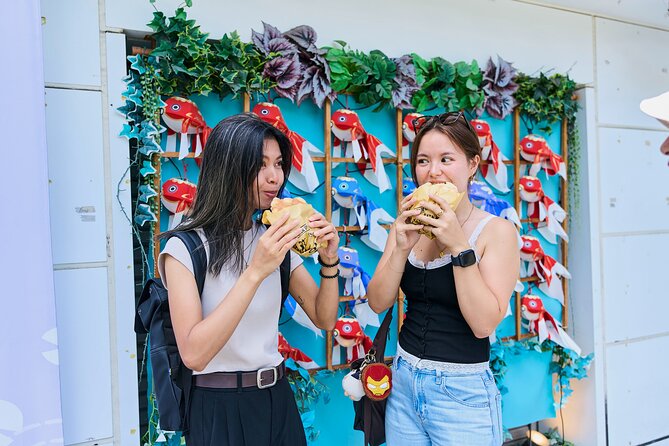
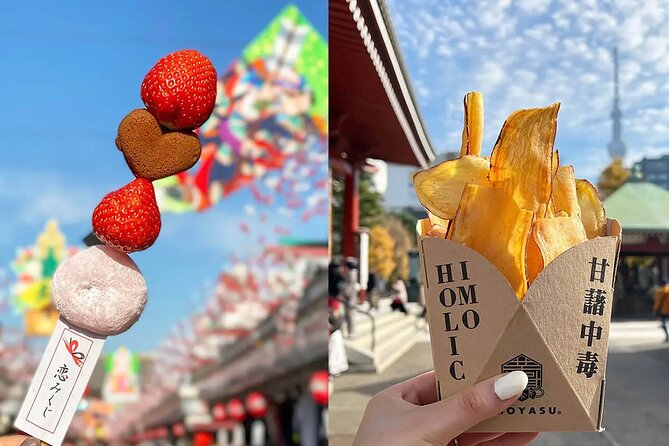
- Food is part of the walk: Look for melon bread, menchi-katsu, skewers, matcha soft serve, and seasonal sweets.
- Old Asakusa still feels useful: Hoppy Street, sword shops, kimono stores, snack stands, and a neighborhood supermarket show daily life beyond the temple.
- Guides shape the experience: Keiko, Yui, Josh, Nono, Nanami, Naoto, Naruto, and Aiko are among the guides associated with especially personal and informative tours.
- It costs $19.90: For two hours with a local guide and a small group capped at 15, the price is reasonable, though food purchases and tastings may be extra.
Starting under Kaminarimon’s giant lantern
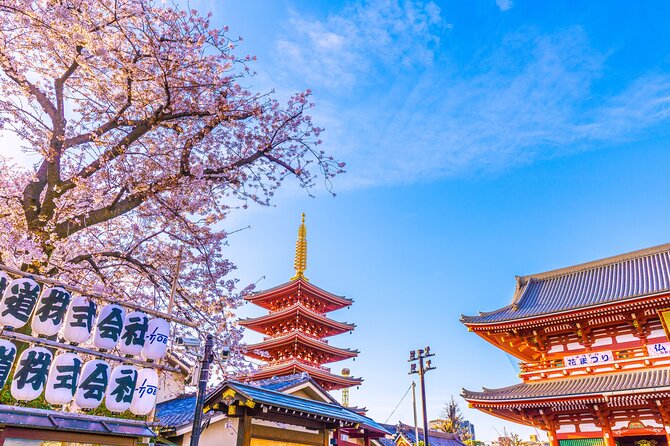
The meeting point is the Kaminarimon Police Box at 1-chome 3-1 Asakusa. This is a practical place to begin because Kaminarimon, also called the Thunder Gate, is one of Asakusa’s clearest landmarks. You will not be wandering through back streets trying to find a tiny café or an unnamed storefront.
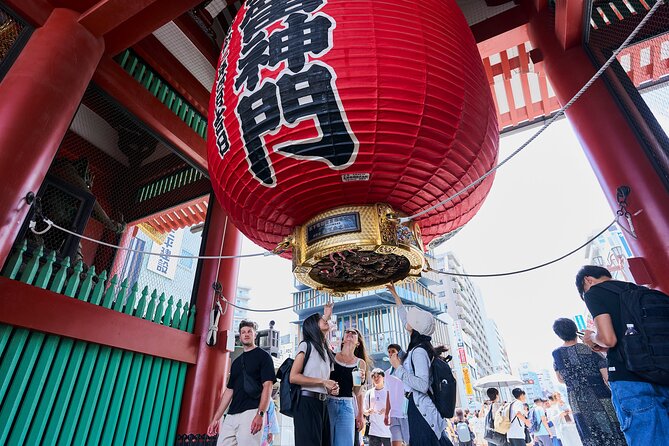
The first 20 minutes focus on the gate itself. Your guide explains its real name, its history, and the meaning of the large figures and famous lantern. That short introduction matters. Kaminarimon is easy to photograph and easy to rush past, but the gate is the formal entrance to Senso-ji. Once you understand that, the street ahead feels less like a shopping lane and more like an approach to a major religious site.
This is also a good point to ask questions. Guides such as Josh have been praised for clear English and local insight, while Keiko has added small touches for families, including handwritten food cards and stickers. Those details suggest that the tour can work well for children, though the exact guide and style will vary.
More Street Food Walking Tours in Japan
- Tokyo Tsukiji Fish Market Food and Culture Walking Tour
★ 5.0 · 3,184 reviews - Tokyo: Tsukiji Fish Market Food and Walking tour
★ 5.0 · 1,724 reviews - Tokyo: Tsukiji Fish Market Guided Walking Tour
★ 4.9 · 1,397 reviews
Nakamise Street: souvenirs with a side of snacks
From Kaminarimon, you walk along Nakamise Shopping Street for about 20 minutes. The street leads toward Senso-ji and is lined with souvenir shops and food stands. It is a busy commercial route, but that is part of its purpose. People have been buying small gifts and temple treats here for generations.
You may see traditional-style goods, snacks, sweets, and useful Tokyo souvenirs. The guide can point out what is worth your attention and help you avoid spending your short visit on every shop window. If you want gifts, this is a good place to compare options before the tour moves on.
Food is one of the pleasures here, but keep your expectations clear. The experience description includes local street food with tasting, yet one participant specifically found that the food tasting did not take place. I would bring a little cash and plan to buy something appealing, but I would not book the walk solely for a promised snack. A tasting may depend on timing, shop conditions, or the guide’s route.
Senso-ji and the practical side of temple customs
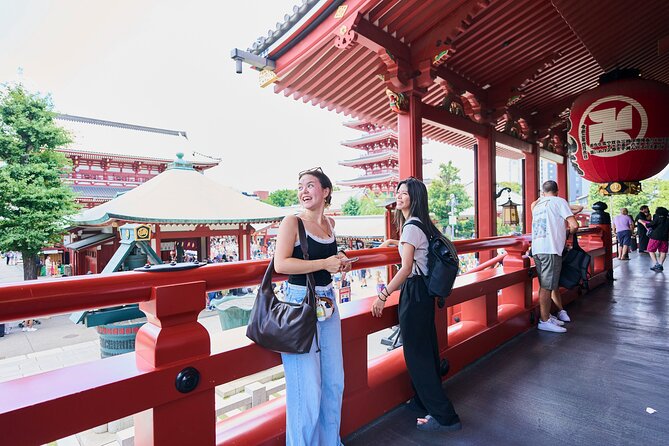
You spend about 20 minutes at Senso-ji Temple, Tokyo’s oldest temple and one of its best-known places of Buddhist worship. The value of having a guide here is not simply learning dates. It is learning what to do and why.
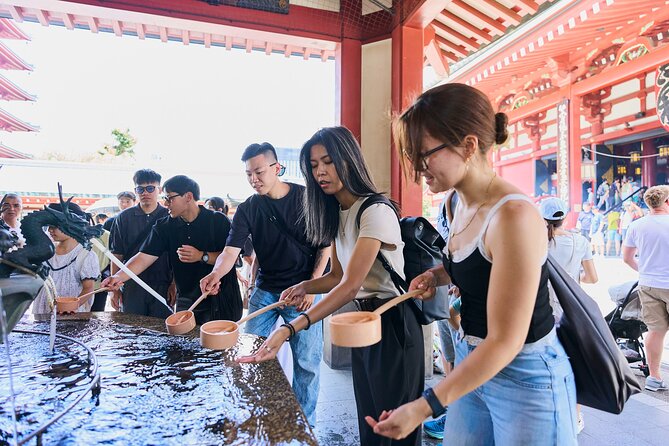
You can wash or purify your hands with water, take in the incense smoke, draw a fortune, and offer a traditional prayer. Your guide can explain the order and meaning of these actions, which makes the visit feel more respectful and less like a series of photo opportunities.
The temple can be crowded, especially around the main approach, so two hours will not give you a full study of every building and religious detail. That is not the goal. This is an introduction that gives you enough context to return on your own later.
The nearby Shinto and Buddhist connection is a special feature of the walk. Japan’s religious life does not always fit the neat categories visitors bring with them, and Asakusa gives you a visible example of traditions sharing the same neighborhood. Listen closely here, because this may be the most useful cultural explanation of the morning.
Yogodo, koi, goshuin, and the Jizo statues
The stop at Senso-ji Yogodo is only about five minutes, but it adds a quieter note to the route. You may see the goshuin desk, a pond with koi, and rows of Jizo statues. It is also a popular spot for photographs.
Goshuin are temple seals collected in a special book, and the desk gives you a chance to see how religious visits can become a personal record. If you collect seals, ask your guide about the process and whether the desk is operating during your visit. The tour data confirms the desk is part of the stop, but not that a seal purchase is included.
The Jizo statues have a well-known story, and that story gives the statues more meaning than a quick look would provide. This is a good example of why a guide helps in Asakusa. Without context, you might photograph the koi and move on. With an explanation, the five-minute stop becomes a small lesson in local belief.
Same city, a different plate:
- Hungry Osaka Street Food Tour:15 Tastings & 3 Drinks with a Local
★ 5.0 · 1,727 reviews - Nishiki Market Brunch Walking Tour (7 Tastings + Brunch)
★ 5.0 · 1,355 reviews - Tokyo Sushi Making Class in Tsukiji with Professional Chef
★ 5.0 · 1,177 reviews - Osaka Local Foodie Walking Tour in Dotonbori and Shinsekai
★ 5.0 · 985 reviews
Matcha at Kaminari Issa
Next comes Kaminari Issa, a local sweets shop focused on strong matcha flavors. The listed tasting possibilities include matcha soft serve, matcha truffles, and seasonal treats.
This stop is short, about five minutes, so you should think of it as a quick taste rather than a relaxed dessert break. Matcha can be bitter and grassy, and these sweets are a useful way to try different forms of it without committing to a full meal.
The shop also adds variety to the route. Senso-ji supplies the temple setting, while Kaminari Issa shows how local food businesses build an identity around a familiar Japanese ingredient. If you have a sweet tooth, this may be one of the most appealing pauses on the walk.
Again, the food tasting qualification matters. The itinerary describes what you may find, but the only firm promise is that the route includes the shop. Budget for your own purchase and be pleased if the guide arranges a sample.
A local shopping street and old-fashioned snacks
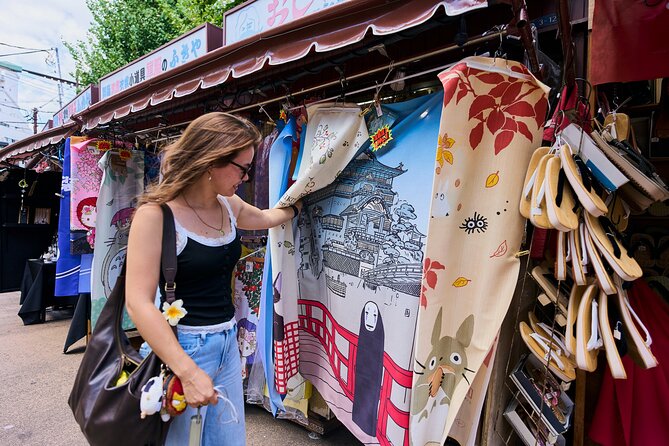
After the temple area, the walk continues through a shopping street with snack stands, souvenir shops, and traditional storefronts. The route may include melon bread and other street foods. These smaller streets are useful because they show Asakusa as a neighborhood, not only as a major sightseeing stop.
You might find shops that are easy to miss if you walk alone. A guide can direct your attention to a particular snack, explain what it is, or point out a store with a long local connection. The route also gives you time to compare the polished temple approach with more ordinary shopping streets.
The tour is not a food crawl with a series of guaranteed portions. It is a cultural walk where food appears along the way. That distinction will help you decide if it fits your plans. If you want a full lunch, eat before or after. If you like grazing on small bites while learning about a neighborhood, the format makes sense.
Hoppy Street and Asakusa’s Edo-style character
Hoppy Street receives about 10 minutes, but the area can leave a strong impression. You will see daytime drinking spots and shops that keep an Edo-period feel, including sword stores and kimono shops.
Hoppy is a local drink associated with casual bar culture, and the point here is observation rather than a required drinking session. The guide can explain why the street is popular and how it fits into Asakusa’s social life.
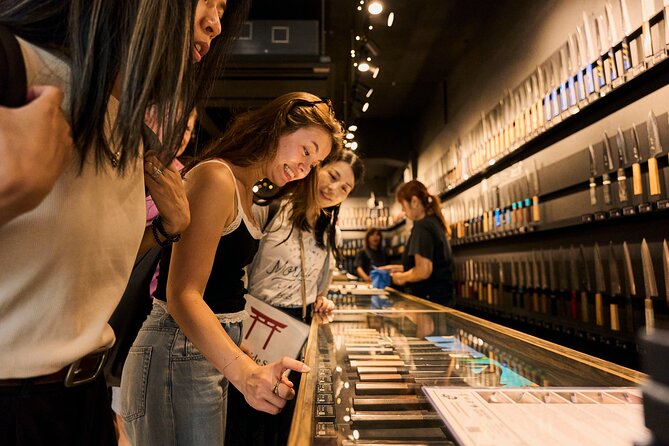
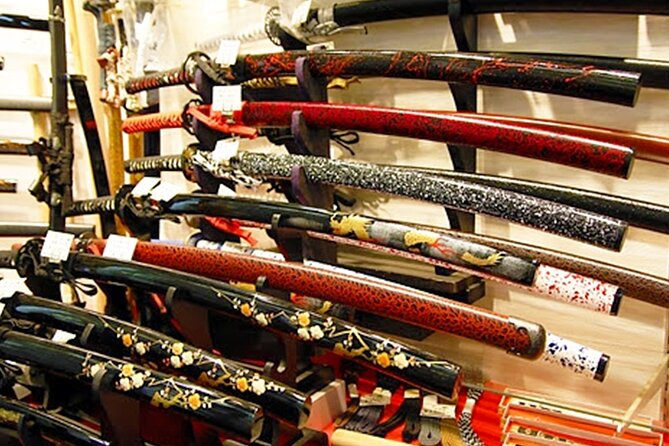
The sword and kimono stores are especially useful stops for anyone interested in traditional crafts or Japanese history. The route may also include a pro chef knife shop, where you could see traditional sharpening in action. Japanese kitchen knives are respected for their precision and craftsmanship, but the information does not say that a demonstration or purchase is guaranteed. Treat it as an optional addition if the shop is included on your day.
Another nearby stretch has a playful old-Edo look, retro storefronts, unusual vending machines, menchi-katsu, and skewers. Menchi-katsu is a fried minced-meat cutlet, the sort of filling snack that works well during a walking tour. You may want to keep room for it if you have already sampled sweets.
Ending at a real neighborhood supermarket
The final scheduled stop is Ozeki Asakusa Kaminarimon Grocery and Supermarket. This is a smart ending because it shifts the focus from souvenirs to everyday Japanese food.
You can browse groceries and look for small items to take home. A supermarket may offer a better look at ordinary shopping habits than a specialty store, and prices can be easier to compare. If you are staying in an apartment or hotel with food storage, you may also find practical snacks for later.
The activity ends back at the meeting point. That makes the tour easy to pair with more time in Asakusa, a meal, or a return visit to Senso-ji. Since the route covers many short stops, you should wear comfortable shoes and leave space in your bag for purchases.
The guides make the difference
The tour has been led by several guides, including Keiko, Yui, Josh, Nono, Nanami, Naoto, Naruto, and Aiko. Their styles appear to vary, but the strongest pattern is personal attention and clear explanation.
Yui is associated with detailed temple and Asakusa history, along with useful food suggestions. Josh is described as a local who speaks English well and keeps the walking pace manageable. Nono has adapted the route for tired visitors, including a parent and daughter dealing with jet lag. Nanami has been praised for making the area’s restaurants and interactive shrines easy to appreciate.
That flexibility matters. A two-hour walk can feel long if the guide rushes, or too thin if the explanation is vague. The best version of this tour seems to balance history with practical stops. The group limit is 15, which is small enough for questions but not the same as a private tour.
Price, pace, and who gets the best value
At $19.90 per person, this is a modestly priced introduction to Asakusa. You are paying for a local guide, a planned route, cultural explanations, and help finding food and shops. There are no admission fees for the listed stops, so the price is not being used to cover a major ticketed attraction.
The value is strongest if you are new to Asakusa, want help with temple customs, or have only a short window in the neighborhood. It is also useful if you prefer a gentle walk over a packed sightseeing schedule. Several stops last only five to 20 minutes, and the route includes time to look, ask, and buy.
The value is weaker if you already know Senso-ji well, prefer to explore alone, or expect a full food tour. Purchases and any optional tasting are not clearly included. The tour also covers a large amount of ground in two hours, so you will get an overview rather than an exhaustive visit.
Confirmation is provided at booking, and the tour is near public transportation. Most people can participate. You can cancel for a full refund up to 24 hours before the start time, but cancellations or changes inside that window are not refunded or accepted.
Should you book the Asakusa walk?
I would book this tour if you want cultural context without a heavy schedule. The guide gives structure to Kaminarimon, Senso-ji, Yogodo, Hoppy Street, local food stops, and the supermarket. You also get a useful introduction to customs that are easy to misunderstand on your own.
Choose it especially if you are visiting Tokyo for the first time, traveling with family, or feeling too tired for a longer excursion. The small group limit and relaxed pace help, and guides such as Nono have shown that the route can be adjusted with care.
I would skip it if your main goal is a guaranteed series of food tastings or a specialist temple study. For everyone else, $19.90 is a fair price for two hours of orientation, local recommendations, and a look at Asakusa beyond the famous gate.
FAQ
Where does the Asakusa walking tour begin?
The tour begins at the Kaminarimon Police Box at 1-chome 3-1 Asakusa, Taito City, Tokyo 111-0032, Japan.
How long does the tour last?
The tour lasts approximately two hours.
Where does the tour finish?
The activity ends back at the meeting point.
Is Senso-ji Temple admission included?
The listed stops have no admission fee. The tour includes visits around Senso-ji, including the temple area and Yogodo.
Is food tasting included?
The experience includes local food stops and lists tasting opportunities, including matcha sweets and street food. However, food tasting may not take place on every tour, so you should not treat it as guaranteed.
What is the cancellation policy?
You can cancel up to 24 hours before the start time for a full refund. Cancellations or changes made less than 24 hours before the start time are not accepted, and the payment is not refunded.
Just added around Japan
- Savor Setouchi inland sea Local Food & Bike Tour with Local Guide★ 5.0 · 3 reviews
- Okonomiyaki Counter: Hiroshima Edition★ 5.0 · 2 reviews
- Private Fukuoka Bar Hopping and Food Walking Tour★ 5.0 · 3 reviews
- Fukuoka Evening Tours: Yatai, Izakaya, Karaoke and more★ 5.0 · 21 reviews
- Samurai Food Walk in Kakunodate★ 5.0 · 10 reviews
- Tokyo: Tsukiji walk & sushi private tour with Uni Students★ 5.0 · 17 reviews
- Tokyo: Private Tsukiji Street Food & Sake with Local Guide★ 5.0 · 3 reviews
- Tokyo: Tsukiji Market Guided Tour & Sushi-Making Experience★ 4.4 · 11 reviews
Japan Street Food Tours, compared.
Tokyo Tsukiji Fish Market Food and Culture Walking Tour
Read our review →
Hungry Osaka Street Food Tour:15 Tastings & 3 Drinks with a Local
Read our review →
Tokyo: Tsukiji Fish Market Food and Walking tour
Read our review →
Tokyo: Tsukiji Fish Market Guided Walking Tour
Read our review →
Nishiki Market Brunch Walking Tour (7 Tastings + Brunch)
Read our review →
Tokyo Sushi Making Class in Tsukiji with Professional Chef
Read our review →
Osaka Local Foodie Walking Tour in Dotonbori and Shinsekai
Read our review →
Browse the lists this tour appears in